Seborrheic Keratosis Reset
Seborrheic Keratosis Reset Facebook ad: “Your Spreading Seborrheic Keratoses Are Just The Surface…”
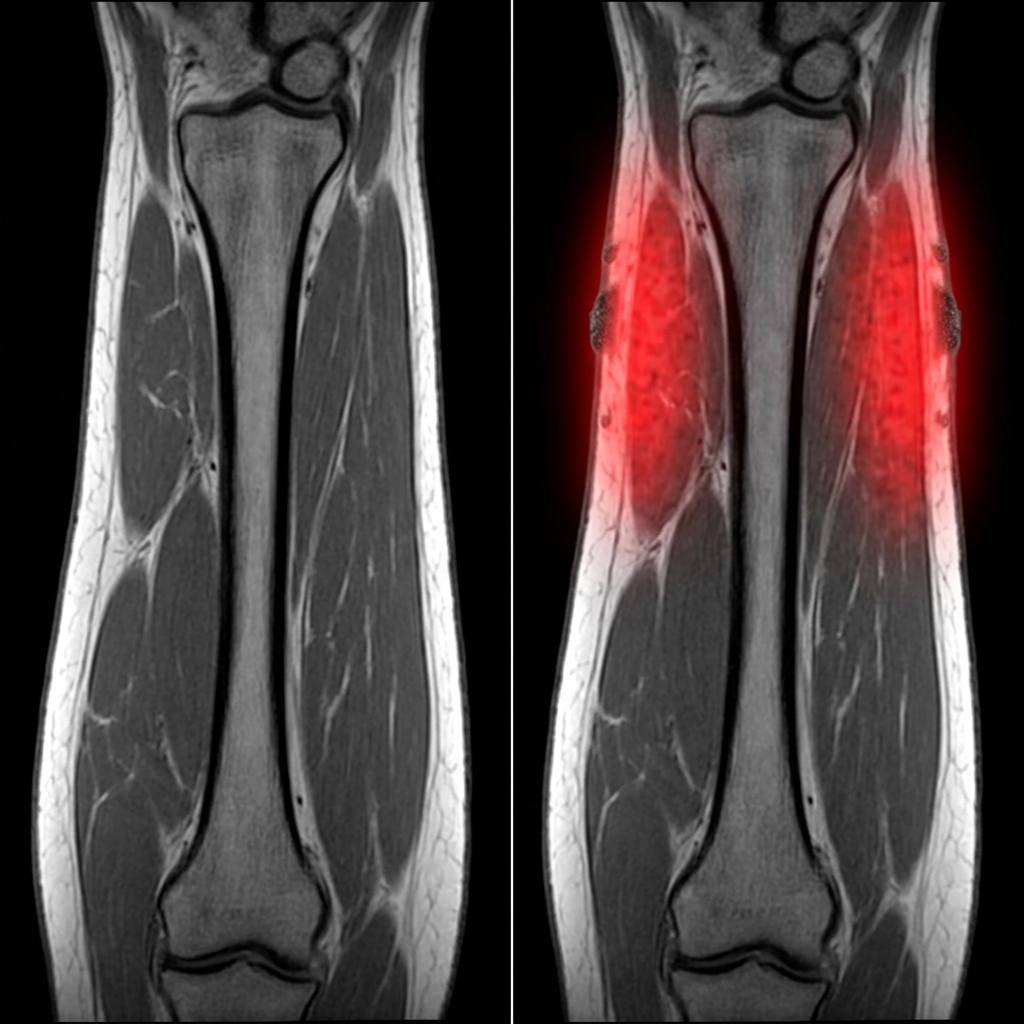
Ran for 3 days, from August 4 to August 7, 2026, the last day Crush saw it.
Run by Seborrheic Keratosis Reset on Facebook. Crush is not the advertiser and does not verify its claims. See this ad in Meta's Ad Library(opens in a new tab)
Want an ad like this for your product?
Crush makes new ad images for your product from this ad: your logo, your product photo, your offer.
Trials from $19.95 USD, then $79.95 USD a month. Cancel anytime.
About this ad
- Meta Ad Library ID
- 1069583895415171
- Platforms
- Facebook, Instagram, Audience Network, Messenger and Threads
- Relaunches
- 0
Ad text
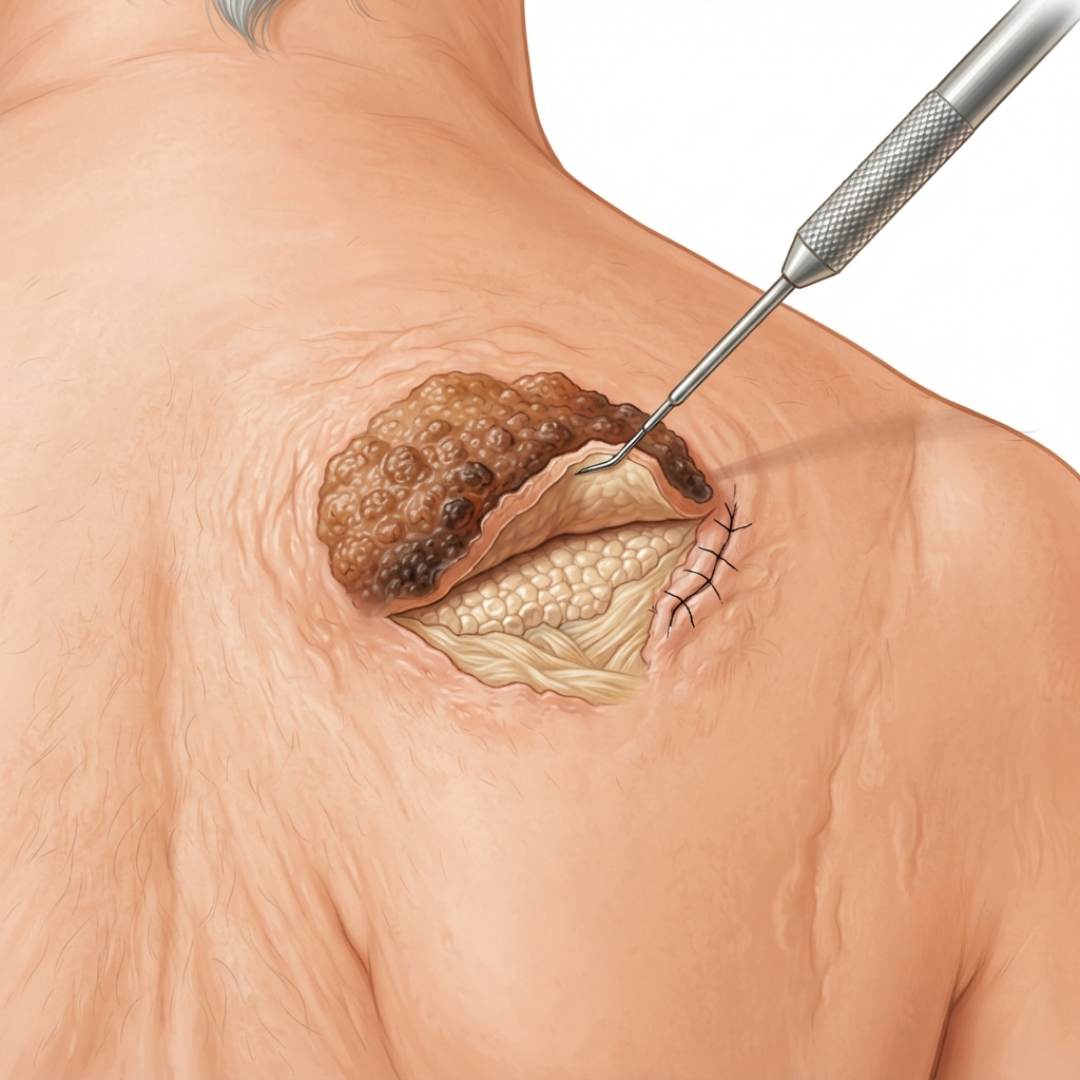
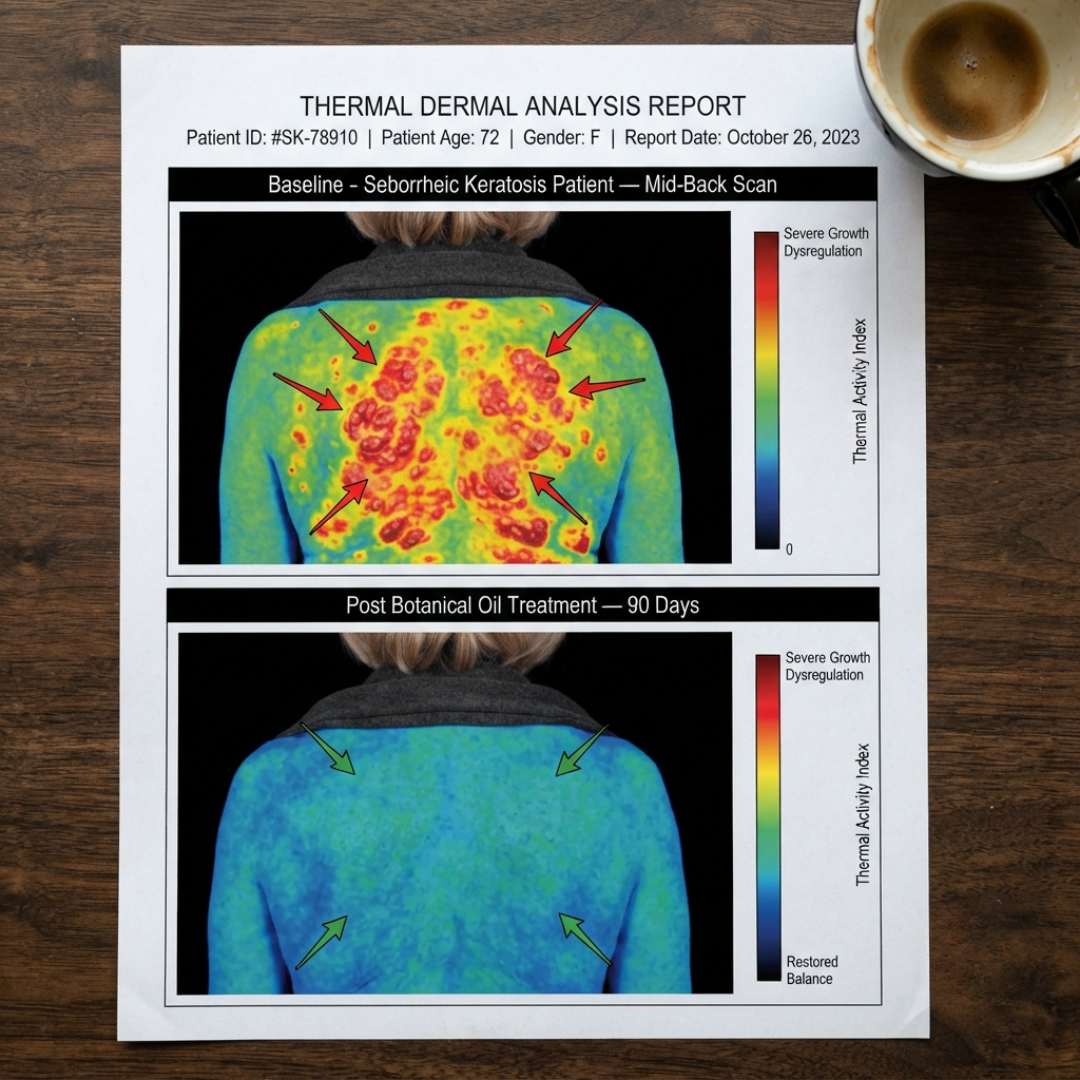
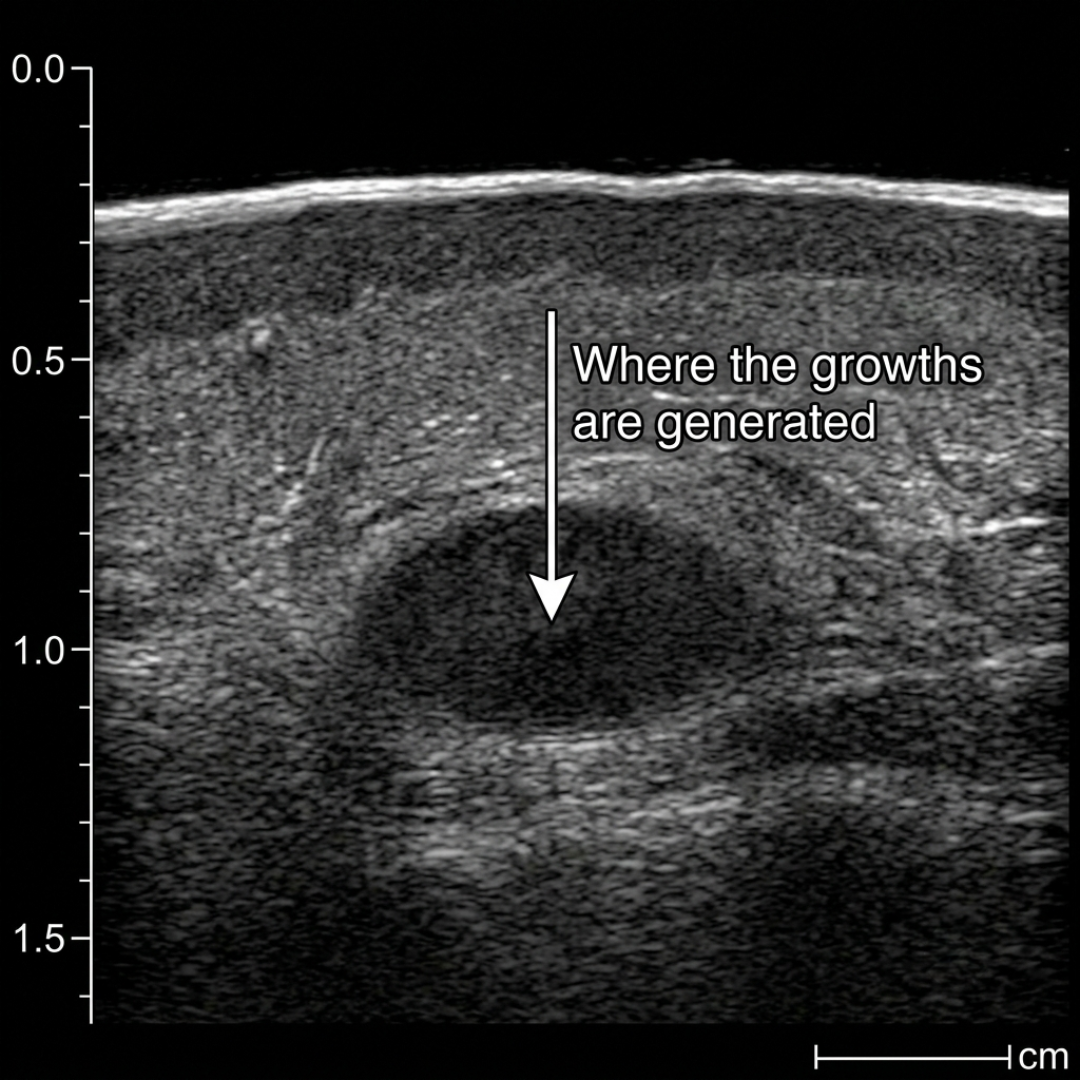
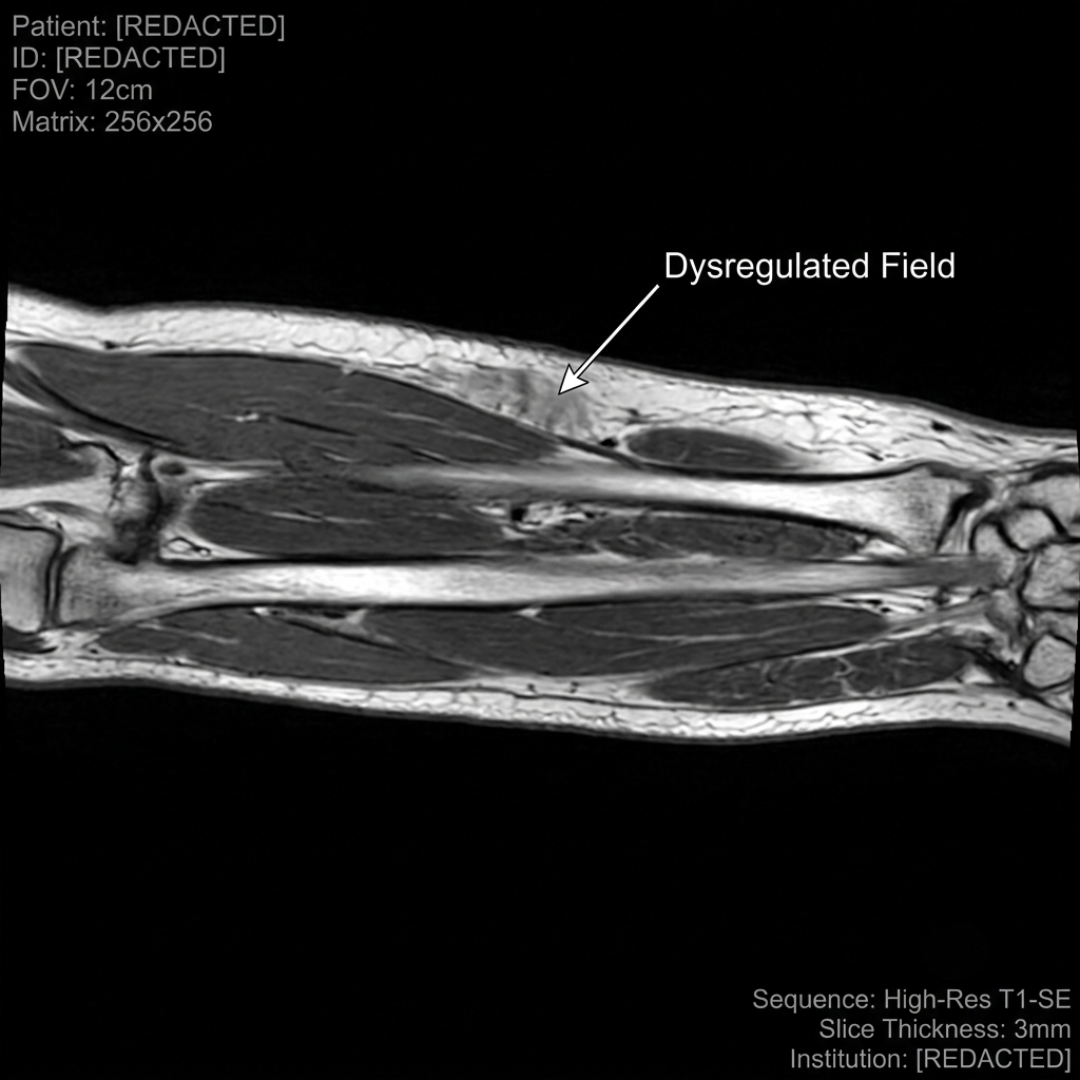
If you are a woman over 60 and dark, raised growths have been quietly multiplying on your arms, chest, back, and face — and every doctor you have seen has told you "they are harmless, just cosmetic" — I wrote this for you. Look at your forearms. Your chest. The backs of your hands. Count them. The dark, waxy-looking spots that seem stuck onto your skin like they do not belong there. The ones that started as one or two and have slowly, year by year, become ten. Fifteen. More than you want to count. The ones that catch on your clothing. The ones your grandchild once pointed at and asked, "What are those bumps, Grandma?" The ones that make you choose your neckline before you choose your outfit. Your dermatologist looked at them and said the words that have followed you out of every appointment since: "Seborrheic keratoses. Completely benign. Nothing to worry about." And then moved on to the next patient. Nothing to worry about. As if looking in the mirror and watching your skin slowly disappear under a spreading map of dark, raised growths is nothing. As if avoiding sleeveless tops in July is nothing. As if the quiet shame of someone staring at your chest in a V-neck is nothing. I know that feeling because I lived with it for nine years. My name is Ellen Marsh. I am not a doctor. I spent most of my career as a botanical skincare formulator, and for a long time I could develop products for every concern except the one that was spreading across my own body. By my early sixties, my arms, my chest, and the sides of my neck had started collecting them. Small at first. Flat-ish. Easy to ignore. Then they got darker. Then they got thicker. Then they started catching on my bra strap, my necklaces, my towel after a shower. Then new ones showed up every few months, in places that had been clear the season before. I went to my dermatologist. She froze three off with liquid nitrogen. $275. Two of them came back within a year. Four new ones appeared in places she had not touched. She froze those too. $275 again. I asked her: "Why do they keep coming back? Why are there more every time?" She said: "That is just what skin does as it ages. We can remove the ones that bother you." That was her entire answer. Remove the ones that bother me. One at a time. $275 at a time. While my skin kept producing new ones faster than she could freeze them off. I tried what women over 60 try. Apple cider vinegar. Left my skin raw and irritated. The growths did not change. Drugstore "dark spot correctors." Formulated for flat discoloration, not raised keratoses. Did absolutely nothing. Prescription retinoids. The dermatologist said they might slow things down. They made my skin peel, sting, and burn in the sun. The keratoses did not slow down. Expensive "age spot" serums from department stores. $90 a bottle. Mostly water, fragrance, and marketing. Sat on the surface of my skin and did nothing to the raised, waxy growths underneath. Every product I tried had the same problem, and I could see it clearly because formulation is what I do for a living. They were all designed to treat the surface of skin. The very top layer. The part you can see and touch. But seborrheic keratoses do not live on the surface. They grow from within the skin itself — from the deeper layers where skin cells are produced. The growths you see on the outside are the visible result of skin cells that have piled up and over-accumulated in the layers below, pushed to the surface in thick, waxy, pigmented clusters. Freezing removes what is visible. It does not change what is happening underneath. Lotions and serums sit on top. They never reach the layers where the over-accumulation is actually occurring. That is why the growths keep coming back after removal. That is why new ones keep appearing. That is why no cream you have tried has ever made a difference. You have been treating the surface of a problem that starts beneath it. I knew this as a formulator. And it made me angry — at the products I had seen on the market, at the dermatology industry that treats each growth as a $275 billable event, and at myself for not solving it sooner. So I went back to the only delivery system that actually penetrates the skin's own lipid layers: oil. Not a heavy, greasy oil. A dry botanical oil — one that absorbs in seconds, leaves no film, and carries active compounds past the surface barrier into the deeper skin layers where cells are actually being produced. Then I built the formula around four actives chosen specifically for what seborrheic keratosis skin needs. Bakuchiol. The plant-based alternative to retinol — without the stinging, peeling, or sun sensitivity. It supports healthy skin cell turnover, helping to normalize the process that has gone haywire in skin that over-accumulates cells into thick, raised growths. Gentler than prescription retinoids. Effective where they were not. Oil-soluble Vitamin C. Not the water-soluble kind in every serum on the shelf that oxidizes before it does anything. The stable, lipid-soluble form — Ascorbyl Tetraisopalmitate — that can actually travel past the skin barrier intact. An antioxidant that helps brighten and even out the dark, pigmented appearance that makes seborrheic keratoses so visible and so distressing. Sea Buckthorn. Rich in Omega-7, the fatty acid that helps rebuild a depleted, aging skin barrier. The same barrier that determines whether any active compound actually reaches the deeper layers or just evaporates off the surface. Sea Buckthorn repairs the road everything else travels on. Camellia oil. A thousand years of use by Japanese women. Absorbs to a satin finish, deeply nourishes thinning skin, and restores the softness and suppleness that aging, sun-exposed skin has lost. Sixteen botanicals in total. Zero water. Zero fillers. Zero synthetic fragrance. Every ingredient in the formula is oil-soluble, meaning every ingredient can actually reach the skin layers where it matters. I made the first batch and started using it on myself. Twice a day — morning and night — on my arms, my chest, my neck, and the backs of my hands. Every area where the keratoses had been multiplying. Week one. The skin around the growths felt softer. Less dry, less rough. The oil absorbed immediately — no greasy residue, no staining. Week three. I looked at my forearm one morning and stopped. Two of the raised spots near my elbow looked flatter. Not gone — but measurably less raised. The dark edges looked softer. I ran my finger across them and the waxy, stuck-on texture had smoothed. Week six. My sister grabbed my arm at dinner and said, "Ellen, what happened to those bumps? They look so much better." Three of the keratoses on my forearm had visibly flattened. The dark pigmentation had lightened. Two smaller ones I had been watching looked almost level with the surrounding skin. Week eight. I put on a V-neck top and looked in the mirror. The cluster on my upper chest — the ones that had made me switch to crew necks three years ago — looked smoother, flatter, and significantly less visible than they had in years. Not invisible. But no longer the first thing I saw when I looked down. I wore that top to lunch. First time in three years. I want to be completely honest with you about what this oil is and what it is not, because I am exhausted by how skincare is sold to women our age. This is a clean, botanical body oil that visibly softens, smooths, and reduces the raised appearance and dark coloring of seborrheic keratoses over time. It helps support healthy skin cell turnover and nourishes aging, sun-exposed skin so it looks and feels better. It is not a medicine. It is not a medical treatment. It does not remove keratoses the way a dermatologist's liquid nitrogen does. If you have any skin growths that are changing rapidly, bleeding, or concerning you in any way, see your dermatologist — I would never tell you otherwise. Use this alongside good medical care, not instead of it. What it replaces is the expensive cycle of freezing off growths one at a time while new ones keep forming — and the drawer full of creams that never did a thing for the raised, textured, pigmented skin that made you change how you dress. I started sharing it with other women almost by accident. Friends first. Then their mothers. Then women I had never met who found us online. Now thousands of women over 60 use it, and the messages I get are the ones that keep me going. "The bumps on my arms are actually flatter. I can feel the difference. My husband noticed before I even told him." "I wore a sleeveless dress to my granddaughter's graduation. I have not done that in four years." "My dermatologist asked me what I was using. She said my skin looked smoother than it had in years." "I stopped counting them. That is the biggest change. I just stopped counting." That is the whole reason Dermiqua exists. Not because your keratoses are dangerous — they are not. But because "harmless" does not mean they do not affect your life. Because "just cosmetic" does not mean you should have to choose between $275 freezing sessions that come back and just accepting it. Because the way your skin looks and feels matters, even if your dermatologist's eight-minute appointment does not leave room to say so. It is called Dermiqua Botanical Body Oil. It costs $44.95 for a bottle that lasts most women four to six weeks with twice-daily use. And it comes with a 90-day money-back guarantee — use it morning and night, and if your skin does not look smoother, feel softer, and show visible improvement in the appearance of your keratoses, email us with your order number and the word "refund." No forms. No questions. Even if the bottle is empty. You have been covering up long enough. dermiqua.com/pages/seborrheic-keratosis Ellen Marsh, botanical skincare formulator P.S. — Give it a full 60 to 90 days, morning and night, on every area where the growths have been multiplying — arms, chest, neck, hands, face. They did not appear overnight and they will not flatten overnight. But you will likely feel the first change within the first few weeks, the way I did. And by week six to eight, look in the mirror. That is when most women see it. P.P.S. — If your dermatologist told you "they are harmless, there is nothing to do except remove them" — she was right about the first part and wrong about the second. Harmless does not mean unchangeable. Your skin is older. It is not finished. Give it something that actually reaches it, and watch what happens. Individual results may vary. Dermiqua is a cosmetic skincare product intended to improve the appearance, texture, and softness of skin. It is not intended to diagnose, treat, cure, or prevent any disease or medical condition. If you have skin growths that concern you, consult a qualified healthcare provider.
Where the ad sends people
dermiqua.com
Your Spreading Seborrheic Keratoses Are Just The Surface. The Layers Beneath Are Where They Multiply.
Ellen Marsh reviews the popular Dermiqua Seborrheic Keratosis Correcting Body Oil currently trending on social media
Learn more: dermiqua.com(opens in a new tab)