macreek machine export
macreek machine export Facebook ad: “Chinese Excavators vs Japanese Excavators: A Practical…”
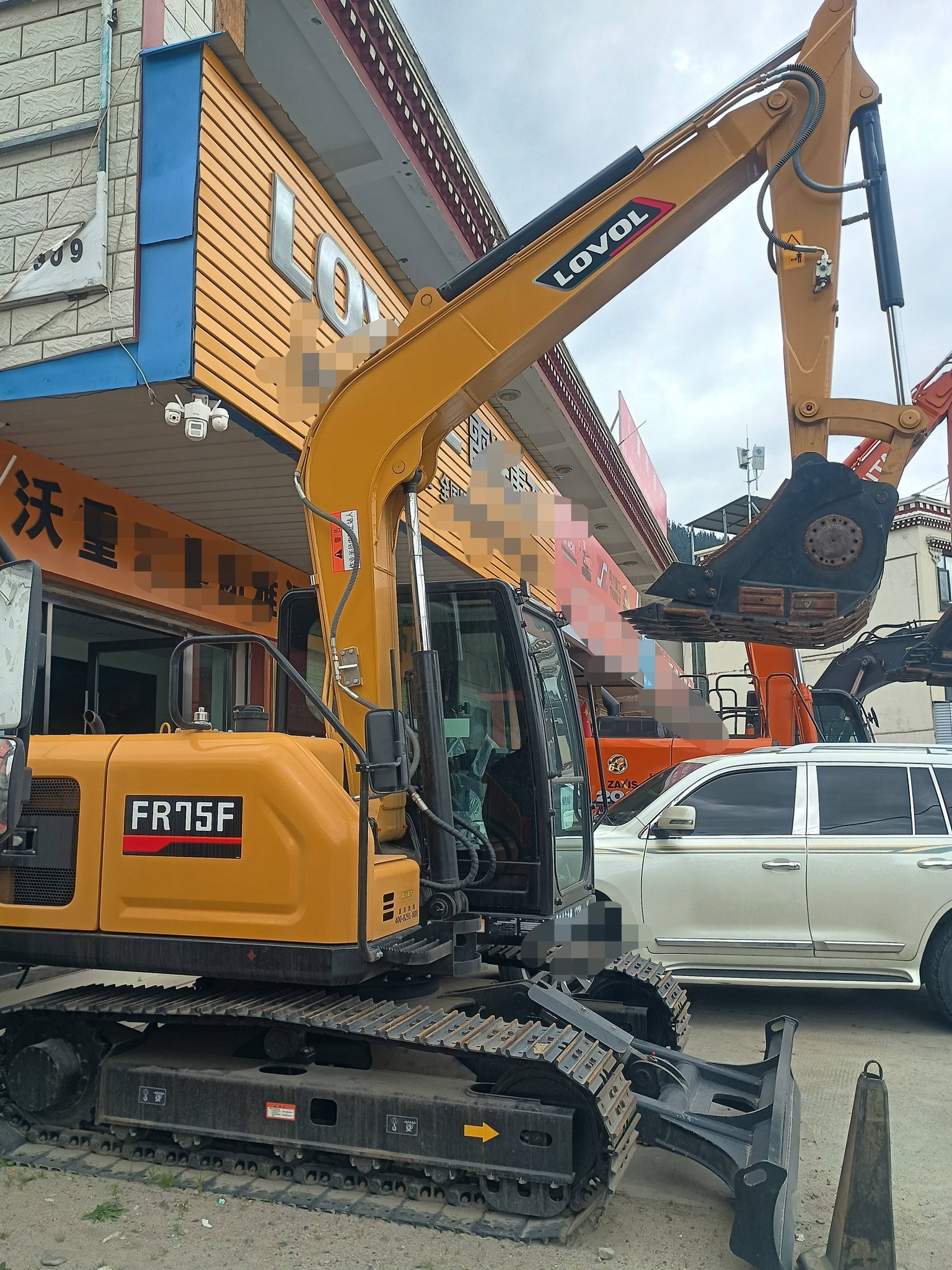
Ran for 42 days, from July 4 to August 15, 2026, the last day Crush saw it.
Run by macreek machine export on Facebook. Crush is not the advertiser and does not verify its claims. See this ad in Meta's Ad Library(opens in a new tab)
Want an ad like this for your product?
Crush makes new ad images for your product from this ad: your logo, your product photo, your offer.
Trials from $19.95 USD, then $79.95 USD a month. Cancel anytime.
About this ad
- Meta Ad Library ID
- 1072843375280638
- Platforms
- Facebook, Instagram, Messenger and WhatsApp
- Relaunches
- 0
- EU reach
- 7
Ad text
Chinese Excavators vs Japanese Excavators: A Practical Industry Comparison In the global construction machinery market, excavators from China and Japan are two of the most widely used options. Both have strong reputations, but they are built around different engineering philosophies, cost structures, and market positioning. Understanding their differences helps buyers choose the right machine based on project needs, budget, and working conditions. --- 1. Core Engineering Philosophy Japanese Excavators Japanese brands such as Komatsu and Hitachi Construction Machinery are known for precision engineering and long-term durability. Their design focus is: High reliability under continuous heavy-duty operation Excellent hydraulic system smoothness Tight manufacturing tolerances Strong resale value in global markets Japanese machines are often described as “built for long life cycles with minimal failure.” --- Chinese Excavators Chinese manufacturers such as SANY, XCMG, and Lovol focus on rapid engineering development and cost-performance optimization. Their design focus is: Strong cost efficiency Faster product iteration and upgrades Adaptability to different markets Increasingly improved hydraulic and electronic systems Chinese machines are often described as “high value for money with rapidly improving quality.” --- 2. Price and Cost Structure Japanese Excavators Higher initial purchase cost Higher cost of parts and maintenance Better long-term residual value They are often chosen by companies that prioritize long-term stability and low breakdown risk over upfront cost. --- Chinese Excavators 20%–40% lower purchase price (on average depending on model) Lower maintenance and spare parts cost More flexible financing options in many markets They are widely used in emerging markets and cost-sensitive projects. --- 3. Performance and Efficiency Japanese Machines Very stable hydraulic response Smooth multi-action coordination Excellent fuel efficiency in long-hour operations Strong performance consistency over years They are preferred in precision work such as urban construction and infrastructure projects. --- Chinese Machines Performance has improved significantly in the last 10–15 years Modern models offer strong breakout force and digging power Slightly less refined hydraulic “feel” in some models Very competitive in medium-duty and general construction work The gap in performance has narrowed significantly in recent years. --- 4. Durability and Maintenance Japanese Excavators Extremely long service life (often 10,000+ hours with proper maintenance) Fewer unexpected breakdowns Requires high-quality maintenance discipline --- Chinese Excavators Earlier generations had more variability in quality New generations are much more stable and reliable Easier and cheaper to repair in many regions Parts availability is improving globally Modern Chinese machines are no longer “short-life equipment” as they were perceived years ago. --- 5. Technology and Innovation Japanese Brands Strong leadership in hydraulic control systems Advanced engine efficiency technology Highly refined operator experience Brands like Komatsu often lead in system integration and machine intelligence. --- Chinese Brands Rapid adoption of smart construction systems GPS, remote monitoring, and digital fleet management are widely integrated Fast improvement in electronics and automation Chinese manufacturers are more aggressive in adopting new technologies quickly. --- 6. Market Positioning Segment Japanese Excavators Chinese Excavators High-end infrastructure Very strong Growing General construction Strong Very strong Price-sensitive markets Weak Dominant Resale value High Medium (improving) --- 7. Which One Should You Choose? Choose Japanese excavators if: You need long-term reliability above all Your project requires precision and stability You have higher budget and strict downtime control Choose Chinese excavators if: You want lower investment cost You need fast ROI (return on investment) Your projects are medium-duty or flexible in requirements You want easier spare parts access and lower maintenance cost --- Conclusion Japanese excavators represent maturity, precision, and long-term stability, while Chinese excavators represent cost efficiency, rapid improvement, and market adaptability. In today’s global market, Chinese brands are closing the gap quickly, while Japanese brands continue to lead in premium engineering reliability. The best choice is not about “which is better,” but about which is more suitable for your project and budget structure. Chinese reliable macreek machine export offer brand new and second hand machinery WhatsApp: 008618807161055