Sarah Johnson
Sarah Johnson Facebook ad: “Natural Relief in Weeks”

Ran for 14 days, from August 20 to September 3, 2026, the last day Crush saw it.
Run by Sarah Johnson on Facebook. Crush is not the advertiser and does not verify its claims. See this ad in Meta's Ad Library(opens in a new tab)
Make your own version of this ad
Crush makes it, launches it in your own Meta ad account, scales the winners and pauses the losers.
About this ad
- Meta Ad Library ID
- 1074411638788576
- Platforms
- Facebook, Instagram, Audience Network, Messenger and Threads
- Relaunches
- 0
Ad text
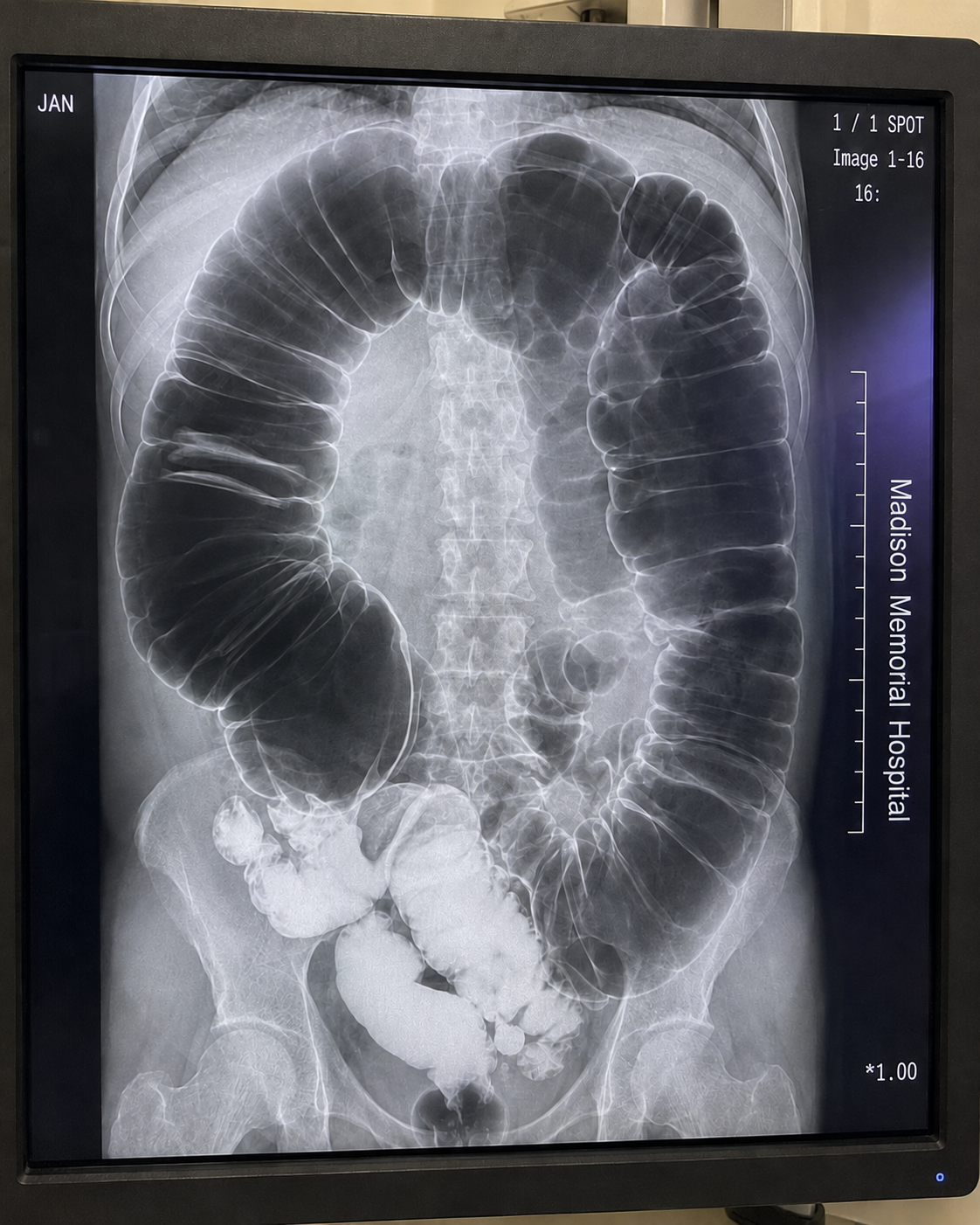
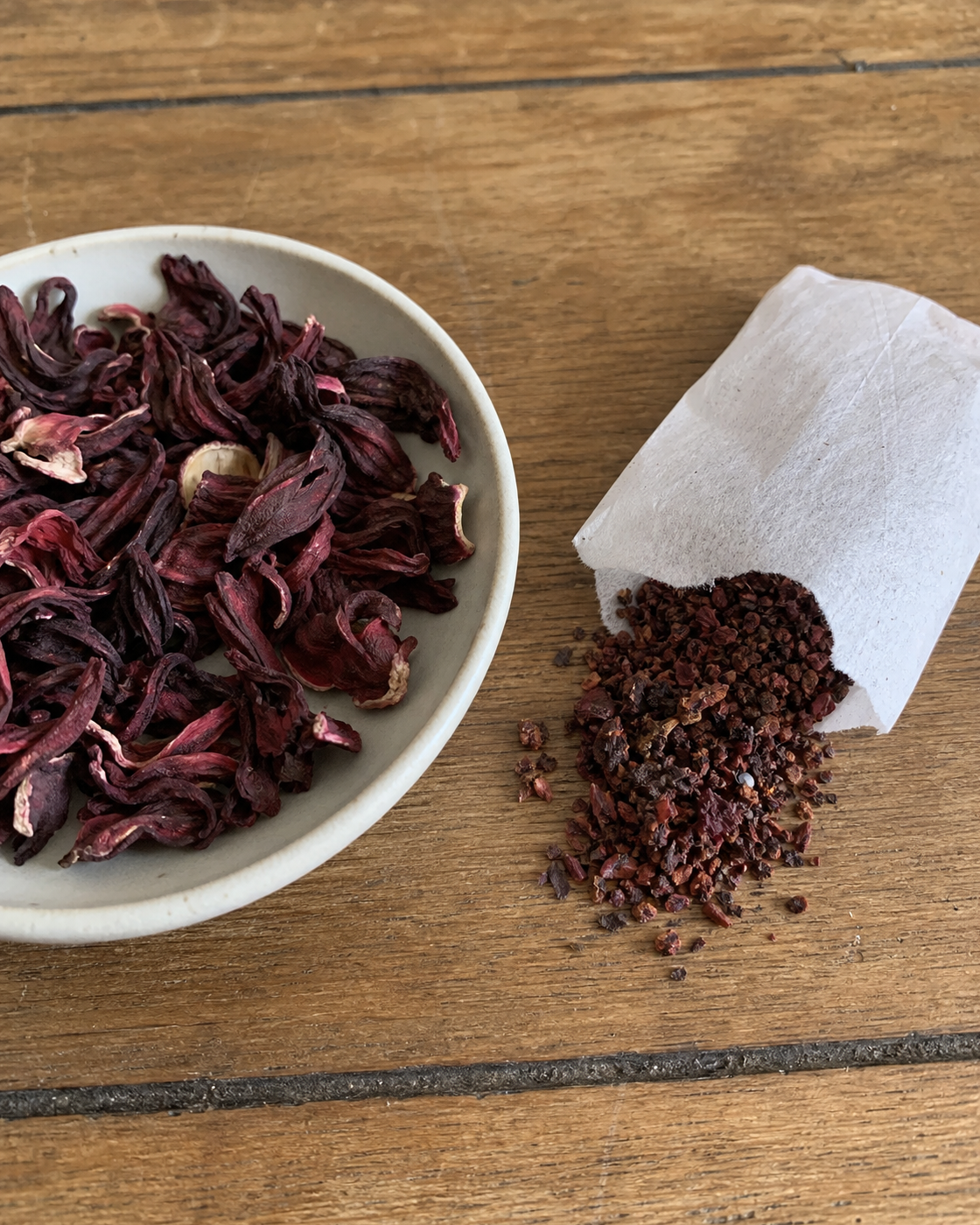
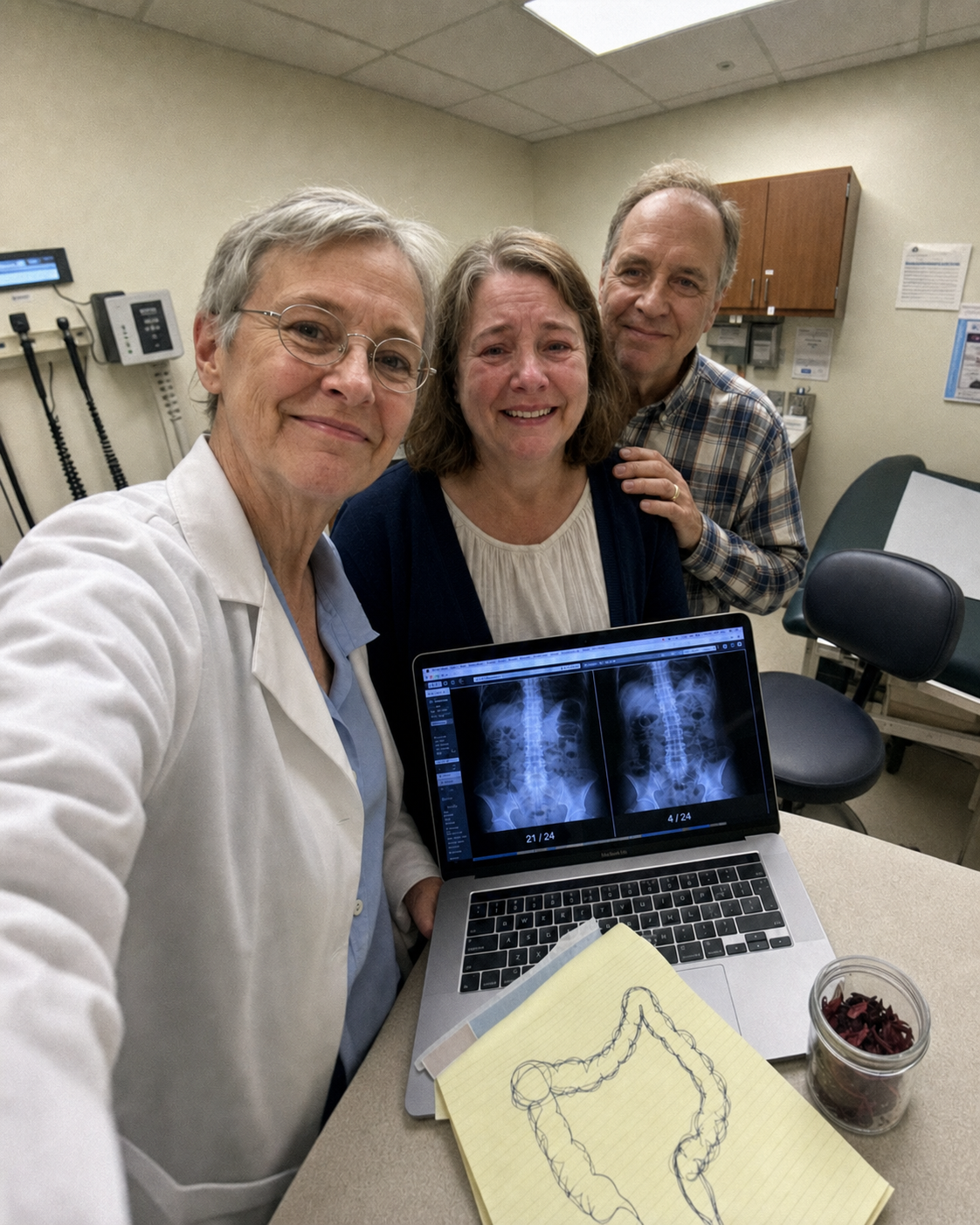
I had a constipation crisis on an anniversary trip to an old Austrian thermal spa town. The clinic doctor there asked me ONE question that made my American gastroenterologist look 15 years behind. I'm 56 years old. My husband and I saved for two years for this trip. A week in a little spa town built around mineral baths, old stone hotels, and dinners that started later than we ever eat at home. It was supposed to be romantic. That was the part that made everything worse. My husband, Tom, is the kind of man who packs a dinner jacket for a town where everyone else is wearing linen shirts. He complains about pillows. Most people would find it exhausting. I married him 30 years ago, so to me it is just part of the weather. We bicker. We always have. That is how we talk. But by day four, I was barely talking at all. We had spent the morning walking through the old bath district. Stone streets. Iron balconies. Steam rising out of vents near the public fountains. Beautiful. But my belly was killing me. Five days into the trip, I hadn't gone. Not once. The travel, the late dinners, the mineral baths, the rich food, the schedule disruption, all of it had shut me down. The bloat was so bad that the loose dress I had packed for our anniversary dinner felt tight against my abdomen. By the time we got back to the hotel, I was doubled over. The cramping was sharp. I was sweating through the silk blouse Tom had said made me look "like someone who owns a villa." There was a hard knot under my ribs that wasn't there the day before. Tom was standing in front of the mirror fixing his hair for the third time. He started to say something about the restaurant reservation. Then he saw my face. He stopped. No joke. No complaint. No performance. Just quiet. "We need to get that looked at." I told him I was fine. I was not fine. I didn't want anyone looking at my belly. I hadn't talked openly about being backed up in four years. Not with a friend. Not with a doctor I didn't have to see. Not with Tom in detail. And I hated that our anniversary trip had turned into this. Not dinner. Not romance. My stomach. Again. But the pain was bad enough that I didn't have a choice. The woman at the hotel desk called a local clinic near the old bathhouse. "They see travelers all the time," she said. Tom walked me there himself. He just grabbed my purse, put his hand on my back, and walked me down the hill in the same wrinkled shirt he had been complaining about ten minutes earlier. The clinic was plain. White walls. Old elevator. A poster about colon cancer screening near the front desk. Not a wellness office. Not a spa treatment room. A clinic. The doctor was a woman in her mid-50s. Short gray hair. Wire-rimmed glasses. Soft Austrian accent. Her name was Dr. Adler. Her badge said internal medicine and gastroenterology. She examined my abdomen. Pressed gently along the sides. Asked me to lie back. "The immediate issue is the buildup from five days of travel, rich food, mineral baths, and a routine your body is not used to," she said. "But this is more than the trip. How long have you been chronically backed up?" "About five years," I said. "My gastroenterologist back home has me on MiraLAX. Every morning." "It used to be one scoop. Then some mornings it was two. Some nights I added magnesium. On the bad weeks, prune juice. Anything that might make my body answer." "Has anyone measured your transit time or looked at the bacterial signal that tells your colon to move?" I stared at her. "What's that?" She looked at me for a moment. Then she set down her stethoscope. "Your colon does not move just because stool is soft," she said. "It moves because a signal reaches the muscle and tells it to contract." She pulled a notepad toward her. She drew a circle. "This is your colon." Then she drew a wavy line across the inside of it. "Inside your colon, you have an entire ecosystem. Trillions of bacteria, fungi, archaea. Most of them are beneficial. They digest your food, regulate your immune system, produce vitamins, and help tell your colon muscles when to contract." She paused. "In a healthy gut, the good bacteria outnumber the bad ones by a huge margin. The bad ones are still there, but they are crowded out. They cannot really take over." She drew a few small dots inside the circle. "In a gut like yours, and I see this pattern constantly, the worker bacteria that help run the rhythm have thinned out. The pattern you are describing to me, the daily scoop, the dose creeping up, the bloating, the magnesium and rescue routines working less reliably, that is almost always one specific thing." She tapped the paper. "Your colon is intact. The signal has gone quiet." I asked her what that meant. "It means your colon muscles are still there. The nerves are still there. But the little chemical messages that tell the muscle to move are not arriving the way they should." She made a fist and slowly opened it. "This is what your colon muscles should do. Contract, relax, contract, relax. That's called peristalsis. It's what moves food through your intestines." Then she held her fist closed. "When the signal gets weak, the muscle does not fire normally. The colon does not go dead. It goes quiet. Your body is not damaged in the way you think. It is being under-signaled. Chemically. By what is missing from that ecosystem." I had to ask her to slow down. She did. Then she said the thing I want every woman reading this to hear. I want you to read it twice if you have to. "You have not destroyed your colon. You have a quiet-signal problem." I am not going to pretend I didn't cry. Not a pretty cry. Not the kind you can dab away and pretend didn't happen. I sat on the exam table in a foreign clinic, in the blouse I had packed for my anniversary dinner, and cried into both hands. Because for five years, every time the MiraLAX worked less, I thought it meant my body was getting worse. Every time I needed a second scoop, I thought it meant I had done something to myself. Every time I added magnesium or prune juice or sat there waiting for my body to answer, I thought the same sentence. Maybe I broke it. Dr. Adler waited. Then she said, "But I have to tell you the rest of it. Because the part you have not heard yet is the most important." She said, "Here is what has happened over the last five years. When women get desperate enough to use stimulant laxatives, those can whip the muscle into a contraction. You may get a bowel movement. But it does not rebuild the signal. The signal stays quiet." She paused. "Every time you take MiraLAX, it draws water into the colon and forces material through. Again, you may get through today. But the rhythm that should run tomorrow does not come back." Another pause. "And every round of magnesium or emergency routine? The reason it starts feeling less reliable is that the worker population is not being rebuilt. The signal keeps getting quieter." I was listening. But I didn't understand why my gastroenterologist never explained this. "My gastroenterologist never said anything about a bacterial signal." Dr. Adler nodded slowly. "Because we do not think about it this way in much of mainstream gastroenterology," she said. "The standard workup looks at structure. Colonoscopy looks at the walls of the colon. Bloodwork looks for obvious red flags. But it does not tell you whether the rhythm is being properly signaled." She looked back down at the notepad. "Most focus on osmotic laxatives and prescription escalation to Linzess or Motegrity. But where I trained, and in several European motility clinics, we have been treating chronic constipation as a microbiome and motility problem for over a decade." "So what do I do?" I asked. She said, "Three things have to happen. In this exact order." She held up one finger. "First, you have to feed the bacteria involved in the signal." Second finger. "Then you have to do it consistently enough that the rhythm has a chance to come back." Third finger. "And you have to do it gently, without turning your morning into another emergency." She looked at me. "Stimulants fail the third step. They can force a movement, but they can also create cramps, urgency, and more fear." "Osmotic laxatives fail the first step. They move water. They do not feed the signal." "And when women try probiotics, those often fail because they are not food for the bacteria already living in your colon lining. You are throwing seeds onto ground you have not fed." She paused. "There is a short-chain fatty acid called butyrate. It is one of the go-signals that helps tell the colon muscle to contract. Certain beneficial bacteria in the colon lining produce it." I did not understand every scientific detail. I am not going to pretend I did. What I understood was the part I could not stop repeating in my head. The scoop had been helping me get through a morning. But it had never been feeding the part of me that was supposed to make mornings work again. That is what I could not stop thinking about. Five years of forcing today's load. Five years of never rebuilding tomorrow's rhythm. I asked her what kind of food those bacteria needed. She said, "They need food. Very specific food." Then she told me about a group of dark plant pigments called anthocyanins. They are what give certain plants that deep red, purple, almost ruby color. And in the colon, she said, those pigments can feed the bacteria that help produce the signal. She must have seen my face, because she smiled. "I know. Believe me, I know how this sounds. But the difference is the literature." She named research on hibiscus anthocyanins, microbiome diversity, beneficial bacteria, and butyrate production. "There are not many everyday foods that deliver the right pigments in a form most women will actually use every day." Then she told me about whole hibiscus flowers. Not hibiscus flavor. Not a red tea bag. Whole hibiscus flowers. She said the deep ruby pigment is the point. She said the darker the flower, the more of those anthocyanins it tends to carry. She said the flowers have to be grown, picked, dried, and kept in a way that preserves that pigment. She said if the hibiscus is crushed into dust, blended with other herbs, or sitting in a weak little tea bag, the cup can look red and still not be the ingredient the research successfully used. I asked her the question that had been building in my throat. "Do I have to stop the MiraLAX?" This is the part I want every woman reading this to underline. Because I know this fear. I know it because the thought of stopping cold turkey was, in some ways, more terrifying than anything she had said up to this point. She said, "Absolutely not. You keep taking your MiraLAX. We do not change anything in your current protocol on day one." Then she said, "You start with whole hibiscus flowers. Two servings a day. One deep ruby serving in the morning, one more after dinner. You continue everything else as normal. Over the first few weeks, as the bacteria get fed and the signal starts to come back online, your own motility can start to come back online. As it does, and you will feel this, you will naturally need less and less MiraLAX. Your body will tell you. You do not taper on a schedule. You taper on response." I started crying again. I had not realized until that moment how badly I needed somebody to tell me I did not have to choose between the powder that had become my safety net and the terror of stopping it. That I could keep my safety net. That my body would be the one to tell me when to put it down. "If I were you," she said, "I would look into whole hibiscus flowers when you get home." She paused. Then added: "Five years on a scoop that manages today's load is not treatment. It is monitoring the decline." Tom was waiting outside the exam room when I came out. His hair had fallen flat on one side from the rain. His shirt was wrinkled. His collar was wrong. Normally, I would have said something. Normally, he would have acted wounded and then fixed it in the nearest reflection. But I just stood there holding the paper Dr. Adler had written on. He looked at me and said, "What did she say?" I told him, "She said I'm not broken." He put his hand over his mouth. For the rest of the trip, it was in the back of my mind. Five years. My gastroenterologist had been prescribing MiraLAX. Checking my labs every few months. Watching my dose creep from one scoop a day to two. Telling me to keep scooping. But she never once mentioned that the scoop could be moving water through me without rebuilding the signal my colon needed to run on its own. Or that there was a specific crew of workers, bacteria like Faecalibacterium prausnitzii and Bifidobacteria, involved in producing the go-signal. Or that there was research on feeding them with anthocyanins from whole hibiscus. When we got home, I couldn't let it go. The night we unpacked, I opened my laptop. It was 11:45 PM. Tom was asleep upstairs. I started searching. "butyrate colon signal bacteria" "hibiscus anthocyanin chronic constipation" "European microbiome protocol slow transit" At 1:30 AM, I found it. Peer-reviewed microbiome research. Published in clinical journals. Study after study confirming exactly what Dr. Adler had told me. Worker bacteria in the colon lining produce butyrate. Butyrate is one of the go-signals that tells the colon to contract. Chronic laxative routines can keep forcing today through without rebuilding that worker population. That was the sentence that made me close my laptop for a second. Because I could see my own hand in my own kitchen, stirring that scoop into my coffee every morning. Forcing today through. Not rebuilding tomorrow. Then I kept reading. Anthocyanins from deeply pigmented hibiscus are the specific food those bacteria use. When you deliver intact pigment to the colon, the population has a chance to come back. The signal can return. The research was there. Published. Peer-reviewed. Some of it over a decade old. I read the studies three times. I felt something rising in my chest. Not anger. Something else. Disbelief, maybe. My gastroenterologist had been prescribing MiraLAX since 2019. Five years. And there was published microbiome research, from before she even started treating me, showing that the worker bacteria and the signal mattered. Showing that feeding the bacteria directly could help restore the rhythm. Why hadn't she mentioned it? I kept reading. More studies. European research. Clinical data. All pointing to the same mechanism. Same signal. Same missing piece. The next morning, I went to the grocery store. I thought I understood. What I heard was hibiscus. The tea aisle had three kinds of hibiscus. A red box with a flower on it. A blended herbal tea. The store brand. I bought the familiar red box because it said hibiscus on the front. I started drinking it the way Dr. Adler had described: two cups a day. One in the morning. One after dinner. Week one on the grocery tea: still one scoop in my coffee. Still no morning rhythm. Week three on the grocery tea: the same cramping. The same hard pressure under my ribs. The same careful calculations before dinner out with Tom. Something had to be wrong. At the end of week three, I was sitting at the kitchen table with the empty box beside me. I turned it over and read the ingredients again. Hibiscus. Rosehips. Lemongrass. Peppermint. Natural flavor. That was the part I couldn't ignore. I had bought a tea that happened to contain hibiscus. I had not bought the thing Dr. Adler had actually described. She had described whole flowers carrying deep pigment. I had bought a blend in a paper tea bag. That night, I pulled up the notes from her office again. I wanted to know exactly what kind of hibiscus she had told me to look for. That's when I saw the words I had skipped past. Whole flower. Deep pigment. Carefully dried. The anthocyanins were the point. Not flavor. Not a pretty red tea bag. The intact flowers had to carry enough of the dark pigment to be worth doing every day. Then I understood the delivery problem. Most grocery-store hibiscus was broken petals and dust. Blended with other herbs. Crushed into tea bags and left on shelves because it made a cheap, red cup of tea. But crushing the flower exposed more surface area. Heat, air, and time took more of the pigment away. By the time a lot of grocery-store hibiscus reached your cup, you were drinking red water with a memory of the flower that was supposed to do the work. It wasn't that hibiscus didn't work. It was that I had bought the version with none of the qualities Dr. Adler had told me to look for. High altitude mattered because the plant makes more of that protective pigment under stronger sun. Hand-picking mattered because the deepest-red flowers could be chosen at their peak instead of stripped for volume. That was the difference I had missed when I grabbed the box at the grocery store. But I found one company making a whole-flower tea that matched what she had been talking about. PiPi Tea. Organic whole hibiscus flowers. High-altitude grown. Hand-picked. Deep ruby flowers, not dusty fragments swept into a tea bag. I read the reviews. Women describing exactly what I was going through. Years of MiraLAX that never restored their rhythm. Then, within weeks, mornings when they could finally go on their own. I ordered a bag at 3:15 AM. When it arrived, I started immediately. One deep-ruby cup with breakfast. One more after dinner. I kept the MiraLAX at first, exactly like Dr. Adler said. One scoop in the coffee. Two cups of PiPi Tea a day. Ten minutes. Done. Week one on PiPi Tea: nothing dramatic. But by day 6, the constant cramping, that hard pressure I'd carried for years, was calmer. Not gone. Calmer. Something felt like it was reaching the colon from inside. Week two, I woke up one morning and decided not to put the scoop in my coffee. I just wanted to see what would happen. At 9:15 AM, I sat in the bathroom and went on my own. No scoop. The first time in five years. I sat there afterwards and cried for ten minutes. I texted Tom. I just said, "I went on my own." He wrote back, "Honey." That's the whole text. Just: honey. Week four, I had 6 morning movements in 7 days. The bloat was gone by 9 AM, not 9 PM. My pants fit. The hard knot under my ribs was gone. I had cut the MiraLAX from 1 full scoop to half a scoop, then to nothing on the days my body moved before I even made coffee. Week eight, Tom said the thing I will not forget for the rest of my life. We were getting ready for bed. He was standing at the bathroom mirror, fussing with the collar of a shirt we had been home from for two months. I laughed. Then he looked at me in the mirror and got quiet. "I didn't realize how quiet you'd gotten," he said. "What?" "Before. I don't know how to explain it. You were here, but you weren't really here." I am 56 years old. I have been married to that man for 30 years. And until that night, I did not understand that he had spent the last few years living next to a woman who was always calculating, always uncomfortable, always half-listening to her own body. Three months after starting PiPi Tea, I went back to my regular gastroenterologist. She reviewed my chart. Then she stopped. "Actually, your bowel habits are significantly improved," she said. "That's unusual after five years of slow-transit." "By the end of the first month, I wasn't taking the MiraLAX anymore." Her head came up. "You stopped?" "I found something else. Whole hibiscus flowers. High-altitude grown. Hand-picked. The dark pigment feeds the worker bacteria that the MiraLAX was never feeding." My gastroenterologist looked at my chart. "I'm not familiar with that approach," she said. "But the results speak for themselves. Keep doing whatever you're doing." I left her office feeling something I hadn't felt in years. Not angry. Not betrayed. Just aware. My gastroenterologist wasn't hiding anything from me. She just didn't know. The research existed. The studies were published. The results were documented. But it wasn't part of her training. It wasn't standard protocol in American GI practice. So she did what she was taught: prescribe MiraLAX, monitor the dose, escalate to Linzess or Motegrity if it gets severe. Meanwhile, in European motility and microbiome clinics, they'd been feeding the worker bacteria as a treatment approach for over a decade. I'm 57 now. My mornings are daily. On my own. And I think about that clinic doctor all the time. The one I met because my anniversary trip turned into five days of pain and a walk to a clinic in the rain. The one who took ten minutes to explain what my colon needs. What the worker bacteria do. Why the scoop can move water through today's load without feeding the signal for tomorrow. Something my gastroenterologist had never mentioned in five years. If your gastroenterologist is prescribing MiraLAX and telling you to "be patient" with no improvement after months or years, you need to know something. The research exists. Published microbiome studies. Peer-reviewed clinical data. Showing that the bacterial signal matters, that butyrate-producing worker bacteria matter, and that feeding them with deeply pigmented whole hibiscus can support the rhythm your colon is supposed to run on its own. Your gastroenterologist probably hasn't seen it. Not because she's incompetent. But because American GI training focuses on osmotic laxatives and prescription escalation. Feeding the bacterial signal with plant pigments isn't standard protocol yet. So when your gastroenterologist says "keep scooping the MiraLAX," she's telling you what she was trained to recommend. But she's not telling you about the research that could actually address why the colon stops firing on its own. The brand I use is PiPi Tea. Organic whole hibiscus flowers. High-altitude grown. Hand-picked. One deep-ruby cup in the morning. One after dinner. You can look into PiPi Tea here: https://shop.pipitea.com/hbt/kd/c/sp-nm I don't get anything from sharing this. I just know what it's like to scoop powder into my coffee every morning for five years with no real improvement. And I know what it's like to have a doctor in a town I'd never heard of, someone I met by accident because my belly was a knot on what was supposed to be an anniversary trip, explain in ten minutes what my gastroenterologist never mentioned in five years. If you're being told to "just keep scooping," you deserve to know there's research your gastroenterologist might not have seen. Research that could help restore your morning rhythm without prescription escalation or surgical referral. Research that's been understood in European microbiome clinics for over a decade. PiPi Tea offers a 90-day money-back guarantee. If it isn't right for you, send it back within 90 days for your money back. You can keep your MiraLAX for now. You don't have to stop anything on day one. You just have to start one thing. And see what your body does over the next 90 days. Click below to try PiPi Tea: https://shop.pipitea.com/hbt/kd/c/sp-nm
Where the ad sends people
shop.pipitea.com
Natural Relief in Weeks
Learn more: shop.pipitea.com(opens in a new tab)