
Inactive· since Jul 28, 2026
- 4
- days it ran
- 0
- relaunches
Ad copy
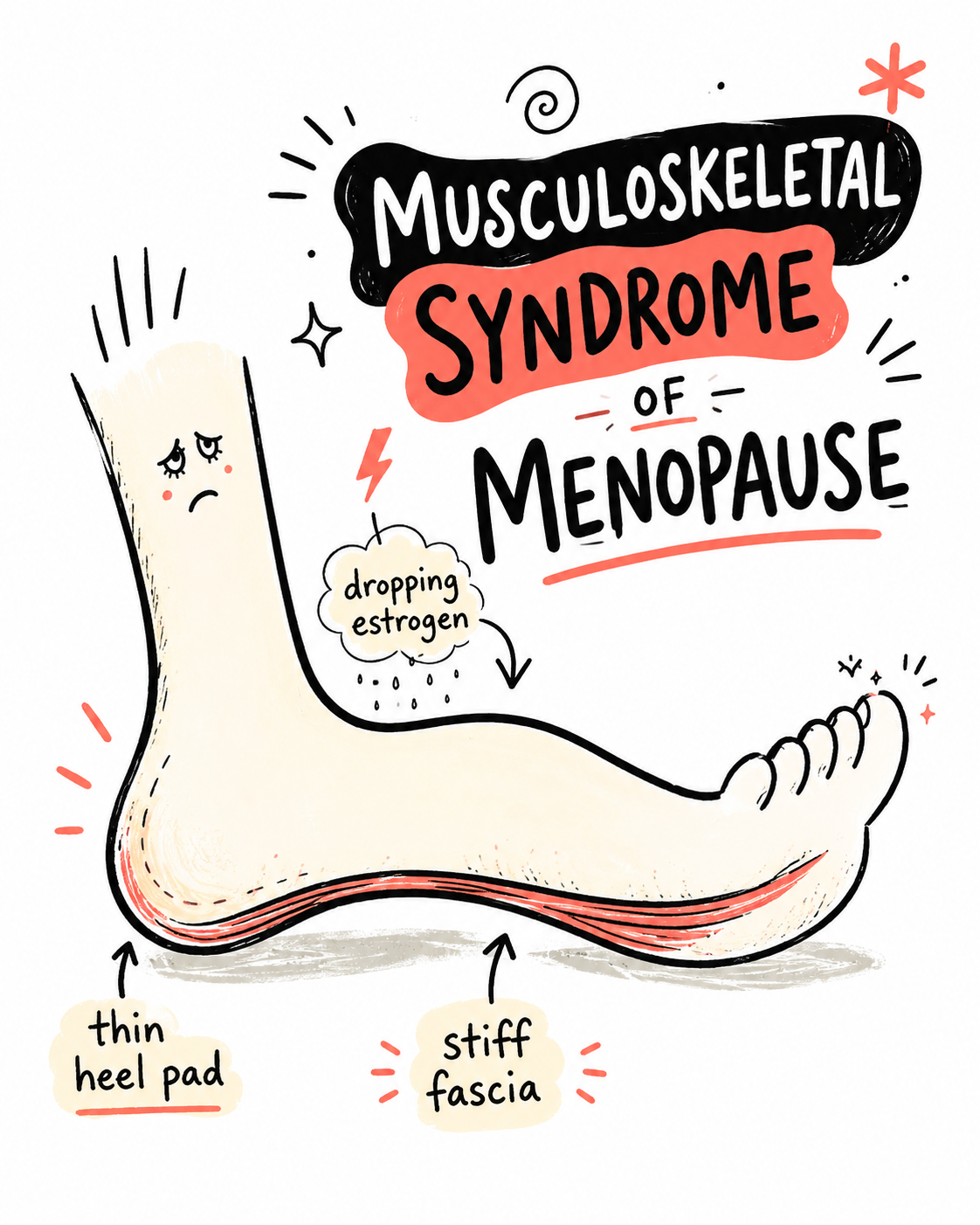
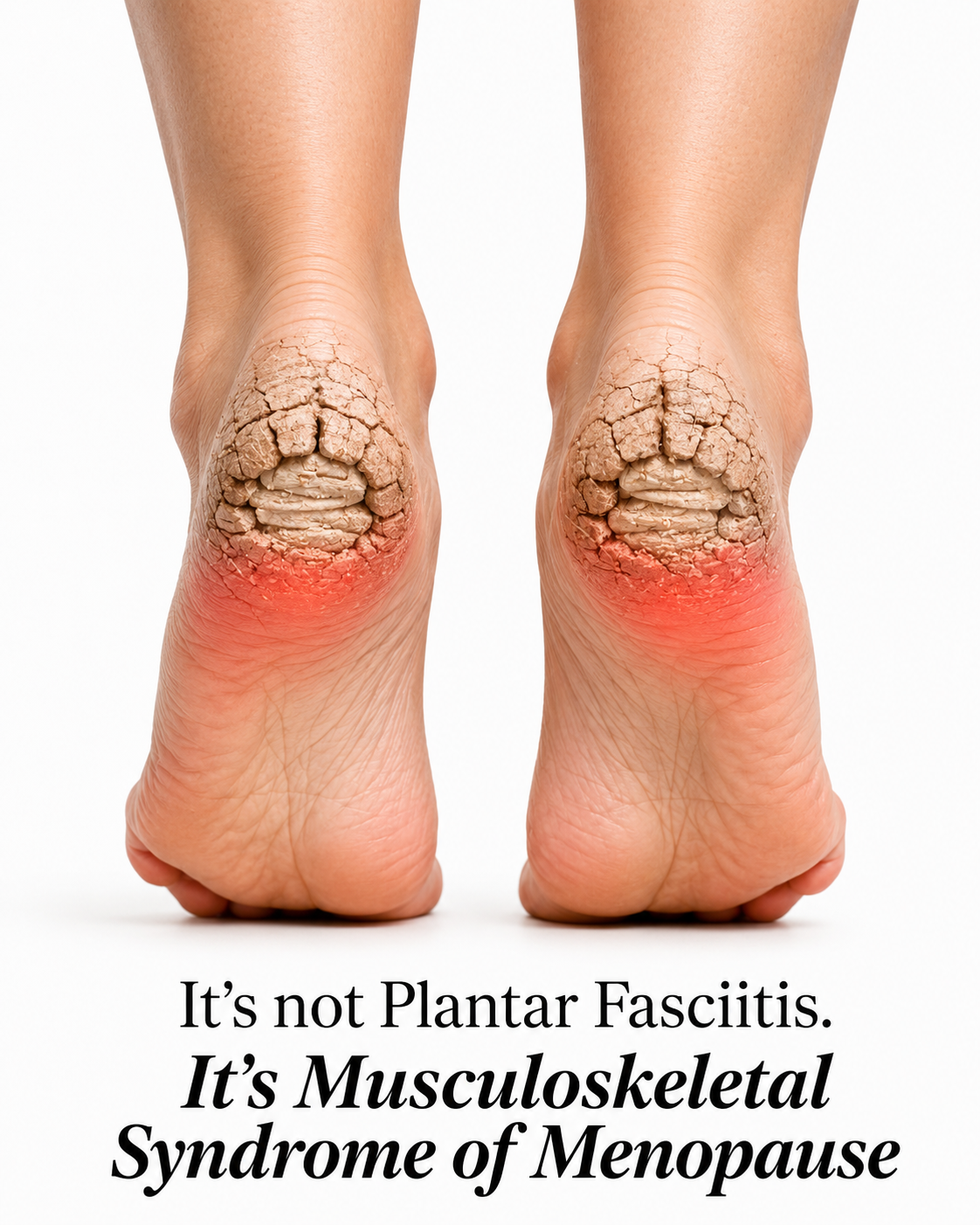
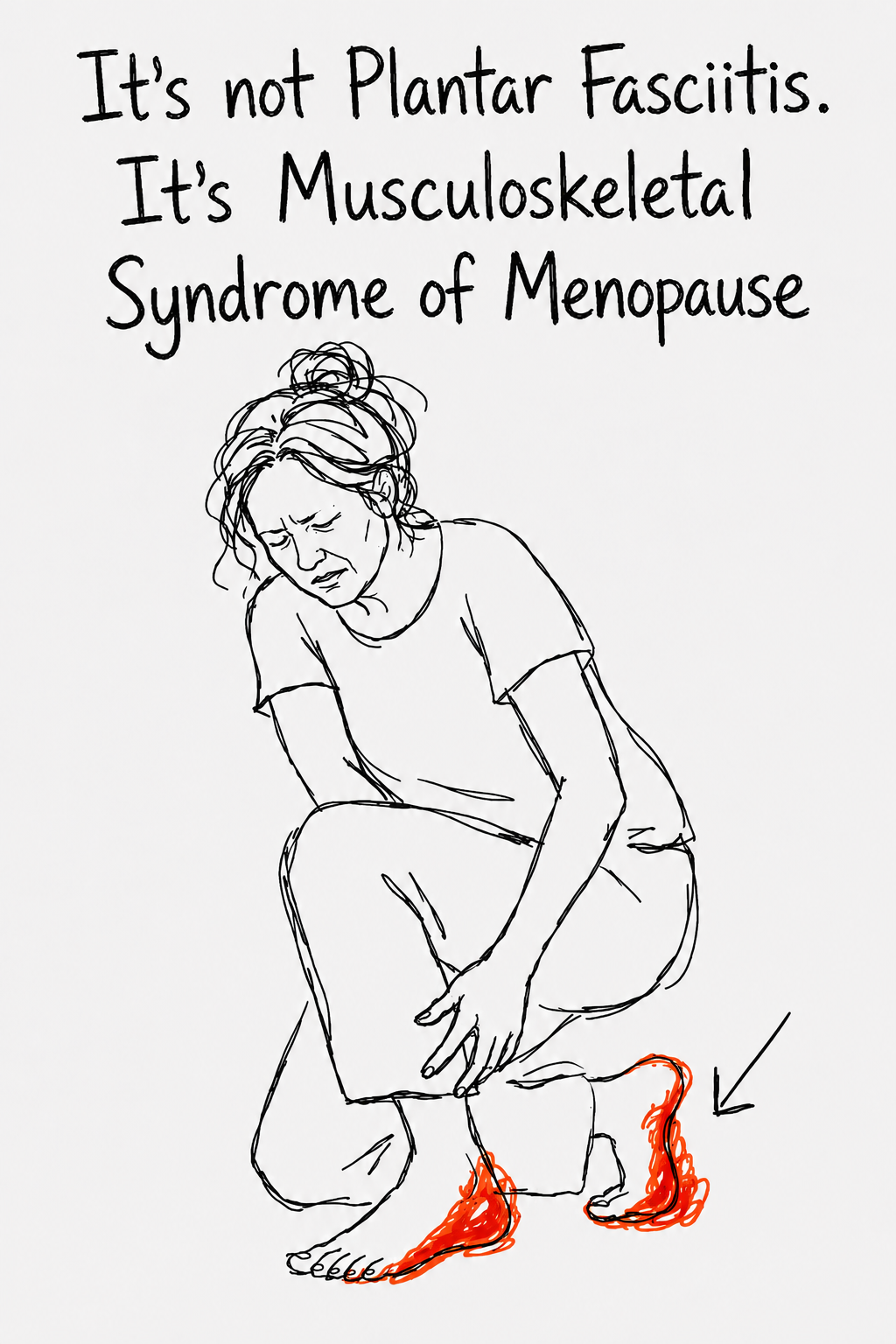
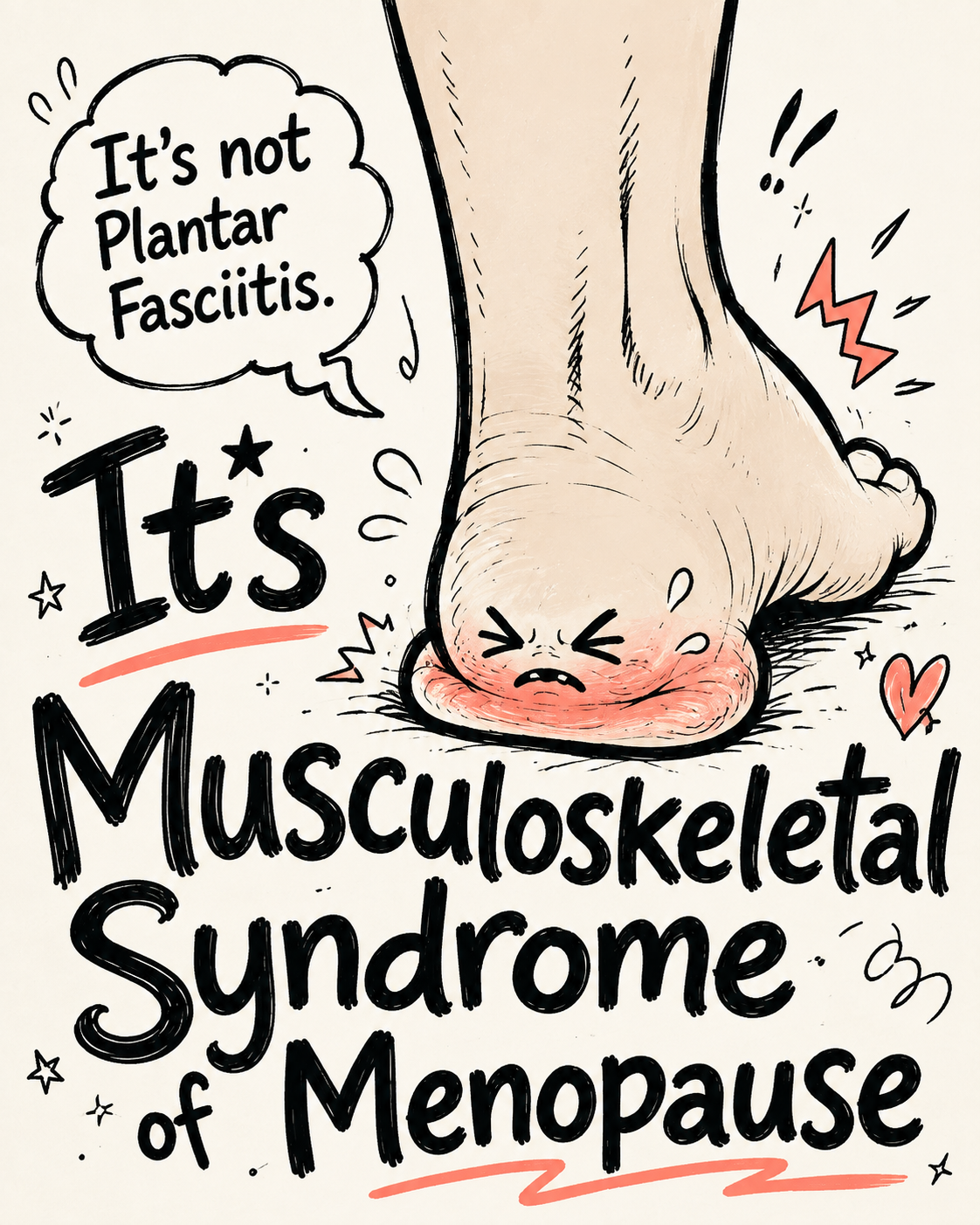
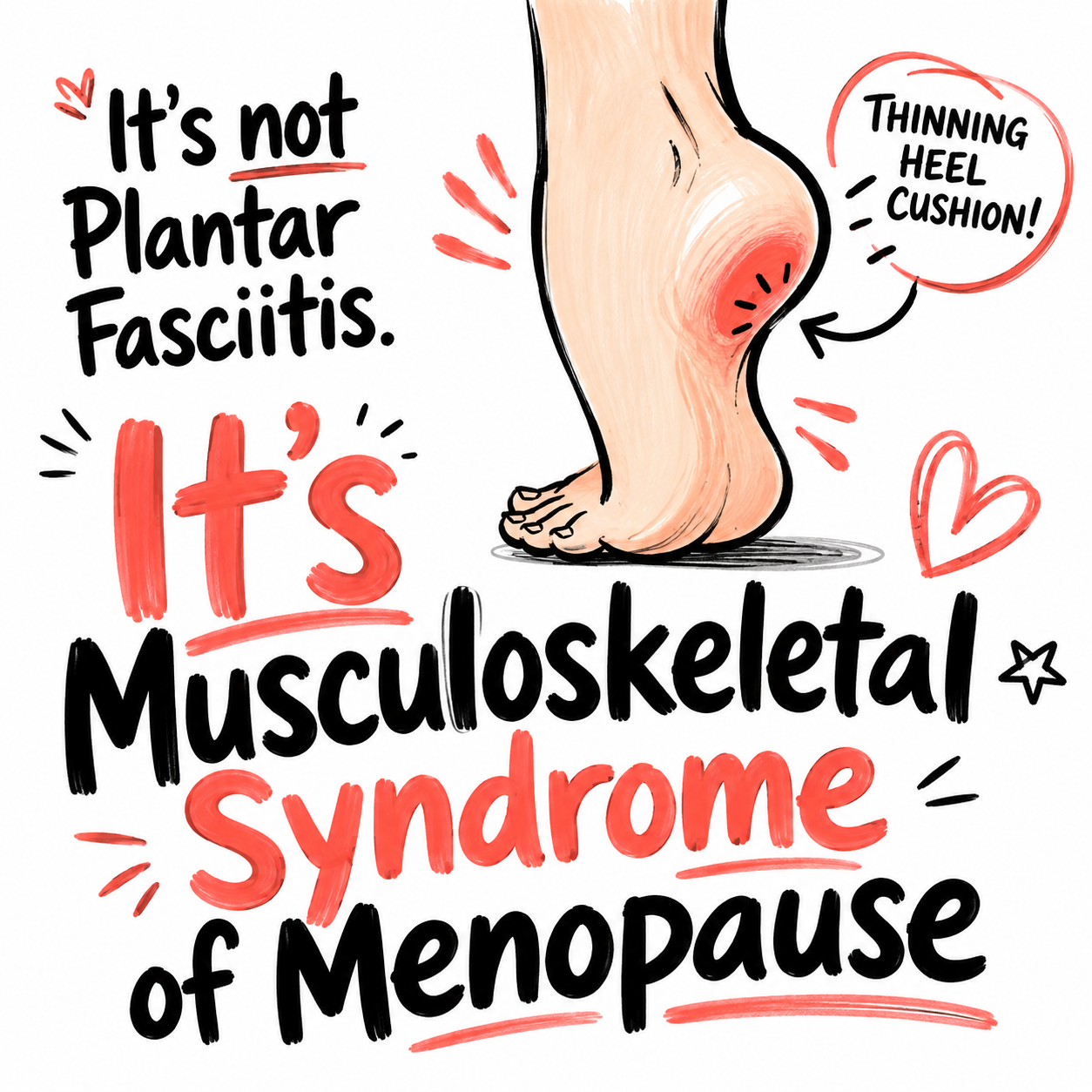
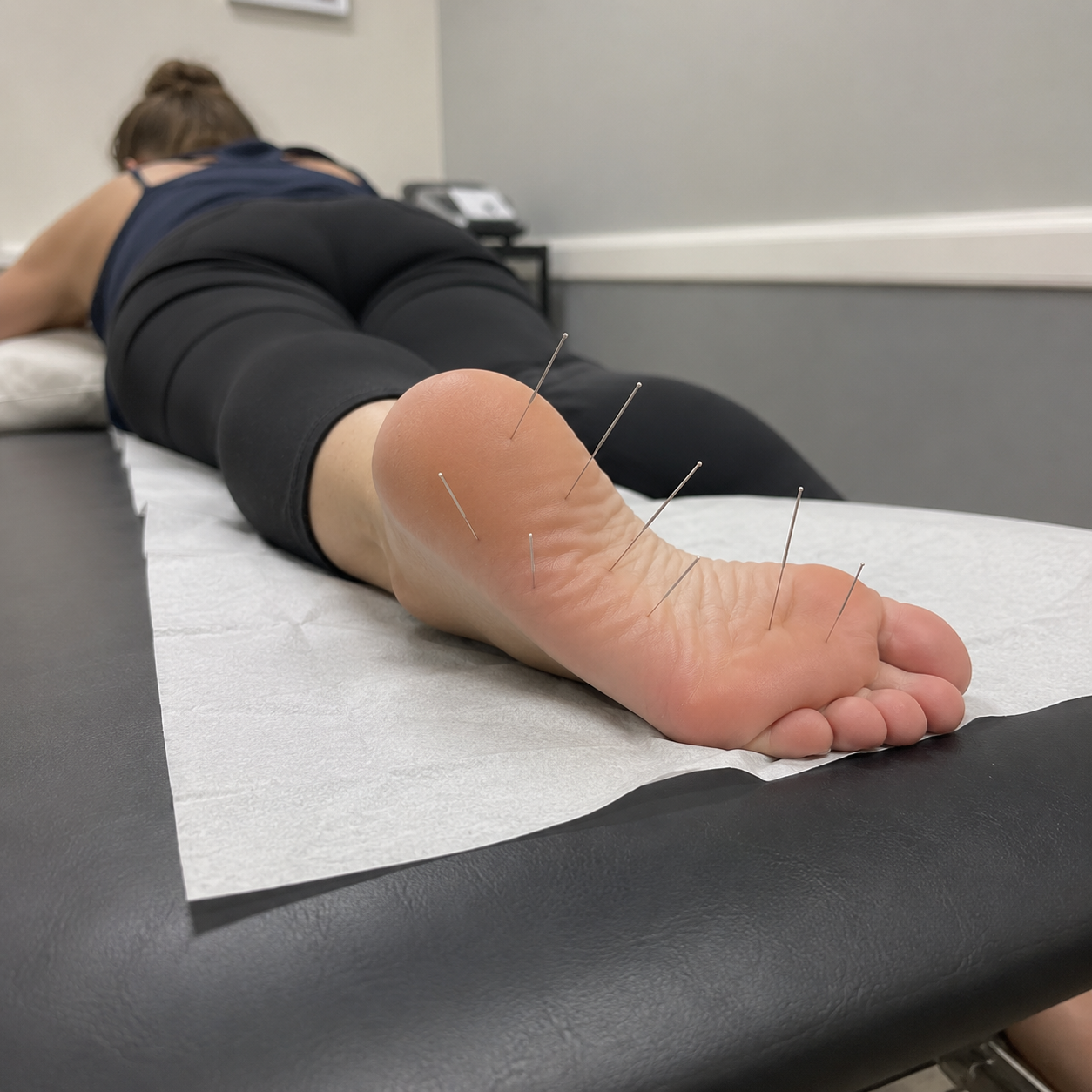
I'm about to share something that is going to piss off a lot of my colleagues in the medical field. Because what I'm about to share is the last thing shoe companies and orthopedic clinics want smart women to know. But I don't care anymore. After hearing dozens of women tell me their first step out of bed literally felt like stepping on broken glass. After sitting across from a patient who looked at me and said "I've just accepted this is my life now." Not angry. Not crying. Just DONE. After being told she had tried $300 custom orthotics that gave her 2 weeks of relief... the running shoes 3 different people swore by yet still failed... I knew the system had failed them. So I went looking for a real answer. And what I found should have been told to every one of them years earlier. My name is Dr. Sydney Powell. I've been a women's health and menopause specialist for fourteen years, in private practice in Denver. Most of my patients are women between 42 and 60. And this exact kind of foot pain comes up more than almost anything else I see. Sudden. In women who did nothing to cause it. Dismissed by test after test. I'm done watching women leave my office with a half-answer while the shoe and orthotic industry keeps selling them the same solutions and profiting off the backs of women in need. But first, let me tell you about the patient who changed everything for me as a specialist. Her name was Carol. 49 years old. Former teacher. One of the sweetest patients I've ever had. She came to me not because she hadn't tried anything. She came because she had tried everything. She'd seen a podiatrist. Done six weeks of physical therapy. Bought $200 custom orthotics, fitted and adjusted properly. Switched to the popular thick-soled running shoes. Iced her feet. Done the calf stretches every morning at the counter while her coffee went cold. Every single morning, her first step out of bed still felt like stepping on broken glass. She had written on her intake form, in the notes section at the bottom: "Honestly I'm exhausted. I've done everything they told me and I still wake up in pain EVERY SINGLE DAY." That hit me hard even after 14 years of doing this. Not because of the pain she described. But because of how many times she had placed her trust in a specialist and been let down EVERY SINGLE TIME. I went home that evening and sat with Carol's file, angry at the system and at myself for playing along. Nothing in it pointed to a reason. No injury. No change in activity. Normal imaging. She had done everything correctly and the pain was still there without explanation. That told me the problem wasn't the solutions. The problem was that nobody had correctly identified the root cause. So I started asking a question I had never thought to ask before. Why does this specific kind of foot pain show up in women, in their 40s and 50s, with no injury and no warning? The answer wasn't in the physical therapy guidelines. It wasn't in any shoe recommendation I had ever given. It was buried in the hormonal research. And what I found there changed everything I thought I knew about this. Estrogen keeps collagen flexible throughout the entire body. The band of tissue along the bottom of your foot is made almost entirely of collagen. When estrogen drops, that tissue stiffens. It loses its ability to absorb load the way it used to. So every step lands harder than it should. That is the first change. At the same time, the fat pad under the heel begins to thin. This is the body's built-in shock absorber, the layer between your heel bone and the floor. When it thins, steps that felt normal for decades suddenly feel hard. Some women describe it as walking on bone. That is the second change. And third, the ligaments in the foot loosen as estrogen drops. The foot spreads. Shoes that fit perfectly for twenty years start feeling wrong. Tight in new places. Uncomfortable for no reason she can point to. That is the third change. Three changes. Same cause. All happening at the same time. And here is the part that made me furious when I finally understood it. In 2024, researchers at Duke University published a study in the journal Climacteric that finally gave this a name. They called it the musculoskeletal syndrome of menopause. It affects more than 70% of women going through perimenopause. And 40% of them show no structural findings on imaging whatsoever. Real pain. Normal scans. Doctors with nothing to offer but a shrug. That is why Carol's podiatrist couldn't fully help her. He was treating the tissue. He had no way of seeing what had changed underneath it. And neither did I. But now I did. And the moment I understood all three changes, I could finally see why everything Carol had tried was always going to fall short. To address what estrogen loss does to a foot, you need three things at the same time. Easing the pull on the stiffened band of tissue. Replacing the cushioning the heel pad can no longer provide. And accommodating a foot that has widened. Like a tripod, miss even one of these and the other two can't hold. That's why the orthotics didn't fix it. They cushioned the heel inside a flat shoe. A flat shoe keeps the heel and toe at the same level, which keeps the calf short, which keeps that stiffened band of tissue under constant pull all day. One change addressed. The most painful one ignored. That's why the thick-soled running shoes didn't fix it. Better cushioning, yes. But still flat. One change addressed. Two ignored. That's why the stretches didn't fix it. Real relief for a few minutes, until the next step reloaded the exact tension the stretch had just released. You can't stretch your way out of a structural problem. She needed all three addressed. At the same time. In the same shoe. Nothing she had been given was built to do that. And there was one more thing I needed to address. Because it was actively making things worse for many of my patients. The barefoot and zero-drop shoe trend. Being recommended everywhere in women's wellness as the natural, healthy option. But for a woman whose feet have been changed by estrogen loss, it may be one of the worst things she can wear. A zero-drop shoe keeps the heel at exactly the same level as the toe. That keeps that stiffened band of tissue under maximum tension all day. No relief. No slack. Just constant load on tissue that has already lost its ability to absorb it. I've had patients switch to minimalist shoes on a friend's recommendation. Their pain got worse. They came back convinced they were doing something wrong. They weren't. The shoe was designed for a foot that hadn't changed. Theirs had. That's when Carol messaged me and everything shifted. About two months after her appointment, she reached out through the patient portal. She wasn't asking for help. She was telling me something. A woman in her neighborhood, same age, same story, had been dealing with the same foot pain for over a year. Carol had told her what I explained about the three changes. The neighbor found a shoe through a Facebook group for women going through perimenopause. Women were talking about it specifically because of the estrogen connection. Not because it was cushioned. Not because it was popular. Because it was built around what was actually happening to their feet. The brand was Hazelstep. The shoe was the Willow. Carol had already ordered a pair. I looked into it myself before I said anything back to her. What I found confirmed exactly what the women in that group were describing. A raised heel to ease the pull on the stiffened tissue. Deep cushioning positioned where the fat pad had thinned. A wide toe box for the foot that had spread. Built for all-day wear including at home. It carried an orthopedist endorsement. The design was grounded in the same research I had just spent weeks reading. This wasn't another shoe someone had adapted and marketed. It was built from the right starting point. Three weeks after Carol messaged me, she called my office. The pain wasn't gone. But it was noticeably less. A few weeks after that she messaged again. "I walked two miles straight today. I didn't think about stopping." Within weeks I had other patients asking. Then patients telling friends. Then women I had never met reaching out because someone they knew had sent them here. Every single one got better. Not managed it better. Actually better. Over 5,450 women have now tried the Willow. Here is what the numbers show. 88% reported less pain within the first week. 93% said they would recommend it to a friend. And their return rate is under 1%. Less than one woman in a hundred sends them back. Women who have already been burned by things that didn't work don't keep shoes that don't work. Connie T., 50: "I was wearing Hokas and they helped a little but I was still in pain every day. Switched to these and the raised heel made a difference I didn't expect. I don't reach for the Hokas anymore." Anita M., 47: "I wasn't even sure my pain was hormonal. I just knew it started around the same time as everything else. Figured I'd try them and return them. Never returned them." Deborah F., 55: "I have wide feet and most supportive shoes squeeze me by midday. These actually give my toes room. First pair I haven't had to take off after a few hours." Brenda W., 49: "Six months in and they're still going. The cushion hasn't flattened, the support is still there. First pair I haven't had to replace after a few months." Now I know what you're thinking. You've already tried things that helped for a week or two and then stopped. You've already spent money on the orthotics, the shoes, the appointments. The last thing you need is another solution that delivers the same partial result. I hear that. So does Hazelstep. Wear the Willow for 90 days of your actual life. The long days on your feet, the hours at work or home on hard floors. And if you don't find yourself one day realizing you've stopped thinking about your feet altogether, send them back. Full refund. No forms. No store credit. No explanation required. Even if the shoes are worn. They will refund a worn pair because they built a shoe they actually believe works. That is what happens when a shoe was built for the right problem. Some women will read this and swipe away. They'll tell themselves they'll think about it. Come back to it later. And three months from now they'll still be planning their day around their feet. Still saying no to things. Still doing the same calculation they've done every day for the past year. I don't want that to be you. You keep doing what you've been doing. Keep spending money on shoes built for a different foot than the one you have now. Keep managing something that has a real cause and a real answer nobody thought to give you. Or you try the one thing actually built for your changing feet. Not a better version of what you've already tried. Something designed from the ground up for the foot that estrogen loss created. The choice is damn easy. And you already know it. Estrogen loss is progressive. Every day you wait, the fascia stiffens a little more. The heel pad thins a little more. The window where this can be addressed gets a little smaller. Carol didn't wait. Neither did the 5,450 women who came after her. You've got nothing to lose. Either it works and you'll experience real relief. Or you'll get 100% of your money back. With hope, Dr. Sydney Powell
Like this ad? Make it yours.
Crush rebuilds this exact creative around your product — your brand, your colors, your offer — in about a minute.