
Inactive· since Jun 27, 2026
- 67
- days it ran
- 0
- relaunches
Ad copy
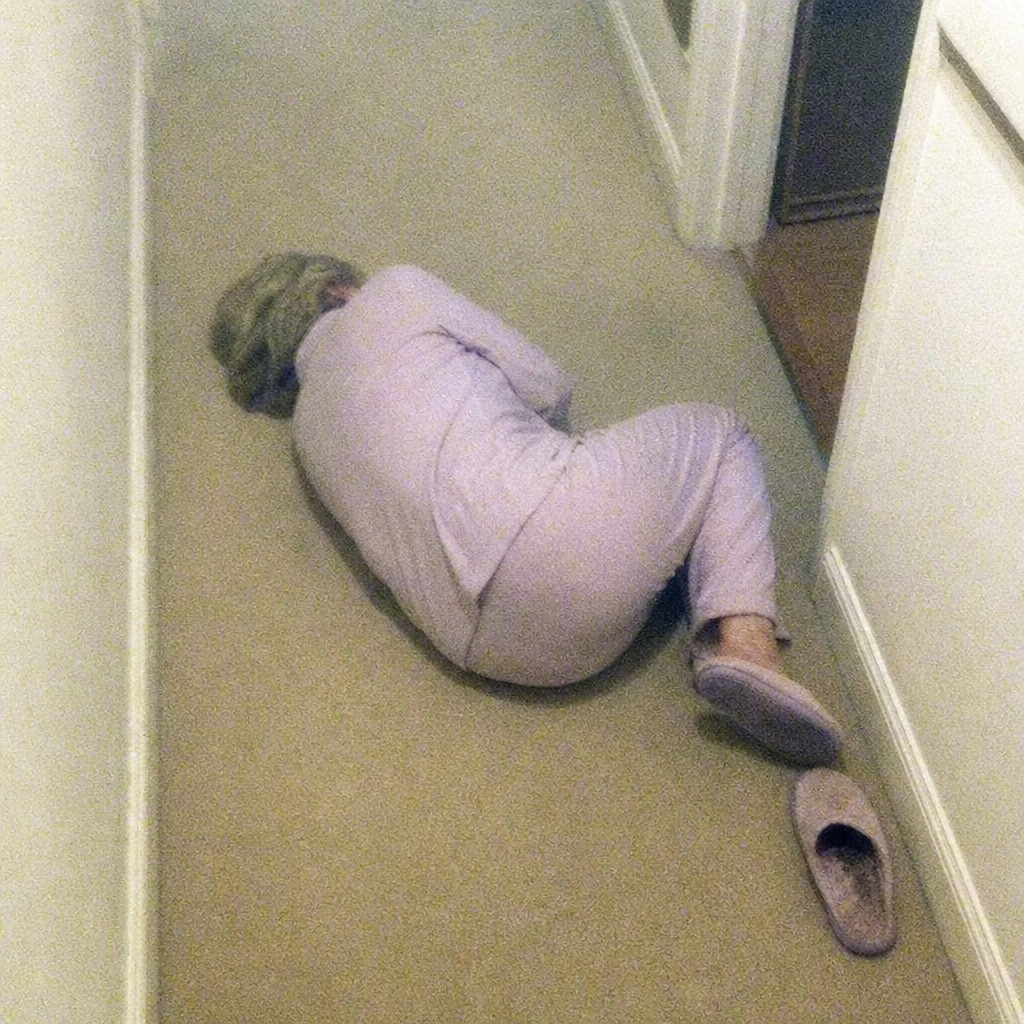
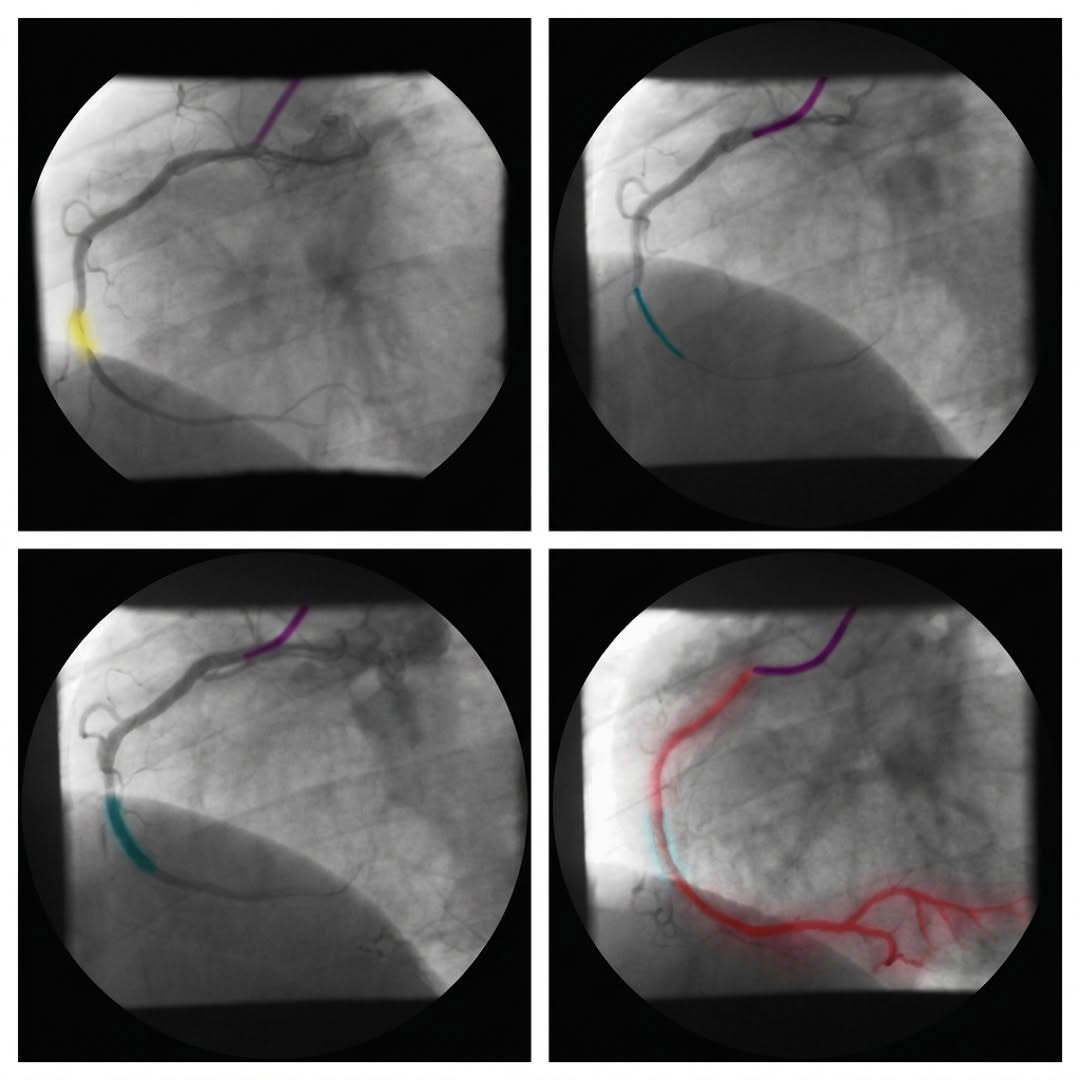
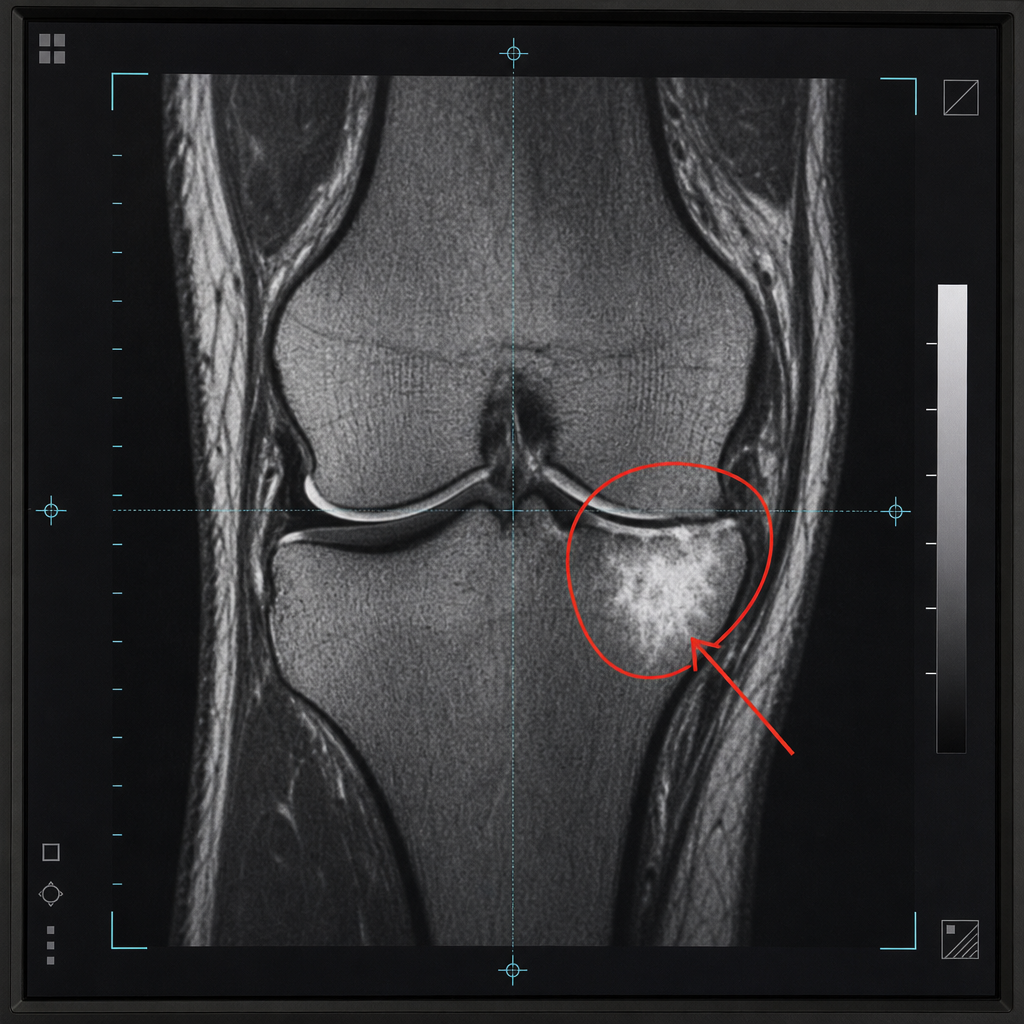
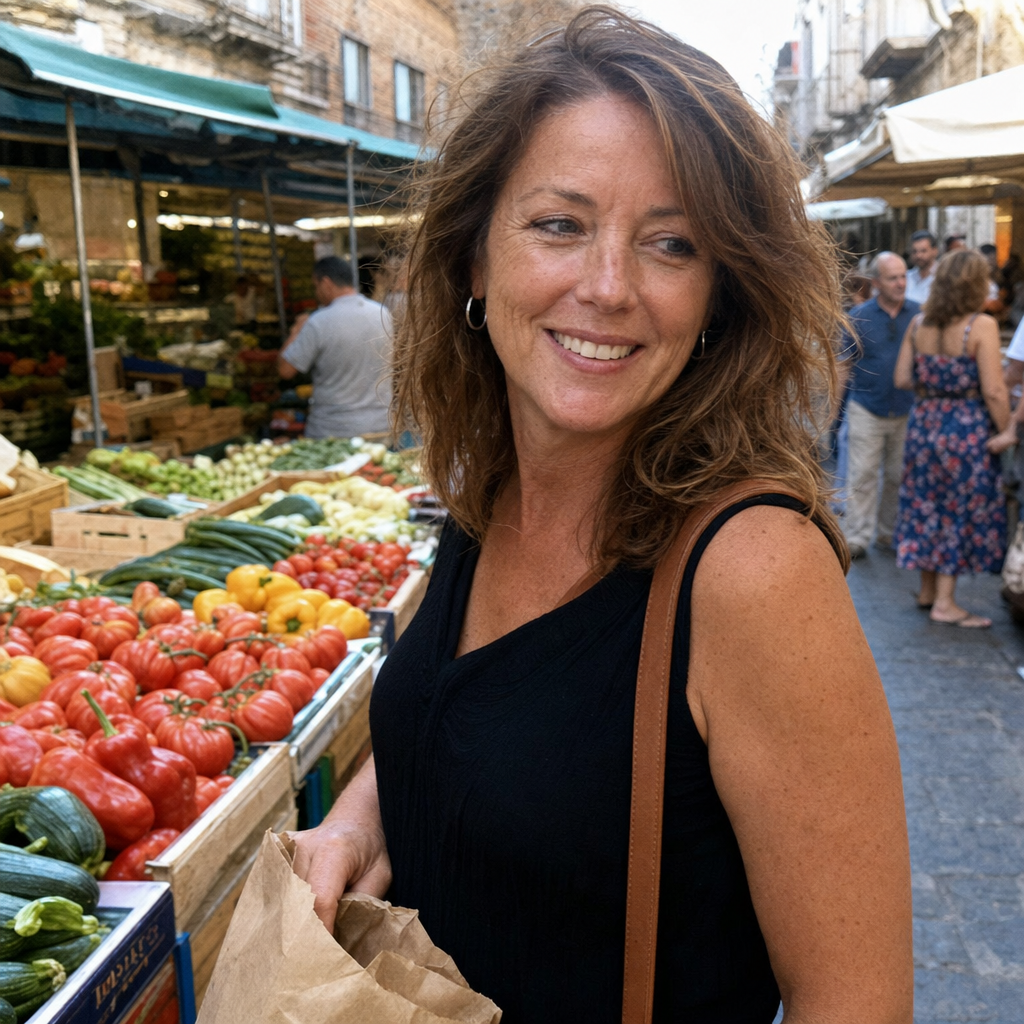
I'm a rheumatologist. I've been a rheumatologist for 12 years. The first thing you learn in my field is that nightshades are dangerous for women with arthritis. The solanine in them inflames the joints. They drive the swelling and the flares. Nightshades — tomatoes, peppers, eggplant — are the first food every arthritis diet book in America tells you to eliminate. Then I traveled to Italy. The country that eats more nightshades than almost anywhere on earth. What I found there broke everything I thought I knew. Let me back up. I work at a rheumatology clinic in the Northeast. Women come to me when their doctors have run out of answers. They've been on anti-inflammatories for years. Their X-rays look stable but they still hurt. By the time a patient hits my office, I already know what the chart is going to say. Because it always says the same thing. Patient presents with knees that ache every morning and never loosen. Doctor's notes: arthritis progressing. Recommend a stronger anti-inflammatory. Patient returns. Weight that won't come off. Doctor's notes: deconditioned from the bad knees. Recommend dietary discipline. Patient returns. Blood pressure creeping up. Doctor's notes: borderline hypertension. Start a blood pressure pill. Patient returns. Heart pounding on the stairs. Doctor's notes: out of shape. Likely anxiety. Prescribe a beta blocker. Patient returns. Stomach torn up from the pills, tired by noon. Doctor's notes: add a stomach protectant. Consider her age. Five visits. Five years. Five separate diagnoses. Five separate prescriptions. Then someone finally sends her to me. I pull her chart. I look at her X-rays. And in less than thirty minutes I find what explains every single one of those visits. It is not her joints. It is the fire. Your rheumatologist reads your X-rays. Your cardiologist runs your cardiac panel. The fire sits between them — and nobody is paid to look there. So when I got invited to an arthritis research conference in Rome last spring, I added two extra weeks to the trip. Because something had been bothering me for years. Italy eats more nightshades per person than almost any country on earth. Tomatoes at every meal. Peppers roasted in oil. Eggplant. Tomato sauce on everything. The average Italian woman eats many times the nightshades the average American does. In my field, nightshades are the food we tell every arthritis woman to throw away first. But Italy has a fraction of the cardiac death rate that America has. Women with arthritis in Italy live considerably longer than women with arthritis in America. Fewer heart attacks. Lower blood pressure. Kneeling in their gardens well past 80. Based on my training, Italian women with arthritis should be the sickest population in the developed world. They should have more of what is killing American women like you. Not less. I needed to understand why. After the conference I flew south to Sardinia. The region with the highest concentration of centenarians on the planet. I arranged a homestay through a local research program. The woman I stayed with was named Assunta. She is 96 years old. Lives alone. Tends her garden every morning. Walks to the market. Cooks all her own meals. She has had arthritis for fifty-one years. I'm sitting at her kitchen table on day three watching her crush tomatoes into a pot and slice eggplant into the pan. My rheumatologist brain is going haywire. I'm thinking about every patient I've ever told to throw away her tomatoes. Every patient I've put on a strict elimination diet for six months. This woman has been eating tomatoes and peppers three times a day for probably seventy-five years. Based on everything I know, her arthritis should be crippling. Her joints should be ruined. But she is 96. She kneels in her garden. She has clear eyes. She has more energy than most of my 50-year-old patients back home. I had to ask. "Assunta, doesn't the nightshade make your arthritis worse?" She stops stirring. Looks at me. Starts laughing. "Everyone worries about something. American women worry about tomatoes. We worry about something different." She wipes her hands and tells me to sit down. "You came here because something is telling you. The stiffness. The ache that will not quit. The heart pounding on the stairs. The X-rays that look fine while you still hurt. Yes?" I nodded. She leaned across the table and looked me in the eye. "You are not crazy. You are not lazy. Your body is telling you the truth. The doctors have not been listening." She tapped her chest. "And I will tell you something the doctors will not. You will have a heart attack. Maybe in five years. Maybe in two. The road is already in front of you. I have seen it many times." She set her hands flat on the table. "I had a sister. Lucia. Two years older than me. We grew up in this house. She moved to Rome when she was twenty-six to marry a man my mother did not approve of. She left the old way behind. My mother begged her. Lucia said it was peasant superstition. She had arthritis, the same as me. Her X-rays were stable her whole life. She died of a heart attack in her kitchen at 64, making coffee. Her doctor told the family she was just getting old." She looked at me. "You are walking my sister's road. Unless you turn now, you will end the same way." She walked to a small cabinet and pulled out a single dark glass jar with a worn wooden spoon resting against it. The jar was filled with a dark, almost black concentrate. Bitter. Earthy. Thick. "Your pill only quiets the pain." She placed one hand flat on her knee, then moved it up over her heart. "The pain is only the alarm. Underneath it, your joint is releasing enzymes that eat the cartilage. The pill silences the alarm. It never stops the enzymes. They keep eating." "And the same fire that makes them runs through your whole body. Your blood. Your arteries. After twenty years of arthritis, that fire never goes out. So two things happen. The cartilage keeps wearing away, even though the pill won't let you feel it. And that same fire stiffens your arteries, year after year. Your X-ray looks stable. Your heart works twice as hard. That is why your blood pressure climbs. That is why the heart pounds on the stairs. Same fire. Different room. And the pill you swallow every morning adds its own strain to the very heart the fire is already working on. That is what is going to kill you." She set the jar down on the table between us. "This medicine puts the fire out. It carries the one thing that goes after those enzymes — the compound your painkiller never reaches, at the strength the old women always used. A spoonful before bed. That is the only road off this road." "My mother taught me this. Her mother taught her. Her mother before her. For more than a thousand years the women of this island have made the same medicine. Every woman in our village who lives past 90 with bad joints takes it. Every one of us. In America, even the doctors do not know. Here, every grandmother knows." I sat there staring at her. I have a medical degree. Twelve years of practice. Hundreds of charts. And this 96-year-old woman had just described in plain language what I had spent years confirming in journals. The anti-inflammatory only blocks the pain signal. It never touches the enzymes degrading the cartilage. And the systemic inflammation driving them strains the heart — which is why women with arthritis have heart attacks at rates no one warns them about. The compounds that actually shut those enzymes down are anthocyanins — and a gut worn down by years of pills cannot pull them out of a splash of grocery juice cooked dead by heat. Assunta had skipped the journals and gone straight to the answer. I spent the rest of that week talking to every elderly woman in the village. Her 91-year-old neighbor takes the medicine every night. Has since she was a girl. Her cousin, also in her nineties, also arthritis, also kneeling in her garden every morning. Same practice. Same jar passed down from her grandmother. These women have had arthritis their entire adult lives and look healthier than every American patient I have ever treated. Then I thought about my patients. Five visits. Five wrong diagnoses. Five prescriptions. Blood pressure climbing every visit. Heart pounding going up a single flight of stairs. Being told it is age. Being told it is the weight. While the fire has been quietly working on their hearts for thirty years and no rheumatologist in America has ever once named it. The Sardinians eat ten times more nightshades than Americans and kneel in their gardens at 100 because they put the fire out every night. My American patients avoid tomatoes, take their pill, see their doctors every year, and end up dying of heart attacks at 68. The contrast made me sick. When I got back to the States, everything Assunta taught me lined up with the research. The dark concentrate she used was tart cherry. Cold-pressed, never heated. The anthocyanins in it are among the most studied anti-inflammatory compounds in modern medicine. But what stopped me was that Assunta's village was not alone. Traditional Chinese medicine named inflammation — "heat in the blood" — centuries before the West had a word for a cytokine. Ayurvedic practitioners in India pressed cooling, anti-inflammatory botanicals for over 4,000 years. The Amish women of Pennsylvania kept tart cherry preserves by the kitchen door. Persian grandmothers pressed sour cherries for aching joints for generations. Different cultures. Different continents. No contact with each other. Same understanding. Same medicine. That is not coincidence. In medicine, when independent traditions arrive at the same conclusion without contact, we take that very seriously. Meanwhile, Assunta eats tomatoes at 96. And American women with arthritis are dying of heart attacks at 68. I started taking the medicine every night before bed when I got home from Italy. Week one. The morning stiffness in my knees began to loosen. My knees had ached the first few steps out of bed for six years. I had stopped noticing how bad it was until the gravel feeling was gone. Week two. The ache that used to set in by mid-afternoon eased. My morning pain, a 7 for years, came down. Week three. This is the week that matters. Every drugstore supplement I have ever recommended to a patient crashes at week three. Symptoms come roaring back. Often worse. Nothing came back. The ache stayed down. The stiffness stayed gone. The fire was actually going out. Week four. Down a few pounds without changing anything else. My resting heart rate, which had crept into the high seventies, came back down into the sixties. A colleague stopped me in the hallway and said, "Did you do something different? You look younger." Week six. Blood pressure that had been borderline for two years, back to 120 over 78. My CRP — the inflammation marker — came back the lowest it had ever been. Knees that carried me through a twelve-hour clinic day. I was fifty-three years old and felt better than I did at forty. Not because I found some new breakthrough. Because I finally listened to a 96-year-old woman who knew more about the joint-heart connection than my entire field has been willing to admit. Before you try sourcing it yourself, do not bother. I tried. Ordered the juice by the case. Took the tart cherry capsules from my pharmacy. Disaster. The grocery juice is pasteurized at high heat — the anthocyanins are cooked out before the bottle is ever sealed. The drugstore capsules are heat-dried powder with barely measurable anthocyanin content. I gave up after ten days. The brand I use now is a small company called GoodGrove. Cold-pressed tart cherry concentrate, not heat-dried powder. 3,600 milligrams of anthocyanin-standardized extract per serving, not the token doses at the drugstore. No fillers — because heat and filler are exactly what destroy the compounds that put the fire out. Third-party tested in the USA. Two capsules a day. It is the modern version of what Assunta's family has been doing for generations. Try GoodGrove for 90 days. Track your morning pain every Sunday. Check your resting heart rate before bed. Ask your doctor for a basic cardiac panel at day 60. If the pain isn't easing, if your stiffness hasn't shifted, if your markers haven't improved... full refund. No questions. If your X-rays look stable but you still ache every morning. If your weight has been climbing no matter what you do. If your blood pressure creeps up every annual visit. If your heart pounds going up a single flight of stairs. If your knees have been stiff for years. If you have stopped getting down on the floor with your grandchildren because you are not sure you will get back up. Listen to me. You are not crazy. You are not lazy. The ache is real. The stiffness that will not quit is real. The heart pounding on the stairs is real. The exhaustion is real. Your medication has been quieting the pain, and the fire underneath it has never gone out, and your body has been paying the price every single day for years. Your rheumatologist will not find it. The X-ray will not catch it. Drugstore supplements will not put it out. I have spent twelve years proving that. But a 96-year-old woman in Sardinia showed me what actually works. Put the fire out. Two capsules a day. Overnight. You are at a crossroads. One path. Keep taking the anti-inflammatory. Watch the stiffness come back anyway. Add the cortisone when the pills stop working. Add the blood pressure pill when your numbers climb. Add the stomach pill when the anti-inflammatory tears up your gut. Spend the next twenty years collecting medications while the real fire never gets touched. End up like Lucia. In your kitchen at 64. Making coffee. Another path. Try what I tried. Put the fire out. Let the joints that have been wearing down for twenty years finally stop, and the heart that has been straining finally rest. Feel like yourself again. Get your life back. Get down on the floor with your grandchildren and get back up without thinking about it. I chose the second path. Your rheumatologist isn't looking at your heart. Your cardiologist isn't looking at your joints. Nobody is looking at the fire connecting both. Every night you sleep without this is another night the enzymes keep eating. Another night your arteries stiffen. Another night your heart works harder. Another night closer to the kitchen floor. Assunta is 96 kneeling in her garden, eating tomatoes every day. She is never going to die of a heart attack at 68. Because she figured out what every grandmother in her village has known for a thousand years. You can start tonight. But GoodGrove is a small company and they sell out constantly. If you click and they are out of stock, sign up for the restock notification. It is worth the wait. Be the woman you were before. https://trygoodgrove.com/cherry P.S. The morning stiffness in my knees loosened in the first week. Pain from a 7 to a 2 by week four. Blood pressure back to 120 over 78 and my CRP the lowest it has ever been by month two. Your timeline will be different. But you will not know until you try. P.P.S. My patient Joan started GoodGrove four weeks after I did. She is 58, arthritis for sixteen years, was about to start cortisone and a stronger prescription. Last visit her blood pressure was down twenty points, her morning pain was a 3, and she had refused both. She told me, "I am not going to end up on a kitchen floor at 64." Neither am I. Neither should you.
Everyone with joint issues needs to see this ☝️
Clean, science-backed supplements crafted without anything artificial. Vegan, non-GMO, and third-party tested, with a 90-day money-back guarantee so you can shop with confidence.
LEARN MORELike this ad? Make it yours.
Crush rebuilds this exact creative around your product — your brand, your colors, your offer — in about a minute.