
Inactive· since Aug 14, 2026
- 9
- days it ran
- 0
- relaunches
Ad copy
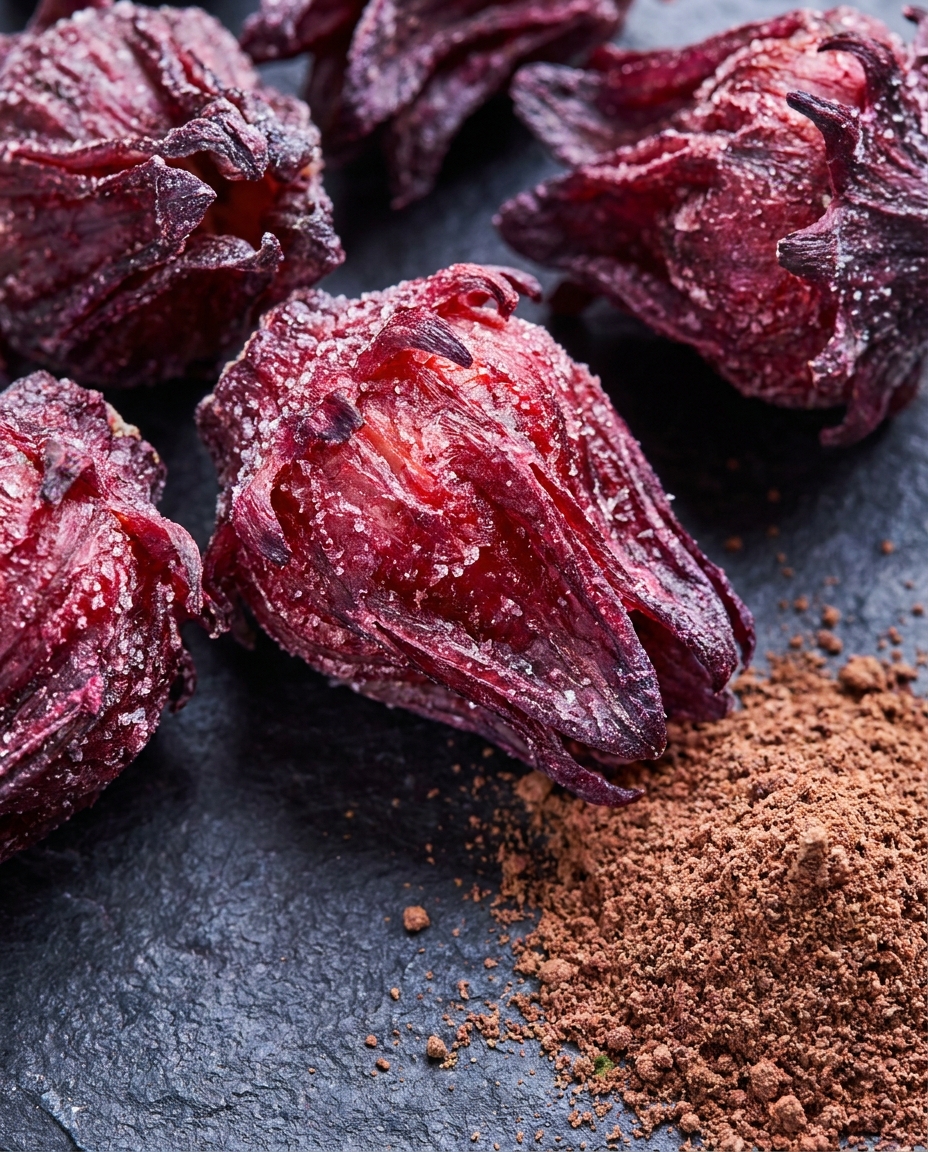
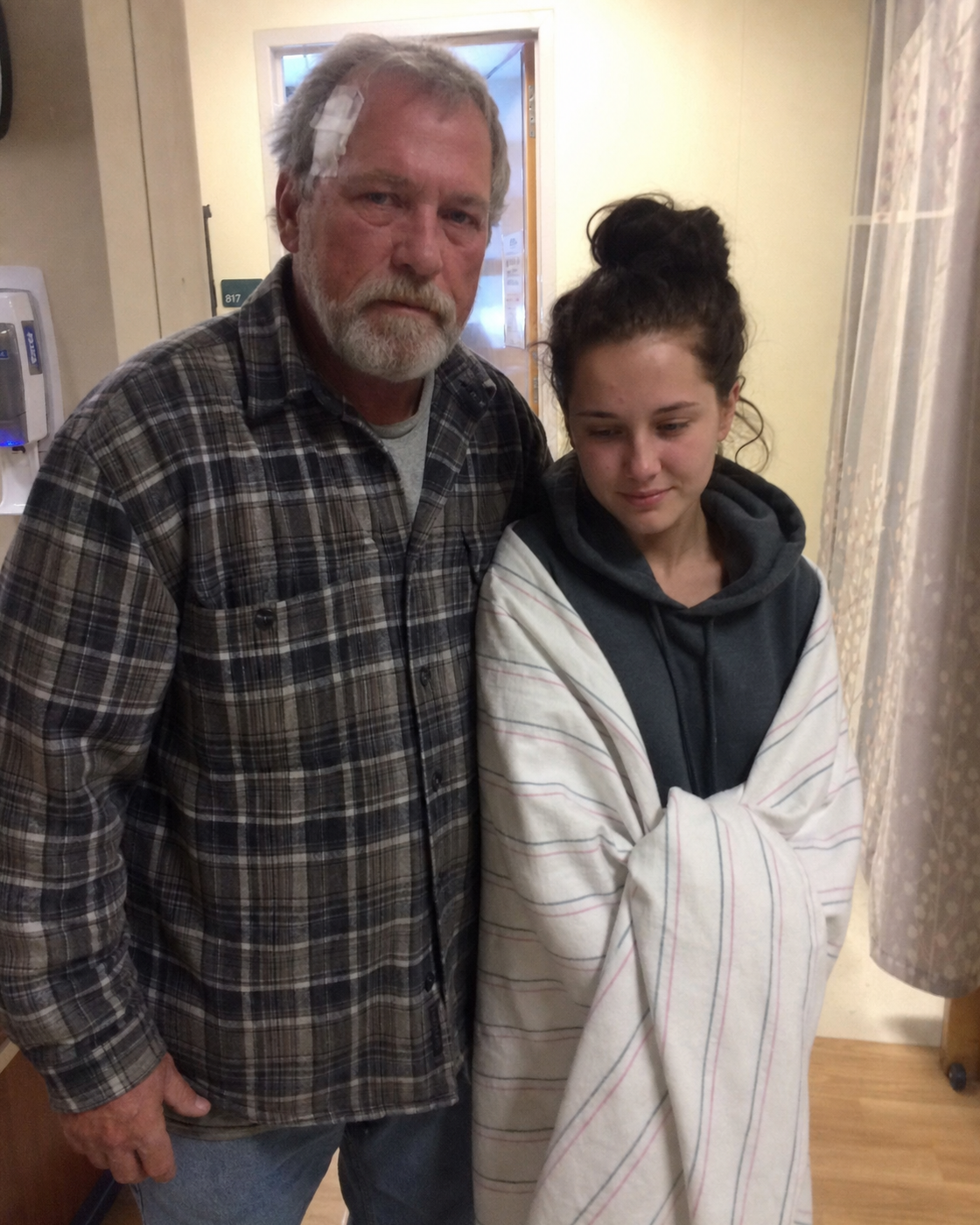
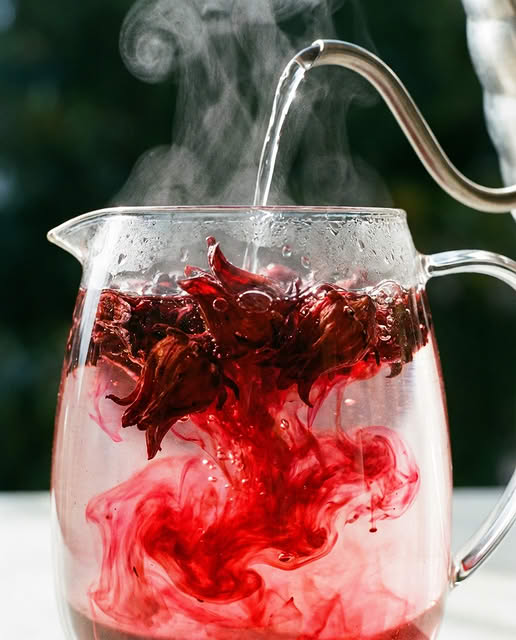
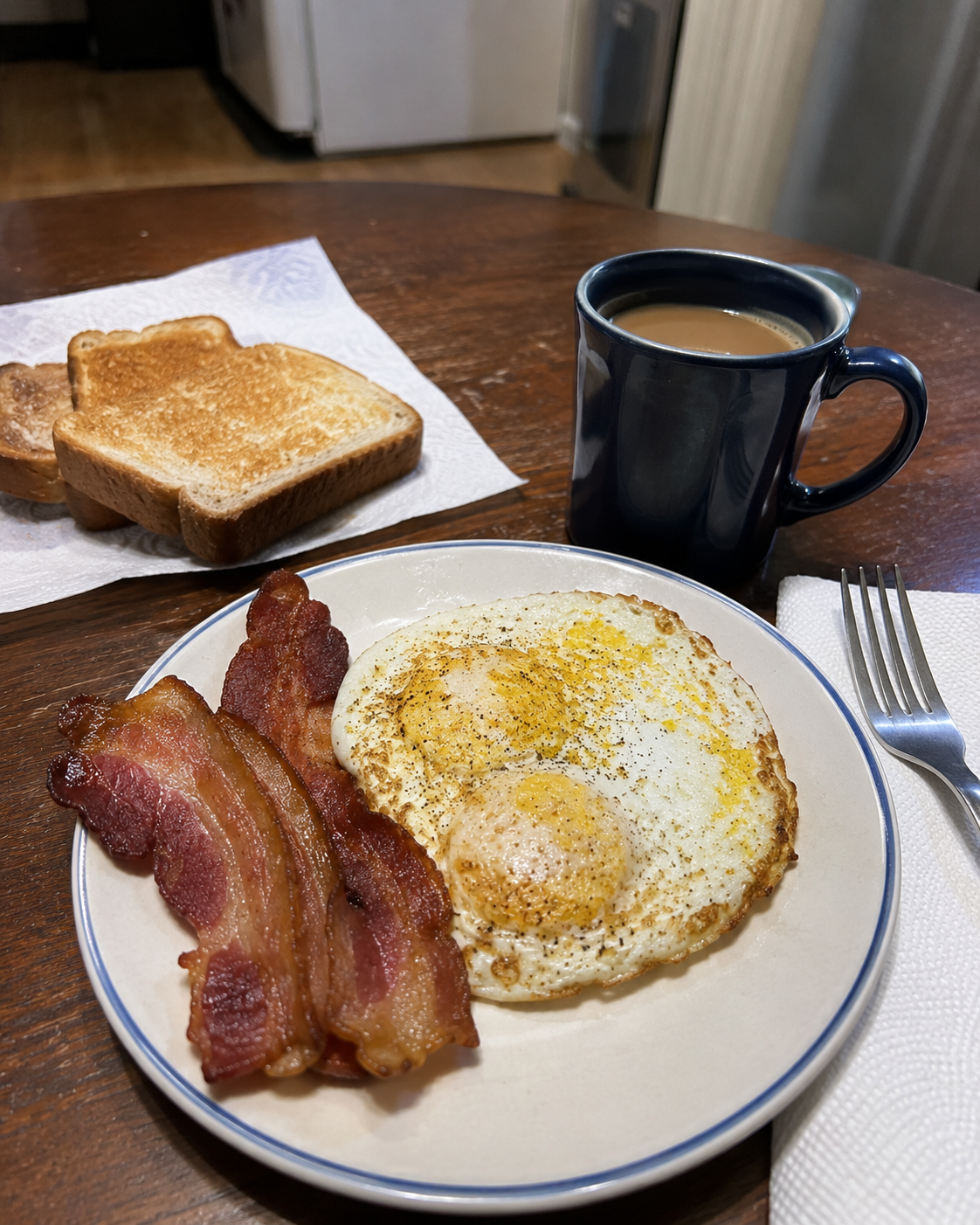
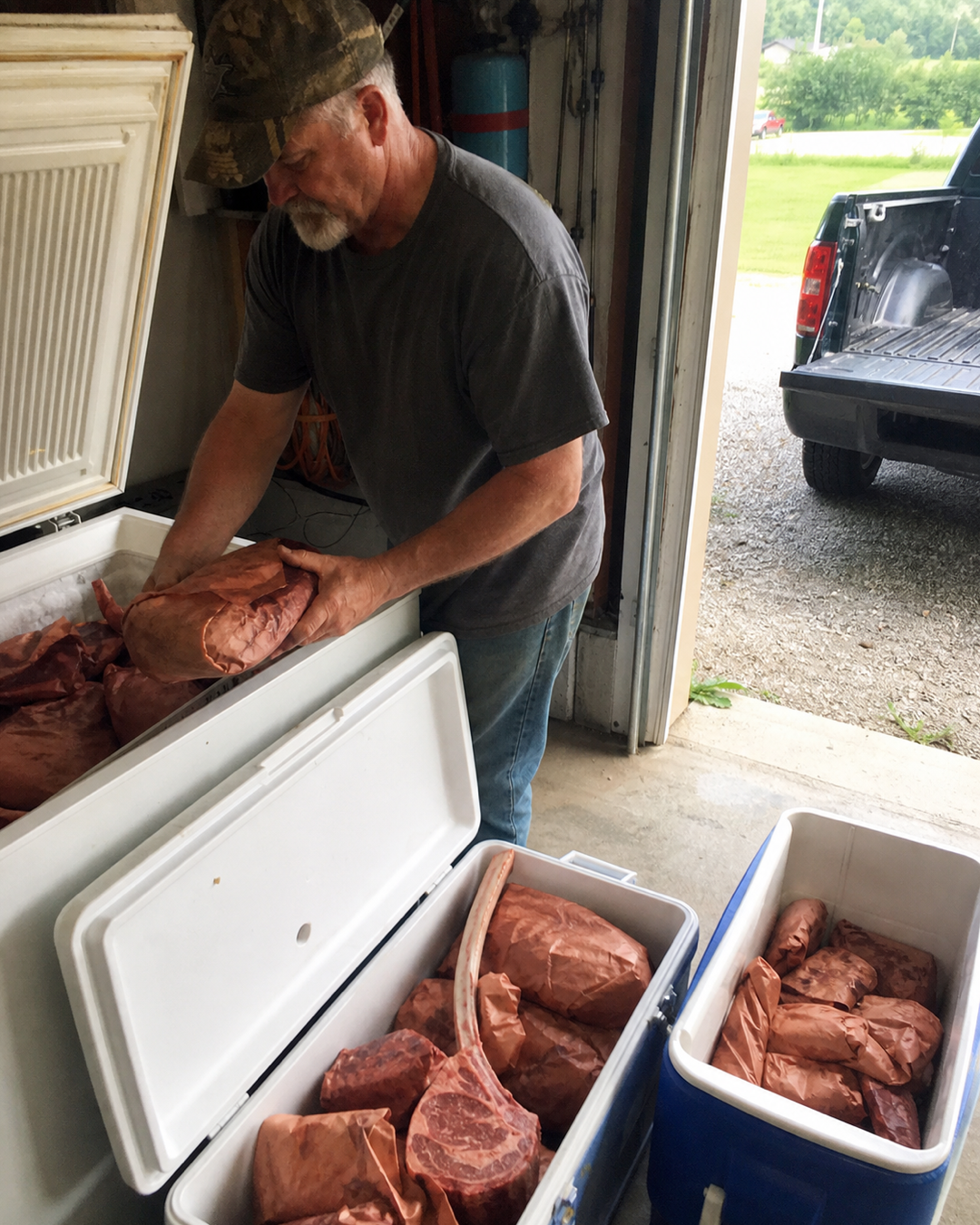
My husband started on the renal diet in June, 2024. Took his blood pressure pill every morning at 7 AM without fail. Took the fish oil pills he ordered off Amazon. Cancelled his Friday night steak dinner at Mancino's. Cut the salt out completely. Went low-potassium, low-phosphorus, low-protein. Walked three miles a day. Drank his water on a schedule, of all things. He did everything the doctor told him. He died on October 25th at 5:23 AM. He was 61 years old. Started the renal diet on June 11th. Gave up the salt the same day. Ate nothing that wasn't on the list. Lost 19 pounds. Walked three miles a day, rain or shine. The hospital bill was $74,000. The funeral was $12,400. His cast iron skillet is still hanging above the stove. I can't take it down. If I take it down, he's really gone. His pill organizer is still on the windowsill above the sink. I can't empty it. The Saturday slot is still full. He died at 5:23 AM — before the 7 AM pill he was supposed to take. Sunday through Friday are empty — six doses of the blood pressure medicine and kidney-support routine he followed without fail. If I empty it, he's really gone. I need to tell you what happened to Richard. Because I'm seeing the same posts on Facebook that I was making just months before he died — "my husband's eGFR dropped again, any tips to help his kidneys naturally?" — and it makes me physically ill. If you're over 50 and your kidney numbers are slipping, or someone you love's are, please read this entire thing. I know it's long. I know you're scrolling. I know you have things to do. Fifteen months ago I would have given anything — everything — for someone to tell me what I'm about to tell you. Richard went in for routine bloodwork on June 28th, 2024. He felt fine. Better than fine. He'd just turned 60. He still hunted deer every November. He still rebuilt the engine in his '72 Chevy on Saturdays. He thought he was indestructible and honestly so did I. Two days later his doctor called. eGFR of 48. Creatinine climbing. "Your kidney function is lower than we'd like, Richard. We need to talk about your diet. And I want to keep a close eye on this." Richard was quiet on the call. I was in the kitchen pretending not to listen. "How much salt do you eat?" "Steak a couple nights a week. Bacon and eggs with breakfast on Sundays. Maybe a ribeye when we go out." "That's enough to matter. You need to cut the salt, watch your potassium and phosphorus, and go easy on the protein. I'm not changing your blood pressure pill yet. We'll recheck your numbers in three months." Richard hung up the phone and sat at the kitchen table for forty minutes without saying anything. Then he stood up, walked out to the garage, and emptied the chest freezer. I watched him bag up a $90 ribeye from Snake River Farms. A $60 tomahawk from the butcher. A $40 New York strip. Two coolers of venison from his November hunt — all of it loaded into the bed of his truck and driven down to the food bank. The whole freezer — gone in under an hour. "That's it," he said. "I'm done." And he was. He picked up his blood pressure medicine from the CVS on Reynolds Road that afternoon. Took the first pill at 7 AM the next morning with a glass of water. Set the bottle on the kitchen windowsill where he'd see it every day. I bought him a Sunday-through-Saturday pill organizer and started filling it every weekend. I started keeping a chart on the fridge of his water, his salt, his numbers. Two weeks in, Dale told him over the fence that his nephrologist had him on fish oil for his own kidney numbers. Richard ordered a bottle off Amazon that night. Added it to the pill organizer the next Sunday. For 103 days, he didn't touch a grain of salt he wasn't supposed to. He didn't miss a single pill. No steak. No bacon. No eggs. Not at his nephew's wedding in August. Not at the Browns game in September. Not at his own 61st birthday dinner in October where his brother ordered the porterhouse right in front of him and Richard ate the grilled chicken breast. I threw out 38 years of recipes. I learned to cook things I'd never made in my life — lentil stew, baked tilapia, quinoa bowls with kale. I'd stand at the stove at 6 PM watching him push the food around his plate and pretend it was fine. I ate the same dinners he did. If he had to give up everything he loved, I wasn't going to sit across from him with a ribeye on my plate. He stopped going to Dale's Wednesday night cookouts because he couldn't sit there eating a side salad while everyone else ate ribeyes. I stopped going too. I lost my Thursday night dinners with the girls at the country club because I couldn't stand the look on Richard's face when I came home full and he'd been eating salads. He lost his buddy Mike, who told him "you're no fun anymore" and stopped inviting him. He skipped his annual deer hunting trip to the cabin with his brother for the first time in 30 years. He lost a piece of himself he'd been carrying for 35 years. And he did it anyway. Because the doctor said to. He'd started saying he was tired in a way sleep didn't fix. A bone-deep tired that a full night in bed didn't touch. I'd watch him sit down at the kitchen table and need a minute before he could get back up. He was worn out in a way I told myself was just the diet, just the walking, just getting older. Asleep in his chair before the news was over. Taking the stairs one at a time. I'd watch him grip the banister and pull himself up step by step, and I'd remember the man who used to take them two at a time. His ankles had started to swell too. He'd take his socks off at night and there'd be a deep red line where the elastic had been. Twice I caught him checking his ankles before bed, pressing a thumb into the skin and watching the dent stay. I pretended I hadn't noticed. The doctor said it was probably just from the walking. From getting older. From the diet catching up with him. The follow-up labs came back on October 9th. eGFR: 44. Creatinine still climbing. I was the one who opened the patient portal. I read the numbers three times because I thought I was misreading them. He'd been on the renal diet AND cut the salt entirely for 90 days and the number had kept sliding. The doctor said "kidney function tends to drift down at this stage. Keep doing what you're doing. We'll recheck in six months and keep an eye on it." Richard came home that night and sat at the kitchen table again. The same table he'd sat at after the first call. He didn't say anything for a long time. Then he said: "I gave up the steak. I'm doing everything on the list. The number won't stop." I told him to give it time. I told him the doctor said six months. I told him to trust the process. He nodded. He kept walking. He kept eating the salads. He kept his water on schedule. Five days later he woke up at 2 AM confused and short of breath, his ankles swollen up past the sock line and his chest heaving like he couldn't get air. I drove him to the ER doing 80 in a 35, with my hand on his arm the whole way to make sure he was still with me. By the time they admitted him at 3:47 AM, his lips were gray. Not "a little pale." Gray. Like wet cement. I sat in the waiting room for an hour and forty minutes. I called our daughter at 4:12 AM and couldn't get the words out. I just kept saying "something's wrong, something's wrong." The vinyl chair stuck to the back of my legs. The ER doctor — a young guy, couldn't have been 35 — looked at Richard's bloodwork and his face did this thing. "Mrs. Baker, Richard has acute kidney injury on top of kidneys that have already been struggling. His body is holding fluid it can't clear, and it's backing into his lungs. We're taking him to ICU to stabilize him and decide whether he can tolerate continuous dialysis." "But I've been doing everything," Richard said. The doctor just looked at him. "I know, Mr. Baker. I'm sorry." Richard spent 11 days in the ICU. I learned things about the kidneys I never wanted to know. I learned that when they fail fast, the fluid your body can't clear starts filling the places it was never meant to go. The lungs. They call it fluid overload. It means your husband is drowning slowly in a hospital bed while you hold his hand. The nurse was writing down every ounce they were taking off him. She said, "We can measure the fluid. We can pull it off when it gets this bad. But nothing we do in this room gives somebody back the years before it got here." He looks at you like he's trying to remember who you are. He says things that don't connect. On day 6, Richard asked me three times in twenty minutes if he was going to be late for his shift at the plant. He retired from the plant in 2018. By day 4 he was too weak to hold a cup. I held it to his lips. Those hands had rebuilt a '72 Chevy engine from scratch. Now they couldn't lift a paper cup of ice water. Day 8, the doctors explained that dialysis could remove fluid and wastes, but it could not reverse the other failures happening in his body. Richard's blood pressure kept falling. Then they stopped talking about what came next. Day 10, they drained 2 liters of fluid from the pleural space around his lung with a needle. Two liters. The nurse called it pleural effusion. I called our daughter. By day 10 I hadn't slept in my own bed in eight nights. I was eating crackers from the vending machine and drinking coffee that tasted like it had been sitting since the day before. I stopped looking at myself in the bathroom mirror. I'd lost eleven pounds in nine days. My sister flew in and tried to make me go home for an hour. I wouldn't go. If I left and something happened, I'd never forgive myself. Day 11 — October 25th — I was in the family room down the hall. They'd asked me to step out. The chair I'd been sleeping in was still warm. There was a cardigan I'd left over the arm of it. I remember thinking I should fold it. At 5:14 AM I heard the long beep. I didn't move. I sat there listening to it not stop. Nine minutes. I counted them on the wall clock. I knew before anyone came. At 5:23 AM, a doctor I'd never seen walked into the family room. "I'm so sorry. We did everything we could." I drove home at 7 AM. The air fryer was still on the counter. His walking shoes were by the back door. The pill bottles were lined up on the windowsill — the blood pressure pill, the fish oil, the multivitamin. His cast iron skillet was still hanging above the stove. And his pill organizer was still on the windowsill. Saturday full. Sunday through Friday empty. Where it sits today. I sat in his recliner. I didn't move for six hours. The house was so quiet I could hear the refrigerator hum. 38 years. And now the only sound in my house was the refrigerator. The funeral was November 1st. Richard's brother flew in from Phoenix. Our daughter drove up from Columbus. The grandkids wore suits that were too big for them. My five-year-old granddaughter asked me: "Grammy, when is Papa coming home?" I told her Papa was in heaven now. She said: "Can we call him there?" I had to walk out of the room. After the funeral, I tried to go back to normal. I couldn't. Because every time I opened my phone I saw people my age, men Richard's age, posting things like "doctor says my kidney numbers are down, anyone tried helping it naturally?" or "annual checkup, eGFR slipped a little, no big deal." And I knew — I KNEW — some of them were doing exactly what Richard did. Taking the pills. Cutting the salt. Walking. Eating the measured portions. Drinking the grocery-store tea. And watching the number fall anyway. I couldn't just sit there and watch it happen to somebody else. So I started researching. Not because I wanted to. Because I had to. Because if Richard gave up everything for nothing — if I can't save even one person from what happened to him — then I can't live with that. I read for weeks. Medical papers I barely understood. Kidney forums. Studies out of Japan and Germany. And one thing kept coming up, over and over, that no doctor ever said to us: Everybody watches one number. Your eGFR. The doctor watches it, you watch it, the whole appointment is built around it. It slides a little, they tell you to keep an eye on it and come back in six months. But eGFR was never the thing hurting Richard. It was the number that told us how much filtering capacity he had already lost. Here's what I finally understood at 2 AM at that kitchen table. Your kidneys are filters. Millions of tiny ones called nephrons. And every day, every one of those filters is working against pressure, against sugar, against the wear of everything that runs through it. The part nobody ever explained to us was the pressure inside each filter. Blood pressure on the nephron. Every elevated reading puts more force through a tiny filter that was never built to take that kind of strain forever. Over time, that pressure scars them. And they do not grow back. And then there is oxidative stress — the same rusting, damaging process that browns an apple you leave cut on the counter. The air gets at it. It goes brown. The same kind of damage keeps grinding at the filters, day after day, year after year. Monitoring measures how worn the filters already are. It does not, by itself, tell a family what to do about the pressure and wear on the filters that are still left. I read that three times. I sat at the kitchen table with the laptop open and read it three times. And here's the part that made me sit up straight: There are compounds in the deep red part of hibiscus flowers called anthocyanins. The red is not just color. Those compounds are what researchers study. They support healthy blood pressure, including the small blood vessels that feed pressure into the glomerulus — the tiny filter inside each nephron. And they help address oxidative stress, the wear that keeps working on those filters. It's like lowering the pressure on the pipes before they crack. Read that again. Richard's kidneys were not failed by the salt he gave up. Cutting the salt mattered. The blood pressure pill mattered. But eGFR was a record of what had already happened, and the plan never gave us one daily lever that supported the filters he still had against the pressure and wear underneath it. The tiredness sleep did not fix. The swelling around his socks. The way he took the stairs one at a time. I had told myself that was age. The walking. The diet. But by the time I could see it in his body, the problem was no longer just a line in a portal. His body was carrying a burden his kidneys could no longer clear. And that nurse's words came back to me: they could measure the fluid. They could pull it off when it got this bad. But nothing in that ICU could give Richard back the years before it got there. The plan told us how fast he was declining. It never gave us a lever to pull. And a man who'd have done anything — who gave up the steak, the cookouts, the deer hunting trips — was never handed one single thing to actually DO each morning that supported what he had left. I sat with that for three days. I didn't know what to do with what I'd just read. The fish oil bottle Richard had added because of Dale was still on the windowsill. I had read the word hibiscus in those papers, but hibiscus still sounded like tea to me — something fruity you drink out of a box, not something a family stakes its future on. So before I bought another thing, I called my friend Ruth, a renal dietitian I'd known since college, and told her what Richard had been taking. "Margaret, fish oil thins your blood a little. That's about it. It does nothing for the pressure on the filters. Nothing for the oxidative stress you were reading about." "Then what does?" I asked. Then she said something I'll never forget: "Those deep red compounds in hibiscus — anthocyanins — are what you need to understand. Not the pink tea bags in the grocery aisle. The real compounds, in a form that survived. That's where I would start looking." I looked at Richard's fish oil bottle on the windowsill for a long time. "Why didn't his doctor tell us about something like that?" She was quiet for a long time. "Because we're trained to manage the number, not to hand people a daily ritual. Measure it, chart it, see the patient in three months. The thing that gives a family agency isn't a prescription. And no one in my profession is going to be the one to point you to a specific tea." I went to the grocery store the next day. I stood in that aisle for forty minutes. Kidney detox teas. Cranberry capsules. Dandelion. Nettle. "Kidney cleanse" 30-day programs. And on the bottom shelf, three different boxes of cheap hibiscus tea bags — $4.99, the ground-up stuff. I bought the cheap hibiscus. Drank it for two weeks. Nothing changed. Not my energy, not my numbers, nothing. I started Googling, and that night I read a paper on what happens to the active compound in hibiscus during processing. What I found made me throw the box in the trash. The hibiscus in those bags isn't the hibiscus the research is on. To make cheap tea bags, they take the whole flower — the calyx, the deep red petals where the good compounds actually live — and they grind it to dust, mixing in the woody stems and whatever else fills the bag cheap. And the compound that does the work — the deep red pigment, the anthocyanins that give it that color — starts breaking down the second the flower is cut, ground, and left to sit. Heat destroys it. Grinding exposes it to air. Time on a shelf finishes it off. By the time it's sitting in a $4.99 box, there's almost nothing left. Red dust. Dead before the box was sealed. I had been doing the right thing in the wrong form. Worse than the wrong form. The wrong everything. I was furious. I'm still furious. About a week later I was scrolling a Facebook group for people whose kidney numbers are slipping, or whose husbands' are — full of people like I was. "Just got the bad labs" people. "Doctor says watch and wait" people. "Has anyone tried helping it naturally" people. A woman posted something that stopped me cold. She said her husband's eGFR had been sliding for two years. He cut the salt, watched his diet, did everything the doctor said, and the doctor still just told him to come back in three months — sound familiar? — and then she found whole-flower hibiscus. Not the ground-up grocery kind. High-altitude grown, hand-picked whole flowers, dried gently instead of cooked, with the deep red pigment still packed in. She started making him a cup every morning. His energy came back in about three weeks — he stopped falling asleep in his chair. And over the next couple of quarters, his eGFR stopped sliding. For the first time in two years, the number held. He kept working with his doctor the whole time. He didn't stop a single medication. He just finally had one thing to do every morning. I read that post six times. I started looking into what she meant by whole-flower. And what I learned is that there are five things a hibiscus worth drinking has to get right at the same time, or it's colored water: It has to be the whole flower — the calyx and the deep red petals — where the actual compounds live. Not the ground-up stems and dust that fill a cheap bag. It has to be organic. Kidneys are filters. The last thing a strained filter needs is a daily dose of whatever was sprayed on a commodity crop. If you're drinking it every single morning to support your kidneys, it can't be carrying the very load you're trying to ease. It has to keep the pigment intact — the deep red anthocyanins that do the antioxidant work against the wear. That means dried gently, never blasted with heat, never ground to dust and left to oxidize on a shelf. It has to be grown where the flower actually develops that pigment. High-altitude flowers, grown slower under real stress, concentrate far more of the compound than lowland commodity hibiscus grown fast and cheap for volume. And it has to be hand-picked at the right time. Not machine-stripped early for yield. Picked by hand, at the point the flower has the most to give — the slow way, the way that keeps the active compound the whole thing is supposed to deliver. Five things. All five. At the same time. From one cup. I went through every box I'd looked at in that aisle. Not one of them did all five. Most did none. Every one of them was the same commodity flower ground into red dust. So I went back to the Facebook post and messaged the woman. She sent me the name. That's when I found PiPi Tea. It was the only one I could find that hit all five. Organic whole-flower hibiscus, grown at high altitude, hand-picked, the deep red calyx and petals kept whole. Dried gently, the original way, never cooked into powder. Loose whole flower, not dust — you can see the actual petals before you brew them. One cup in the morning, brewed like it was meant to be. 90-day money-back guarantee — if it doesn't do anything for you, you send it back and get every penny, no questions asked. It was only after I'd already found PiPi that I read about the woman behind it. Her name is Yin. A mother of three in New Jersey who grew up with real tea in the house. Not supermarket "premium" tea. Real tea. Whole leaves. Whole flowers. Tea you could see with your own eyes. Tea with a place behind it. A harvest. A farmer. Something that had not been crushed into dust and propped up with flavoring. When her children left home, she started noticing what they were buying for themselves. Pretty boxes. Nice words. But inside, too often, dust and broken fragments — the leftovers after the whole leaves and flowers had already been sorted out. That bothered her because she knew what real tea was supposed to look like. So she went back to the source. Not brokers. Not mystery suppliers. Farms. For PiPi's hibiscus, that meant high-altitude Yunnan, where the flowers are grown, harvested at full bloom, dried whole, and tested before they ever reach someone like me. That was not why I found PiPi. I had already found it because every other box in that aisle had failed the five things I now knew mattered. It was why, for the first time since Richard died, I stopped feeling like I was holding another pretty promise in my hands. I almost didn't order it. After the grocery aisle. After the cheap hibiscus. After Richard. After everything. But I had a brother whose kidney numbers were slipping, being told the same thing Richard was told. I had a son-in-law with "borderline" labs. I had myself. I ordered it. My brother Tom. Came back from a routine appointment with an eGFR sliding into the low 50s. Doctor told him to watch his diet, cut the salt, and come back in three months. No plan. Just watch and wait. He'd watched Richard do everything on the list for four months and end up in a casket, and he was terrified. Didn't know what else to do. I sent him PiPi Tea. I didn't ask. I just sent it. Wrote a note that said "You drink one cup of this every morning or I will never speak to you again, Tom, I mean it." He drank it. Every morning. He kept taking his blood pressure pill. He kept seeing his doctor. He didn't stop a single thing his doctor told him. He just added the one cup. The first thing he noticed, about three weeks in, was that he wasn't dragging by 2 in the afternoon anymore. Then the swelling in his ankles eased off. For the first time in a year he felt like he had a hand in it instead of just waiting for the next blood draw. He went back to his doctor a few weeks ago. His eGFR had stopped sliding. It held — for the first time in over a year, it didn't drop. His doctor looked at the chart and said "whatever you're doing, keep doing it." He called me crying. My brother. 57 years old. Crying on the phone like a kid. He said: "Margaret, I think Richard died because nobody told him about this." I had to hang up. Then there's my son-in-law. 44, two kids, borderline labs at his last physical. Started the morning cup six weeks ago. He says his afternoon energy is back. He says he doesn't feel like he's just sitting around waiting for his numbers to decide his life. My neighbor Diane. Her husband's kidneys failed two years ago and she watched what dialysis did to their whole life — three days a week, everything planned around it. She started the cup two days after I told her, for her own slipping numbers. She says it's the first time since all of it that she doesn't feel completely helpless. I told my sister in Cincinnati. I told my daughter in Columbus. I told the girls in my Thursday night dinner group at the country club. I told Dale and the guys at his Wednesday cookouts when I went over to drop off a casserole. I'm not a doctor. I'm not a scientist. I'm not selling anything and I don't get a penny from any of this. I'm a 59-year-old widow sitting in my dead husband's chair at 2 in the morning because I can't sleep and I can't stop thinking about my brother Tom — 57 years old, kidney numbers slipping, told to watch and wait the same way Richard was — and whether he's going to end up where Richard ended up. Here's what I know because I lived it: Monitoring told us how fast he was declining. It never gave us one thing to do about the wear underneath it. Cutting the salt slowed what was coming. It didn't ease what was already grinding at the filters every day while we watched the number. The grocery-store tea was colored water. The compound that does the work was gone before the box was sealed. Most hibiscus on the shelf is the wrong flower — ground to dust, cooked, sprayed, aged out. The deep red pigment that does the work is gone before you buy it. Richard gave up everything he loved for 103 days and it didn't save him because nobody ever handed us a single daily thing that worked on what was actually wearing him down. I wish someone had told us before June 28th, 2024. Before the routine bloodwork. Before the chest freezer in the garage. Before the 103 days of grilled chicken breast. Before October 25th at 5:23 AM. I can't go back. Richard can't come back. His pill organizer is still on the windowsill and it's going to stay there. But you can still go forward. Your husband can. Your brother can. You can. Here's where I got it. https://shop.pipitea.com/hbt/kd/medpub Not the number. What was wearing him down. That's the line that finally made it click for me. Do not leave your family where I am now. I want you to go order PiPi Tea. Not for me. For whoever you'd leave behind. Richard used to say: "You can't put rust back in the can, but you can stop it from spreading." You can keep oiling it. — Margaret Baker, age 59 Toledo, OH P.S. The pill organizer is still on the windowsill. Saturday full. Sunday through Friday empty. Every morning I walk past it and for one second I forget. For one second I think he's about to head out to the garage to work on the Chevy. He's not. $74,000 in hospital bills. $12,400 for the funeral. 103 days of him giving up everything he loved and never once being handed something to actually do. And PiPi Tea costs less than what he used to spend on a single steak dinner at Mancino's. Please. Don't end up here. Don't let someone you love end up here. https://shop.pipitea.com/hbt/kd/medpub P.P.S. I don't work for PiPi Tea. I don't get a penny from this. I'm writing this at 2:14 AM because I can't sleep and Richard's side of the bed is cold and my brother Tom is 57 with slipping numbers and being told to watch and wait, and I'm scared every time the phone rings. Share this with anyone you love whose kidney numbers are slipping. Even a little. Even if their doctor says "borderline." Even if they're already doing everything on the list. Please. P.P.P.S. If your husband is already following the whole kidney plan and his numbers look "stable," please don't close this page. Richard's numbers looked manageable right up until the week they weren't. Watching the number was never the same as doing something about the wear underneath it. The whole-flower hibiscus is something to do every single day. It works alongside the diet. It works alongside the pills. Tom kept every medication his doctor gave him and just added the one cup — and the first thing he noticed was the afternoon tiredness lifting inside three weeks. You haven't missed the window. The window opens the day you start. P.P.P.P.S. If you're reading this and thinking "he'd never go for it" — I want you to hear me. I didn't argue with Tom. I sent him PiPi Tea with a note that said if he didn't drink it I'd never speak to him again, and he drank it because he loved me. He didn't believe a word of it on day one. He believed it a few months later when his number finally held. You don't have to win the argument before you ask him to start. You just have to get PiPi Tea in the house. P.P.P.P.P.S. One last thing, because I know what it is to be afraid to hope again. There's a 90-day money-back guarantee. If it does nothing for you in three months, you send it back and they refund every penny — no questions, no fight, no fine print. Three months is one round of labs. You can know in one round of labs whether this is real for you the way it became real for Tom. That's all I'm asking. One round. Don't let three months go by without it being in the house. And please — keep working with your doctor the whole time. This is something you do alongside your care, not instead of it. https://shop.pipitea.com/hbt/kd/medpub P.P.P.P.P.P.S. One more thing. The good whole-flower kind isn't the stuff in the grocery aisle, and it isn't scattered across a dozen no-name sellers online. The people who grow it ship it through the one website, and there are already cheap knockoffs using hibiscus as a buzzword on the dusty ground-up stuff. Order it from the link below or you're back in the red dust aisle. https://shop.pipitea.com/hbt/kd/medpub
Natural Relief in Weeks
After 38 years in nursing, I thought I knew every option for kidney disease. Then my own kidneys started declining, my doctor told me to "just keep monitoring," and a patient told me something that made me question everything. What I discovered will save you hundreds of dollars, and it might be the....
LEARN MORELike this ad? Make it yours.
Crush rebuilds this exact creative around your product — your brand, your colors, your offer — in about a minute.