Sarah Johnson
Sarah Johnson Facebook ad: “Natural Relief in Weeks”
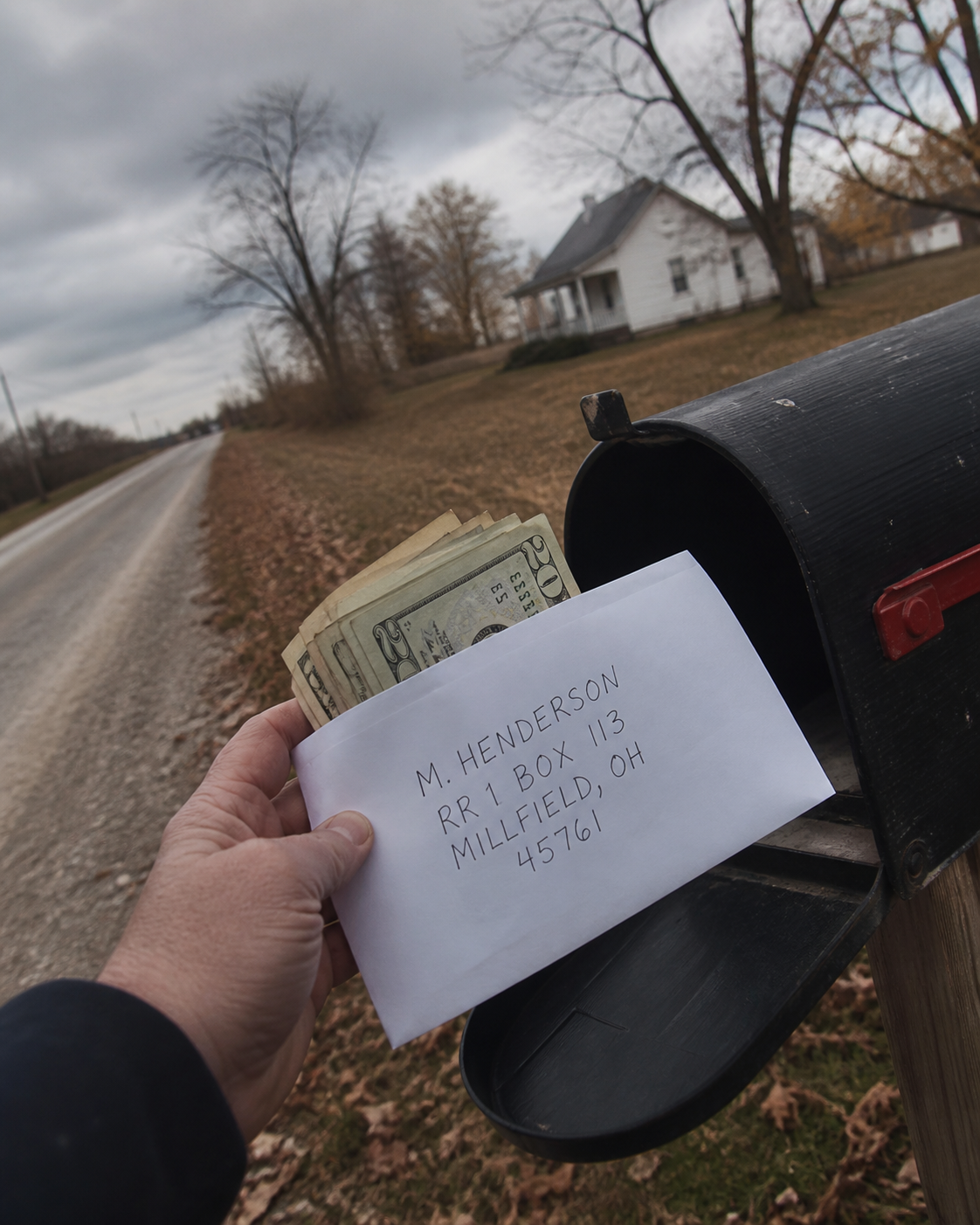
Ran for 4 days, from August 30 to September 3, 2026, the last day Crush saw it.
Run by Sarah Johnson on Facebook. Crush is not the advertiser and does not verify its claims. See this ad in Meta's Ad Library(opens in a new tab)
Make your own version of this ad
Crush makes it, launches it in your own Meta ad account, scales the winners and pauses the losers.
About this ad
- Meta Ad Library ID
- 1089036120139837
- Platforms
- Facebook, Instagram, Audience Network, Messenger and Threads
- Relaunches
- 0
Ad text
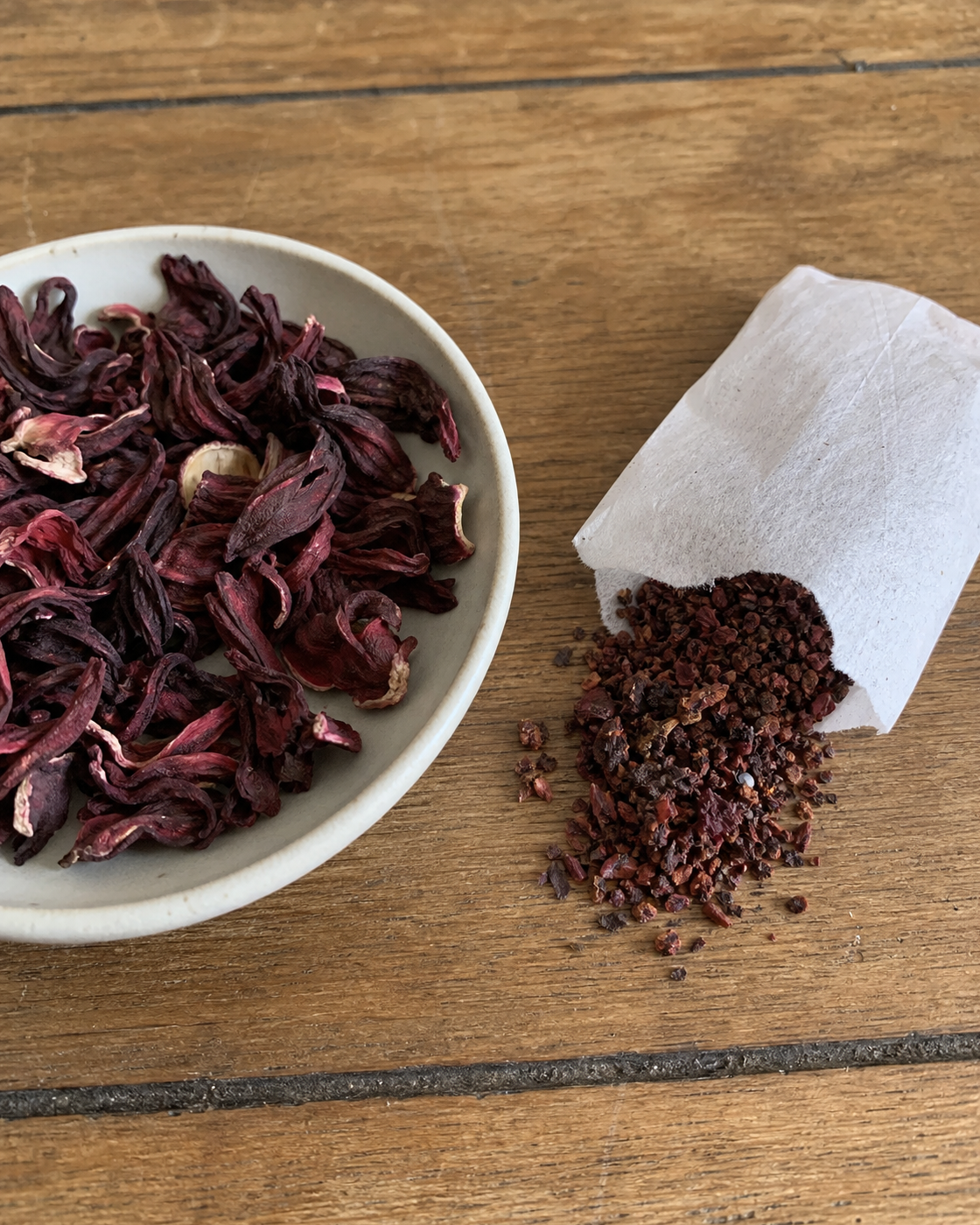
I adopted ten children who were not mine because the man I loved vanished one week before our wedding. Thirty years later, his lawyer knocked on my door — and I found out I'd spent thirty years hating a man who never left us. His name was Robert. He had ten children. Their mother died the morning the youngest was born. I watched that man carry a newborn through her funeral. Back straight. Nine children in a row beside him, oldest to youngest, every collar ironed. He did not fall apart. He did not have the luxury. I was the substitute teacher in those years, and with ten children in one house, somebody from that family was always in my classroom. That fall he came to parent-teacher night alone, with a spiral notebook. Ten names down the margin. He asked exact questions about each one and wrote the answers down, and when my twenty minutes ran out he apologized and kept me another forty. I was thirty-two years old. I noticed him the way you notice a lit window on a dark road. After that night he started turning up. Small things, all winter. My boots came back resoled without my asking. My brakes got done while I was at church, and he never mentioned it, and neither did I. He never once told me I was beautiful. Love, in that man, came out as maintenance. A year after the funeral, he asked me to marry him. Ten o'clock at night, his kitchen table, every child asleep upstairs. There was a sheet of paper in front of him, and before he would let me answer, he made me read it. It was a list. Ten names. Ten ages. Who had nightmares, who wet the bed, what the baby's teeth were doing to everyone's sleep. Everything I would be taking on, written out in his hand, item by item, like a man drawing up a contract he intended to honor. People said it was too fast. Maybe. A man with ten children does not have time to be slow. I said yes with the list still in my hand. The wedding was set for the second Saturday of June. On the first Saturday of June, I let myself in through his kitchen door the way I had every morning for a year. The house was wrong before I could say why. Ten children were awake, and nobody was loud. Grace stood at the stove with the baby on her hip. Fifteen years old. She didn't say good morning. She looked at the kitchen table, and then she looked at me, and in thirty years I have not forgotten the order of those two looks. The note was on the table. The same table where he'd made me read the list. The same hand. Seven words. "I'm sorry. I can't do this anymore." No name at the top. No name at the bottom. His truck was in the driveway. His coat was on the hook. As far as any of us could ever tell, he had taken one bag, his work boots, and nothing else in the world. The sheriff read the note in the doorway and handed it back. A grown man who leaves a note is not a missing person, he said. He said it kindly. Kindness is not the same as help. What came next, everyone I knew had an opinion about. The caseworker was honest with me. Nobody takes ten. They would be split — twos and threes, different homes, different towns, the little ones renamed by strangers. She said it like a weather report. It was simply what happened to families like this one. My mother told me I was about to throw my life away on another woman's children. My father said nothing at all, which in our family was worse. I heard all of them out. I was engaged to a man nobody could find, standing in a house I had no legal right to be in, and ten children upstairs were listening through the floor the way children think adults don't know about. That month I signed whatever the county put in front of me. Within the year, I signed the adoption papers. The same ten names, one judge, one afternoon. Everyone kept telling me I had a choice. They were right. I made it. Love fed those children. I want that on the record first. But love is not what got me up at 4:30 in the morning for thirty years. Hatred is a fuel. Nobody tells you that. It burns steady, it never runs out, and it starts every single morning, even in January. I drove the county school bus. I substitute taught in the same schools my own children sat in. I worked holidays at the feed store register. Ten pairs of school shoes every September. Ten winter coats, bought one size big. My parents did not help. My mother had told me what I was throwing away, and she was not a woman who liked being wrong. We spoke at Christmas and at funerals. There were men, here and there, the first few years. They lasted until they counted the chairs at my table. The first envelope came the October after he left. Plain white. My name and address in block letters that were trying hard not to be his handwriting. No letter inside. No name. Cash. I stood at the mailbox a long time. Then the first Tuesday of November. The first Tuesday of December. The first Tuesday of every month for thirty years. I called it what it was. Conscience money. A man paying an invoice so he could sleep. I spent every dollar. I had ten children and no pride to spare. I bought shoes with it and hated him. I paid the light bill with it and hated him. Every envelope was proof he was alive somewhere, choosing not to be here, and I fed his children with the proof. The postmarks moved. Texas. Wyoming. North Dakota. The Gulf Coast. I read them like a map of a man staying gone. A few didn't fit — postmarks from towns close enough to drive to. I told myself the mail gets routed strangely sometimes. I kept the first envelope, and I kept the odd ones. A drawer in my sewing table, filling up over thirty years with empty envelopes I had no reason to keep and kept anyway. The note from the kitchen table I kept too. Folded flat in the back of my Bible. Some things you keep the way you keep the bullet they took out of you. The children grew. They married. The grandchildren came. The kitchen table he proposed at grew a folding table at one end, then another, then two more down the living room, with cloths over the seams so that on Sundays it reads as one long table. Twenty-seven people, at last count. Every Sunday. My house. His name did not come up. The children stopped asking, one by one, oldest first. Thirty years. Three hundred and sixty envelopes, give or take. The last one came on a first Tuesday like all the others. I didn't know it was the last one. The knock came in the middle of Sunday dinner. Forks, arguments, a baby banging a spoon, gravy going one way around the table and the bread basket the other. Nobody heard the knock but me. I answered with a dish towel over my shoulder. A man in a suit stood on my porch. Gray hair, briefcase, the kind of suit you don't buy in this county. He asked if I was Margaret. Then he said a name I had not heard out loud in thirty years. Lawyers have a word they use so they don't have to say died. Estate. He said he represented the estate. That's how I learned Robert was dead — from a word with no person left in it. You would think thirty years of hating a man would tell you what to do when he dies. It doesn't. The hatred just stood there. So did I. Behind me, the house went quiet in rings, the way a pond does. He told me the burial had already been handled. Private, per his client's instructions. He told me there was a file — documents, for later, when I was ready. He apologized for interrupting a family dinner. Then he said he had been instructed to come on a Sunday. I did not understand that until I opened the envelope. He handed me one envelope and stood there while I looked at it. My name on the front. No block letters this time. His own hand, plain as a voice. I carried it back to the table. All ten of my children watched me come through the door. I opened it standing up. The first line was an apology for the dinner. "Margaret. I told him to come on a Sunday, so the family would be together for what follows. I am sorry for the interruption. It seemed the least bad of the available options." That was the hand I knew. That was the man I knew. Thirty years, four pages, and he opens like a man scheduling a repair. I read it out loud until I couldn't. Then Grace took it and read the rest. "I have to tell it in order," he wrote. "It only makes sense in order." "The month before our wedding, I did what a man with ten children does before he adds a wife. I applied for life insurance. A policy sized for all eleven of you. It seemed like the responsible order of things." "They declined me. Not rated up. Not priced high. Declined." "Their doctor had drawn my blood. What came back, along with what my mother had been told before she died, made me a bad bet." "My mother died in a dialysis clinic at fifty-one. She went in on a Thursday morning and never came home. I was nineteen. I was the one who drove her there." "The letter they sent me used the word uninsurable. I read it in the truck outside the post office, ten days before the wedding. An industry that feeds itself by knowing when men die had looked at me and refused to take the bet." "I did not read it as paperwork. I read it as a certificate with the date left blank." "It is in the file. I kept everything, so that you would not have to take my word for anything." Grace's voice did not change when she read. That is how I knew what it was costing her. "I sat with it for three days. You were thirty-two. Married to me, the arithmetic said you would be a widow with ten children before you were forty. If I had told you the truth, you would have married me anyway. You are not a woman who breaks a promise once she has read the whole list. So I made sure there was no promise to keep." "I believed my sister would take the children, or the county would, and that you would go on to the life you were supposed to have. I did the arithmetic and I got every line of it wrong." He left to give me the choice he thought I'd make. I made the other one. "The money was wages. I want that plain, because I believe you will have given it an ugly name, and you were owed the truth of it thirty years ago." "Pipeline seasons. Long-haul. Camp work — the jobs that pay men to disappear. A man alone needs a bed, gas, and coffee. The rest was never mine. It went where it belonged." I thought of the drawer in my sewing table. Thirty years of evidence, filed under the wrong crime. "I came back once. Year twelve. A Sunday evening in the fall. I parked two streets over and stood across the road long enough to see the table. It had grown out of the kitchen. There were more people around it than I could count from the street. You were laughing at the head of it." "I stood there until the cold got into my hands. There was no chair in that room for me that would not have broken everything the leaving had bought. I mailed the next envelope from two towns over, which was careless, and I did not come back again." Two towns over. A postmark that didn't fit. I had held the proof in my hand and called it a routing error. Then, near the end of the third page: "Get the album from Daniel's wedding. The photograph on the church steps, the one with all of you in it. Look at the far left edge. Gray jacket. I am looking at the ground." "A man at the back of a crowd on a public street is invisible, and I am ashamed of how well I knew that." The album was on my hallway shelf. Ten steps from where I was standing. I don't remember crossing the room. We laid it open on the table between the serving dishes. Grace found the page first. There is a stranger at the edge of my son's wedding photograph. Gray jacket. Head down. Half turned, as if he were walking past a thing he had no part in. Eight years, that album on my shelf. Eight years of walking past him. Grace put her finger on the gray jacket. She was fifteen the last time she saw him. She is forty-five now. "That's Dad," she said. Nobody had called him that in my house in thirty years. The room did not breathe. The last page was the reason for all the others. "The insurance company's doctor was the first to see my blood. My own doctor was the second. eGFR 58, creatinine 1.42, urine protein marked abnormal twice, blood pressure 158 over 96, and my mother's dialysis records sitting in the file underneath it." "He used the word aggressive because it was not one number by itself. It was the number, the pressure, the protein in the urine, and the woman who had raised me ending in a dialysis chair at fifty-one." "The letter they sent me did not say kidney failure. It said renal risk, family history, and uninsurable." "My own doctor told me to watch my pressure, cut salt, and come back in a year. So I did. For thirty years, I came back in a year." "The numbers stayed quiet enough that nobody used a frightening word. I sat across from doctors in six states, and every one of them looked at my chart and used the same phrase. Looks stable." "Stable became a place to hide." "I never believed it. My mother felt fine the morning she went to dialysis." "Now I will tell you what the thirty years actually did, because the chart was not there. My ankles went first — not dramatic, just sock marks that lasted longer. Then the bathroom at night, two times, then three. Then a fog in the afternoons that sleep never touched." "I brought it up twice. I was told it was age. The chart said stable, and I stopped bringing it up." "In April I could not make it from the motel parking lot to the office without stopping. They ran the bloodwork again. eGFR 19. Creatinine 3.1. Urine albumin so high the nurse would not meet my eye." "The nephrologist said work like that takes decades to build. It did not start in April." "So the number has spoken to me twice in my life, Margaret. At thirty-nine it said I was a dead man, and I gave you up on its word — and I had thirty years left. For thirty years after, it said I was stable — and my kidneys were failing the whole time." "Wrong both times. Wrong in both directions." Grace read that line twice. The second time, slower. "My mother knew nothing and got the short road. I watched it every year and got the long one. Same wall at the end. I did not outlive her so much as I failed slower, alone, and better documented." "Dialysis starts Thursday. The surgeon is placing the access in the morning. The nephrologist is an honest man and did not oversell it. If you are reading this, you know how it went." "Now the part I have no right to ask. The children carry my blood — my mother, and me, and whatever is written in both of us. Daniel was me at twelve. If that held, watch him first." Nine heads turned toward Daniel. Daniel did not look up. "One day a doctor will look at their numbers and say the same word. Stable. Make sure they know what their father's kidneys did behind a stable chart. Do not let them trust silence the way I trusted it." "There has to be something else. I ran out of time to find it." "You will have noticed the handwriting getting worse by the page. This letter took me eleven days. A page at a sitting is what my hand will do." "My chart says stable. Weigh those two facts however you can. I never could." I went and got my Bible. The note had lived in the back of it for thirty years. I set it on the table next to the letter. Seven words beside four pages. The note was written by the hand that filled the spiral notebook. Every line level, every letter straight. The letter was written by what thirty years had left of that hand. He wrote sorry in both. "I'm sorry," on the note — steady as a fence post. "I am sorry," on the letter, in a line that could barely hold its own weight. The note he never signed. The letter he signed with his whole name. He wouldn't sign the lie. He signed the truth. My oldest is a pharmacist. Eighteen years behind the same counter in town. White coat, her name on a badge. Monday morning, Grace was at the lawyer's office when it unlocked its doors. That evening she walked into my kitchen carrying a box. He had kept everything, the way he said. The insurance letter with the word uninsurable in it. The nephrology records. The blood pressure logs. Thirty years of bloodwork, six states, clipped into folders. Grace laid two stacks on the kitchen table. She put her hand on the first stack. "Every sentence they ever said out loud." She put her hand on the second stack. "And every number they left sitting underneath it." She had been through it page by page. The word stable actually appears. Doctor after doctor. Decade after decade. She put one page in the middle of the table. April 18, 2014. eGFR: 58. Creatinine: 1.42. Blood pressure: 148 over 92. Clinical impression: CKD Stage 2. No one at that table said a word. "These two piles can't both be true," she said. "And they're both true." She packed the box back up and took it home. For two weeks my daughter went to work, came home, and read. She didn't tell us what she was doing. She didn't have to. She was looking for the something else. Two weeks after the letter, Daniel went to the doctor. He told nobody. Not Maria, his wife. Not me. That is Daniel. He does a thing quietly, and you learn about it afterward, in fewer words than it deserves. He is forty-two years old, and as far as I know he had never once asked for his full lab history on purpose. He went because a dead man asked him to. He would never say it that way. But he went. He called me the night the results came back. "Mom." "They did bloodwork," he said. "The doctor called me back in." His eGFR was 62. Creatinine, 1.29. Blood pressure, 151 over 94. Urine albumin, 42. "She says it's early," he said. "She says we just monitor it." I was sitting at the kitchen table. The letter was in front of me. I had read it every night for two weeks, and the folds were going soft. "Say the word," I said. Paper rustled. He had written it down on the back of a work order. "Kidney function." The same words his father never got in time. The same window, one generation later. I did not trust my voice for a minute. "Don't just monitor it yet," I said. "Your sister is close to something. Come Sunday." He was quiet a while. "Okay," he said. Then, right before he hung up, he asked a question he already knew the answer to. "Did monitoring work? For him?" I looked at the letter on the table. Four pages in a failing hand, and thirty years of stable. "Come Sunday," I said. Three days after that phone call, Daniel was in a customer's attic. He does residential heating and air. August is attic season — a hundred and fifteen degrees under the roof, and somebody has to carry the new blower motor up the ladder. He was eight feet up, forty pounds of motor on his shoulder, when his head went light. Not pain, exactly. A thick tiredness — like the heat had set a wet blanket over him. Then the edges of his vision went gray, the way frost comes in from the corners of a window. And his legs turned into things he did not trust. He didn't climb. He didn't come down. He stood on that ladder and held on. The kid he works with called up from the hallway. "You good?" "Give me a second." The gray pulled back. The pressure let go. He came down one rung at a time, like a man twice his age, and sat on the tailgate, and checked his ankles. Swollen over the boot line. He sat in the truck with the air conditioning running for twelve minutes — he knows it was twelve, he watched them go by on the dash clock — telling himself it was the heat. Then he went back in and finished the job. Of course he finished the job. At home he said nothing. Maria remembers that night only because he went to bed at nine and got up twice before morning. Nobody heard a word about that ladder for months — until the kid mentioned it to Maria at a company cookout, thinking she already knew. That is how it reached me. His grandmother ended in a dialysis chair at fifty-one. His father got the warning too late. Daniel got a warning. He gave it one minute and a dash clock, and he drove home. He is forty-two. I have learned to be careful with arithmetic. I did that subtraction anyway. That Sunday, he was at my table for dinner. None of us knew a thing. That Sunday, I watched Daniel through the whole meal. Since the letter, I could not stop seeing Robert in them. In their hands. In their shoulders. In the way half of them go quiet instead of angry. Daniel most of all. He sat across from me cutting Marcus's chicken into pieces smaller than a six-year-old needs. Eliana was telling a story with no ending about her teacher. Maria had her hand on the back of his neck. Robert's shoulders. Robert's hands. Robert's way of being in a room without adding to it. And twice — I counted — he rubbed the top of his left boot with the other foot. The way you test swelling without admitting you are testing swelling. I knew what was folded in his pocket. The hatred died the night I read the letter. Thirty years of fuel, gone in four pages. I thought grief would move into the space it left. Something else moved in instead. Everyone told me thirty years ago that I had a choice. This was the same choice, thirty years later, sitting across the table, cutting up a six-year-old's chicken. I could not save their father. Nobody let me try. I would not lose his son. Grace came in as the pie plates were being cleared, carrying the box from the lawyer and a folder of her own, three inches thick. She didn't sit until the table was wiped. That's Grace. The little ones got sent to the yard. What was left was me, Daniel, Maria, and my daughter the pharmacist, standing over a dead man's paperwork. "Before you start," Daniel said. "My doctor isn't stupid, Grace. She went to school for this." "She did," Grace said. "And nothing I'm about to show you argues with her. I'm not going to give you an opinion. I'm going to show you paper." She set out the two stacks. Stable on the left. Stage 2, Stage 3, and Stage 4 on the right. Then she went to the kettle, took two mugs from my cabinet, and set them in the middle of the table. Into the first she dropped a pale grocery-store hibiscus tea bag. Into the second she dropped a spoonful of dark red whole flowers from a glass jar. "Watch those while we talk," she said. Daniel looked at Maria. Maria looked at the mugs. "Nobody at this table has a kidney-cleanse problem," Grace said. "Not the way you think. Your kidneys are not one big sponge that gets dirty and needs a cleanse. They are millions of tiny filters. Nephrons. You are born with what you are born with, and when one scars over, it does not grow back." "Then why—" Daniel started. "Why does anybody end up on dialysis." She nodded at the blood pressure log. "Pressure." The pale tea bag had started to tint the water pink. The whole flowers had gone deep red, almost wine-colored. "Every filter has blood pushing into it," Grace said. "Too much pressure, year after year, is like turning the water up on old pipes. One small crack does not flood the house. A thousand small cracks, for ten years, does." "That pressure scars the filters. And when filters scar, the ones left have to carry more pressure. Which scars more. It's a wheel." She put her hand on the left-hand stack. "Now the part that took me two weeks to be able to say out loud." "The number on a chart can sit there for years while nobody explains what it means. eGFR. Creatinine. Albumin. Blood pressure. A man can carry a warning in his chart and still be told, year after year, that everything looks stable." She moved her hand to the right-hand stack. "These two piles are not a contradiction. They're the same man, measured two ways. One conversation told him not to panic. One folder shows the window closing." Daniel was looking at the piles. "Then why doesn't anybody tell you," he said. "If the window is the thing." "Because early kidney numbers don't hurt," Grace said. "And because doctors are trained not to alarm people over a number that may not progress. But not alarming someone is not the same as protecting them. There is no pain line on a lab sheet. There is no note that says this is the decade you get to act." "It gets worse," Grace said. "By the time most families hear the word kidneys, the conversation has already changed. Low salt. Blood pressure pills. Nephrology. Access placement. Dialysis education. They call that slowing it down." "And the pill?" That was Maria. The first thing she'd said all evening. "Lisinopril helps lower pressure inside the kidney filters," Grace said. "That's why they use it. It is not foolish. It is not fake. It is the standard thing for a reason." "But Robert did not get that conversation in 2014. He got it when the chart was already moving. The support started after the window had been open for years." She didn't finish. She turned Robert's last page around so it faced Daniel. "The window isn't the day you start dialysis," she said. "The window is everything between the day your chart got coded and the day someone finally said the word kidneys out loud." The kitchen was very quiet. I was looking at the mugs. One was pale, like fruit punch left in the sun. The other was dark red enough to stain the spoon. Nobody ever made that cup for Robert. Grace picked up the blood pressure log. "You want to know what these two weeks did to me. Here. Thirty years, two envelopes a month. One came to this house with cash in it and no name on it, and it kept ten children fed. The other was a lab report that went into a chart and never reached the table." She set the record down. "Only one of them did its job." Nobody moved. "And I've been the one handing people their blood pressure pills across a counter," she said. "Forty times a week. Eighteen years. Every one of them trusting the room to tell them what matters." Maria asked the question I couldn't. "So when the doctor says monitor, it means nothing?" "It means one of two things," Grace said. "There are two ways to monitor. Watch it from the shore. Or use the warning to change what is happening inside the filters. On paper they can look identical for a while. In a body they are not the same thing at all." Daniel sat with that for a long moment. Then he reached into his shirt pocket, took out the lab printout, unfolded it, and laid it flat on the table — next to the stacks, the letter, and the two cups. A man laying down a hand of cards. "Okay," he said. "What supports the filters?" "What supports the filters," Grace said. She opened her folder — two weeks of nights, published trials, pharmacy journals, and a dozen pages she had printed because she still likes paper. "Start with what it would have to be. Three things." "It would have to help with the pressure going into the tiny filters — not just make you pee more and call that kidney health." "It would have to help with the oxidative stress on the filter tissue — the slow cellular damage that makes the scarring worse." "And it would have to be something a person could actually do every morning before the crisis. Not after the fistula. Not after the chair. Before." "Support the pressure. Protect the filters. Fit inside a life. That was the specification. I went looking for anything on earth that meets it." "And?" Maria said. "It isn't a drug. It's a flower." Daniel looked at the cup. "The deep red in hibiscus. Anthocyanins. That's the word. The color is not decoration. The color is the compound." "What shocked me was not that hibiscus can move blood pressure. I had seen that before. What shocked me was where that pressure matters. The small vessels feeding the kidney filters. The part Robert needed watched before anyone told him he had a kidney problem." "I nearly threw my laptop across the room." "Because that is what lisinopril was doing four years too late. Taking pressure off the filters. And here was this stupid little red flower, sitting in tea aisles and old-country kitchens, doing work nobody at Robert's appointment had bothered to mention." "So I drink hibiscus," Daniel said. "No. This is where my two weeks went." "Before I trusted a flower, I tried the things kidney people already talk about, because I wanted the obvious answer to be enough." "The grocery store hibiscus is mostly a trick. Some of it is stems. Some of it is leaf. Some of it is dust from flowers that were already sorted out. Some of it is blended with berry flavor so it tastes red even when it barely is." She lifted the pale mug. "You can drink this all week and mostly get warm sour water." "Then I ordered three boxes from Amazon. Good reviews. Nice labels. One said kidney cleanse. One said herbal detox. One had a picture of a leaf and cost forty-two dollars." She opened her notebook. "Cranberry was for urinary tract problems, not the pressure inside the kidney filter. CoQ10 had dosing questions that did not match the grocery-store capsules. Astragalus was all over the map. Baking soda had research, but the dose can wreck your sodium if a doctor is not watching it. Parsley and dandelion made people pee and then pretended that was kidney repair." "After ninety-six dollars and a kitchen counter that looked like a CVS aisle, I was still exactly where Robert had been. Nothing was actually aimed at the pressure on the filters he still had." "So I stopped reading labels and started reading what the studies used." "Whole flower. Deep red. Grown high, where the plant has to make more protective pigment. Hand-picked at the right stage. Dried without bleaching the color out. No dust. No stems. No mystery blend." "Fail one, and it is a fruit tea. Not the real thing." "I ran that list against everything — boxes, bags, loose tea, powders — and crossed them off one at a time. One kept coming up in the places where people were not talking about flavor. They were talking about numbers." "Before I ordered it, I called Robert's nephrologist. The one who had finally said the word kidneys out loud. I read him what I had found and asked him if I was being stupid. He was quiet for a while. Then he said the research on hibiscus and blood pressure was real enough that he did not laugh at me. He said the part that mattered was pressure on the small vessels feeding the filters. He said whole-flower hibiscus was not a replacement for medicine, and nobody honest would call it one. But if the question was support during the years before the crisis, he understood why I was asking." "Then I looked for the version that matched what the studies kept pointing at." "They grow organic whole-flower hibiscus at high altitude. They hand-pick the flower. They dry it so the deep red stays deep red. They sell the whole flower, not the sweepings from the bottom of the bin." "It's called PiPi Tea." She poured water over the flowers. The cup went dark red, almost black at the center. One cup pale. One cup crimson. Daniel studied the two cups. "And if this is just tea?" "Then the numbers will tell us that," Grace said. "Not tonight. Not because you feel warmer. Not because the cup is pretty. Paper." "I've been drinking it since Wednesday — eighteen years handing other people's medications across my counter, and I wasn't going to put a cup in front of my brother I hadn't put in front of myself first." Grace reached into her bag one more time and set an unopened pouch in front of Daniel. He didn't touch it. He picked the lab printout up off the table instead. Stood up. And for a long minute he held them both — the paper in one hand, the pouch in the other — looking from one to the other like a man weighing freight. Nobody spoke. Even Grace was done talking. It was Maria who moved. She took the pouch out of his hand, broke the seal, and spooned the flowers into a mug. Through the window we could hear Marcus out in the yard, losing an argument to his sister. She held out the cup. "Just drink it," she said. "For me." Daniel looked at the cup. Then at his wife. He folded the lab printout back into his shirt pocket. And he drank it. He drank the first cup at my kitchen table, plain, no sugar, at seven o'clock on a Sunday evening. Grace looked at the clock. "Ten minutes to steep, every morning. You'll notice the color before you notice anything else. Whatever you feel tonight is a good sign, not the proof. The proof comes on paper." Daniel sat back down like a man waiting on a bus he didn't believe in. That night — Maria told me later — he got up once. Not three times. Once. "Good sign," Grace said the next morning when Maria called her. "Not the proof." After that, one strong cup every morning. Maria set the kettle before she went to bed. He would have made it anyway. She did it anyway. Eleven days in, the work order said attic again. September by then, but attics don't know that. He carried the blower motor up the same kind of ladder in the same kind of heat, and at the top he stopped, on purpose, and waited for the gray to come in from the corners. It didn't. No heavy blanket. No boot-line swelling that night. One bathroom trip before morning. The kid called up anyway, out of habit. "You good?" "Yeah," Daniel said. And this time: "I'm good." He didn't wait on anybody's appointment, either. Week three, he drove to a walk-in lab and paid out of his own pocket. eGFR: 63. Up from 62. Creatinine: 1.26. Down from 1.29. Blood pressure log: 143 over 88 average. Down from 151 over 94. He called me that night. Two words. "It's moving." Week five he went back. eGFR: 64. Creatinine: 1.24. Urine albumin: 35. Down from 42. "Still moving." The eight-week appointment was already on his doctor's books. She pulled up his chart — eGFR 62 in July — and set the new draw beside it. eGFR: 64. Creatinine: 1.24. Blood pressure: 136 over 84. Urine albumin: 29. She looked at the screen awhile. Clicked back to July. Clicked forward again, like the road between the two numbers might explain itself. "You started the medication?" "No." She had the referral form out before he answered. She put it back. So he told her all of it. The letter. The father he'd thought walked out on them. The grandmother in the dialysis chair. Thirty years of a dead man's stable numbers, and the dialysis record underneath them. And the hibiscus his sister the pharmacist had spent two weeks vetting before she'd hand it to him. She typed for a long time. A family history, rewritten thirty years late. Then she ordered one more test. "Given this history," she said, "I want urine albumin repeated now, I want a home blood pressure log, and I want cystatin C on the next draw so we are not guessing from one number." Four days later, she called about the repeat urine. Albumin: 27. Back under 30 for the first time since the July draw. She wrote no new prescription. She told him to keep tracking whatever he was doing and come back in ninety days with the blood pressure log. He called me from the truck in the parking lot. "Mom. The number's under 30." I sat down where I was standing. And then my son, who spends words like a man paying with hundred-dollar bills, said one more thing before he hung up. "Tell Grace thank you." His voice didn't quite hold. Neither did mine, after. His grandmother never got a warning. His father never got the truth in time. Daniel, at forty-two, got both — and a number moving the right direction to go with them. One of Robert's ten was off his father's road. The next Sunday, Daniel put his lab printouts on the table next to the gravy. That is how news travels in this family. Nobody stands up and makes a speech. You pass the paper the way you pass the bread. The printouts went around. The table got quiet one section at a time. Thomas is my youngest. He was a year old when Robert left. No memory of the man — not a voice, not a face. Everything he knows about his father arrived in one envelope, thirty years late. He waited until the printouts reached him. He looked at Daniel's numbers a long time. Then he said, "What were his?" The son who never met his father, asking for the only inheritance that got written down. Grace answered him with the box. She drove it to his house the next evening — thirty years of his father's bloodwork, front to back. He read every page. It is the only thing of Robert's he has ever held. By the end of that month, seven of the ten were drinking it. Grace runs the count. She built a spreadsheet the whole family can see, because that is what Grace does. eGFR in one column. Creatinine in another. Urine albumin, blood pressure, birthdays in the rows. I drink it too. One strong cup every morning, at that same kitchen table. The children's risk came down the blood. Mine is just the ordinary kind — a sixty-two-year-old woman with a chart of her own. The filters don't check the last name. Robert's last wish was that his children would not trust silence the way he trusted it. That they would find the something else. His last wish is a spreadsheet now. He would have liked that. Four months have gone by since that first Sunday. Last Thursday I was at Daniel's, picking up Eliana — she and I keep a standing date with the good scissors and my fabric drawer. Marcus came off the porch steps flying. No warning. That is Marcus. Daniel caught him out of the air like a man fielding a pop fly, turned him upside down, and hung him there while Marcus screamed the scream that means do it again. So he did it again. Maria stood in the kitchen doorway with a dish towel. She looked at me. I looked at her. Neither of us said anything. We didn't have to. Nobody was watching his boots anymore. There was nothing to watch. The lawyer had told me where Robert was buried, back on the day of the knock. It took me until October to go. Twenty minutes. He was twenty minutes from my house. I went on a first Tuesday. That seemed right. A small stone. His name and his dates and nothing else. Of course nothing else. I brought the photograph — a copy of the one from the church steps, all of us in it, him at the far edge in his gray jacket, looking at the ground. I set it against the stone with a rock to hold it down. Then I gave him his report, out loud, the way he would have wanted it. In order. Daniel's eGFR is 64. His urine albumin is 27. Seven of your ten are drinking it. Grace watches the whole family's bloodwork like it's her second license. Thomas read every page you kept. And then the other thing. I did not say sorry for the thirty years, and I did not ask him to say it either. The evidence I had was the evidence he left me. We were both reading the wrong numbers. What I said was: I made the other choice, Robert. I'd make it again. I'll be back the first Tuesday of next month. Thirty years, he never missed one. Neither will I. If you have read this far, I don't think you did it for the story alone. You are in it somewhere. Maybe you're the one watching. A husband across the table, slowing down by inches. A brother who says he's fine. A father who calls every swollen ankle "just the heat." Or maybe you're the one with the number — the one with your name on it, and a doctor already saying monitor. Or maybe your labs are "fine," and every checkup ends with the same phrase Robert heard for thirty years. Looks stable. In my family, there were two roads. His mother knew nothing, and the road was short. Robert watched numbers every year, trusted the silence around them, and his road ended at the same chair — slower, lonelier, and better documented. If those were the only two roads, this would be a sad story and nothing else. They're not. Daniel is standing on a third one. Ask for the records. Watch the number yourself. Support the filters before the crisis. And when the number moves, let it be feedback, not a verdict. Nobody in this story will tell you to stop a medication. Grace would lose her license, and Robert wouldn't want it either. He'd want you to have the one thing he never got: The whole truth, in order. The whole truth is this. Your chart may already have the kidney number on it. Your doctor may not have said the word. And the silent years are the years that matter. There is one more thing I know that Robert's doctors never knew. For thirty years, six states' worth of doctors watched his chart. Nobody was left to watch the man. That was the real price of the leaving — no wife at the table to see the sock marks last until morning, no daughter to notice his hand on a railing, no son to ask why he slept after lunch. The chart said stable because a chart was all he let anybody see. Whoever you are reading this for — that is the one advantage you hold over every doctor he will ever sit across from. You see the man. You have been seeing him the whole time. Trust what you have been seeing. So here is what I would do — one woman at her kitchen table, to you at yours. Ask for your full lab history. Not the portal summary. The full thing. Every blood test, every after-visit summary, every printout. Look for eGFR. Look for creatinine. Look for urine albumin. Look for CKD Stage 2, Stage 3, or any line nobody explained. And support the filters while you're waiting. One strong cup. Ten minutes. Every morning. The same thing sitting on seven kitchen counters in this family right now. It's called PiPi Tea. Whole-flower hibiscus. High-altitude grown. Hand-picked. Deep red enough that you can see the difference before you taste it. Read the article before you spend a dollar — that's what Grace would tell you. https://shop.pipitea.com/hbt/kd/sp-nm I could not save their father. But I sit down every Sunday and count twenty-seven reasons why that will not happen twice. — Margaret P.S. I drove a county school bus for thirty years, and I don't work for anyone who makes anything. Nobody pays me a dollar for this, and four months ago I thought hibiscus was the red tea in grocery-store berry boxes. I'm writing it because Robert asked for one thing, and this is it. Robert trusted silence for thirty years. Never shown a reason, never given one — just a chart that said stable, right up until the dialysis conversation. You don't have to do it his way. PiPi Tea comes with a 90-day money-back guarantee. Ninety days is long enough to build the morning habit, track your blood pressure, request your records, and see what your own next labs say. If nothing changes for you, send it back and get every dollar. Thirty years of appointments, and nobody once offered Robert a dollar back. The system doesn't do refunds. PiPi does. The only thing you'd be out is the silence you stopped trusting while you waited. https://shop.pipitea.com/hbt/kd/sp-nm P.P.S. Here is exactly what I'd tell you to do the first morning. Put the flowers in a clear mug once, just to see it with your own eyes. Deep red, almost wine-dark, spreading through the water as it steeps. That's the anthocyanins, the part Grace cared about. Pale pink means dust, stems, weak flowers, or the wrong box. Run Grace's test. Then drink one strong cup and give it the morning. Some people notice the bathroom at night first. Some notice the sock marks. Some notice nothing for weeks. That is fine. The feeling is a good sign, not the proof. The proof is the paper. But that first cup tells you that what you're holding is the real thing. P.P.P.S. If you are on blood pressure medication, lisinopril, amlodipine, a water pill, or anything your doctor gave you, hear me clearly: Nothing in this story is an instruction to stop it. Nobody in my family will tell you that — I raised a pharmacist who would lose her license for it. That conversation belongs to you and your doctor, with your own numbers on the table. What you can do starting today, without anyone's permission, is request your records, learn what eGFR means, and stop pretending "no phone call" means "nothing is happening." Then bring the results. I have learned this much about doctors: They will argue with a story all day. They do not argue with labs. P.P.P.P.S. For the woman reading this about a man. You have noticed things this year you haven't said out loud yet. The ankles. The chair after dinner. The extra bathroom light at 3 AM. The way he says "long day" even when the day was not long enough to explain it. I will tell you what worked at my table: Do what Maria did. Don't send him five articles. Don't ask him to admit he is scared. Put the cup in his hand and say four words. Just drink it. For me. And if you are reading this about yourself — it is not a men's product. Kidneys never asked anybody's last name or anybody's sex. I drink it every morning at sixty-two. My own records had three eGFR numbers nobody had ever explained to me, and Grace tracks mine in the same spreadsheet as everyone else's. P.P.P.P.P.S. An update, since I first wrote this out. Grace tested herself before anyone. She wrote her baseline down before the first cup, because she does not believe in stories without paper. Of the seven who started, every person has either pulled old records, written down a baseline, or scheduled a redraw. Nobody gets counted in Grace's spreadsheet until there is paper. Thomas drew his baseline last week. His first redraw comes at Christmas. The spreadsheet fills a little more every birthday month. And Robert's box of records lives in Grace's locker at the pharmacy now. She says it is the best textbook she ever owned, and the most expensive one ever printed. P.P.P.P.P.P.S. PiPi Tea is not the pale grocery-store bag that smells like berries. It is organic whole-flower hibiscus, high-altitude grown, hand-picked, and dried so the red stays red. You cannot fake whole flowers with tea dust. You cannot get the deep color from stems. You cannot rush a plant and then ask it to carry the same compounds. If your next bloodwork is 30 to 90 days out, check availability now. Every week you wait is another week you are trusting a chart you may not have read. The 90-day guarantee covers all of it. https://shop.pipitea.com/hbt/kd/sp-nm
Where the ad sends people
shop.pipitea.com
Natural Relief in Weeks
Learn more: shop.pipitea.com(opens in a new tab)