Laura Jenkins
Laura Jenkins Facebook ad: “Read this if your child has ADHD”
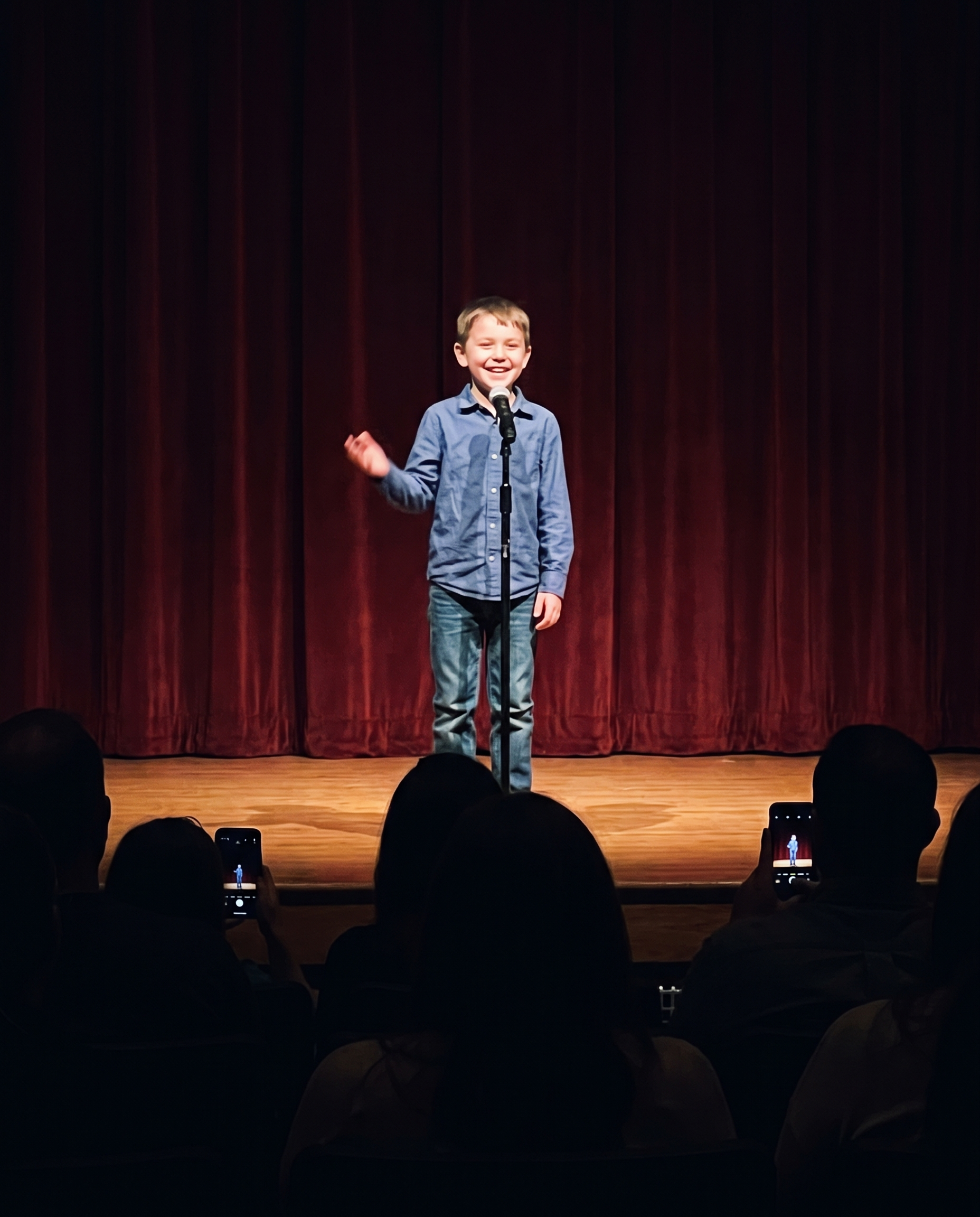
Ran for 9 days, from August 28 to September 6, 2026, the last day Crush saw it.
Run by Laura Jenkins on Facebook. Crush is not the advertiser and does not verify its claims. See this ad in Meta's Ad Library(opens in a new tab)
Want an ad like this for your product?
Crush makes new ad images for your product from this ad: your logo, your product photo, your offer.
Trials from $19.95 USD, then $79.95 USD a month. Cancel anytime.
About this ad
- Meta Ad Library ID
- 1089498586788229
- Platforms
- Facebook, Instagram, Audience Network and Threads
- Relaunches
- 0
- EU reach
- 167
- Niche
- Parenting & Kids
Ad text
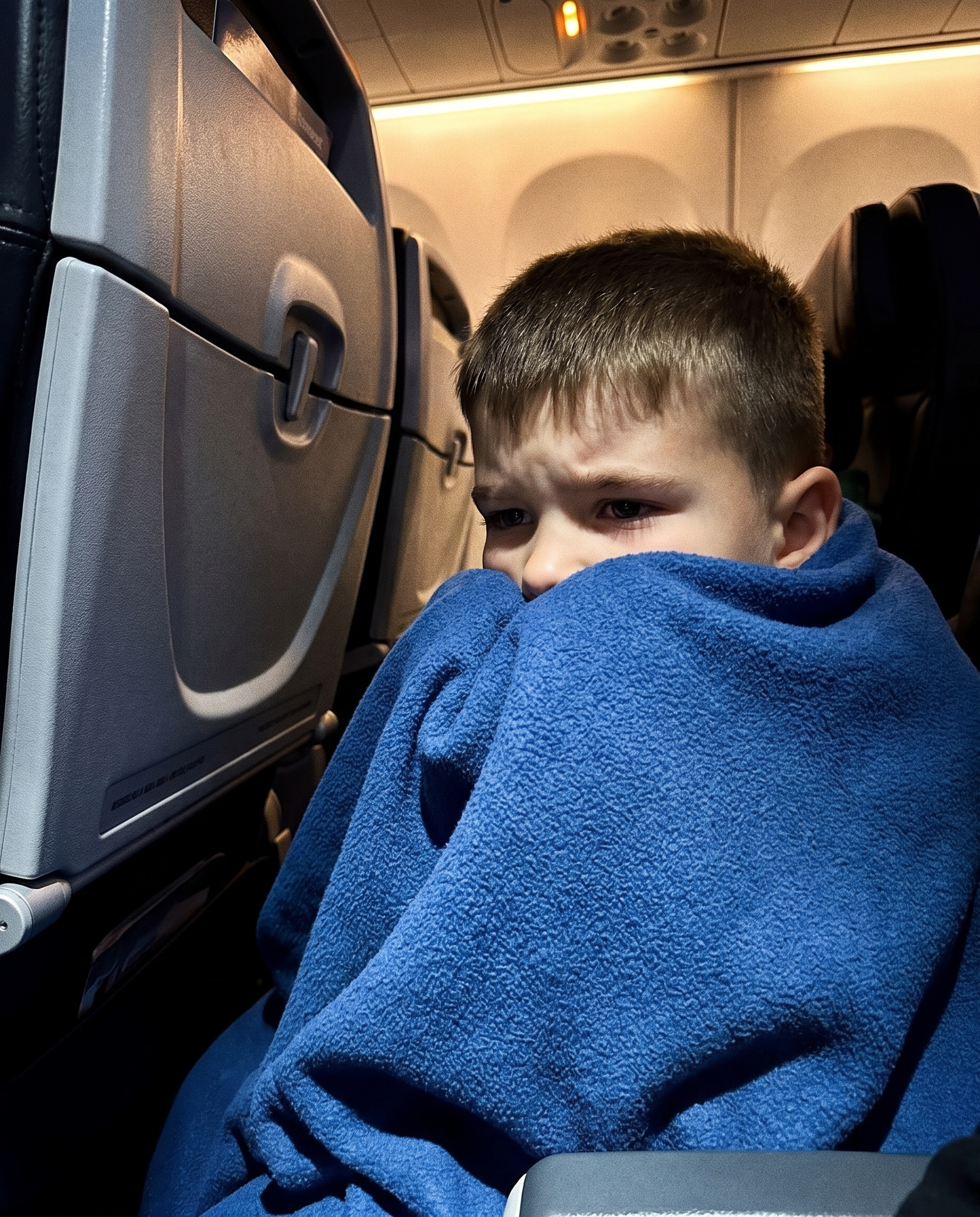
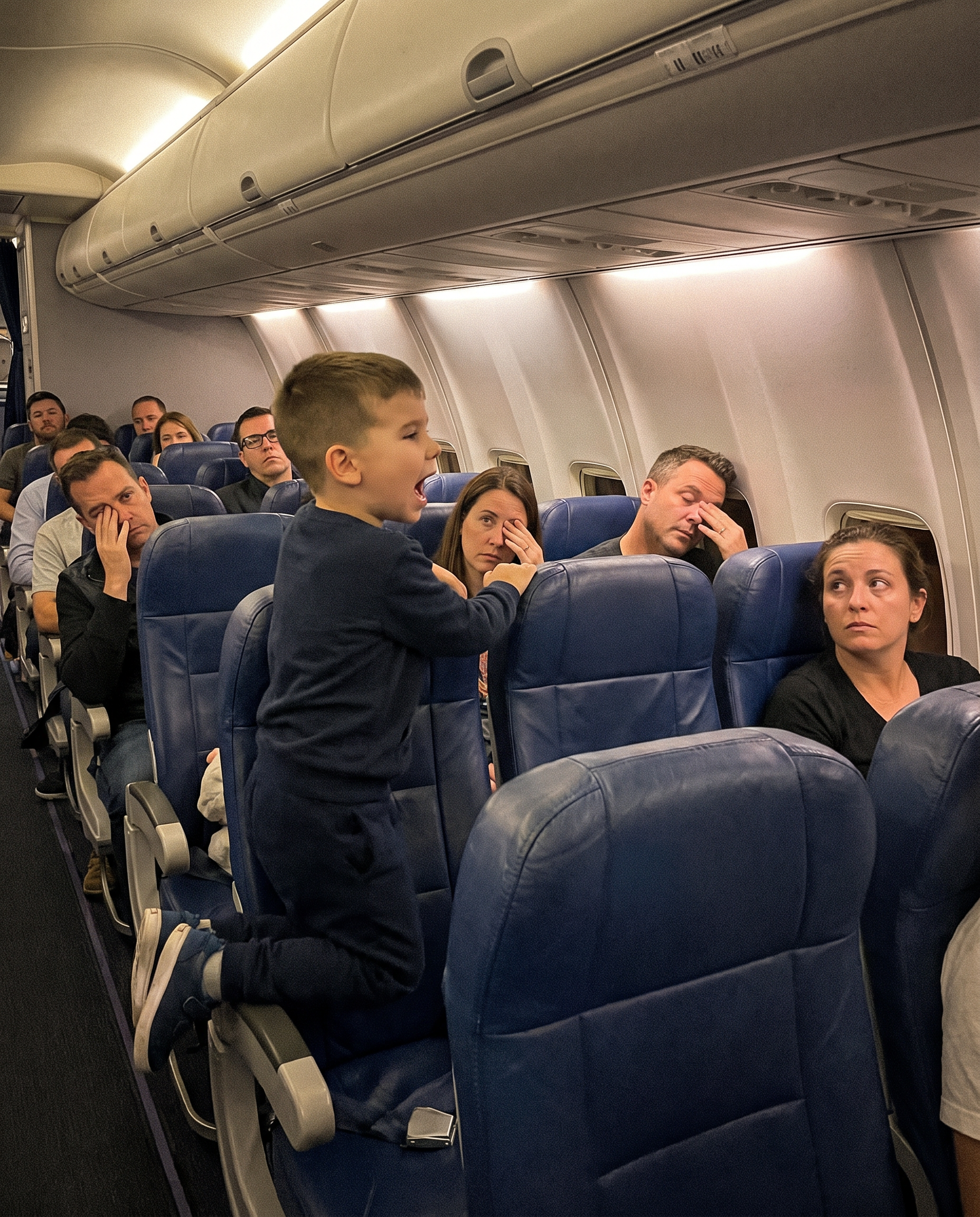
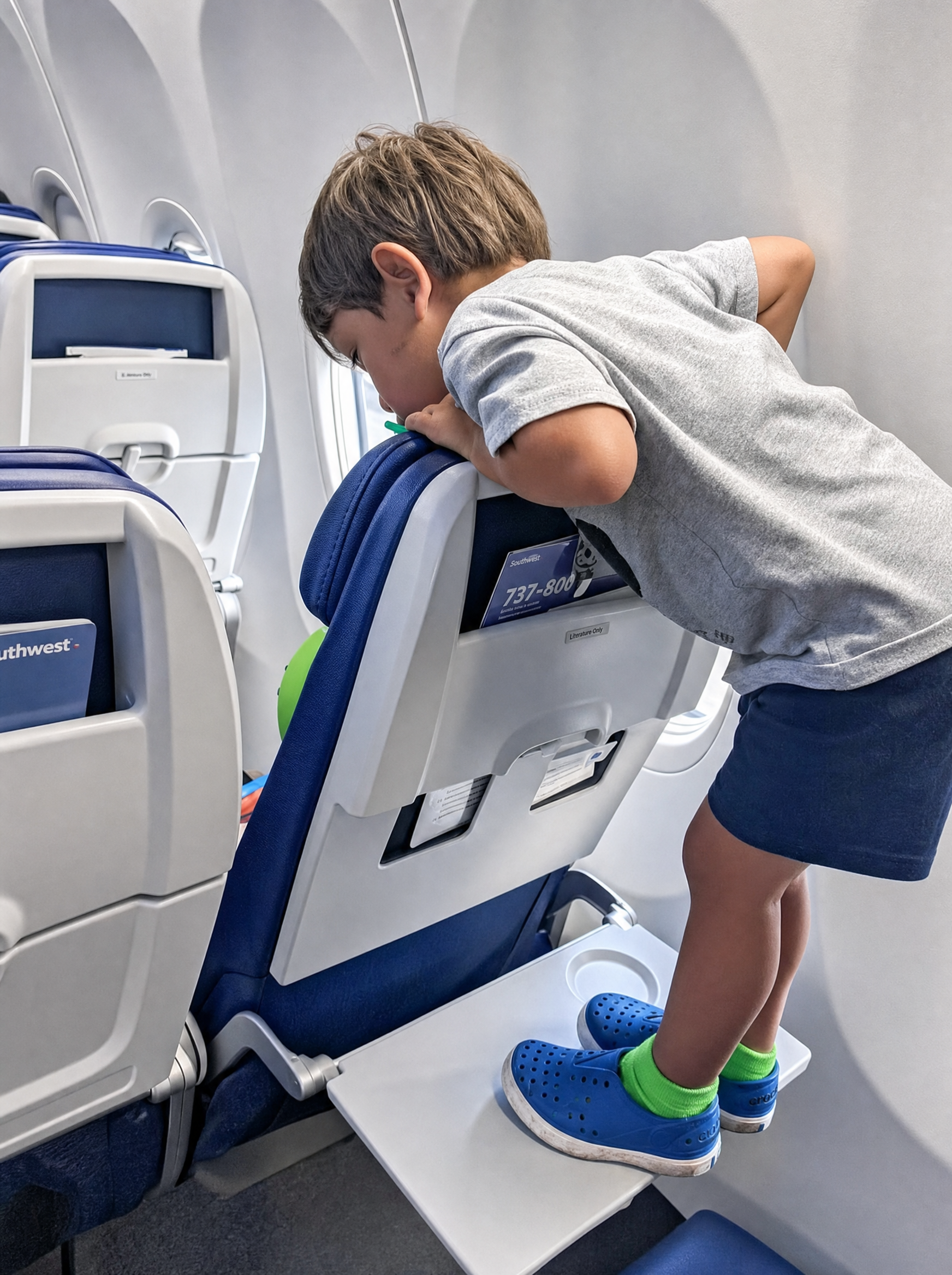
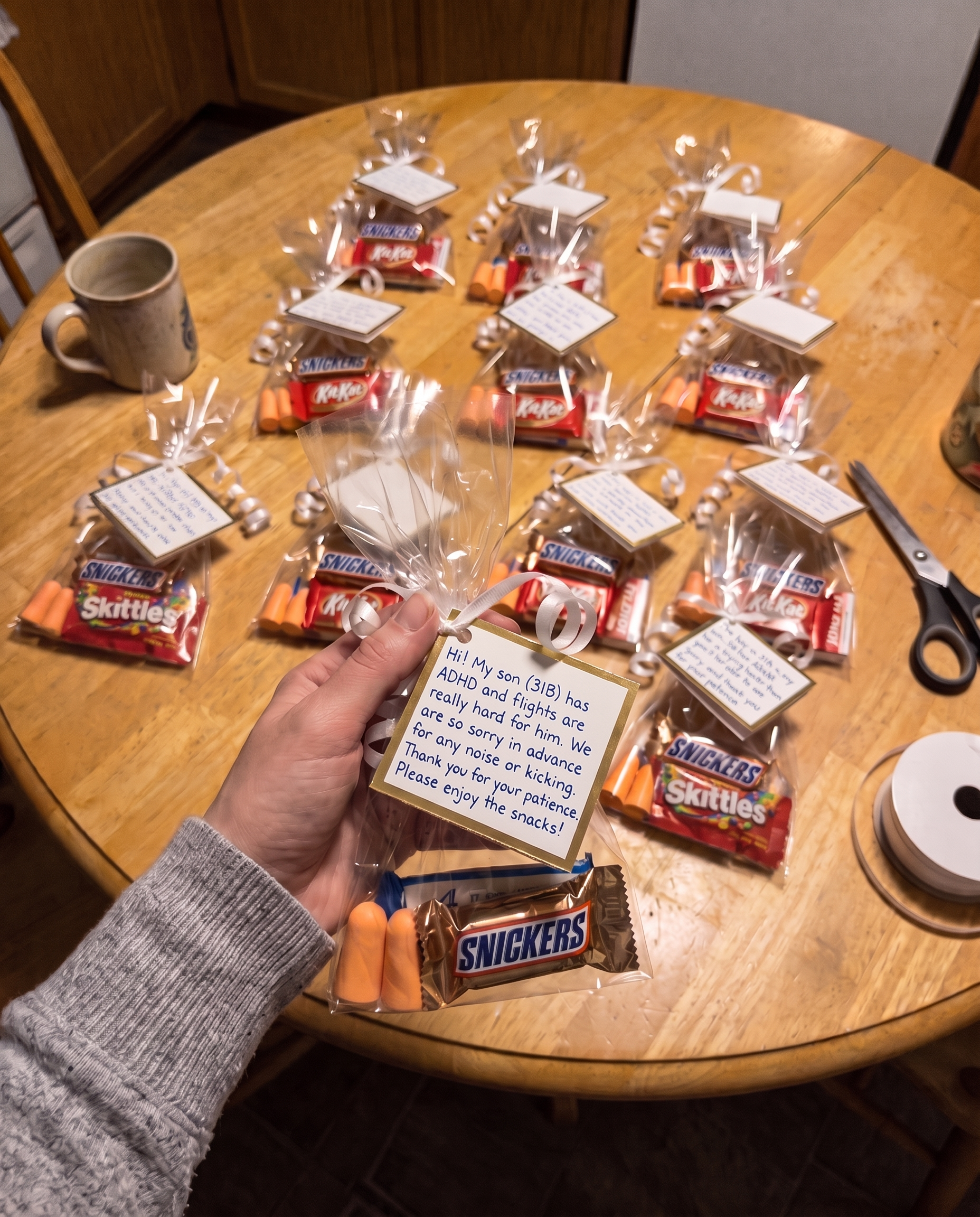
Children with ADHD hear roughly 20,000 more negative comments by age 12 than other kids. ⠀ And research shows what all those comments turn into: anxiety, and low self-confidence that follows them for years. ⠀ I learned this the hard way. My son is 8. ⠀ He's the funny one. Always has been. He does this thing where he starts laughing at his own joke before he even gets to the end of it, and you can't not laugh with him. ⠀ Last winter his school announced the spring talent show. He'd been planning a comedy bit since January. Practicing it on me at dinner. On his grandma over the phone. He had a countdown going. ⠀ Then in February his teacher moved his desk next to hers. "So I can keep an eye on him." ⠀ The week after that, he went quiet about the talent show. I noticed but I didn't say anything. ⠀ Then one night at dinner he said, "I don't want to do the talent show anymore. I changed my mind." ⠀ He hadn't changed his mind. ⠀ He just already knew what it feels like when a room full of people is waiting for you to mess up. He didn't want to find out what it feels like on a stage. ⠀ I went upstairs after he fell asleep and sat outside his door for a long time. ⠀ Because a few weeks before that, at bedtime, he'd asked me something I still can't really type without my chest going tight. ⠀ "Mom, am I a bad kid?" ⠀ He's eight. And he'd already decided which kind of kid he was. ⠀ I'd tried so much by that point. The sticker charts. The reward system. The calm-down corner. The gentle parenting books — I read three of them. Timers. Warnings. Counting to three. We cut the dyes. We did the fish oil gummies, the magnesium. ⠀ Some weeks were better. Most weren't. ⠀ At one point I found a focus gummy online with thousands of five-star reviews. And I swear, the first two weeks, something was different. Calmer evenings. Fewer battles. I let myself get hopeful. ⠀ Then it just... faded. Week three we were right back where we started. I honestly felt crazy, like I'd imagined the whole thing. ⠀ So I started digging. Really digging. And I found a child psychologist who specializes in ADHD kids and self-esteem. ⠀ Not behavior. Self-esteem. I didn't even know that was a specialty. ⠀ Before our first real session, she asked me to do one thing. Don't change anything about how you parent, she said. Just count. Every correction, from after school to bedtime. "Sit down." "Stop." "Not now." "I've asked you three times." Just count them. ⠀ I got to 31 before he was in bed. ⠀ Thirty-one. And I'm the gentle one. I wasn't yelling. I wasn't being mean. It's just... constant. It has to be, or nothing happens. ⠀ She said that's exactly it. That's where the 20,000 number comes from. It's not one big traumatic thing. It's thirty-one tiny things a day, every day, from every adult in his life, for years. She called them micro-corrections. ⠀ And then she explained what's actually going on in his brain, and it's the first explanation that has ever made sense of my actual child. ⠀ Kids with ADHD have brains that don't hold onto dopamine — the chemical that carries the "pause" signal between an impulse and an action. In most kids, the impulse fires, the brain catches it, and there's a beat where they can stop themselves. ⠀ In his brain, that signal gets lost. By the time it lands, he's already moving. Already talking. Already out of his seat. ⠀ So when I say "stop" — he's not ignoring me. His brain genuinely didn't catch the signal in time. That's why correction number one never works and correction number thirty-one barely does. ⠀ And you cannot parent your way out of a chemistry gap. That's why the charts didn't stick. The charts were teaching him what to do. He already knows what to do. His brain can't hold the signal long enough to do it. ⠀ Then she said the part about confidence, and this is the part I'd never heard from anyone. ⠀ He can't see his own brain chemistry. Nobody can. All he can see is that he gets corrected more than every other kid in the room. So he does the only math an 8-year-old can do: ⠀ If I'm always in trouble, I must be bad. ⠀ The corrections were never the whole problem. It's the story the corrections were writing. Kids don't say "I have a signal delay." They say "I'm the bad kid." And then they start acting like the kid they think they are — and quitting the things they love before anyone can take them away. ⠀ It was never his fault. And it was never mine either. I was correcting him because that's what you do when you love a kid and you're trying to raise him right. ⠀ Then I asked her what actually helps, and she brought up something I'd never heard a single doctor mention. ⠀ Saffron. The spice. ⠀ There are peer-reviewed clinical studies where saffron extract, at a specific dose — 30mg, standardized — performed comparably to standard stimulant medication for focus and hyperactivity in kids. Not folklore. Published head-to-head research. ⠀ But she warned me: almost none of the kids' supplements online actually have that dose. Most are gummies with a fraction of it. Basically candy with good marketing. Which explained a lot about our two good weeks. ⠀ She said if I wanted to try it, find one with the actual clinical dose, in drops — you just add it to juice or water. And she was clear it's not a replacement for anything a doctor prescribes. It's support for the chemistry underneath, while everything else you're doing finally has a chance to work. ⠀ I'll leave the link below to the one she recommended if anyone wants it. ⠀ I ordered it that night. I didn't tell him what it was for. Just said it helps his body feel steadier. He said the juice tasted the same and went to bed. ⠀ Week one, honestly? Nothing dramatic. One quiet evening I chalked up to luck. ⠀ Week two, he did his homework and I realized the muttering was gone — he used to whisper "I'm so stupid" at his worksheets and I don't think he even knew he was doing it. ⠀ I counted again that Thursday. Six corrections. Six. ⠀ Week three, his teacher stopped me at pickup. "He's had a really great week." That's the first unprompted good thing an adult at that school has said about my son in over a year. I made it to the car before I cried. ⠀ Week four, at dinner, he started a joke and cracked up before the ending, and I laughed, and then I had to look away for a second. Because I hadn't heard that laugh in months and I hadn't let myself notice it was missing. ⠀ It's been two months now. ⠀ Last week he came into the kitchen. "Mom. Is it too late to sign up for the fall talent show?" ⠀ It wasn't. I signed him up that night. ⠀ He started practicing on me at dinner again. On his grandma over the phone. Same jokes as last winter. ⠀ Except this time he finished them. ⠀ And I started doing something different too. Something the psychologist said at that first session that I didn't really hear until now. She said kids like him always know the count of what they do wrong — so the adults have to give them the count of what they do right. Out loud. Every day. ⠀ So I started saying it out loud. "You started your homework without me asking." "You waited for your sister to finish talking." "That joke is actually really good." ⠀ It was easy. There was suddenly so much to count. ⠀ The night before the show, he got quiet at bedtime. "What if I mess it up?" ⠀ I said, "Then you'll make that funny too. You always do." ⠀ He thought about it. Then he grinned. And he went to sleep. ⠀ The show was in the school gym. Folding chairs, a microphone too tall for half the kids, somebody's baby crying in the back. He was fourth. ⠀ He walked out and found me in the crowd before he did anything else. Took a big breath. Started the bit. ⠀ And halfway through, he did the thing. Started laughing before his own punchline. ⠀ And the whole gym went with him. ⠀ Kids laughing. Parents laughing. His teacher — the same teacher who moved his desk so she could keep an eye on him — laughing and clapping. ⠀ For two years, every room my son walked into was waiting for him to mess up. This room was waiting for his punchline. ⠀ He landed it. The place lost it. He did this dorky little bow he must have practiced in the mirror. ⠀ Afterward he ran at me so hard he almost knocked me over. "Mom. Did you HEAR them?" ⠀ I heard them, baby. I heard them. ⠀ I keep thinking about the version of him that quit before anyone could tell him no. That decided at eight years old to make himself smaller, so nobody could see him mess up. ⠀ He's not that kid anymore. Honestly — he never was. The spark was never gone. It was just buried under thirty-one corrections a day. ⠀ Every kid deserves to grow up believing they're a good kid. ⠀ Mine got to stand on a stage and feel a whole room agree. ⠀ [Edit: A lot of people are DMing me asking for the link, so here it is 👉 https://tryhalla.com/products/steady-mood-drops-1 ⠀ Sending hugs to every parent going through this 🤗]
Where the ad sends people
quiz2.tryhalla.com
Read this if your child has ADHD⬆️
Built with Heyflow
Learn more: quiz2.tryhalla.com(opens in a new tab)