Olivis
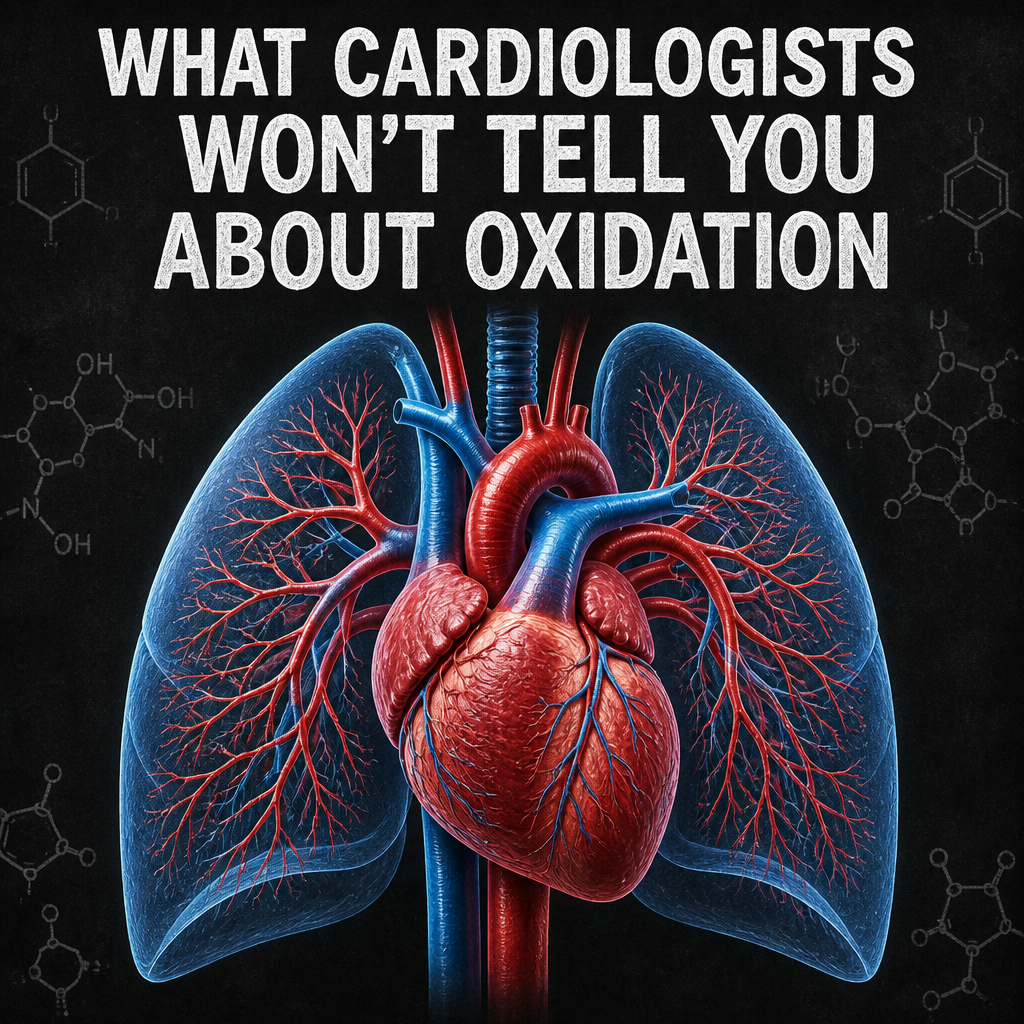
Olivis Facebook ad: “What Every Adult Over 45 Should Know About Oxidation”
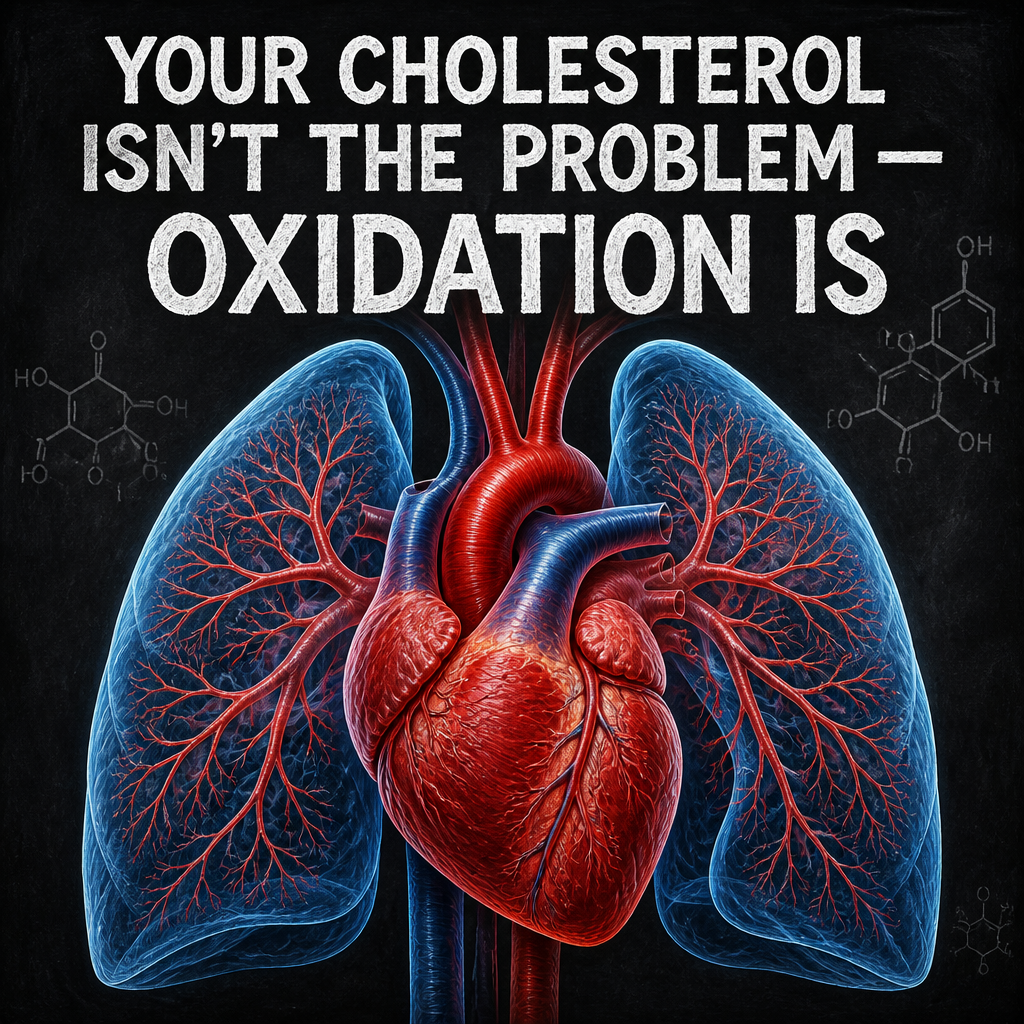
Ran for 18 days, from September 3 to September 21, 2026, the last day Crush saw it.
Run by Olivis on Facebook. Crush is not the advertiser and does not verify its claims. See this ad in Meta's Ad Library(opens in a new tab)
Want an ad like this for your product?
Crush makes new ad images for your product from this ad: your logo, your product photo, your offer.
Trials from $19.95 USD, then $79.95 USD a month. Cancel anytime.
About this ad
- Meta Ad Library ID
- 1089888020166867
- Platforms
- Facebook, Instagram, Audience Network, Messenger, WhatsApp and Threads
- Relaunches
- 0
Ad text
Why Chasing A Lower Cholesterol Number May Not Save Your Heart For 50 years we were told the same thing: get lower cholesterol to protect your heart. But a stretch of Mediterranean coastline has quietly been telling a different story There is a stretch of coastline in southern Greece where something strange happens. Most of the people there are overweight and many of them also smoke. They drink wine with dinner. They are not counting calories. And yet they live long, sharp lives with a fraction of the heart disease we see across the United States. For decades this has driven researchers a little crazy. It even has a name: the Mediterranean paradox. By every rule we've been taught about cholesterol and fat, these people should be dropping of heart attacks. They aren't. And the harder scientists looked, the more they kept circling back to one uncomfortable conclusion - one that has nothing to do with the number your doctor circles on your lab report. The Advice We All Got And Why It Misses The Point If you're past 40, you already know the script by heart. The number on the lab report ticks up. The doctor's face changes. Then comes the talk. Eat cleaner, move more, lose the weight, and if that doesn't do it… start thinking about medication. Lower the cholesterol, save your heart. It sounds easy.. Less cholesterol, less risk. Simple. Except the people living longest, with the healthiest hearts on Earth, never got that memo. Most of them have never had their cholesterol checked in their lives. They've never chased a specific number. So either an entire region of people got extraordinarily lucky, for generations, by accident… or that number was never the whole story. Researchers have spent decades leaning hard toward the second answer. And to understand why, you have to understand what actually goes wrong inside an artery. Not the number on your blood test. The thing the number can't show you. Your Cholesterol Isn't The Villain You Think It Is Here's the part that sounds backwards at first. Your cholesterol, on its own, is not what clogs your arteries. You've probably heard there are two kinds. The "good" one and the "bad" one. The bad one has a name: LDL. It's the number your doctor watches, the one you've been taught to fear. But even the "bad" kind isn't the villain. Your body needs it to carry fats and nutrients to every cell you have. A high number, by itself, is not the death sentence you were led to believe. What should worry you far more is not how much cholesterol you have. It's what happens to it once it's there. Your body constantly produces free radicals: unstable molecules, a normal byproduct of being alive, that pile up faster with a modern diet, stress, pollution, and age. When they hit your LDL, the cholesterol reacts and changes. Scientists call it oxidation. In plain English, it goes rancid. It rusts. And rancid cholesterol behaves nothing like the fresh kind. It's sticky. It's damaged. Your artery walls stop letting it pass and start treating it like a threat, pulling it into the wall, where it begins the slow build of plaque that narrows arteries over the years. It isn't the cholesterol that hurts you. It's the cholesterol going rancid that hurts you. Which means you can chase your number down for years and still have arteries quietly rusting from the inside. That rusting isn't some far-off risk. It's a background process, running in most of us right now, faster with every passing year. The only question that matters is whether anything is slowing it down. What The Greeks Were Doing Without Knowing It For Thousands of Years Whatever was protecting these people, it was hiding in plain sight. On every table, in every kitchen, poured over every meal. The olive oil. That's been the explanation for years. And it's half right. Because the real protection isn't the oil. It's something the olive makes to keep its own oil from spoiling. From going rancid. They're called polyphenols. They're the olive's own survival tool. That oil isn't just oil, it's the olive's seed, the fuel a new tree grows from. If it spoils, nothing grows. So the olive loads it with polyphenols to hold off the rot, a built-in defense against oxidation. The same enemy doing damage in your arteries. And the most powerful one has a name that's hard to pronounce but worth remembering: hydroxytyrosol. To understand why it matters, you have to know how the damage actually happens. A free radical is a molecule missing a piece. It's unstable, desperate, and it fixes itself the only way it can: by ripping that missing piece off whatever it bumps into. When it rips it off one of your cholesterol particles, that's the exact moment the cholesterol turns rancid That's the rusting, happening one tiny theft at a time, millions of times a day. Here's what hydroxytyrosol does about it. It has a piece to spare. So when a free radical comes hunting, the hydroxytyrosol offers itself up first. It hands over what the free radical was about to steal, and defuses the attacker before it ever reaches your cholesterol. It takes the hit so your cholesterol doesn't. That's the entire mechanism. No magic. Just chemistry. The same chemistry that keeps the oil from going rancid inside the olive, now running inside you. And it's ferociously good at it. Measured in a lab, hydroxytyrosol ranks among the most potent antioxidants ever found in nature, far beyond the everyday ones in a cup of green tea or a handful of berries. Same molecule. Same job. In the olive, it stops the oil from going rancid. In your bloodstream, it steps in front of the free radicals that would otherwise turn your cholesterol dangerous. So those long-lived Greeks weren't winning because they watched their cholesterol. They were winning because every single day, they were flooding their bodies with the exact polyphenols that keep cholesterol from going rancid. The European Food Safety Authority, Europe's version of the FDA and widely considered stricter on health claims, reviewed the evidence and authorized an official claim. In their words, olive oil polyphenols contribute to the protection of blood lipids from oxidative stress. The Oldest Medicine On Earth The olive is one of the oldest cultivated plants on Earth, pressed for its oil around the Mediterranean for more than six thousand years. And for almost all of that time, people didn't just cook with it. They treated it as medicine. Hippocrates, the physician modern medicine still calls its father, reached for it as a remedy for dozens of ailments. Greek athletes rubbed it into their skin before competing. Kings and healers kept a jar of good oil the way we keep a medicine cabinet. None of them had heard the word oxidation. They knew nothing about free radicals, or the slow rusting we now know goes on inside an artery. They couldn't have named a polyphenol if their life depended on it. They just noticed, across generations, that the people who built their lives around this oil stayed strong and sharp long after everyone else had faded. They were right. They just couldn't say why. Now we can. What they revered for six thousand years was never really the oil. It was the polyphenols hidden inside it, the same shield that keeps cholesterol from going rancid. They just had no way to see it, name it, or measure it. Which is exactly what changed. So Just Eat More Olive Oil? Fair question. If it's in the oil, why not pour more olive oil on everything and call it a day? Here are three reasons why you shouldn’t do that: Amount. A tablespoon of olive oil gives you maybe 1-3mg of the active polyphenol. The studies used far more. To get there from food, you'd choke down several tablespoons of raw, throat-burning oil a day - and hundreds of calories with it. Nobody keeps that up. Degradation: Polyphenols start dying the second you open the bottle - oxygen is the enemy, and breaking the seal starts the clock. Then heat from cooking kills most of what's left. It's not carelessness, it's chemistry: by the time it hits your plate, only a fraction of the polyphenols are still there. Authenticity. And that's if it's even real olive oil. Investigators keep finding "extra virgin" on US shelves that's old, watered down, or cut with cheap seed oils - the exact fats you're trying to avoid. You could pay premium prices and still get almost none of what matters. Add it up and the bottle fails on all three. Wrong amount, fading fast, and maybe not even real. What you'd actually want is the one thing a bottle can't give you. A guaranteed dose. The Heart Protection, Without The Bottle and Calories Some people were simply born with an advantage. They live where the olives grow. For generations, the protection was simply in them, working quietly, adding years they never had to think about. The rest of us were locked out. By geography, by a broken oil supply, by the plain fact that you cannot get enough of it to matter. That lock is gone. The polyphenols that do the real work now come measured to the exact research dose, sealed in real Greek olive oil so your body absorbs them, protected until the moment you take them. One capsule. Same dose. Every day. It's called Olivis. Each capsule delivers: 50mg of hydroxytyrosol, the star polyphenol, the one doing the real work. For context: Europe's authorized health claim is met at just 5mg a day. Each capsule gives you ten times that. 75mg of oleuropein, a companion polyphenol your body converts into even more hydroxytyrosol. 400mg of real PDO Kalamata extra virgin olive oil from Greece, the natural base that helps your body actually absorb it all. All of it sealed inside a cap-in-cap capsule, so the polyphenols reach you intact, not degraded by the light and air that quietly wreck an open bottle in your pantry. One capsule a day. No oil to choke down. No throat burn. No 240-calorie tablespoon. "I tried the daily olive oil shot thing for two months before I found this. I gagged every morning. My wife laughed at me. The capsule is the same polyphenols - no taste, no throat burn, no ceremony. Wish I'd found it a year ago." - David K., 42, Verified Buyer Why People Are Paying Attention Now The Mediterranean diet has been studied for decades. There are over 2,000 published papers on olive polyphenols. That's really all this is: The part of the Mediterranean diet that was doing the heavy lifting. The thing ancient physicians reached for without knowing why pulled out and delivered on purpose, instead of hoping you happened to buy the right bottle of oil and use it fast enough. "I was buying high-phenolic olive oil by the liter - bottles sitting open in my kitchen oxidizing after two weeks. One capsule a day solved the math. Same polyphenols, sealed, no waste." - Sarah M., 35, Verified Buyer Olivis comes with a 90-day money-back guarantee. Take it daily for three months. If you don't feel it's worth it, send back the bottles - even empty - for a full refund. The risk sits with them, not you. waiting for you. It's the current batch, and when this one sells through, the page goes dark until further notice. Right now, it's live. Tap below to see if it still is. If it is, claim yours before this batch is gone. Before You Close This Page Think about what's actually at stake in the decision in front of you. Every day, the rust does its quiet work. It doesn't announce itself. It doesn't show up on the one number you've been told to watch. It just accumulates, one oxidized particle at a time, for years, until one day it isn't quiet anymore. The people who seem to have solved this were never really watching the number at all. They were protecting the truck. You can start doing the same thing tomorrow morning, with one capsule and no guesswork. Olivis comes with a 90-day money-back guarantee. Take it every day for three months. If you decide it doesn't belong in your routine, send the bottles back, even empty, for a full refund. The risk sits with Olivis, not with you. The only thing that isn't guaranteed is that it'll be in stock when you come back later. Click the link below to get yours with 90 day money back guarantee https://olivis.com/products/olivis-polyphenol-complex
Where the ad sends people
olivis.com
What Every Adult Over 45 Should Know About Oxidation
Olivis
See details: olivis.com(opens in a new tab)