Caroline Moore
 Facebook ad: “Ceylon Cinnamon 7200mg Equivalent with MCT Oil”
Ran for 24 days, from October 6 to October 30, 2026, the last day Crush saw it.
Run by Caroline Moore on Facebook. Crush is not the advertiser and does not verify its claims. See this ad in Meta's Ad Library(opens in a new tab)
Make your own version of this ad
Crush makes it, launches it in your own Meta ad account, scales the winners and pauses the losers.
About this ad
- Meta Ad Library ID
- 1092116723739659
- Platforms
- Facebook, Instagram, Audience Network and Threads
- Relaunches
- 3
Ad text
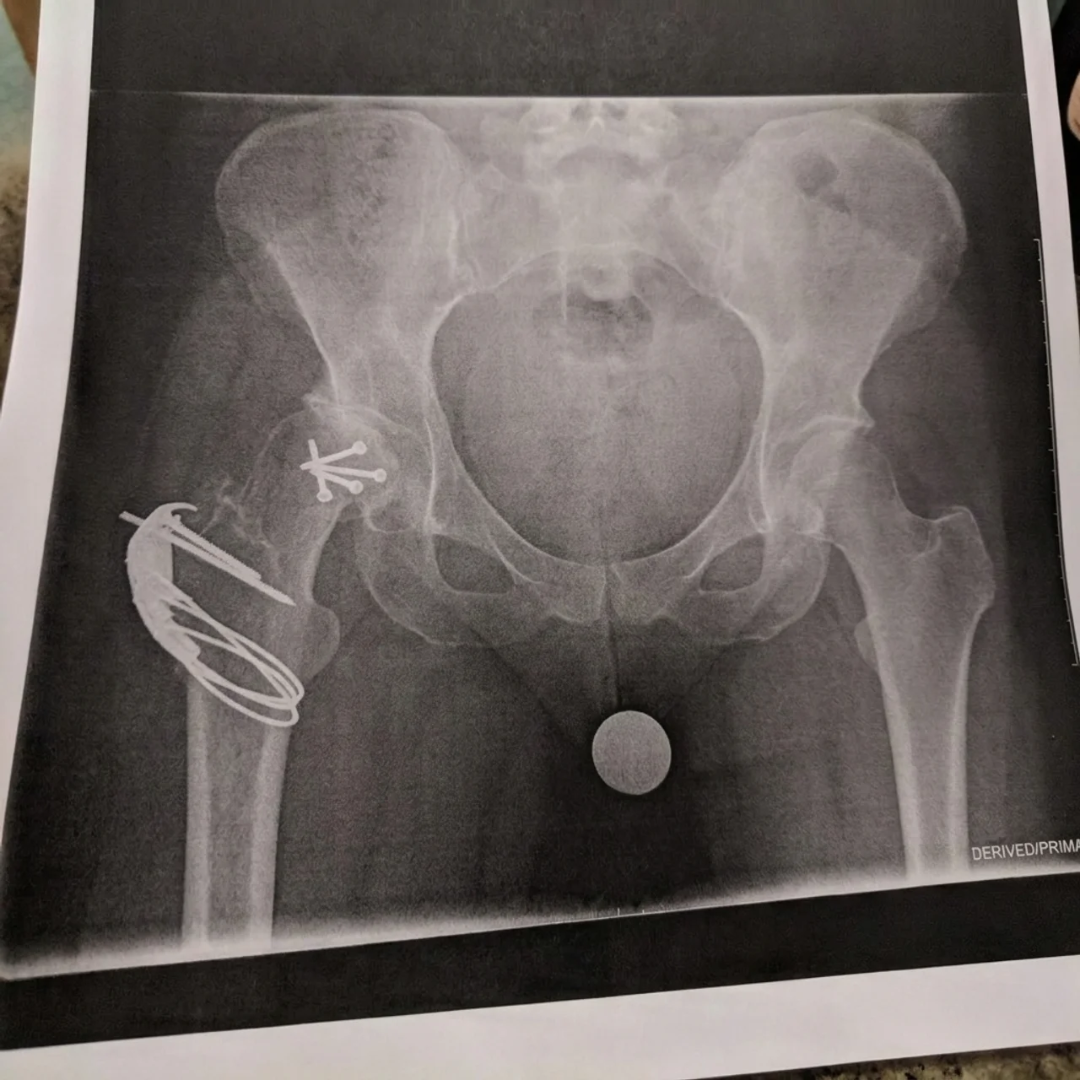
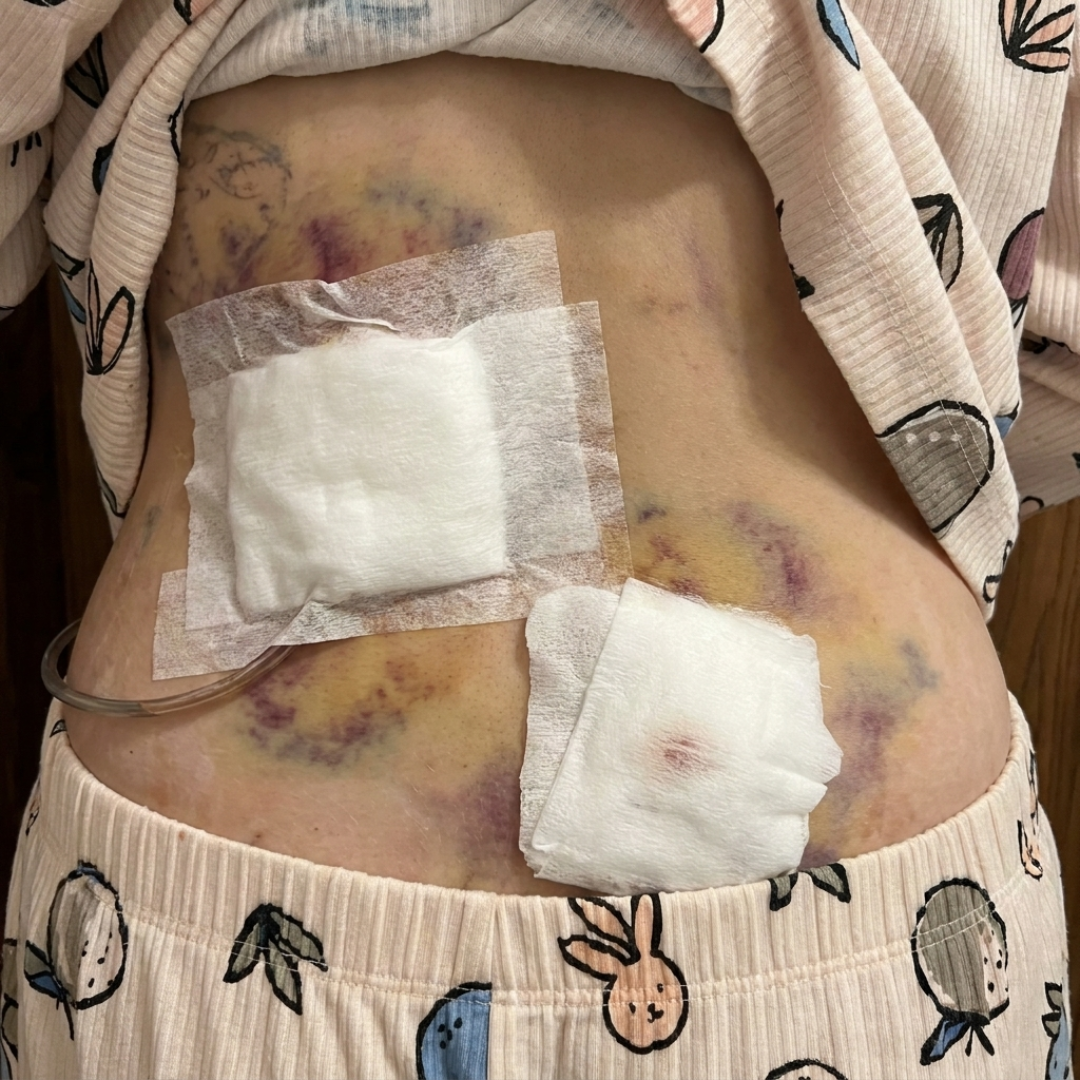
They put a needle into my belly and drained 4 liters of fluid out of me. I was 62 years old. I had never had a drink in my life. I am going to say something that nobody with a fatty liver wants to hear and I do not give a f*ck if it upsets you. Not a glass of wine at Christmas. Not a beer at a barbecue. Not a sip of champagne at my own wedding. I have been the designated driver at every party since 1986. The hospital bill was $58,000. The hepatologist used the word cirrhosis before he sat down. If you are over 50 and your doctor has told you your liver enzymes are a little elevated, or that you have a fatty liver, or that it is nothing to worry about, please read every word of this. I know it is long. I know you are scrolling. I know you have things to do. Fifteen months ago I would have given anything for someone to sit me down and tell me what I am about to tell you. Nobody did. My name is Caroline Moore. I am 62. I live outside of Lexington, Kentucky. I have been married to the same man for 36 years. I have two grown daughters and four grandchildren. I worked as a school librarian for 28 years before I retired. I do not drink. I have never smoked. I walk two miles every morning before my husband wakes up. I eat more vegetables than anyone I know and I have the grocery receipts to prove it. I was diagnosed with Type 2 diabetes at 56. Fasting glucose of 132. A1C of 6.8. My internist started me on a blood sugar medication the same week. I took it every morning without missing a day. I cut the bread. I cut the pasta. I stopped keeping ice cream in the house. I lost 14 pounds that first year and I kept it off. By last spring my A1C was sitting at 6.1. My blood pressure was 126 over 78. My doctor told me I was doing great. Managed, he called it. Better than most of his patients. I believed him. I had no reason not to. In May of last year I went in for an abdominal ultrasound. It was not for my liver. My gynecologist had ordered it to check an ovarian cyst that had shown up on a routine exam. The cyst was nothing. Benign. Gone on its own. But the radiologist flagged something else on the report. Hepatic steatosis. Grade 2. My internist called me two days later. Caroline, your ultrasound showed some fat in your liver. Your ALT is 47. It is a little elevated but nothing alarming. We will keep an eye on it. I asked him what caused it. He said it was common in diabetics. He said to keep doing what I was doing. He said we would recheck in six months. I went home and did what every woman my age does. I Googled it. Fatty liver disease. Nonalcoholic. Most common chronic liver condition in America. Affects up to 40 percent of adults. Usually no symptoms. Usually harmless. Usually resolves with diet and exercise. Usually. I doubled down. I did everything. I bought a milk thistle supplement from the vitamin aisle. I took it every day. I started eating salmon twice a week because I read it was good for the liver. I cut my sugar lower than I had ever cut it. I walked three miles instead of two. I lost another six pounds. My husband said I was the healthiest person he knew. I felt fine. I felt better than fine. I had energy. I slept well. Nothing hurt. Nothing hurt. That is the sentence I need you to hear. My liver did not ache. It did not cramp. It did not send a single signal to my body that anything was wrong. For six years it said nothing. Not a whisper. Six months later I went back for the recheck. ALT: 44. Down three points. My doctor said that is moving in the right direction. He said to keep doing what I was doing. He said we would check again in another six months. I asked if I should see a specialist. He said it was not necessary. Borderline. Nothing to worry about. I went home and kept walking. Kept taking the milk thistle. Kept eating the salmon. Four months later I woke up at 3 AM with a dull ache under my right ribs. It was the first time my liver had said anything. I thought it was gas. I turned over and went back to sleep. It came back the next night. And the night after that. A low, heavy feeling under my ribs on the right side, like something was pressing outward. I called my doctor. He said it was probably muscular. He said to take Tylenol. I took Tylenol for two weeks. On a Tuesday morning at 5:45 AM I stood up from the bed and my husband looked at me and his face changed. Caroline. Your eyes. I went to the bathroom mirror. The whites of my eyes were yellow. Not a little off. Not the warm tint you get when you are tired. Yellow. Like someone had dyed them overnight. My husband drove me to the emergency room. By the time they drew blood at 7:15 AM my bilirubin was 6.4. My ALT was 612. My AST was 587. My liver was shutting down. The emergency physician, a young woman who looked like she could have been one of my former students, said the words acute hepatic decompensation and paged the hepatologist on call. He arrived at 9 AM. He sat down across from me and looked at the labs on his tablet. Mrs. Moore, your liver is in failure. You have advanced fibrosis and early cirrhosis. We are admitting you to the ICU. I said, but I do not drink. I have never had a drink. He looked at me for a long time. I know, Mrs. Moore. This is not from alcohol. This is metabolic. Your liver has been under metabolic stress for years. The fatty liver that was found last year was not the beginning. It was the middle. I spent nine days in that hospital. I learned things about the liver that no one should have to learn from the inside of an ICU bed. I learned that when a liver fails, it stops filtering the toxins your body produces every single day. The ammonia that your muscles and your gut create as part of normal function starts building in your blood. When it crosses into your brain you stop thinking clearly. They call it hepatic encephalopathy. On day four I asked my daughter Rachel the same question three times in ten minutes. I do not remember doing it. She does. I learned that they drained four liters of fluid out of my abdomen on day two. The nurse called it ascites. It is what happens when the pressure inside a scarred liver backs fluid up into your belly. I looked nine months pregnant. My daughter had to leave the room. I learned that the hepatologist ordered something called a FibroScan on day five. It measures how stiff your liver is. A healthy liver scores under 7. Mine was 14.2. That is advanced fibrosis. One step from the cirrhosis he had already named. I learned that they talked about a transplant evaluation on day six. Then they said I was not severe enough for the list yet. That word. Yet. I learned that my ALT of 44, the one my doctor had called borderline, had been sitting on top of a liver that was silently scarring itself to death for six years while every number on my chart said managed. On day nine they sent me home. My milk thistle was still on the kitchen windowsill. My walking shoes were still by the back door. The salmon was still in the freezer. I sat in my kitchen and I did not move for three hours. My husband sat across from me. He did not say anything. He just sat there. I had done everything right. Everything. For six years. And my liver had been dying underneath all of it without making a sound. After two weeks at home I started reading. Not because I wanted to. Because I could not sit in that kitchen and accept that I had done everything right for six years and ended up in an ICU with four liters of fluid in my belly and a hepatologist talking about a transplant list. I read for weeks. Medical journals I had no business reading. Hepatology papers. Gastroenterology studies. Research out of Japan and Italy and Germany on nonalcoholic fatty liver disease. And one thing kept coming up that nobody had ever explained to me. The reason my liver was filling with fat had nothing to do with the fat I was eating. It had nothing to do with alcohol. It had to do with insulin resistance. Specifically, it had to do with what happens when the cells in your body stop responding properly to insulin. When insulin works correctly, it tells the liver there is enough glucose in the blood already. Stop releasing more. Store what you have. The liver listens and the system settles. When insulin resistance sets in, the liver stops hearing that signal. It keeps releasing glucose into the blood even when there is already too much. And at the same time, fatty acids start accumulating inside the liver cells because the metabolic instruction to export them stops working. That is the trap. The blood sugar medication I had been taking for six years was lowering my glucose number on the chart. It was quieting the reading my doctor looked at every three months. It was doing its job. But it was not opening the doors on my cells. It was not restoring the signal my liver needed to hear. It was not clearing the fat that was building inside the organ that processes everything in my body. My A1C said 6.1. My liver was drowning. And here is the part that made me put the laptop down and stare at the wall. The liver sits at the center of the metabolic storm. Every drop of blood passes through it. When the trapped sugar floods the system, the liver absorbs the brunt of it before any other organ does. That is why mine broke first. But it was not the only organ in the path. After the hospital, my hepatologist ran a full workup. My creatinine had been creeping up for two years. Nobody had flagged it because my A1C said managed. My eye doctor found tiny hemorrhages on my next exam. I had been squinting at my book club novels for eight months and blaming my reading glasses. My feet had been tingling at night for over a year. I had blamed my shoes. Same trapped sugar. Same grinding damage. My liver just happened to be the organ that screamed first. The others were failing quietly behind it. Five systems. One mechanism. Every specialist treating their own number on their own chart. Nobody connecting the picture. I sat at my kitchen table at 1 AM reading a paper from the Journal of Hepatology and I understood for the first time what had been happening to me for six years. The managed number was a mask. Underneath it, the metabolic failure was grinding through every small vessel in my body. My liver broke first because it sits in the center of the flood. But the flood does not stop at the liver. Three weeks after the hospital, I went back to see my hepatologist for a follow-up. I asked him directly. If this is metabolic, and the medication I have been on for six years manages the number but does not open the doors on the cells, what actually opens the doors. He was quiet for a long time. Then he said something I will never forget. He said the mechanism that opens the GLUT4 receptor, the actual door on the cell that lets glucose in, is not addressed by any of the medications in the standard protocol. He said the medications manage the downstream measurements. He said the upstream failure, the door that will not open, is what drives the fat into the liver and the sugar through the vessels. I asked him why nobody had told me this. He said, because the treatment guidelines are built around managing the numbers. Not around fixing the mechanism. I drove home that night and sat in my kitchen again. I was furious. I am still furious. Over the next month I tore through everything I could find. I spent hours in the supplement aisle at CVS. Milk thistle. Liver cleanse tea. Dandelion root. Turmeric capsules. A $40 liver detox kit that promised to flush toxins in 30 days. I tried three of them. Nothing moved. Then I found out why. What I had been taking was not the problem. The form was. A liver that is already compromised cannot absorb a dry capsule properly. The capsule has to be broken down by the very organ that is failing. Most of what you swallow passes through and never reaches the bloodstream. You are paying for something your body cannot use. That was the first failure. Then I learned about the species. What is sold as cinnamon at the drugstore, in every liver support supplement I could find on the shelf, is not real cinnamon. It is Cassia. A different plant. Grown in China and Vietnam. Cheaper to produce. It contains almost none of the active compounds that the research papers were pointing to. And it contains up to 250 times more coumarin, a compound that at daily supplement doses actually strains the liver. I had been taking a supplement to help my liver that may have been making it worse. That was the second failure. Then I learned about the dose. The clinical research on true Ceylon cinnamon, the real species, Cinnamomum verum, used doses equivalent to thousands of milligrams of raw bark. The supplement I had been buying at CVS contained 500 milligrams of the wrong species in a dry capsule my liver could not absorb. Three failures. Wrong species. Wrong dose. Wrong delivery. Three reasons nothing I had tried from that aisle had moved a single number. I stopped buying supplements. I almost stopped looking entirely. Then my friend Margaret Hollis told me what had happened to her. Margaret is 64. We have walked together every Tuesday and Thursday morning for eleven years. She had been diagnosed with fatty liver two years before I was. Her ALT had been sitting in the low 50s for as long as I had known about mine. Her doctor had told her the same thing mine had told me. Borderline. Keep an eye on it. Margaret had started taking something four months earlier that she had not told me about because she said she did not want to be one of those people who pushes supplements on their friends. Her ALT had gone from 53 to 22. She told me on a Tuesday morning walk. Casually. Like it was nothing. I stopped on the sidewalk. I said, Margaret, say that again. She said it again. I asked her what she had been taking. She pulled up the website on her phone and handed it to me. Metabolae. I went home and I researched it for three days before I ordered it. I checked it against every failure I had identified on that supplement aisle. Species. Metabolae uses true Ceylon cinnamon, Cinnamomum verum, DNA-verified from Sri Lanka. Not Cassia. Not the cheap species from China that strains the liver it is supposed to help. That was the first box. Dose. Every softgel is concentrated 12 to 1, which means a single softgel delivers the equivalent of 7,200 milligrams of raw Ceylon cinnamon bark. Not the 500 milligrams collecting dust on the CVS shelf. That was the second box. Delivery. The active compounds are suspended in MCT oil derived from coconut. MCT oil is fat-soluble. It carries the compounds directly into the bloodstream without forcing a compromised liver to break down a dry capsule it cannot process. That was the third box. Third-party tested per batch. Made in the USA. GMP-certified facility. Three failures on the shelf. Three corrections in one softgel. It was the only formula I found that passed all three. I ordered one bag. I almost did not take the first softgel. After the hospital. After the CVS aisle. After three supplements that did nothing. After six years of doing everything right and ending up with a needle in my belly. I held it in my hand for a full minute before I put it in my mouth. 1 softgel. With breakfast. That was the whole instruction. Week one. I felt something I had not felt in over a year. Energy in the afternoon. Not a burst. Not a rush. Just the absence of the heavy, dragging fatigue that had been sitting behind my ribs since the hospital. I came home from my Tuesday walk with Margaret and I did not need to lie down. That had not happened in five months. I did not trust it. I told myself it was placebo. I told myself it was the weather, or the walking, or the extra sleep I had been getting since the hospital. Week two. The ache under my right ribs that had been there since before the ER visit started to thin. It did not disappear. It thinned. The way a headache thins before it breaks. I noticed it most at night. I would lie in bed and realize I was not guarding that side the way I had been for months. Week three. I ran a fasting glucose at my internist's office. 98. It had been sitting at 126 since discharge. I asked the nurse to run it again. She did. 96. I did not say anything to my husband. I did not say anything to Margaret. I was not ready to believe it yet. Week four. I ran a full liver panel. ALT: 38. It had been 44 at my last checkup. It had been 612 in the emergency room. It was 38. I stared at the printout in the parking lot of the lab for ten minutes. My hands were shaking. I called Margaret from the car. I could barely get the words out. She said, I know, Caroline. I know. Week six. I went back to my hepatologist for the scheduled follow-up. He ran a full metabolic panel plus a repeat FibroScan. ALT: 29. AST: 26. Bilirubin back in normal range. Fasting glucose: 91. The FibroScan came back at 11.8. Down from 14.2 at the hospital. He sat across from me and he did not say anything for a long time. Then he said, Mrs. Moore, I need to ask you what you changed. I told him about the Metabolae softgels. I told him about Margaret. I told him about the species, the dose, the delivery form. I told him about the three failures in the CVS aisle. I told him everything. He listened without interrupting. When I finished he said, I am not able to prescribe this. I want you to understand that. But I am looking at your numbers and something is working that was not working before. Week twelve. Full panel. Full FibroScan. Full lipid workup. ALT: 21. Normal range. AST: 19. Normal range. Fasting glucose: 87. A1C: 5.6. FibroScan: 9.4. Still elevated. Still showing damage. But moving in a direction it had never moved before. LDL down 38 points from discharge. Triglycerides down 54 points. The tingling in my feet that I had blamed on my shoes for a year had quieted to almost nothing. My eye doctor said the retinal hemorrhages had not progressed. My creatinine, the number that had been creeping for two years while nobody watched, dropped for the first time since the original diagnosis. Same mechanism. Same two compounds. The liver had broken first, but when the doors opened and the flood stopped, everything downstream started to settle. My hepatologist used a word I had not heard from any doctor in six years. Improving. Not managed. Not borderline. Not keep an eye on it. Improving. I went home and I sat at my kitchen table and I cried for the first time since the hospital. My husband came in from the garage. He saw me crying and he thought something was wrong. I handed him the printout. He read it twice. Then he sat down across from me and he cried too. I told Margaret first. Then I told my daughter Rachel. Then I told my sister Gloria, who is 59 and whose doctor had told her the same thing mine had told me three years ago. Fatty liver. Borderline ALT. Keep an eye on it. Gloria ordered it that night. Her follow-up was six weeks ago. ALT from 51 to 27. She called me from the parking lot of her doctor's office. She was laughing and crying at the same time. I told my neighbor Linda Marsh. 66 years old. Type 2 diabetic. Fatty liver on her last ultrasound. Her doctor had said the same words. Borderline. Nothing to worry about. She started taking 1 softgel a day five weeks ago. She told me last Thursday that the heaviness under her right ribs, the one she had been ignoring for two years, is gone. I am not a doctor. I am not a scientist. I am a retired school librarian sitting in her kitchen at midnight writing this because I cannot sleep and I cannot stop thinking about every person my age whose doctor has said the words borderline and keep an eye on it and sent them home to wait for the same Tuesday morning I had. Here is what I know because I lived it. The managed number is not protecting your liver. My A1C said 6.1 while my liver was scarring itself into cirrhosis underneath it. The blood sugar medication lowers the number on the chart. It does not open the doors on the cells. It does not clear the fat that is building inside the organ that processes everything in your body. Milk thistle protects liver cells that are still working. It does not address the mechanism that is driving fat into the cells in the first place. I took it for a year and nothing changed because the upstream failure was still running. The supplement aisle is three failures stacked on a shelf. Wrong species. Wrong dose. Wrong delivery. Cassia instead of Ceylon. 500 milligrams instead of 7,200. Dry capsule instead of MCT oil softgel. Your compromised liver cannot absorb a capsule properly. Most of what you swallow passes through the organ that is already failing and never reaches your bloodstream. There is one thing I know of that addresses the upstream mechanism. I did not learn about it from my internist. I did not learn about it from the supplement aisle. I learned about it at 1 AM in my kitchen reading papers I barely understood, and then I watched it work in my own body. Two compounds in true Ceylon cinnamon. The first one, MHCP, does the thing my blood sugar medication never did. It opens the GLUT4 doors on the cells that insulin resistance had jammed shut for six years while my A1C said everything was fine. When those doors finally open, the trapped sugar moves out of the bloodstream and into the cells where it becomes energy. The flood stops. The liver stops being forced to process what was never supposed to reach it at that volume. That is what I was looking at when my fasting glucose dropped from 126 to 87 and I made the nurse run the test twice because I did not believe it. The second one, cinnamaldehyde, repairs the lining of the small blood vessels that the trapped sugar has been grinding through for years. The vessels feeding your liver. Your kidneys. Your eyes. Your feet. Your heart. That is what my hepatologist was staring at when he said the word improving and sat there for a long time without saying anything else. Two compounds. One opens the doors. The other repairs what the trapped sugar damaged while the doors were closed. Metabolae. 1 softgel every morning with breakfast. That is the whole protocol. 90-day money-back guarantee. Open the bag. Take it for 90 days. If your numbers do not move, you get every dollar back. Nobody told me any of this before May of last year. Not my internist. Not my pharmacist. Not the radiologist who flagged my fatty liver and moved on to the next scan. Not the blood work that said managed while my liver was filling with fat and scar tissue. I found it because my friend Margaret found it first, and because I was desperate enough after nine days in an ICU to listen. You do not have to be that desperate. You do not have to wait for the yellow eyes at 5:45 AM. You do not have to wait for the needle in your belly. You do not have to wait for the hepatologist to sit down and use the word cirrhosis while your daughter is on a plane. The page that explains all of this, the mechanism, the two compounds, why the standard protocol does not touch the upstream failure, and what Metabolae actually contains, is the page Margaret showed me on a Tuesday morning walk. Not managing. Not monitoring. Not keeping an eye on it. Opening the doors. That is the difference. That is everything. Caroline Moore, age 62 Lexington, Kentucky P.S. My ALT was 47 when my doctor told me it was borderline. It was 612 when they admitted me to the ICU. The distance between those two numbers was fourteen months of silence from an organ that does not have pain receptors in its tissue. My liver could not tell me it was dying. Yours cannot either. It cannot ache. It cannot cramp. It cannot send you a warning at 3 AM. It will sit there filling with fat and scar tissue while your doctor says borderline and your blood work says managed. And then one Tuesday morning your husband will look at your face and say the thing you never want to hear. Your eyes. If someone you love has been told they have a fatty liver, or that their enzymes are a little elevated, or that it is nothing to worry about, please send them this. The $58,000 hospital bill is in a folder on my kitchen counter. The bag of Metabolae softgels is next to the coffee maker. One of those costs less than dinner for two. The other one nearly cost me everything. Do not wait for the needle. Do not wait for the yellow eyes. Do not wait for the silence to break the way mine did.
Where the ad sends people
metabolae.com
Ceylon Cinnamon 7200mg Equivalent with MCT Oil
Supports healthy blood sugar levels and metabolism with premium Ceylon cinnamon. Shop Metabolae's science-backed supplements. Free shipping available.
Learn more: metabolae.com(opens in a new tab)