A1C Support Community
 Facebook ad: “Ceylon Cinnamon 7200mg Equivalent with MCT Oil”
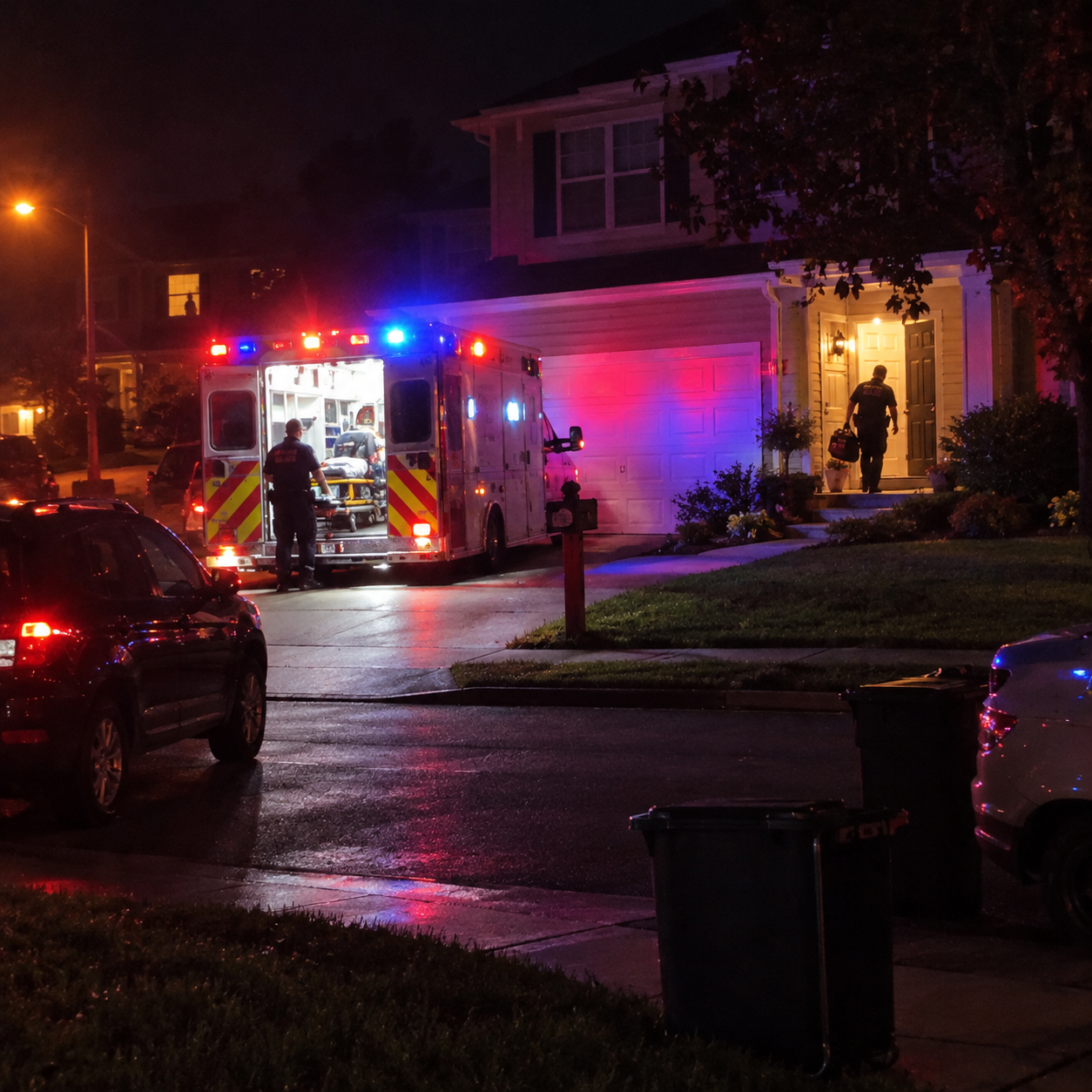
Ran for 7 days, from October 14 to October 21, 2026, the last day Crush saw it.
Run by A1C Support Community on Facebook. Crush is not the advertiser and does not verify its claims. See this ad in Meta's Ad Library(opens in a new tab)
Make your own version of this ad
Crush makes it, launches it in your own Meta ad account, scales the winners and pauses the losers.
About this ad
- Meta Ad Library ID
- 1102687272689745
- Platforms
- Facebook, Instagram, Audience Network, WhatsApp and Threads
- Relaunches
- 0
Ad text
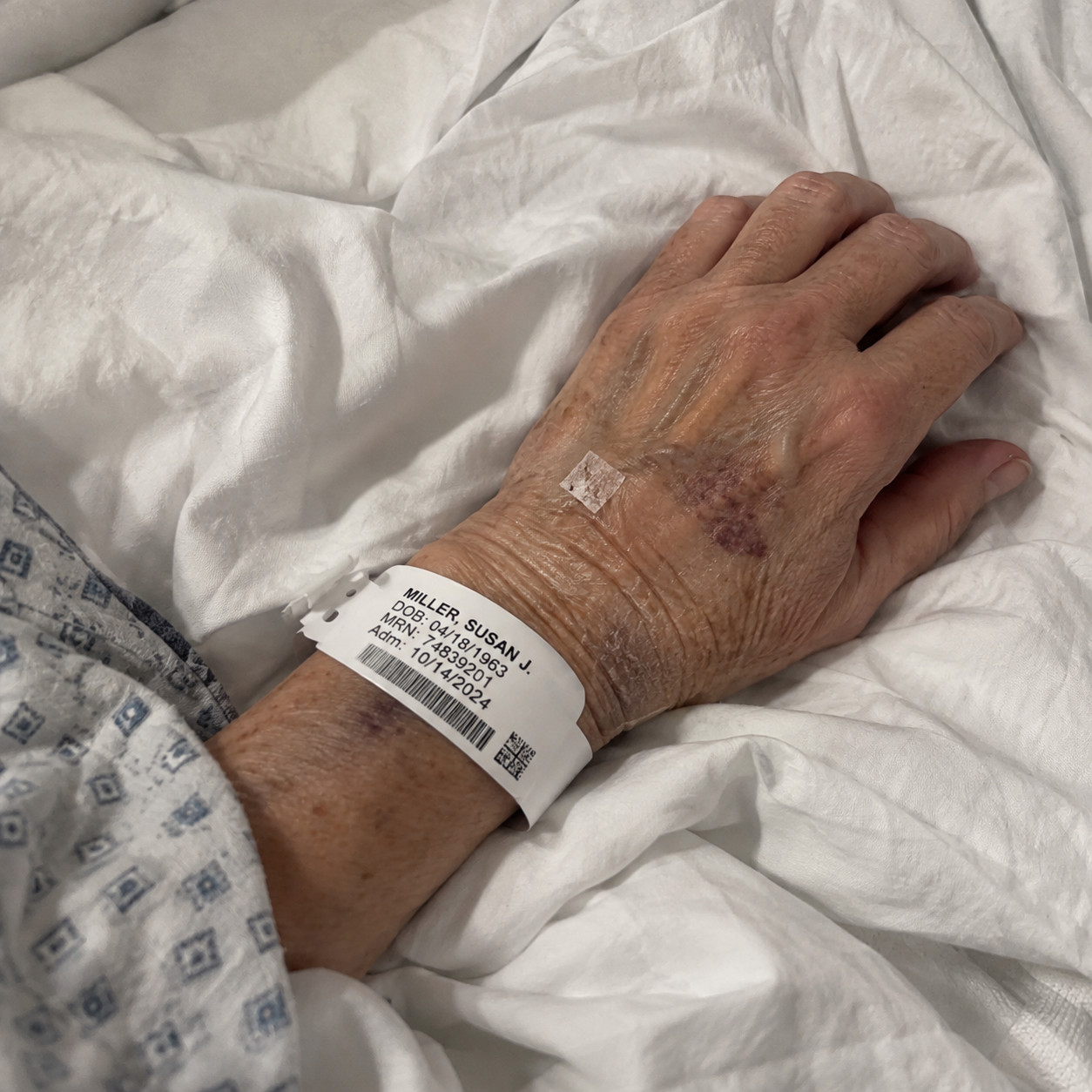
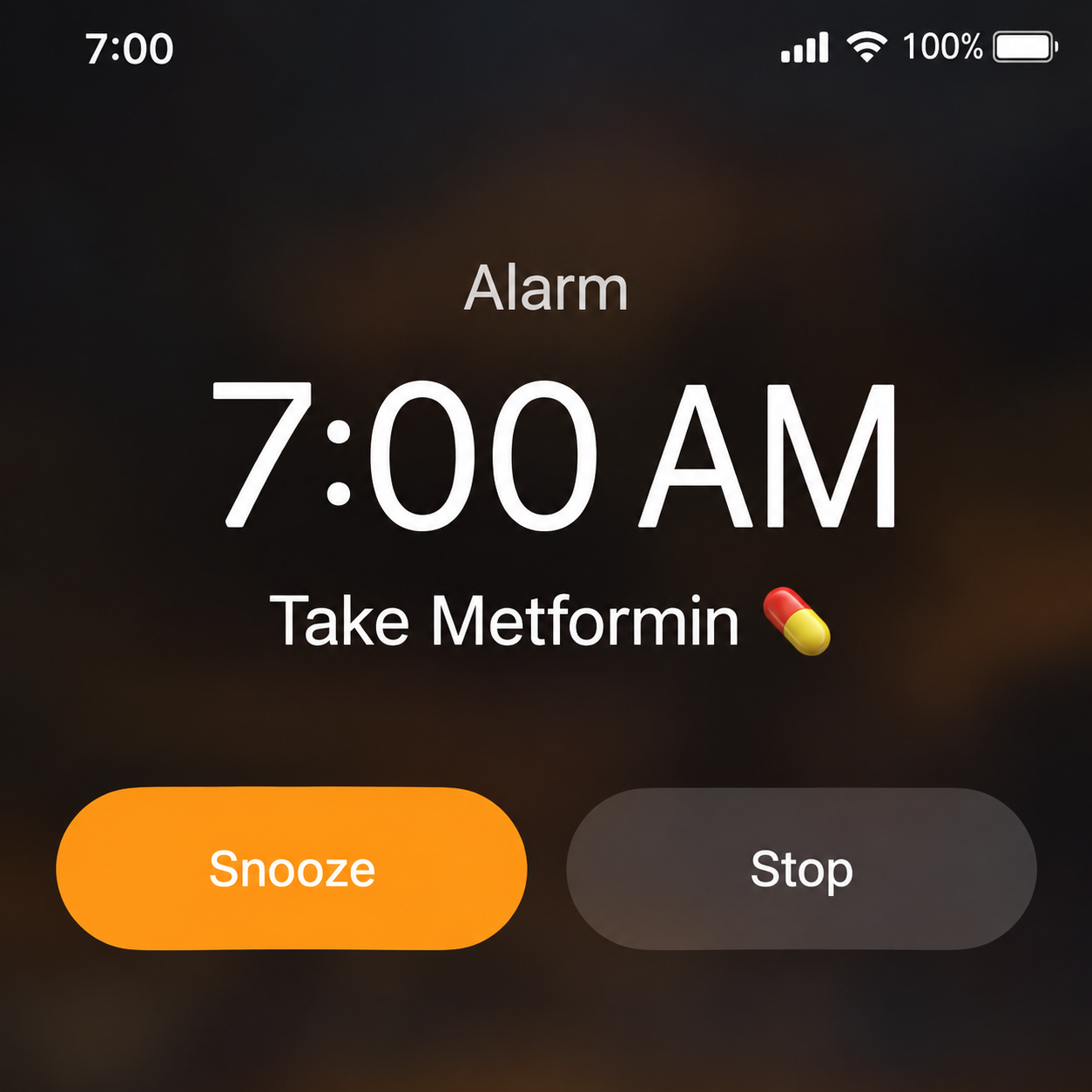
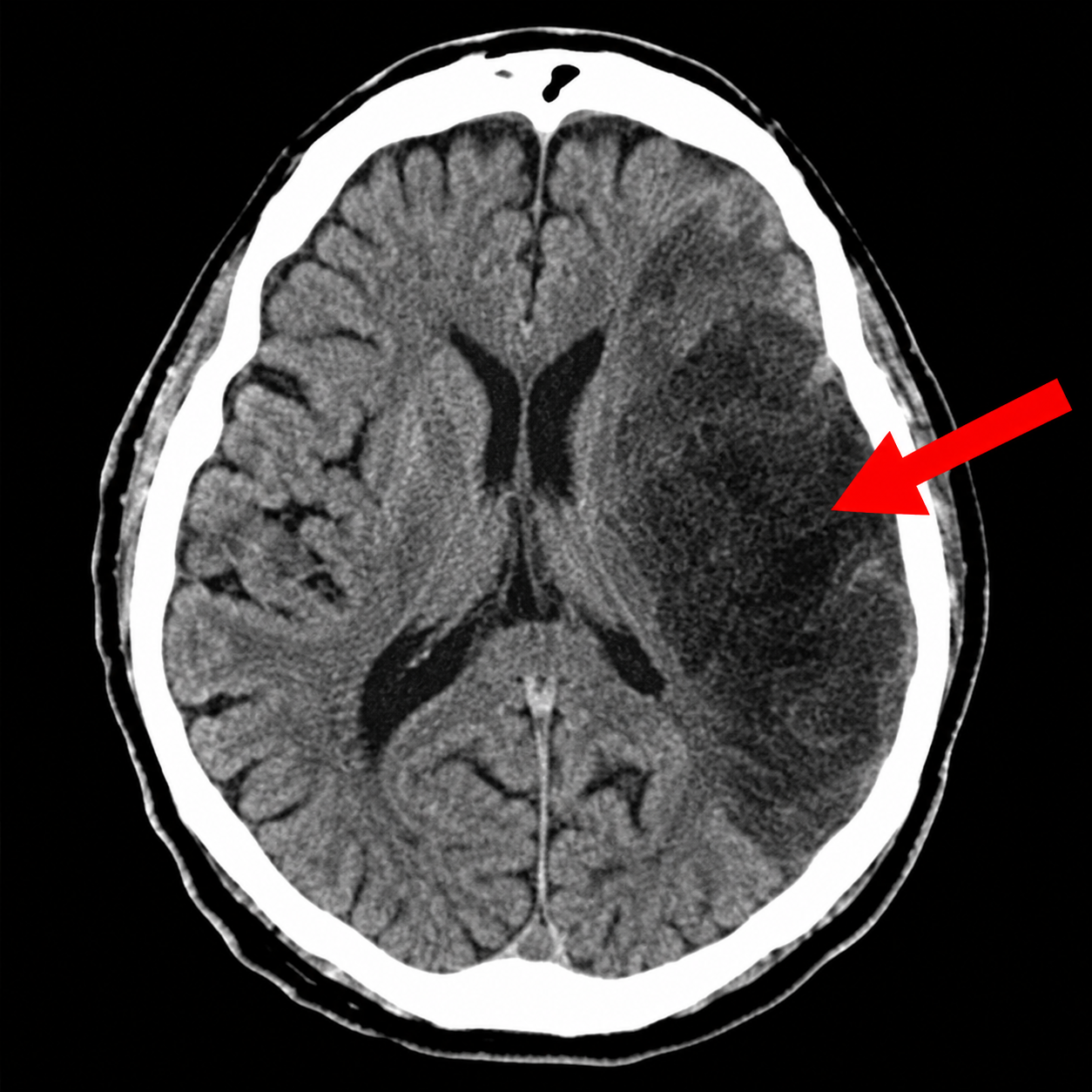
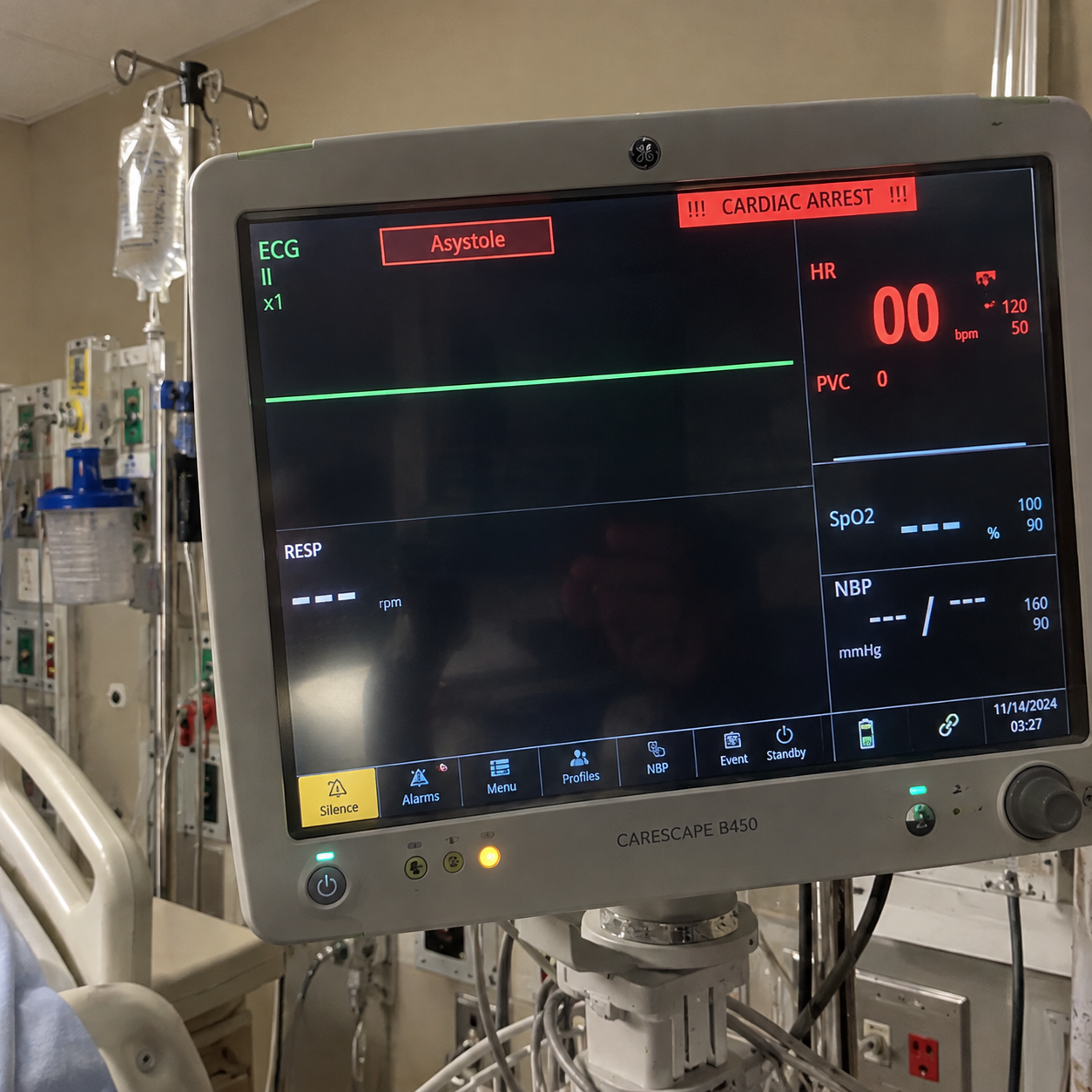
My sister started taking Metformin in June 2024. Swallowed the pill every morning at 7 AM without fail. Bought the glucose monitor she ordered off Amazon. Threw out the bread she had eaten for 38 years. Switched to low-carb everything. Started the track-weigh-measure ritual. Checked her fasting glucose three times a day. Started pricking her finger and waiting for the number every single morning, of all things. She did everything the doctor told her. She died of a stroke on October 25th at 5:23 AM. She was 61 years old. Started her Metformin on June 11th. Cut out the carbs the same day. Ate nothing that wasn’t approved. Lost 19 pounds. Tracked every meal every day, rain or shine. The hospital bill was $74,000. The funeral was $12,400. Her glucose monitor is still sitting on the nightstand. I can’t put it away. If I put it away, she’s really gone. Her bottle of Metformin is still on the windowsill above the sink. I can’t empty it. The Saturday slot in the pill organizer is still full. She died at 5:23 AM, before the 7 AM dose that was supposed to save her. Sunday through Friday are empty, six days of the medication that didn’t. If I empty it, she’s really gone. I need to tell you what happened to Carol. Because I’m seeing the same posts on Facebook that I was making just months before she died, “my sister’s blood sugar is creeping up again, any tips to lower it naturally?”, and it makes me physically ill. If you’re over 50 and your blood sugar keeps climbing, or someone you love’s does, please read this entire thing. I know it’s long. I know you’re scrolling. I know you have things to do. Fifteen months ago I would have given anything, everything, for someone to tell me what I’m about to tell you. Carol went in for a routine visit on June 8th, 2024. She felt fine. Better than fine. She had just recently turned 60. She still gardened every spring. She still baked bread on Saturdays. She thought she was indestructible and honestly so did I. The nurse took her blood. Looked at the numbers. Pulled up her chart. Fasting glucose 156. A1C 7.4. She frowned. Looked again. Higher than last year. Her doctor came in ten minutes later. “Carol, this is type 2 diabetes and your numbers are badly elevated. We need to get this under control immediately. I’m putting you on treatment today.” Carol was quiet. I was in the waiting room pretending to read a magazine, but she told me everything on the ride home. “How much sugar are you eating?” “I don’t know. Regular amount. I have dessert a couple days a week. Something sweet after a walk sometimes.” “That’s got to stop. You need to cut carbs across the board. No bread. No pasta. No skipping the tracking. I’m prescribing Metformin, 500mg twice a day. We’ll recheck in three months.” Carol came home and sat at the kitchen table for forty minutes without saying anything. Then she stood up, walked into the kitchen, grabbed the bread off the counter, the loaves she had baked every Saturday for years, and threw them in the trash. Then she opened the pantry. Pasta. Rice. Crackers. Cereal. Everything with carbs on the label went into a garbage bag. The whole pantry, gutted in under an hour. “That’s it,” she said. “I’m done.” And she was. She picked up the Metformin from the CVS on Reynolds Road that afternoon. Swallowed the first dose at 7 AM the next morning after her breakfast. Set the bottle on the bathroom windowsill where she’d see it every day. I bought her a Sunday-through-Saturday pill organizer to track the doses and started filling it every weekend. Two weeks in, Diane told her over the fence that her own doctor had her on berberine for her blood sugar. Carol ordered a bottle off Amazon that night. Added it to the routine the next Sunday. For 137 days, she didn’t eat a single slice of bread. She didn’t miss a single dose. No pasta. No rice. No skipping the tracking. Not at her niece’s wedding in August where she sat through dinner without touching the cake. Not at the church picnic in September where everyone ate cobbler in the sun. Not at her own 61st birthday dinner in October where the restaurant brought out a dessert she waved away while the table sang to her. I threw out 38 years of her favorite recipes. I learned to cook low-carb meals I’d never made in my life, cauliflower rice, zucchini noodles, almond flour bread with no taste. I’d stand at the stove at 6 PM watching her wince at the plate and pretend it was fine. I did the same diet she did. If she had to give up everything she loved to eat, I wasn’t going to sit across from her enjoying pasta while she was starving. She stopped going to Diane’s Wednesday night porch nights because she couldn’t sit there watching everyone eat chips and drink lemonade. I stopped going too. I lost my Thursday night dinners with the girls at the country club because I couldn’t stand the look on Carol’s face when I came home full and she’d been standing at the kitchen counter eating plain chicken breast. She lost her friend Mike’s wife, who told her “you’re no fun anymore since the diet” and stopped inviting her. She skipped her annual baking weekend with her sister for the first time in 30 years. She lost a piece of herself she’d been carrying for 35 years. And she did it anyway. Because the doctor said to. Three weeks into the Metformin, the side effects started. Not a normal adjustment. A raw, grinding, stomach-churning nausea that woke her up at 2 AM. That interrupted every conversation. That made her carry antacids everywhere she went like they were part of her uniform. Her comfort? Gone. The woman who used to garden all Saturday couldn’t sit still past 8 PM. I’d find her standing in the bathroom with the fan on before the news was over. Every single night. The tingling started around week six. She’d stand up from her chair and stiffen, waiting for the burning in her feet to stop. Twice she nearly cried at the table. Once when she took off her shoes at night. I grabbed her arm and felt her flinch into me and my stomach dropped. Her energy had started to collapse too. Crashing every afternoon. She’d sit down after lunch and the fatigue would hit so hard she couldn’t move for two hours. The doctor said it was a common adjustment. Said her body would adapt. Said the benefits outweigh the side effects. The follow-up appointment was October 9th. The nurse took her blood. Looked. Wrote something down. A1C 7.1. Down from 7.4. Fasting glucose still 142. I was the one who looked at the labs in the car. I read the numbers three times because I thought I was misreading them. She’d been taking the Metformin AND following the diet strictly for 130 days and her numbers had barely moved. The doctor said “some patients don’t respond well to Metformin alone. I’m doubling your dose, and adding a sulfonylurea. We’ll add insulin if it doesn’t stabilize in six months. Keep doing what you’re doing.” Carol came home that night and sat at the kitchen table again. The same table she’d sat at after the first appointment. She didn’t say anything for a long time. Then she said: “I gave up the bread. I’m taking the pills. I’m tracking everything. It won’t come down.” I told her to give it time. I told her the doctor said six months. I told her to trust the process. She nodded. She kept tracking. She kept dieting. She started the higher dose and the second medication. Five days later, five days, she woke up at 2 AM drenched in sweat with a numbness that ran from her feet up through both legs. I drove her to the ER doing 80 in a 35, with my hand on her arm the whole way to make sure she was still conscious. By the time they admitted her at 3:47 AM, her lips were gray. Not “a little pale.” Gray. Like wet cement. Like the blood had stopped reaching them. I sat in the waiting room for an hour and forty minutes. I called our daughter at 4:12 AM and couldn’t get the words out. I just kept saying “something’s wrong, something’s wrong.” The vinyl chair stuck to the back of my legs. The ER doctor, a young woman, couldn’t have been 35, looked at Carol’s bloodwork and her face did this thing. “Ms. Baker, your sister has had a stroke. The trapped sugar in her bloodstream has been grinding through her arteries for years. Her vascular system was severely compromised despite her treatment history.” “But she’s been doing everything,” I said. She looked at me. “I know, Ms. Baker. I’m sorry.” They moved her to the ICU that night. She stayed there for 11 days. I learned things about the body I never wanted to know. I learned that when trapped sugar grinds through your arteries for years the way Carol’s did, the vessels stiffen and narrow until one day they close. They call it a massive stroke. It means your sister stops being your sister. She looks at you like she’s trying to remember who you are. She says things that don’t connect. On day 6, Carol asked me three times in twenty minutes if we were late for her wedding. Her wedding was in 1986. By day 4, they had to put soft mitts on her hands. She kept reaching for the IV lines, pulling at them, confused but determined to get free. The nurses tied the mitt to the bed rail with a cloth strap. I sat next to her for hours watching her fingers work inside it, trying to grip something that wasn’t there. Those hands had grown a garden and baked bread every week. Now they were tied to a hospital bed. I learned that they were pumping her full of blood thinners and glucose stabilizers, through the IV, around the clock. The attending doctor told me the trapped sugar in Carol’s blood had been grinding through her vessels for years. She said the high blood sugar on the surface had always been fed from inside, that her cells had been shut tight and the sugar had no way out of the bloodstream. She said by the time it causes a stroke like this, the damage has been building the whole time, waiting. It bought her 11 days. Day 8, the swelling in her brain wouldn’t come down. The doctors talked about surgery, relieving the pressure to give her a chance. Then they talked about her not being a candidate because of how much damage the vessels had already taken. Then they stopped talking about surgery altogether. Day 10, her organs started shutting down. She couldn’t keep her blood pressure up anymore. They put her on pressors. I watched them adjust the drip while she drifted in and out. The nurse called it multi-organ failure. I called our daughter. By day 10 I hadn’t slept in my own bed in eight nights. I was eating crackers from the vending machine and drinking the coffee from the family room urn that tasted like it had been sitting since the day before. I stopped looking at myself in the bathroom mirror. I’d lost eleven pounds in nine days. My cousin flew in from Cincinnati and tried to make me go home for an hour. I wouldn’t go. If I left and something happened, I’d never forgive myself. Day 11, October 25th, I was in the family room down the hall. They’d asked me to step out while they repositioned her. The chair I’d been sleeping in was still warm. There was a cardigan I’d left over the arm of it. I remember thinking I should fold it. At 5:14 AM I heard the long beep. I didn’t move. I sat there listening to it not stop. Nine minutes. I counted them on the wall clock. I knew before anyone came. I knew the second the beep didn’t end. At 5:23 AM, a doctor I’d never seen walked into the family room. “I’m so sorry. We did everything we could.” I drove home at 7 AM. The little basket of glucose test strips was still on the counter. Her walking shoes were by the back door. The bottles were lined up on the windowsill above the sink, the Metformin, the sulfonylurea, the berberine, the chromium. Her slippers were by the back door with her feet too swollen to ever wear them again. Her pill organizer was still on the windowsill. Saturday full. Sunday through Friday empty. Where it sits today. I sat in her recliner. I didn’t move for six hours. The house was so quiet I could hear the refrigerator hum. 38 years. And now the only sound in my house was the refrigerator. The funeral was November 1st. Carol’s daughter flew in from Phoenix. Our niece drove up from Columbus. The grandkids wore dresses that were too big for them. My five-year-old grandniece asked me: “Auntie, when is Grammy coming home?” I told her Grammy was in heaven now. She said: “Can we call her there?” I had to walk out of the room. After the funeral, I tried to go back to normal. I couldn’t. Because every time I opened my phone I saw women my age, women Carol’s age, posting things like “doctor doubled my Metformin again, anyone lowered their A1C naturally?” or “blood sugar is creeping up again, no big deal.” And I knew, I KNEW, some of them were doing exactly what Carol did. Taking the medication. Cutting the carbs. Tracking. Dieting. Checking the meter. And climbing anyway. I couldn’t just sit there and watch it happen. So I started researching. Not because I wanted to. Because I had to. Because if Carol gave up everything for nothing, if I can’t save even one person from what happened to her, then I can’t live with that. I read for weeks. Medical papers I barely understood. Diabetes forums. Studies out of Japan and Germany. And one thing kept coming up, over and over, that no doctor ever told us: Everybody watches one thing. The blood sugar number on the meter. The doctor watches it, you watch it, the whole protocol is built around forcing it down on paper. Get the A1C low enough and they tell you you’re managed. But that number was never the thing that keeps hurting you. The high blood sugar isn’t the disease. It’s the symptom. It’s your body screaming that something deeper is broken. Your blood is being flooded from the inside, over and over. You ever pull the tops off the weeds in a sidewalk crack? They look gone for a week. Then they’re back, in the exact same spot. That’s what happens to your blood sugar. The roots are still there. Under the surface. And no matter how many times you force the number down, the source underneath just pushes it back up. The reason the blood sugar keeps climbing is your cells have shut their doors, the one thing your body can no longer fix on its own. When your cells are open, sugar moves from the blood into the cell. The cell gets fed. The blood clears. Numbers stay steady. But after 50, the insulin receptors stiffen and the doors shut tighter every year. By 55, the cells have locked out so much sugar that the bloodstream becomes a permanent flood. And without open doors to let it in, the sugar does the only thing it can. It circulates. It grinds. It damages. Through your smallest blood vessels hour after hour. And your meter? It’s stuck showing a number while you force it down the same way over and over, every quarter, every lab, the A1C dropping on paper while the doors underneath stay shut. Until one day, it breaks through. I read it three times. I sat at the kitchen table with the laptop open at 2 AM and read it three times. And here’s the part that made me sit up straight: The Metformin Carol swallowed every morning for the last four months of her life told her liver to release less sugar. It did exactly what it was built to do. What it did NOT do, what nothing the doctor gave her could do, was open the doors to her cells. The trapped sugar was grinding through her vessels the whole time, right where nobody was looking. Carol wasn’t killed by the number on the meter. Her A1C was dropping on paper, from 7.4 to 7.1, even on the medication, even with perfect dieting. The number was never the threat. The trapped sugar grinding through her arteries was. Read that again. Her stroke wasn’t caused by the A1C on the chart. It was caused by years of trapped sugar, cells with shut doors that no medication could open, grinding through her arteries until one vessel in her brain finally gave out. The Metformin never opened the doors. It couldn’t. It was mopping a floor while the pipe kept leaking. And then I read the part that broke me. The way Metformin works is it only slows the liver’s sugar output. It tells the liver to release less. It does not open a single cellular door. These are supply-side interventions that slow the input without ever addressing the doors, the receptors, and the trapped sugar already flooding her blood. The nausea Carol developed, that’s the gut reacting to maximum-dose Metformin draining B12 and stripping the stomach lining. The tingling in her feet, that’s the trapped sugar grinding through her smallest nerve endings while her doctor charted it as “diabetic progression.” The crashes, the exhaustion, the crushing fatigue of the daily ritual, that’s her body being managed on the numbers without being helped on the inside. They call these side effects. They’re not side effects. They’re the medication doing exactly what it’s built to do. And here’s why none of it saved her: the Metformin wrestled the number down on paper. That’s all it did. The trapped sugar grinding through her arteries year after year, the actual reason her vessels were stiffening, went completely unaddressed. Meanwhile the diet gutted her whole life while the real damage kept building underneath. She gave up everything she loved for 137 days to lower a number that was never the threat. While the medication that was supposed to protect her was only ever slowing the supply to a bloodstream that was still flooded because the doors were still shut. I sat with that for three days. I didn’t know what to do with what I’d just read. So I did the only thing I could think of, I bought a bottle of the berberine Carol had been on. Because her neighbor Diane was on it. Because I’m 59. Because my own fasting glucose had started creeping up last summer. Because I was scared. I used it for three weeks. My friend Linda, an endocrinologist I’d known since college, who I called because I trusted her, laughed when I told her. “Margaret, berberine helps a little with liver output. That’s about it. It doesn’t open the cellular doors. Doesn’t clear the trapped sugar. It’s tinkering around the edges. It doesn’t get inside the cells where the real problem is happening.” Then she said something I’ll never forget: “If there had been something that opened the doors and cleared the trapped sugar from the inside instead of just slowing the supply, Carol might still be here.” I stopped breathing for a second. “Why didn’t her doctor recommend that?” She was quiet for a long time. “Because we don’t recommend supplements. We’re trained to treat the number, not what’s underneath it. Lower the A1C, check the box, see the patient in six months. The thing that actually works isn’t a prescription. And no one in my profession is going to be the one to tell you.” I went to CVS the next day. I stood in that aisle for forty minutes. Chromium. Biotin. Alpha-lipoic acid. “Blood sugar support” 30-day kits. Bitter melon capsules. Fenugreek tablets. And on the bottom shelf, two different bottles of generic cinnamon capsules, $16.99, the cheap stuff. I bought the cheap cinnamon. Took it for two weeks. No change to my numbers. I started Googling, and that night I read a paper on the active compounds in cinnamon. Then a study on what happens to those compounds during processing. What I found made me throw the bottle in the trash. The cinnamon in those bottles isn’t the cinnamon the research is on. The grocery-store cinnamon is cassia, a completely different plant that has been sold as “cinnamon” for a hundred years because it’s cheaper, easier to grow. And cassia contains almost none of the compound that actually opens the doors. The compound that does the real work, MHCP, the insulin-mimicking molecule your cells need, barely exists in cassia. Worse, cassia is loaded with coumarin, a compound that damages the liver when taken daily. The thing sold as cinnamon isn’t just useless. It’s actively harmful. The spice that used to be medicine became flavoring. Then the supplement companies take that already-wrong plant and grind it into dry powder for a capsule. The active compounds in real cinnamon, MHCP and cinnamaldehyde, are fat-soluble. Without a fat carrier, they pass through the stomach and the body barely absorbs any of them. By the time it’s sitting on the CVS shelf in a $16.99 bottle, there’s almost nothing useful in it. Wrong plant. Wrong form. Gone before the cap was sealed. I had been doing the right thing in the wrong form. Worse than the wrong form. The wrong everything. I was furious. I’m still furious. About a week later I was scrolling a Facebook group for women whose blood sugar keeps climbing, or who are fighting it themselves, full of people like I was. “Just got another dose increase” people. “Doctor wants to add insulin” people. “Has anyone lowered this naturally” people. A woman posted something that stopped me cold. She said her sister had been put on Metformin at 58. She took it for two years. Her A1C would drop on paper, but it crept back up every quarter, the fasting glucose never came below 140, her whole morning was the track-check-restrict ritual, and her doctor still wanted to add another medication, sound familiar? And then she found a Ceylon cinnamon softgel. Not the grocery-store kind. True Cinnamomum verum, DNA-verified, concentrated 12 to 1, with MCT oil as the fat carrier, taken by mouth, not ground into a dry capsule. She added it to her routine. One softgel every night. Her A1C went from 7.2 to 5.4 in ten weeks. Her fasting glucose dropped from 148 to 91. Her mornings came back. After ten weeks, the numbers that had been climbing every quarter for years simply stabilized. Her next A1C, the one she braced for, came back 5.4 again. Without another medication. Without doing anything else different. I read that post six times. I started looking into the formula she mentioned. And what I learned is that there are five things a serious blood sugar support has to do at the same time, or it’s a waste of your money: It has to work from the inside, not the outside, opening the cellular doors the trapped sugar is stuck behind, the side of the problem no medication addresses. Open the doors. That comes from MHCP, a compound that mimics the insulin signal, binds to the receptor, and tells the door to open. Not by forcing more insulin. By copying the signal. It has to actually be true Ceylon cinnamon, not cassia. Cassia has almost no MHCP and is loaded with coumarin that damages your liver. The right species matters the way blood type matters in a transfusion. Most capsules use cassia and call it cinnamon. The MHCP in real Ceylon is the compound that actually opens the doors. It has to actually reach the cells, not just pass through your stomach. No dry powder that your body can barely absorb. No capsule that dissolves and exits before the compounds reach your bloodstream. The Metformin can’t do this. It only slows the supply. MHCP in a fat-soluble carrier opens the doors and lets the sugar clear. It has to be the real species of cinnamon. Not the grocery-store version that’s been swapped for a cheaper plant for a hundred years. There’s one true species the growers in Sri Lanka never replaced, Cinnamomum verum, harvested from trees where it’s grown for generations. The MHCP content is what the research is actually on. And it has to be in MCT oil. Not dry powder, not a capsule with fillers, not anything that prevents the fat-soluble compounds from reaching your bloodstream. MCT oil delivery. The carrier that makes MHCP and cinnamaldehyde bioavailable, the way they were always meant to be absorbed. Five things. All five. At the same time. From one bottle. I went through every product I’d looked at in CVS. Not one of them did all five. Most did one. The expensive ones did two. None of them were true Ceylon. None of them were MCT oil softgels you take by mouth. Every one of them was the same cassia powder ground into the same dry capsule trap. So I went back to the Facebook post and messaged the woman. She sent me the name. That’s when I found Resia. It was the only formula I could find that hit all five. DNA-verified Cinnamomum verum, the actual species the research is on. Concentrated 12 to 1. MCT oil carrier. 7,200mg equivalent per serving. One softgel at night with a glass of water. Made in the United States. Third-party tested. 90-day money-back guarantee, if your numbers don’t move, you get every penny back, no questions asked. I almost didn’t order it. After the CVS aisle. After the berberine. After Carol. After everything. But I had a cousin in Phoenix who was being told the same thing Carol had been told. I had a niece in Columbus with numbers that “kept creeping up.” I had myself. I ordered it. My cousin Tammy came back from a routine appointment with another Metformin increase and a fasting glucose that had been above 140 for months. Doctor wanted to add a second medication. She refused, said she’d watched Carol take pill after pill for four months and end up in a casket, and she wasn’t going down that road. Didn’t know what else to do. I sent her a bottle. I didn’t ask. I just sent it. Wrote a note that said “If you don’t take this every night I will never speak to you again, Tammy, I mean it.” She took it. She kept her routine normal, didn’t go on some extreme restriction, she’s stubborn the way Carol was stubborn, but she took one softgel every night. She went back to her doctor four weeks ago for a follow-up. A1C: 5.6. Fasting glucose: 94. Down from 7.1 and 148. In ten weeks. She hadn’t started a second medication. She hadn’t changed her diet. She hadn’t changed a thing. The only thing she changed was the one softgel she took every night. She called me crying. My cousin. 57 years old. Crying on the phone like a kid. She said: “Margaret, I think Carol died because nobody told her about this.” I had to hang up. Then there’s my niece. 44, two kids, a fasting glucose that kept climbing at her last visit. Started taking it six weeks ago. She says the afternoon crashes are gone. She says the tingling she’d been noticing for months, the kind her doctor said was “probably just stress,” is gone. Her energy is steady again. My neighbor Diane. Her sister died of a stroke four months before Carol. Two of us grieving on the same street. She started taking it two days after I told her. She says it’s the first time since her sister died that she doesn’t feel like she’s waiting for a phone call about her own health. I told my cousin in Cincinnati. I told my niece in Columbus. I told the girls in my Thursday night dinner group at the country club. I told Diane and the women at her Wednesday porch nights when I went over to drop off a casserole. I’m not a doctor. I’m not a scientist. I’m not selling anything and I don’t get a penny from any of this. I’m a 59-year-old widow sitting in my dead sister’s chair at 2 in the morning because I can’t sleep and I can’t stop thinking about my cousin Tammy, 57 years old, in Phoenix, who was about to be given the same treatment that managed my sister’s numbers on paper while her arteries crumbled underneath, and whether she’d have ended up where Carol ended up. Here’s what I know because I lived it: The Metformin slowed the liver’s sugar output. It didn’t open the doors to her cells. And the diet, the tracking, the nausea, the crashes, the exhaustion of the ritual, stripped away her quality of life while the trapped sugar kept grinding through her vessels. Cutting carbs slowed the input. It didn’t open the doors to the sugar already trapped in her blood. Berberine and chromium help around the edges. They tinker with the supply side of the problem. They don’t open the doors where the real trapping is happening. Most cinnamon on the shelf is the wrong cinnamon, cassia ground into dry powder. The compound that does the work, MHCP, barely exists in it. And without a fat carrier, even the right compound passes straight through. Carol gave up everything she loved for 137 days and it didn’t save her because nobody told her what was actually broken. I wish someone had told us before June 8th, 2024. Before the routine visit. Before the bread in the trash. Before the 137 days of tracking every meal. Before October 25th at 5:23 AM. I can’t go back. Carol can’t come back. Her pill organizer is still on the windowsill and it’s going to stay there. But you can still go forward. Your sister can. Your cousin can. You can. Here’s where I got it. Not the supply. The doors. That’s the line that finally made it click for me. I want you to go order a bottle. Not for me. For whoever you’d leave behind. 👉 https://tryresia.com/products/ceylon-cinnamon-7200mg-equivalent-with-mct-oil Carol used to say: You can’t undo damage that’s already done. But you can stop more from happening. You can stop the next vessel from closing. Margaret Baker, age 59 Toledo, OH P.S. The pill organizer is still on the windowsill. Saturday full. Sunday through Friday empty. Every morning I walk past it and for one second I forget. For one second I think she’s about to head out to the garden. She’s not. $74,000 in hospital bills. $12,400 for the funeral. 137 days of her giving up everything she loved for nothing. And a bottle that costs less than what she used to spend on a single dinner out, a bottle my own endocrinologist friend told me could have changed everything if we’d known. Please. Don’t end up here. Don’t let someone you love end up here. 👉 https://tryresia.com/products/ceylon-cinnamon-7200mg-equivalent-with-mct-oil P.P.S. I don’t work for Resia. I don’t get a penny from this. I’m writing this at 2:14 AM because I can’t sleep and Carol’s side of the house is cold and my cousin Tammy is 57 and stubborn and was about to keep taking the same medications that managed my sister’s numbers on paper while her arteries crumbled, and I’m scared every time the phone rings. Share this with anyone you love whose blood sugar keeps climbing. Even a little. Even if their doctor says it’s “just borderline.” Even if they’re already on Metformin. Please. P.P.P.S. If your sister is already on Metformin and her A1C looks managed on paper, please don’t close this page. Carol’s A1C was “dropping on the medication” at her last check, her doctor would have called that “acceptable progress.” The number was never the threat. The trapped sugar grinding through her arteries was. The Ceylon cinnamon softgel opens the doors from the inside. It works alongside the Metformin. It works after the Metformin. Tammy told me the first thing she noticed was the afternoon crash disappearing within the first week, and she hadn’t even changed anything else. You haven’t missed the window. The window opens the day you start. P.P.P.P.S. If you’re reading this and thinking “she’d never go for it,” I want you to hear me. I didn’t argue with Tammy. I sent her a bottle with a note that said if she didn’t take it I’d never speak to her again, and she took it because she loved me. She didn’t believe a word of it on day one. She believed it ten weeks later when her A1C was 5.6 and her doctor cancelled the second medication. You don’t have to win the argument before you ask her to start. You just have to get the bottle in the house. P.P.P.P.P.S. One last thing, because I know what it is to be afraid to hope again. There’s a 90-day money-back guarantee. If her numbers haven’t moved in three months, you send the bottle back and they refund every penny, no questions, no fight, no fine print. Three months is one quarter of climbing numbers you skip. You can know in one round whether this is real for her the way it was real for Tammy. That’s all I’m asking. One round. Don’t let three months go by without it being in the house. 👉 https://tryresia.com/products/ceylon-cinnamon-7200mg-equivalent-with-mct-oil P.P.P.P.P.P.S. One more thing. It’s not on Amazon. It’s not on eBay. They only ship through the one website, and there are already knockoffs out there using cassia powder and calling it Ceylon. Order it from the link above or you’re back in the dry capsule aisle. 👉 https://tryresia.com/products/ceylon-cinnamon-7200mg-equivalent-with-mct-oil
Where the ad sends people
tryresia.com
Ceylon Cinnamon 7200mg Equivalent with MCT Oil
resia
Learn more: tryresia.com(opens in a new tab)