Barbara Smith
 Facebook ad: “It Might Not Be Anxiety”

Running for 40 days since September 23, 2026. Crush last saw it on November 2, 2026.
Run by Barbara Smith on Facebook. Crush is not the advertiser and does not verify its claims. See this ad in Meta's Ad Library(opens in a new tab)
Make your own version of this ad
Crush makes it, launches it in your own Meta ad account, scales the winners and pauses the losers.
About this ad
- Meta Ad Library ID
- 1110665328192468
- Platforms
- Facebook, Instagram, Audience Network and Threads
- Relaunches
- 1
- Niche
- Skincare & Beauty
Ad text
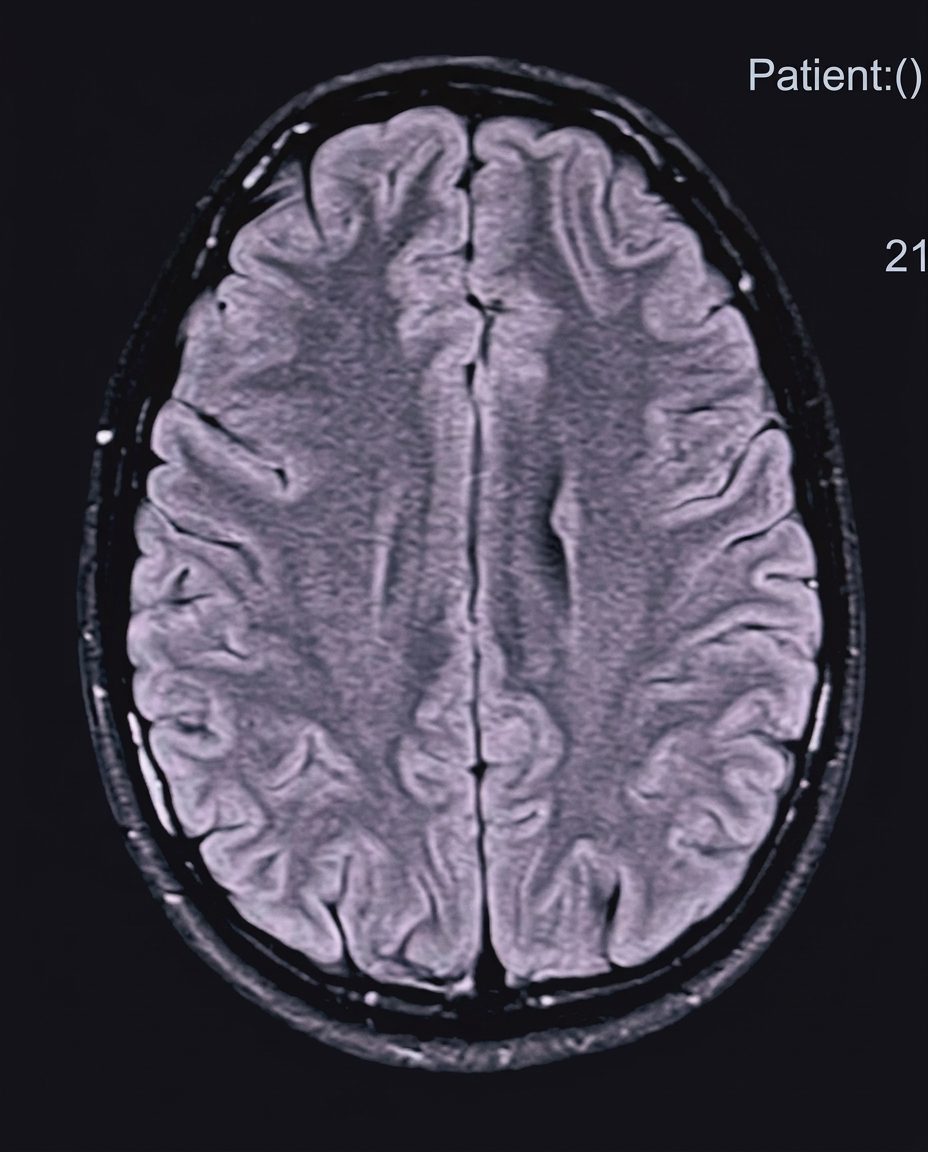
I was diagnosed with anxiety at 34. I'm 48 now. Turns out I never had anxiety at all. For fourteen years, I "managed" a condition without understanding what was actually driving it. But every year, I felt myself shrinking a little more. Fourteen years of SSRIs that numbed everything but the dizziness. Fourteen years of benzos that made me foggy but never stopped the spinning. Fourteen years of therapy sessions, breathing exercises, and being told "it's just anxiety." Fourteen years of being told "there's nothing physically wrong, this is psychological." I did everything they asked. When that didn't work, they sent me for more tests. MRI of the brain. Normal. Inner ear testing. Normal. Blood work. Normal. EKG. Normal. Everything normal. "Classic anxiety," they said. "Your body is reacting to stress you're not even aware of." I felt crazy. Like my mind was creating symptoms out of thin air. Some days the dizziness was so bad I couldn't drive to work. The world would tilt. My vision would blur. That constant floating sensation—like living on a boat that never stopped rocking. And the panic would come. Heart pounding. Chest tight. That overwhelming feeling that something was terribly wrong even though all my tests said I was fine. I'd have to pull over and wait for everything to calm down. I stopped going to restaurants because the visual motion made the dizziness unbearable—and trying to follow conversations made the floating sensation worse. I'd sit facing the wall just to minimize what my eyes had to track. I stopped meeting friends for coffee because the visual stimulation triggered panic attacks. I planned every outing around how quickly I could leave. And every doctor just nodded sympathetically. "That's anxiety. It can manifest as physical symptoms. We'll manage your stress response as best we can." I tried everything — meditation apps, cognitive behavioral therapy, specialists with six-month waiting lists. Nothing worked long term. The dizziness never went away. And the panic kept happening. I started to believe this was just my life now. Then my massage therapist said something no doctor ever had. She was precise. Methodical. Mid-forties. I'd been seeing her for a few weeks trying to manage the constant tension in my neck and shoulders. We were working through my upper back when she paused. Her hands moved to the base of my skull and pressed gently into the muscles just below the occipital ridge. The second she touched that spot, I felt something release. "Does that feel familiar?" she asked. I nodded. "I see myself in you. The constant dizziness. The feeling like you're floating. The panic when it gets bad. I had it. Same diagnosis. I was 31 when they told me I had anxiety disorder." She didn't move like someone who was dizzy all the time. "I stopped working for six months. My psychiatrist was talking about adding a second medication. Then a colleague told me something that changed everything." She pressed gently again at the base of my skull. "Has anyone ever really looked at what's happening right here? Not just your stress levels. Not just your thought patterns. But what's happening in these specific muscles?" I thought about it. My physical therapist had worked on my neck a few times. "They've looked at my neck," I said. "I don't mean stretched it. I mean really understood what these muscles do when they get locked up." She pressed into the small muscles right where my skull met my spine. "These muscles sit directly on the vagus nerve and the arteries that supply blood to your brain's balance centers. When they get tight, they restrict blood flow and press on the nerve that controls your balance and fight-or-flight response." "Your dizziness isn't from anxiety. Your panic attacks aren't from stress. They're from compressed structures at the top of your spine. That's why the medications don't work." "It's right here." I went home that night and couldn't stop thinking about it. Could fourteen years of dizziness, panic attacks, and canceled plans all have been caused by tight muscles in my neck? I started researching. The information was there — scattered across medical journals nobody had ever mentioned to me. Studies showing that compression at C1 and C2 — the very top of the spine — could cause chronic dizziness, lightheadedness, panic symptoms, and spatial disorientation. The exact symptoms I'd been diagnosed with anxiety disorder for having. When those arteries are compressed, the parts of your brain that control balance don't get enough blood. You feel dizzy. Floating. Unstable. When the vagus nerve is compressed, it sends scrambled signals. Your nervous system goes into panic mode because the nerve controlling it is being squeezed. Your mind isn't failing. It's getting bad information. I called my massage therapist the next day. "You said you don't have episodes anymore. What did you do?" "I released the compression," she said. "But not with massage. Not with stretching. You need three things together. Heat that penetrates deep enough to loosen the tissue. Electrical stimulation that forces the muscles to release. And traction at the exact angle that creates space between C1 and C2." She told me about Neckline. Heat. EMS. Cervical traction at 26 degrees. Fifteen minutes a day. After fourteen years of treatments that didn't work, what was one more try? I ordered it that afternoon. I positioned it at the base of my skull. Turned on the heat and EMS. Within two minutes, I felt something I hadn't felt in years. That constant background sensation of floating started to quiet. Not gone. But quieter. Like something that had been running at full volume for over a decade was finally turning down. The next morning, I woke up and stood up slowly, bracing for the usual tilt and blur. The room stayed level. I walked to the kitchen. Made coffee. Stood there while it brewed. No floating sensation. No grabbing the counter. No blurred vision. And my chest? Calm. Open. Not tight with that pre-panic feeling. I stood there holding my coffee cup and cried. By the end of week one, the random panic episodes had stopped. Day eleven, I went to the grocery store. Bright fluorescent lights. People moving everywhere. I walked through the whole store without that overwhelming feeling of visual overload. Not clutching my phone for something solid to focus on. Just walking. My husband was waiting in the car. "That was fast," he said. "I didn't need to leave." He looked at me. "At all?" "Not once. And I didn't feel panicked the entire time." By week three, I met my sister for lunch at a busy restaurant. Noise. Visual motion. People. All the things that used to trigger the dizziness and panic. I stayed for an hour and a half. My sister stopped mid-sentence. "You seem different. Calmer. Present." "I feel present," I said. "For the first time in years." My psychiatrist asked about my progress at my next appointment. "Your panic symptoms have decreased significantly." "They've basically stopped," I said. She looked at her notes. Then at me. "What changed?" I told her about the compression. The arteries. The vagus nerve. The device. "I've never seen anxiety-related symptoms resolve this completely without medication changes. Whatever you're doing, keep doing it." For the first time in fourteen years, I left her office without a prescription adjustment. My nervous system wasn't broken. My mind wasn't broken. Chronically tight muscles at the very top of my neck — muscles nobody ever examined — were restricting blood flow to my brain's balance centers and pressing on the nerve controlling my fight-or-flight response. The SSRIs tried to regulate serotonin. The benzos tried to calm my nervous system. The therapy tried to change my thought patterns. But none of it addressed the actual problem. I use Neckline for fifteen minutes every morning. That's it. If you've been diagnosed with anxiety... If you feel like you're living on a rocking boat that never stops moving... If you panic when the dizziness gets bad... If you avoid restaurants and social situations because the visual stimulation triggers symptoms... If all your tests came back normal but you're told "it's just anxiety"... If nobody has looked at what's happening at the base of your skull... I'm not saying you definitely have cervical compression. But I spent fourteen years treating the wrong thing. The real cause — tight muscles restricting blood flow to my brain's balance centers and pressing on the nerve controlling my fight-or-flight response — went completely unexamined. Neckline delivers deep heat, electrical muscle stimulation, and 26-degree cervical traction. Together. That's the difference between something that relaxes surface tension and something that reaches the deep structures where the compression is actually happening. There's a 30-day money-back guarantee. If nothing changes — full refund. But if it works? If you wake up on day three and the constant floating sensation is quieter than it's been in years? If by week one you're not having panic episodes every time you go somewhere visually stimulating? If a month from now you're at a restaurant and your sister looks at you and says you seem actually present again? You'll wish you'd known about this years ago. I know I do. 👉 https://neckline-us.com/neckline-usa/adv-opt Fourteen years is a long time to treat the wrong problem. Don't let it be yours.
Where the ad sends people
neckline-us.com
It Might Not Be Anxiety
June 2025 — New research is exposing a huge problem in medicine: doctors are missing the real cause behind symptoms like dizziness, blurred vision, and anxiety.
Learn more: neckline-us.com(opens in a new tab)