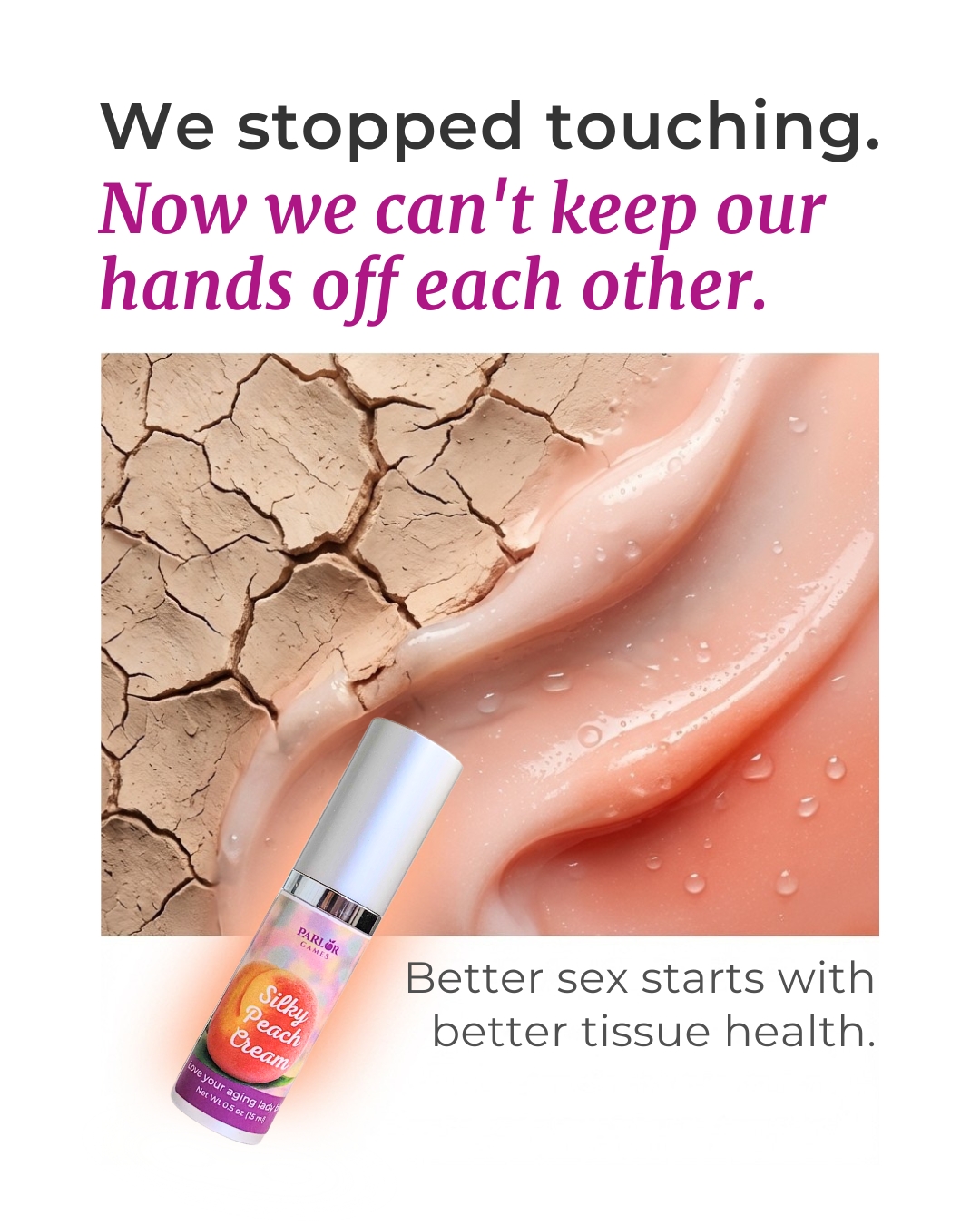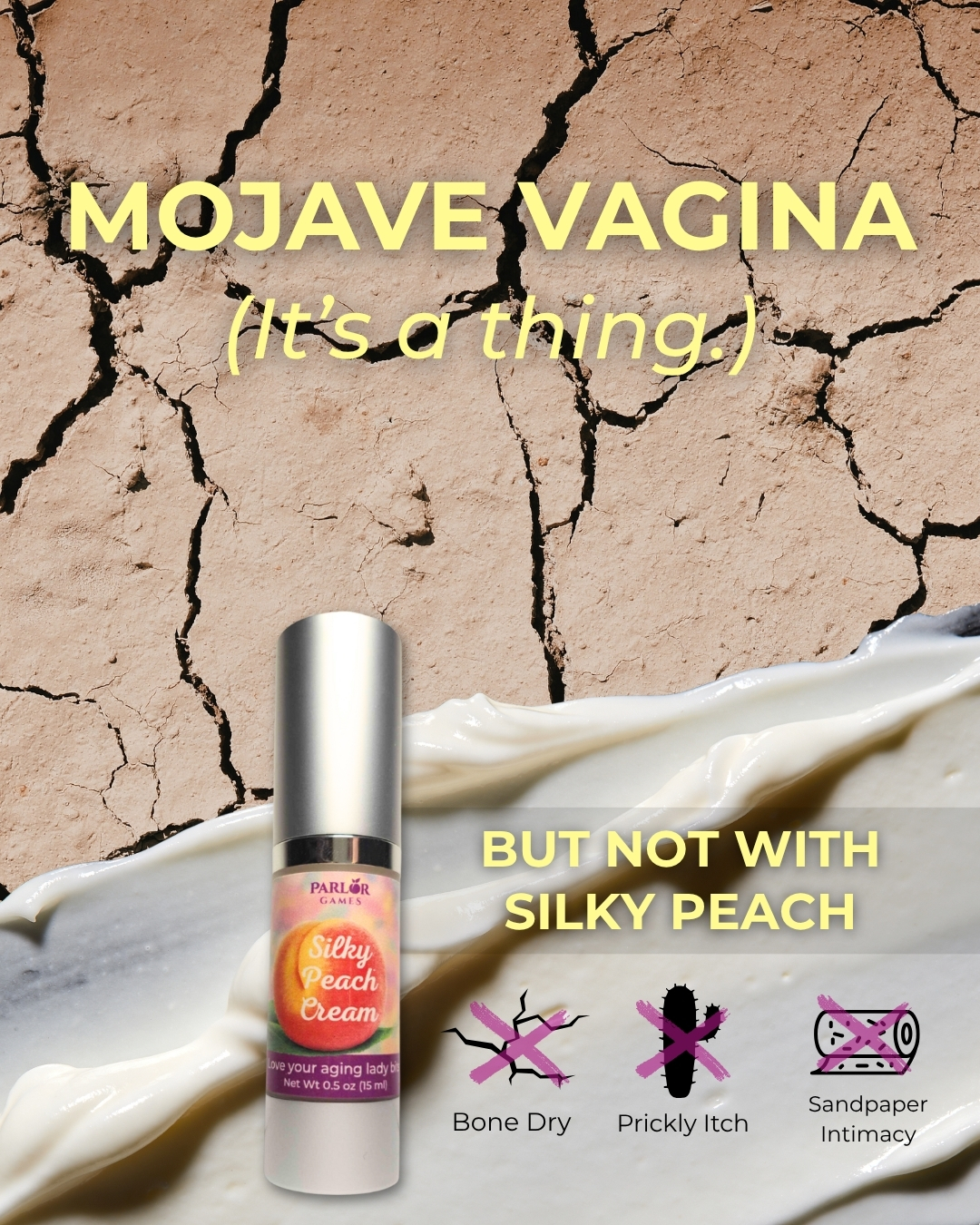

Active· since Jul 4, 2024
- 801
- days running
- 0
- relaunches
Ad copy
Between hot flashes, vaginal dryness, low energy, insomnia, sore joints, and mood swings, there are often a lot of issues in menopause that can be hard to manage (and sometimes we don't realize they might all be connected)... The hormone change story actually starts in the late 30's when our progesterone starts to gradually decline. Into our 40's a wider gap opens between estrogen and progesterone production. It's this hormone gap that results in some of the worst symptoms of perimenopause. Once we reach menopause, several hormone levels (estrogen, progesterone, and testosterone) are all significantly lower. So, here you are after the menopause transition, and you're noticing that you feel tired, and sore, and grumpy, and forgetful, and… (we don't have enough space to list the full 43 common symptoms of life post menopause 😆). But here is the thing; these symptoms don't always hit us like a truck, instead they roll out in a steady drip that's so slow it's barely noticeable. That is, until you look at a symptom checklist and think, "Oh my! I have several of these!" And then, when you try adding in one hormone, you often don't see the results you had hoped for — or, there are some gnarly unexpected side effects. This is because every hormone has a unique function, AND they also need to work in delicate harmony in order to resolve issues: 👉 Estrogen helps collagen production, vaginal health, and skin integrity. 👉 Progesterone works at balancing estrogen, alleviating hot flashes, leveling mood swings, reducing hot flashes, and maintaining bone, breast, and brain health. 👉 DHEA has many functions throughout the brain and body such as supporting heart health, or building bones (among many other things.) DHEA is also converted to testosterone, and testosterone is important for increased energy, helping muscle repair, brain function, and can help libido. It is the interplay between all three hormones that ultimately helps to regulate numerous functions in the body, neurotransmitters, and your nervous system function. Here's the good news — figuring out your happy hormone balance doesn't have to be a battle. 💗 The easiest option? Topical hormones! As opposed to pills or pellets, topical creams allow women to adjust and tune in to their body's exact needs — changing amount as needed, or as the body adjusts to hormones. Topical hormones also reduce how much work your liver has to do because creams are absorbed directly into the body and don't have to be digested and broken down by the liver first. When we developed the Happy Hormones Bundle, we kept this science in mind, knowing that so many women struggle with many hormone-related issues that are either left untreated or treated with a high dose of a single hormone. In reality, much more nuance is needed to get your hormones happy! Get your Happy Hormones here: https://www.parlor-games.com/lp/happy_hormones_30
Blending Hormones in Menopause
LEARN MORELike this ad? Make it yours.
Crush rebuilds this exact creative around your product — your brand, your colors, your offer — in about a minute.