
Inactive· since Feb 18, 2026
- 20
- days it ran
- 0
- relaunches
Ad copy
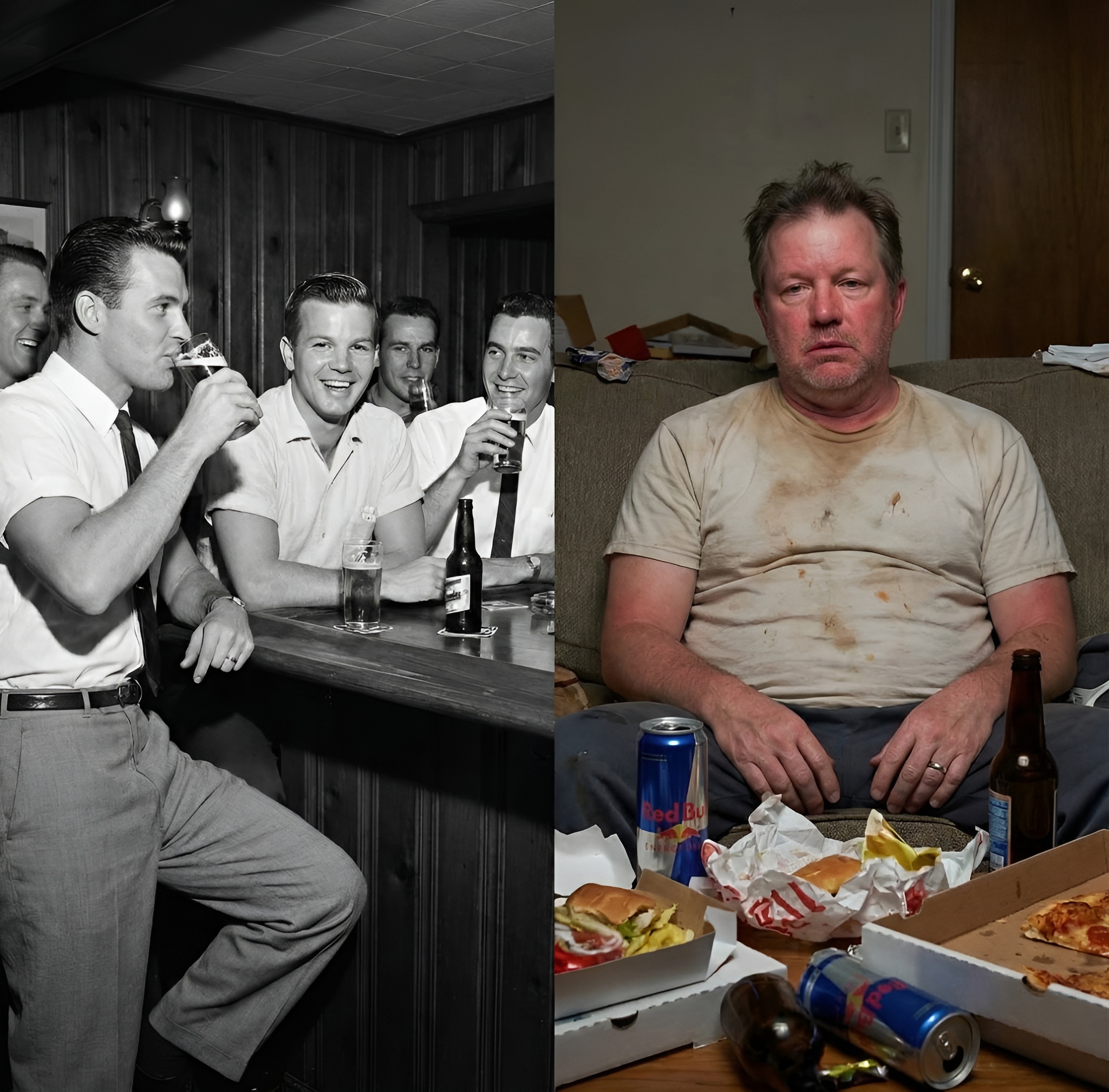
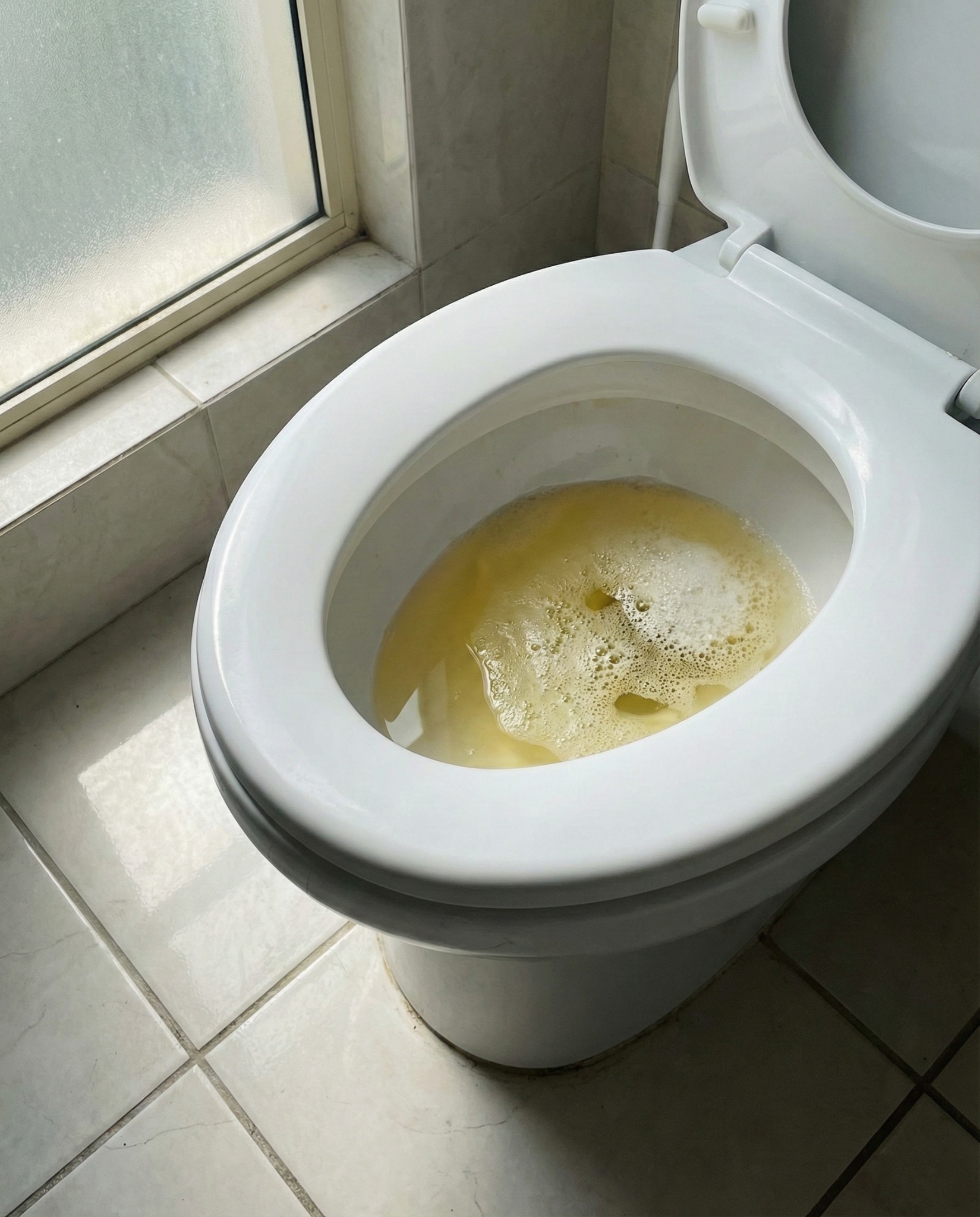
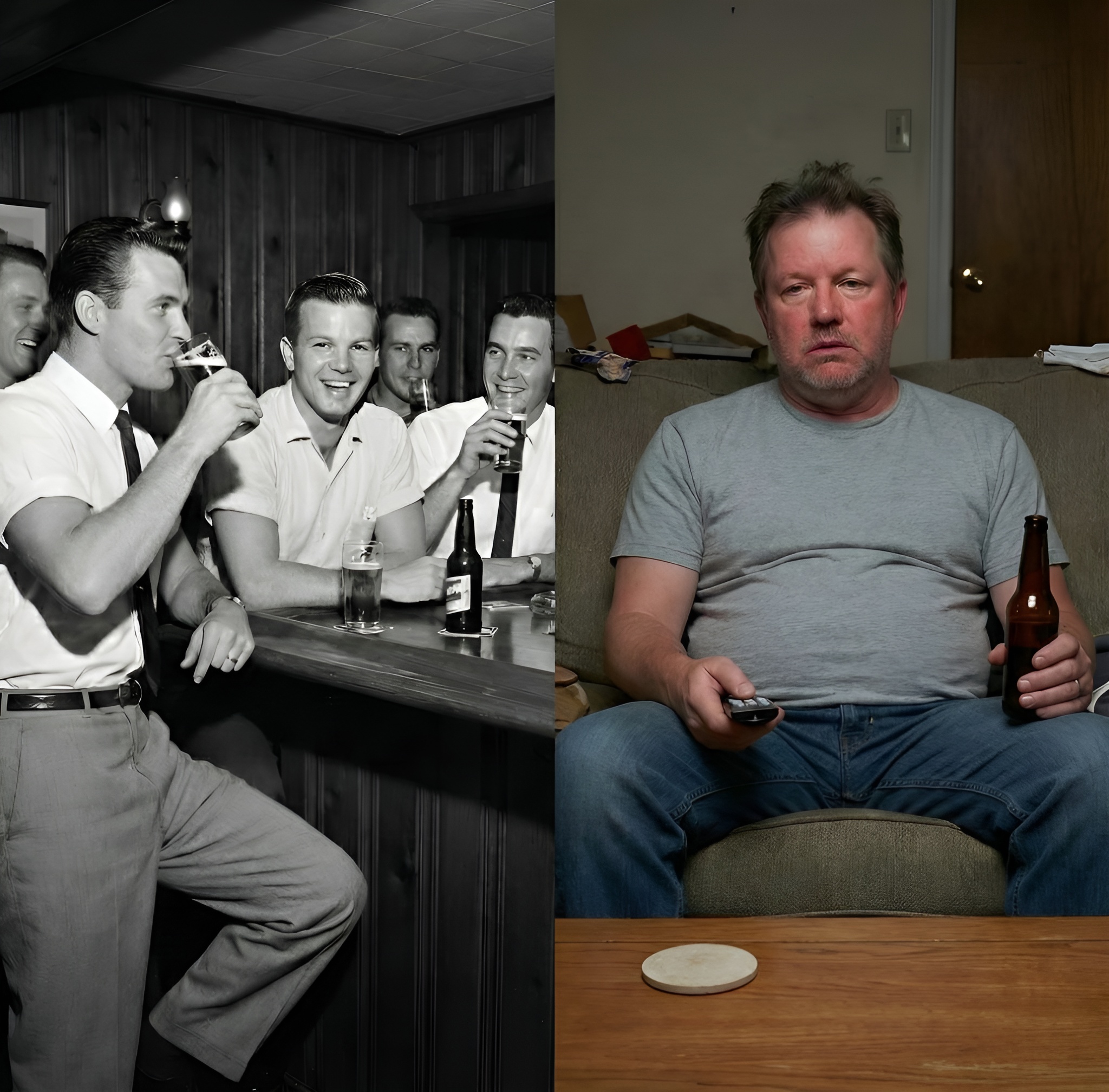
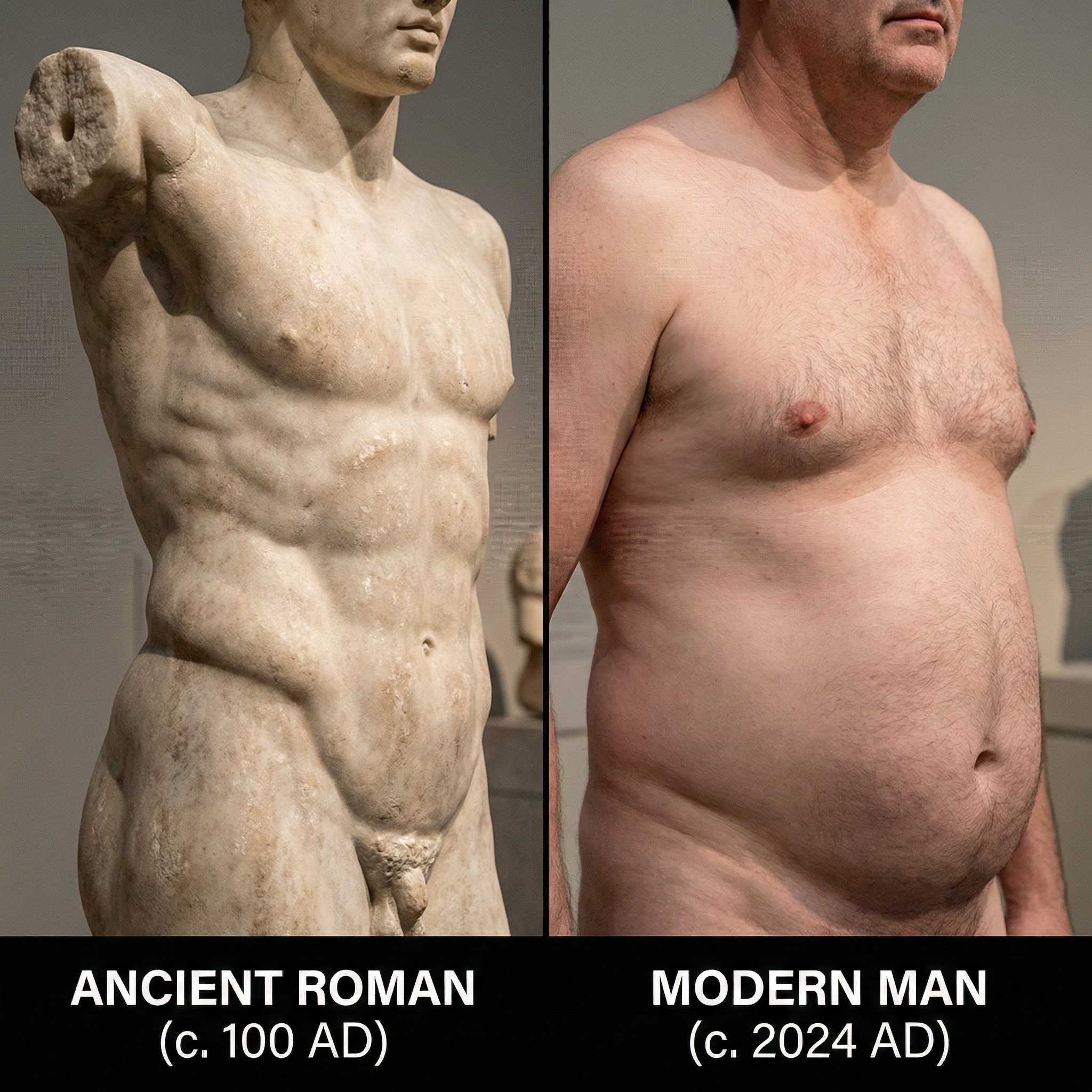
Roman gladiators ate 80% carbs and stayed lean and powerful. We eat carbs and get fat and diabetic. Here's what changed. I was reading a history book about ancient Rome last month when I found something that completely didn't make sense. Gladiators, the most physically elite athletes in the ancient world, ate a diet that was almost 80% carbohydrates. Barley, beans, wheat, lentils. The exact foods we're told will make you fat and diabetic. But when researchers analyzed bones from gladiator graves, they found these guys were lean, muscular, and showed zero signs of metabolic disease. Meanwhile, we eat way less carbs than they did, and we're in the middle of a diabetes epidemic. That paradox kept bugging me, so I did what anyone does when something doesn't add up… I went down a research rabbit hole at 2 AM. I found a study from the University of Vienna where researchers analyzed gladiator bones from a cemetery in Turkey. These guys were eating 600-800 grams of carbs per day. For context, the average American eats about 250 grams. Gladiators were eating triple the carbs we do, but their bones showed no insulin resistance, no diabetes markers, no metabolic damage whatsoever. I kept digging and found another study comparing ancient Roman skeletons to modern humans. Ancient Romans had livers that were 30% larger and showed signs of significantly better glucose metabolism. Their bodies processed carbs completely differently than ours do. Then I found the answer in a Roman medical text from 79 AD written by Pliny the Elder. He described how Roman physicians would give soldiers and gladiators something called "silybum marianum", milk thistle, specifically for "liver fortification" before battles and games. They understood that a strong liver was essential for physical performance and the ability to fuel the body with large amounts of food. That's when it clicked for me. Ancient Romans lived in a world without processed foods, pesticides, alcohol preservatives, industrial seed oils, and all the chemical exposure we deal with every day. Their livers were clean, so when they ate massive amounts of carbs, their livers could process the glucose properly and convert it to energy instead of fat. Our livers are overwhelmed. Years of alcohol, processed foods, environmental toxins, medications—all of it accumulates and damages the liver's ability to regulate blood sugar. So even when we eat less carbs than gladiators did, our damaged livers can't process them efficiently. The glucose has nowhere to go, so it gets stored as fat around our waist and our blood sugar stays elevated. It's not that carbs are inherently the problem - it's that our broken livers can't process them the way a healthy liver should. The Romans understood this 2,000 years ago, which is why they gave their elite athletes milk thistle to protect liver function. So I started wondering if the same approach could work for modern livers that have been damaged by modern toxins. I searched for high-concentration milk thistle extract that would match the potency of what Romans used, and that's where I hit a wall. Most supplements at CVS or GNC only contain 20-30% silymarin, which is the active compound that does the actual work. The clinical studies that showed real liver regeneration all used 80% concentration or higher - anything less doesn't cross the threshold to actually repair liver cells. I couldn't find 80% silymarin anywhere in the US, which seemed weird until I started researching why. Turns out, US supplement regulations prevent companies from producing milk thistle at pharmaceutical-grade concentrations. The FDA classifies anything above 40% as requiring drug approval, which costs millions and takes years. So American supplement companies are legally limited to making weak versions that don't actually work at the cellular level. But New Zealand has completely different regulations. Their Ministry of Health allows pharmaceutical-grade supplements to be manufactured and sold without requiring the same drug approval process as the US. This is the same regulatory framework that's made New Zealand a leader in producing medical-grade natural compounds that would require prescriptions in America. I found one company operating out of New Zealand called Uvora that was producing 80% silymarin extract at true pharmaceutical grade—the same concentration used in the European clinical trials that showed liver regeneration. Their production facility is licensed by New Zealand's Therapeutic Products Authority, which has stricter manufacturing standards than most US supplement facilities but allows higher concentrations of active compounds. The reviews were completely different from typical supplement reviews. Instead of "great product!" generic comments, people were posting photos of their bloodwork showing A1C improvements and liver enzyme normalization. One review from a physician said the concentration was higher than what he prescribes to fatty liver patients in Europe, and after seeing his own results, he'd started recommending it to other patients. I ordered it that night. It took about 9 days to arrive from Auckland. I started taking 1 capsule every morning with breakfast, and for the first two weeks, I didn't notice anything dramatic. But then something shifted that I wasn't expecting. I'd been trying to eat low-carb for months because every time I had pasta or bread, I'd bloat up and crash hard within an hour. But one night at a family dinner, I had a big bowl of pasta without thinking about it, and then I realized… nothing happened. No bloating, no exhaustion, no blood sugar crash. My body just processed it normally, like it remembered how to handle carbs again. By week 4, I went back for bloodwork because I wanted to see if what I was feeling had any measurable basis. My A1C had been creeping up over the past year and was sitting at 5.9, which put me in the prediabetic range. The new result came back at 5.3, which is solidly normal. My fasting glucose dropped 15 points, and both liver enzymes: AST and ALT, came down to normal range for the first time in 3 years. When my doctor saw the numbers, he asked what I'd changed. I told him about the pharmaceutical-grade milk thistle from New Zealand and the whole gladiator research rabbit hole. He'd never heard of using silymarin for blood sugar regulation, but he looked at the before and after numbers and said "I don't know how it's working, but whatever you're doing, keep doing it." Here's what I think is happening based on the research and my own results. When you give your liver pharmaceutical-grade silymarin at 80% concentration, you're providing the specific molecule it needs to regenerate damaged hepatocytes—the cells that regulate glucose metabolism. As those cells repair and start functioning properly again, your liver begins pulling sugar out of your bloodstream the way it's designed to, converting it to glycogen for energy instead of letting it circulate and get stored as visceral fat. It's not that the carbs changed or that you need to avoid them forever—it's that your liver can finally process them the way a Roman gladiator's liver could 2,000 years ago. I'm not saying you should go eat 800 grams of carbs like an ancient athlete, but I am saying we might have been blaming carbs for a problem that's actually about accumulated liver damage from living in a modern chemical environment. The Romans figured this out when they gave their fighters milk thistle for liver fortification. We forgot. Or more accurately, we forgot that the liver is the organ that determines whether carbs become energy or fat. I'm 51. Two months ago, my A1C was 5.9 and I couldn't eat a bowl of pasta without feeling like I needed a nap. Now my A1C is 5.3, my liver enzymes are normal, and I can eat carbs like a normal person without my body treating them like poison. I'm not on keto, I'm not on metformin, and I didn't change my diet. I just gave my liver what it needed to repair itself and do its job again. Or just think about this… if Roman gladiators could eat 80% carbs and stay lean and powerful, maybe the problem isn't the carbs. Maybe it's that our livers are too damaged from modern toxins to process them the way human livers are actually designed to. And no, I'm not saying carbs are suddenly healthy. I'm saying if your liver is broken, it doesn't matter what you eat… your blood sugar will be fucked either way. EDIT: A lot of you keep asking me where to get milk thistle… Here's the link 👇 https://getuvora.com/pages/liver-detox
Why gladiators ate massive carbs and stayed shredded
Your liver's clogged after years of drinking and junk food. This natural cleanse repairs the damage and flushes out the junk.
LEARN MORELike this ad? Make it yours.
Crush rebuilds this exact creative around your product — your brand, your colors, your offer — in about a minute.