
Stopped· since Sep 27, 2025
- 176
- days it ran
- 0
- relaunches
Ad copy
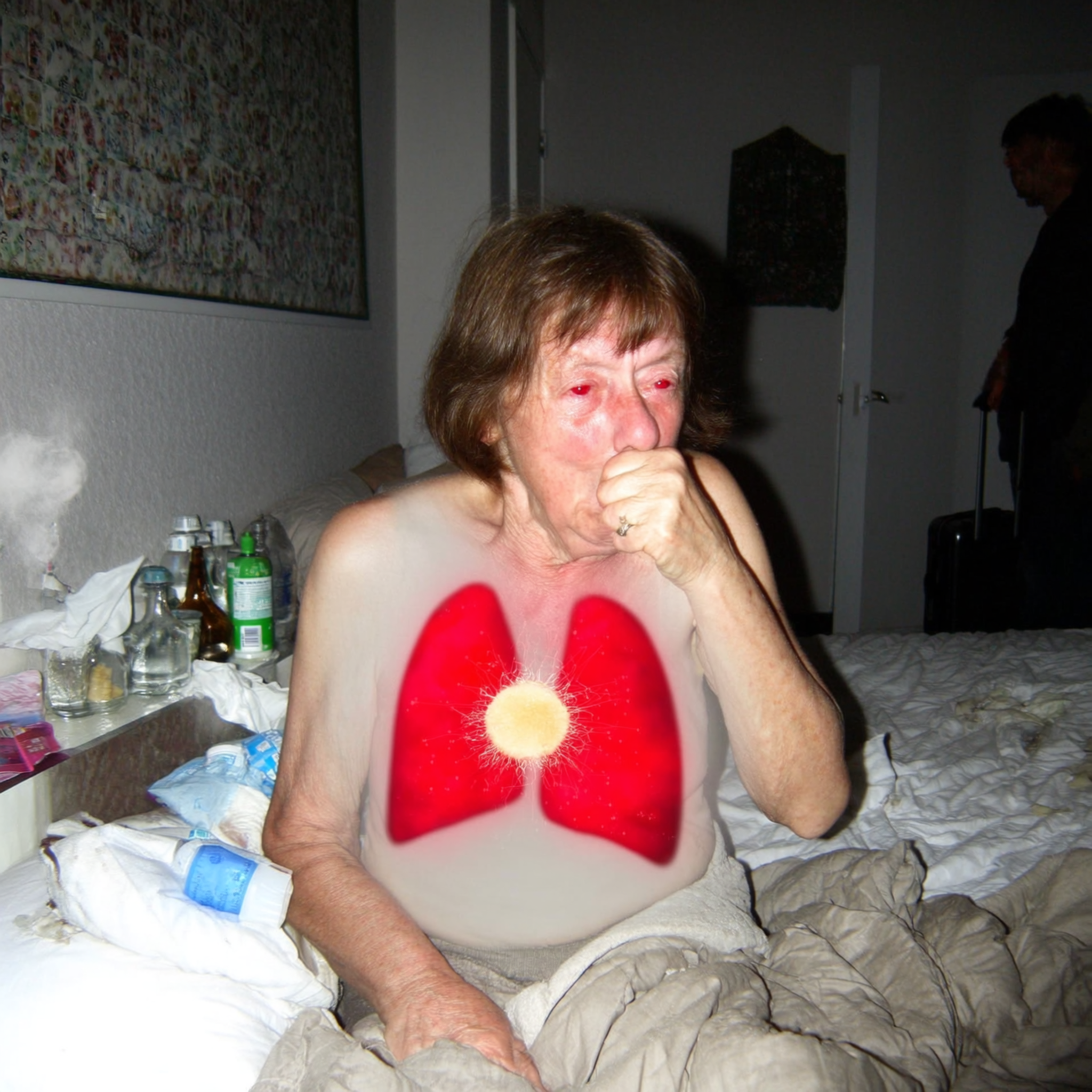
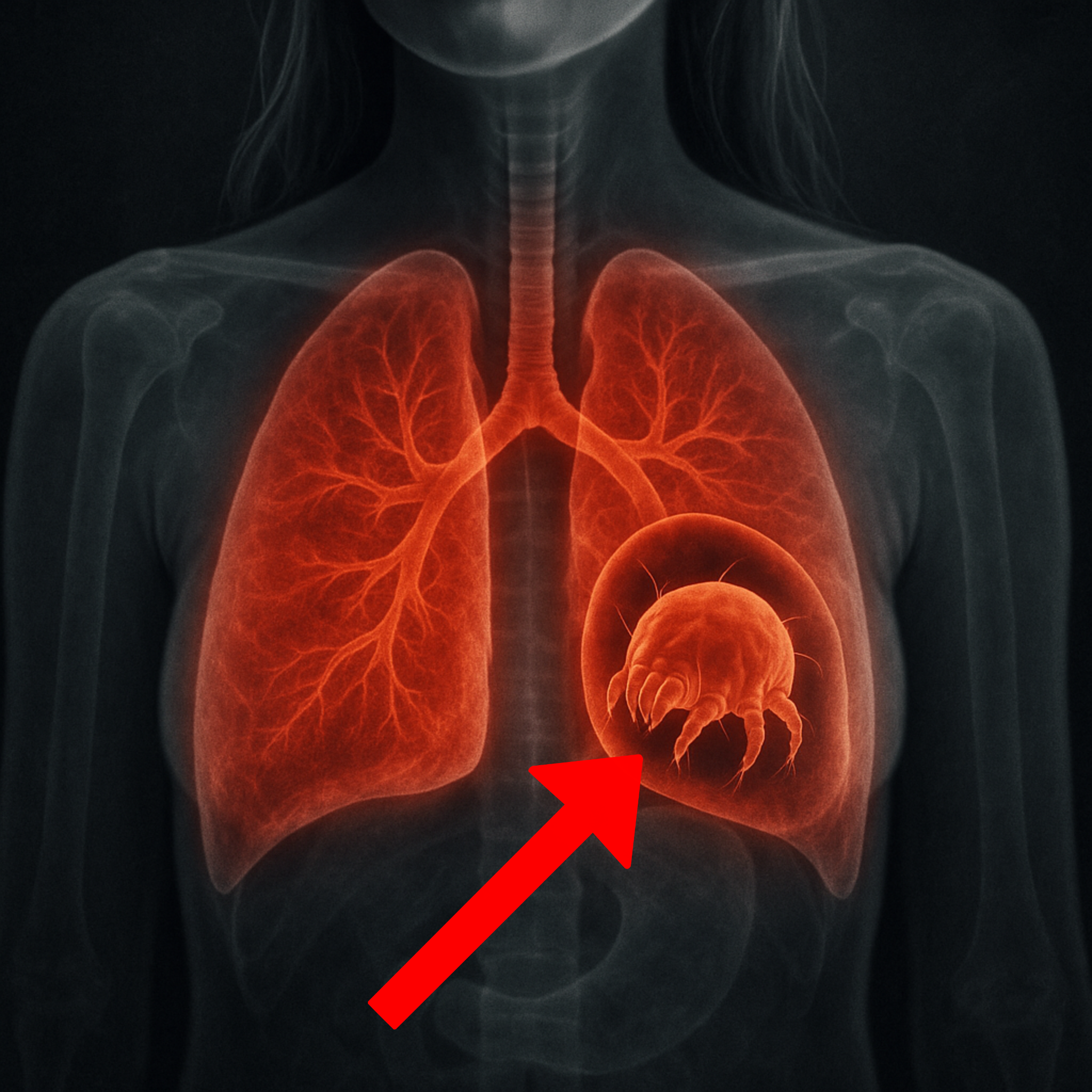
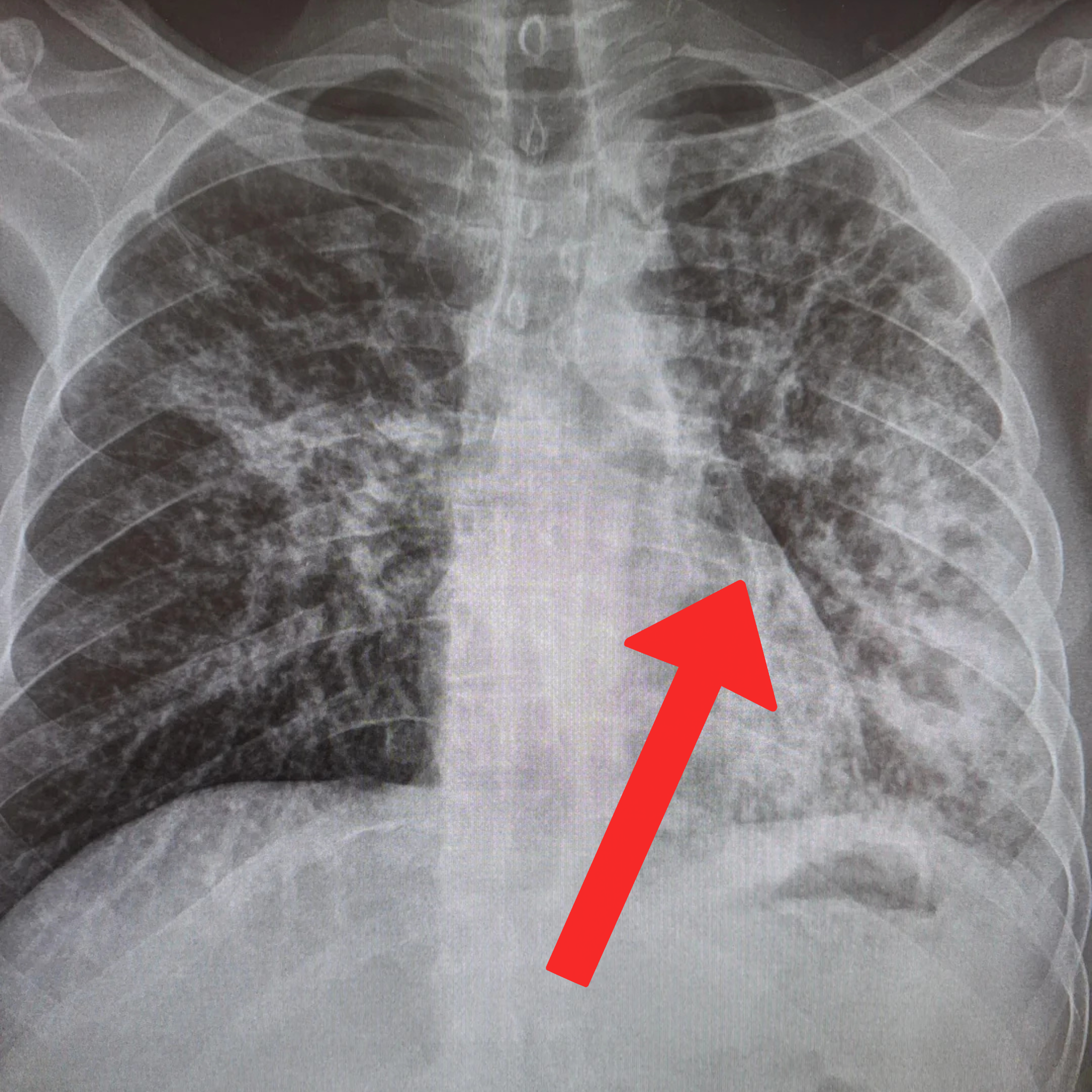
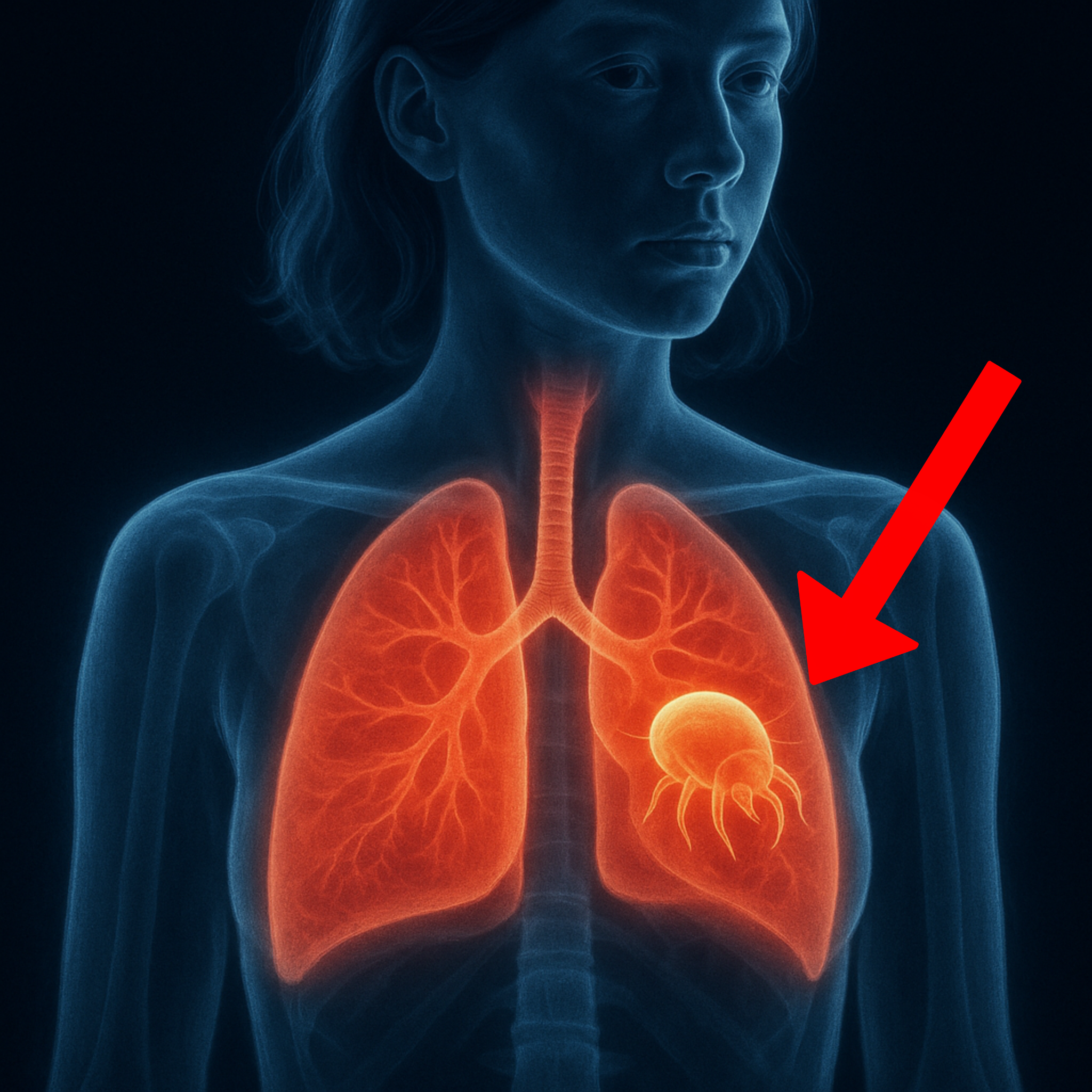
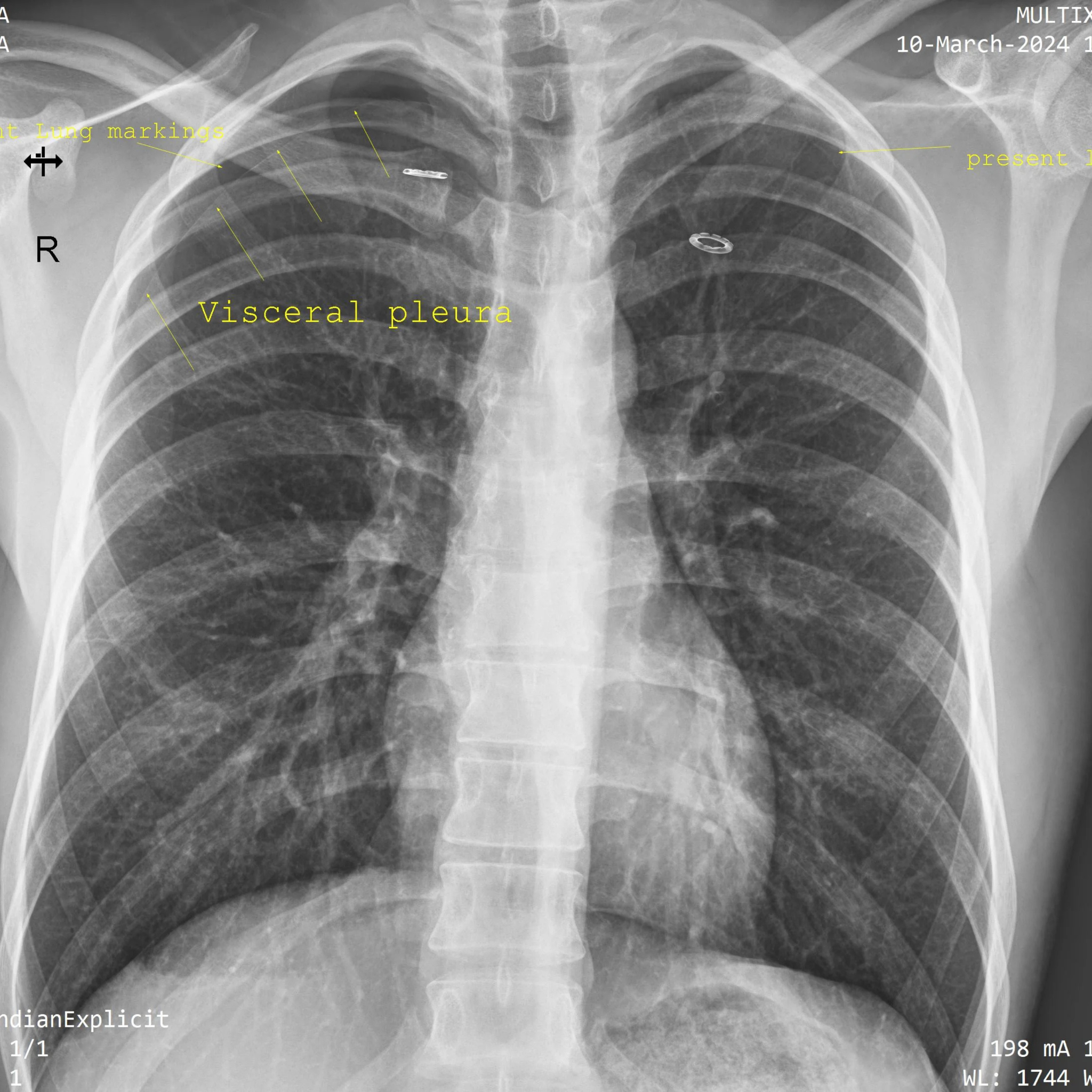
"The cardiologist said my heart was perfect, but I was still waking up gasping for air." Four months. Four specialists. Thousands of pounds in tests that all came back normal. I'd gone from being a healthy 52-year-old woman to someone who couldn't sleep through the night without waking up in a panic, clutching my chest, desperate for air. It started gradually. A little congestion here and there. Some restless nights. But by December, I was waking up every single night between 2 and 4 AM, my heart racing, my airways so constricted I thought I was dying. My husband would find me sitting on the edge of the bed, trying to catch my breath, tears streaming down my face. "Should we go to the emergency room?" he'd ask, and honestly, some nights I wasn't sure. The first doctor thought it was sleep apnea. Spent £800 on a sleep study that showed nothing wrong with my breathing patterns. "Your airways are clear," they said. "Try losing some weight." The second doctor was convinced it was anxiety. Prescribed pills and told me stress could manifest in physical symptoms. The pills made me groggy, but I still woke up gasping. The third doctor ran every heart test imaginable. EKGs, stress tests, echocardiograms. Everything perfect. "Maybe it's acid reflux," he suggested, handing me a prescription for Prilosec. By January, I was desperate enough to see a pulmonologist. More tests. Chest X-rays, breathing function tests, even a CT scan looking for blood clots. All normal. "Sometimes these things resolve on their own," she said with a shrug that made me want to scream. "Try an air purifier." I was drowning in medical bills and no closer to answers. Worse, I was starting to doubt myself. Was I going crazy? Was this all in my head? The worst part wasn't even the physical symptoms. It was the fear. Every time I laid down at night, I wondered if this would be the night I couldn't catch my breath at all. I started sleeping propped up on three pillows, sometimes dozing in our recliner instead of the bed. My energy during the day was nonexistent. I'd call in sick to work, telling my boss I had "a respiratory thing" because I couldn't explain that doctors kept telling me nothing was wrong while I felt like I was suffocating in my sleep. Friends started avoiding my calls. I'd become that person who only talked about symptoms and test results. My husband was patient, but I could see the worry in his eyes. What if the doctors were missing something serious? Then came the night that changed everything. It was a Tuesday in February. I woke up at 3:17 AM with the familiar panic - tight chest, blocked nose, that horrible feeling of not getting enough air. But this time, instead of sitting there fighting it, I got up and walked to the guest room. Within ten minutes, I could breathe normally again. I stood there in the hallway, my mind racing. This wasn't the first time I'd felt better after leaving our bedroom, but I'd always attributed it to anxiety relief or just moving around. What if it wasn't anxiety at all? The next morning, I called someone completely different. Not another doctor, but an environmental health consultant I found online. "I think something in my bedroom is making me sick," I told her, feeling ridiculous. "You'd be amazed how often I hear that," she said. "Especially from women your age. Let's test your indoor air quality." When she arrived with her equipment two days later, I was nervous. What if this was another dead end? What if I really was losing my mind? The readings she showed me explained everything. Our bedroom air contained levels of dust mite allergens so high her meter couldn't properly register them. The concentration was particularly intense in the area around our bed - exactly where I spent eight hours every night trying to sleep. "Here's what's happening," she explained, showing me the data. "Dust mites produce waste particles so small they become airborne with the slightest movement. When you lie down, you're breathing in concentrated allergens for hours. Your body is having an inflammatory response that's closing your airways." "But why didn't the doctors find this?" "Because they were looking for structural problems with your heart and lungs. This is an environmental trigger causing an allergic reaction that mimics serious respiratory conditions. Most doctors don't think to test for bedroom air quality when someone comes in with breathing problems." She explained that our mattress, despite being only five years old, had become a breeding ground for millions of microscopic dust mites. Every time we moved in bed, shifted our pillows, or even just breathed, we were releasing clouds of their waste into the air right around our faces. "The reason you feel better in other rooms is because you're not in this concentrated allergen cloud. Your symptoms match severe dust mite allergy, not heart problems or anxiety." For the first time in months, everything made sense. The timing of my symptoms. Why they were worse at night. Why every medical test came back normal. Why changing rooms helped. I wasn't crazy. I wasn't dying. I was being poisoned by my own bedroom. The solution she recommended wasn't another air purifier for the corner of the room. Those can't handle particles this microscopic, and they don't work in your immediate breathing zone where the concentration is highest. Instead, she suggested an ionic air purifier designed specifically for bedside use. These devices release negative ions that attach to dust mite allergens, making them too heavy to float in the air right around your pillow. "Think of it as creating a clean air bubble in your breathing space while you sleep," she explained. I was skeptical but desperate. That night, I placed a small ionic purifier on my nightstand, about eighteen inches from my pillow. It was completely silent - just a tiny green light. I slept for six straight hours. The second night, seven hours. By the end of the week, I was sleeping through the night consistently for the first time since October. It's been three months now. I wake up breathing normally. My energy is back. I'm not afraid to go to bed anymore. But I keep thinking about those four months of terror. The thousands of pounds spent on tests that couldn't find what was actually wrong. The specialists who made me feel like I was imagining symptoms that were very, very real. I think about other women who might be going through this same nightmare right now. Bouncing between doctors, being told it's anxiety or acid reflux or "just getting older" when the real cause is microscopic creatures in their mattress producing allergens they breathe all night long. If you're reading this at 3 AM, wondering if you're going crazy because you can't breathe in your own bed but every test comes back normal, you're not losing your mind. You're not overreacting. There might be an invisible war happening in your bedroom that no doctor thinks to test for. The symptoms are real, even if the cause is something medical school doesn't teach them to look for. The ionic purifier I'm using is called Clairu. It's specifically designed for dust mite allergens and works in your immediate breathing zone while you sleep. No noise, no filters to replace, no medications. I'm sharing this because three months ago, I was convinced I was dying of some undiagnosed disease. The answer wasn't in another specialist's office or another expensive test. It was understanding that sometimes the most serious-feeling symptoms have the simplest environmental causes. Your first full night of breathing clearly is closer than you think.
Like this ad? Make it yours.
Crush rebuilds this exact creative around your product — your brand, your colors, your offer — in about a minute.