Carol Harper
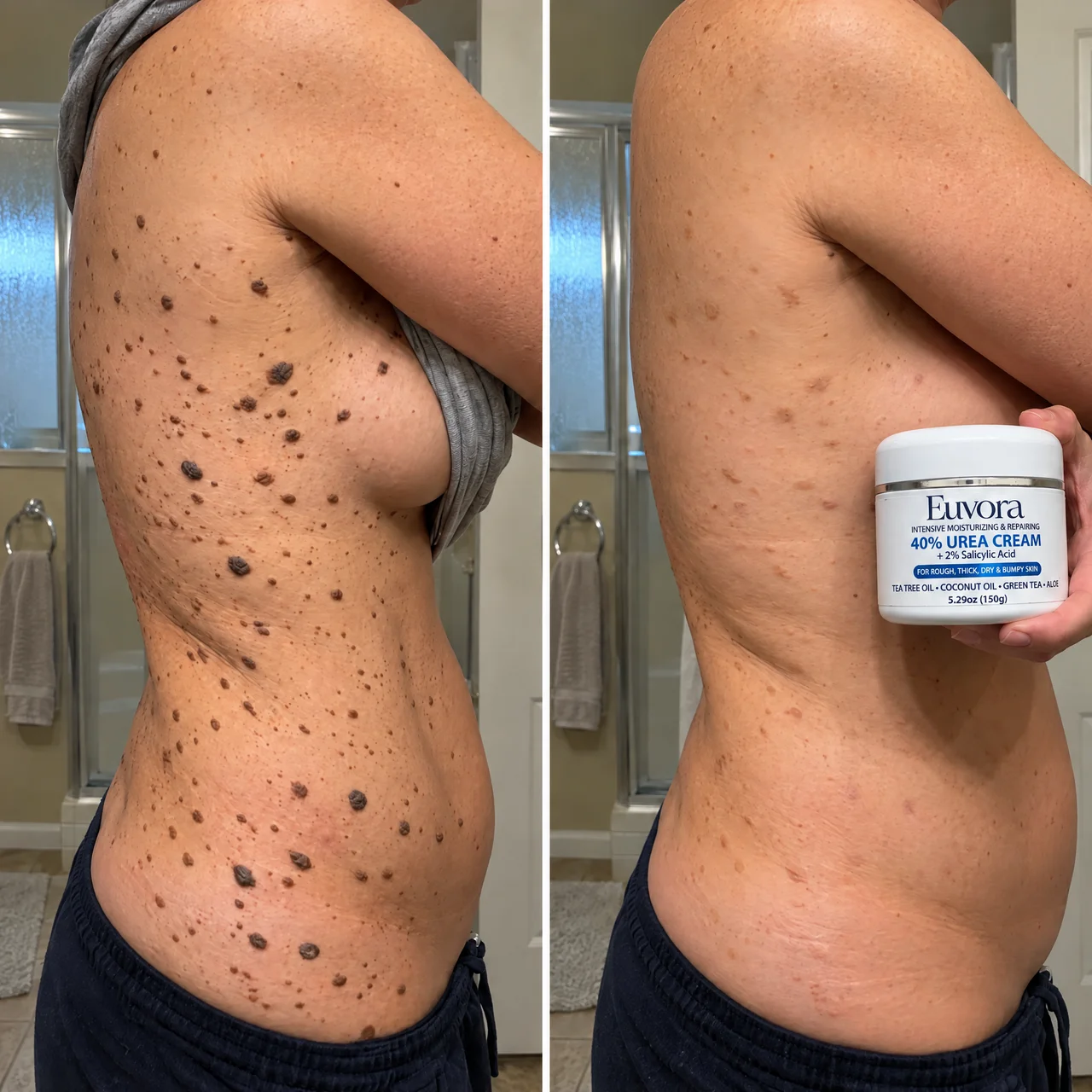
 Facebook ad: “My Own Work Clothes Were Making Them Worse.”
Ran for 13 days, from October 16 to October 29, 2026, the last day Crush saw it.
Run by Carol Harper on Facebook. Crush is not the advertiser and does not verify its claims. See this ad in Meta's Ad Library(opens in a new tab)
Make your own version of this ad
Crush makes it, launches it in your own Meta ad account, scales the winners and pauses the losers.
About this ad
- Meta Ad Library ID
- 1128605702961008
- Platforms
- Facebook, Instagram, Audience Network, WhatsApp and Threads
- Relaunches
- 0
- Niche
- Fashion & Apparel
Ad text
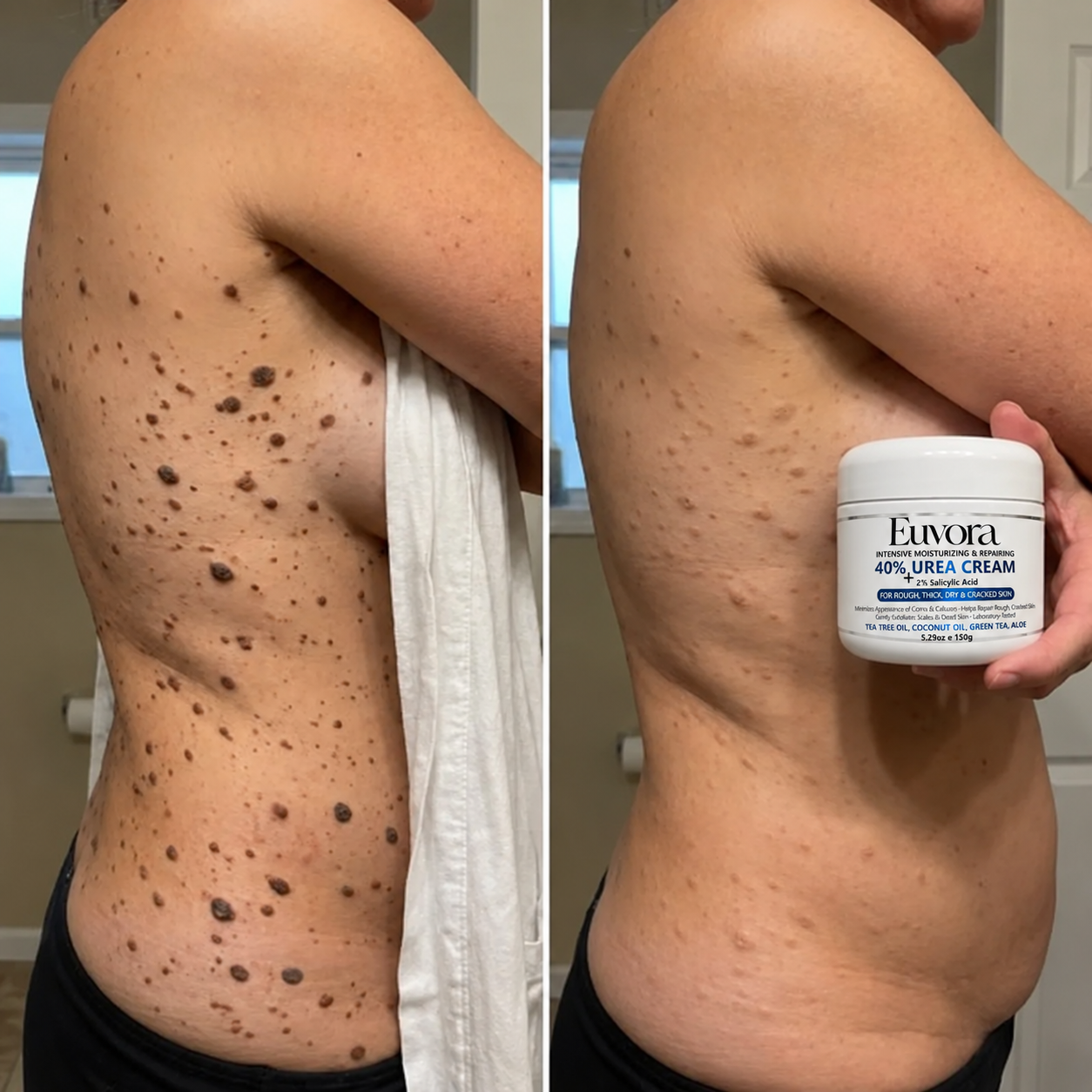
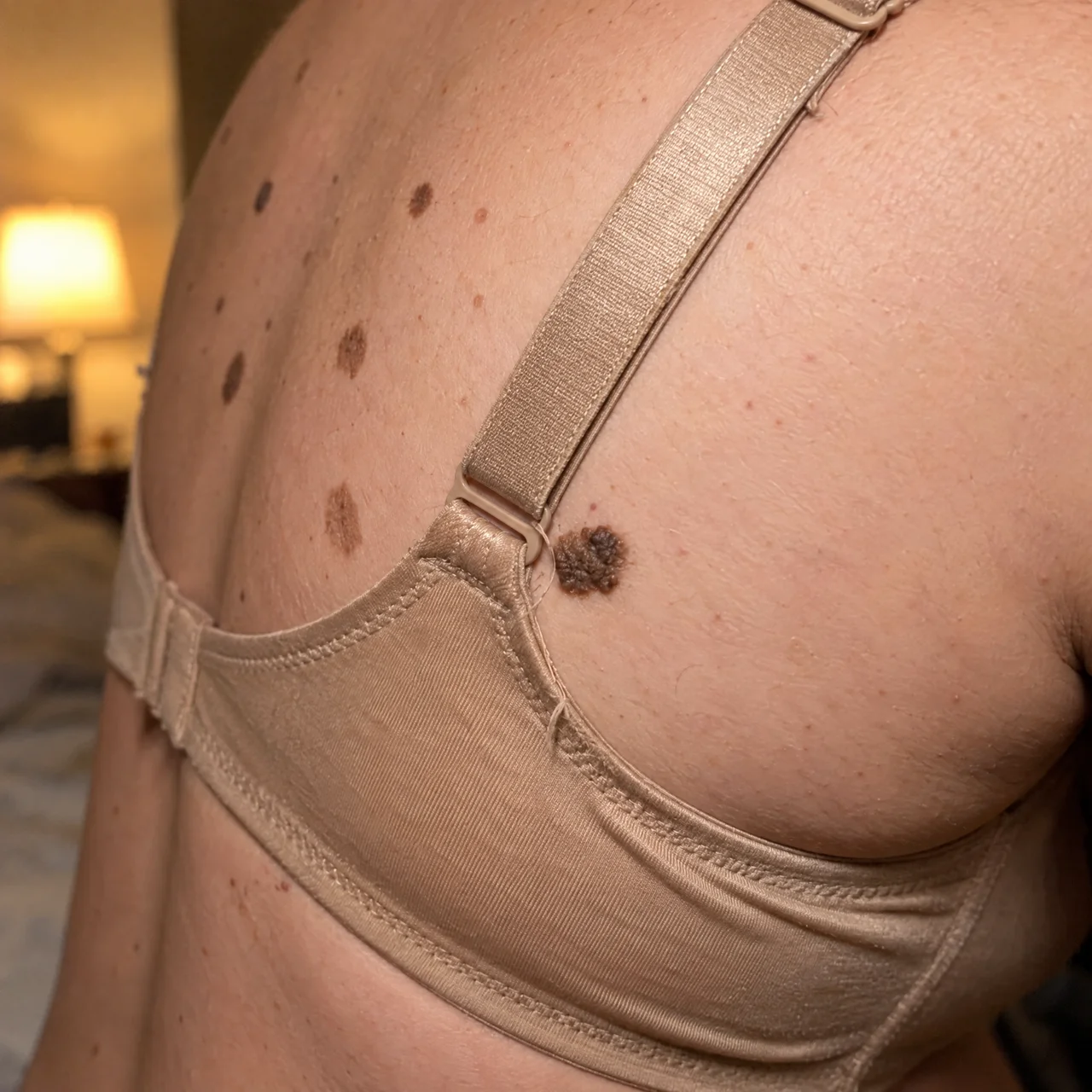
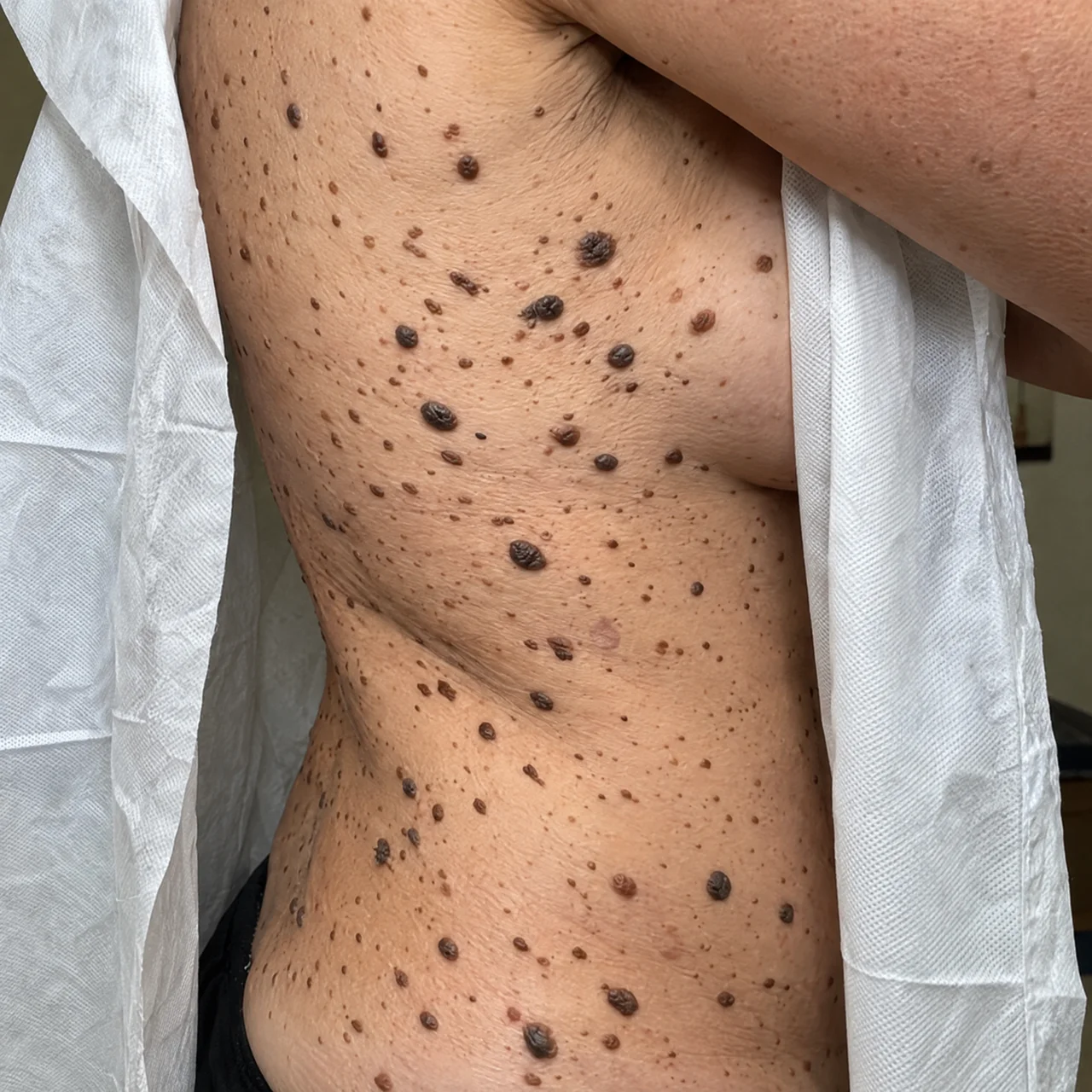
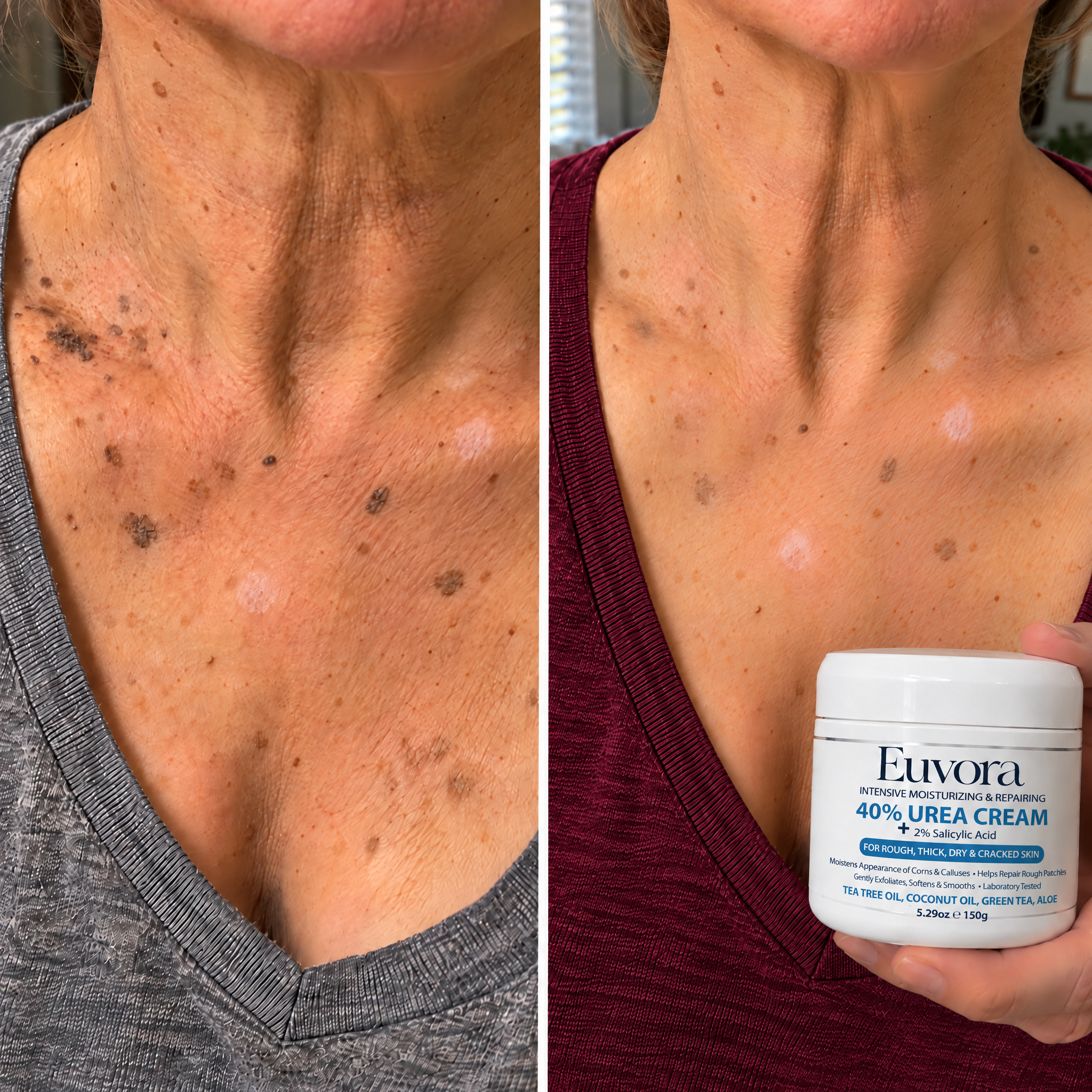
To anyone with seborrheic keratoses who has pulled up a professional photo of themselves, a headshot, a conference page, a company website, and seen the ones across their neck and chest visible to every colleague and client who looks, who has spent hundreds trying to get ahead of them and is still falling behind, this is why removing individual spots will never keep up with what your skin keeps producing. I noticed the increase about a month into my new position. I'd had seborrheic keratoses for years before that. Flat sharp ones. Rougher crusty ones. Clusters across my back and trunk I'd been managing with my dermatologist appointments and hiding under higher necklines. But within six months of starting the new role, professional clothing five days a week, there were significantly more on my neck and upper chest than I'd had in the previous three years combined for some reason. The collared shirts. The lanyards at conferences. The work clothing rubbing the same areas every single day. I'd read that constant friction can aggravate seborrheic keratoses and can trigger keratin overproduction in specific zones. My new position had been proving that every day for the last six months. I have a lot of these. Like, a lot. And the professional setting made covering them harder than anywhere else. Every morning before work I'd stand at the mirror and calculate. Not what to wear but what was visible in what I was wearing. Which blouses hid the ones on my collarbone. Which necklines showed the ones my dermatologist had just frozen off. Whether my lanyard covered what the collar didn't. The multiple sessions I'd been booking, $250 every time, always left white marks on my neck and chest. In a work setting, white marks in a visible location were a separate problem from the barnacles themselves. I'd swapped one thing colleagues might notice for another. Then I saw my work headshot. The photographer had sent through the options. I opened them on my phone. The ones across my neck and collarbone were clearly visible in every single shot. Nothing dramatic. But certainly clearly. The kind of thing a colleague or client would see on the company website. The kind of thing that would be the first professional image anyone saw when they searched my name. I knew something needed to change when I discovered eleven new ones on my neck and upper chest since my last session. Eleven. In six weeks. In the same spots that my work clothing rubbed on every single day. I'd already tried cryotherapy more times than I could admit. $250 each session. Every time they were thorough they got a solid number in one go. Within a month they returned. White marks where the barnacles had been in spots visible above a work blouse. I tried a glycolic exfoliating stick someone in a forum recommended for SKs. Used it every night across my neck and chest for weeks. My skin felt smoother generally but the actual raised spots, the thick crusty ones visible in work clothing, didn't shift at all. The product was working on the normal skin around the spots while the spots themselves sat completely untouched. I priced up IPL. Multiple sessions a year at hundreds of dollars each. I couldn't keep that up. Not for something that kept getting bothered every single day I got dressed for work. I went back to my dermatologist. "We could do another round of cryo," she repeated. "Or look at IPL for the larger areas on your neck and chest." "The cryo left white marks," I said. "On my neck. In a professional environment that's its own problem. And they came back the same month. I've been in this role for six months and the ones on my neck and chest have multiplied faster than the three years before. The friction from the collared shirts and lanyards is bothering them every single day. I can't just stop wearing my professional clothing." She nodded. "That kind of constant friction can for sure aggravate them. And do tend to recur. It's just the nature of them." Just the nature of them? I couldn't eliminate the trigger. I couldn't stop these sessions from leaving white marks in visible spots. The glycolic stick couldn't reach the same spots. And I was losing ground faster than any approach could keep up with. I was stuck. That was about three weeks before I ran into Michelle at a work conference. Michelle and I had mentioned our SKs before, briefly, the way you bring up something you've quietly accepted as permanent. She'd had them for years. Same professional situation as mine, same visible locations, covering up in work settings, the same dermatologist visits. But something was different about her at the conference this time. She wore a blouse with a lower neckline than I'd ever seen her choose for a work event. The ones across her chest and collarbone, the ones I'd noticed at previous conferences, looked completely different. I waited until the break. "Your skin," I said. "The barnacles on your chest. They look… noticeably different." She was almost surprised I'd noticed. "I know," she said. "I keep forgetting I can just wear my normal clothes now. Even to work." "What did you do? Because the friction from my new position is retriggering mine every single day. My collared shirts. These lanyards. The barnacles on my neck have multiplied more in six months than in the previous three years. I've tried doing cryo but white marks were left in visible spots. I tried a glycolic stick for weeks from a forum recommendation but that didn't touch the actual spots. I can't keep up with the multiple IPL’s. And the trigger isn't going anywhere." "I tried that same glycolic stick too," she said. "Same result. Smoother skin around the spots but the spots themselves didn't move at all. A friend explained why. She said the reason glycolic sticks and most exfoliants don't do anything to these is because they're formulated for normal skin cell turnover with concentrations too weak to reach what these spots actually need. They're compressed keratin. Tough hardened protein. A surface exfoliant simply won’t get into that structure. It just works above it." "That's exactly what happened. My skin felt smoother but the spots were the same." "Her friend told her about something formulated with a concentration strong enough to actually penetrate the tough keratin and soften it from within. Not surface exfoliation. Structural softening. Works across all of them together instead of just one at a time." "And it kept up even with a daily friction trigger?" "I was so skeptical I didn't say a word to anyone. Then a colleague asked what I'd done to my skin. Said the ones on my neck and chest looked different. She'd noticed them at the last conference." She pulled out her phone and showed me photos. Four months process. The difference was significant. "Can you send me what it's called?" That night I couldn't stop thinking about what Michelle had explained. Seborrheic keratoses are physical growths with abnormal keratin buildup compressing and hardening faster than the skin can shed it. Flat rough ones. Tougher crusty ones. Friction accelerates exactly this process, repeated mechanical stimulation triggers keratin overproduction in the specific zone. That's why my neck and chest multiplied quicker since I started the new position. The work clothing was retriggering the exact zones where the spots were most professionally damaging. That's why cryotherapy only worked temporarily, it destroys the growth but not the keratin overproduction. Which is why they came back. And why they came back fastest in the zones professional clothing kept retriggering between every session. That's why the white marks were a second problem, cryotherapy damages surrounding skin in the process of destroying the growth. In visible professional locations that trade was worse than the spots themselves. That's why the glycolic stick didn't do anything, at such a low concentration for normal skin cell turnover, not the compressed keratin structure forming each growth. It exfoliated normal skin at the surface while the dense keratin underneath stayed completely intact. That's why IPL helped more than anything else but at several sessions a year couldn't keep pace with a trigger active every single day she got dressed for work. The trigger wasn't going anywhere. The only way to keep up with it was something that worked consistently at home, softening the compacted keratin across all of them at once rather than removing individual ones between appointments while friction kept producing new ones in every gap. When I looked into Euvora 40, what Michelle had explained finally made sense. Everything I'd tried had either destroyed individual growths one at a time, or worked on normal skin at concentrations too low to reach the tough keratin forming each spot. This works differently. Urea at high concentration crosses a threshold where it stops acting as a moisturizer and becomes a keratolytic. It interferes with the hydrogen bonds holding compressed keratin together, softening the tough protein structure from within rather than working on the surface above it. Salicylic acid loosens the cohesion between those keratinized cells once softened so they can actually shed instead of sitting compressed. One softening the tough structure from within. One releasing what's been softened so it can clear. Green tea and aloe calm the skin after keratolytic action. Tea tree oil supports a more even tone where spots were darkened. Coconut oil protects the skin barrier. Unlike cryotherapy, which left white marks in visible professional locations and didn't stop new ones forming in the friction zones, this softens the buildup without damaging surrounding skin. Unlike the glycolic stick, which worked on normal skin at a concentration too low to reach compacted keratin, this was formulated at the concentration where keratin bonds actually begin to break. Unlike IPL, unsustainable at several sessions a year for something retriggered daily, this works consistently at home across all of them all together. It’s not a cure. And it doesn't stop friction being a trigger. But for someone whose professional life was retriggering new ones every day in zones she couldn't cover at work, a high-strength keratolytic that softens the compacted keratin across all friction zones simultaneously is something no session or surface exfoliant had offered. I placed an order that same night. I started applying it every night across my neck, chest, collarbone, and upper back as far as I could reach. A small amount across each area. Leave it on. Day 5: the flatter ones along my collarbone felt different. Less raised. Less defined where they met the surrounding skin. Day 7: I took a photo and compared it to one from two weeks earlier. The zones that had been multiplying fastest were visibly less prominent. Day 10: I caught myself not running through the pre-work mirror calculation automatically. First time in months. Day 14: the harder scaly ones on my neck were still there but the edges had softened. New ones still appearing in the friction zones but smaller and flatter than the ones I'd been booking sessions to remove. Week 3: I wore a blouse with a lower neckline to a client meeting. The ones across my collarbone that had always pushed me toward more coverage in a professional setting. Didn't occur to me until I was already sitting in the meeting room. Week 4: Michelle messaged to ask how it was going. "The flat ones are basically gone. The harder ones are softer and flatter. New ones still showing up in the friction zones but smaller than they used to get. And I wore a lower neckline to a client meeting without even thinking about it." "That last part. That's the one. Keep going. It keeps working." New ones still arrive. Friction is still a trigger, that hasn't changed. But they don't get the chance to build into what they used to become. I manage all of them consistently at home rather than waiting until there are enough to justify another session that leaves white marks in visible locations. I'm not cured. I never expected to be. But for the first time I feel like I'm actually keeping pace with something my working life keeps retriggering every single day. If this is your life right now, watching seborrheic keratoses multiply fastest in the zones work clothing rubs every day, covering up in professional settings where covering up isn't always an option, spending hundreds on sessions that leave white marks in visible locations while the friction trigger keeps producing new ones between every appointment, you need to understand something. This isn't just about the barnacles. It's about a trigger you can't take out of your life outpacing every removal approach you've tried. Seborrheic keratoses are compacted keratin growths. Cryotherapy removes them temporarily and leaves white marks in professional locations. Glycolic sticks work on normal skin at concentrations too low to reach the dense keratin forming each spot. IPL requires sessions you can't sustain at the rate friction keeps triggering them. None of them soften the compressed keratin consistently, at home, across all friction zones at once. If nothing changes you're another session that leaves white marks where colleagues can see. Another conference calculating what the lanyard covers. Another professional photo where the ones across your neck and chest are visible to everyone who looks. Euvora 40 comes with a 60-day money-back guarantee. Long enough to watch the ones in the friction zones soften, feel the harder ones shrink, and stop running through the pre-work mirror calculation automatically. Notice when you stop calculating necklines before work events. Notice when a colleague mentions something looks different without you bringing it up. Notice when new ones appear smaller in the zones that used to multiply fastest. You don't have to keep covering up in settings where covering up has limits. The morning you stood in front of the mirror before work and calculated what was visible in every neckline, knowing the collared shirt you were about to put on was retriggering the same zones you'd just paid hundreds to clear? This is how you finish that. Learn more about Euvora 40 👇
Where the ad sends people
shopeuvora.com
My Own Work Clothes Were Making Them Worse...
Every morning I'd calculate what neckline covered what. Then I saw my headshot and counted eleven new ones since my last appointment. That's when I stopped trying to keep up one spot at a time.
Learn more: shopeuvora.com(opens in a new tab)