
Inactive· since Jun 5, 2026
- 7
- days it ran
- 0
- relaunches
Ad copy
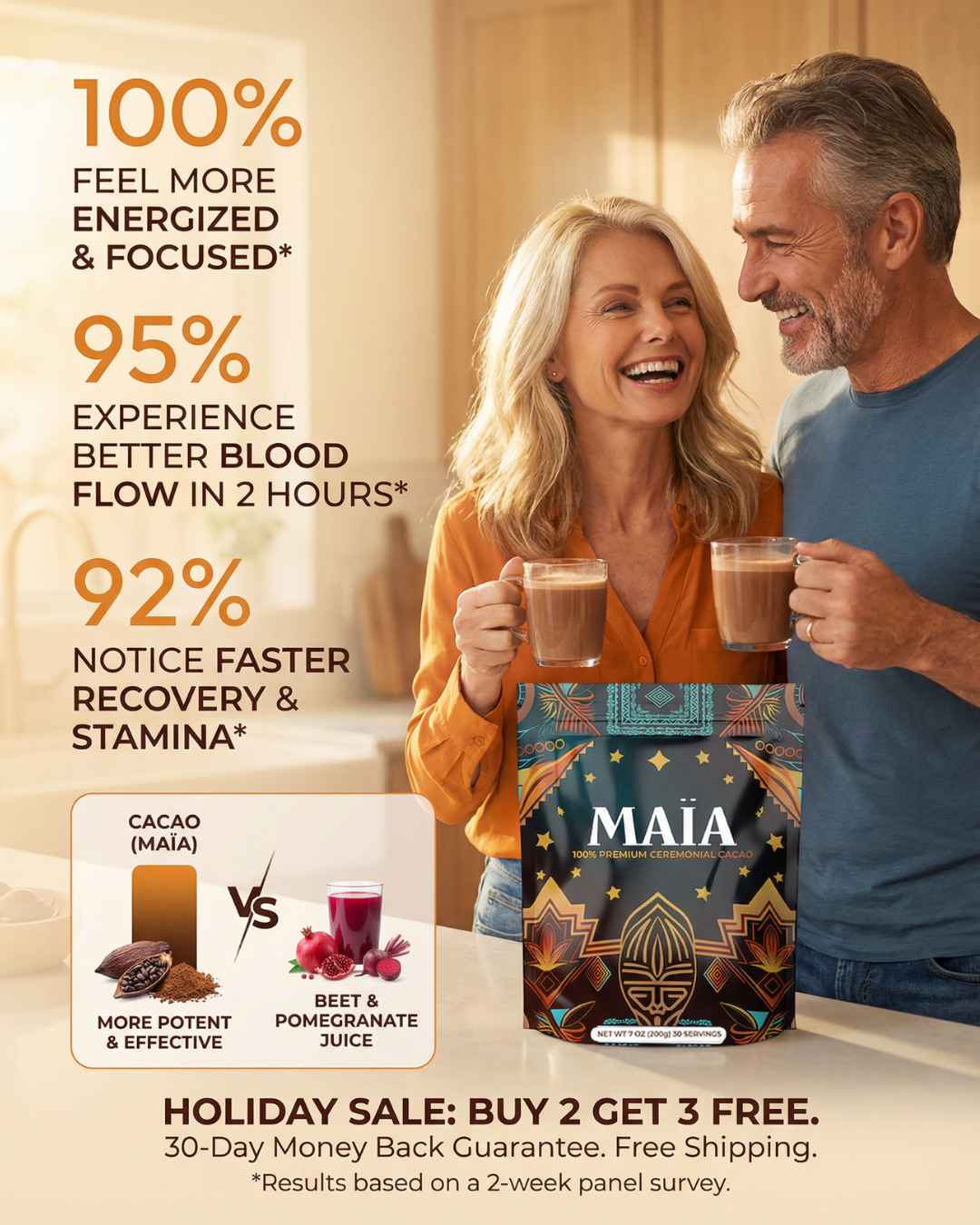
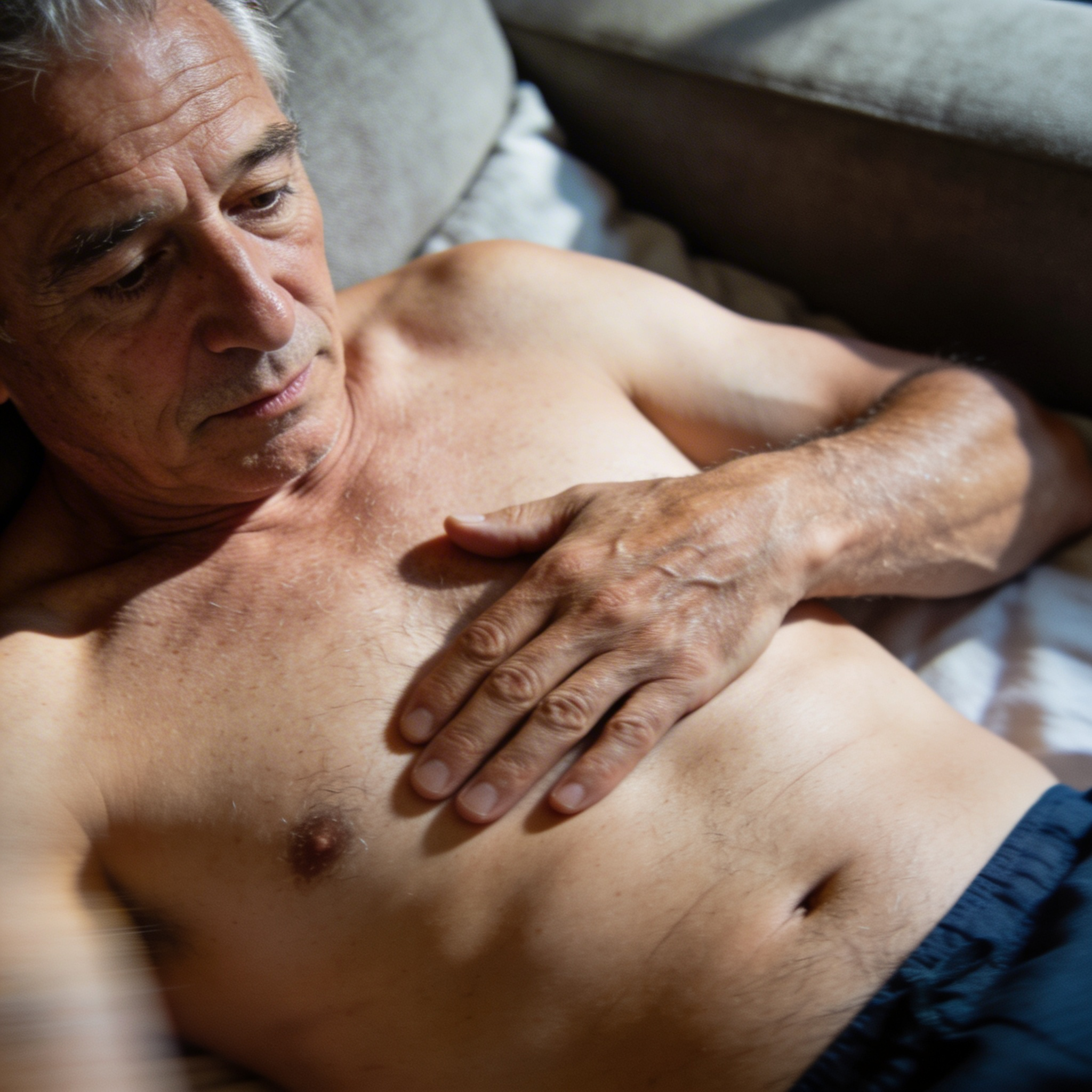
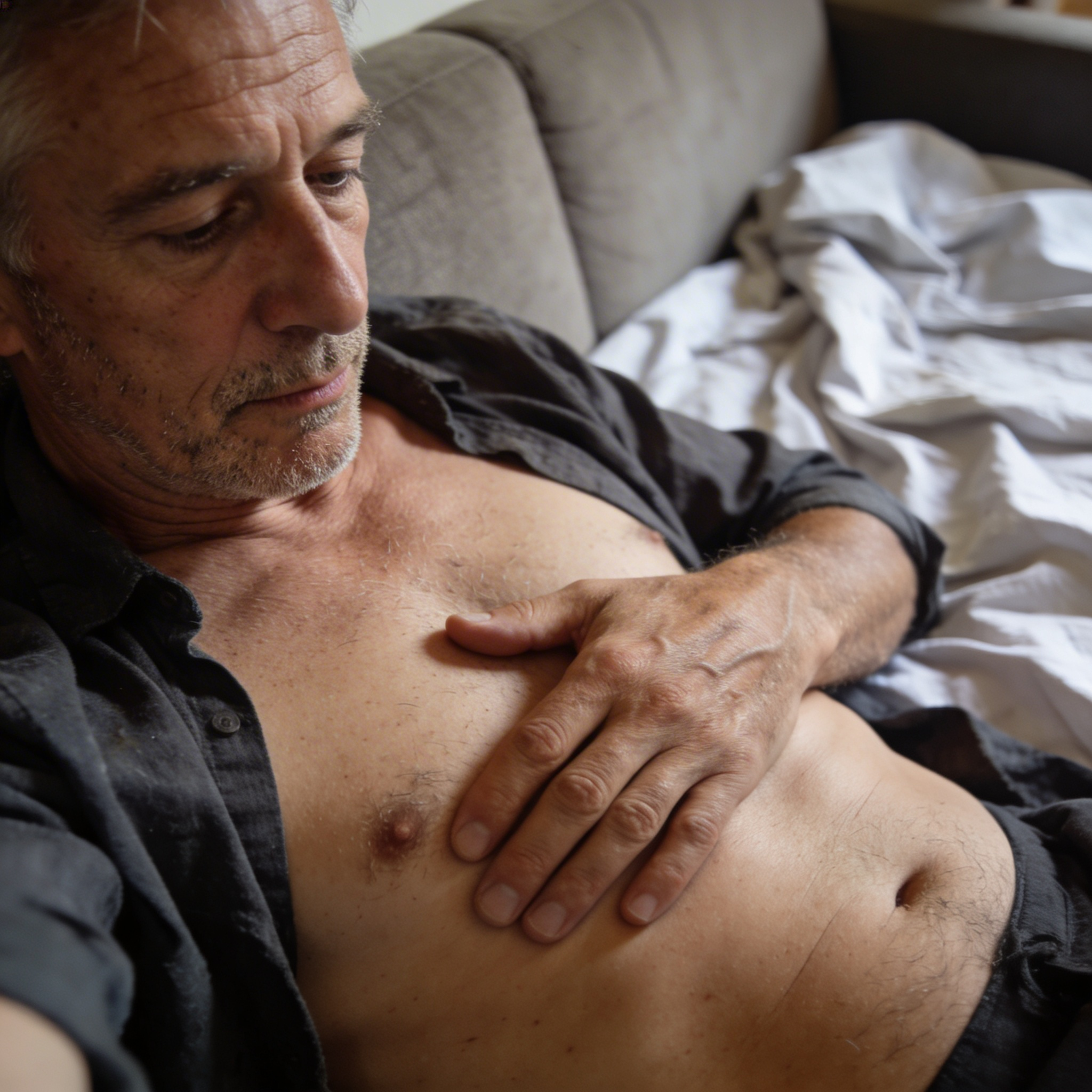
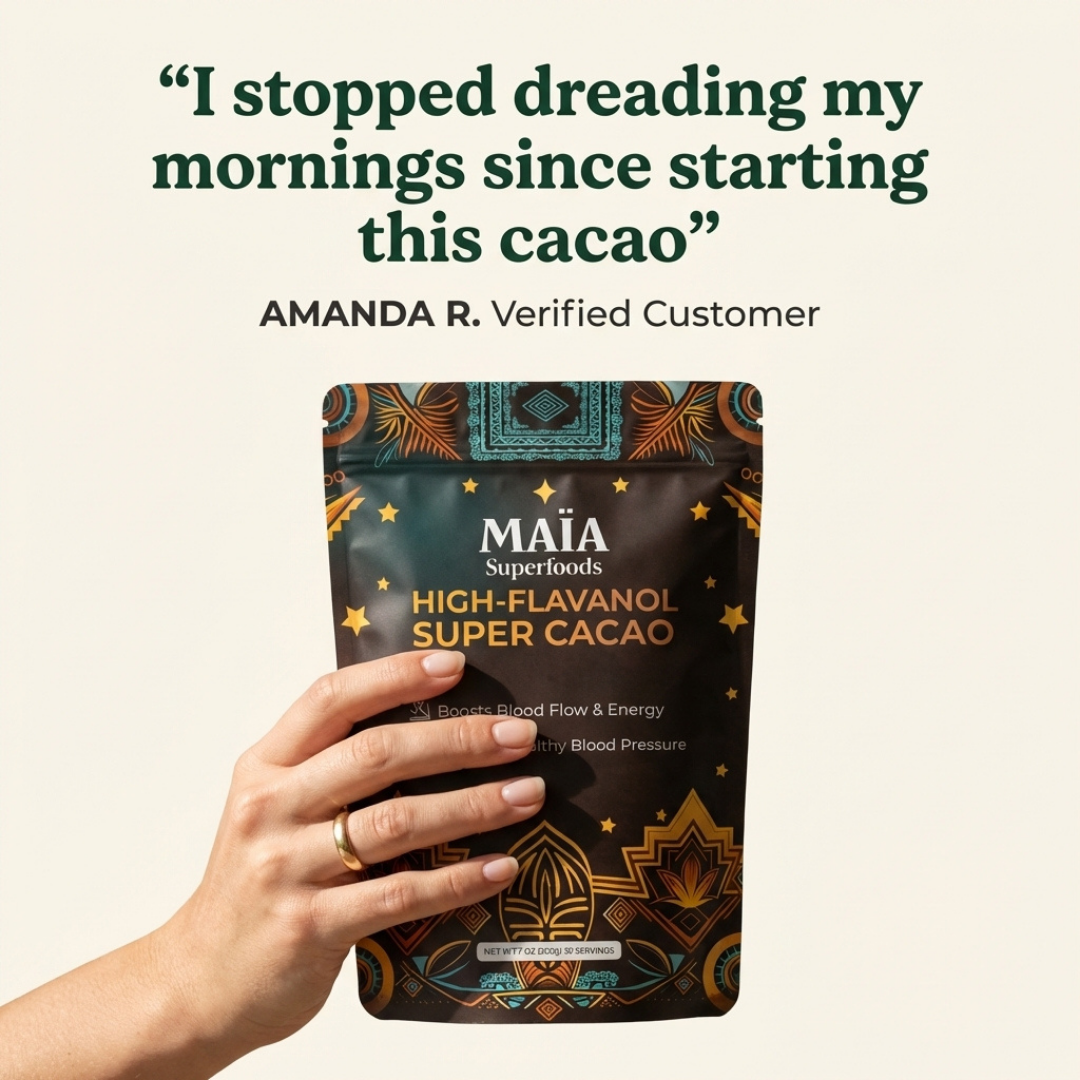
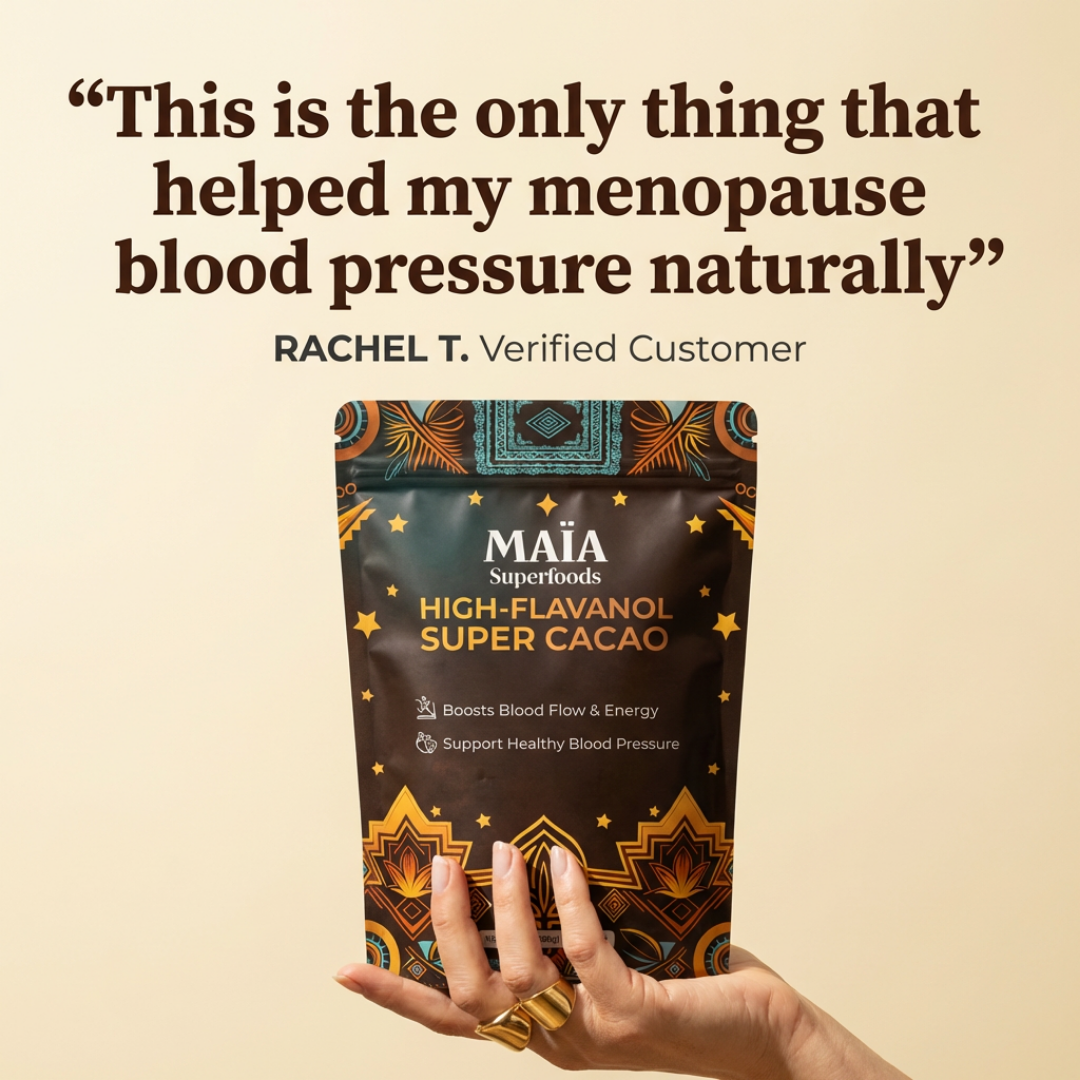
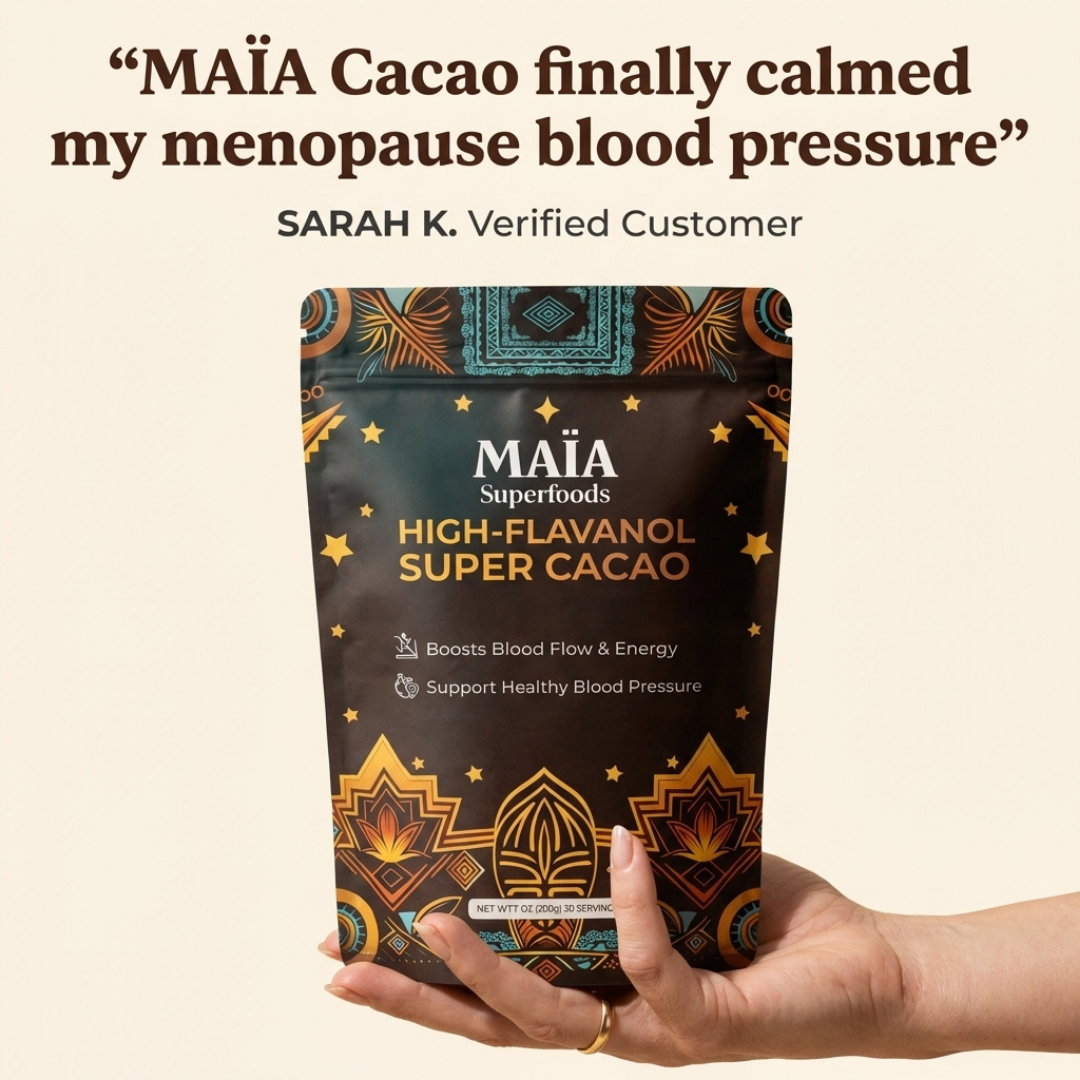
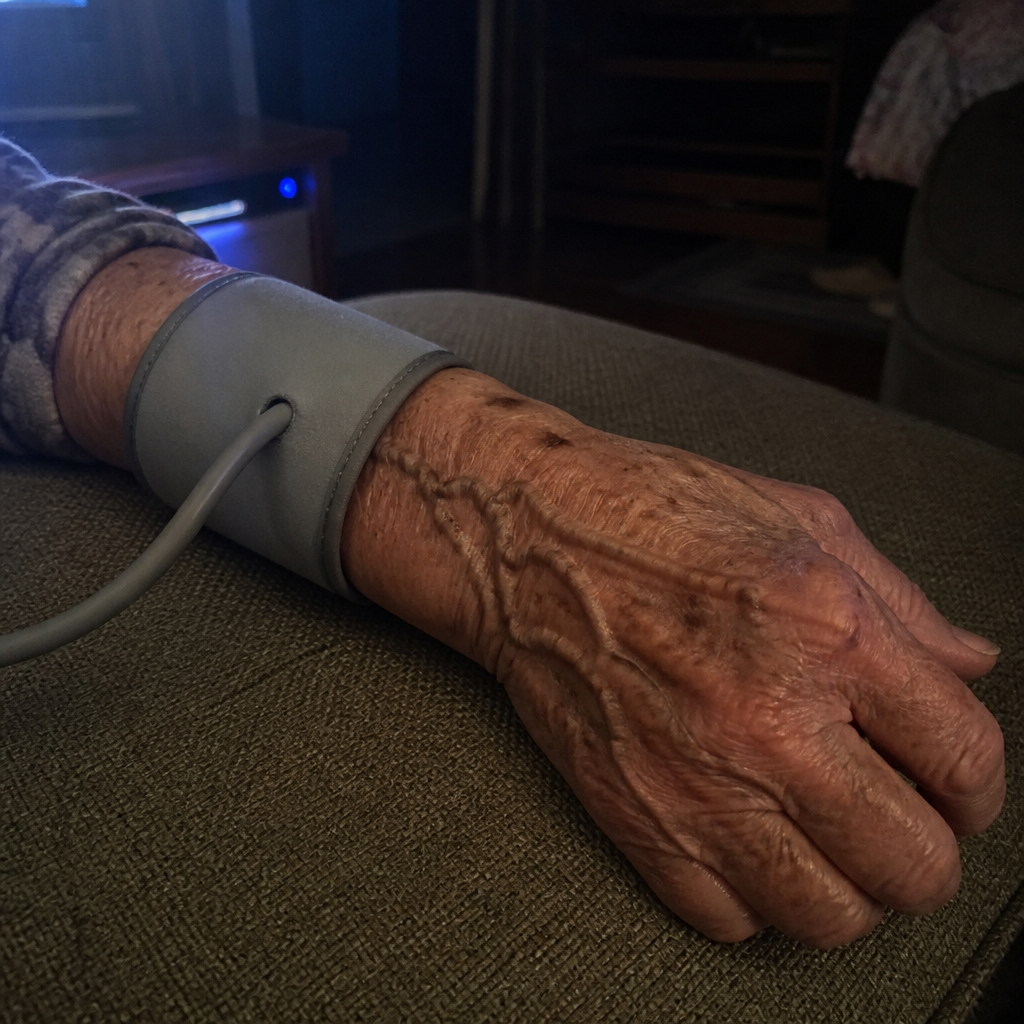
I'm 62. I have spent 38 years behind a desk. I have six months until I retire, and I am genuinely scared I will not live to enjoy a single one of them. My name is Richard. I have been with the same company for 38 years. I started there as an analyst the year I got married. I am scheduled to retire on June 14th of next year. The calendar on my office wall has a small green dot on that date. My wife Margaret drew it on there in a Sharpie three years ago. She said, "Richard. So we can both see it from a distance." I want to tell you what it feels like to count down to a date you are not sure you will see. You start doing math you never used to do. The dot on the calendar is 184 days away. That is 26 weeks. That is six months and two weeks. That is 4,416 hours. You catch yourself doing it during meetings. Someone is presenting Q3 projections and you are quietly subtracting days from a number in your head. You start thinking about the trips on the spreadsheet you and your wife built in 2019. Tuscany. The Galapagos. Driving Route 66 with the convertible you bought yourself for your 60th birthday. The cabin in North Carolina you put a deposit on last year. You look at the spreadsheet at night when she's asleep and you wonder which one of them you'll see. I'm 62. I sit at a desk for ten hours a day. I have sat at a desk for ten hours a day for 38 years. For most of those years, I felt fine. About four years ago, things started shifting. I noticed my mornings. I would wake up at 5:30am, the way I always have. But my head would feel heavy. A pressure behind both eyes that wouldn't quite lift, even after coffee. I would shower and feel winded toweling off. I would drive to work and notice my hands were colder than the steering wheel. I started having to stop on the walk from the parking garage to the elevator. I would pretend to check my phone. I would lean against the wall by the fire stairs and breathe out slow until the tightness in my chest passed. Then I would walk the rest of the way to my office. My assistant Janet, who has been with me for 17 years, started noticing. She started bringing my coffee to my office instead of having me come get it from the break room. She never said why. She just started doing it. My readings had been climbing for years. At my last physical, I was 168 over 101. The cardiologist added a third medication. Six months later I was 162 over 98. I had been doing everything anyone had ever told me. I cut salt out completely. I lost 27 pounds. I gave up the bourbon I used to have on Friday nights. I started walking on the treadmill in our basement at 6am every morning. I tried meditation through an app my daughter sent me. I tried fish oil three times a day. Garlic capsules. CoQ10. Magnesium. Hawthorn berry. L-arginine. Beet juice powder my wife mixed into my morning smoothie. A green powder that smelled like dirt. Three different "circulation support" products from the store near my office. The number didn't move. But the fear did. The fear got bigger. I started waking up at 3am. I started lying in bed in the dark thinking about June 14th. I started thinking about Margaret. I started thinking about the trip to Tuscany that we had been waiting 22 years to take. I started thinking about my son Ben's wedding in Charleston in October. I started thinking about my granddaughter Sophie, who is 4, who calls me "Big Papa." I started thinking about not being there. I started writing things down. I wrote my will updates in a notebook I kept in my briefcase. I wrote down the passwords my wife would need. I wrote down the location of the safety deposit box. I wrote down which accounts she should consolidate after. I wrote them all down on a Tuesday in October at 2am. I sat at the kitchen table in the dark with one lamp on and I wrote my own widow's manual. Then I closed the notebook. I put it in the bottom of my briefcase. I went back to bed. I lay next to Margaret and thought, I cannot tell her about the notebook. Not ever. Two weeks later, I was sitting in an airport in Atlanta on a layover. I had four hours to kill. The Hudson News was selling magazines. I bought three. One of them was a longevity magazine with a man in his seventies on the cover, smiling. I read it cover to cover at the gate. There was an article in the back. It was an interview with a vascular biologist who had spent his career studying the lining of the blood vessels. He used a term I had never seen before. The endothelium. He said something in that article that has stayed with me ever since. He said most men who have high blood pressure for years are not failing. They are addressing the surface of a problem that lives much deeper. He said the medications they take are doing the job they were designed for. They are forcing the number down. They are not rebuilding the wall underneath. He explained what he meant. Inside your blood vessels is a thin lining called the endothelium. It is one cell thick. It is the most important layer in your circulatory system. A healthy endothelium produces a molecule called nitric oxide. Nitric oxide is what tells your blood vessels to relax and open up. When nitric oxide is plentiful, your vessels stay flexible. Your blood flows easily. Your readings stay where they should. When nitric oxide drops, your vessels stiffen. The same amount of blood pushing through tighter pipes raises the pressure. That is what high readings actually are. Not too much blood. Pipes that have lost their ability to flex. After 50, he said, nitric oxide production drops by as much as 50 percent. By 60, it can be down 60 percent or more. Three things accelerate the drop. Decades of chronic stress. Inflammation from processed food and a sedentary life. And almost nothing on the supplement aisle actually reaches the endothelium. He listed every supplement I had tried. Fish oil. Garlic. CoQ10. L-arginine. Beet juice. He said the same thing about each of them. They have a small effect on a different system. They do not feed the endothelium. They do not restore the body's ability to produce nitric oxide. I sat in that airport reading this article and feeling the floor tilt under my chair. I had been doing the wrong things for four years. Not bad things. Wrong things for the actual problem. The interview went on. The biologist said the most studied natural compound for restoring nitric oxide production is a specific plant compound called a flavanol. The kind found in raw cacao. He said cacao flavanols have been documented in dozens of clinical trials to support nitric oxide production, vascular flexibility, healthy circulation, and healthy blood pressure levels already within the normal range. But almost no one is getting them. He said the raw cacao bean is one of the densest sources of flavanols on earth. But the moment it is roasted, dutched with alkali, mixed with sugar or dairy, anywhere from 60 to 90 percent of the flavanols are destroyed. That includes nearly every chocolate product on a grocery shelf. Dark chocolate. Cocoa powder. Hot cocoa packets. The squares I had been eating for years thinking they were helping. Function had been processed out of all of it. He said the cacao that works has to be raw, cold-processed, never roasted, never dutched, made from a heirloom bean called Criollo, and dosed at clinical levels. He named one company. A small company called MAÏA. He said they were the only one he had seen disclosing the actual flavanol content per serving on the label. Cold-processed. Criollo beans. Third-party tested every batch. I read the article a second time on the flight home. I ordered it the next morning from my office, with my office door closed. It arrived four days later. I drank a cup every morning at 6am before I left for work. Hot water. A splash of milk. It tasted like real chocolate. Earthy. Deep. Real. I kept reading magazines. I kept watching my numbers. Week one. 162 over 98. Week three. 156 over 94. Week five. 148 over 91. The morning I saw 148, I sat in the kitchen for a long time before I went to work. It was the lowest number I had seen in three years. I didn't tell Margaret. I didn't want to jinx it. Week eight. 141 over 86. Week ten. 134 over 82. I started sleeping through the night. The pressure behind my eyes lifted. I walked from my parking spot to my office without leaning on the wall by the fire stairs. Janet noticed. She stopped bringing me coffee. She said, "Mr. Donovan. Don't take this the wrong way. But you look different." By the end of the third month, I was 128 over 78. I sat in Margaret's reading chair on a Sunday afternoon, while she was upstairs. I pulled the notebook out of the bottom of my briefcase. The widow's manual. I read every page of it. Then I walked into the kitchen and I dropped it in the trash under the coffee grounds. I went upstairs. Margaret was in the bedroom putting away laundry. I sat down on the edge of the bed. She looked up. I said, "Margaret. I want to tell you something. I want to book the Tuscany trip." She held a folded shirt in her hands for a long moment. She said, "Now." I said, "Now. While we're young." She put the shirt down. She sat down on the bed next to me. She didn't say anything for a long time. Then she said, "Richard. I have been waiting four years to hear you say that." We booked the trip that night. Eleven days in October. The day after my last day at the office. I want to tell you something if you are reading this on your phone at your desk. If you have a date on a calendar that scares you. If you have a notebook in your briefcase that nobody knows about. If you have started doing the math on hours you may not see. If you have started writing the widow's manual. The numbers on your monitor are not just numbers. They are pipes that have lost their ability to flex. They are an endothelium that is no longer producing what it used to. What you have been doing to manage it has been keeping the number from going up faster. It has not been rebuilding the wall. There is a different way to approach this. MAÏA offers a 30-day money-back guarantee. That was the only reason I had the nerve to order it. If it doesn't work, they refund every dollar. They are a small company. They sell out. The last time I reordered, my shipment was delayed by a week, and I sat in my office every morning rationing the bottom of the pouch into smaller spoonfuls than they recommend. So if you click below and they are out of stock, the wait will not be long. But if they have it, get it now. Throw away the notebook. Book the trip. The link is below. https://shop.trymaia.co/shocking-discovery-bp
The #1 Cacao for Heart Health
LEARN MORELike this ad? Make it yours.
Crush rebuilds this exact creative around your product — your brand, your colors, your offer — in about a minute.