The Daily Wellness
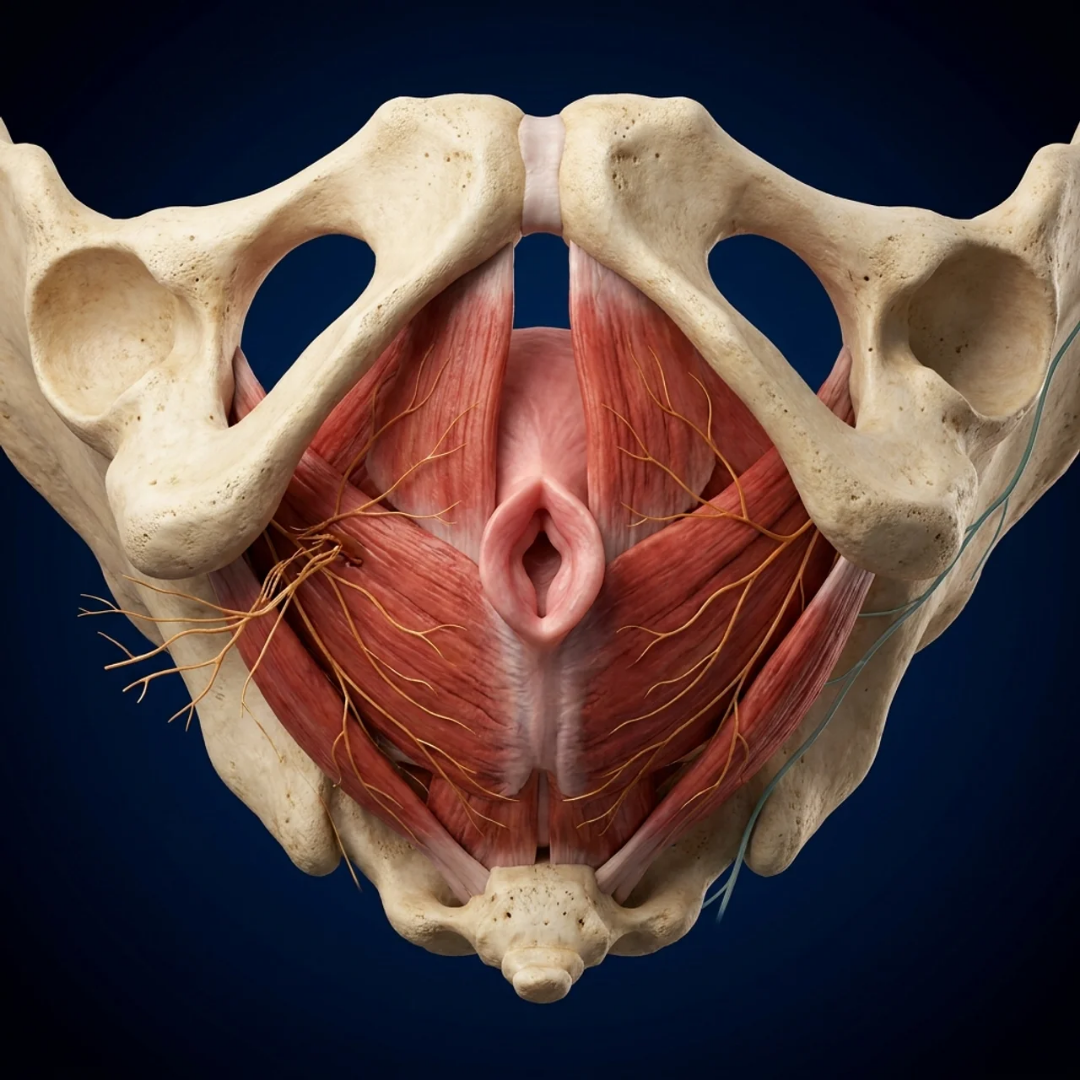
The Daily Wellness Facebook ad: “The Overlooked Factors Behind Bladder Leaks”
Ran for 16 days, from July 17 to August 2, 2026, the last day Crush saw it.
Run by The Daily Wellness on Facebook. Crush is not the advertiser and does not verify its claims. See this ad in Meta's Ad Library(opens in a new tab)
Make your own version of this ad
Crush makes it, launches it in your own Meta ad account, scales the winners and pauses the losers.
About this ad
- Meta Ad Library ID
- 1147885897768585
- Platforms
- Facebook, Instagram, Audience Network, Messenger and Threads
- Relaunches
- 0
Ad text
I was prescribed oxybutynin today. It was the same bladder medication my mother had taken for years, and seeing the name on the prescription brought back difficult memories. My doctor said I was experiencing chronic urinary incontinence. I was using four or five pads a day and frequently leaking when I sneezed. “Start with 5 mg twice daily,” she explained. “We’ll monitor how you respond and adjust the treatment if necessary.” I took the prescription, walked to my car, and sat there. I couldn’t drive immediately. I simply stared at the piece of paper in my hands. Oxybutynin 5 mg tablets. My mother had taken the same medication for nine years. I didn’t know what to do. **March 15th** I haven’t filled the prescription yet. My husband asked why. I struggled to explain. I just kept thinking about Mum. She took her medication every morning with a cup of tea. She had a weekly pill organiser and rarely missed a dose. “See?” she would say. “I’m doing everything the doctor told me.” The medication helped her manage some symptoms, but she still found bladder control difficult. After several years, she rarely left the house without first checking where the nearest toilet would be. “I can’t risk being caught too far away,” she would say. She sometimes experienced sudden urgency. Other times, she leaked while walking to the front door or woke during the night with a wet bed. She also experienced dry mouth and constipation, which are recognised possible side effects of oxybutynin. Later in life, she developed memory problems. No one could say that one medication caused everything that happened to her. Age, health, other medicines, and several medical factors may all have contributed. But the association remained in my mind. If her treatment was helping, why did her life still feel so restricted? That was the question I couldn’t stop asking. **March 18th** The GP’s office called because I had not collected the prescription. I said I needed more time to understand the benefits and risks. The receptionist reminded me that wearing several pads a day meant the problem deserved treatment. She was right. But I wanted to feel informed rather than frightened. Mum was still wearing pads near the end of her life. She was also still taking medication. That did not necessarily mean the medication had failed. It may have provided partial relief from a complex condition. But I wanted to know whether there were other recognised or supportive options I could discuss with my doctor. **March 22nd** I keep thinking about how Mum’s treatment changed over time. She began with a lower dose. Later, the dose was adjusted because her symptoms had become harder to manage. Eventually, another bladder medication was added. Treatment plans often change because health conditions change. That does not automatically mean the bladder becomes “dependent” on medication. Still, watching Mum’s experience made me cautious. I remembered asking her doctor whether she would need the treatment indefinitely. He explained that some women require long-term management for overactive bladder or incontinence. That answer was medically reasonable. But emotionally, it frightened me. I was already wearing four or five pads a day and had not even started the medication. I worried about being on tablets for decades. I worried about side effects. I worried about becoming increasingly restricted, the way Mum had. **March 25th** The urgency had become difficult. Some afternoons, I experienced sudden pressure that made it hard to concentrate. I began researching incontinence underwear and which styles were least visible beneath trousers. I was 48 years old and looking at adult bladder-protection products online. Mum had stopped wearing ordinary underwear at around the same age. That similarity made everything feel more frightening than it probably should have. **March 28th** My husband found me at the kitchen table at 3 a.m. Research articles and forum pages were open across my laptop. “Sarah, what are you doing?” “Trying to understand my options.” He sat down beside me. I had searched: “Does oxybutynin stop working?” “Long-term oxybutynin side effects.” “Overactive bladder treatment alternatives.” I found official medical information explaining that anticholinergic medicines such as oxybutynin reduce bladder contractions by blocking certain nerve signals. They can be effective for some people. They may also cause dry mouth, constipation, blurred vision, drowsiness, or cognitive side effects, particularly in some older adults. Long-term treatment decisions should therefore be reviewed regularly with a healthcare professional. I also found patient forums. Some women described significant relief. Others described side effects or said the benefits became less noticeable over time. Personal forum stories are not clinical evidence, but several reminded me of Mum. My husband looked at me. “These women sound like what your mother went through.” “I know.” “But that doesn’t mean you’ll have the same experience.” “I know that too.” That was the difficulty. I did not want fear to make the decision for me. But I also did not want to begin treatment without understanding the wider picture. **April 2nd** I found something that made me look at bladder health differently. Normal bladder control depends on several systems working together: The pelvic floor. The detrusor muscle, which contracts and relaxes the bladder. The nerves that communicate between the bladder and brain. The urinary and vaginal tissues. Hormones. Fluid intake. Medication. Overall health. There was no accepted medical condition called “four-system bladder collapse,” despite some wellness websites using language like that. But the idea that bladder control involves more than a single weak muscle was accurate. Oxybutynin is designed to reduce involuntary bladder contractions. It is not intended to strengthen the pelvic floor, treat hormonal tissue changes, or correct every possible cause of leakage. That does not make it a bad medicine. It means treatment should match the type and cause of the symptoms. I realised that I still did not know exactly what type of incontinence I had. Leakage when sneezing can suggest stress incontinence. Sudden urgency can suggest overactive bladder or urgency incontinence. Experiencing both may indicate mixed incontinence. Different types may respond to different approaches. That was the first genuinely useful thing I had learned. **April 3rd** I started reading about the bladder lining. The inner bladder surface contains a protective layer rich in glycosaminoglycans, often called the GAG layer. Its role is to protect the bladder wall from substances in urine. Changes to this lining have been studied particularly in conditions involving bladder pain, inflammation, or irritation. Hyaluronic acid is one component associated with the GAG layer and has been used in certain clinical bladder treatments. However, I could not find reliable evidence that an ordinary oral supplement universally “rebuilds” the bladder lining or cures stress incontinence. That distinction mattered. There was interesting science. But there were also exaggerated marketing claims built around it. I wanted to separate the two. **April 4th** I kept researching menopause and bladder health. After menopause, lower oestrogen levels can affect the tissues of the vagina, urethra, and lower urinary tract. This may contribute to dryness, irritation, recurrent urinary symptoms, discomfort, urgency, and changes in bladder control. Healthcare professionals may refer to this broader collection of changes as genitourinary syndrome of menopause. It can be discussed with a GP, gynaecologist, pelvic-health physiotherapist, or urologist. Recognised options may include pelvic-floor therapy, bladder training, lifestyle adjustments, medication, and local vaginal oestrogen when medically appropriate. Mum’s symptoms had appeared gradually. Stress leakage. Urgency. Night-time trips. Recurring urinary discomfort. Painful intimacy. Procedures later in life. It was possible that several related factors had contributed. But it would have been irresponsible to claim that one hidden mechanism caused every problem she experienced. Her health history was complex. So was mine. **April 5th** I thought about factors that may have affected Mum’s symptoms. Menopause. Medication. Reduced mobility. Fluid restriction. Repeated infections. Age-related changes. Other health conditions. She sometimes avoided drinking water because she feared urgency. But overly restricting fluids can produce more concentrated urine, which may irritate the bladder and contribute to constipation. At the same time, drinking excessive amounts can worsen frequency. The appropriate balance differs between people. For the first time, I understood why proper assessment mattered. Bladder problems are rarely solved by one dramatic explanation. **April 8th** My symptoms were becoming harder to ignore. Leakage several times a day. Sudden urgency. Interrupted sleep. Difficulty concentrating at work. I saw too much of Mum’s experience in my own. But I reminded myself that resemblance was not destiny. I needed an individual assessment, not a prediction based on her life. **April 10th** I tried cranberry supplements because they were widely marketed for urinary health. I bought several brands. After three weeks, I had noticed no meaningful change in leakage or urgency. That was not surprising. Cranberry products are most commonly researched for their potential role in reducing the recurrence of certain urinary tract infections. They are not established treatments for stress incontinence or overactive bladder. I had been using the wrong tool for the problem. **April 12th** I continued reading about ingredients commonly used in women’s bladder-support products. Hyaluronic acid. Magnesium. Sea buckthorn oil. Cranberry extract. Pumpkin seed extract. Red clover. Each ingredient had a different rationale. Magnesium contributes to normal muscle and nervous-system function. Pumpkin seed extract has been researched in relation to urinary and pelvic-floor support. Sea buckthorn provides fatty acids and is used in products aimed at mucosal wellness. Cranberry is associated with urinary-tract support. Hyaluronic acid is found naturally in connective and mucosal tissues. Red clover contains isoflavones and is commonly used in women’s midlife supplements. None of this meant that combining them would cure incontinence. But the blend seemed more relevant than taking random single ingredients without understanding their intended role. I ordered a pumpkin seed supplement first. It was highly rated online. I took it consistently. **May 24th** Six weeks had passed. I noticed no meaningful change. I remained urgent and continued using several pads daily. I tried another pumpkin seed product from a health-food retailer. Perhaps formulation quality mattered. Perhaps pumpkin seed simply was not enough for me. Perhaps no supplement would help. I did not know. **July 19th** Eight more weeks passed. Still no clear improvement. My follow-up appointment was approaching. I felt exhausted by the endless checking, changing pads, disrupted sleep, and anxiety. But I was also learning not to interpret every setback as proof that my future would be identical to Mum’s. **July 27th** Something unexpected happened in Marks & Spencer. I was looking at the supplement shelves, comparing pumpkin seed and cranberry products I no longer trusted. Two women nearby were discussing bladder-support formulations. One of them wore a badge identifying her as a registered nutritional therapist. She said many bladder supplements contain only one or two ingredients, whereas women’s urinary symptoms may involve several factors. I walked over. “Excuse me. Could you explain what you mean?” She said that no supplement could diagnose or treat every cause of incontinence. But she preferred multi-ingredient formulas that provided clearly stated amounts rather than basic single-ingredient products. I explained that I had tried two pumpkin seed supplements without noticing a difference. She asked what symptoms I was experiencing. “Leakage when I sneeze, urgency, night-time trips, and four or five pads a day.” She advised me to continue medical follow-up because mixed symptoms can require different forms of treatment. Then she mentioned a UK supplement called Urovital. It combined several ingredients used in women’s urinary-wellness products: Hyaluronic acid. Magnesium citrate. Sea buckthorn oil. Cranberry extract. Pumpkin seed extract. Red clover. She said she liked that the formula listed the ingredients clearly and had third-party quality testing. She did not promise it would restore continence in a week. She did not tell me to refuse medication. She said some women used it alongside pelvic-floor exercises, bladder training, lifestyle changes, or medical treatment. “How do I know whether it will help?” I asked. “You don’t,” she said honestly. “Supplements affect people differently. Track your symptoms, speak with your clinician, and use the refund guarantee if it isn’t right for you.” That answer made me trust her more than a miracle promise would have. I ordered Urovital while standing in the aisle. **July 29th** The bottle arrived. I took two capsules with breakfast, according to the directions. Then I went on with my day. I did not sit waiting for an immediate sensation. A nutritional supplement cannot reasonably be judged within minutes. By the afternoon, I thought the urgency felt a little less intense. That could have been coincidence. I wrote it down and continued. **August 5th** One week. I had used fewer pads on several days. I also experienced a morning when sneezing did not produce a noticeable leak. I felt calmer. But I reminded myself that symptoms fluctuate naturally. One good week was encouraging, not conclusive. My husband said I seemed more relaxed. I think that was partly because I finally felt I was doing something proactive. **August 12th** Two weeks. I was often using one or two pads rather than four or five. Night-time trips had also reduced on several nights. I could not say that my bladder had been “rebuilt.” I could say that my personal symptom diary showed an encouraging change. **August 19th** Three weeks. I went to work wearing normal underwear with a light pad as backup. It remained dry for most of the day. I used the toilet in the morning, at lunch, and before travelling home. For several hours, I barely thought about my bladder. That felt extraordinary. **August 26th** Four weeks. My symptoms were not perfect every day. I still had occasional urgency and continued carrying protection. But coughing and sneezing caused fewer incidents. I was sleeping for longer stretches. I felt more comfortable. I still had not started oxybutynin. However, I had not rejected it permanently either. I planned to discuss the changes with my doctor and decide based on medical advice rather than fear. **September 1st** I called my sister. “My bladder symptoms are more manageable,” I told her. She went quiet. “What changed?” I explained that I had started tracking everything properly. I had reduced caffeine. I was drinking fluids more consistently rather than alternating between restriction and excessive drinking. I had restarted pelvic-floor exercises with better technique. I was practising bladder training. And I had added Urovital. “I began noticing changes within the first few weeks,” I said. “But I can’t prove one thing caused all of it.” Her voice softened. “I’m just glad you’re feeling better.” **September 8th** Follow-up appointment. Dr Patel asked how the symptoms had been. “Much more manageable,” I said. “I still use protection as backup, but the urgency and leakage have reduced.” She saw that I had not filled the oxybutynin prescription. I explained why. I also told her about Urovital and showed her the ingredient label. She reviewed it. She did not confirm that it had rebuilt anything. She explained that supplements are not assessed in the same way as prescription medicines and that evidence for individual ingredients varies. But she was pleased that I had tracked my symptoms and that the trend appeared positive. “We can continue monitoring,” she said. “Medication remains an option if the symptoms become disruptive again.” That was exactly what I needed. Not pressure. Not fear. A medically supervised choice. I walked to my car and called my husband. “She said we can keep monitoring.” I heard him exhale. I felt relieved too. Not because I had escaped medicine. Because I had been given space to make an informed decision. **Today** It has been eight weeks since I started Urovital. Most days are more comfortable than they were before. I still experience occasional symptoms. I still carry protection. I still attend medical follow-ups. But I am no longer using four or five pads every day. I am usually waking fewer times during the night. And the constant fear has loosened its grip. Yesterday, I went walking with my daughter in the Peak District. Four miles. I checked where the public toilets were before we left, but I did not spend the entire walk thinking about them. At the car park, she hugged me. “Mum, you seem so much more relaxed. Can we do this again?” The answer was yes. I thought about Mum. Her experience was difficult, but it does not mean every woman prescribed oxybutynin will follow the same path. The medication may provide valuable relief for many people. It may be unsuitable for others. Decisions should be made with a qualified healthcare professional, taking medical history, age, symptoms, other medicines, and side-effect risk into account. **What I Know Now** Bladder control is complex. Anticholinergic medication is one recognised option for overactive bladder, but it is not the only possible approach. Pelvic-floor exercises may help stress incontinence. Bladder training may help urgency and frequency. Lifestyle changes can influence symptoms. Menopause-related tissue changes may need separate discussion. Prescription medication, local hormonal treatment, physiotherapy, medical devices, and procedures may all have appropriate roles. Nutritional support can be considered as an additional wellness option. Urovital is the supplement I added to my routine. It contains: Hyaluronic acid. Magnesium citrate. Sea buckthorn oil. Cranberry extract. Pumpkin seed extract. Red clover. It is designed to support normal bladder function, urinary comfort, muscle function, and women’s midlife wellness. It does not cure incontinence. It cannot guarantee freedom from pads. It should not replace medical assessment or prescribed treatment. It should not be used as a reason to ignore pain, blood in the urine, recurrent infections, difficulty emptying the bladder, or worsening symptoms. But for women looking for a clearly formulated daily supplement to complement a responsible bladder-health routine, it may be worth considering. My improvements happened gradually. Some women may notice a meaningful difference. Some may notice subtle changes. Others may notice none. That is why Urovital comes with a 90-day money-back guarantee, subject to the applicable terms. Track: How many pads are used each day. How often leakage happens. Whether coughing or sneezing triggers it. How often night-time urination occurs. How much caffeine or alcohol is consumed. Whether medications, exercises, fluid intake, or other routines change at the same time. Good records help you judge progress and give healthcare professionals more useful information. Six months ago, I felt terrified. I believed there were only two paths: Take a medication I feared. Or accept that leakage would control the rest of my life. Neither belief was accurate. There were more conversations to have. More options to understand. More ways to support myself responsibly. For me, Urovital became one helpful part of that wider routine. Not instead of medical care. Not against my doctor’s advice. Not as a miracle cure. As nutritional support. The product is Urovital. Two capsules a day. Clearly stated ingredients. Third-party quality tested. Backed by a 90-day money-back guarantee. 👉 https://www.serraphea.com/uk/urovital/sp I reviewed the formula before buying it. I tracked my symptoms after starting. Over the following weeks, I experienced fewer disruptive days and greater everyday confidence. That is my personal experience. Your results may differ. I am writing this because I needed to process how frightened I had become. How strongly Mum’s history was controlling my decisions. And how important it was to separate her story from my own medical situation. Perhaps someone reading this is standing where I was. Holding a prescription. Feeling worried. Unsure whether to begin. You are not trapped. Speak with your healthcare professional. Ask about the benefits and risks. Ask which type of incontinence you have. Ask about pelvic-floor therapy, bladder training, menopause-related changes, medication options, and nutritional support. Make the decision that is appropriate for your individual health. There is rarely only one responsible path. — Sarah February 2026
Where the ad sends people
serraphea.com
The Overlooked Factors Behind Bladder Leaks
A former chronic bladder patient reveals the trap of incontinence pads that cost £1,800 a year, and the discovery that ended leaks, urgency and sleep disturbances in her patients, without medication, surgery and a single pelvic floor exercise.
Learn more: serraphea.com(opens in a new tab)