Linda Miller, RN
 Facebook ad: “Ceylon Cinnamon 7200mg Equivalent with MCT Oil”
Ran for 4 days, from October 23 to October 26, 2026, the last day Crush saw it.
Run by Linda Miller, RN on Facebook. Crush is not the advertiser and does not verify its claims. See this ad in Meta's Ad Library(opens in a new tab)
Make your own version of this ad
Crush makes it, launches it in your own Meta ad account, scales the winners and pauses the losers.
About this ad
- Meta Ad Library ID
- 1156376210095944
- Platforms
- Facebook, Instagram, Audience Network and Threads
- Relaunches
- 0
Ad text
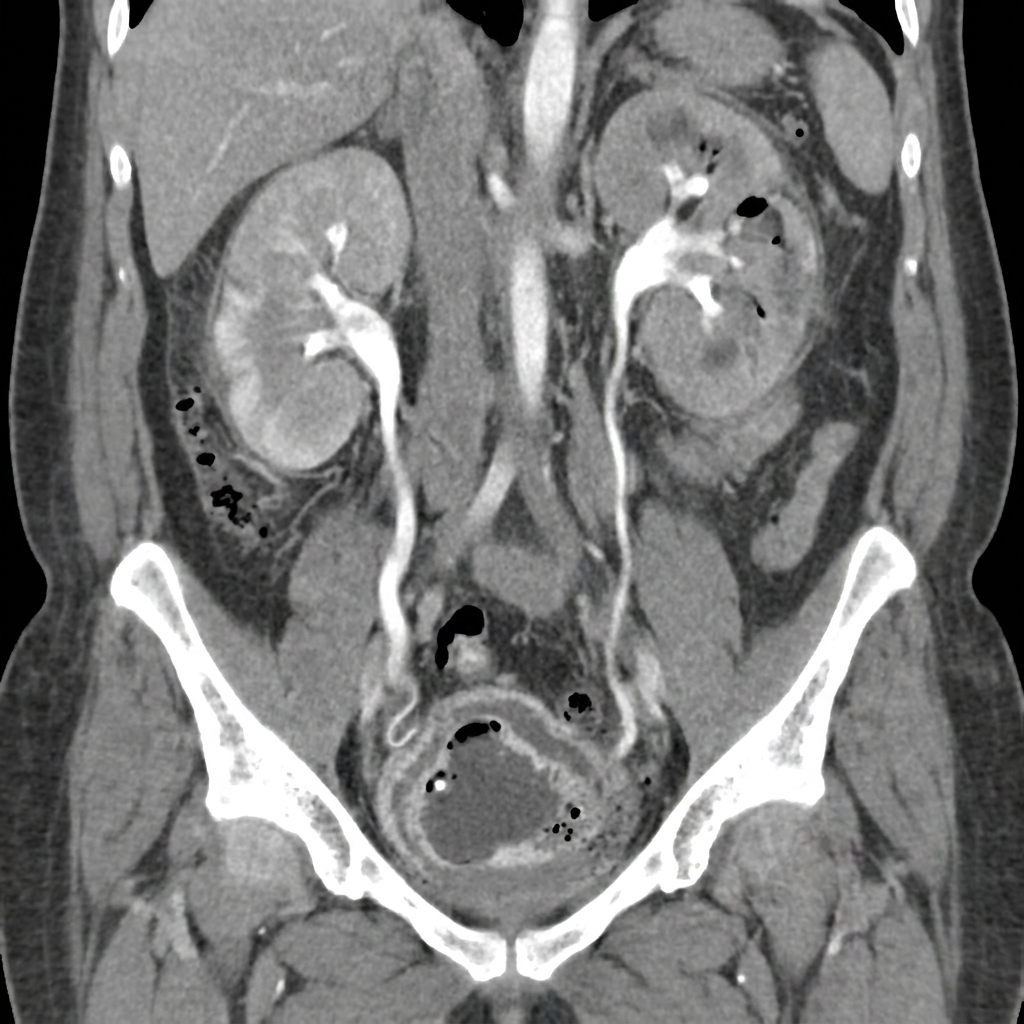
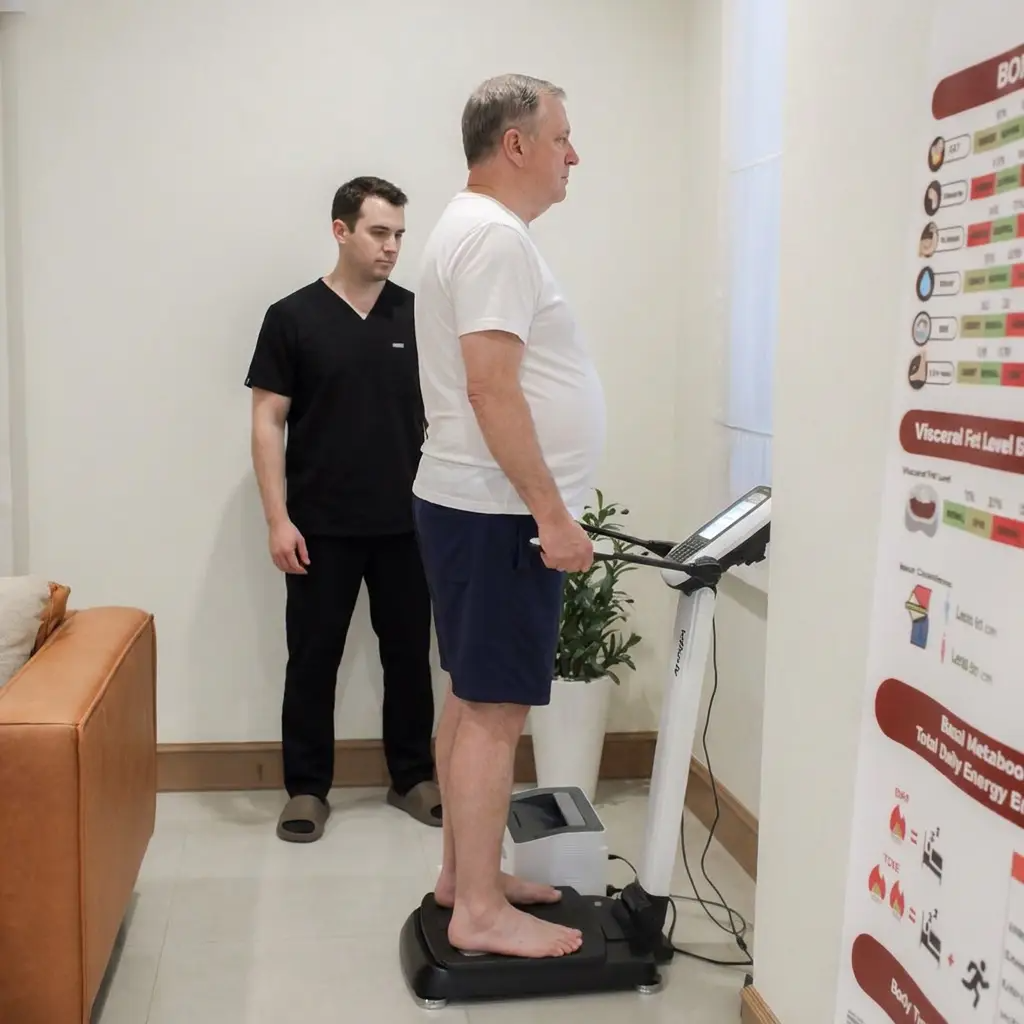
The terrifying thing about a growing belly when the rest of your body still looks normal is realizing your body was warning you years before the diagnosis. Here’s what helps. I’m Linda. I’ve been a weight management nurse for 20 years. I’ve sat with patients who can’t bend down to tie their own shoes. I’ve watched grandparents run out of breath long before their grandkids ran out of energy. I’ve seen the trajectory. And I’ve seen something else—the thing nobody talks about. I’ve watched belly fat quietly feed bigger problems. Fatty liver. Blood pressure creeping up. Heart trouble. A growing waist isn’t just a clothing problem. Fat packed deep around the organs is active tissue, and it can keep the body’s response to insulin struggling year after year. So when my waist measured 40 inches, my triglycerides came back at 198, and my fasting glucose hit 112, I knew exactly what my doctor would say before she said it. “You’re in the prediabetes range. If these numbers don’t come down in three months, we need to talk about medication.” I smiled. Nodded. Took the handout on diet and exercise. And put it in a drawer when I got home. Not because I’m reckless. Not because I’m in denial. But because I’d been living that handout for three years. Eating less. Moving more. And I’d watched the same thing happen to my patients after 50. The same effort. The same diet. And the waistline doesn’t budge. Eating well matters. Moving matters. But for so many of us, it wasn’t touching what was happening underneath. I didn’t want to wait three months just to be told I’d failed again. I was trying to find what I was missing. For three years before that appointment, I tried everything. Celery juice for breakfast. Gluten-free desserts. Low-fat milk. Generic cinnamon capsules. I cut carbs so aggressively I was eating 40 grams a day. I walked 10,000 steps. I did resistance training three times a week. My weight dropped from 176 to 168, then crept back to 172. My waist went from 41 to 40 inches. Better. But not good enough. Not even close. And the cost? I was exhausted. Irritable. Craving carbs constantly. My brain felt wrapped in cotton by 2 PM every single day. I’d wake up at 3 AM, mind racing about my numbers, and lie there until 4:30 AM unable to fall back asleep. I was doing everything right and still losing. My husband found me crying in the bedroom one night at 11 PM, holding a pair of pants that wouldn’t button. After a dinner of high protein beef meatballs and grilled carrots. Just ask the doctor about those weight-loss shots,” he said. “I’m not ready,” I whispered. “I want to know what I’m missing first.” But my three months were running out. Then something happened that changed everything. I was doing a three-month check-in with a patient—61 years old, sent to me by his doctor with a 44-inch waist, blood sugar in the prediabetes range, and blood pressure creeping up. Standard pattern for someone whose belly had been growing for a decade. But this time, something was different. He looked... lighter. Not just physically. His whole energy was different. He walked in standing taller. He was cracking jokes with the front desk. I pulled up his chart. His waist that morning: 41 inches. Three months ago at intake: 44. His blood pressure: 128/78. Down from 136/86. I walked back into the room. “Mr. Whitaker. Your waist. Your blood pressure. What changed?” He grinned. “You’re not going to believe me.” “Try me.” “I started taking cinnamon.” I raised an eyebrow. “Cinnamon?” “Three months ago. Tried a couple of cheap brands first that did nothing. Then my daughter found this Ceylon cinnamon supplement. Metabolae. One softgel with my first meal. About two weeks in, the afternoon slump stopped flattening me. The 9 PM cookie runs got quieter. So the walks you gave me actually started happening. Around week six, my belt moved a notch. My doctor checked me last week and said whatever I’m doing is working.” I stared at him. “You’re telling me cinnamon took three inches off your waist?” “I’m telling you it helped me finally stick with what you’ve been telling me for a year. And my doctor is happy with my numbers. Both of them.” I went home that night and couldn’t sleep. Not because of my waistline. Because of what he’d said. I’ve been a nurse for 20 years. I don’t believe in magic pills. I don’t trust testimonials. I trust mechanisms and evidence. So at 2:47 AM, still awake, I started researching. Ceylon cinnamon. The true cinnamon—Cinnamomum verum—grown in Sri Lanka. Not the cheap Cassia variety that fills most supplement shelves. The real thing, used for centuries and now being studied for metabolic health. The first thing I found was a review of human trials. Cinnamon was linked with modest drops in fasting blood sugar. Not dramatic. But it kept showing up. The second was lab research on how cinnamon’s compounds may support insulin signaling and help GLUT4—the door glucose uses to get into muscle cells—move to the cell surface. The third was a small study where cinnamon taken with a meal slowed how fast the stomach emptied and softened the rise in blood sugar afterward. But then I found something that made me sit up in bed. A study from Sri Lanka, published in 2025. One of the largest clinical trials ever done on true Ceylon cinnamon extract. Most cinnamon studies before it had used Cassia, the high-coumarin kind. This one tested the real thing. 150 adults, double-blind, placebo-controlled, for 12 weeks. The people taking Ceylon cinnamon extract saw their fasting blood sugar drop significantly compared to placebo. And their liver enzymes stayed steady the entire time. No signs of liver stress. For someone carrying extra weight around her middle, that mattered. Real Ceylon. A measurable effect. Gentle enough for every single day. That was what I’d been looking for. The mechanism made sense. When you eat, your blood sugar rises, and insulin signals your muscle cells to open their doors. Those doors are called GLUT4. They move to the surface of the muscle cell and let glucose in, to be used for energy or stored. When that signal gets weaker, fewer doors open. Glucose struggles to get into the muscle. So the body may release more insulin to push it through. And that’s where the belly comes in. High insulin tends to tell the body to keep fat in storage, especially deep around the organs. That visceral fat isn’t just sitting there. It’s active tissue that can send out signals that make the insulin response even weaker. So insulin resistance and visceral fat can feed each other. A cycle that can tighten year after year. It can show up as afternoon crashes, cravings, a waist that won’t move, and numbers that creep up at every checkup. That’s why eating less and moving more, on their own, so often stall after 50. They matter. I never stopped doing them. But most advice goes after calories and leaves the insulin side of the cycle alone. And most checkups don’t flag anything until blood sugar crosses a line, years after the cycle started. Ceylon cinnamon works on a different part of the cycle. Cinnamaldehyde—its primary active compound—has been studied for activating some of the same pathways that exercise activates, helping GLUT4 reach the surface of muscle cells so glucose can get in. It’s also been studied for calming the chronic inflammation tied to metabolic stress, and the oxidative stress that interferes with insulin signaling. It’s not forcing anything. It’s helping remove the interference. And that matters for the belly too. When glucose can get into muscle more easily, the body may not need to push out as much insulin. Less insulin pressure, and the fat-storage signal can ease. That’s the cycle starting to loosen, especially alongside better food, movement, and sleep. I ordered a bag of Metabolae that morning. Took one softgel with my first meal on a Monday. Didn’t expect anything. By Thursday afternoon at work, something was different. My usual 2 PM crash—the one where my brain shuts off and I need to find coffee or I’ll fall asleep standing up—didn’t happen. I was just... steady. Clear. Functional. I figured it was the placebo effect. That night, I sat down on the couch at 9 PM, like always. And I stayed there. I didn't get up once. Not for the cookies. Not for the crackers. Not for “just one” spoonful of peanut butter. I made it through an evening without raiding the pantry for the first time in 14 months. I stepped on the scale the next morning. Same number. That was fine. I knew my body would take longer than my cravings. I called my husband into the kitchen. “Look at this.” “That’s... the cookie tin?” “It hasn’t been opened since Monday.” Week two: the afternoon crashes had mostly stopped. I wasn’t counting down to 2 PM anymore. Week four: one softgel with my first meal was automatic. I had the energy to actually do my walks and my resistance training three times a week, instead of dragging myself through them. I started adding protein to breakfast. Week six: my belt moved a notch. I got out the tape measure. 39 inches. I checked it three times because I didn’t believe it. I hadn’t seen my waist under 40 inches in years. Week eight: the pants I’d been crying over buttoned. The afternoon crashes were rare. The evening cravings were quiet. The heaviness after meals was fading. I felt like myself again. But then I realized something. Feeling better wasn’t enough. I needed to know what was changing underneath. Three months later, right on my doctor’s deadline, I walked into her office for my checkup with my tape measure log and my most recent lab work. She stared at it for a long time. “Your waist is 38 inches.” “Yes.” “Your triglycerides are 161. Down from 198.” “Yes.” “Three months ago, I was ready to talk about medication.” I nodded. She looked up at me. “What did you do?” “I didn’t just eat less this time.” She raised an eyebrow. “Linda—” “I took Ceylon cinnamon. Concentrated extract, 7,200 mg equivalent, suspended in MCT oil. I kept my walks and my resistance training three times a week. I added protein at breakfast. There are studies on the cinnamon. I brought them.” I handed her a folder with eight published papers. She flipped through them. Read for five minutes. Closed the folder. “Most people at this stage get told to eat less and come back in three months. Most of them come back with the same waist. Yours moved.” “I know.” She sat back in her chair. “A smaller waist usually means less of the fat packed around your organs. That’s the kind that tends to push up blood sugar, triglycerides, and blood pressure, and it can put pressure on your liver.” “I know.” “Keep doing whatever you’re doing. All of it.” That was seven months ago. My waist is 37 inches. My triglycerides are 142. I still walk, I still do my resistance training three times a week, and I still take one softgel with my first meal. The cycle that kept tightening finally loosened. I sleep better. The afternoon crashes are gone. The 9 PM pantry runs are gone. My irritability—the thing my husband had learned to just tolerate—is gone. I feel like I did ten years ago. I’ve recommended Ceylon cinnamon to six patients now. Five of them came back and told me the same things: steadier afternoons, usually within the first two weeks. Quieter evening cravings. Walks and workouts that actually happened. And for the ones who stuck with their habits, a smaller waist after about six weeks. One patient cried when she told me she’d zipped up the dress she’d given up on two years ago. Another patient’s waist went from 43 to 40 inches in three months, alongside strength training twice a week. Her doctor told her to keep going. A third patient—a grandfather who’d been dreading weight-loss injections—came back six weeks later and said he’d kept up with his grandson at the park for a whole afternoon. And his belt had moved a notch. But here’s what I need you to understand. I tried cheap cinnamon first. The generic capsules I bought online. After two months, maybe my afternoons were a little better. The tape measure didn’t move. Most cinnamon supplements fail for the same reasons: They’re not real Ceylon. What’s sold as “cinnamon” in most supplements—and most grocery stores—is Cassia, a completely different species grown in China. Cassia contains up to 250 times more coumarin, a compound linked to liver damage with daily use. Your body processes it differently. The clinical benefits found in studies were for true Ceylon cinnamon—Cinnamomum verum—not Cassia. Most brands won’t even tell you which one they’re using. They’re underdosed. Clinical studies showing meaningful blood sugar benefits used concentrated Ceylon extract equivalent to 6,000–7,200 mg of whole cinnamon daily. Most capsules contain 500–1,500 mg of powder. A fraction of what actually moves the numbers. They use the wrong delivery format. Cinnamon’s active compounds—cinnamaldehyde and the polyphenols—are fat-soluble. They need fat to absorb properly. Dry powder capsules have poor bioavailability. The right carrier is MCT oil from coconuts, which increases absorption dramatically and adds its own independent blood sugar benefits. MCT oil also crosses the blood-brain barrier, which is why people report the brain fog lifting so quickly. They’re not tested. Most supplements aren’t third-party tested. You have no idea if you’re getting real Ceylon or mislabeled Cassia. No way to verify the dose. No certificate of analysis. The Ceylon cinnamon that actually worked for me—the one Mr. Whitaker told me about, the one I switched to after the generic barely moved the needle—is Metabolae. It’s true Ceylon cinnamon. Cinnamomum verum, sourced from Sri Lanka. DNA-verified, not just labeled. It’s dosed at 7,200 mg equivalent per softgel. A 12:1 concentrated extract. The amount that corresponds to clinical benefit—not a token dose buried in a capsule. It’s suspended in MCT oil from coconuts. The bioavailability is dramatically higher than dry cinnamon powder. And MCT oil independently improves insulin sensitivity through its own pathway while crossing the blood-brain barrier, which is why the brain fog clears so fast. It’s third-party tested. GMP-certified. Every batch verified for purity, potency, and—critically—coumarin levels. Confirmed safe for daily long-term use in a way Cassia never could be. It’s not cheap. But after trying the cheap version and watching it barely work, I understand why. You’re either getting real Ceylon cinnamon at a clinical dose with proper absorption, or you’re taking ground Cassia from China that could stress your liver and won’t move your numbers. The difference between the generic I tried first and Metabolae was the difference between a slightly better afternoon and a waist that went from 40 to 37 inches, with the same walks and the same workouts. Same ingredient category. Completely different product. Completely different results. I’m not anti-medication. If your doctor has you on medication, keep taking it, and ask them before adding anything new. But if you’re like me—if your waist keeps growing no matter what you try, if the diet that used to work stopped working, if you’re watching your numbers creep up at every checkup, if you’re desperate for something that helps your effort finally pay off—this is worth trying. My patient told me about it. I tried it. It helped. I told six patients. Five came back with the same story. That’s not a coincidence. That’s a pattern. I’m sharing this because I hope it can help someone else the way it helped me. I just ordered three more bags last week because they run promotions periodically, and I’m not going back to 2 PM crashes or watching my waist creep back up. P.S. A few things I wish I'd known before ordering: 1. They offer a 90-day money-back guarantee. No questions asked. If your energy doesn’t steady, if your cravings don’t ease, if you see no difference, you pay nothing. 2. Take one softgel daily with breakfast. Each softgel delivers 7,200 mg equivalent of concentrated Ceylon extract in MCT oil. Don't substitute with generic cinnamon capsules—the dose and absorption are not comparable. 3. Timeline: Many people notice steadier energy and fewer afternoon crashes in the first two weeks, and some notice fewer sugar cravings. By weeks three and four, the routine feels natural. Most people notice their biggest improvements around weeks five and six. Waist changes depend on your starting point, your diet, and how active you are, so give it time. 4. They sell out. It's a small company. They're getting more popular. If you click the link and see Out of Stock, sign up for the notification. If it's in stock, I'd order now before it's gone. 5. There's a promotion running right now. I got three bags at a significant discount. If you're going to try it, now's the time. If you’re dealing with: A belly that keeps growing even though the rest of you hasn’t changed A belt that keeps moving to the next notch A diet that used to work and doesn’t anymore Afternoon crashes that make you useless by 2 PM Cravings that pull you to the pantry every night Numbers creeping up at every checkup: blood sugar, triglycerides, blood pressure Fear that your liver or your heart is next The thought of weight-loss injections hanging over your head And especially if you’re eating right, walking, and working out, and your waist still won’t move, like I was... Try this. Give it 90 days. See what happens to your energy. See what happens to your cravings. See what happens to your waistline. Ask your doctor to recheck your numbers. If it doesn’t work, you get your money back. But if it works like it did for me, for Mr. Whitaker, for the patients I’ve recommended it to... You’ll wonder why you didn’t try it sooner. I went from a 40-inch waist to 37. From triglycerides of 198 to 142. From crashing at 2 PM to steady afternoons. From 9 PM pantry runs to quiet evenings. From irritability to calm. If there's even a chance this could work for you, it's worth trying. ~ Linda Miller, RN, Weight Management Nurse, 20 years P.P.S. My patient who originally told me about this had to try three different brands before he found Metabolae. He wasted money on cheap capsules that barely moved his numbers. Most weren’t even real Ceylon—they were Cassia, a different species with up to 250 times more coumarin, linked to liver damage. And even the real Ceylon ones came in dry powder form that barely absorbs without a fat carrier. Wrong species, wrong format, wrong results. Don't make the same mistake. If you're going to try Ceylon cinnamon, get the version that actually works: true Ceylon source, 7,200 mg clinical dose, MCT oil suspension, third-party tested, DNA-verified for species. That's Metabolae. That's the only one worth taking.
Where the ad sends people
metabolae.com
Ceylon Cinnamon 7200mg Equivalent with MCT Oil
Supports healthy blood sugar levels and metabolism with premium Ceylon cinnamon. Shop Metabolae's science-backed supplements. Free shipping available.
Learn more: metabolae.com(opens in a new tab)