Rob's Health
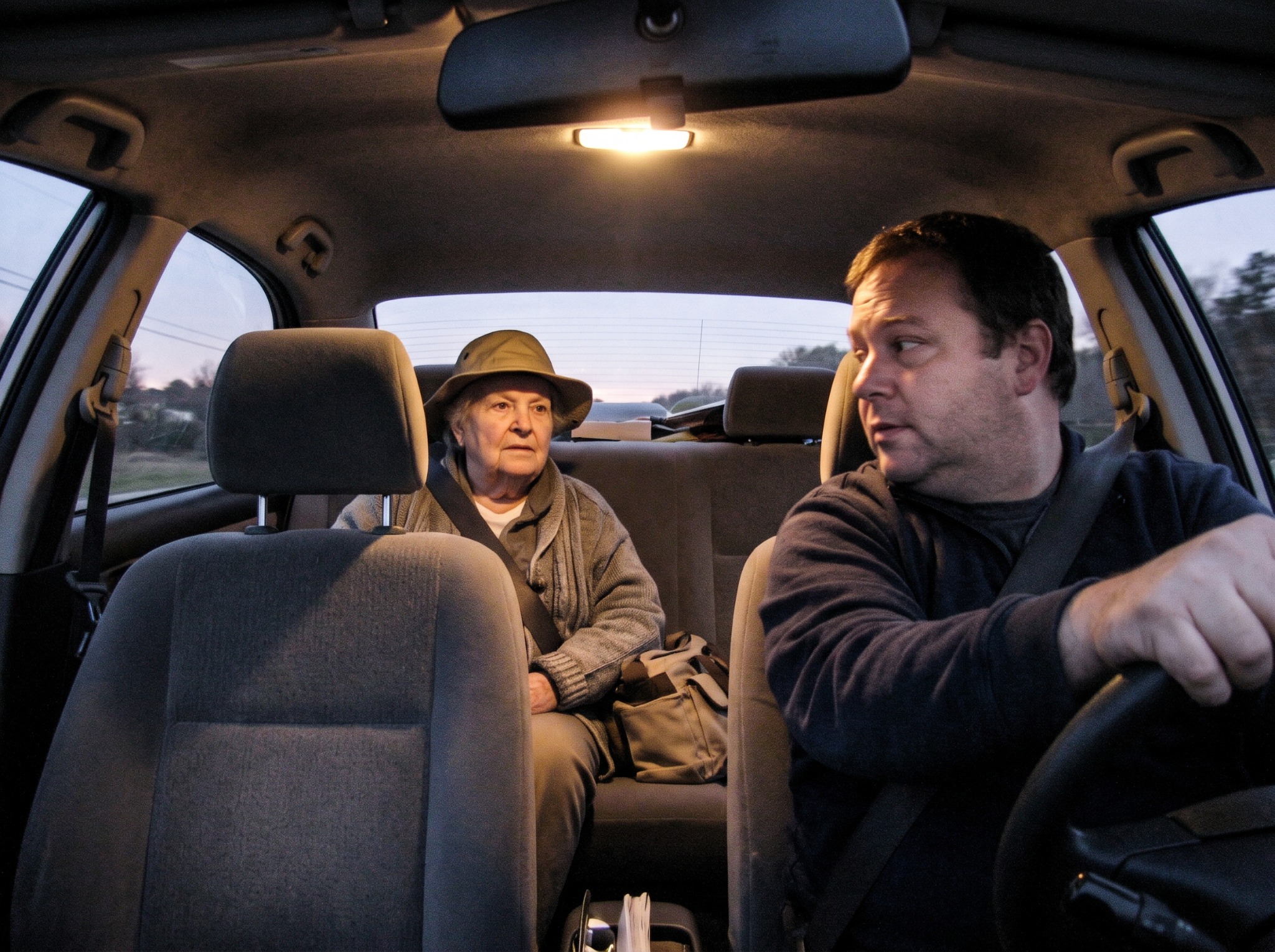
 Facebook ad: “An 83-Year-Old Woman Got In My Car And Named Why I Was…”
Ran for 2 days, from November 3 to November 5, 2026, the last day Crush saw it.
Run by Rob's Health on Facebook. Crush is not the advertiser and does not verify its claims. See this ad in Meta's Ad Library(opens in a new tab)
Make your own version of this ad
Crush makes it, launches it in your own Meta ad account, scales the winners and pauses the losers.
About this ad
- Meta Ad Library ID
- 1158283126538224
- Platforms
- Facebook, Instagram, Audience Network and Threads
- Relaunches
- 0
Ad text
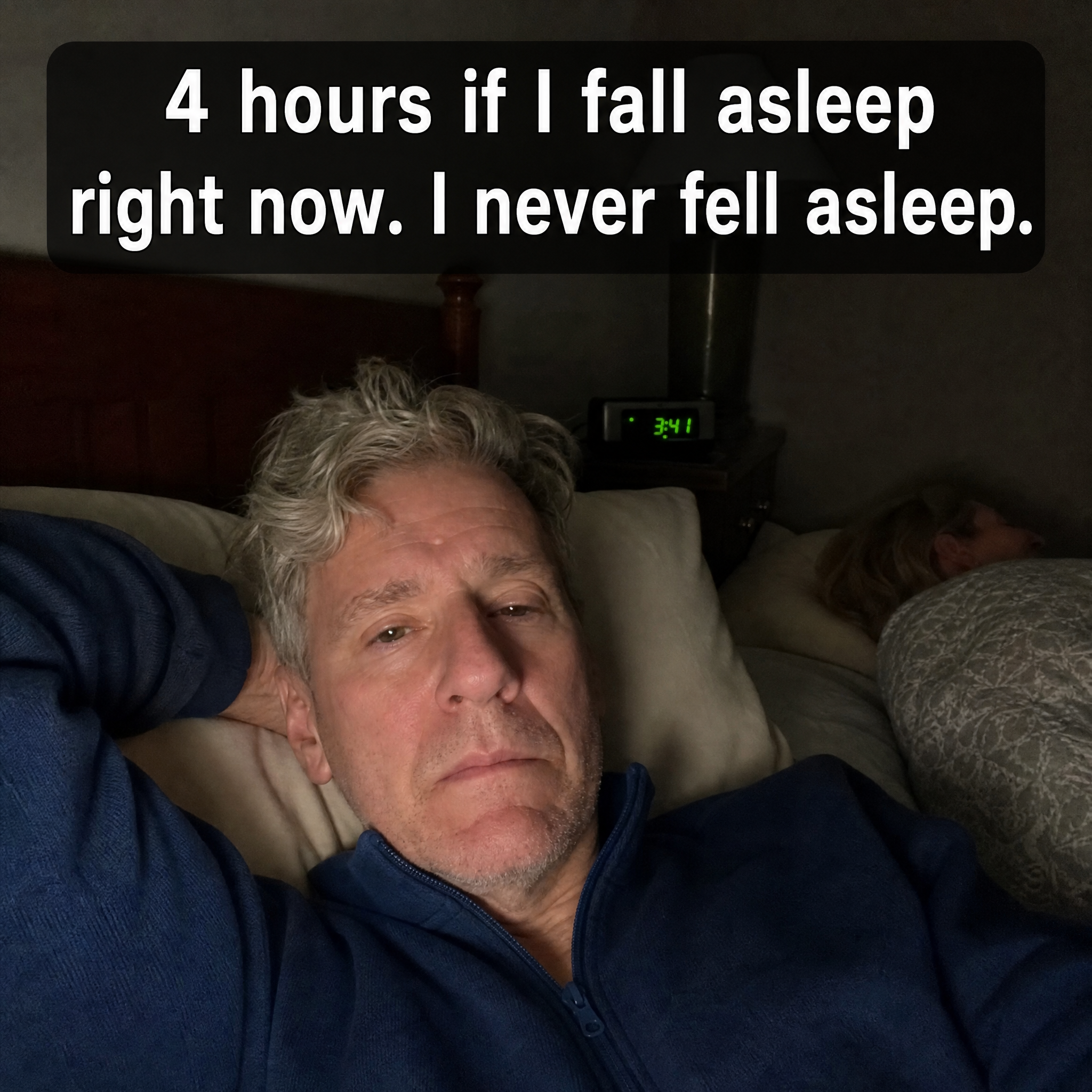
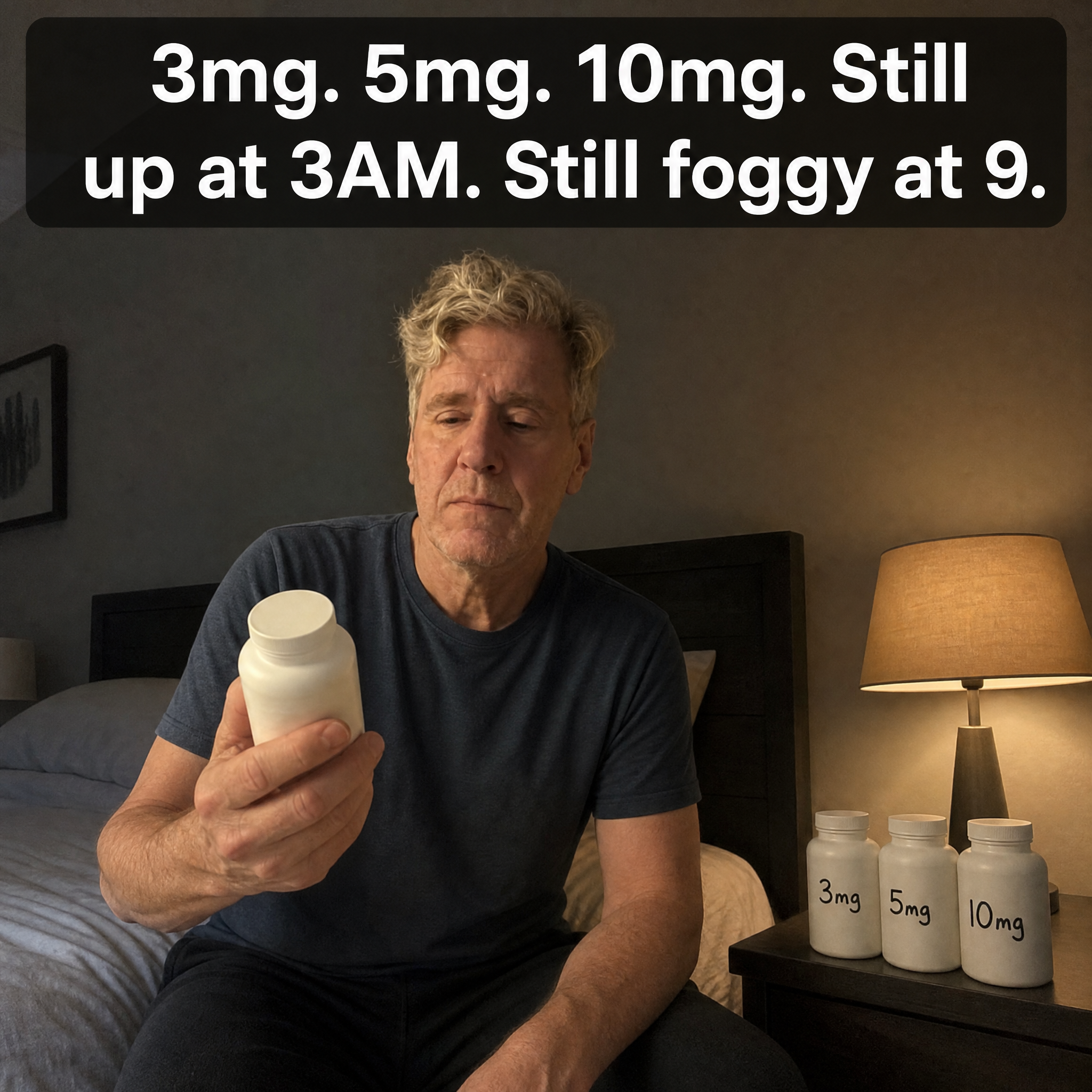
An 83-year-old woman got in my car at Dulles last week, told me she was headed up to her daughter’s farm, and by the time I dropped her off she’d said something about the way I looked that I haven’t been able to shake since. I drive nights. Wife and two kids at home in Falls Church. I’m 38. Been driving since the warehouse job dried up, premium tier on busy nights because the tips are better and God knows we need them. I work the airport runs out of Reagan three nights a week. You learn to read people fast. The lobbyists. The Hill staffers. The tired parents flying back from a funeral. You learn who wants to talk and who wants the radio and silence. Last Tuesday, my third ride of the night, she came out of arrivals slow, with a cane and a canvas bag, waving off a guy who tried to help her with it. Late 80s. Small. Sharp eyes. Cardigan washed a thousand times. She got in the back like she’d done it a hundred times before and gave me an address two hours north, up past the Maryland line. “I’ve got a room at my daughter’s farm,” she said. “I only come down to the city when my granddaughter makes me. I’m going home.” I told her I’d get her there. For the first stretch the radio was on low. The news. Another recall, another shortage, another segment about how nobody can sleep anymore. They had a doctor on saying stress, screens, aging. The usual words. She made a sound in the back seat. Not quite a laugh. “They always blame the day,” she said. “Nobody asks what broke the night.” I looked at her in the rearview. She was quiet a second. Then: “You look tired. Not sleepy tired. The other kind.” I told her I was fine. Long week. “How long’s the long week been going,” she said. “A couple years, by the look of you.” I glanced at her again. She wasn’t being unkind. She was just old enough not to bother with the polite version. “Something like that,” I said. She nodded like that settled something. I asked her what she did. Farm work? “Babies,” she said. “I was a night nurse for forty-one years. Then I ran a boarding house near the train station for another twenty. I’ve watched more people try to sleep than most doctors ever will.” She looked out the window at the trees going by. “And I’ve watched this country forget how to go to bed.” I laughed a little. She didn’t. “You’re the first people in history who think sleep should come from force,” she said. “More melatonin. Stronger pills. Blackout curtains. Machines that make ocean sounds. You knock yourselves over the head and then wonder why you wake up at three in the morning with your heart pounding.” I told her if it were that simple, a doctor would’ve caught it in me. “Would he,” she said. “You ever had a doctor ask what happens at eight o’clock at night? Not whether you’re sleepy. Whether your body knows the day is over.” I didn’t answer. “Sleep isn’t a switch,” she said. “It’s pressure. It builds all day. Adenosine, the researchers call it now. We didn’t have the word. We just knew a body that worked hard, ate early, and sat quiet after supper got heavy when the light went down. That pressure is what holds you under. Not just to sleep. Through sleep.” She looked at me in the mirror. “You people spend all day pouring coffee on the pressure and all night blasting light into your eyes. Then you take ten milligrams of melatonin and teach your brain it doesn’t need to make the signal anymore. Of course you wake at three. The pressure ran out and there’s nothing holding you down.” I kept driving. My hands felt tight on the wheel. “While you’re lying there,” she said, “your mind starts making lists. Your heart speeds up. You look at the clock. Now you’re not just awake you’re afraid you’ll be awake tomorrow too. That fear becomes its own alarm. By eight the next night you’re dreading bed before you ever get in it.” I thought about my wife. Two years now telling me she’s exhausted and doesn’t know why. Falling asleep on the couch at 9:30, then wide awake at 3. Snapping at the kids and hating herself for it. Two doctors. Bloods normal. Told to manage stress and drink less coffee. I told the old woman about her. I don’t know why. Something about the way she talked. She listened to the whole thing without interrupting. “That’s her, then,” she said quietly. “Not just you. Both of you. Same house. Same light. Same late dinners. Same dread. That’s how it goes in a family.” I asked her, if the usual stuff doesn’t work, what do you even do. “Here’s where most people go wrong,” she said. “Two mistakes, and I’ve watched folks make both for eighty years.” She held up a thin finger. “One. You can’t force sleep. High-dose melatonin might knock you down the first few nights. Then your brain waits for it. The dose climbs. Three milligrams. Five. Ten. Each one works a little less than the last, and the morning fog gets heavier.” Another finger. “Two. Even when the ingredients are right, the form is wrong. A capsule swallowed at 9:40 is still sitting there when the body needed the signal at 9:10. Sleep comes from rhythm. Warmth. Repetition. A cup your body learns to trust. Not a pill your stomach has to fight with.” She looked at me. “It has to do three things, in order. Quiet the mind. Rebuild the pressure. Keep the signal low enough that your body doesn’t forget how to make it. Miss one and you’re back at the ceiling at three.” I asked her what she uses. She reached into that worn canvas bag beside her and, after a minute of digging, pulled out a pouch. Not a bottle. A pouch. She held it up so I could see it in the mirror. “This.” “What is it.” “It’s what I couldn’t make anymore,” she said, and she almost laughed at herself. “I’m 86. I can’t grow and dry and blend twelve plants by hand the way I did at 40. My granddaughter found this and I read the label and I nearly fell over. It’s the old cup, done right, in one pouch.” “What’s in it.” “Chamomile and lemon balm to quiet the mind. Valerian and passionflower for falling asleep and staying asleep. Lavender and linden flower for the nerves. Magnolia bark and ashwagandha for that hidden 3AM stress spike. Magnesium glycinate and L-theanine to relax the body. And melatonin only 1.5 milligrams. Enough to confirm the signal. Not enough to replace it.” She tapped the pouch. “Thirty cups. One every night. Steep it thirty minutes before bed. Warm. Slow. The body learns the ritual faster than it learns a pill.” “What’s it called.” “Deep Sleep Tea.” She put the pouch back in her bag. “They make it in a GMP facility in the States. Every batch tested. Sixty-day money-back promise on it too, though I’ll tell you now you won’t use it. Around the third night, most people stop fighting the pillow. After that, they’re not sending anything back.” We came off the highway onto a two-lane road, farms on both sides now, the light going gold. “You won’t find it piled up in every store,” she said. “Good. The people who make it aren’t chasing everyone. They made it for the ones who already figured out force doesn’t work.” She looked at me in the mirror, and her voice softened. “Everything else I’ve said tonight, you can argue with me. Maybe you think an old nurse sees sleep problems the way a man with a hammer sees nails. Fine. But you told me your wife falls asleep and wakes at three and every test says she’s fine. I’ve heard that exact sentence a thousand times in eighty years, young man. And nearly every time, this was the answer.” We pulled up to her daughter’s place. An old farmhouse, a porch light on, a barn behind it going dark. She didn’t get out right away. She pulled a little notepad from her bag, wrote something on it, and handed it forward between the seats. A website. Written in careful old-fashioned cursive. “That’s where my granddaughter orders mine,” she said. “Not a store. Just there. Get one for your wife. Get one for yourself. You broke the rhythm together, you fix it together.” “Why the rush,” I said. “It’s been two years already.” “Because it’s been two years already,” she said. “That’s two years of her losing a little more of herself every night. Two years is long enough for a young woman to forget what rested feels like. Don’t make it three.” I helped her up the porch steps. She patted my arm at the top. “You’re a good boy. You look after her.” Then she went inside. I drove home the long way in the dark. Didn’t turn the radio back on. Got in past midnight. Wife asleep on the couch, TV still going. Kids upstairs. I sat at the kitchen table with that little notepad page and considered typing the website in. Didn’t. I told myself she was 86 and old nurses think every problem is a ritual. My grandmother was the same way. I went to bed. Two days passed and I didn’t buy anything. Didn’t tell my wife. Didn’t want to get her hopes up over what an old woman said in the back of my car. Then Friday morning, walking the kids to school, my wife stopped on the sidewalk and showed me her phone. Another article. “Why everyone wakes up at 3AM.” A line about stress, a line about aging, nothing about pressure. Nothing about the night. I didn’t say anything. Then Sunday a woman at my wife’s office came up in conversation. Out on leave. Same story exactly. Falls asleep fine. Wakes at three. Foggy. Every test clean. No answers. Word for word what the old woman had described. That night I told my wife the whole thing. The nurse. The pressure. The high-dose melatonin trap. The capsule sitting in the stomach. The cup. The pouch. She listened to all of it without a word. When I finished she got up, went and brushed her teeth, came back, and asked one question. “Where’s the paper she gave you.” I showed her. She ordered the 6 + 2. One for us, and enough to actually stay consistent. It came four days later. I started the next night. One cup, thirty minutes before bed, like the old woman said. Night one, my mind went quiet. I’ll spare you the detail. I lay there waiting for the usual flood the lists, the clock, the little jolt of panic and it just didn’t come. Not knocked out. Not drugged. Just quiet. By night three I woke once, looked at the ceiling, and drifted back under before I could start bargaining with the day. By the end of week one the 3AM wake-up was just gone. Didn’t stare at the clock. Didn’t feel my heart pounding. Slept through. My wife started hers two days after me. By her second week she came into the kitchen one morning and said, “I slept the whole night. When did that stop being normal for me.” That night after the kids were down she asked me one more thing. “Did you get enough for my mom.” I told her I already had. She just nodded. But I could see it on her face. She’d been carrying the same quiet weight for two years, that something-is-wrong-and-nobody-can-tell-me-what feeling. She just hadn’t known what to do about it. Now she did. I don’t know who’s reading this. But if you fall asleep fine and wake at 3AM… if your mind starts making lists the second your eyes open… if you sleep seven hours and wake up drained… if bedtime has started to feel like something you dread… then you already know the feeling. An 86-year-old woman who spent forty-one years putting other people to sleep looked at me for two minutes and saw it. She didn’t have to say a thing. She could have ridden home in silence. She told me because she’d spent a lifetime watching people lose years they didn’t have to lose. I sat on it for two days and told myself she was just an old nurse. I was wrong. This is the site she wrote on that notepad. https://happyfitchallenge.com/dst-ecom/?aff_id=38&fb=1 Common isn’t the same as normal. Fix the signal before you lose another year to a system nobody taught you to rebuild. P.S. The details, since people keep asking. Deep Sleep Tea. Chamomile, valerian root, lavender, passionflower, lemon balm, magnolia bark, ashwagandha, magnesium glycinate, L-theanine and linden flower. Only 1.5mg melatonin not 5 or 10. Monk fruit, no sugar. Thirty cups per pouch. One warm cup thirty minutes before bed. 4.9 stars from 36,000+ reviews. 60-day money-back guarantee. The 6 pouch package comes with 2 free, free shipping, and works out to about $0.73 a night. That last part is why most people don’t quit before the full reset. P.P.S. If you’re thinking you’ll just take more melatonin instead, the old woman would tell you the same thing she told me. Force wears off. Pressure lasts. Sixty nights and a guarantee. The only thing you’re risking is finding out.
Where the ad sends people
happyfitchallenge.com
An 83-Year-Old Woman Got In My Car And Named Why I Was Exhausted
Learn more: happyfitchallenge.com(opens in a new tab)