The Anxiety Doctor
The Anxiety Doctor Facebook ad: “Read if your psychiatrist never once asked about your gut…”
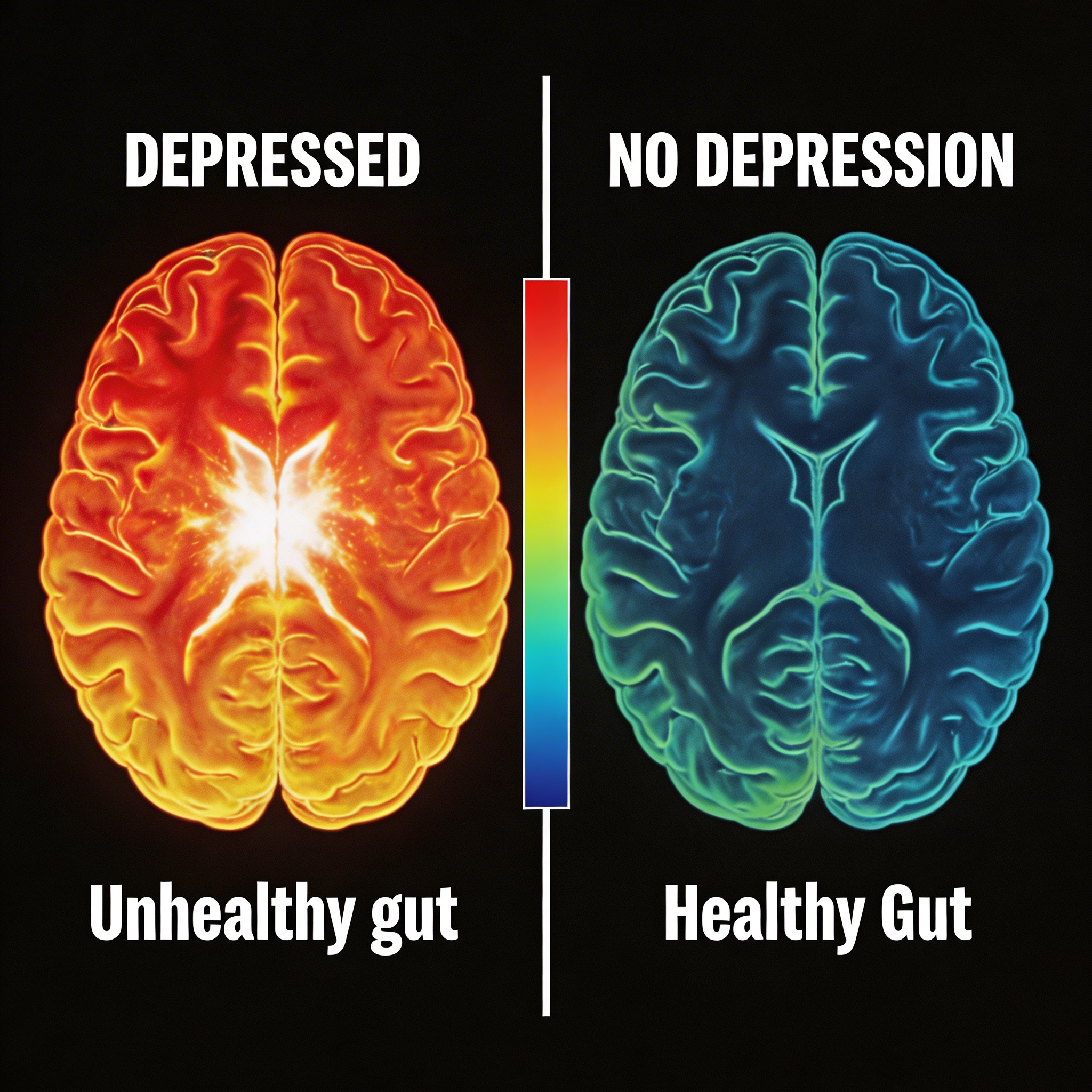
Ran for 1 day, from March 27 to March 28, 2026, the last day Crush saw it.
Run by The Anxiety Doctor on Facebook. Crush is not the advertiser and does not verify its claims. See this ad in Meta's Ad Library(opens in a new tab)
Want an ad like this for your product?
Crush makes new ad images for your product from this ad: your logo, your product photo, your offer.
Trials from $19.95 USD, then $79.95 USD a month. Cancel anytime.
About this ad
- Meta Ad Library ID
- 1158552409619958
- Platforms
- Facebook, Instagram, Audience Network, Messenger and Threads
- Relaunches
- 0
Ad text
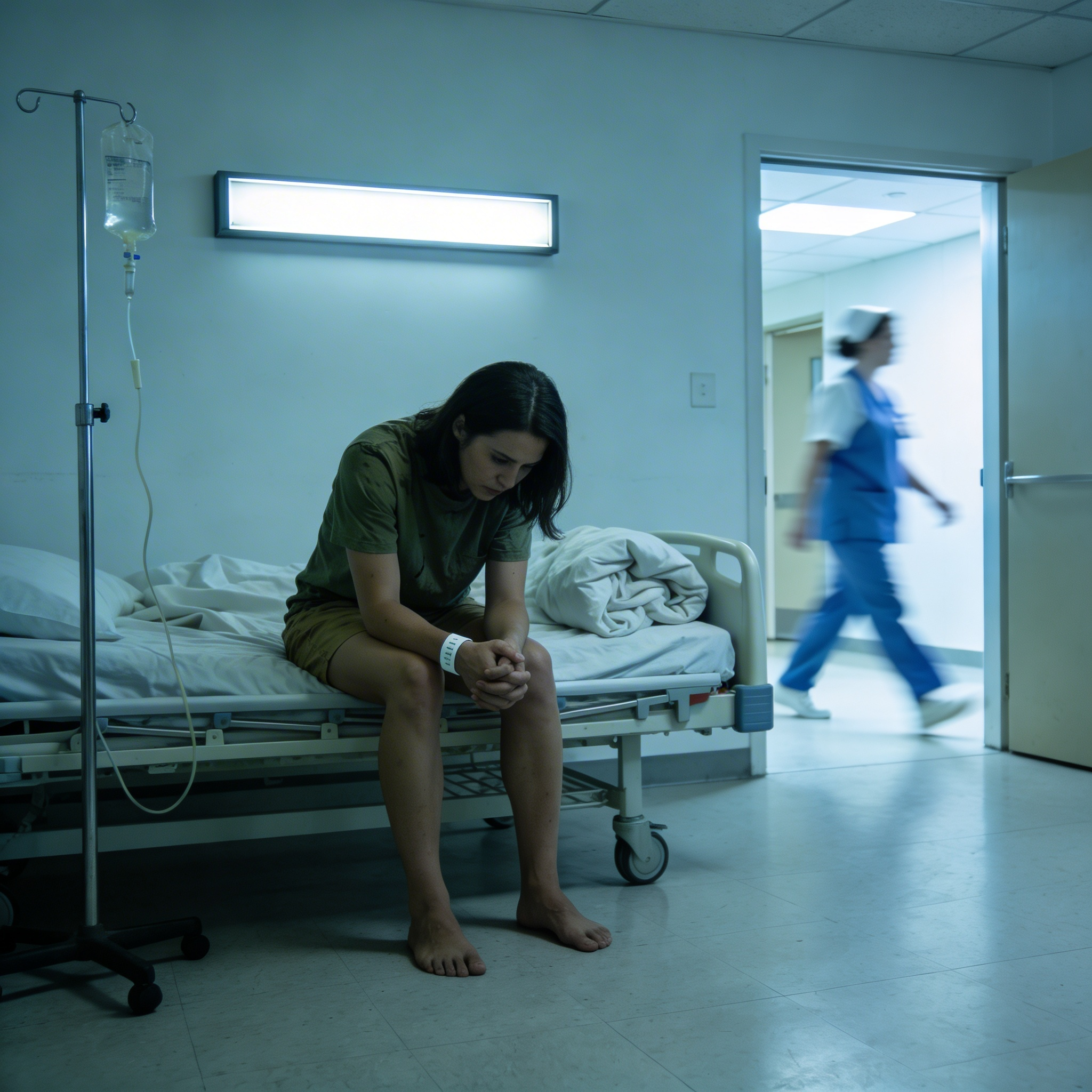
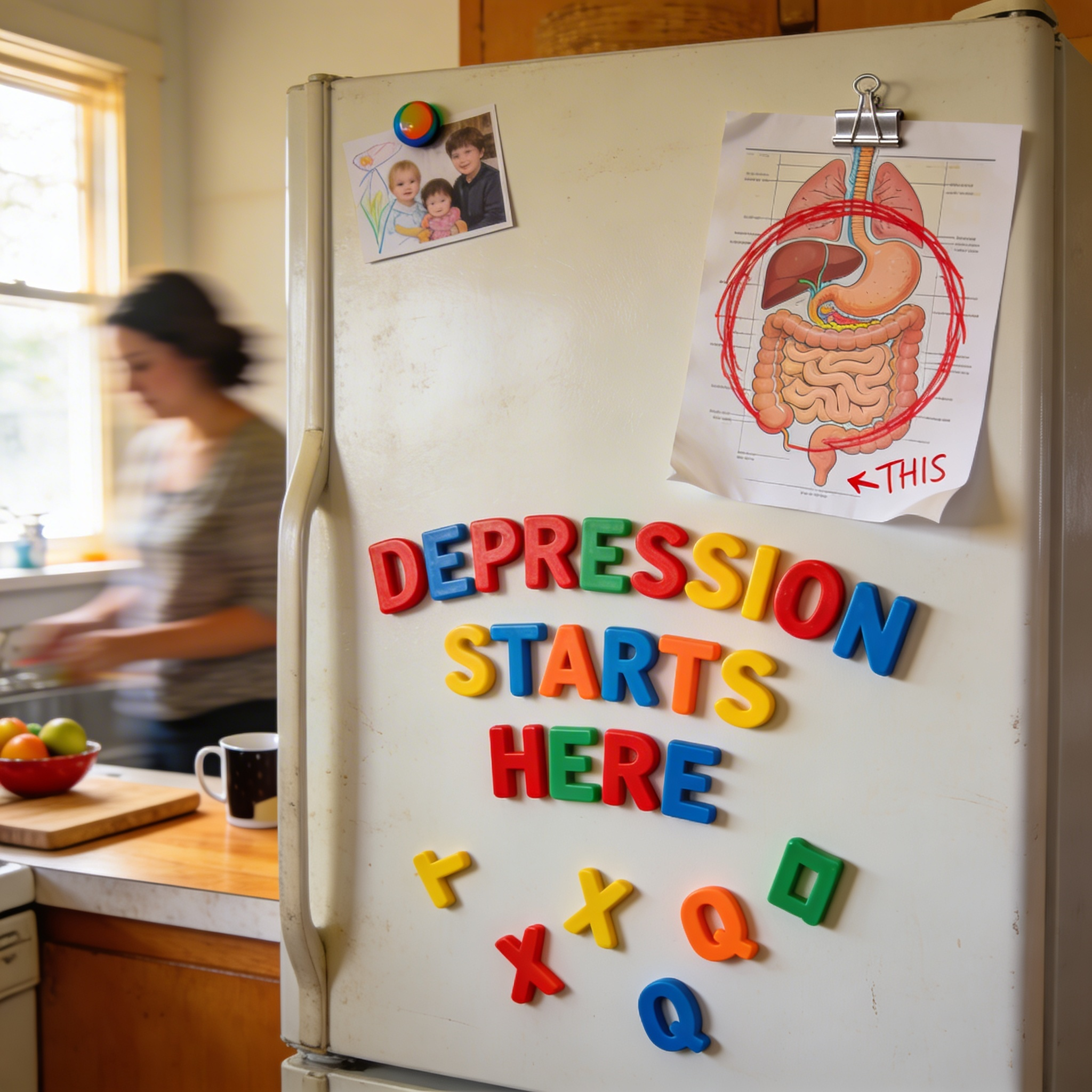
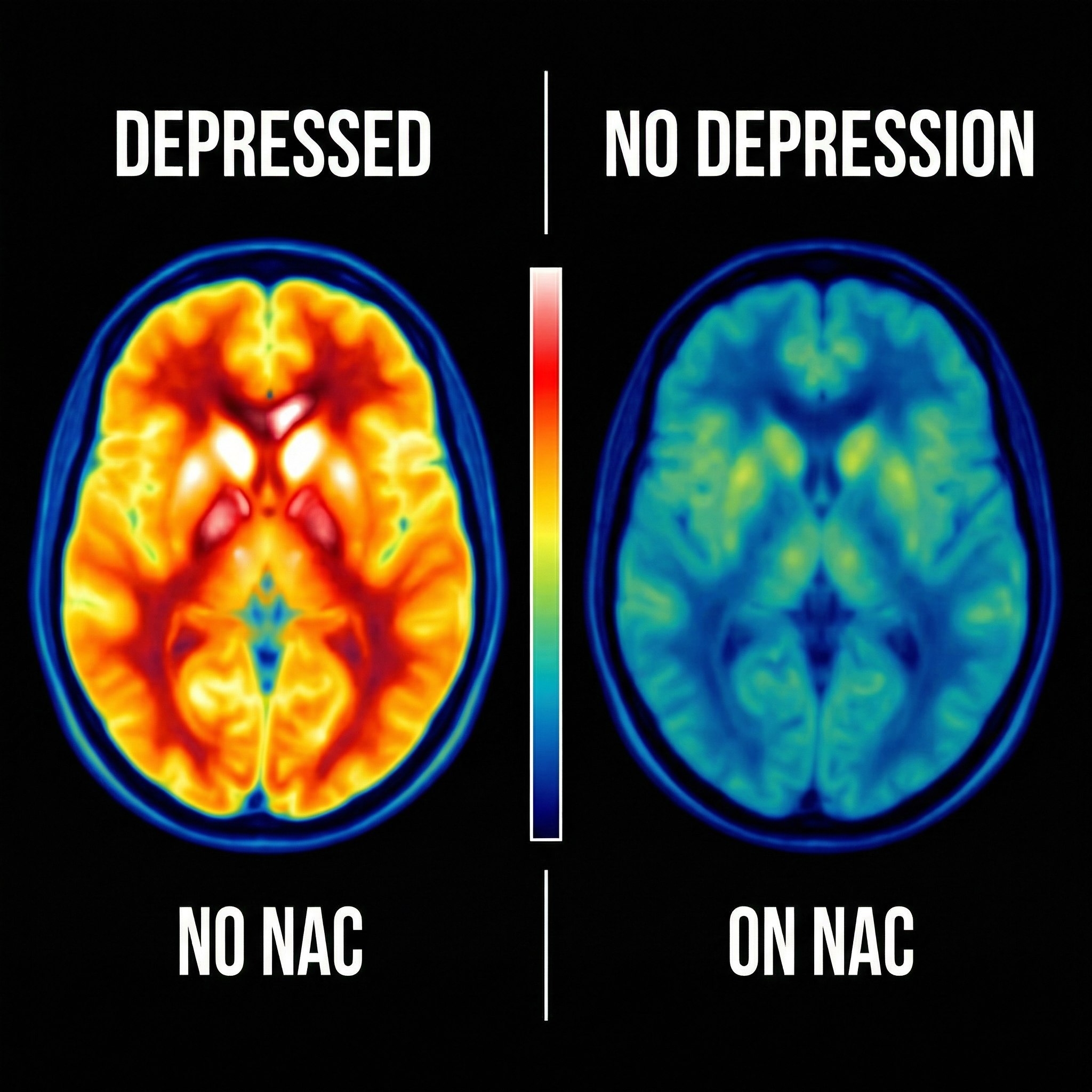
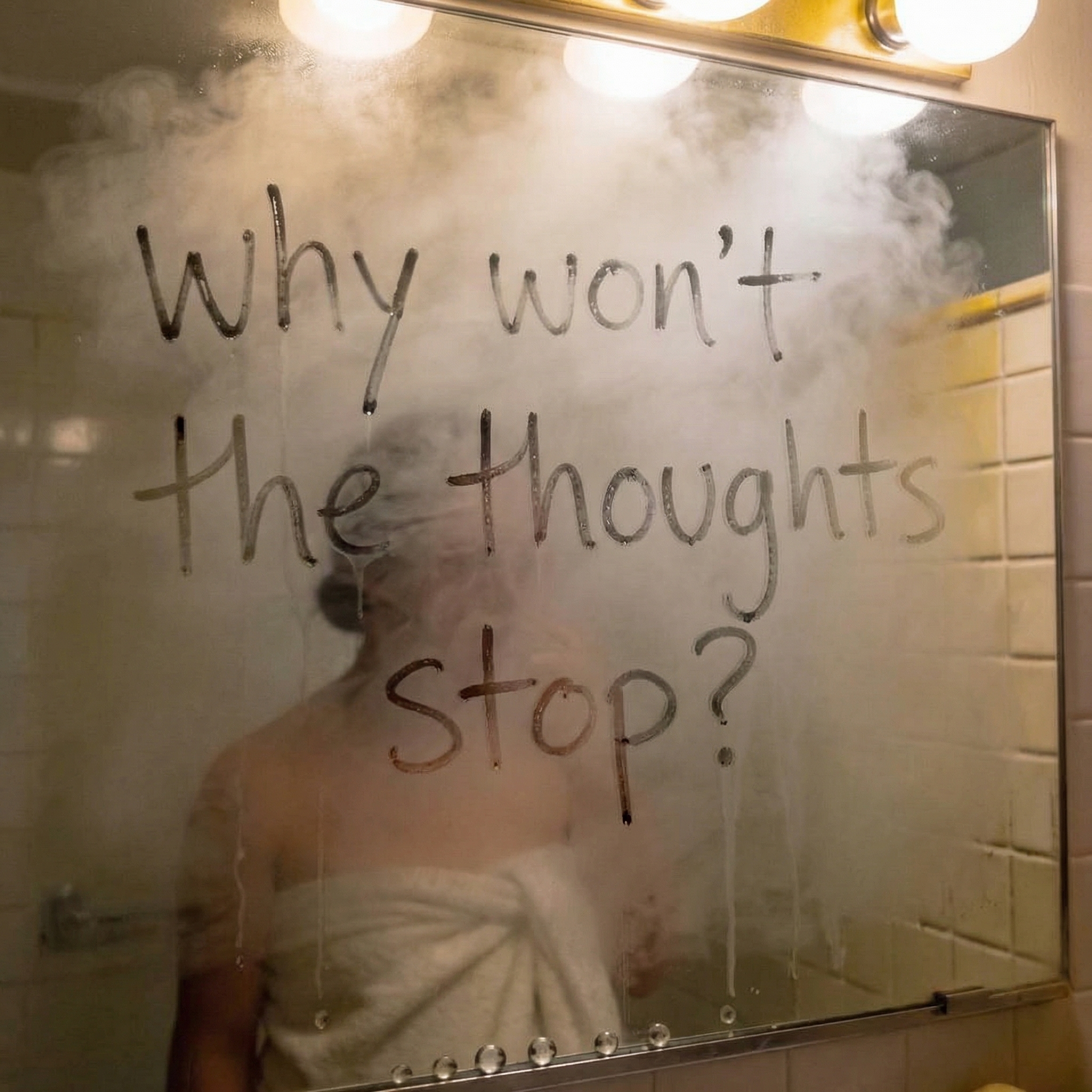
I watched my daughter blow out her birthday candles last week and felt the same thing I feel watching a stranger pump gas — absolutely zero. Seven candles. Pink frosting. Her favorite chocolate cake that I spent two hours making because I thought if I just did normal mom things I'd start feeling like a normal mom again. She looked up at me with frosting on her nose and said "Mommy are you happy?" And I said yes. Because what else do you say to a seven-year-old. But I wasn't happy. I wasn't sad either. I wasn't anything. I was just a body standing behind a birthday cake performing the role of a mother who is present. This is what fourteen months on Lexapro gave me. Not recovery. A costume. I could function just enough to show up. But the person inside the costume — the person who used to cry at school plays and laugh until her stomach hurt and feel her heart physically expand when her daughter smiled — that person was gone. And I was starting to accept that maybe she wasn't coming back. Then my body started falling apart in a way that had nothing to do with my brain. Or at least that's what I thought at the time. My stomach had been getting worse for months. Bloating so bad I looked pregnant by 6pm every night. Cramping after every meal. Foods I'd eaten my whole life suddenly made me sick. I figured it was stress. Or the medication. Or just another thing wrong with me that nobody could explain. It turned out to be the key to everything. My GP sent me to a gastroenterologist. Standard stuff. Endoscopy, bloodwork, stool tests. And this is where everything changed. He sat me down with the results and said something no doctor had ever said to me in three years of treatment. "Your gut lining is severely compromised. You have significant intestinal permeability. And I want to ask you something that might sound strange — how's your mental health?" I stared at him. He explained it like this. Your gut lining is supposed to be a tight barrier. It lets nutrients through and keeps everything else out. But when that barrier gets damaged — from stress, from medications, from years of inflammation — it starts leaking. Not food. Inflammatory molecules. Cytokines. Proteins that have no business being in your bloodstream. And those inflammatory signals travel straight to your brain. He pulled up a study on his computer. Showed me brain scans of people with intestinal permeability versus people without it. The inflammation patterns in the brain were concentrated in two specific areas — the nucleus accumbens and the anterior cingulate cortex. I didn't know what those were. He said "those are the circuits that control your ability to feel pleasure, regulate your mood, and break out of repetitive thought loops." My hands started shaking. He said "your depression might not be a serotonin problem at all. It might be an inflammation problem that originates in your gut and shows up in your brain. And every SSRI you've taken has been medicating the wrong organ." I sat in that office and cried for ten minutes. Not because I was sad. Because for the first time in three years somebody had an explanation that actually made sense. I went home and spent the next five hours reading everything I could find about the gut-brain axis and neuroinflammation. Published studies. Not Reddit posts. Actual peer-reviewed research from Yale, Johns Hopkins, the NIH. And it was all there. Study after study showing that inflammatory cytokines from a damaged gut cross the blood-brain barrier and trigger the exact same symptoms as major depressive disorder. Intrusive thoughts. Anhedonia. Mental paralysis. Emotional flatness. The same symptoms I'd been treating with serotonin medications for three years. But serotonin was never the problem. The inflammation was the problem. And the inflammation wasn't starting in my brain — it was starting in my gut and traveling north. Every SSRI I'd ever swallowed was trying to fix a flood by mopping the ceiling while the pipe was bursting in the basement. My gastroenterologist told me about a compound that does two things simultaneously. It restores glutathione levels in the gut lining — glutathione is the antioxidant your gut needs to repair its barrier function and stop the inflammatory leak. And it crosses the blood-brain barrier itself to reduce the neuroinflammation that's already there. It wasn't a probiotic. It wasn't a fiber supplement. It wasn't another SSRI. It was N-Acetylcysteine. NAC. An amino acid derivative that's been used in hospitals for over 50 years. I was skeptical. Obviously. Three years of failed treatments will do that to you. But the research was real. And the mechanism actually made sense for the first time. I wasn't trying to force more serotonin into a brain that was on fire. I was putting out the fire. I started taking it. Pharmaceutical-grade, 1,200mg per day. Nothing happened for ten days. I almost quit. Day fourteen I woke up and made coffee and realized I'd been standing at the counter for five minutes without a single intrusive thought. Just standing there. Quiet. I can't explain what that feels like if you haven't lived inside a brain that never stops talking. It felt like someone turned off a machine that had been running in the background for years. By week three my stomach started settling. The bloating went down. The cramping spaced out. And as my gut started healing, my mood kept lifting. Not like a light switch. Like a sunrise. Gradual. But unmistakable. Week five I was at my daughter's soccer game and she scored a goal and I screamed so loud the other parents looked at me. I didn't care. I was feeling something. Something real. Something that wasn't manufactured by a pill that numbed everything else to get there. I cried in the car after. My husband held my hand and said "there you are." That was six months ago. My gut is healing. The inflammation markers in my last bloodwork dropped significantly. And my brain — the brain three psychiatrists tried to fix with serotonin — is quieter than it's been since my twenties. I'm not cured. I still have hard days. But the hard days don't erase the good ones anymore. The brand I use is called Renoura. It's the only one I found that matches the clinical dosing from the research — 1,200mg pharmaceutical-grade NAC, no fillers, no junk, third-party tested. They do a 60-day guarantee which is how I justified trying yet another thing after wasting hundreds on supplements that did nothing. I almost didn't write this. It feels strange telling strangers about your bathroom floor at 3am. But if you're lying somewhere right now feeling nothing — and you've also got a stomach that's been a mess for years and nobody's ever connected those two things — I need you to know they might be the same thing. Your brain might not be broken. Your gut might be leaking inflammatory signals straight into the circuits that control how you feel. And no amount of serotonin medication is going to fix a problem that starts below your stomach. I'll drop the link below. Check if they have stock — they run out constantly because they're small and won't cut corners on quality. This isn't medical advice. Talk to your doctor. But also maybe ask your doctor why nobody's tested your gut while they've been medicating your brain for three years. That question changed everything for me.
Where the ad sends people
renoura.store
Read if your psychiatrist never once asked about your gut health ☝️
A pharmaceutical-grade amino acid that restores glutamate balance in the brain regions where intrusive thought loops originate. NAC is the precursor to glutathione, your brain's master antioxidant and the key regulator of the neural circuits behind anxiety, rumination, and mental paralysis.
Learn more: renoura.store(opens in a new tab)