YOURS Non-Alcoholic Wine
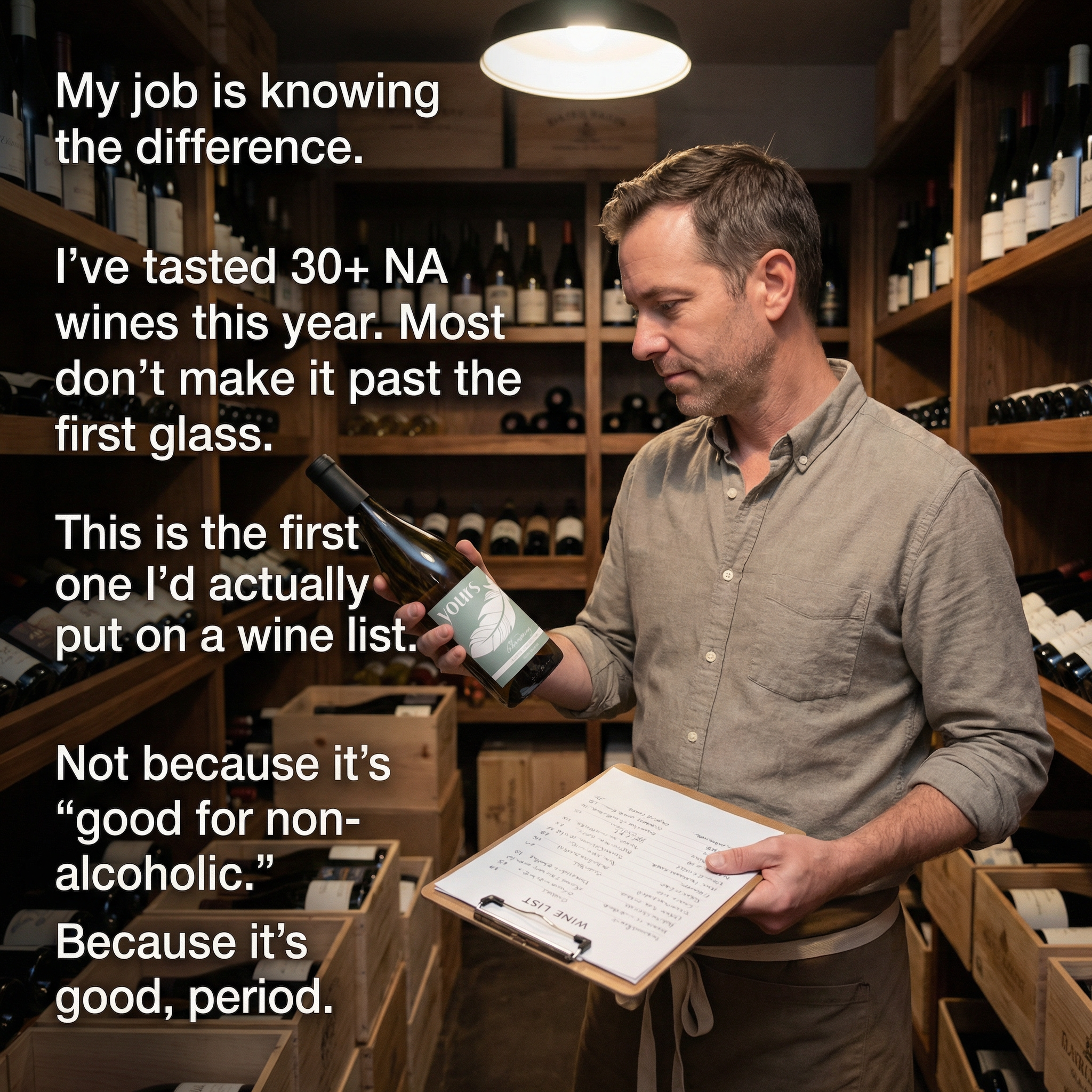
YOURS Non-Alcoholic Wine Facebook ad: “Stop scrolling if you suffer from thin, sweet NA red”
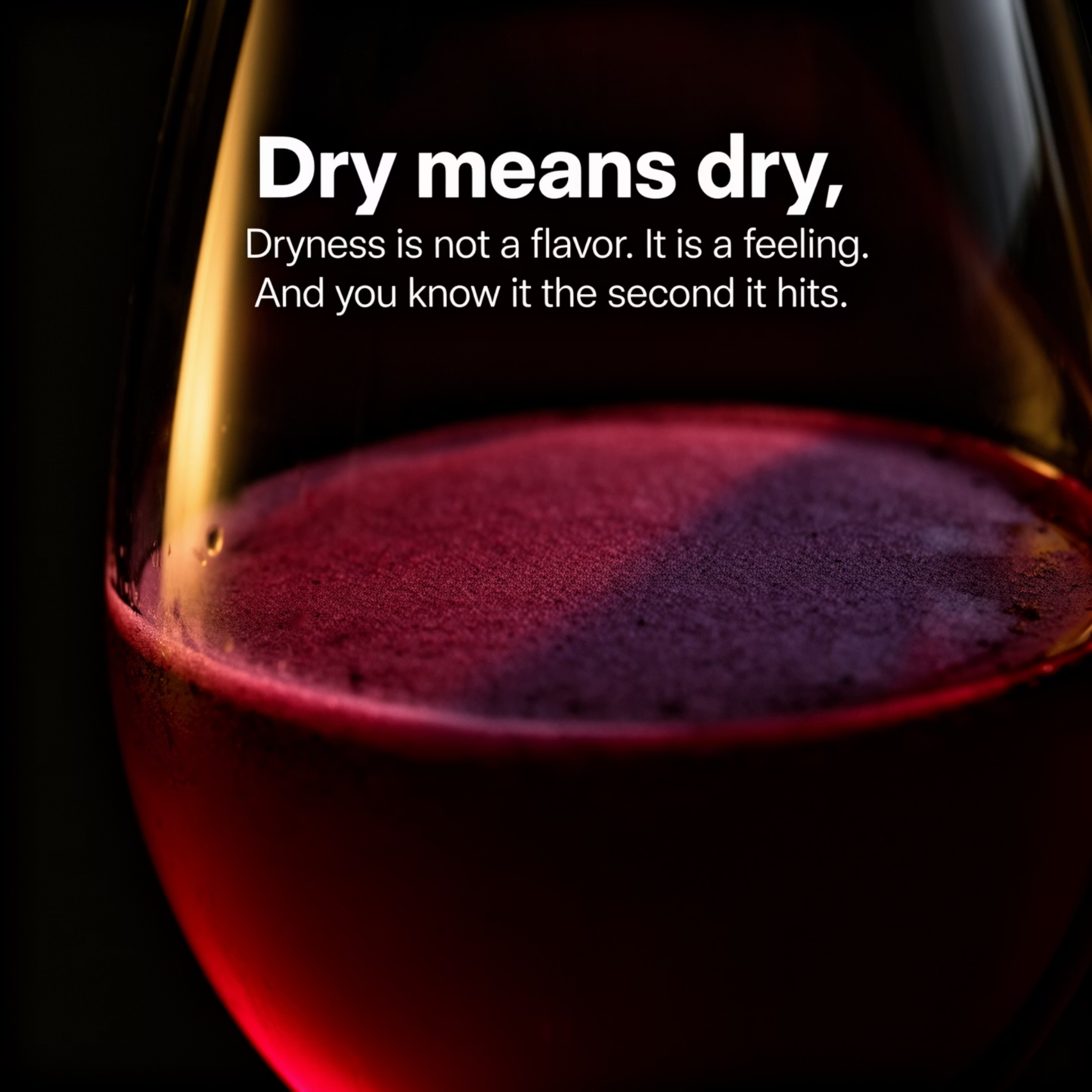
Ran for 55 days, from December 31, 2025 to February 24, 2026, the last day Crush saw it.
Run by YOURS Non-Alcoholic Wine on Facebook. Crush is not the advertiser and does not verify its claims. See this ad in Meta's Ad Library(opens in a new tab)
Want an ad like this for your product?
Crush makes new ad images for your product from this ad: your logo, your product photo, your offer.
Trials from $19.95 USD, then $79.95 USD a month. Cancel anytime.
About this ad
- Meta Ad Library ID
- 1163116475974045
- Platforms
- Facebook, Instagram, Audience Network, Messenger and Threads
- Relaunches
- 0
Ad text
Stop scrolling if you suffer from this thin, sweet NA red that disappears after one sip. I had this problem too. I wanted wine without alcohol. I did not want juice. I did not want soda in a wine bottle. I wanted a real glass of red wine at night, without paying for it the next morning. I tried what everyone tries first. The grocery store brands. The ones with the familiar labels. The ones people say are “good for NA.” One sip in, the same reaction every time. Sweet. Flat. Thin. That grape juice feeling you cannot un-taste. At first, I assumed what most people assume. Non alcoholic wine just tastes bad. Red wine especially. Alcohol is the magic, and without it, the whole thing collapses. I stopped blaming the brands and started blaming the category. I told myself it was hopeless. I drank sparkling water instead. I missed the glass. I missed the pour. I missed the pause before the first sip. But here is what living with that problem actually felt like. Every night, I wanted an off switch. Work ends. Dinner starts. The house finally goes quiet. That moment always used to come with a glass of red wine. Without it, the night stayed flat. Water felt functional. Tea felt sleepy. Everything else felt like a compromise. I did not miss getting drunk. I missed structure. I missed dryness. I missed something that slowed me down instead of disappearing on my tongue. I kept thinking about how strange that was. Because I did not hate all NA wine. The whites were fine. Some were even good. That part did not make sense. I could drink a dry NA white and enjoy it. Crisp. Acidic. Clean finish. But every NA red failed the same way. Sweet first. Empty after. Gone before it even finished a thought. That was the first crack in my assumption. Because if alcohol was the only reason wine worked, none of it should work. Not whites. Not sparklings. Nothing. But some of it clearly did. So I started paying attention. I noticed something odd the next time I tasted a sweet NA red next to a dry NA white. The white had no sugar to hide behind. No softness. No cushion. Yet it still felt alive. The red tasted thicker at first. But then it collapsed. No grip. No finish. Just sweetness sitting where structure should be. That did not line up with the story I was telling myself. Then I started noticing the pattern elsewhere. Every NA red people complained about used the same language. “Too sweet.” “Grape juice.” “Jammy.” “Flat.” Every NA red people tolerated used different words. “Dry.” “Acidic.” “Sharp.” “Needs food.” Nobody ever said, “This NA red has too much structure.” They always said it had none. That raised an uncomfortable question. If sweetness was the problem, why did brands keep adding it? If consumers hated it, why did the category lean on it so hard? That question sat with me longer than it should have. Because the obvious answer was wrong. Brands were not adding sugar because people wanted sweetness. They were adding it because something else was missing. So I started digging. I looked at how wine actually works. Not marketing language. Actual mechanics. Alcohol does more than get you buzzed. It carries aroma. It creates viscosity. It gives weight. It binds flavors together and stretches them across the palate. When you remove it, wine gets thin. Immediately. Red wine suffers the most. Because red wine relies on structure more than fruit. Tannin. Grip. Finish. Without alcohol, those elements fall apart. Most producers respond the same way. They add sweetness. Sugar thickens mouthfeel. It creates a sense of weight. It makes liquid feel fuller than it is. Sweetness becomes a shortcut. Not because it tastes good. But because it hides thinness. Once I saw that, I could not unsee it. I went back to the bottles I had written off. I checked labels. Residual sugar everywhere. I tasted again, slower this time. Sweetness hit first. Then nothing. No tension. No drying sensation. No reason to take another sip. It finally clicked. Sweetness was not the flavor problem. It was the cover-up. That explained everything I had experienced. It explained why whites worked better. They lean on acid, not alcohol. They do not need sugar to feel complete. It explained why reds kept disappointing. They were missing structure, and sugar was trying to impersonate it. It explained why every “better” NA red still felt wrong. Because sweetness cannot replace grip. That was the moment the belief changed. I stopped judging NA wine by how sweet it tasted. I started judging it by whether it had structure at all. Once that lens changed, the solution became obvious. If sugar is the shortcut, the answer is not less sugar. The answer is rebuilding structure. That is where this Cabernet Sauvignon comes in. This wine does not start as juice. It starts as real wine. Fully fermented. Built for dryness from the beginning. Then the alcohol is removed. Carefully. Slowly. Without collapsing the frame. What comes next matters more than what gets taken out. Instead of reaching for sugar, this wine is rebuilt with intention. Acidity to sharpen the edge. Tannin to create grip. A finish that actually lingers. Nothing is added to make it taste sweet. Nothing is added to trick your palate. The goal is simple. Make the wine behave like wine. When you pour it, it looks right. When you smell it, it smells dry. When you sip it, it resists you slightly. That resistance is the whole point. That is what your brain has been missing. That is what made every other bottle feel childish. The first night I drank a glass built this way, the difference was immediate. I did not gulp it. I did not chase flavor. I sat with it. The finish stayed. The urge for another sip came naturally. Not because of sugar, but because of structure. The ritual came back. Over the first week, something else changed. I stopped thinking about alcohol at night. The glass itself was enough. The pause mattered again. In the morning, nothing was missing. No fog. No anxiety. No regret. After a month, it became obvious why this worked. I had not been craving alcohol. I had been craving something adult. Dryness. Tension. A glass that asked for attention. That is what this Cabernet Sauvignon gives you. If you have written off NA red wine, you are not wrong. Most of it fails for the same reason. It is not too sweet by accident. It is sweet on purpose. This bottle takes the harder path. Build structure first. Let dryness speak. Trust the palate. If you want wine without alcohol, but refuse to drink juice, this is the line you have been waiting for. Once you understand why sweetness keeps showing up, the right choice becomes obvious. You do not need another substitute. You need a wine that behaves like wine.
Where the ad sends people
sipyours.com
Stop scrolling if you suffer from thin, sweet NA red
YOURS is on a mission to create the world's best non-alcoholic wine. Whether you’re sober curious, cutting back for health reasons, taking on Dry January or Sober October, or saying goodbye to alcohol forever, YOURS is for you.
Learn more: sipyours.com(opens in a new tab)