Wooffy
Wooffy Facebook ad: “Read This If Your Dog Has Bad Breath”
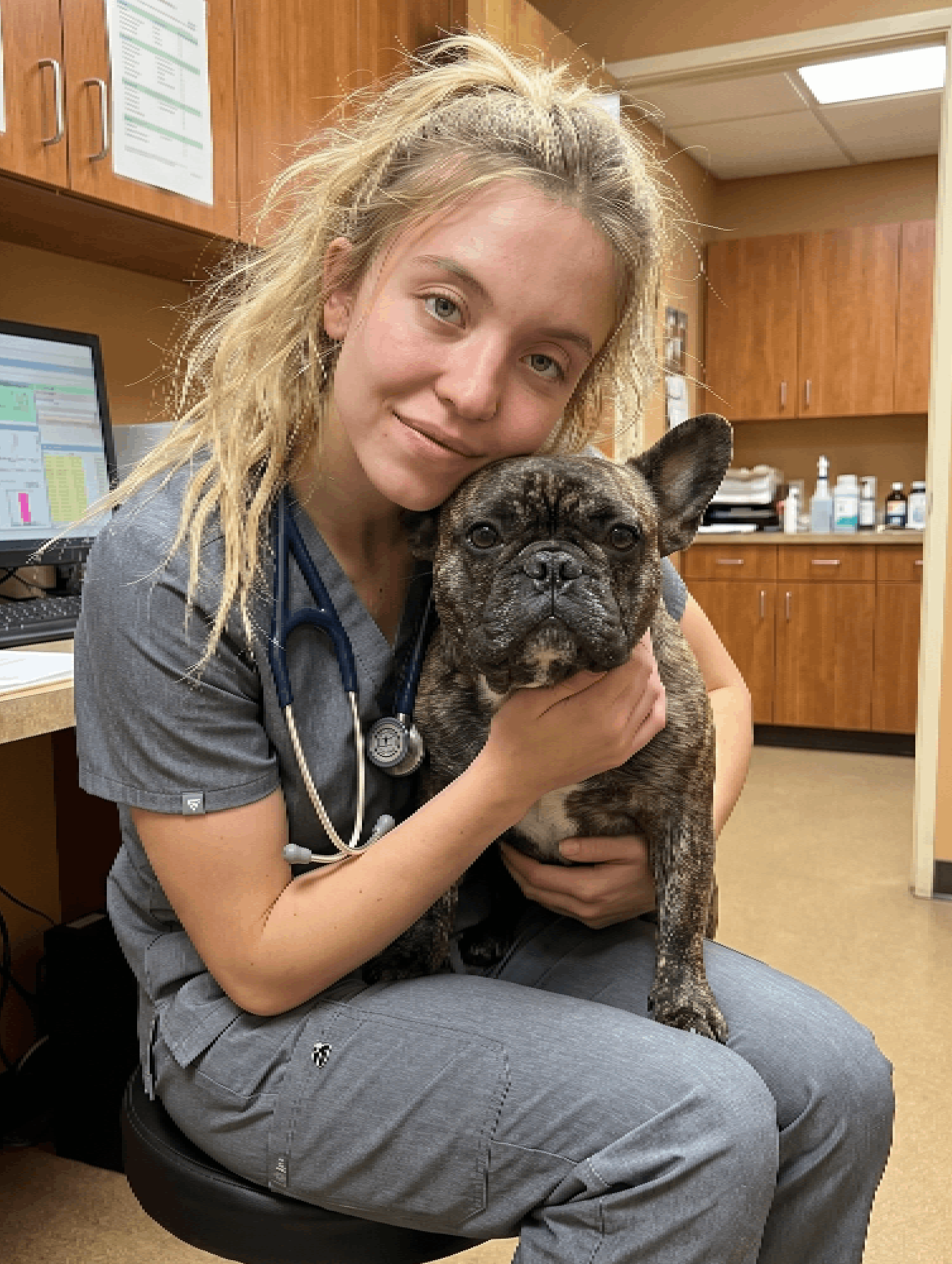
Ran for 2 days, from June 12 to June 14, 2026, the last day Crush saw it.
Run by Wooffy on Facebook. Crush is not the advertiser and does not verify its claims. See this ad in Meta's Ad Library(opens in a new tab)
Want an ad like this for your product?
Crush makes new ad images for your product from this ad: your logo, your product photo, your offer.
Trials from $19.95 USD, then $79.95 USD a month. Cancel anytime.
About this ad
- Meta Ad Library ID
- 1171609322700658
- Platforms
- Facebook, Instagram, Audience Network, Messenger and Threads
- Relaunches
- 3
Ad text
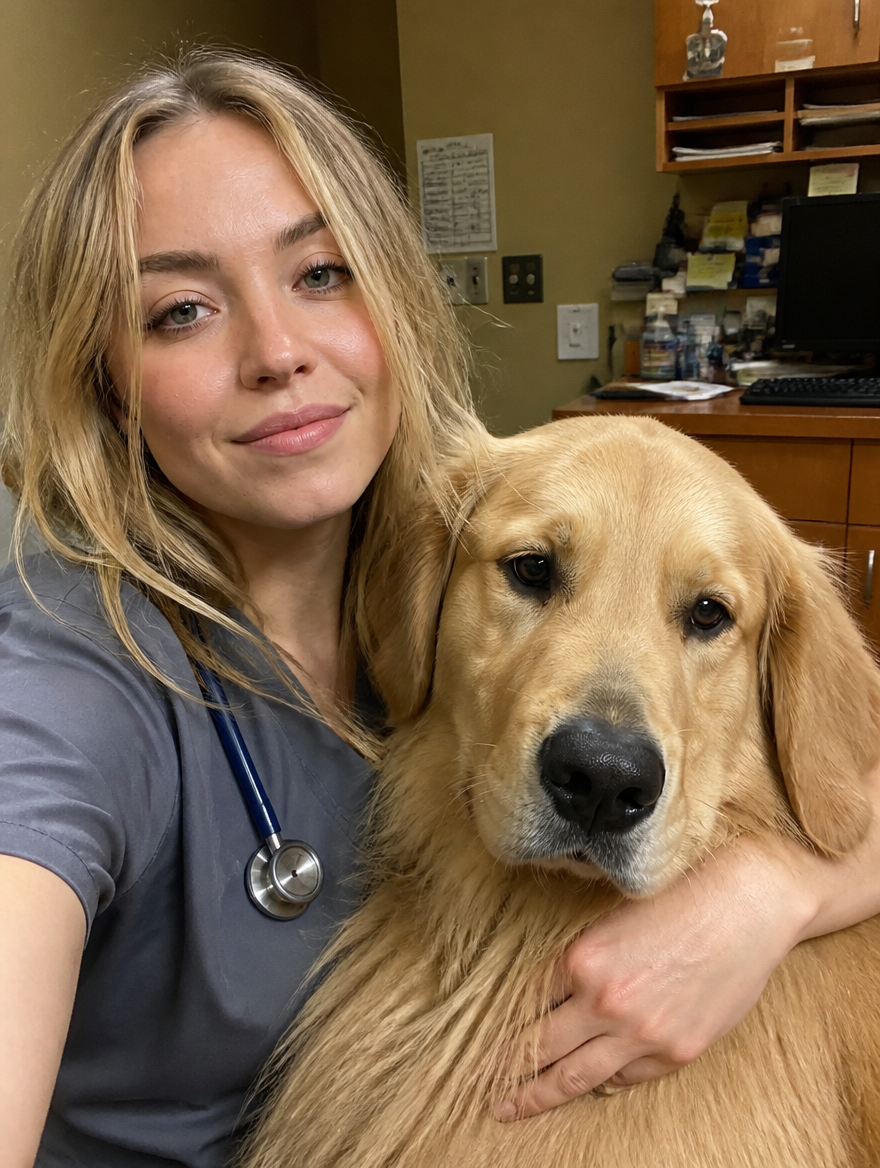
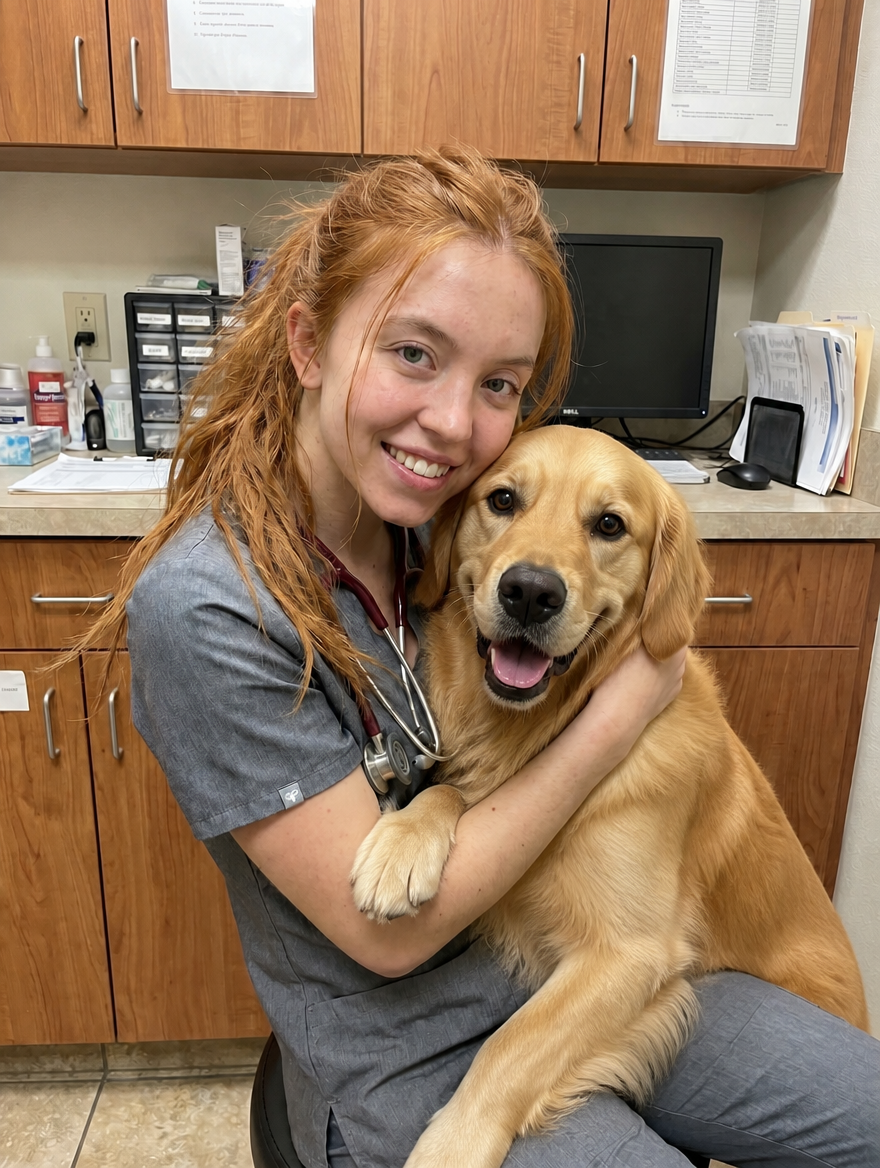
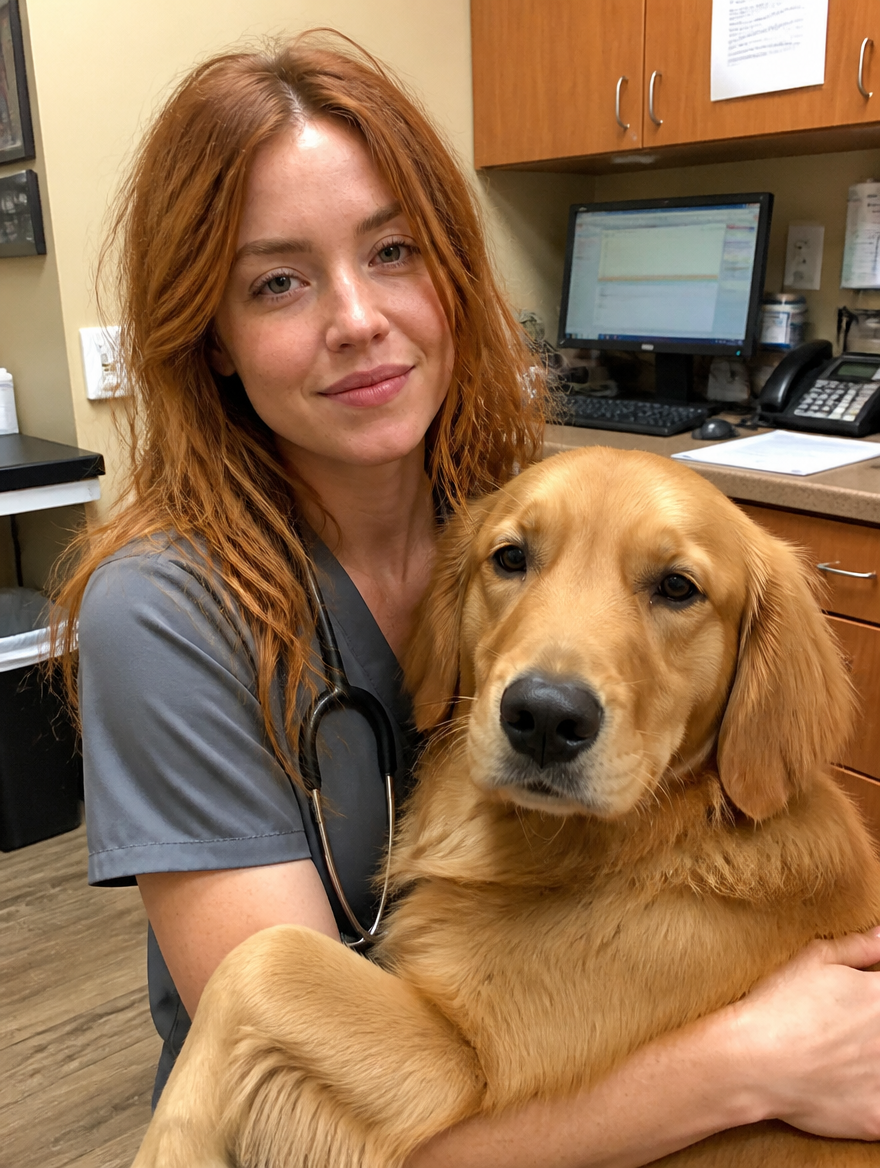
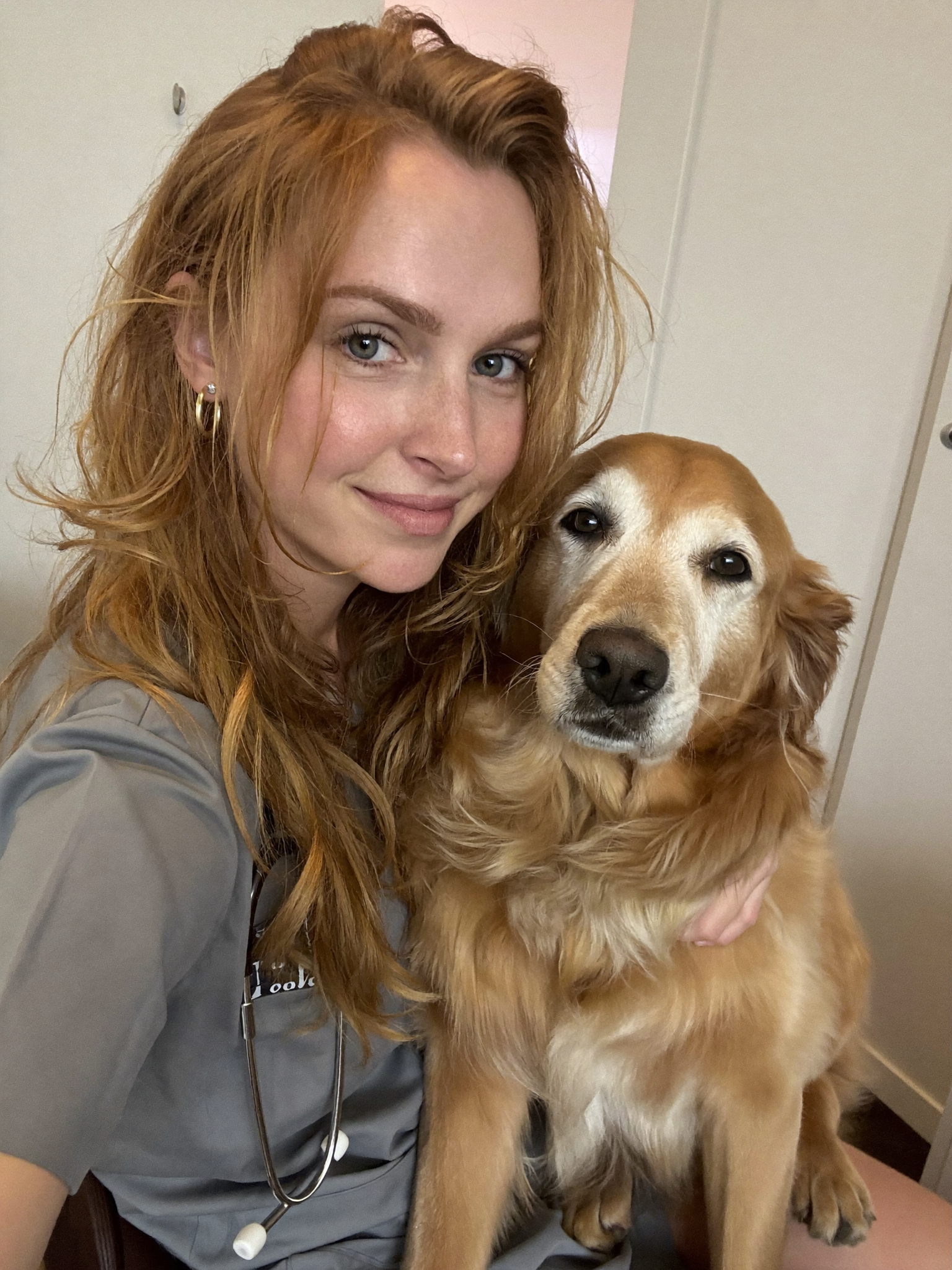
After 18 years at Riverside Veterinary Hospital, I watched Mr. Rodriguez fill out the shelter surrender form for his dog Bella. He’d spent $3,200 on dental cleanings, antibiotics, chews, sprays, powders, and vet visits. Tried six different “dental routines.” Watched her breath go from fishy to rotten for eight months. Everything kept getting called “normal dog breath.” But Bella kept getting worse. He couldn’t watch her suffer anymore. And he couldn’t afford another $1,972 dental estimate that still wouldn’t fix the routine causing the problem anyway. So he started filling out the shelter surrender form. That’s when I finally asked him the one question nobody else had: “When was the last time someone checked under her gumline?” He looked at me like I was speaking another language. My name is Dr. Jake Reynolds, DVM. I’ve treated over 18,400 dogs at Riverside Veterinary Hospital over 12 years. And here’s what the pet dental industry doesn’t want you to know about chronic dog breath. Bella was seven. Perfect weight. No major disease history. Fed a leading premium dog food. Given daily dental chews. Groomed every five weeks. Slept in Mr. Rodriguez’s daughter’s bed every night. The exact kind of dog every owner thinks is protected. But she had breath that smelled fishy 4-5 times per week. Always worse after naps. Sometimes sour after meals. Sometimes so rotten it filled the couch area when she panted. Mr. Rodriguez had tried every “fresh breath” routine on the market. Greenies. Dentastix. Whimzees. Minty breath treats. Toothpaste kits. Dental sprays. Powders. Cheap water additives. He’d spent $3,200 on vet visits, dental advice, products, cleanings, and follow-ups. Everything came back “normal enough.” But Bella’s breath kept getting worse. That’s when I did something I’d never done in 12 years of practice. I timed how long her dental chew lasted. The result: 41 seconds. Forty-one seconds. That was the entire “daily dental routine” she had been relying on. Then I sedated her for a full oral exam and measured the gum pockets around her back molars. The result: 8mm. Healthy dogs should usually be around 1-3mm. I sat alone in my office that night, staring at those numbers, feeling physically sick. Because I finally understood what was happening. And suddenly, everything made sense. Dog owners are told bad breath is normal. They’re told older dogs just smell worse. They’re told dental chews help. They’re told to brush more. They’re told to monitor it. They’re told to wait until the next cleaning. But here’s what the pet dental industry doesn’t tell you: The problem is not the smell. The smell is the warning sign. The real problem is what’s happening below the gumline. When food particles, saliva, and bacteria sit in your dog’s mouth, they create a sticky film called biofilm. At first, it’s soft. Then it clings. Then it hardens. Then it traps more bacteria. Then it creeps toward the gumline. Then it hides below the gumline. That’s the part you don’t see. That’s the part chews barely touch. That’s the part casual brushing usually misses. That’s the part owners only discover after the vet says “we need to discuss anesthesia.” I call it the 24-Hour Biofilm Loop. Because once it starts, it keeps feeding itself. Food feeds bacteria. Bacteria create biofilm. Biofilm traps more bacteria. The gumline gets irritated. The breath gets worse. The owner buys chews. The dog swallows them in 41 seconds. The breath improves for an hour. Then the loop continues. So you read the bag and see “daily dental care” and think you’re safe. You’re not. This is why dogs getting daily dental chews can still have rotten breath. This is why dogs eating premium food can still need extractions. This is why owners can spend $312 on chews and still end up staring at a $1,972 dental estimate. It’s not about whether you bought a dental product. It’s about how much daily contact your dog’s mouth actually gets. And a chew that disappears in 41 seconds is not daily contact. It’s a snack wearing a dental costume. Here’s what they don’t teach dog owners: The bacteria don’t stop when the chew is gone. Your dog eats. Sleeps. Licks toys. Chews treats. Drinks water. Pants. Naps. Licks their paws. Eats again. Sleeps again. And all day, the mouth keeps rebuilding odor. Some oral bacteria can start multiplying again in as little as 20 minutes. So what happens? Your dog gets a chew at 8 AM. It’s gone by 8:01. By 8:21, bacteria are already rebuilding. By noon, the breath is coming back. By bedtime, the fishy smell is there again. Not because the owner didn’t care. Not because the dog is “just old.” But because the routine only lasted 41 seconds. And the problem lasts 24 hours. That’s the gap. And that gap is why Bella’s mouth kept getting worse. After Bella’s diagnosis, I started checking every dog that came in with chronic bad breath. Not just a quick look at the front teeth. I checked the back molars. The gumline. The dental history. The chew routine. The brushing routine. The smell pattern. Over six months, I examined 89 dogs whose owners came in for “just bad breath.” 74 had gumline inflammation. 83%. These weren’t neglected dogs. These were dogs on: Premium dry food. Fresh food subscriptions. Daily dental chews. Greenies. Dentastix. Whimzees. Vet-recommended treats. Toothpaste kits. Breath sprays. Water additives from Amazon. It didn’t matter. Across the board, dogs with “normal bad breath” had some of the clearest signs of failed daily dental routines I’d ever seen. Because here’s the cruel irony: Most dog dental products are designed to make the owner feel responsible. Not to create a routine the dog can actually keep. Dental chews are easy. But many dogs swallow them in under one minute. Toothbrushing is ideal. But most dogs refuse it. Sprays sound simple. But dogs run from the bottle. Wipes sound gentle. But they still require putting fingers near the gums. Cheap water additives should be the answer. But if the dog notices the taste and drinks less, owners stop immediately. You’re spending $25, $40, $60, sometimes $312 over a few months on products designed to “help breath.” But if the routine fails, the 24-Hour Biofilm Loop keeps going. I started asking clients with bad-breath dogs a specific set of questions: “When did the breath start?” “Does it smell fishy or sour?” “Does it come back after dental chews?” “Does your dog swallow chews quickly?” “Does your dog let you brush?” “Do you avoid their kisses?” The pattern was undeniable: 67% of chronic bad-breath cases started within 2-6 months of owners relying mainly on chews, sprays, or occasional brushing. These dogs weren’t struggling because their owners didn’t love them. They were struggling because the 24-Hour Biofilm Loop had shut down the routine’s ability to work. Over the next year, I reviewed 254 dogs using what owners considered “the best” dental products on the market. Here’s what I found: Greenies-style dental chews, used daily: Reviewed 18 dogs. Average chew time: 42 seconds. 16 out of 18 had breath that came back by bedtime. 11 had gumline inflammation. Dentastix-style sticks, used daily or every other day: Reviewed 12 dogs. Average chew time: 38 seconds. 9 out of 12 had sour or fishy breath within hours. 7 had visible yellow buildup near the back molars. Whimzees-style chews, used several times per week: Reviewed 17 dogs. Average chew time: 54 seconds. Every single fast-chewing dog still had persistent breath. 13 had gumline redness. Toothbrush kits, bought by motivated owners: Questioned 14 owners. 11 out of 14 stopped within two weeks. 8 said their dog became harder to handle after repeated attempts. Breath sprays, used for “instant freshness”: Reviewed 16 dogs. 14 out of 16 resisted the bottle. 10 had breath return within two hours. Dental wipes: Reviewed 19 owners. 15 stopped because the dog fought mouth handling. 12 said the routine felt impossible to maintain. Powders: Reviewed 13 dogs. 9 owners forgot to use them consistently. 7 said their dog noticed texture or smell changes. Cheap water additives: Reviewed 24 owners. 14 stopped because their dog drank less or noticed the taste. 9 said they didn’t trust the ingredient label. The dogs using the most “dental” products often had the most inconsistent routines. The very products designed to “fix” the problem were helping owners feel responsible while the loop kept running. If your dog shows ANY of these signs, they’re likely already stuck in the 24-Hour Biofilm Loop: Fishy breath after naps. Sour breath after meals. Breath that comes back a few hours after dental chews. Breath that fills the couch area. Yellow buildup near the gumline. Red or irritated-looking gums. Chews swallowed in under one minute. Refusing toothbrushes. Turning away when you touch their mouth. Running when they see toothpaste or spray. Your child or partner commenting on the smell. You pulling away from kisses without meaning to. The breath isn’t the disease. It’s the warning sign that your dog’s mouth is running without a real daily routine. After discovering how widespread the problem was, I went online and ordered every popular dog dental solution I could find. Eight different categories. All claiming to be “easy,” “effective,” “vet recommended,” or “daily.” I reviewed the labels. The routines. The complaints. The owner feedback. The compliance. What came back made me furious. Greenies-style chews, thousands of reviews: Loved by dogs. Loved by owners. But swallowed too fast by fast chewers. A product that disappears in under one minute cannot be the foundation of an all-day routine. Dentastix-style sticks: Cheap, easy, everywhere. But most dogs finished them before the owner even left the room. The breath came back by bedtime. Toothbrush kits: The gold standard in theory. But the reviews were filled with owners saying their dogs twisted away, clamped their mouths, backed up, or ran. The product wasn’t always the problem. The routine was. Breath sprays: Promised instant freshness. But dog after dog hated the bottle. Temporary smell masking. No daily consistency. Dental wipes: Better control than sprays. But still required mouth handling. For dogs who hate their mouth being touched, this became another fight. Powders: Easy to add to food. But many owners said they weren’t sure anything changed. Some picky dogs noticed the texture. Some owners forgot within days. Cheap water additives: This category should have solved the problem. But too many had harsh smells, vague labels, artificial mint flavor, unclear dosage, or reviews from owners saying their dogs drank less. That scared me. Because water is not something to gamble with. If a dog refuses a chew, fine. If a dog refuses toothpaste, fine. But if a dog refuses water because the additive tastes wrong, that’s a serious problem. One client’s dog actually started drinking less water after a cheap mint-flavored additive. When she stopped using it, he went back to normal drinking within 48 hours. I felt like I’d failed owners all over again. The pet dental category is full of products that sound good on the front label. But nobody verifies whether dogs will actually use them every day. They know desperate dog parents will buy anything that promises fresher breath. And they’re making millions selling routines that fail in real homes. I spent two months comparing formulas, reading owner complaints, reviewing ingredient panels, and checking which routines dogs actually tolerated. Most failed the same test: Can a normal owner use this every single day without fighting their dog? Most couldn’t. I was about to give up. Then I found Wooffy. At first, I was skeptical. Another pet brand making big promises. Another bottle claiming fresh breath. Another product for guilty dog owners. But when I looked closer, something was different. Wooffy was built around the one routine dogs already have. Water. Not a chew. Not a brush. Not a spray. Not a wipe. Water. I checked the formula positioning. Made for daily water bowl use. Xylitol-free. Chlorhexidine-free. Clear dosage. Designed to be added to fresh drinking water. No toothbrush battle. No mouth handling. No extra treat calories. No hoping your dog chews slowly. No forcing a routine the dog already hates. It was the only routine that made mechanical sense against the 24-Hour Biofilm Loop. So I ordered a bottle and tested the one thing that matters most with any water additive: Would dogs drink it normally? I started with a 37-dog water-bowl compliance trial. Different breeds. Different ages. Different diets. Different dental histories. Golden Retrievers. French Bulldogs. Yorkies. Labs. Doodles. Chihuahuas. Cavapoos. Senior dogs. Picky dogs. Dogs that hated toothbrushes. Dogs that swallowed chews whole. 35 out of 37 drank normally on day one. 32 were still using it daily by day 30. 30 owners reported noticeably fresher breath within 30 days. That’s 81%. I’d finally found it. A dental routine that fit real life. And here’s what makes it even better: Wooffy works with ANY routine you’re currently trying. Dental chews? Keep them as treats. Brushing when your dog lets you? Add it. Professional cleanings when needed? Still important. Premium food? No problem. Small dogs, big dogs, picky dogs, senior dogs? The routine starts in the same place. The water bowl. You don’t need to change your dog’s food. You don’t need to force their mouth open. You don’t need to hope they chew slowly. Because the issue isn’t that owners don’t care. It’s that dogs need daily contact through a routine they already accept. And the water bowl is that routine. I called Mr. Rodriguez that same day. “Don’t surrender Bella. I found something.” He started adding Wooffy to her fresh water every morning. Same food. Same home. Same dog. No new chew. No forced brushing. No spray. Just the bowl she already used every day. Week 1: Still fishy after naps. But she drank normally every single day. Week 2: The smell after meals was down by half. Week 3: She licked his daughter’s face and nobody pulled away. Week 4: Zero room-filling breath. By week six, he sent me this message: “Dr. Reynolds, I can’t remember the last time Bella’s breath made the room smell. It’s been over three weeks. I didn’t think this was possible.” Her follow-up dental check three months later: No new gumline irritation. Breath stable. Still eating the same food. Still chewing too fast. The only thing that changed? Her mouth finally had a routine that lasted longer than 41 seconds. I’ve now put over 840 dogs on this exact water-bowl routine. 93% show noticeable improvement within 30 days. Mike’s Golden Retriever, Bella, 8 years old, daily Greenies for 3 years: “She was swallowing chews in under a minute. Her breath came back every night. Two weeks on Wooffy and the fishy smell was finally under control.” Tom’s French Bulldog, Shadow, 6 years old, refused toothbrushes for 2 years: “My vet said to brush more. He wouldn’t let me. Started Wooffy. Week three, his breath stopped making me gag. Still on the same food.” Chris’s Yorkie, Luna, 9 years old, small-dog bad breath for over a year: “I thought it was just part of having a Yorkie. Within 10 days of adding Wooffy to her water, I stopped turning my face away from her kisses.” David’s Lab, Max, 7 years old, swallowed dental sticks almost whole: “He’d been getting dental chews every day for over a year. Spent $2,800 on products and cleanings. Everything helped temporarily. By week four on Wooffy, his breath was finally stable.” Tom’s senior doodle, Whiskers, 11 years old, hated mouth handling: “I thought his breath was just old age. Nope. It was a routine problem. Three weeks on Wooffy and he drinks like normal. No fight. No spray. No toothbrush.” These aren’t miracles. This is simply what happens when you give a dog’s mouth what it actually needs: Daily contact. In a routine they already accept. And it’s actually in the bowl. Next time you’re at your vet, ask this exact question: “Can you check under my dog’s gumline, especially the back molars?” If they say “bad breath is normal for older dogs” or “just use dental chews,” ask them: “When was the last time we measured the periodontal pockets?” Most won’t have an answer. Not because they don’t care. But because the system doesn’t prioritize daily routine failure. I didn’t either. Until Bella. Here’s the truth: You don’t need to wait for vet approval. You don’t need more chews first. You don’t need to wait for a dental estimate. You don’t need to force brushing tonight. You don’t need to change your dog’s food. You can start today. One measured amount of Wooffy per day mixed into fresh water. That’s it. But please, don’t buy random dental additives without knowing what’s inside. I reviewed them. Many are too minty, too harsh, too vague, or too easy for dogs to reject. Some made dogs drink less. That is dangerous. If your dog has fishy breath regularly, their mouth is already telling you something is wrong. Each bad-breath day keeps the loop going. Food particles sit. Bacteria build. Biofilm clings. The gumline gets irritated. The breath gets worse. The guilt gets heavier. The routine gets harder. But if you catch it early, if you start now, before the damage becomes expensive, you can avoid months of guilt and thousands in dental bills. You can avoid the day your dog’s breath stops being embarrassing and starts being a medical conversation. I could have stayed quiet. I could have kept recommending dental chews, telling owners to brush more, and collecting the same fees when the routine failed. But I became a veterinarian to help animals. Not to participate in a system that lets dogs suffer while owners spend thousands trying to figure out why their “dental routine” isn’t working. If you’re reading this, you already know something is wrong. Your instincts are right. The solution isn’t another bag of chews. It isn’t switching from one mint treat to another. It isn’t more sprays. It isn’t “waiting to see if it gets worse.” And it’s definitely not buying the first cheap water additive you find online. It’s giving your dog a daily water-bowl routine that works with the habit they already have. The only brand I trust for this routine: Wooffy. Get the same daily water-bowl routine I recommend to dog parents at Riverside Veterinary Hospital. Most owners notice changes within 2-3 weeks. Start with one bottle today: getwooffy.com/products/wooffy-dental-water-additive P.S. If your dog’s breath smells fishy more than twice a week, their mouth is already stuck in the 24-Hour Biofilm Loop. That’s not “normal dog breath.” That’s the first warning sign. Most owners report fresher breath within 2-4 weeks of starting Wooffy. Every week you wait, the bacteria rebuild, the gumline gets worse, and the routine gap gets harder to close. P.P.S. I don’t recommend Wooffy because it looks nice. I recommend it because after reviewing every major dog dental routine owners actually use, it’s the only one that solved the real problem: daily consistency. After 12 years and 18,400 dogs at Riverside Veterinary Hospital, I’ve finally found something that’s both realistic and actually usable every day. Your dog deserves that.
Where the ad sends people
getwooffy.com
Read This If Your Dog Has Bad Breath 👆
Wooffy
Shop now: getwooffy.com(opens in a new tab)