
Active· since Jul 4, 2026
- 79
- days running
- 0
- relaunches
Ad copy
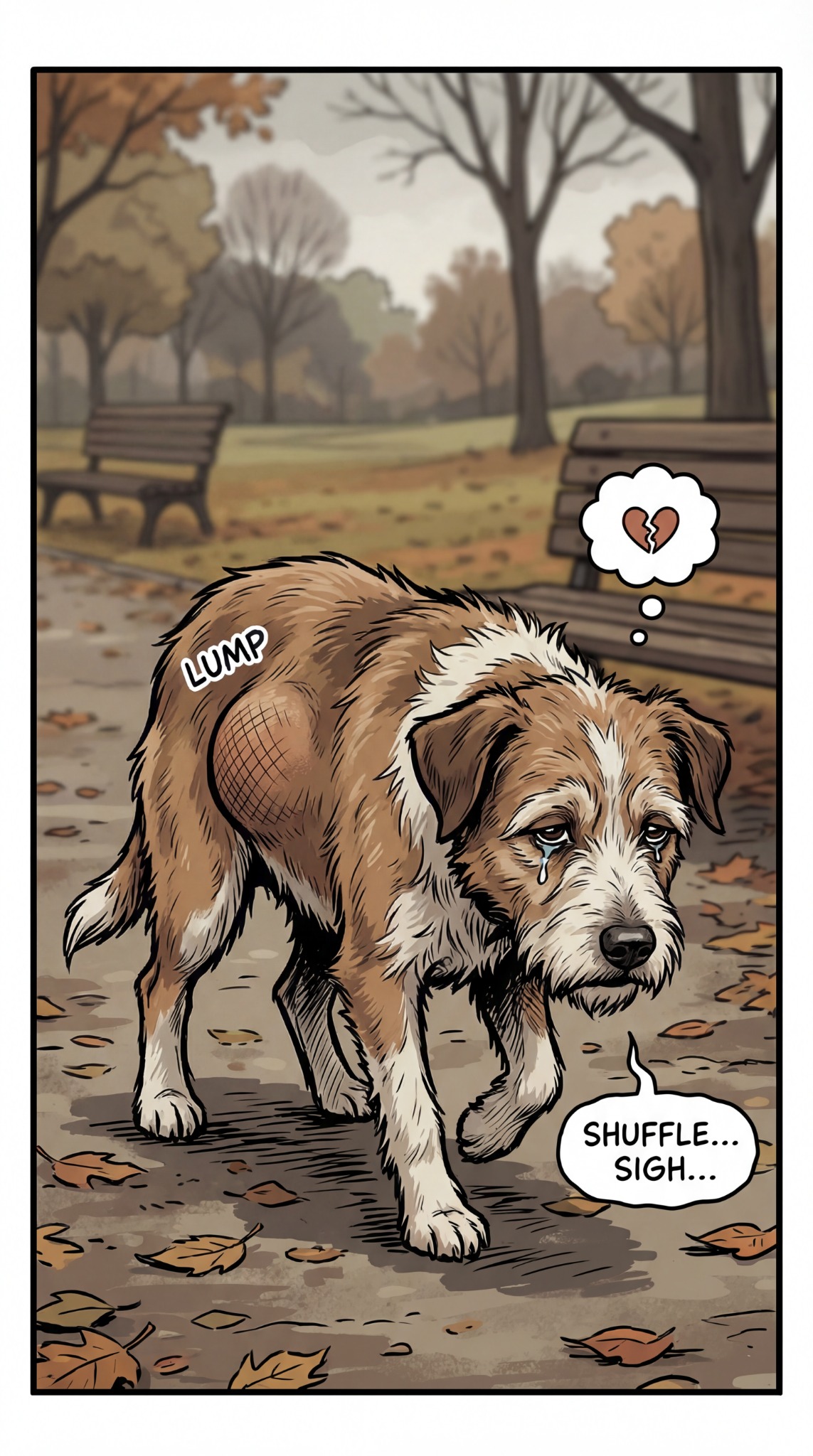
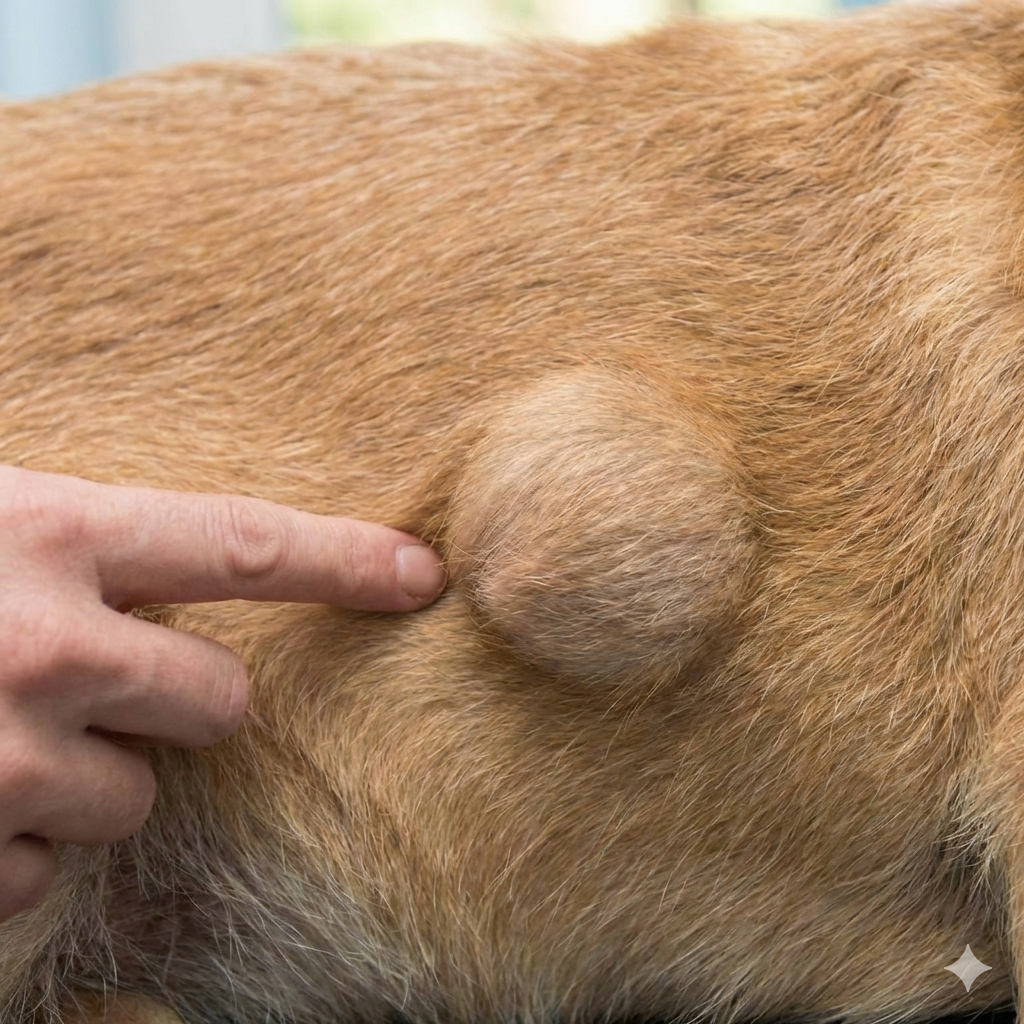
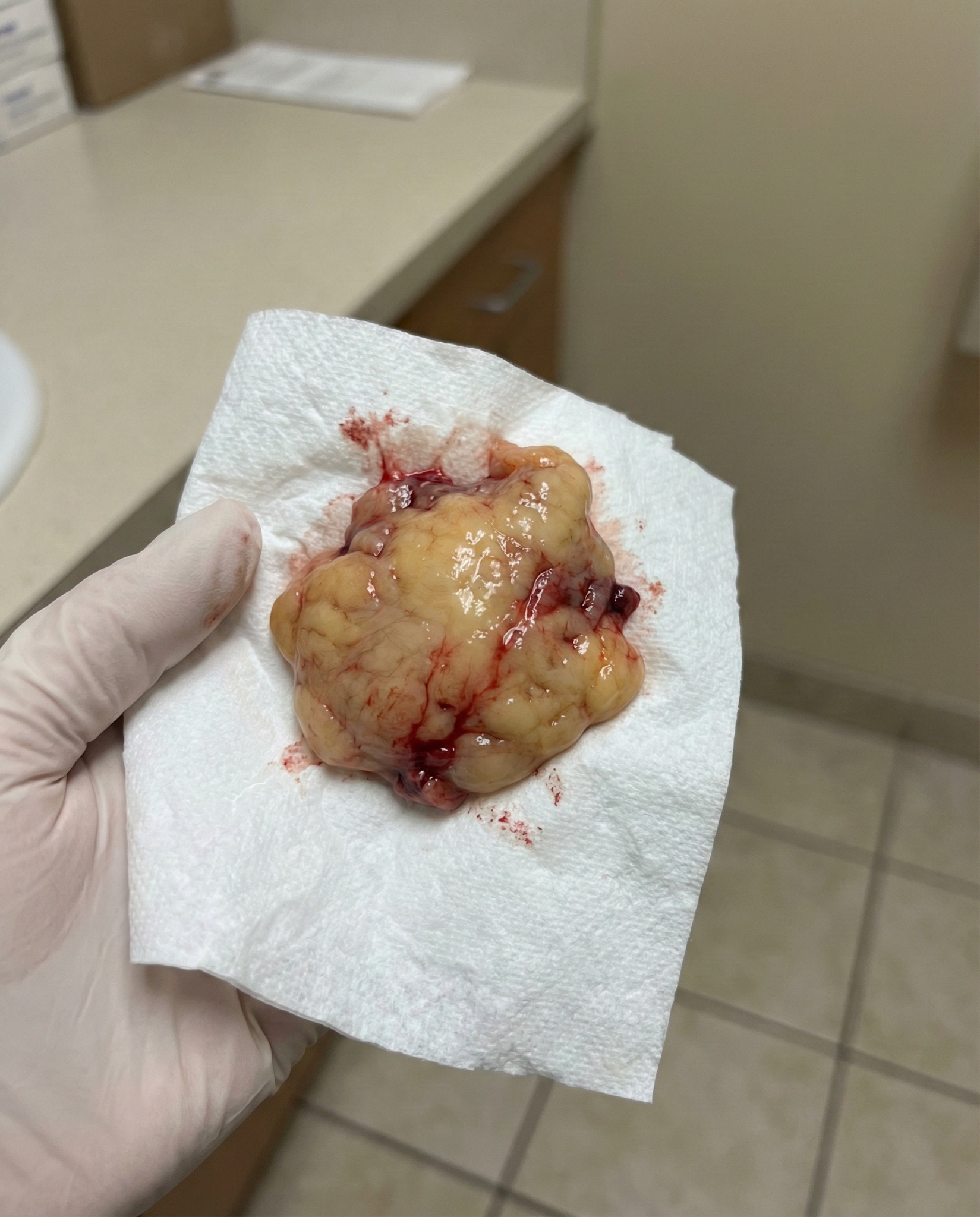
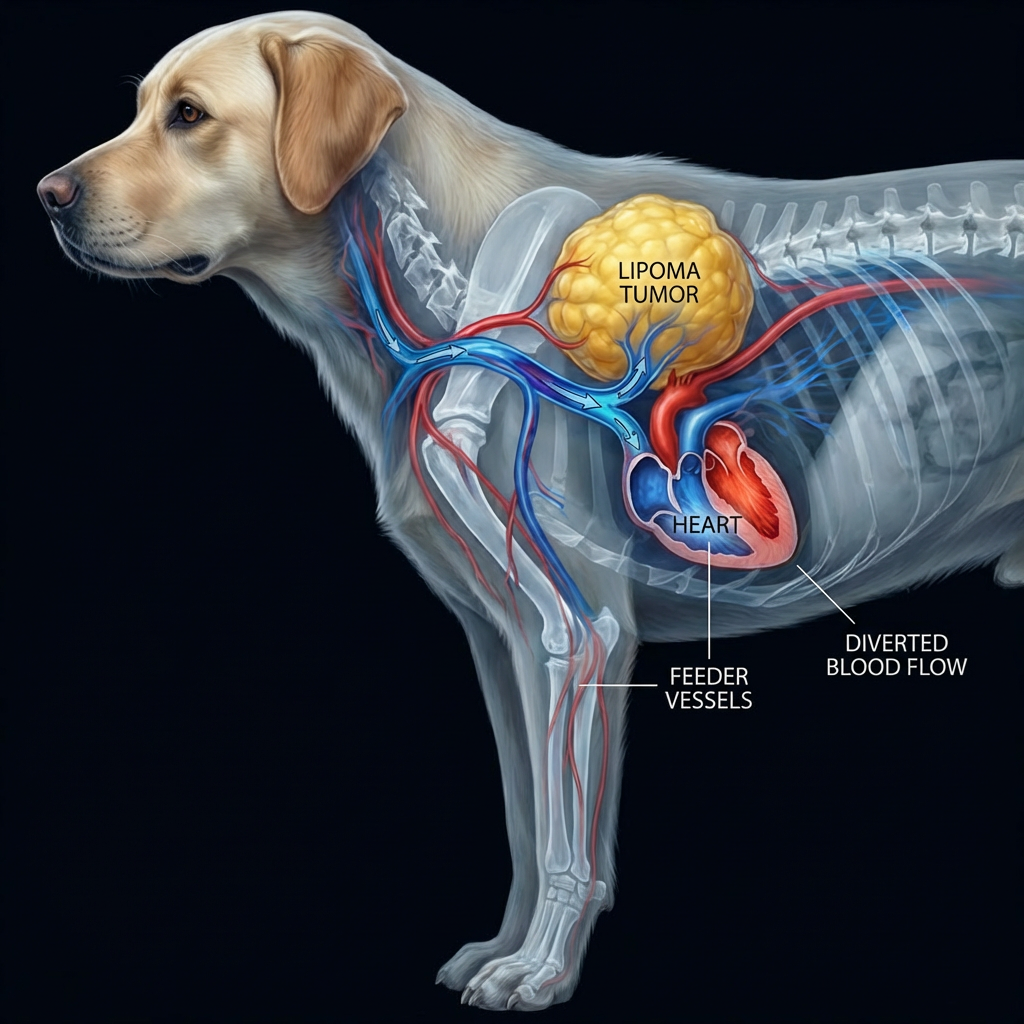
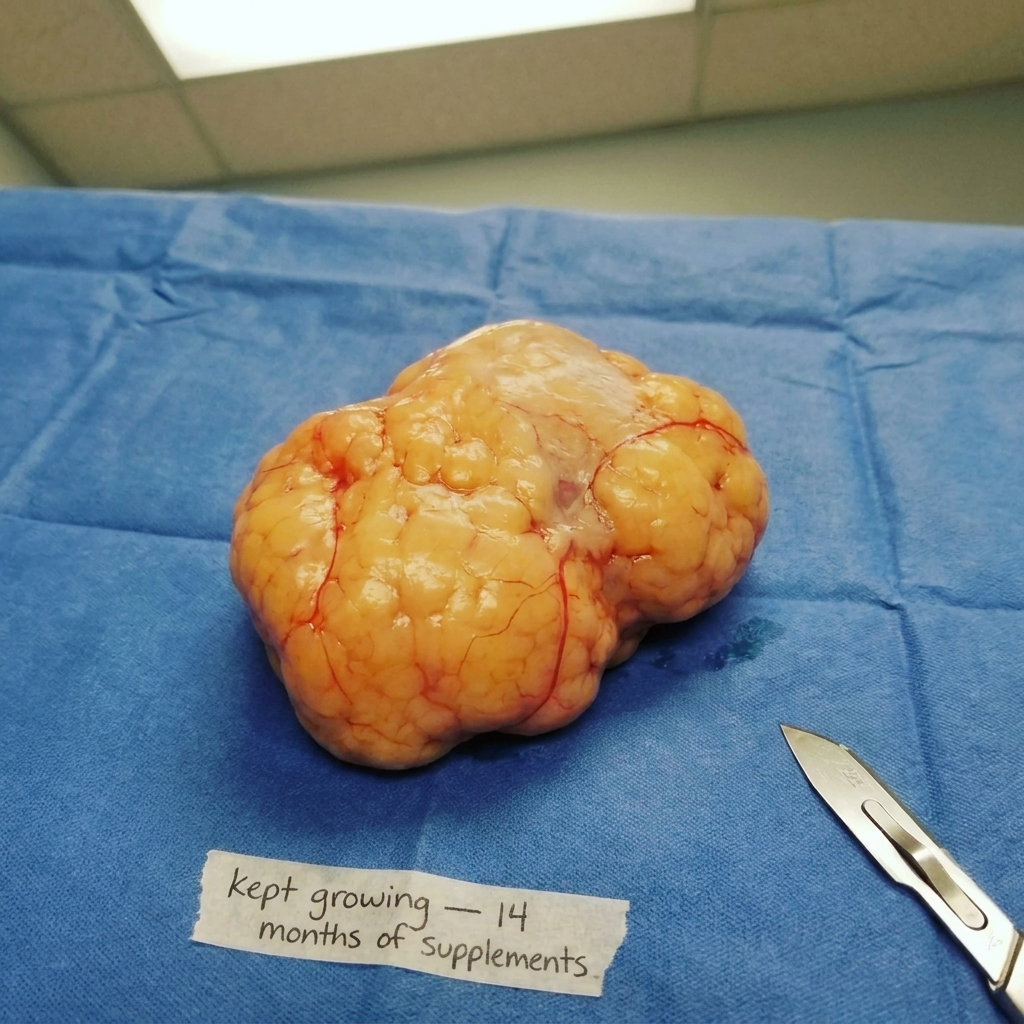
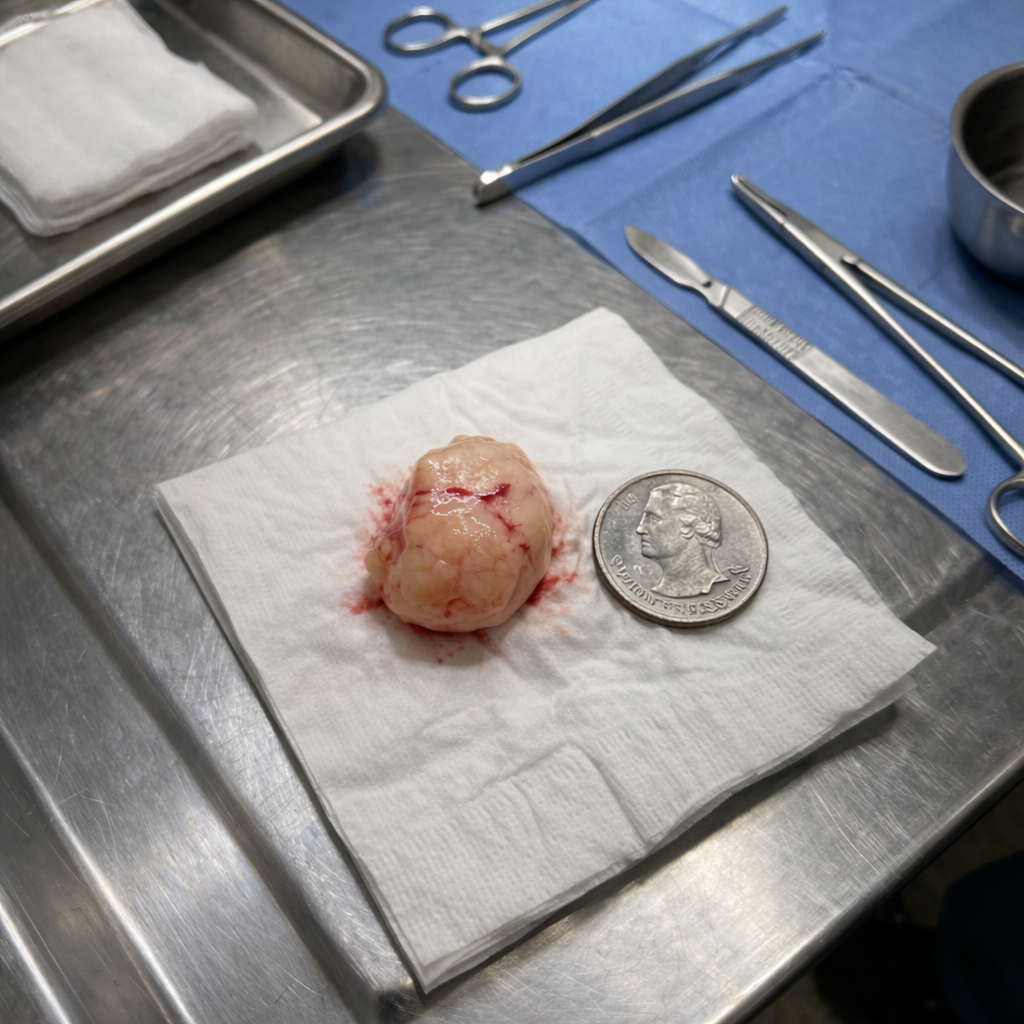
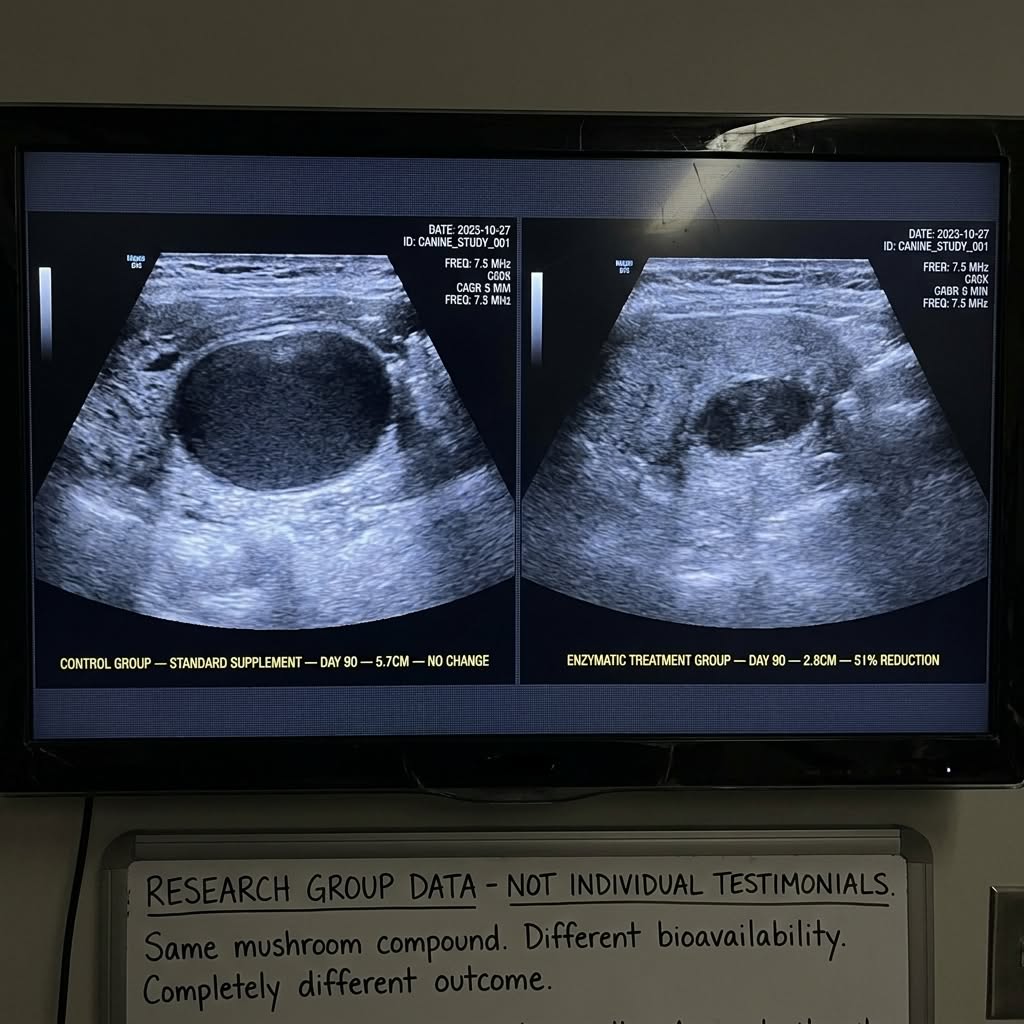
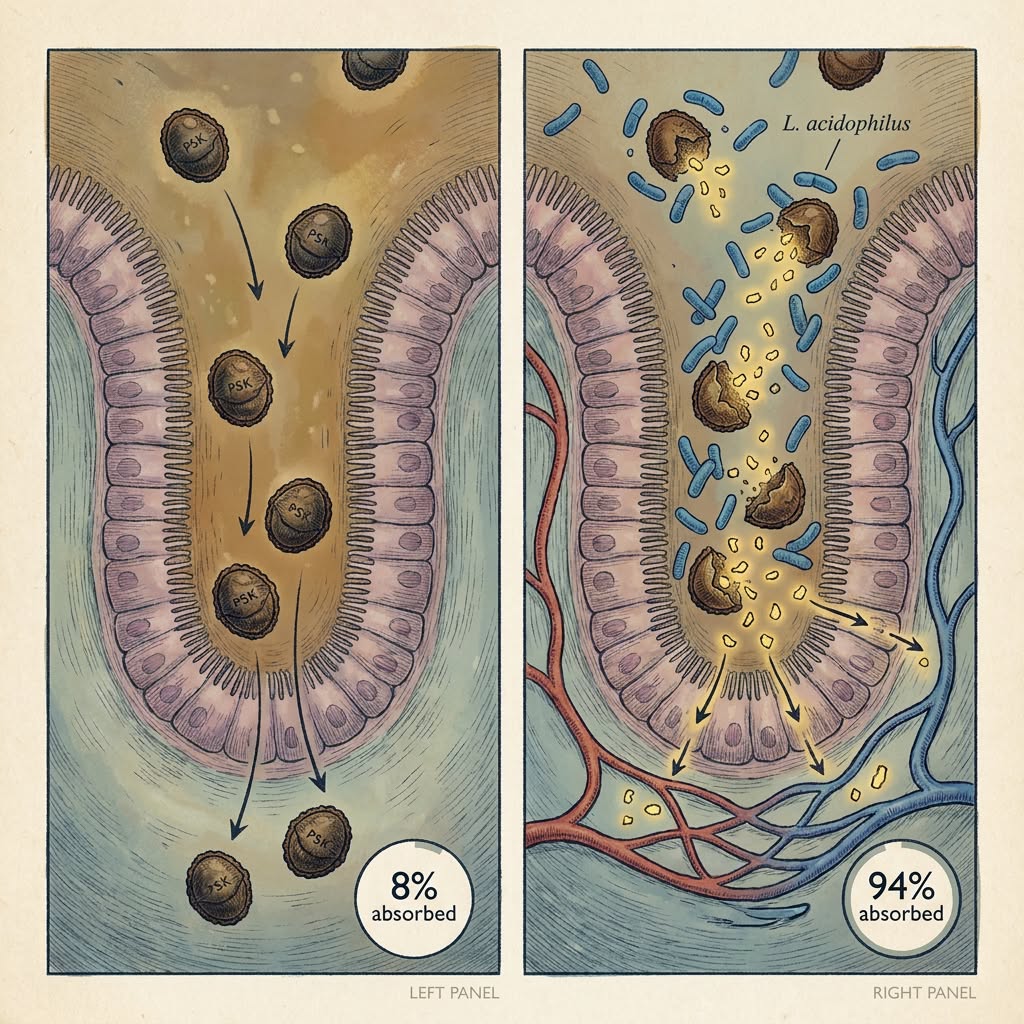
If your dog is already on a grain-free diet, already taking Turkey Tail, already getting fish oil every morning, and the lumps are still multiplying, still growing, still spreading to new locations every few months, I need to tell you something that took me 22 years of veterinary practice to fully understand. I am Dr. Sarah Martinez, a veterinary internal medicine specialist focusing on immune dysfunction and lipoma progression in senior dogs. And I need to tell you about the smoke detector. When a house fire starts inside the walls, the smoke detector in the hallway goes off first. Not because the hallway is on fire. Because the hallway detector is the most sensitive instrument in the building. It picks up what the rest of the house cannot yet feel. Most people silence it and go back to sleep. Your dog's lumps are the smoke detector. A lipoma is not a random event. It is the first visible evidence that your dog's immune system has lost the ability to clear abnormal fatty deposits before they establish into permanent structures. The lump you can feel today has been forming for longer than you know. The immune failure that allowed it to form has been happening longer than that. And the lumps that are soft and moveable today are not the ones you need to be watching. They are the ones that are telling you what the ones forming right now will become if the immune system keeps failing at the same rate. Researchers studying canine lipoma progression have identified what they call the infiltrative window. The period between a dog's first lipoma and the point where the most established deposits push into surrounding muscle tissue and become impossible to fully remove. In most dogs that window runs between 18 and 36 months from first presentation. Most owners spend that entire window being told to monitor. Most dogs I see have owners who are already doing everything right on paper. Premium diet. Regular exercise. Twice-yearly vet visits. A supplement drawer with four or five things in it. An owner who checks the lumps every Saturday and keeps notes on her phone. And the lumps are still multiplying. Still growing. Still spreading to new locations while every product on the label promises immune support and the lump count keeps going up. Because giving a dog the right compound is not the same as the compound reaching the immune system that needs it. Recommending an ingredient is not the same as that ingredient surviving the digestive process and doing what the research says it does. Nobody in the standard supplement industry has time to explain the difference. I know this because I was that vet. For nineteen years I recommended Turkey Tail to clients whose dogs had lipomas. I had read the University of Pennsylvania research. I believed in the mechanism. I told owners the research was solid. I never once checked whether the formulas I was recommending could actually deliver the compounds the research was measuring. My own dog, a 7-year-old Border Collie named Scout, started forming lipomas at age 5. I recommended exactly what I recommended to my clients. A well-reviewed Turkey Tail supplement. Organic. Good label. I gave it every morning for six months. Four new lumps appeared during those six months. I stood in my own kitchen running my fingers over Scout's shoulder at midnight and felt the quiet particular shame of someone who had spent nineteen years telling clients this worked. I called my colleague Dr. James Chen, a veterinary oncologist who had been using Turkey Tail in clinical protocols for eight years. He asked me one question. "Sarah, which probiotic strain is in the formula you are using?" I looked at the label. Bifidobacterium blend. He said: "That is your answer." I was not willing to keep giving Scout something I did not understand. So I went looking. It was a Tuesday. 11:34 PM. I was reading absorption research in a Japanese study on mushroom compound bioavailability in monogastric animals. I found a paragraph that explained everything. Turkey Tail mushroom contains its PSK polysaccharides sealed inside chitin cell walls. Chitin is the hard biological shell of mushroom cells. It is the same material that forms the exoskeleton of insects. Dogs do not produce the enzyme required to break it down. That enzyme is called chitinase. Without chitinase the chitin walls remain completely intact through the entire digestive process. The PSK compounds stay locked inside. They exit the body without ever entering the bloodstream. Bioavailability of standard Turkey Tail in dogs: less than 8 percent. Every dose I had given Scout. Every dose I had recommended to clients for nineteen years. Less than 8 percent reaching the immune system the research was measuring. The research was not wrong. The formulas were not delivering what the research required. Turkey Tail works by activating natural killer cells through PSK polysaccharide absorption. Pharmaceutical immunosuppressants force immune suppression chemically without addressing the underlying dysfunction. Standard Turkey Tail supplements attempt to deliver PSK compounds but fail to breach the chitin wall. The compounds never reach the natural killer cells. The immune cleanup process receives nothing. The deposits keep forming. Lactobacillus acidophilus works from the opposite direction. It produces chitinase enzyme directly inside the canine digestive tract at the point of absorption. When present alongside Turkey Tail extract at the correct ratio, it breaks down the chitin walls before the contents move past the absorption window. PSK compounds are released into the bloodstream. Natural killer cell activation begins. The immune cleanup process receives what it has been trying to access. Not managing around the problem. Unlocking the mechanism that was blocked. And then I found this in the research data: when Turkey Tail was combined with Lactobacillus acidophilus at verified ratios, chitin breakdown reached 94 percent. Natural killer cell activity showed measurable restoration across multiple immune markers. Not masked. Restored. At 12:19 AM I went looking for a formula that actually met these specifications. And here is where I hit the wall that most dog owners never know exists. Most Turkey Tail products that claim probiotic activation are essentially useless for chitin breakdown. They contain Bifidobacterium blends that produce zero chitinase. Or they list Lactobacillus acidophilus at CFU counts too low to survive stomach acid and generate meaningful enzyme activity at the absorption site. Or they include it as a minor ingredient in a multi-strain blend where it is diluted past the threshold required for clinical effect. The research showed you need at minimum 1,000mg of organic Turkey Tail extract combined with 1 billion CFU of Lactobacillus acidophilus specifically, calibrated to each other at a verified ratio, with the actual chitin breakdown rate confirmed by independent third-party laboratory testing. Not self-reported. Not estimated from the formulation. Tested on the actual product. I found one formula that met every specification. Turkey Tail+ by Lumiqour. 1,000mg organic Turkey Tail extract. 1 billion CFU Lactobacillus acidophilus. Third-party verified 94 percent chitin breakdown. Certificate of analysis published. Every ingredient disclosed. No proprietary blend obscuring the dose. I switched Scout immediately. Day three nothing measurable. I checked the lumps the way I always did. Made my notes. Told myself not to expect anything yet. Day nine Scout walked past the grass on our morning route without stopping. He had been eating grass obsessively on every walk for almost eight months. I had logged it in his file as a behavioral note. He walked past it and kept going. I stopped on the path and watched him for a moment. Day sixteen the lump near his left shoulder that had been the most established one felt different under my fingers. The edges were less defined. The center had softened measurably. I pressed it a second time to confirm I was not adjusting my perception to match what I wanted to feel. It was softer. Week five I was doing Scout's Saturday assessment and reached the two small lumps near his ribcage I had been tracking since they first appeared seven months earlier. They were gone. I checked the location notes in my file to confirm I had the right area. Pressed around the surrounding tissue four times. Gone. Week eight my husband came in from the backyard and said: "Did Scout lose weight? He looks different." Scout had not lost weight. He had lost lumps. My husband had noticed a physical change he could not name because he did not know what he was looking at. He was looking at an immune system that had finally received what it needed to do its job. Two months in I ran Scout's full panel and imaging update. I brought the results to Dr. James Chen. He reviewed the lump progression data. The pre and post immune markers. The grass eating cessation timeline. The rate of new formation drop. He looked at me over the file. "Sarah, how long did it take after you switched the formula?" I told him nine days for the grass eating. Sixteen days for first measurable softening. Five weeks for first complete disappearance. He said: "That is exactly what the absorption timeline predicts when chitinase activation is working correctly." He asked me to send him the product information. He said he was going to start recommending it to clients in his oncology practice who had lipoma formation alongside their primary diagnoses. Scout's lumps were not resolving because a supplement was covering the symptom. His immune system was finally receiving the compound that let it do its job. I am not against standard Turkey Tail or the vets who recommend it. These products are based on legitimate research and recommended by people who genuinely want to help. But they do not fix the chitin wall. They do not deliver what the research requires. They silence the symptom of inadequate PSK absorption by appearing to address it while the immune failure underneath continues on schedule. Research on canine lipoma progression shows that dogs presenting with multiple lipomas have an average lifespan measurably shorter than breed-matched dogs without lipoma formation. The lumps themselves are not the cause. The immune dysfunction driving them is. And that immune dysfunction accelerates every other age-related decline running alongside it. Your dog's grass eating. His declining energy. His reluctance on the stairs. His lumps. These are not separate problems. They are the same failing immune system at different points in the body. Dogs whose immune dysfunction goes unaddressed progress from soft benign lipomas to infiltrative lipomas on a timeline that does not pause while you try another supplement. You have two choices. Keep silencing the smoke detector. Or fix what it is trying to tell you. Turkey Tail+ by Lumiqour. 1,000mg organic Turkey Tail extract. 1 billion CFU Lactobacillus acidophilus. Third-party verified 94 percent chitin breakdown. One scoop in food. Once daily. If your dog has multiple lipomas, has already tried Turkey Tail without results, and your vet keeps telling you to monitor them while the count climbs, try this for 90 days. 90-day money-back guarantee. You can always go back to what you were doing if nothing changes. But you cannot un-silence a smoke detector that has been ignored long enough for the wall to be fully involved.
Like this ad? Make it yours.
Crush rebuilds this exact creative around your product — your brand, your colors, your offer — in about a minute.