Thomas Wright
Thomas Wright Facebook ad: “Read This If You Had Prostate Surgery”
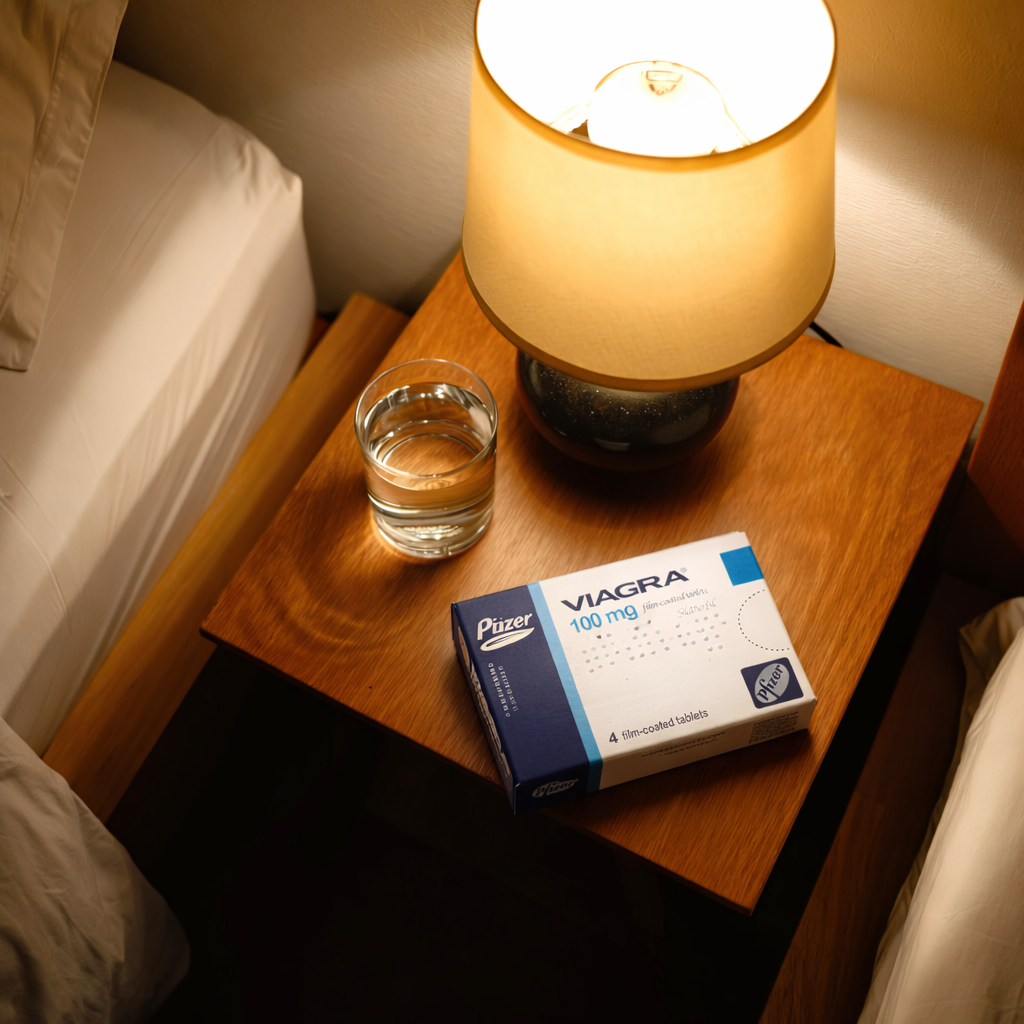
Ran for 34 days, from January 14 to February 17, 2026, the last day Crush saw it.
Run by Thomas Wright on Facebook. Crush is not the advertiser and does not verify its claims. See this ad in Meta's Ad Library(opens in a new tab)
Want an ad like this for your product?
Crush makes new ad images for your product from this ad: your logo, your product photo, your offer.
Trials from $19.95 USD, then $79.95 USD a month. Cancel anytime.
About this ad
- Meta Ad Library ID
- 1194813268985296
- Platforms
- Facebook, Instagram, Audience Network, Messenger and Threads
- Relaunches
- 0
- Niche
- Food & Beverage
Ad text
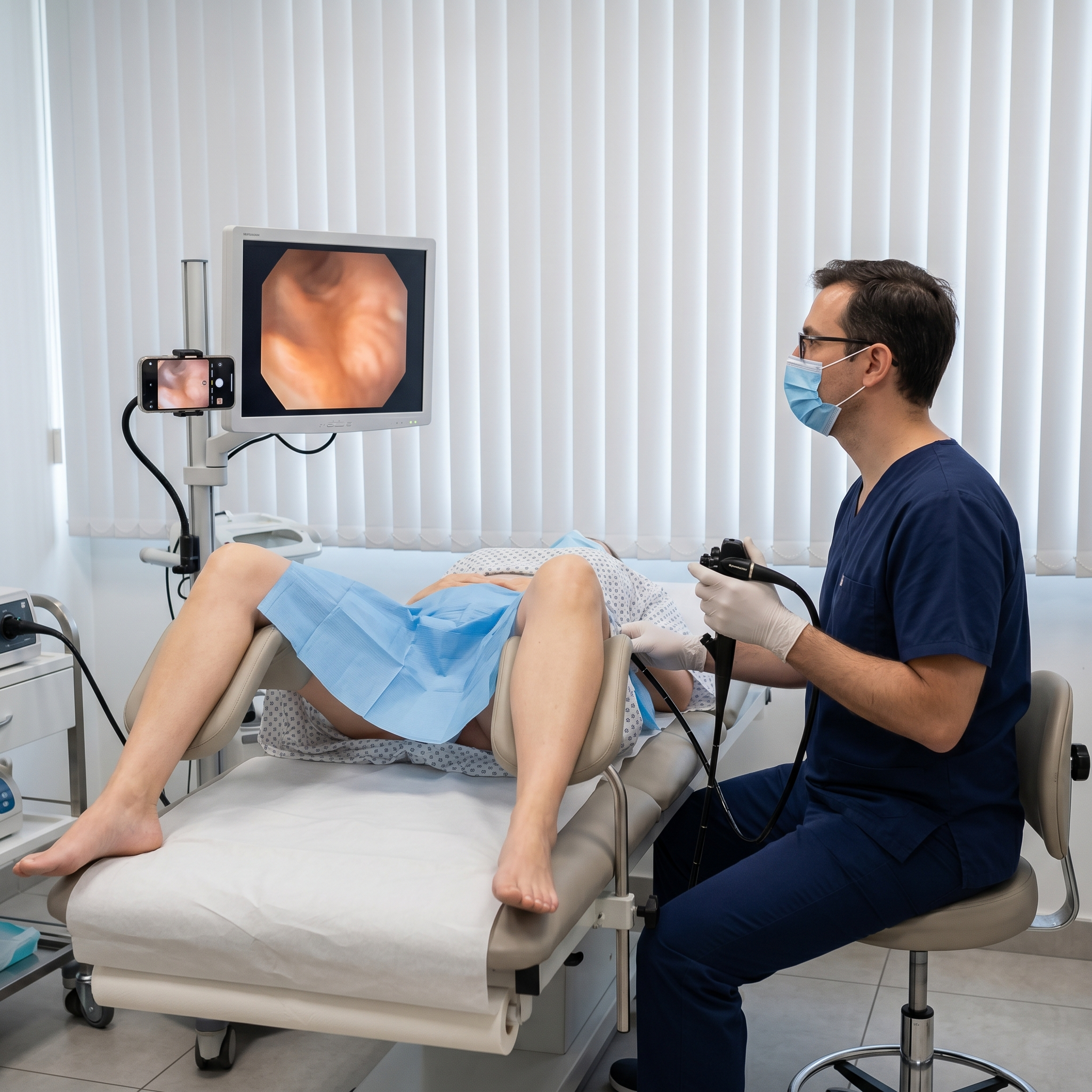
Prostate Surgery Saved My Life. Then Destroyed My Marriage. 18 Months of Zero Function. Until This Changed Everything. I was supposed to inject myself. Down there. In the shaft. With a needle. To get hard. This was my life now. This was what it had come to. I'm 66 years old. Had my prostate removed 18 months ago. Robotic surgery. Cancer-free, thank God. But the surgery took something else with it. Zero natural function since. Nothing. Not even a hint of firmness when I woke up in the morning. Complete and total loss. For 18 months, I tried everything the doctors suggested. The little blue pill. Gave me pounding headaches and sinus pressure so bad I couldn't breathe through my nose. Maybe 20% function at best. The daily version. Same thing. Flushing. Congestion. Minimal response. The vacuum pump. That was one of my lowest days. A representative had to demonstrate "proper technique." I had to use it in front of a stranger. It produced something that vaguely looked like firmness. But it felt mechanical. Dead. My wife took one look and said quietly, "We don't have to do this." That's when my urologist said it. "Your only options left are Trimix injections or an implant. Those are the last medical interventions available." An implant felt like surrender. Like admitting I'd never have natural function again. So I agreed to try the injections. For those who don't know: Trimix is a medication you inject directly down there. With a needle. You stick a needle into yourself to force an artificial response. The urologist demonstrated on a model. Showed me the angle. The depth. How to avoid hitting veins. Sent me home with supplies and instructions. That first night, sitting on the edge of my bed, looking at the needle— My hands were shaking so badly I almost couldn't do it. But I did it. Because what choice did I have? I injected myself. And waited. About 10 minutes later, I got firmness. For the first time in 18 months, I had a physical response. I actually stood up and looked in the bathroom mirror. Part relief. Part disbelief. But something was wrong. It was curved. Noticeably curved. Maybe 30 degrees to the left. And it hurt. Not terrible pain, but a persistent ache. Uncomfortable. Wrong. And it looked... smaller. Definitely shorter than before surgery. Maybe thinner too. But it was something. And I was so desperate after 18 months of nothing that I tried to be intimate with my wife anyway. It didn't go well. The curve made positioning awkward. The pain was distracting. And I couldn't shake the feeling that this wasn't real. This wasn't my body working. This was a chemical forcing blood against my body's will. Afterward, my wife was quiet. "Are you okay?" she asked. "It hurt," I admitted. "Then we don't have to—" "No," I said. "The doctor said to keep trying. It should get better." I kept injecting. Twice a week. Every Tuesday and Saturday night. Scheduled. Planned. Completely unnatural. The curve didn't improve. If anything, it got worse. Closer to 40 degrees now. The pain didn't decrease. Some sessions were worse than others. Once I hit a vein. Bruised badly. Purple and black for a week. Another time I got priapism—wouldn't go down after four hours. Had to go to the ER at midnight. Most humiliating experience of my life. And my length definitely decreased. I measured because I couldn't believe it. Lost almost an inch. But it wasn't just the injections. I'd been losing length since surgery. Slowly. I didn't want to admit it, but I'd been measuring. The lack of blood flow—the lack of oxygen—was causing the tissue to shrink. Atrophy. Every week I waited for the nerves to "recover," I was losing more. And I was already 18 months in. The window was closing. The worst part wasn't the pain. It was watching my wife pull away. She stopped initiating. Stopped touching me. Stopped trying. I knew what she was thinking: "He doesn't want me anymore." But it wasn't that. I wanted her desperately. I just couldn't face another failure. Another disappointed look. So I avoided intimacy altogether. Easier than failing again. And every day I avoided her, the gap between us grew wider. I threw away all the injection supplies that night. Called my urologist the next morning. "I'm done with injections. They're making things worse." Long pause. Then: "Then you're looking at an implant. Or accepting that natural function won't return." "There has to be another option." "At this point, no. You've tried tablets, pumps, injections. An implant is the only thing left." I hung up feeling completely defeated. If even injections didn't work properly—if the last medical option before surgery caused pain and deformity—what hope did I have? Two weeks later, I ran into my old colleague James at the grocery store. We'd worked together for 15 years before I retired. One of those friends where you can be honest about the hard stuff. We grabbed coffee. Caught up on retirement life. Grandkids. Health. He asked how I was recovering from surgery. I told him the medical facts. Cancer-free. Healing well. He waited. "And everything else?" I knew what he meant. "Nothing works," I said quietly. "The surgeon told me 'nerve sparing surgery.' Made it sound like my function would be protected. Like 'sparing' the nerves meant everything would work." I could hear the anger in my own voice. "But I woke up with zero function. Eighteen months later, still nothing." James nodded knowingly. "That's what they all say. But here's what they don't tell you: 'nerve sparing' doesn't mean 'nerve working.'" "They can spare the physical structure—not cut the nerves completely—but the trauma of surgery still damages them. Stuns them." "So when your surgeon says the surgery 'went perfectly' and he 'spared the nerves,' he's talking about what he SAW. Not about what you'll FEEL." "It's not a lie. But it's not the whole truth either. And that gap—that's what makes men feel betrayed." That hit me. Because that's exactly how I felt. Betrayed. "The surgery doesn't just damage nerves," James continued. "It creates a downward spiral." "Damaged nerves can't trigger blood flow. Without blood flow, the tissue doesn't get oxygen. Without oxygen, scar tissue forms. That's why you're losing length. That's why the curve. The tissue is literally dying." "And here's the part doctors don't tell you: After surgery, you have a window. Maybe 18 to 24 months. If blood flow doesn't return in that window, the damage becomes permanent." I felt sick. "So what do you do?" "You restore blood flow. Real blood flow. Not forced. Natural." "But here's the other problem," James said. "Even when you DO get some blood flow—maybe from pills or injections—it doesn't stay." "You get 50, 60% firmness, then it just... drains out. Gone in seconds." I nodded. That's exactly what happened with the pills. "That's venous leak," he continued. "The valves that normally trap blood inside? They're damaged. So blood flows in, but it flows right back out." "Like a tire with a hole—no matter how much air you pump in, you'll never get full pressure." "That's why pills barely work. And why injections cause problems. You're forcing blood into damaged vessels that can't hold it." "But the 'valves' aren't mechanical. They're smooth muscle tissue that needs oxygen to work. When that tissue is starved, it goes limp. Can't contract. Can't trap blood." "If you restore oxygen through real blood flow, the tissue can heal. The valves start working again." That made perfect sense. "So how?" I asked. "I tried to restore it naturally. Started with supplements. Tried those shilajit gummies from Amazon everyone talks about. Took them for two months. Complete waste of money. Did absolutely nothing." I nodded. I'd seen those advertised. "Then a friend explained why those don't work. And why 99% of shilajit products are garbage." "What do you mean?" James pulled out his phone, showed me some notes. "Most shilajit—including those Amazon gummies—is harvested at low altitudes. Like 3,000 to 8,000 feet. Near roads. Near agriculture. Near industrial runoff. It's contaminated with lead, mercury, arsenic before it's even processed." "Then they heat-process it to make gummies. The heat destroys the minerals and amino acids—the actual compounds that restore blood flow. So you're taking contaminated powder with no active ingredients left." "The gummies are the worst. Companies compromise every step to hit that $29.99 price point on Amazon. Weak extracts instead of real resin. Underdosed to 50mg when you need 4,000mg. They add acids and preservatives that block absorption. They skip proper purification because it's expensive." "Those gummies? They cost maybe $8 to make. But they don't work, so what's the point?" I'd never thought about contamination. I just assumed shilajit was shilajit. "So what's different about what you found?" "It's called Nexora. Three things make it actually work." "First: altitude. They harvest at 16,000 feet in the Himalayas. Above the contamination line. No roads, no agriculture, no pollutants. The extreme altitude—harsh temperatures, low oxygen, high UV—creates higher concentrations of trace minerals and amino acids. It's not just cleaner. It's more potent." "Second: purification. They use traditional water purification over 60 days. Low heat, multiple stages. No chemicals. Removes 100% of heavy metals but preserves the molecular structure of the active compounds. Most brands skip this or use chemical extraction that destroys everything." "Third: dosing. Pharmaceutical-grade gummies, 4,000mg daily. Real therapeutic levels that actually work." "But how does it actually work?" I asked. "It's all about nitric oxide," James said. "Think of blood vessels like a garden hose. Normally, they're flexible. They open when blood needs to flow. But after surgery, they stay squeezed shut." "Nitric oxide is like a signal that tells those muscles to relax. To open up. To let blood flow again." "Shilajit contains over 85 trace minerals—including the ones your body uses to make nitric oxide naturally." "Here's the important part: These minerals work right there in the blood vessel walls." "They don't need working nerves. It happens locally." "So even with nerve damage, the vessels can start opening again. Blood starts flowing. Oxygen reaches the tissue." "And once oxygen is back, the tissue can heal instead of forming scars." "The pills couldn't make nitric oxide because my nerves were damaged," James said. "But the minerals from shilajit bypassed that." "They supported nitric oxide production directly where I needed it. In the vessels themselves." He showed me his before-and-after. "Went from zero morning firmness to waking up naturally hard—no pills, no devices—in about 8 weeks." "It's third-party tested in a lab in New Zealand. Every batch. Heavy metals, microbial safety, mineral content. They publish the results." "What's it cost?" "$99.99 for a bottle. Yeah, more expensive than those $39.99 Amazon gummies. But those are contaminated and underdosed at every step. This actually works. And they have a 90-day guarantee." "It's not that shilajit doesn't work. It's that contaminated, low-altitude, heat-processed shilajit doesn't work. This is the first version that's pure enough to do what it's supposed to." "And your function came back?" James smiled. "Completely. Natural responses. No tablets. No needles. No devices. Just my body working the way it's supposed to." I pulled out my phone. "What's it called again?" "Nexora. They don't sell on Amazon. Their website only. They won't wholesale to reduce costs. They'd rather make 500 perfect bottles than 10,000 compromised ones." That night, I ordered it. I'd already thrown thousands of dollars at this problem. What was another $80? But more importantly—James's explanation made sense. The surgery damaged blood flow. That's why nothing worked. Not tablets. Not injections. Nothing. I needed to rebuild the foundation. Not force responses chemically. Actually restore my body's natural capability. It arrived on a Tuesday. Two gummies with breakfast. 4,000mg of pharmaceutical-grade Himalayan shilajit. First week: Nothing noticeable. Started thinking maybe this was just more expensive false hope. Week two: Woke up feeling slightly more alert. Hard to describe. Just... sharper. Week three: Started waking up with very slight firmness. Not full. But there. First sign in 18 months that anything natural was happening. Week four: Morning firmness became more consistent. Maybe 40-50%. But natural. No needle. No device. Just my body responding. Week five: Woke up one morning with 70% firmness. Natural. Straight. No curve. No pain. I actually got up and looked in the bathroom mirror. Like I did after that first injection. But this time— This was mine. Not chemically forced. Not deformed. Natural. Week six: Full morning firmness. Strong. Sustained. And full size. The way it used to be before surgery. I didn't tell my wife yet. Didn't want to get her hopes up until I knew this was real. Week seven: Started feeling desire again. Not just the memory of desire. Actual physical want. Week eight: We were watching TV one evening. She leaned against me. I felt that pull toward physical connection. Real arousal. No tablet. No injection. I kissed her. Really kissed her. First time I'd initiated anything in months. She pulled back, surprised. "What's happening?" "I'm getting better," I said. Saturday morning. We woke up late. I had full natural firmness. Strong. Sustained. Straight. My wife noticed. She looked at me. I looked at her. "No injection?" she asked carefully. "No injection. This is natural." We tried. Slowly. Carefully. Both of us nervous after so many failures. It worked. Really worked. Natural function. No pain. No curve. No mechanical device. Just normal, healthy intimacy for the first time in 19 months. Afterward, my wife was crying. Happy tears. "I thought we'd lost this forever." "So did I." That was nine weeks after I started taking Nexora. Nine weeks from injections and despair to natural function and hope. Three months later I went back for my follow-up appointment. Different urologist this time. My previous one had retired. He reviewed my chart. Looked at my surgery notes. "How's your recovery? Any function returning?" "Actually, yes. Natural function returned about two months ago." He looked surprised. "Really? That's unusual 18 months post-op. What changed?" "I restored blood flow naturally. High-altitude shilajit supports nitric oxide production directly in the blood vessel walls—even with nerve damage." He nodded slowly. "That makes sense. Vascular collapse after nerve-sparing surgery is common but rarely addressed. Most urologists just jump to tablets and injections without addressing the blood flow issue first." "The injections were terrible," I said. "Painful. Curved. Made everything worse." "That's often the case when blood flow is compromised. The tissue isn't healthy enough to respond properly even to forced interventions. You did the right thing stopping them." I left that appointment vindicated. Even this new urologist confirmed what James had told me: fix the blood flow, everything else follows. Four months later, my wife and I are intimate 2-3 times per week now. Sometimes more. All natural. No tablets. No needles. No devices. Just my body working the way it's supposed to. My responses are natural. Straight. No pain. No deformity. I take two gummies every morning. That's it. The relief of not injecting myself twice a week—not planning intimacy around injection schedules—not dealing with pain and curvature— I can't even describe it. My wife said last week: "I have my husband back. The real you. Not the version suffering through medical torture." If you're on injections—if you're dealing with pain or curvature—if you're considering this nightmare because doctors say it's your "only option"— You need to understand something: The injections aren't failing because your body can't be fixed. They're failing because blood flow is too damaged to support healthy responses. At our age, especially after surgery, blood flow collapses. The nerves can't signal. The vessels can't expand. Nothing works. At that level of damage, nothing works properly. Not tablets. Not pumps. Not even forced chemical interventions. You need to rebuild the foundation first. The pharmaceutical-grade, high-altitude Himalayan shilajit—specifically the kind sourced above 16,000 feet where mineral concentration is highest—restores natural blood flow even after surgical trauma. The 85+ trace minerals support nitric oxide production directly in the vessel walls. They help damaged nerves heal. The natural compounds stop tissue damage from getting worse. It's not about replacing anything. It's about giving your body what it needs to heal and restore natural function. The kind I use is Nexora. High-altitude sourced. Traditional 60-day water purification. Third-party tested for purity. 4,000mg therapeutic dosing. They don't sell on Amazon. Won't compromise quality to reduce costs. Their website only. They have a 90-day risk-free guarantee. If it doesn't work, you get your money back. That guarantee is what convinced me to try. After wasting money on tablets, pumps, and injection supplies, I needed that safety net. But it worked. Week by week. Natural function returning. No needles. No pain. No deformity. I'm not affiliated with Nexora. I don't get anything for sharing this. I'm just a guy who escaped the injection nightmare and got natural function back. Here's what drives me to share this: I wasted 15 months on medical solutions that made things worse. Tablets that gave headaches. Pumps that humiliated me. Injections that caused pain and curvature. 15 months of suffering. 15 months my wife watched me torture myself. If James had run into me sooner—if any doctor had explained this blood flow connection—I could have fixed this naturally from the start. How many more months of needles would you rather not endure? How many more painful, curved responses? How many more times planning intimacy around injection schedules? I'm 66. These are supposed to be my golden years with my wife. I'm not spending them jabbing needles into myself twice a week. And you don't have to either. The solution exists. It's not complicated. It's not risky. There's a 90-day guarantee. But it has to be the right kind. Not the contaminated, low-altitude, heat-processed kind that doesn't work. The pharmaceutical-grade, high-altitude, properly purified kind. Stop torturing yourself with needles. Stop accepting pain and deformity as the "only solution." There's a natural way back. It worked for me when every medical intervention failed. But only if you address what surgery actually broke: your blood flow and nerve health. And only if you use the real thing—not contaminated gummies that were designed to fail from the start.
Where the ad sends people
storenexora.com
Read This If You Had Prostate Surgery 👆
Natural energy, focus, and balance — in one simple daily gummy.
Order now: storenexora.com(opens in a new tab)