
Inactive· since Mar 11, 2026
- 7
- days it ran
- 0
- relaunches
Ad copy
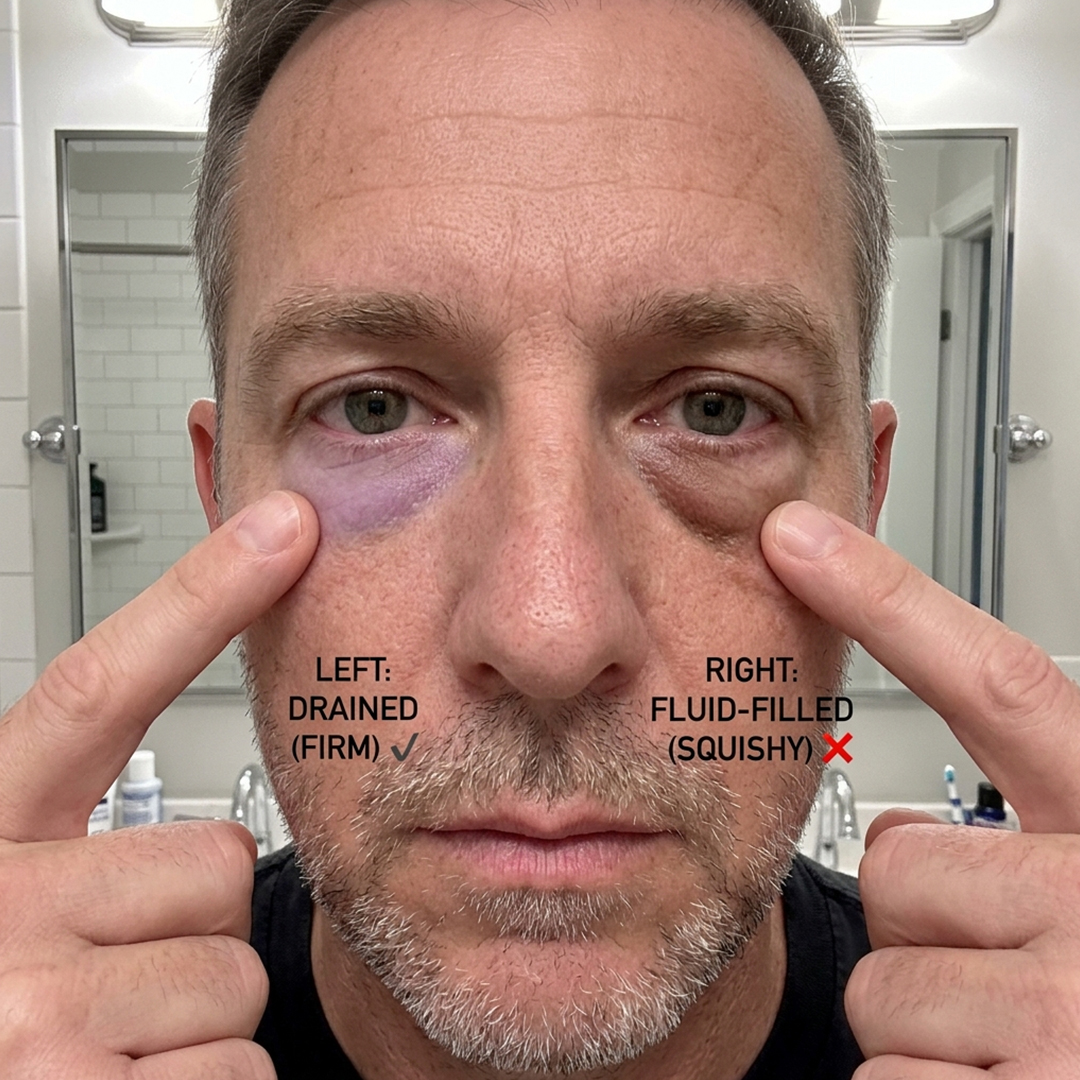
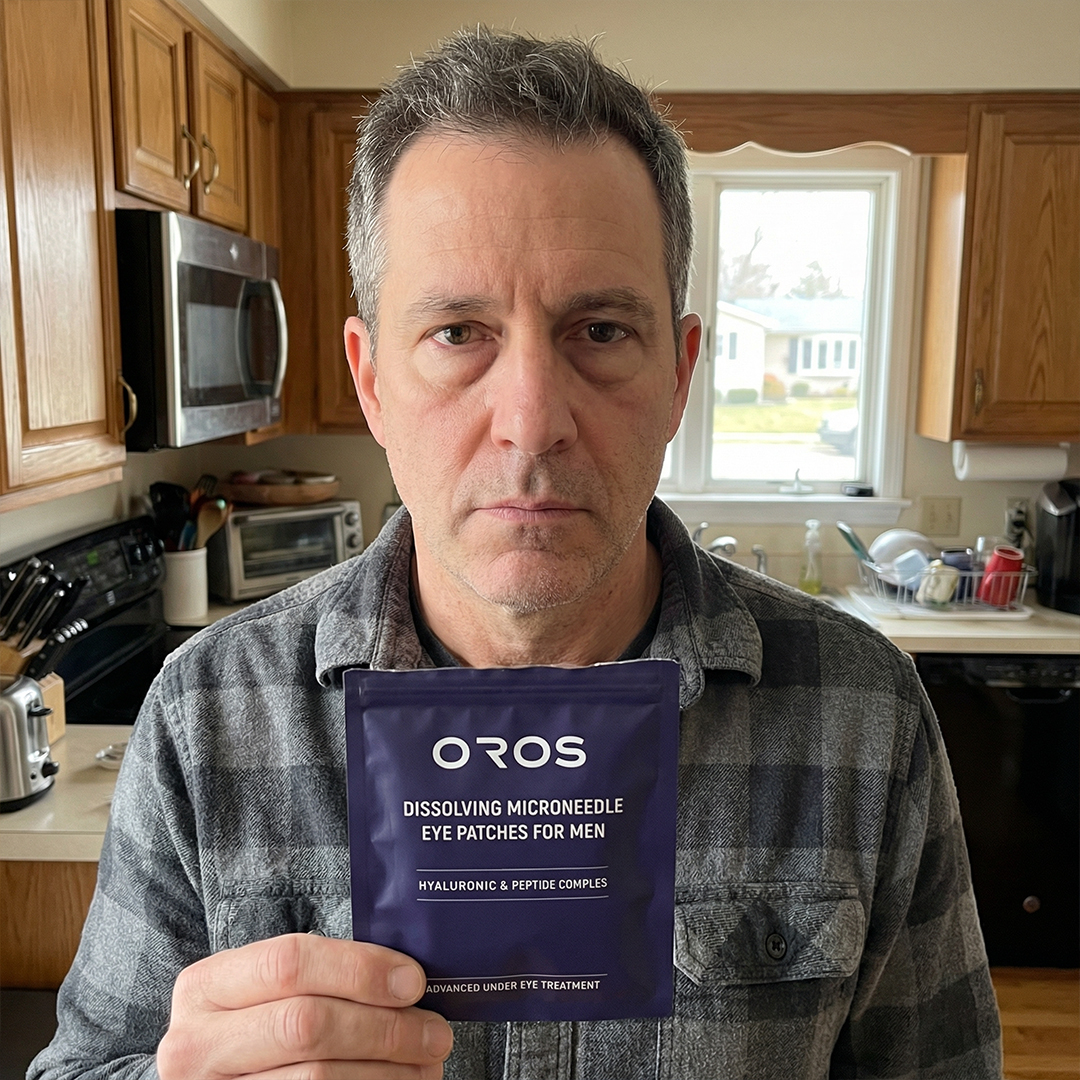
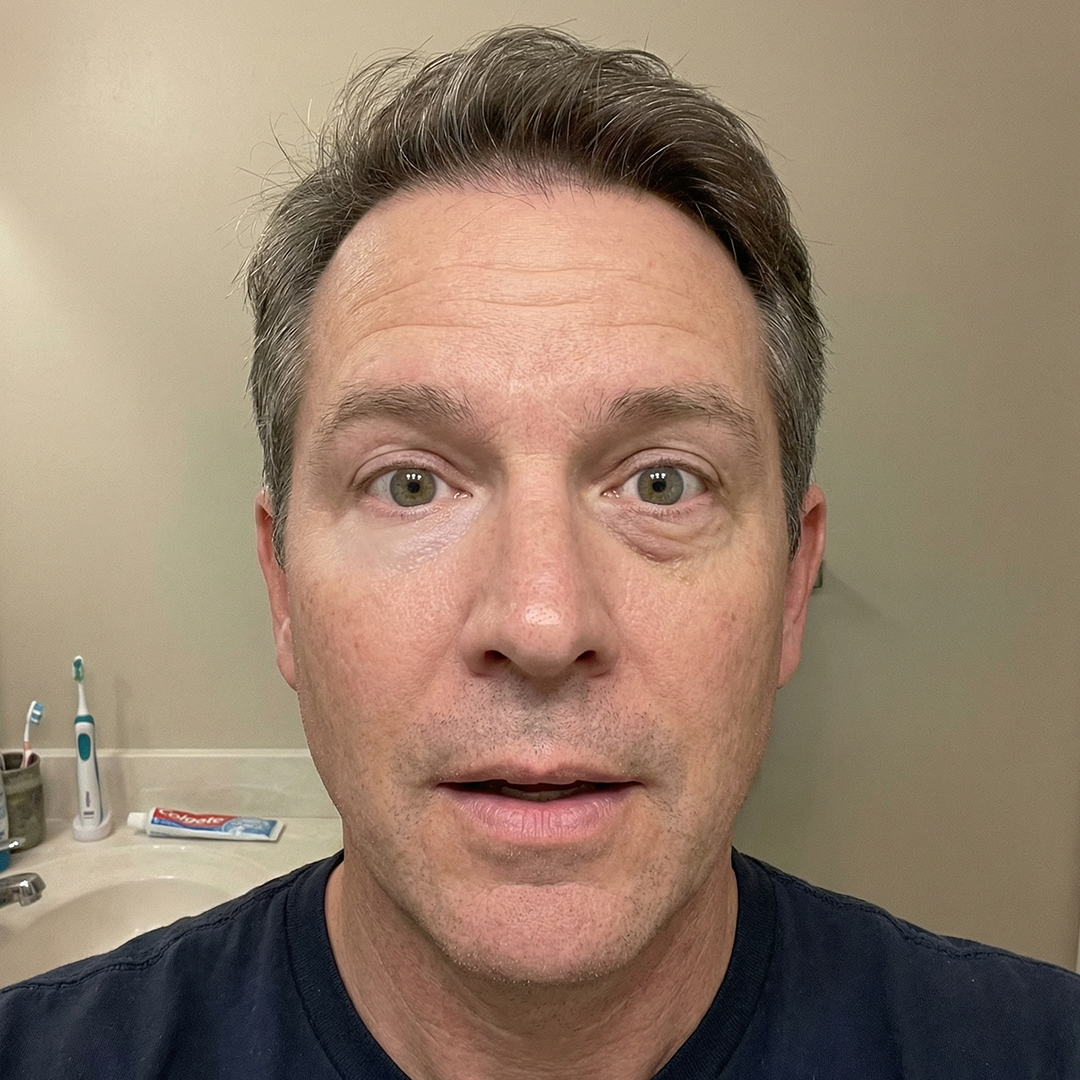
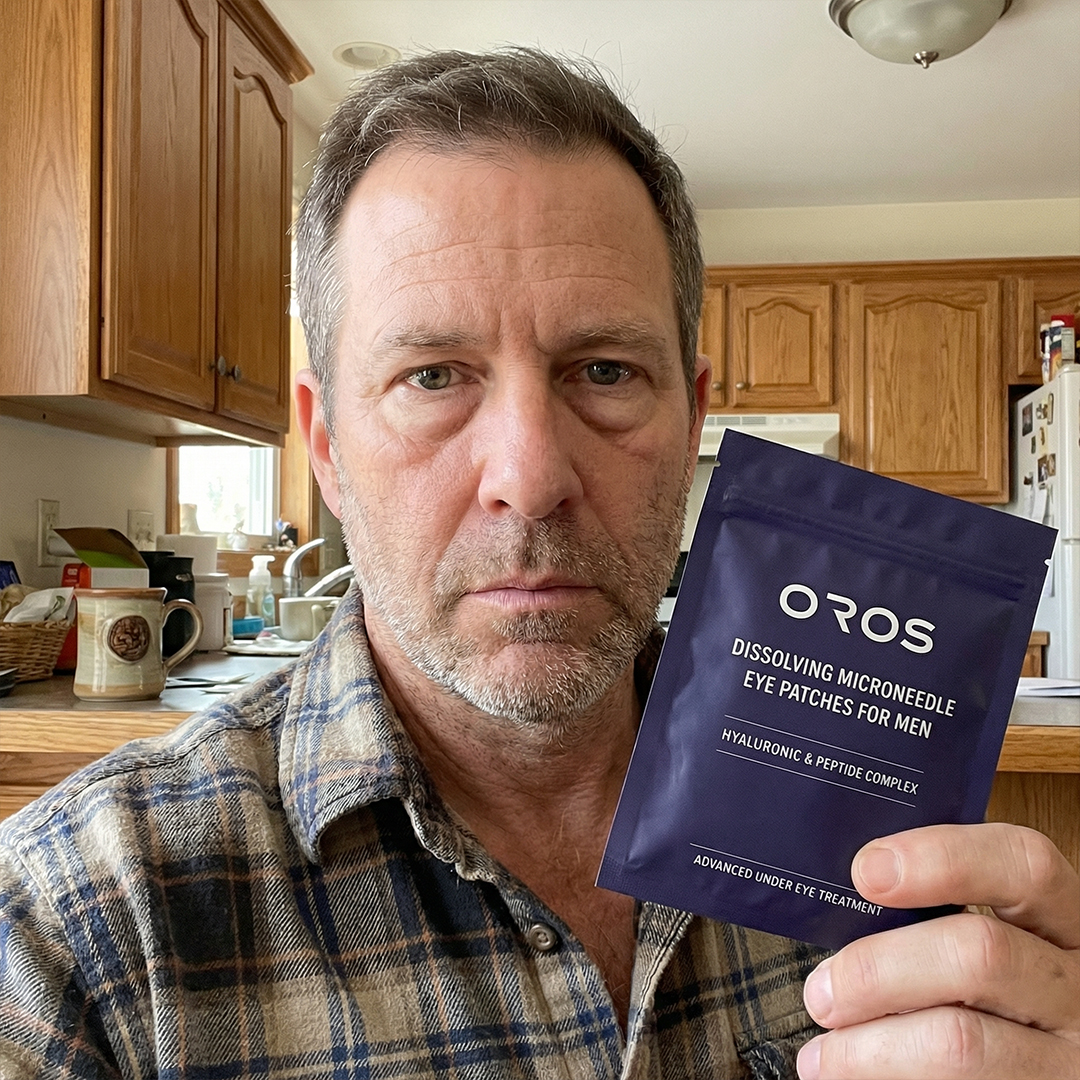
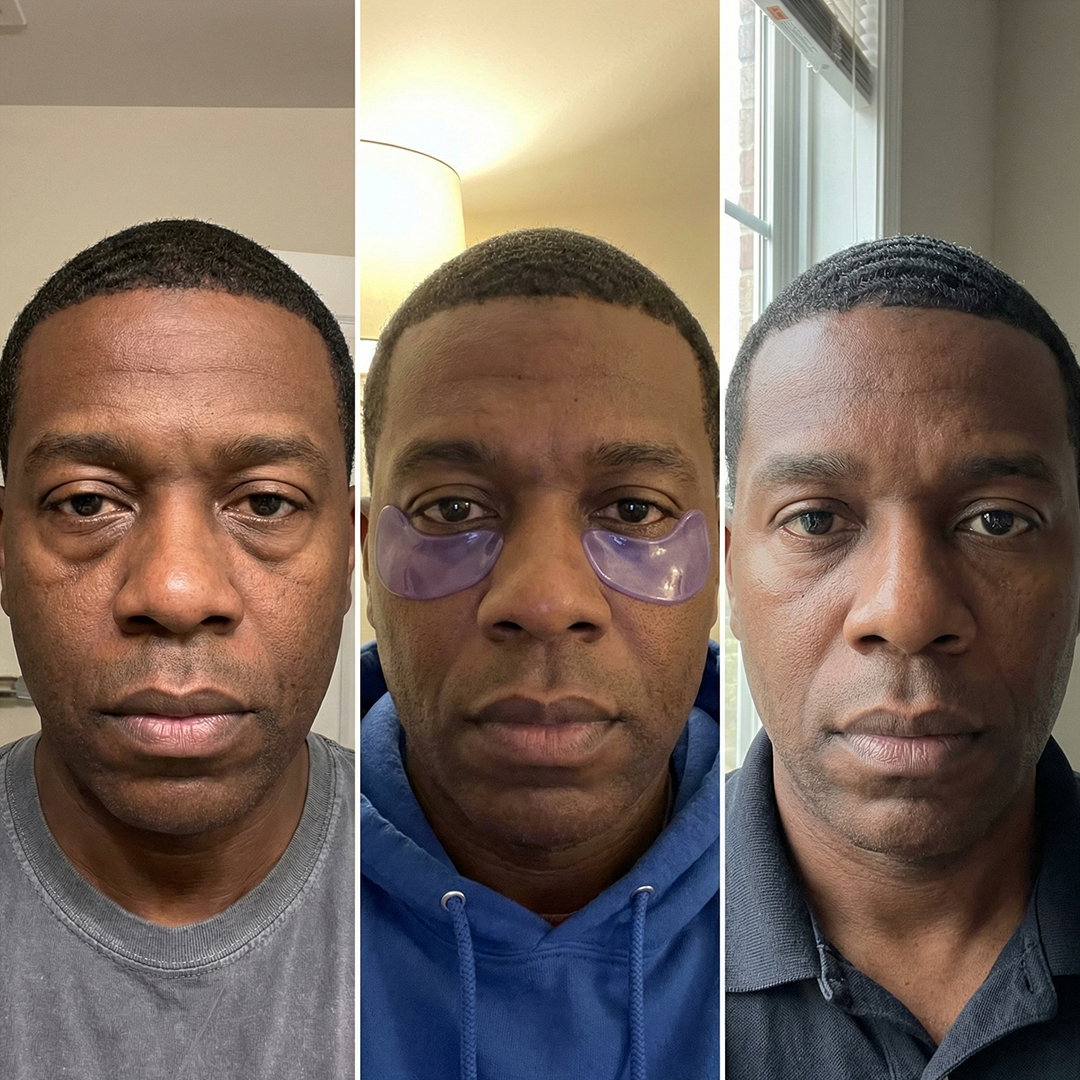
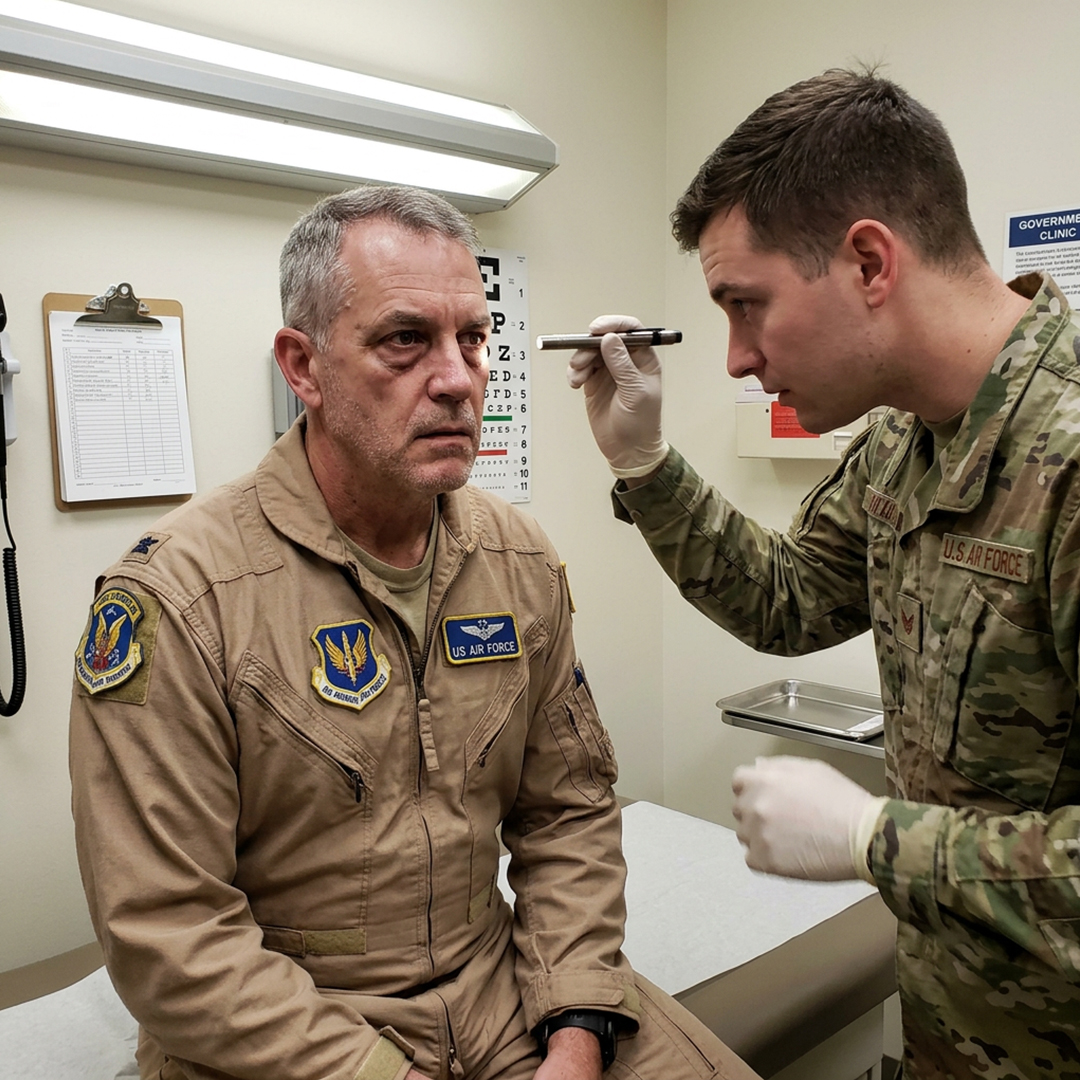
In 2024, a U.S. Air Force Colonel was grounded for "Fatigue." He'd slept 9 hours. The truth changed how military aviators treat their eye bags forever. Colonel Tom Harding walked into the 56th Medical Group for his annual flight physical. 54 years old. 8,200 flight hours. Three airframes over 28 years. Still flying tanker missions twice a month. Finished an Ironman at 48. Ran the Air Force Marathon at 52. He felt better than he had in years. The Flight Surgeon — a Major, maybe 33 — moved through the checklist. Heart rate, blood pressure, vision, reflexes. All textbook. Then he stopped. Leaned forward. Looked at Tom's face. "Colonel, I'm seeing significant periorbital edema and infraorbital venous pooling. Consistent with chronic sleep deprivation. I can't clear you to fly." Tom stared at him. "Doc, I slept nine hours last night. I ran four miles this morning." The Major shook his head. "Your labs are clean. But your face says you're running on fumes. Those bags present as severe fatigue. I'm going to have to DNIF you." DNIF. Duty Not Including Flying. Three letters that can end a career. Tom sat in the parking lot for twenty minutes. Twenty-eight years. 8,200 hours. And a kid half his age just told him his face was unfit for duty. The Eye Bags Aren't "Tired." They're Structural Collapse. Tom saw a civilian dermatologist. $350 for 40 minutes. She told him two things. One: The bags weren't fatigue. They were herniated fat pads and trapped lymphatic fluid. The collagen scaffolding that holds everything flat under the eye had degraded. Fat was pushing forward. Fluid was pooling. Gravity was pulling it lower every month. A structural failure. A plumbing problem. Two: She could fix it. Filler injections. $1,200 per session. Every six months. Or blepharoplasty surgery. $4,500. Scalpel near his eyeball. Three weeks of visible bruising. Tom did the math. Fillers: $2,400 a year, forever. Surgery: three weeks grounded anyway, plus explaining the bruising to his squadron. Neither was acceptable. He bought eye cream at the BX. $24. Used it three weeks. Nothing. Bought a caffeine roller online. $19. Temporary tightening that lasted 40 minutes, then collapsed. Bought a beef tallow balm from some retired operator on Instagram. $44. Six weeks. His pillowcase smelled like a field kitchen. His bags looked identical. Three products. $87. Zero structural change. "Stop Greasing The Bag. Drain It." His old friend Jim Aldridge — retired Lt. Col, spent 12 years in Air Force medical logistics — now worked in pharmaceutical transdermal delivery. When Tom told him about the DNIF, Jim made a sound that wasn't quite a laugh. "Tom. No cream on earth is going to fix those bags. Let me explain why." He laid it out like a logistics problem. "Male skin is 20 to 25 percent thicker than a woman's. Testosterone fortifies the outer barrier into a concrete wall. Every cream you've used has been sitting on the outside of that wall. Evaporating. Never reaching the tissue underneath where the failure is happening. You're greasing a wall and expecting the plumbing inside to fix itself." Then Jim told him about something a contact at Osan Air Base in South Korea had sent him two years earlier. It looked like an under-eye strip. But under magnification — 1,500 crystallized spikes. "Dissolving microneedles. Same transdermal delivery we used in pharma. The needles penetrate the barrier to 0.3 millimeters. Past the wall. Into the dermis where the fluid and the damage actually live. They dissolve and deposit Hyaluronic Acid and peptides directly into the tissue." Tom looked at him. "The answer is a patch." "The answer is physics. You've been painting a wall. This goes through it." Tom tried it that night. Pressed the patch under his left eye. Brief prickle — 1,500 tiny needles breaching the barrier. Uncomfortable for 30 seconds. Then nothing. He left the right eye untreated. What He Saw The Next Morning The bag was deflated. Not slightly. The heavy, fluid-filled pouch that had been there for four years was structurally flatter. Tighter. The dark discoloration underneath — lighter. His right eye — the untreated one — looked like it belonged to a different man. He applied the second patch before he finished his coffee. By week two, both eyes matched. Bags deflated from heavy pouches to flat, firm tissue. Dark circles fading from purple-brown to barely visible. By week three, his wife put her coffee down and looked at him. "Tom. You look different. Like you did ten years ago." Week four. Follow-up physical. Same Major. Same fluorescent lights. The Major looked at his chart. Then at Tom's face. Then back at his chart. "Colonel... what did you do?" "I rested, Doc." The Major studied him for ten seconds. "Cleared for flight duty." The product is called OROS. 1,500 dissolving microneedles. 0.3mm penetration depth. $38 for a four-week supply. Not a cream. Not a $1,200 filler. A transdermal delivery system that bypasses the wall and drains the foundation. 60-Day Money-Back Guarantee. If the bags don't deflate, full refund. Your face is the first thing the room reads. Stop painting the wall. Click below to drain it.
Like this ad? Make it yours.
Crush rebuilds this exact creative around your product — your brand, your colors, your offer — in about a minute.