Women's Health Insider
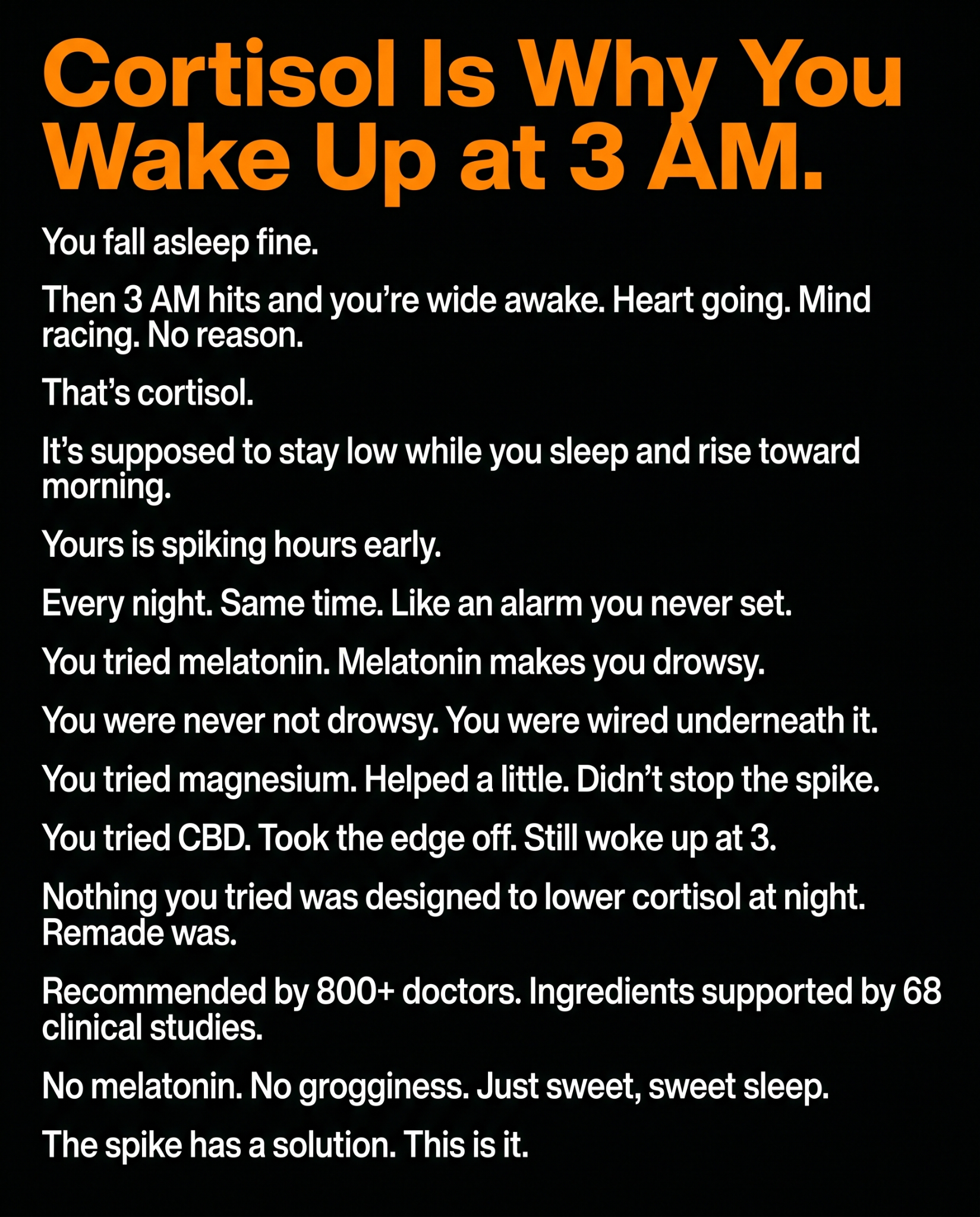
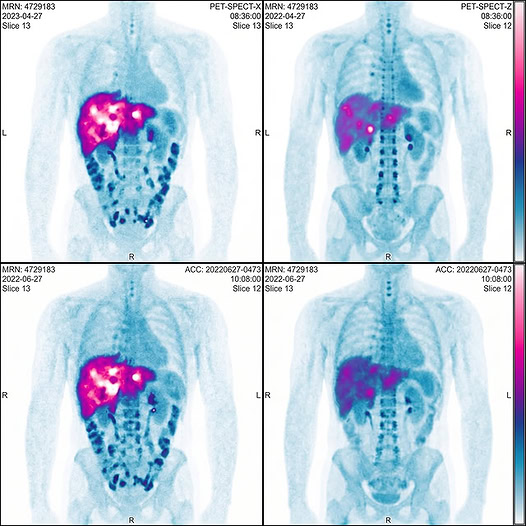
Women's Health Insider Facebook ad: “ALT 76 To 28. Twelve Weeks. No Weight Loss.”
Ran for 14 days, from June 16 to June 30, 2026, the last day Crush saw it.
Run by Women's Health Insider on Facebook. Crush is not the advertiser and does not verify its claims. See this ad in Meta's Ad Library(opens in a new tab)
Want an ad like this for your product?
Crush makes new ad images for your product from this ad: your logo, your product photo, your offer.
Trials from $19.95 USD, then $79.95 USD a month. Cancel anytime.
About this ad
- Meta Ad Library ID
- 1205437874980758
- Platforms
- Facebook, Instagram, Messenger and Threads
- Relaunches
- 1
Ad text
I've signed off on more liver biopsies than I can count to not share this with you. If your ALT is elevated on routine labs and your primary care doctor told you to "lose 10 pounds and re-test in six months," I need to tell you something most of my colleagues are not connecting for the women in their practice. I've evaluated more than 3,400 patients for liver disease in 19 years as a board-certified hepatologist. And when a 49-year-old woman walks into a primary care office with an ALT of 78 and a non-existent drinking history, the standard recommendation is to lose weight, try milk thistle, and re-test in six months. Eighteen months later her ALT is the same or slightly worse, but now she has tried, and the doctor moves to the next step: "let's get a Fibroscan." The Fibroscan shows F1 mild fibrosis. By year four it has progressed to F2. By year seven she is being referred to hepatology. By the time she sits in my exam room she has been told for years that her liver problem was about her weight. It was not. It was about hepatic sinusoidal endothelial dysfunction and chronic Kupffer cell activation — the same vascular and inflammatory machinery that drives non-alcoholic fatty liver disease in women whose primary care doctors have not been trained to investigate it aggressively. I'm Dr. Elena Marchetti. I'm a board-certified hepatologist with subspecialty focus on women's liver health. And when my own ALT crossed 76 at 50, I knew something most primary care doctors never tell their female patients with elevated liver enzymes. Your fatty liver is not because you are 10 pounds overweight. It is because the microvascular and inflammatory machinery inside your liver is no longer clearing the metabolic load that your post-menopausal body is producing, and the standard protocol — lose weight, try milk thistle, re-test — addresses none of it. I have been reading hepatic panels and Fibroscan studies for 19 years. I have evaluated the women whose primary care doctors did the standard "lose weight and re-test" protocol for three or five or eight years before they finally referred to hepatology. By the time those women reach me, the disease has often progressed past where it was easily reversible. The 54-year-old. ALT crept up from 38 to 84 over five years. Her primary care doctor told her every time to lose ten pounds, try milk thistle, and re-test. She tried. She lost four pounds and gained it back. The ALT kept climbing. At 54 her Fibroscan showed F2 fibrosis. Her biopsy confirmed early NASH — non-alcoholic steatohepatitis. The diagnosis carries a five-year fibrosis progression rate of approximately 40% and a cardiovascular mortality risk significantly elevated above the general population. She had not been told her elevated ALT was anything more than a "weight thing" for five years. The 61-year-old. Cryptogenic cirrhosis at first hepatology visit. She had never been a drinker. Her ALT had been mildly elevated in her 40s and 50s, dismissed each time by a different primary care doctor as not requiring follow-up. At 60 she developed ascites that her primary care doctor initially attributed to "menopausal bloating." The CT scan that finally got ordered showed a cirrhotic liver. By then her MELD score was 14 and her HCC surveillance had to start immediately. She is currently on the transplant evaluation pathway. She will probably not receive an organ. The 58-year-old. NAFLD diagnosis at 50, mild fibrosis on her first Fibroscan, told to lose weight. She lost a meaningful amount of weight — 22 pounds over three years. Her ALT did not normalize. Her primary care doctor told her the weight loss was the right approach and to keep going. At her first hepatology surveillance ultrasound at 58, the imaging found a 3.4cm lesion in her right lobe. The biopsy confirmed hepatocellular carcinoma. She had presumably had occult cirrhosis underlying her NAFLD that no one had ever imaged in the previous eight years. She is in oncology now. Her prognosis depends on staging that has not been finalized. I see them in follow-up. They are not angry. They feel guilty — convinced that if they had just lost the weight aggressively enough, this would not have happened. But I know what they lost. They had years before the fibrosis progressed past the easily reversible stage. Years to address the underlying hepatic microvascular and inflammatory machinery that was driving their elevated enzymes. Years to support sinusoidal endothelial function and reduce Kupffer cell inflammation — interventions that exist and work but that primary care does not consider because the recommendation has been "lose weight" for thirty years. Their elevated ALT was the warning. The "lose 10 pounds" protocol just bought time while the underlying disease kept progressing toward cirrhosis, HCC, and the kinds of outcomes I see in my clinic every week. My own labs were showing me a story I had been dismissing for over a year. Fatigue I had been attributing to a busy practice and three teenagers at home. Mid-section weight I could not shift despite tracking my food and exercising five days a week. Mild right-upper-quadrant heaviness when I leaned forward — vague, intermittent, the kind of symptom a primary care doctor would not even investigate. I am 52. I have one glass of red wine with dinner three or four nights a week. I have never been a heavy drinker. My BMI is 26 — modestly elevated. My diet is what I tell my patients to eat. And my ALT climbed from 38 at age 48 to 76 at age 51. My internist looked at the labs and said what most internists tell their female patients. "Elena, your ALT is borderline. Probably the perimenopausal weight redistribution. Try to lose 10 pounds and we'll re-test in six months." I knew the protocol. I write the same recommendation in the consult notes for hundreds of women a year — except I add aggressive workup beyond it. My internist was not going to do the aggressive workup. She did not need to. I did the workup on myself. ALT 76. AST 52. GGT 64. ALP normal. The ratios were consistent with NAFLD. I did the differential workup — autoimmune markers (ANA, anti-smooth muscle, anti-mitochondrial), Wilson disease (ceruloplasmin), iron studies (ferritin, iron saturation). All negative. I ordered a Fibroscan. CAP score 287 — significant hepatic steatosis. Liver stiffness 8.4 kPa — borderline F1-F2. I ran the inflammatory and metabolic workup that I run on every new NAFLD consult. hs-CRP 2.6. Fasting insulin 18. HOMA-IR 4.3 — significant insulin resistance. ApoB elevated. My fatty liver was not a "weight" problem in the sense that the standard recommendation assumes. It was a systemic microvascular endothelial dysfunction and inflammatory problem manifesting in my liver tissue specifically — the same machinery that simultaneously was driving the abdominal weight redistribution and the insulin resistance. And "lose 10 pounds and re-test" would have been monitoring a managed decline. Here is what most primary care doctors do not tell their female patients with elevated ALT because they do not run this workup. The liver is one of the most vascular organs in the body. It is perfused by both the hepatic artery and the portal vein, with a unique sinusoidal microvasculature that allows efficient toxin clearance. The damage that drives non-alcoholic fatty liver disease in women is not primarily caused by their weight or their diet — it is caused by the inflammatory and oxidative response their liver mounts to metabolic load when the underlying microvasculature is already compromised by post-menopausal hormonal changes, chronic systemic inflammation, and insulin resistance. Three things happen simultaneously inside a fatty liver, and "lose 10 pounds" addresses only one of them. The first is hepatic sinusoidal endothelial dysfunction. The small vessels that perfuse liver tissue lose their ability to produce nitric oxide on demand. Sinusoidal blood flow becomes inefficient. Toxin clearance capacity drops. The second is chronic Kupffer cell activation. Kupffer cells are the immune cells embedded in the liver sinusoids. Reduced perfusion plus continued metabolic load keeps them in a chronically activated inflammatory state. They release cytokines that drive fibrogenesis. The third is stellate cell activation. Stellate cells, when activated by chronic inflammation, transform into myofibroblasts and produce collagen — the cellular basis of liver fibrosis. Once stellate cell activation is established, fibrosis progresses even if the metabolic input is reduced. Losing weight modestly reduces the metabolic load on the liver. It does not restore sinusoidal endothelial function. It does not deactivate Kupffer cells. It does not deactivate stellate cells. In women whose underlying microvascular and inflammatory machinery is already compromised by post-menopausal hormone changes and insulin resistance, simply losing weight produces minimal lab improvement. That is what I had been observing clinically in my own patients for 19 years. It was now what I was experiencing in my own body. I tried what patients try. Stricter diet. Intermittent fasting. Cut the wine to one glass twice a week. Helped marginally. ALT dropped to 68. Not enough. Milk thistle, NAC, choline, betaine. The standard NAFLD supplement stack. Helped a little. ALT to 61. Still elevated. Still in the range where my own consult template would have generated a recommendation for repeat Fibroscan in 12 months. Stricter exercise routine. Helped at the margin. Nothing was reversing the underlying hepatic sinusoidal endothelial dysfunction. But I kept coming back to a paper a research colleague had sent me four months earlier. Thursday night. 11:08 PM. I was reading a 2024 paper in Aging and Disease confirming that sustained activation of TRPV1 — the receptor inside endothelial cells throughout the body, including hepatic sinusoids — triggers continuous eNOS activity and reduces tissue-level inflammation. The compound that activates TRPV1 is capsaicin. From cayenne pepper. Subsequent work has shown the mechanism applies specifically to hepatic microvasculature, with documented anti-inflammatory effects on Kupffer cells and reduced stellate cell activation. I had never prescribed capsaicin in 19 years of hepatology practice. The mechanism was the cleanest I had seen for addressing the upstream hepatic vascular dysfunction rather than just monitoring downstream enzyme decline. The delivery matters — capsaicin is fat-soluble and gets destroyed in stomach acid in dry-capsule form. The research uses oil-suspended capsaicin combined with piperine — which increases absorption by approximately 2000%. I found Aurivita Capsaicin Power. 3mg capsaicin per serving, pre-dissolved in cold-pressed avocado oil. BioPerine for absorption. The supporting compound stack — berberine, beetroot, K2, hawthorn, cinnamon, turmeric, Korean ginseng, vitamin D3, vitamin E. Three softgels with breakfast. Week 3. The fatigue lifted. Specifically the afternoon energy crash. I stopped needing the coffee at 3 PM that I had been needing for two years. Week 6. My midsection weight that had not moved for three years started to shift. Not dramatically. A finger's width on the waistband. My husband noticed before I did and asked what had changed. I did not tell him yet. I wanted the labs. Week 12. Repeat panel. ALT dropped from 76 to 28 — well within normal range. AST followed. GGT down to 22. Fibroscan CAP score improved from 287 to 196. Liver stiffness improved from 8.4 to 6.1 kPa. hs-CRP halved. HOMA-IR dropped from 4.3 to 1.8. I sat in my office and read the panels and the imaging three times. I walked the data down to a colleague's office. Dr. Patel has been an internist for 19 years. She read the labs and the Fibroscan results for a long time. "Elena. ALT does not drop from 76 to 28 in 12 weeks without weight loss or medication intervention. What did you do." I told her. The TRPV1 pathway. The capsaicin mechanism. The hepatic microvascular and inflammatory repair. She read the data again. "I'm going to need to look at this for my patients. Specifically the women I have been telling to lose 10 pounds for years whose ALT has not budged." I started recommending Aurivita to women in my hepatology clinic — the ones who had been compliant with the weight-loss recommendations and whose enzymes had not responded, the ones whose Fibroscan had shown F1 or F2, the ones who were anxious about the trajectory ahead. I have followed approximately 220 women on Aurivita over the last 14 months. The pattern repeats. ALT drops. AST normalizes. GGT comes down. Fibroscan CAP improves. In a meaningful subset, liver stiffness improves. In the women with established mild fibrosis, the fibrosis stabilizes rather than progressing — which by every prognostic model meaningfully reduces lifetime risk of cirrhosis. I am not telling you this because I am against the "lose weight" recommendation. Weight loss helps. It reduces hepatic fat content modestly. It improves insulin sensitivity modestly. But weight loss alone does not restore sinusoidal endothelial function. It does not deactivate Kupffer cells. It does not deactivate stellate cells. For the majority of women whose underlying hepatic microvascular and inflammatory machinery is already compromised — especially post-menopausal women — losing 10 pounds is monitoring a managed decline. And I see what happens 5, 8, 12 years into that monitoring. The progression from F1 to F2 to F3. The biopsy. The cirrhosis diagnosis. The HCC surveillance. The eventual transplant evaluation that most women never make it to. The lifetime that ends earlier than it should have. Your elevated ALT is not failing you. It is warning you. The same microvascular and inflammatory machinery driving your liver enzymes up is silently building damage in tissues you cannot see right now. You have two choices. Lose 10 pounds and re-test in six months while the underlying disease progresses. Or address the hepatic microvascular dysfunction and give your liver tissue a chance to actually heal. I think about what I almost did. I almost accepted my internist's "lose 10 pounds" recommendation. I almost spent the next ten years watching my ALT climb, my Fibroscan progress, eventually getting my own biopsy that would confirm what I confirm in patients every week. Cirrhosis is a one-way door. Once histologically confirmed, the regenerative capacity is limited. HCC surveillance becomes lifelong. Transplant evaluation is the eventual conversation. You do not get a second warning. The slowly elevated ALT is your warning. It is the warning you can still act on while the liver is still capable of meaningful regeneration. I am sharing this because if your primary care doctor has told you to lose 10 pounds and re-test, you deserve to know what I know. Not from a textbook. From the consults and the Fibroscans I read every single week. From the women I see who lost the weight and still progressed to fibrosis because their underlying mechanism was never addressed. Your fatty liver is not the problem. It is the symptom. Your hepatic sinusoidal endothelium is failing. Your Kupffer cells are inflamed. Your stellate cells are starting to activate. Twelve weeks. That is how long it took my ALT to drop 48 points, my Fibroscan CAP to improve 91 points, my liver stiffness to drop, and my HOMA-IR to normalize. Twelve weeks of letting my liver do what it was designed to do at the receptor and microvascular level. Heal. I am not telling you to skip the weight loss recommendation. I am telling you to add upstream support for the hepatic vasculature while you also work on the weight. Your elevated ALT is your check engine light. "Lose 10 pounds and re-test" is the equivalent of putting tape over the light and hoping the engine fixes itself. The hepatic vasculature is still failing underneath. You just cannot see it on the lab report anymore. But I see it on the Fibroscans every single week. Women who lost the weight and still progressed. Women who tried milk thistle for the recommended 90 days and stopped because their ALT did not respond. Women who are sitting in my exam room at 58 or 62 with cirrhosis or NASH or HCC. Every one of them, when I show them their imaging, says some version of the same thing. "I wish someone had taken my elevated ALT seriously when I was 48." I am telling you now. Your fatty liver is fixable upstream — at the hepatic sinusoidal endothelium and the inflammatory cells inside your liver tissue where the disease actually progresses. Twelve weeks. That's all it took. — Dr. Elena Marchetti, MD Board-Certified Hepatologist, 19 years Subspecialty Focus: Women's Liver Health P.S. — The pharmaceutical-grade capsaicin softgel I used is called Aurivita Capsaicin Power. 3mg of pure capsaicin per serving, dissolved in cold-pressed avocado oil for proper absorption, formulated specifically to activate the TRPV1 pathway for sustained nitric oxide release and hepatic microvascular repair. The formula also includes supporting compounds — berberine for hepatic glucose and lipid handling (specifically relevant for the NAFLD use case), beetroot extract, hawthorn for vessel wall integrity, cinnamon, turmeric paired with BioPerine for absorption (curcumin has multiple published trials on hepatic inflammation), vitamin K2, vitamin D3, vitamin E, and Korean ginseng. The berberine and the BioPerine-curcumin pairing are particularly meaningful for the NAFLD use case — berberine has the strongest published evidence base for ALT reduction outside of pharmaceutical interventions. If your primary care doctor has told you to lose 10 pounds and re-test your ALT, consider this first. Get a baseline ALT, AST, GGT, Fibroscan if available, fasting insulin, and HOMA-IR. Try therapeutic capsaicin for 12 weeks alongside the weight loss recommendation. Get the follow-up labs and imaging. Let your body show you what it can do when the underlying hepatic vasculature is supported instead of when only the metabolic input is reduced. Aurivita is available at aurivita.co/products/cayenne-pepper-softgels. There is a 120-day money-back guarantee. Talk to your doctor or your pharmacist before adding anything to your morning, especially if you are on prescription medications. That conversation matters more than anything else in this letter. Individual experiences vary. These statements have not been evaluated by the FDA. This product is not intended to diagnose, treat, cure, or prevent any disease.
Where the ad sends people
aurivita.co
ALT 76 To 28. Twelve Weeks. No Weight Loss.
Support your cardiovascular health with our capsaicin softgels, a premium supplement meticulously formulated for those who prioritize long-term heart vitality.
Learn more: aurivita.co(opens in a new tab)