Jessica M.
Jessica M. Facebook ad: “If you have kids under 5, please read this.”
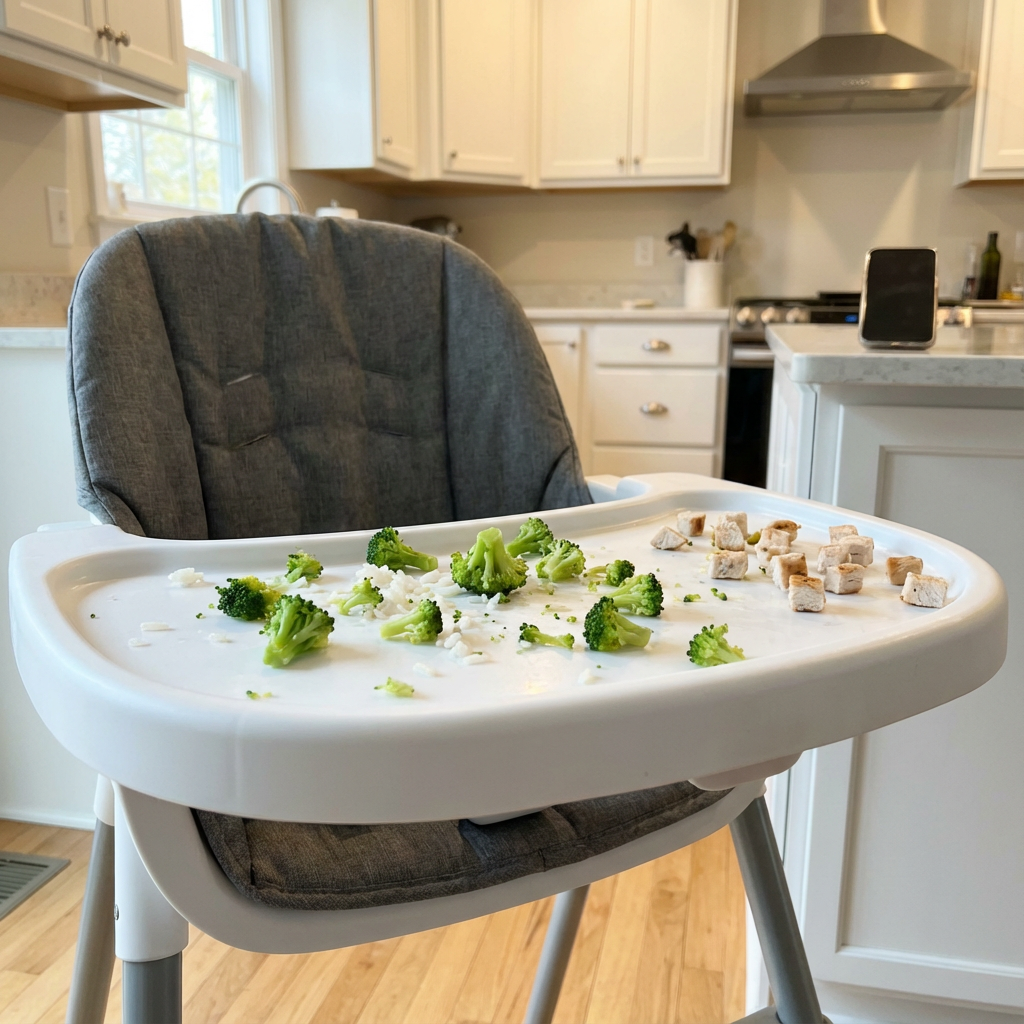
Ran for 37 days, from January 26 to March 4, 2026, the last day Crush saw it.
Run by Jessica M. on Facebook. Crush is not the advertiser and does not verify its claims. See this ad in Meta's Ad Library(opens in a new tab)
Want an ad like this for your product?
Crush makes new ad images for your product from this ad: your logo, your product photo, your offer.
Trials from $19.95 USD, then $79.95 USD a month. Cancel anytime.
About this ad
- Meta Ad Library ID
- 1207782048145305
- Platforms
- Facebook, Instagram, Audience Network, Messenger and Threads
- Relaunches
- 0
Ad text
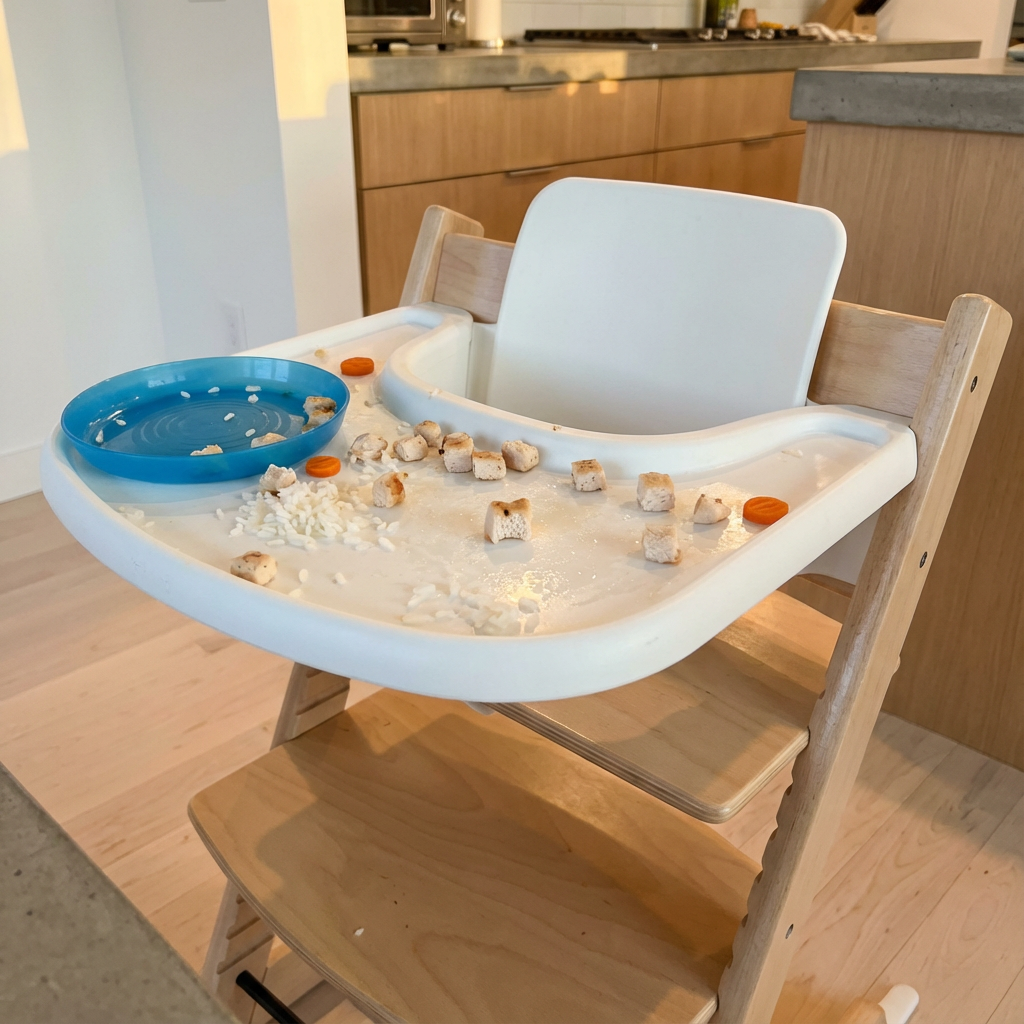
My sister is a PICU nurse. She told me the difference between kids who make it and kids who don't. It usually comes down to one thing. And it's not how fast the parents react. I need to back up. Three months ago I was standing in my kitchen making dinner. Chicken, rice, steamed broccoli. The same meal I'd made a hundred times. My son Miles was in his high chair eating the broccoli I'd cut into what I thought were safe pieces. He had just turned two. I'd done the research. Watched the videos. Followed the feeding accounts. Soft foods, small pieces, always supervised. I was doing Baby-Led Weaning "the right way." I was maybe four feet away. Rinsing a pot in the sink. My phone was on the counter—I wasn't even looking at it for once. The kitchen was noisy. The hood fan was on. Music playing from the speaker. Normal Tuesday chaos. Then I noticed something that made my stomach drop. It wasn't a sound. It was the absence of one. Miles had been babbling. Doing that thing where he narrates his meal with nonsense words. And then he just stopped. I turned around and his face was already changing. His eyes were wide and wet and looking directly at me. His mouth was open but nothing was coming out. No cough. No cry. No air. Just silence. I grabbed him out of the high chair so fast I knocked the tray onto the floor. Flipped him over. Started doing back blows the way I'd learned in the CPR class I took when he was born. One. Two. Three. Four. Five. Nothing. I turned him over. His lips were changing color. I did chest thrusts. Checked his mouth. Nothing came up. Nothing moved. I remember thinking *this is really happening. This is actually happening right now in my kitchen.* I hit his back again. Harder. So hard I was terrified I was hurting him. But I was more terrified of the alternative. On maybe the eighth or ninth back blow, a piece of broccoli flew out of his mouth. He gasped. Then screamed. The most beautiful horrible sound I've ever heard. I held him on the kitchen floor and cried. He cried for maybe two minutes and then wanted to get down and play with his trucks. Kids are resilient like that. I was not. That night I couldn't sleep. I just kept replaying it. The silence. His eyes. How close it was. How I'd done everything right. Steamed the broccoli soft. Cut it small. Supervised him the entire time. Wasn't even on my phone. And it still almost happened. The next morning I called my sister. She's been a PICU nurse in Philadelphia for eleven years. I told her what happened and I started crying again. She didn't say the things I expected. She didn't say I did great or that I should be proud of myself. She got really quiet. Then she said something that changed everything. She said the difference between kids who make it and kids who don't usually comes down to one thing. And it's not how fast the parents react. It's not their training. It's not even being in the room when it happens. It's whether they have a backup for when the first thing doesn't work. She told me about the cases she's seen. Kids who were saved by back blows. Kids who weren't. The difference almost never came down to the parent's skill or composure. It came down to what happened in the gap. The gap between when back blows fail and when the ambulance arrives. She said most parents don't even know that gap exists. They think if they know CPR, they're covered. But CPR has a failure rate that nobody talks about. Sometimes the object is lodged in a way that back blows can't dislodge. Sometimes the object is soft and molds to the airway instead of popping loose. That's the physics of it. The Heimlich works by using whatever air is already in the lungs to force the object up. But if your child had just breathed out when it happened—if there wasn't much air behind the blockage—there may not be enough pressure to move it. You're pushing with an empty tank. I had never heard anyone explain it that way. She said in the PICU they have suction equipment. Machines that don't rely on the child's air supply. Machines that pull instead of push. I asked why regular people don't have access to something like that. She said they do now. She said there's a device she keeps in her own home. Not because she doesn't trust her training. But because she's seen what happens when training isn't enough. I asked her what it was called and she told me. ClearBreath. I looked it up that night after the kids were asleep. It's a handheld suction device. You place a mask over the child's mouth and nose, push down to create a seal, and pull up to generate suction. The suction pulls the object up and out instead of relying on air that might not be there. There's a one-way valve inside that prevents you from accidentally pushing air in when you push down. So even if you panic, even if your hands are shaking, you can't make it worse. That was the part that got me. I keep thinking about those moments on the kitchen floor. How I had no idea if what I was doing was working. How each back blow felt like a guess. How I was using all my strength and still didn't know if it would be enough. This device doesn't require strength. It doesn't require perfect technique. It doesn't require the child to have air left in their lungs. It just requires you to pull. I ordered one that night. Then I ordered a second one for my car. And yes—I ordered one for my mother-in-law's house too. Because she watches Miles on Thursdays. And I realized I couldn't control what happened when I wasn't there, but I could at least give her a backup. When it arrived I took it out of the box and just held it. It's not fancy. It looks almost too simple. But my sister explained that's the point. In an emergency, you don't want complicated. You want Place. Push. Pull. I haven't had to use it. I hope I never do. But something shifted after I put it in the drawer next to the high chair. I didn't realize how much mental space the fear had been taking up until it got a little quieter. I still cut his food carefully. I still sit with him while he eats. I'm still the mom who won't let him have grapes or popcorn or hot dogs. That part hasn't changed. But I don't feel the same dread when I turn around to grab something from the counter. I don't hold my breath every time he goes quiet for a few seconds. Because I know that if the worst happens again, I'm not relying on just one thing. My husband used to roll his eyes a little when I'd quarter the grapes or refuse to give Miles popcorn at the movies. He thought I was being overprotective. He doesn't say that anymore. Not since Tuesday. He actually asked me to order one for his car too. My sister told me something else that stuck with me. She said most of the parents she sees in the PICU aren't bad parents. They're not neglectful. They're not uneducated. They did everything right. They took the classes. They supervised their kids. They responded immediately. The difference between a scary story and a tragedy is often just seconds. And sometimes those seconds come down to whether you have a tool that works when your hands don't. I've started mentioning it to other moms. Not in a preachy way. Just when it comes up naturally. When someone in my mom group posts about starting solids or talks about how anxious they are about choking. Most of them have never heard of it. A few have looked at me like I'm being dramatic. I get it. I probably would have looked at me the same way three months ago. But a couple have texted me later saying they ordered one. One friend said she cried when it arrived because she'd been carrying around so much fear she didn't even know how to name. I get it. I really do. We're told that if we're vigilant enough, if we follow all the rules, we can prevent anything bad from happening. And then something happens anyway and we're left wondering what we did wrong. But sometimes it's not about what we did wrong. Sometimes it's about the gap between what we can control and what we can't. I can't control whether my son takes a bite that goes down wrong. I can't control the physics of his tiny airway. I can't control whether my training will work in that specific moment on that specific object. But I can control whether I have a backup. That's what ClearBreath is for me. A backup. A Plan B that doesn't require me to be perfect. I don't know if this will resonate with anyone reading this. Maybe you've never thought about choking. Maybe you think I'm overthinking it. Maybe you're like I was three months ago, confident that you know what to do and that'll be enough. I hope you're right. But if you've ever felt that specific kind of quiet terror when your child goes silent at the dinner table, even for a second, maybe this is worth looking into. Not because you're a bad parent. Not because you're not prepared enough. But because some things are just too important to leave to chance. I keep mine in the kitchen drawer. Next to the first aid kit. Next to the fire extinguisher. Because that's what it is. A fire extinguisher for the one emergency I pray never happens again. My sister was right. The difference between one outcome and another isn't always something you can learn in a class. Sometimes it's just something you have.
Where the ad sends people
eazywell.net
If you have kids under 5, please read this.
Eazywell
Learn more: eazywell.net(opens in a new tab)