
Inactive· since Feb 4, 2026
- 10
- days it ran
- 0
- relaunches
Ad copy
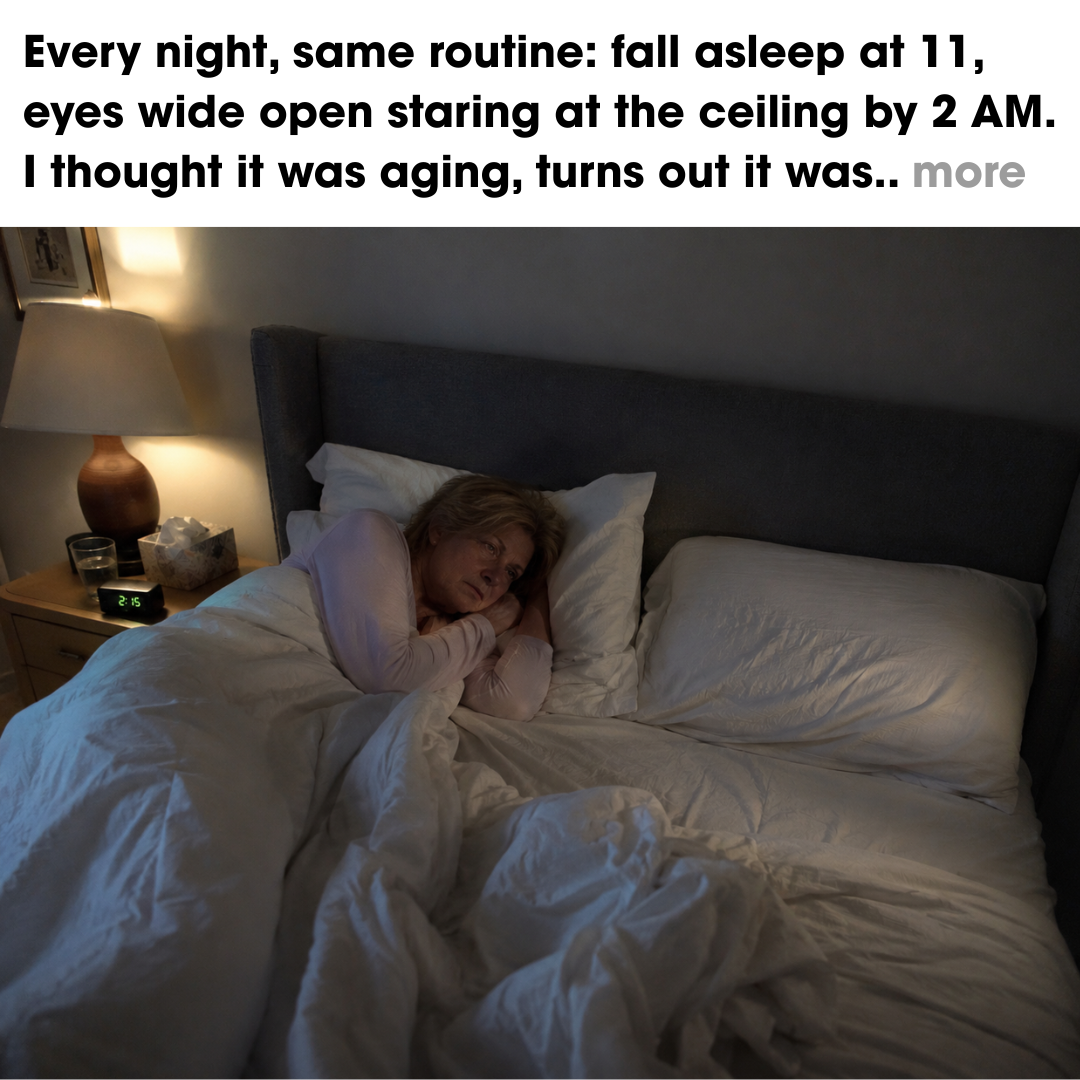
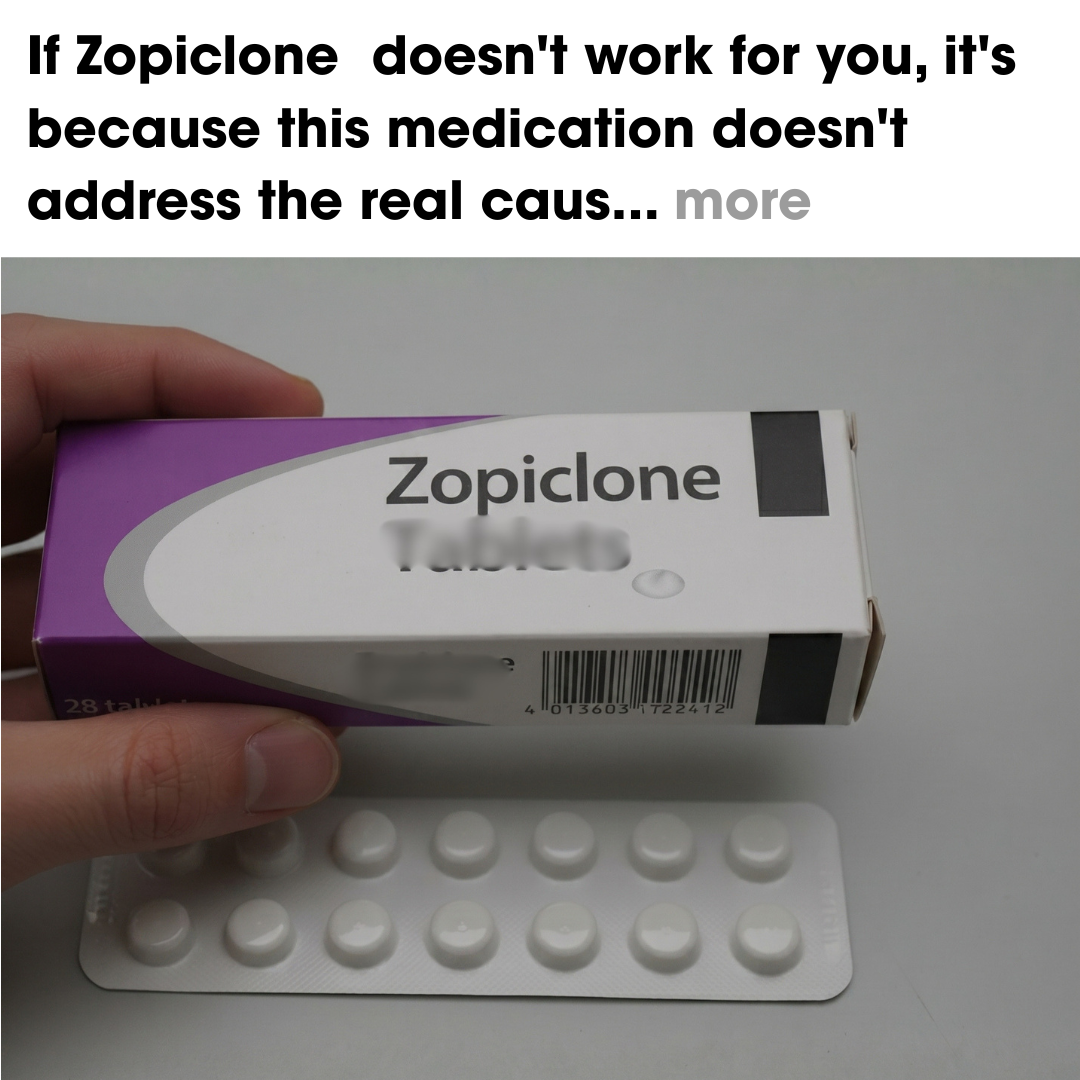
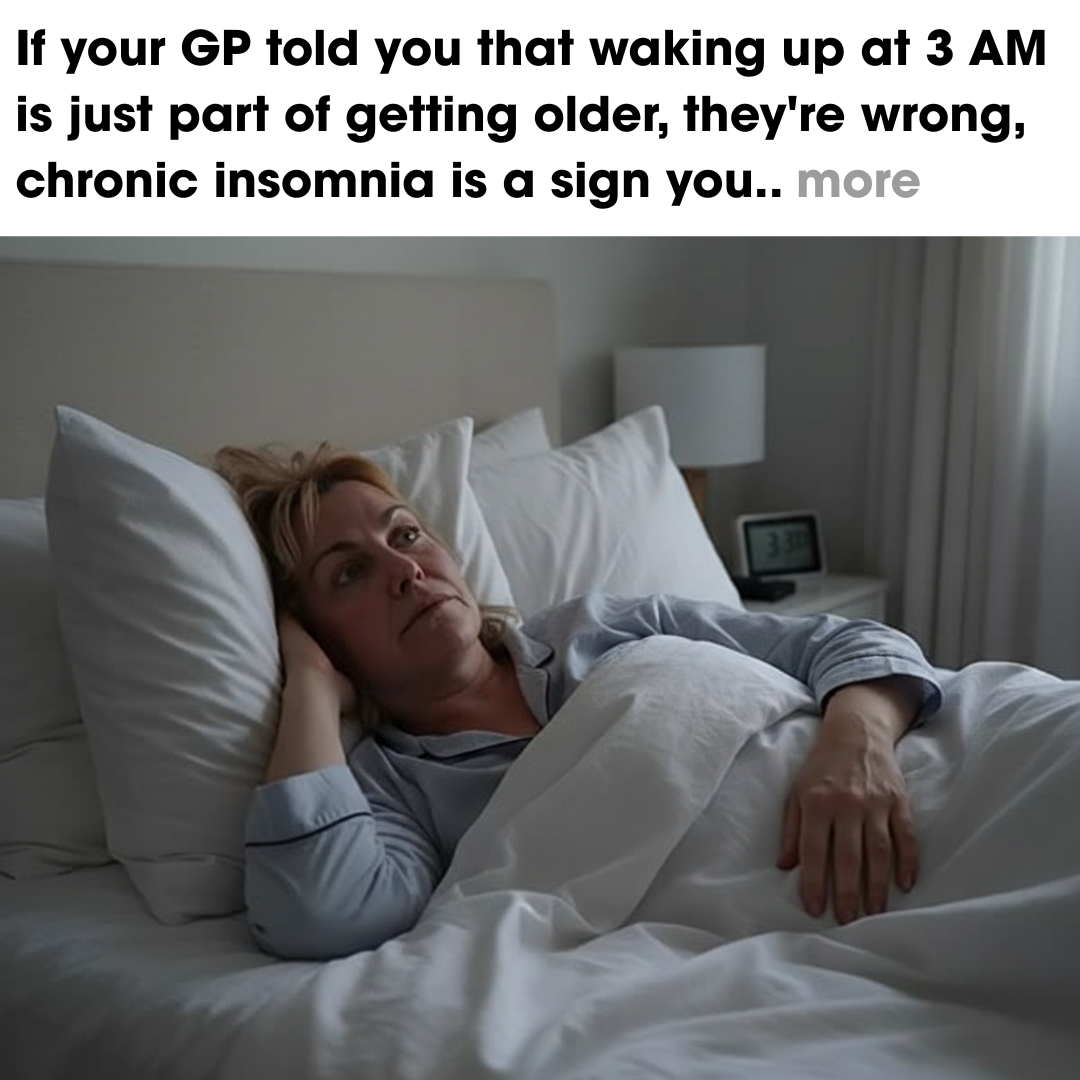
I'm Emma. I'm 53 years old. And for the first time in 18 months, I'm sleeping through the night. My HRT patches are still on my arm, managing my hot flashes beautifully. But now there's something else on my shoulder before bed—a small patch that's finally addressing what the HRT couldn't fix. Eighteen months ago, I thought I'd never sleep properly again. I was sitting in my GP's office for the fourth time in six months, exhausted and desperate. "The HRT is working for everything else," I told her. "My hot flashes are gone. My mood is stable. My brain fog cleared up. But I still can't sleep.” She looked at my chart, then at her screen, scrolling through my medication history. Zopiclone 3.75mg - worked for 9 days, then stopped.�Dose increased to 7.5mg - worked for 3 weeks, then stopped.�Mirtazapine trial - discontinued after 2 weeks due to side effects. She leaned back in her chair with a look I'd never seen before—something between frustration and defeat. "I don't know what else to try, Emma.” That's when I realized: my doctor didn't have an answer. The system didn't have an answer. I was on my own. Let me back up for a moment. When perimenopause hit me 18 months ago, I did what millions of women do. I went to my GP, got prescribed HRT, and waited for my life to go back to normal. And in many ways, it did. The hot flashes that had me stripping off layers in meetings became rare. The mood swings that had me crying over nothing evened out. The brain fog that made me forget words mid-sentence lifted. My hormone levels looked "absolutely fine" on paper. So why was I lying awake at 2:30 AM every single night? I'd fall asleep around 10 PM without much trouble. But like clockwork, I'd wake up at 2:30 AM—wide awake, mind racing, completely unable to fall back asleep for hours. My GP adjusted my HRT three times. Increased my oestrogen patch. Added progesterone cream. Changed when I applied everything. My daytime symptoms stayed under control. My sleep didn't improve at all. That's when she prescribed Zopiclone. It worked beautifully. For nine days. Then my body adapted, and I was back to the 2:30 AM wake-up—now with a horrible metallic taste in my mouth and growing anxiety about becoming dependent on medication that wasn't even working anymore. She increased the dose. That worked for three weeks. Then stopped again. Third visit: she suggested Mirtazapine, an antidepressant that "also helps with sleep.” "But I'm not depressed," I said. "I'm just exhausted.” The Mirtazapine knocked me unconscious, but the next morning I felt drugged. I couldn't think clearly. I gained 8 pounds in three weeks. I tried everything else too. Melatonin worked for a week, then nothing. Magnesium upset my stomach. Chamomile tea just had me up peeing every hour. The exhaustion seeped into everything. I was too tired to enjoyqy free time. I'd cancel plans with friends because I couldn't face pretending to be okay. During one visit, my granddaughter wanted to bake biscuits together—something we'd always done—and I had a panic attack in the kitchen because I couldn't think straight enough to measure flour. She looked at me and said, "Nana, why are you always so tired now?” I was losing the golden years I'd worked so hard for. Then, at 2 AM on a Tuesday night—because of course I was awake—I was scrolling through Facebook and came across an article from Dr. James Harris, a sleep specialist. Something about his approach felt different from all the usual sleep advice I'd seen. I booked a consultation the same week. I was desperate for answers. After I told him everything—the HRT that worked for my daytime symptoms, the sleeping pills that failed, the panic attack with my granddaughter—he said something no doctor had ever said to me: "Emma, your HRT is working perfectly. Your nervous system isn’t." For the first time in 18 months, someone actually understood what was happening. He pulled up a diagram on his screen. "Menopause sleep disruption has three components," he explained. "Most doctors only treat two of them.” First: Hormones "Your oestrogen and progesterone levels are fine. Your HRT is doing exactly what it's supposed to do—managing your hot flashes, stabilising your mood. That's component one, and it's working.” Second: Sleep Architecture "The sleeping pills try to force this component—they sedate you, knock you unconscious. But they wear off in 2 to 3 hours. That's why you wake at 2:30 AM every night. The medication is gone. You're not getting deep, restorative sleep—you're just being temporarily sedated.” Third: Nervous System Dysregulation "This is what nobody's treating. When progesterone drops during menopause, your nervous system loses its primary calming signal. Even with HRT replacing your hormones, your nervous system is still stuck in alert mode.” He leaned forward. "Pills don't calm your nervous system—they just override it temporarily. That's why you wake up when they wear off. Your alert system kicks back in the moment the sedation wears off.” Everything clicked. That's why HRT alone didn't fix my sleep. It couldn't fix my nervous system. That's why sleeping pills kept failing. They were sedating me without calming the hypervigilant nervous system underneath. I'd been treating two out of three components. No wonder nothing worked. Dr. Harris told me about Vitalisys Sleep Patches. "You need something that actually calms your nervous system," he said. "Not something that sedates it.” He explained how they work—transdermal delivery that releases natural botanicals gradually over 8 hours through the skin. No spike and crash like pills. Steady support all night long. "This addresses the third component your HRT can't fix," he said. After everything I'd tried, I was skeptical. But they offered a 30-day money-back guarantee. I had nothing to lose except another sleepless night. I ordered them that evening. The first week, I slept through the night. Not just one night—five nights out of seven. For the first time in 18 months. By week two, my energy came back. The brain fog lifted. My husband said I seemed like myself again. By month two, I was able to gradually reduce my Zopiclone under my GP's supervision. It's been four months now. I'm sleeping 7 to 8 hours most nights. I'm still on my HRT—it manages my hot flashes beautifully, which is exactly what it's supposed to do. But now I'm also using the patches. And I'm off sleeping pills entirely. My medicine cabinet used to have: HRT patches, Zopiclone 7.5mg, backup Nytol, melatonin that stopped working. Now it has: HRT patches and Vitalisys Sleep Patches. That's it. Because I'm finally addressing all three components. HRT fixed my hormones. Patches fixed my nervous system. Together, they gave me my sleep back. If you're reading this and you recognise yourself—if your HRT is working beautifully for your daytime symptoms but your sleep is still broken, if sleeping pills worked briefly then failed, if you're exhausted despite doing everything your doctor suggested—you might be missing the third component too. HRT can't fix a dysregulated nervous system. Pills can't either. But there's something that can. I spent 18 months treating two out of three components. No wonder nothing worked. Don't make the same mistake I did.
Here's how you can get your 1st full night's sleep in years
Struggling to sleep? Discover Vitalisys: natural sleep aids and patches designed to fight insomnia and help you wake up refreshed every morning.
LEARN MORELike this ad? Make it yours.
Crush rebuilds this exact creative around your product — your brand, your colors, your offer — in about a minute.