Man & Machine
Man & Machine Facebook ad: “This BMW X3 (40k km) came in the…”
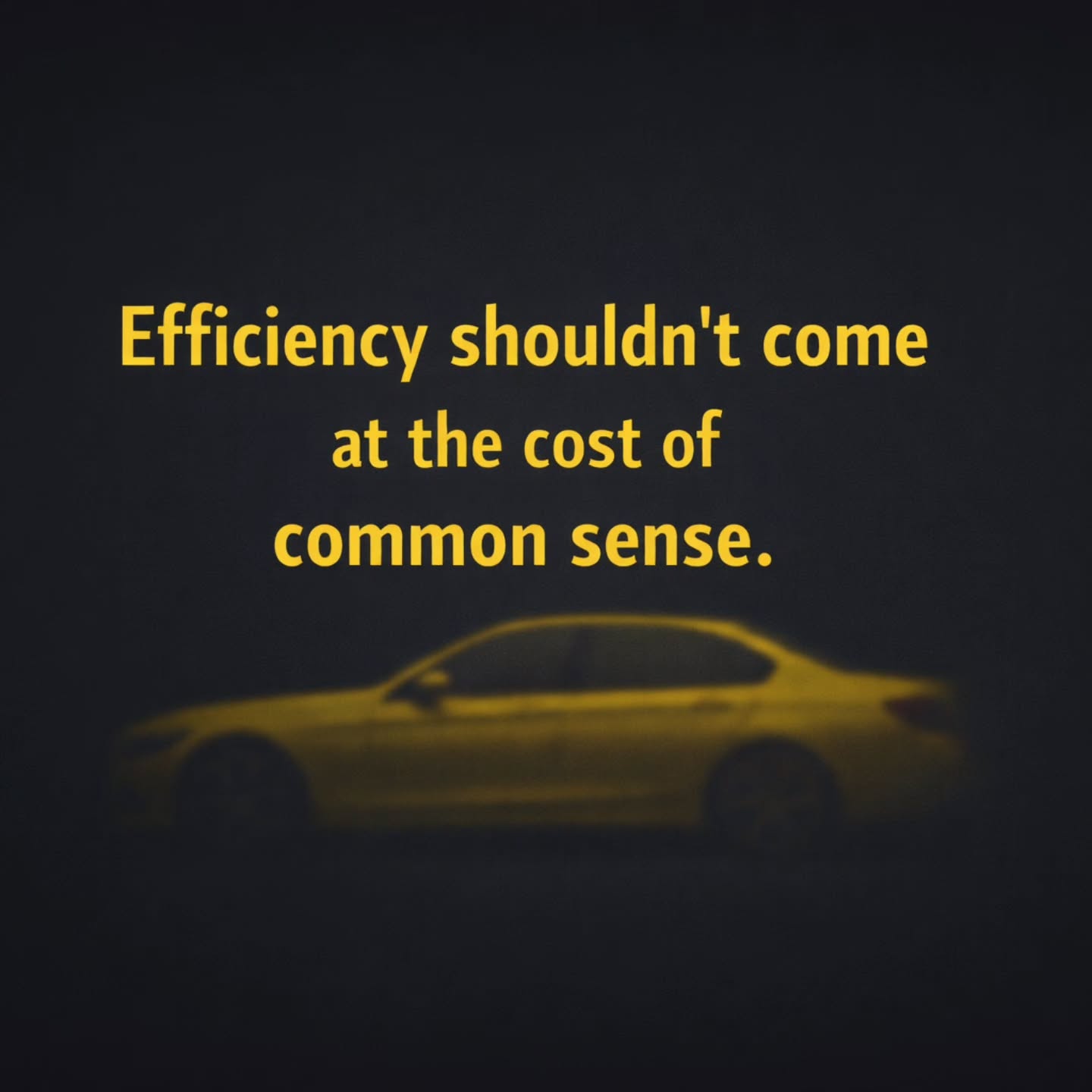
Ran for 46 days, from January 29 to March 16, 2026, the last day Crush saw it.
Run by Man & Machine on Facebook. Crush is not the advertiser and does not verify its claims. See this ad in Meta's Ad Library(opens in a new tab)
Want an ad like this for your product?
Crush makes new ad images for your product from this ad: your logo, your product photo, your offer.
Trials from $19.95 USD, then $79.95 USD a month. Cancel anytime.
About this ad
- Meta Ad Library ID
- 1211149097275140
- Platforms
- Facebook and Instagram
- Relaunches
- 2
Ad text
This BMW X3 (40k km) came in the with a warning: “Engine fan issue. You can continue driving.” Upon diagnosis, we found that the radiator shutter motors had failed. To fix the issue, we had to change both the top and bottom shutter motors, and because the lower motor is integrated into the grille, the entire front grille assembly had to be replaced. On paper, active grille shutters make sense. They help the engine warm up faster, marginally improve fuel efficiency, and reduce emissions by managing airflow. From a regulatory and engineering standpoint, the idea is sound. But in the real world? The gains are negligible. Unfortunately, what isn’t negligible is: -Higher repair costs -Increased part dependency -More electronic failures over time -Perfectly usable components ending up in landfills This is where modern cars are heading - more complexity in the name of efficiency, but at the cost of long-term ownership experience. We’re seeing the same pattern with systems like auto start/stop. Tiny efficiency gains, but when parts fail (and they do), the repair costs and inconvenience far outweigh the benefits. Yes, we understand manufacturers are under pressure from strict emission norms, and in some cases the use of such tech is unavoidable. But there needs to be a serious cost–benefit analysis before loading cars with fragile electronics that look great on spec sheets but add little value in real-world usage. Perhaps it’s time governing bodies and engineers work together - not just to meet targets, but to ask a harder question: 👉 Is this technology genuinely beneficial in the long run, or just complexity dressed up as sustainability? Cars should be durable, repairable, and sensible, not disposable science projects. What’s your take? Are modern cars becoming too complex for their own good, or is this simply the price we must pay for efficiency and emissions? 👇 Let us know in the comments. . . . . #overengineering #moderncars #futureofcars
Where the ad sends people
instagram.com
Man & Machine
View instagram profile: instagram.com(opens in a new tab)