Mark Callahan
Mark Callahan Facebook ad: “Support healthy blood sugar levels naturally every day”
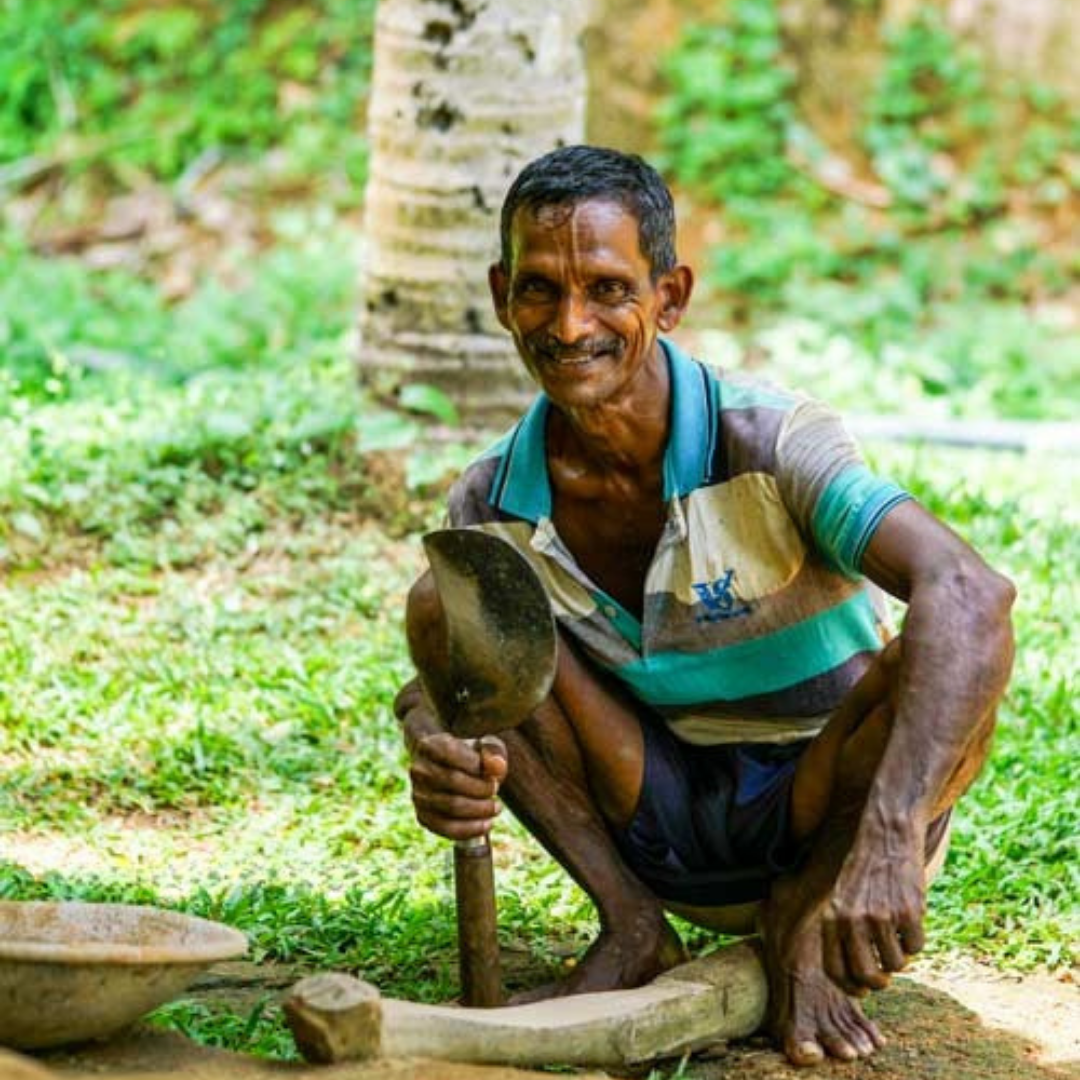
Ran for 7 days, from February 16 to February 23, 2026, the last day Crush saw it.
Run by Mark Callahan on Facebook. Crush is not the advertiser and does not verify its claims. See this ad in Meta's Ad Library(opens in a new tab)
Want an ad like this for your product?
Crush makes new ad images for your product from this ad: your logo, your product photo, your offer.
Trials from $19.95 USD, then $79.95 USD a month. Cancel anytime.
About this ad
- Meta Ad Library ID
- 1211540744464262
- Platforms
- Facebook, Instagram, Audience Network, Messenger and Threads
- Relaunches
- 0
Ad text
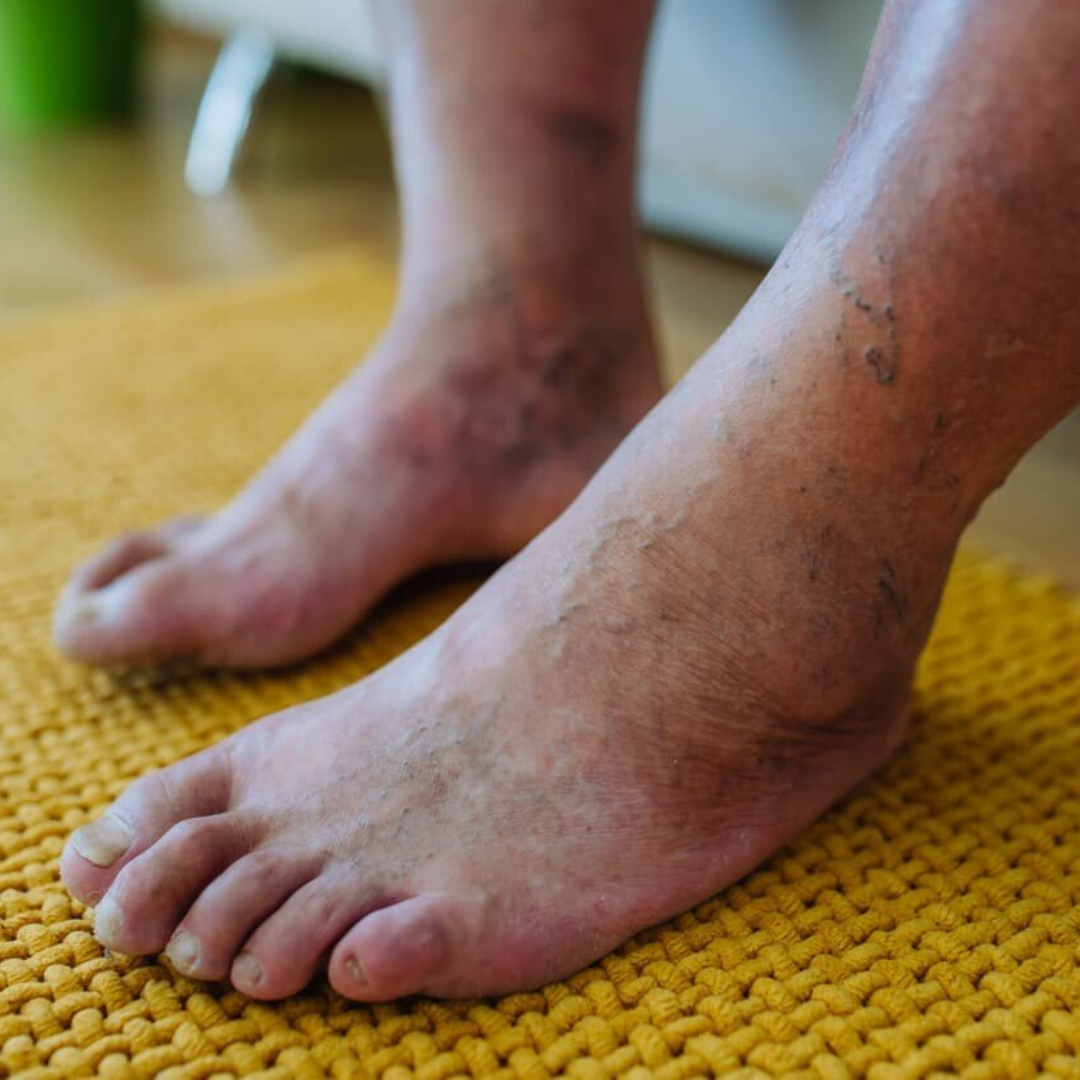
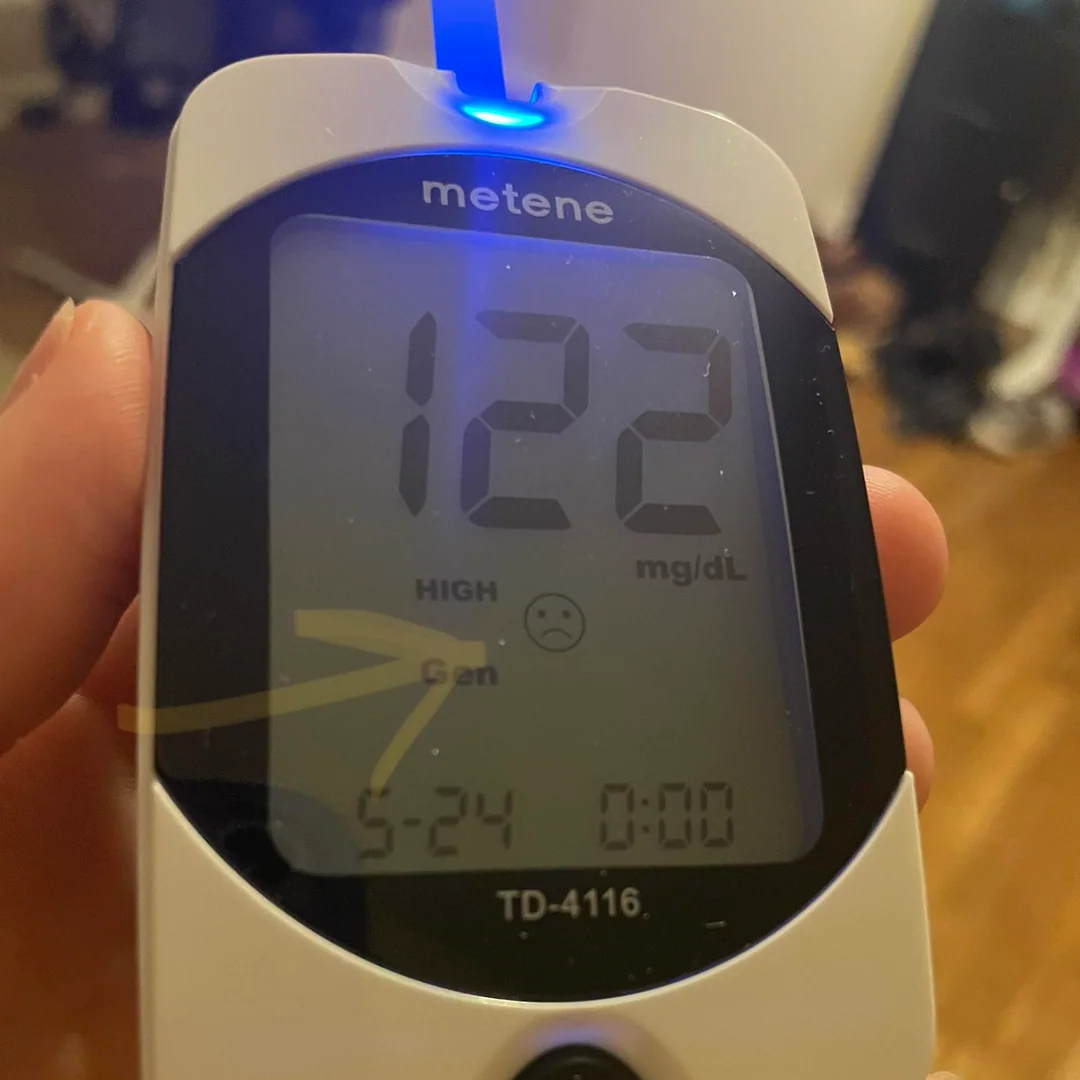
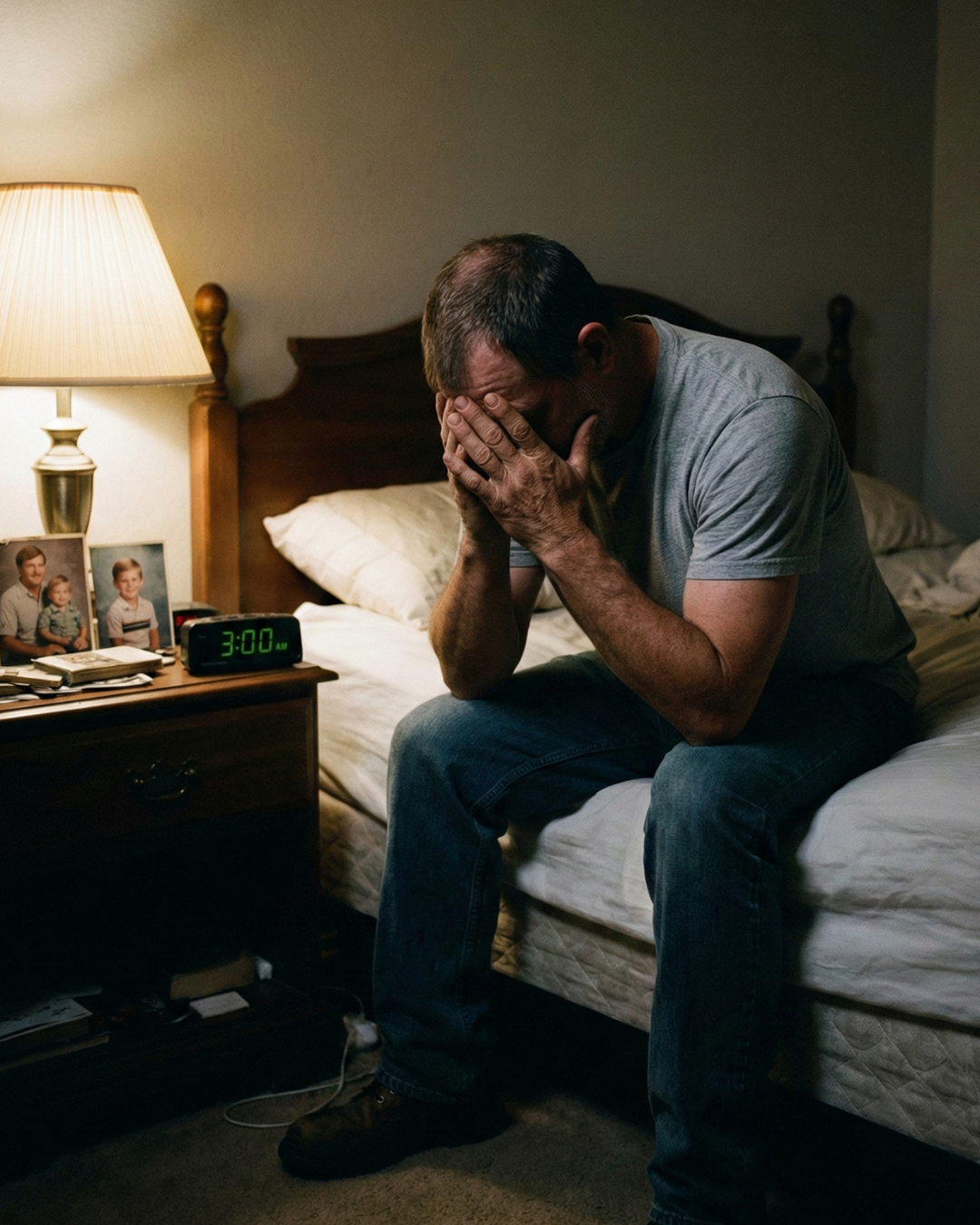
I saw a statistic that made me sick. 70% of people diagnosed as prediabetic become full-blown Type 2 diabetics within 10 years. Not 30%. Not 50%. 70%. The "lifestyle changes" most doctors recommend? Not enough. The window closes quietly. And then it's medication for life. My dad was part of that statistic. Prediabetic at 52. Type 2 by 56. Metformin for 14 years. Dead from a heart attack at 70. I'm 54. Last month, my doctor told me I'm prediabetic. A1C 6.2. Same numbers my father had at the same age. I refused to follow his path. And what I found instead — on a small cinnamon estate in the central highlands of Sri Lanka — brought my A1C from 6.2 to 5.5 without a single pill. But to understand why I was desperate enough to fly 9,000 miles to a spice farm, you have to know what I watched Metformin do to my father. For 14 YEARS — and I mean over a decade straight — my father was trapped on diabetes medication. Started with Metformin. His doctor called it "first line treatment." Said it was "safe and effective." Said he'd need it long-term, but that was fine because it would "protect his organs." Within weeks, the stomach problems started. Not mild discomfort. I'm talking nausea every single morning. Diarrhea that hit without warning — at restaurants, at family dinners, on road trips. He stopped going places because he couldn't be far from a bathroom. His doctor said his body would "adjust." It never adjusted. Fourteen years. Never adjusted. His energy? Gone. Man used to take me hiking every weekend. Built our backyard fence with his own hands. By year four, he was asleep on the couch by 7 PM. Couldn't stay awake through a movie. Year 5: The tingling started. Fingers first. Then toes. Then his feet went completely numb. "Neuropathy. Common in diabetics. We'll monitor it." Monitor it. While it eats his nerves alive. Year 7: Couldn't feel the brake pedal anymore. My mom took his car keys. The man who drove us across the country every summer — grounded. In his own home. Year 9: Foot ulcer he couldn't feel. Infection. Three rounds of antibiotics. The word "amputation" entered our family vocabulary for the first time. Year 11: Eyes. Retinopathy. Couldn't read. Couldn't see faces clearly across the room. The doctor said "diabetic complications" like it was a weather report. And you know what they told us through ALL of this? "His A1C is controlled. The medication is working." Working? His feet are numb. He can't drive. He can't read. He can't eat without calculating the bathroom equation. He takes five pills every morning from a plastic organizer. And the medication is "working." They had him on those pills for FOURTEEN YEARS. Not once — NOT ONE TIME — did anyone ask WHY his cells stopped responding to insulin in the first place. Not once did anyone try to fix the root cause. They just kept adding pills to manage the symptoms of the first pill. And then the heart attack took him anyway. 70 years old. Fourteen years of medication. Didn't save him. Just made him suffer slower. At the funeral, my mother grabbed my arm and whispered: "Don't let them do this to you." So when my own blood work came back — A1C 6.2, fasting glucose 116 — and my doctor said "prediabetic, make lifestyle changes or we start Metformin in six months"— I heard my mother's voice. Don't let them do this to you. I did everything. Cut sugar completely. Daily walks. Lost eight pounds. Vegetables with every meal. Three months later: A1C 6.0. Better. But still prediabetic. Still in the window. And the window was closing. I researched everything. Berberine. Chromium. ACV. Fenugreek. And everything kept pointing back to one thing: Ceylon cinnamon. USDA research showing cinnamon compounds increased glucose metabolism 20-fold. UCLA trial specifically on prediabetics showing significant improvement. 2,000 years of Ayurvedic use for metabolic disorders. I tried two brands. NutriFlair. Zhou. Three months combined. Fasting glucose went from 116 to 108. Eight points in three months. Not enough. Not even close. Follow-up was coming. I was still prediabetic. And the Metformin was waiting. That's when I fell down the rabbit hole. Not about WHETHER cinnamon works. The science answered that. But WHY wasn't it working for me? And what I found made me furious. Then obsessed. Then I bought a plane ticket to Sri Lanka. It started with a Reddit thread at 2 AM. A post with 400+ comments. The title: "Why is cinnamon from Sri Lanka different from everything else?" Someone in the comments — claimed to be a food scientist — explained something I'd never considered. There are two kinds of cinnamon. Cassia and Ceylon. Cassia is what's in 95% of supplements and every grocery store spice rack in America. It's cheap. Grows fast. Mass-produced in China, Indonesia, Vietnam. Ceylon — "True Cinnamon" — only grows in Sri Lanka. Specifically in a narrow band of the central highlands where the altitude, rainfall, and soil create conditions that don't exist anywhere else on earth. I knew that much. That's why I'd bought Ceylon cinnamon capsules. But here's what I didn't know. Not all Ceylon is the same. Over the past 30 years, Sri Lankan commercial farms started breeding cinnamon for YIELD. Bigger trees. Faster growth. More bark per acre. Same playbook as every industrial crop: optimize for volume, not medicine. And just like modern wheat has less nutrition than ancient wheat, and modern tomatoes have less flavor than heirloom tomatoes — modern commercial Ceylon cinnamon has significantly fewer of the polyphenols that actually improve insulin sensitivity. The compounds that matter — the ones the USDA studied, the ones that mimic insulin, the ones that help cells absorb glucose — they've been diluted by decades of breeding for commercial production. The cinnamon in most supplements isn't the cinnamon that works. It's the cinnamon that's profitable. Someone in that Reddit thread posted coordinates. A region in Sri Lanka's Matale District. Small estates. Old trees. Families who'd been growing cinnamon the same way for generations. "The cinnamon nobody exports," one comment said. "Because the quantities are too small for commodity buyers." I couldn't stop reading. Another commenter — said he was a spice trader — explained that the polyphenol content in old-growth Ceylon cinnamon from traditional estates was 3 to 5 times higher than commercial plantation Ceylon. Same species. Dramatically different medicine. Because the trees are older. The soil is richer. The bark is hand-harvested at specific times. And nobody bred them for anything except being cinnamon. I looked at the clock. 4:17 AM. I looked at my glucose meter on the nightstand. The number from that morning: 108. Still prediabetic. I looked at my calendar. Follow-up in nine weeks. I booked a flight to Colombo. My wife thought I was losing it. "You're flying to Sri Lanka. For cinnamon." "I'm flying to Sri Lanka because the cinnamon that's supposed to save me isn't real cinnamon. And I need to see the real thing." She stared at me for a long time. Then she said: "Your father would understand." The flight was 18 hours. I landed in Colombo on a Tuesday morning. Hired a driver. Three hours into the central highlands. Winding roads through jungle. Then the road turned to dirt. We arrived at a small estate outside Matale. Maybe 15 acres. Cinnamon trees everywhere — not in neat plantation rows, but growing naturally among other trees. Some were massive. Trunks thick as my thigh. A man was stripping bark from a branch. Quick, precise cuts with a curved knife. Peeling the bark in long, delicate rolls. He had to be 75. Maybe older. But his hands were steady. No tremor. No hesitation. I introduced myself. Told him why I was there. He stopped cutting. Set down the knife. Looked at me. "You flew here from America. For this?" He held up a curl of bark. "For the real version of it. Yes." He smiled. Not a big smile. But real. "Come. I'll show you why yours doesn't work." We walked through the estate. He moved easily on the uneven ground. I was sweating and breathing hard within minutes. He stopped at an old tree. Massive. The bark was different — thinner, lighter, more layered than what I'd seen in pictures of commercial cinnamon. "This tree is 80 years old," he said. "My grandfather planted it. His grandfather brought the first seeds to this land." He peeled a thin layer of inner bark. Held it to my nose. The smell hit me like a wall. Not the dusty, vaguely sweet scent of grocery store cinnamon. This was sharp. Complex. Almost medicinal. It burned slightly in my sinuses. "You smell that?" he said. "That's the oil. The compounds. What makes cinnamon medicine." He pointed down the hill toward a larger operation in the valley. Neat rows. Young trees. Industrial harvesting equipment visible. "That's a plantation. Trees are five, six years old. Bred for fast growth. Harvested by machine. The bark is thick, pretty — good for export. But the oil content?" He shook his head. "Maybe a third of what this tree has. Maybe less." "Why?" "Because old trees concentrate the compounds. The soil here has never been treated with chemicals. The trees grow slowly. They put their energy into defense — into the oils and polyphenols that protect them from insects, from fungus, from disease." He snapped the curl of bark. Even the break was aromatic. "Young plantation trees grow fast because they're fed chemicals. They don't need to defend themselves. So they don't produce the compounds. They're big, they're pretty, they yield a lot of bark. But the medicine is gone." He looked at me. "Your supplements use plantation cinnamon. Even if the label says Ceylon. Even if it's from Sri Lanka. It's plantation Ceylon. Bred for bark weight, not for medicine." We walked back to his processing area. A small building. No machines. Just drying racks, a grinding stone, and the smell of real cinnamon so strong it felt like breathing fire. "And then," he said, "they take this plantation bark and grind it into powder. Dry it with heat. Pack it into capsules." He picked up a capsule from a bottle on the shelf — an American brand I recognized. "By the time this reaches your cells — IF it reaches your cells — the active compounds are either destroyed by heat or can't be absorbed because there's no fat to carry them. Cinnamon polyphenols are fat-soluble. Without fat, they pass through you." He set the capsule down. "You've been taking red dust. And wondering why your blood sugar won't come down." I stood there in a cinnamon forest 9,000 miles from home and felt everything click into place. The science was right. Cinnamon works. But the cinnamon I'd been taking wasn't really cinnamon. Not the medicinal kind. "Who do you sell to?" I asked. "One company. Small. American. They came here three years ago. Same questions you're asking. They wanted the real thing." "What do they do differently?" "They use our cinnamon. Old trees. Hand-harvested. They extract with low temperature — no heat destruction. And they put it in oil. Coconut MCT. So the compounds can actually enter your cells." "What's the company?" "Primal Remedies." I pulled out my phone. Found the site. 7,200mg equivalent True Ceylon Cinnamon. MCT oil infused softgels. Third-party tested. I ordered it standing in a cinnamon forest in Sri Lanka. The bottle was waiting when I got home. First dose: three softgels with breakfast. By afternoon — the crash didn't come. The 3 PM fog that had been my daily companion for years just... wasn't there. I checked my fasting glucose the next morning. 105. Down from 108. Could be fluctuation. Don't get excited. Week one: 101. Then 99. Then 98. Under 100 for the first time since the diagnosis. Week two: Consistently mid-90s. Post-meal spikes flattening dramatically. Where a sandwich used to spike me to 170, I was seeing 138. Then 130. Week three: Fasting glucose 93. Energy stable all day. No crash. No fog. Week four: 91. I checked three mornings in a row. 91. 90. 93. The same compound. The same mechanism. The same ancient medicine. But this time, from trees that still had the medicine in them. Extracted without destroying it. Delivered in fat so my cells could actually absorb it. I went to my follow-up. Blood drawn. Results next day. A1C: 5.5. My doctor pulled up my chart. Stared at the screen. "This is... remarkable. A1C from 6.2 to 5.5. Fasting glucose 92. You're well out of the prediabetic range." She closed her laptop. "No medication discussion needed. Whatever you changed, don't stop." No Metformin. No nausea. No neuropathy. No numb feet. No lost vision. No car keys taken. No plastic organizer. I called my mother that night. Told her my numbers. Long silence. "Your father would be so proud," she said. "You found another way." Then she said something that broke me. "I wish someone had shown him this at 52. Before the pills. Before the neuropathy. Before he lost everything." I couldn't speak. Because she's right. If someone had shown my father — at 52, when his A1C first came back high — that there was a form of cinnamon that could actually reach his cells, from trees that still had the medicine in them, delivered in a way his body could absorb... Would he have tried it? Of course he would have. He'd still be here. That's why I'm writing this. If you're prediabetic right now — if your A1C is between 5.7 and 6.4 — you're standing where my father stood. And where I stood. Two paths. One leads to Metformin. Then Glipizide. Then insulin. Then neuropathy. Then the organizer. Then the chair. Then the complications. 14 years of "controlled" A1C while your body falls apart. The other leads to reversal. Real reversal. A1C back under 5.7. Fasting glucose in the 80s and 90s. No medication. No decline. Your cells working again. The difference isn't willpower. It's not diet. It's not exercise. It's whether the cinnamon that reaches your cells is medicine or dust. Primal Remedies is the only brand sourcing from traditional old-growth Ceylon estates. Not plantations. Not commercial farms. Trees that have been producing medicinal-grade cinnamon for generations. Low-temperature extraction. No heat destruction. MCT oil delivery for cellular absorption. 7,200mg equivalent per serving. Third-party tested. This is the cinnamon the studies were about. This is what works. Try it for 90 days. Track your fasting glucose. Watch your A1C. If you don't see improvement, get your money back. You risk nothing. But every week you wait, the window gets smaller. Prediabetes is reversible. Type 2 is not. And that line is closer than you think. Don't wait until it's too late. My father waited. I almost waited. Go get it. And use the healthy blood sugar you get back to be the one who broke the cycle. 👉 https://primal-remedies.com/pages/adv1-news-cinnamon — Mark Callahan P.S. — You'll know within days. The first sign is the post-meal spikes flattening. If you have a glucose meter or CGM, check after meals. Then fasting glucose drops over 2-3 weeks. If you've taken other cinnamon and felt nothing, it's because there was nothing to feel. Plantation dust doesn't do anything. This is different. P.P.S. — They're a small company. The supply from these traditional estates is limited — these aren't industrial plantations pumping out thousands of tons. When they sell out, people wait weeks. If your follow-up is coming, check stock now. 👉 Check if Primal Remedies is in stock here: https://primal-remedies.com/pages/adv1-news-cinnamon
Where the ad sends people
primal-remedies.com
Support healthy blood sugar levels naturally every day
Primal Remedies
Learn more: primal-remedies.com(opens in a new tab)