Think Sensory
Think Sensory Facebook ad: “Behavior charts, clip charts, token economies, classroom…”
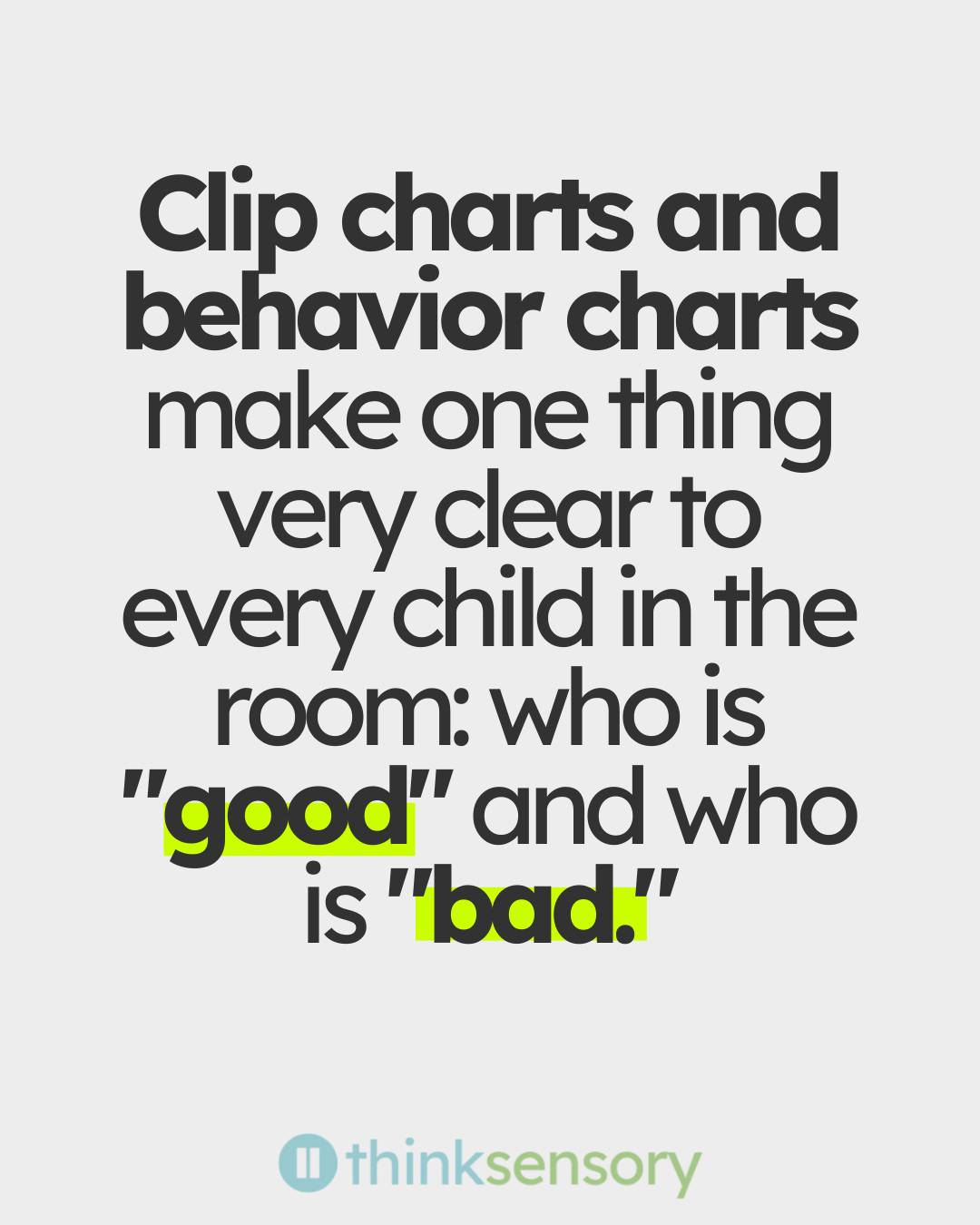
Ran for 83 days, from March 12 to June 3, 2026, the last day Crush saw it.
Run by Think Sensory on Facebook. Crush is not the advertiser and does not verify its claims. See this ad in Meta's Ad Library(opens in a new tab)
Want an ad like this for your product?
Crush makes new ad images for your product from this ad: your logo, your product photo, your offer.
Trials from $19.95 USD, then $79.95 USD a month. Cancel anytime.
About this ad
- Meta Ad Library ID
- 1216316577337098
- Platforms
- Facebook, Instagram, Audience Network and Threads
- Relaunches
- 0
Ad text
Behavior charts, clip charts, token economies, classroom currency. These systems are everywhere. They seem so logical. Reward the good behavior, take away points for the bad, and kids will learn to make better choices. But the foundation of these systems comes from behaviorism, a theory from psychology that focuses entirely on observable behavior. It assumes all behavior can be shaped and controlled through external rewards and punishments without ever needing to understand what's happening inside a person's mind. Do the right thing, get a sticker. Do the wrong thing, lose a point. This is an INCREDIBLY flawed theory. It misses all the fundamentals of how the human brain actually works. We say we want kids to self-regulate. But a lot of the time, what we actually mean is we want them to sit still, obey, and not have needs. We want them to comply. Compliance and regulation LOOK similar from the outside, but on the inside, they're completely different things. A compliant child has suppressed their needs. A regulated child has met them. Regulation means doing what your body needs to feel better. Moving when you need to move. Taking a break when you're overwhelmed. Most of us were taught that fidgeting means a child isn't paying attention. So we correct it. We redirect it. We may even punish it and demand they sit still longer. Without realizing it, we just took away the very thing their body needed to stay regulated. Then we're surprised when behavior escalates. Movement is not the OPPOSITE of learning. We are not robots. And here's another problem with behavior management systems - The effort required to meet these expectations is wildly unequal. For one kid, sitting still for 20 minutes takes almost no effort. For a neurodivergent kid whose body needs movement, or who is managing sensory overload, or who is working through anxiety, that same 20 minutes might take every ounce of their capacity. Then, the child who can't sit still because their body needs movement gets their clip moved down. The child who has a meltdown because the classroom is too loud loses points. And the other child would have found it easy with or without the chart. So what can you do instead? Get curious about behavior. Instead of asking "how do I stop this?" try asking "I wonder what this child needs right now?" Build environments where meeting sensory and movement needs doesn't cost a child points. Flexible seating Movement breaks Sensory tools Quiet spaces These aren't rewards for good behavior. They're how some kids access regulation. I wrote a full breakdown of why these systems backfire, what the research says, and what actually works instead, including how to build a classroom where every child feels safe, seen, and ready to learn. Link in comments.