Jessica M.
Jessica M. Facebook ad: “read if you love bread!”
Ran for 26 days, from January 29 to February 24, 2026, the last day Crush saw it.
Run by Jessica M. on Facebook. Crush is not the advertiser and does not verify its claims. See this ad in Meta's Ad Library(opens in a new tab)
Want an ad like this for your product?
Crush makes new ad images for your product from this ad: your logo, your product photo, your offer.
Trials from $19.95 USD, then $79.95 USD a month. Cancel anytime.
About this ad
- Meta Ad Library ID
- 1217016370626506
- Platforms
- Facebook, Instagram, Audience Network, Messenger and Threads
- Relaunches
- 0
Ad text
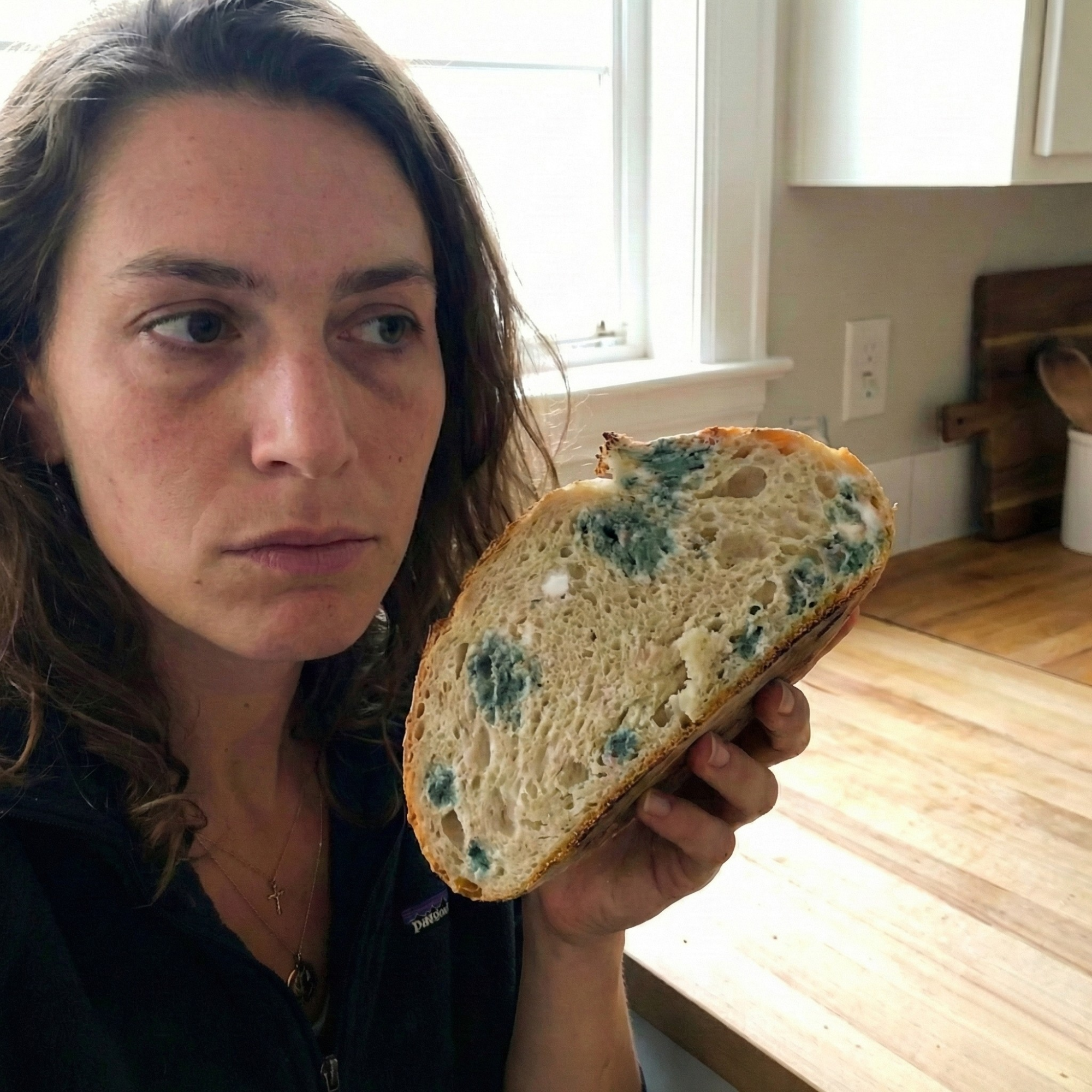
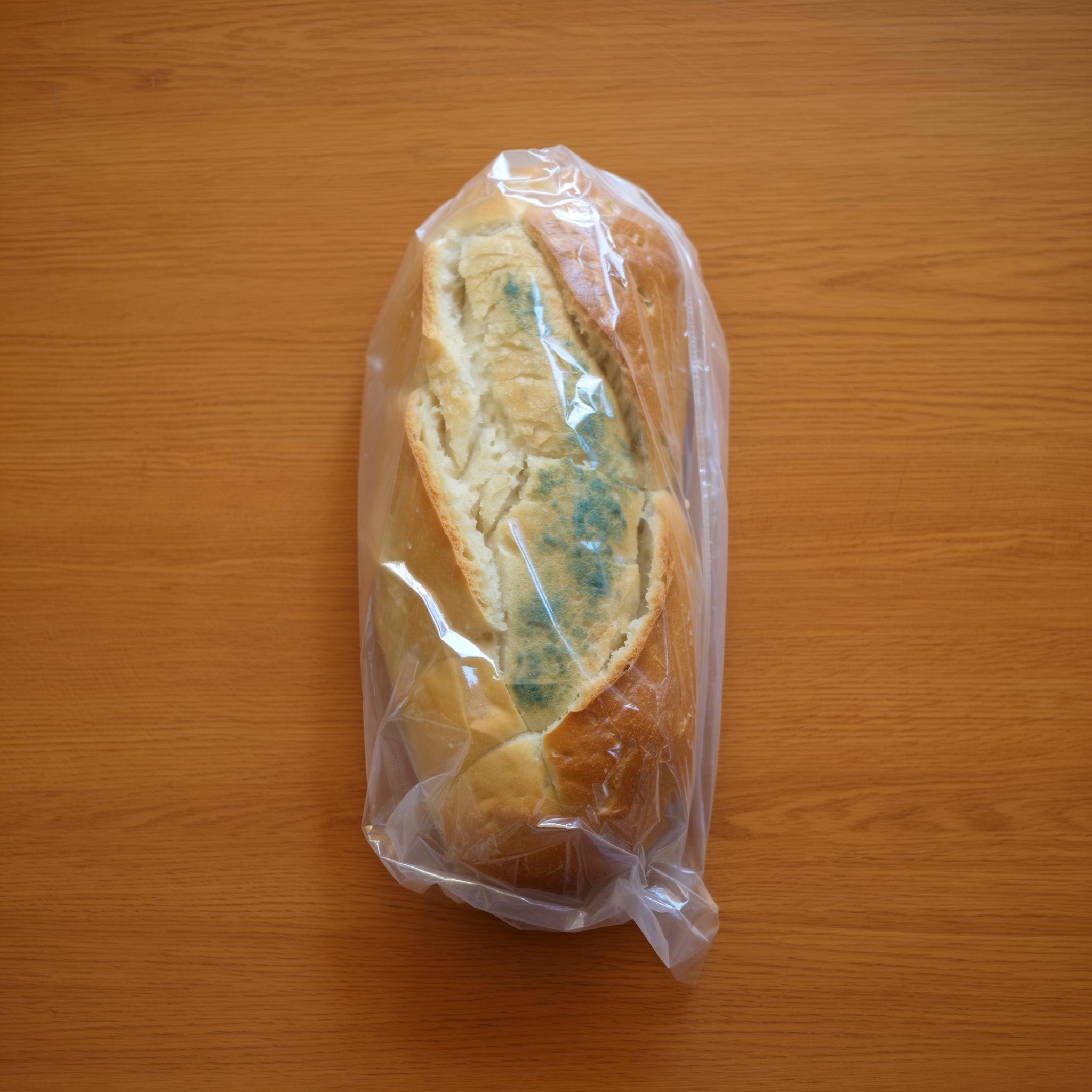
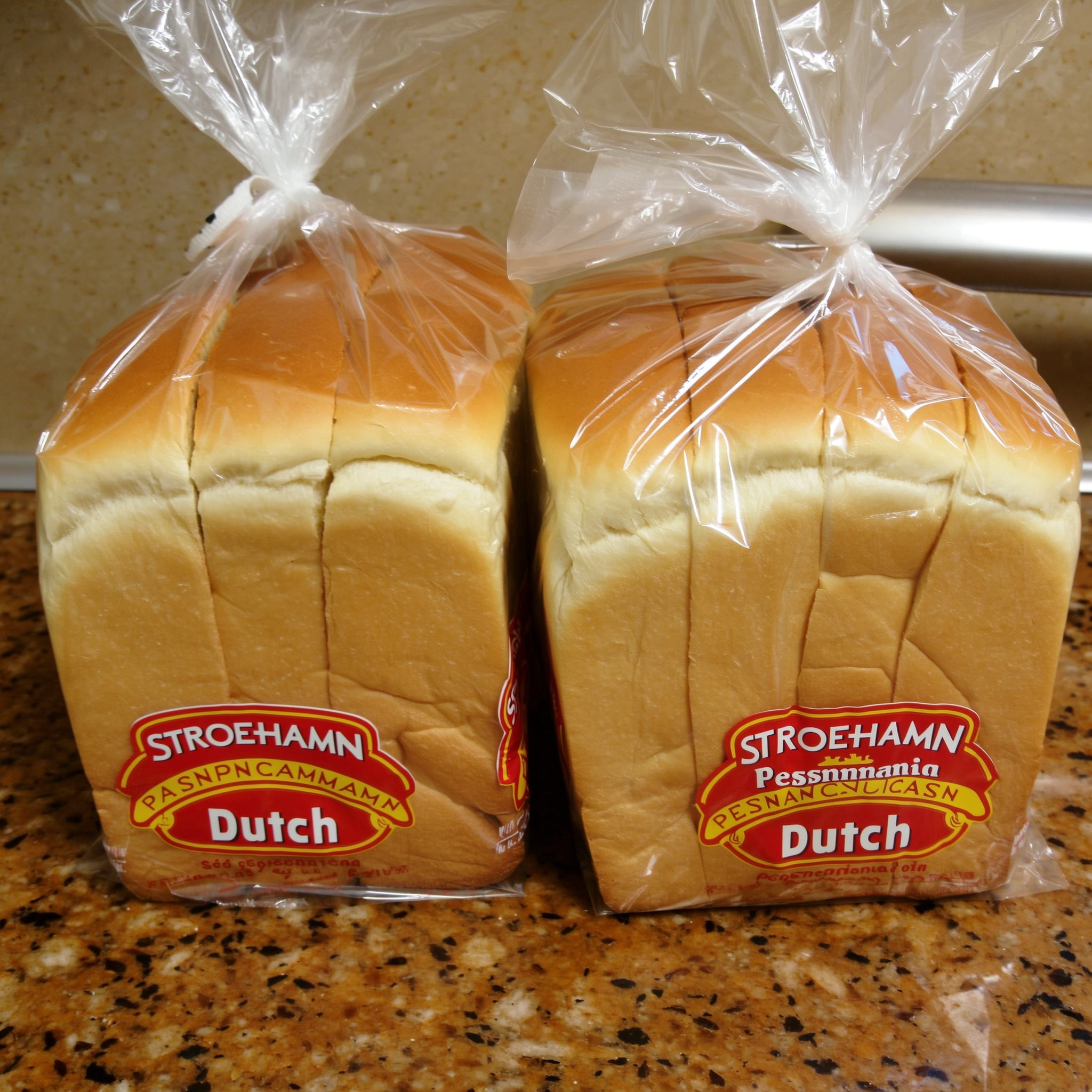
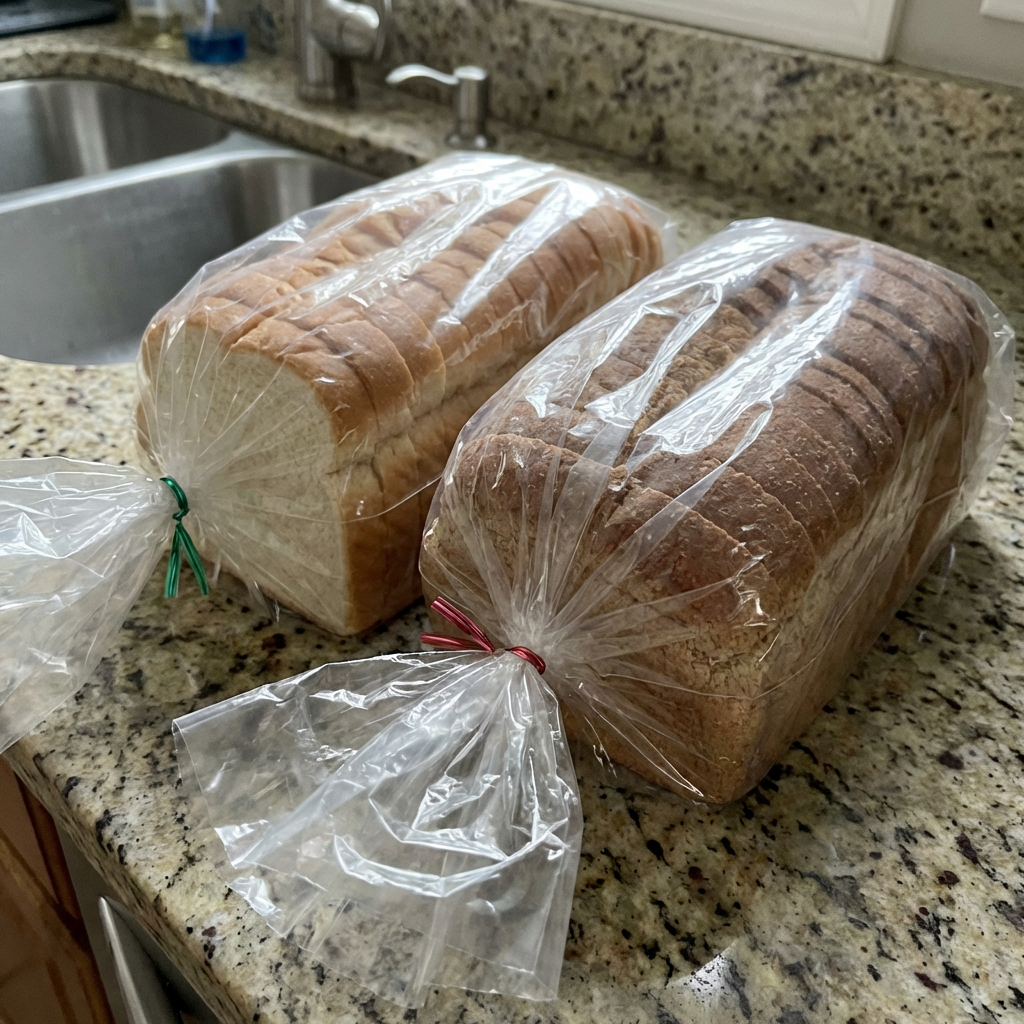
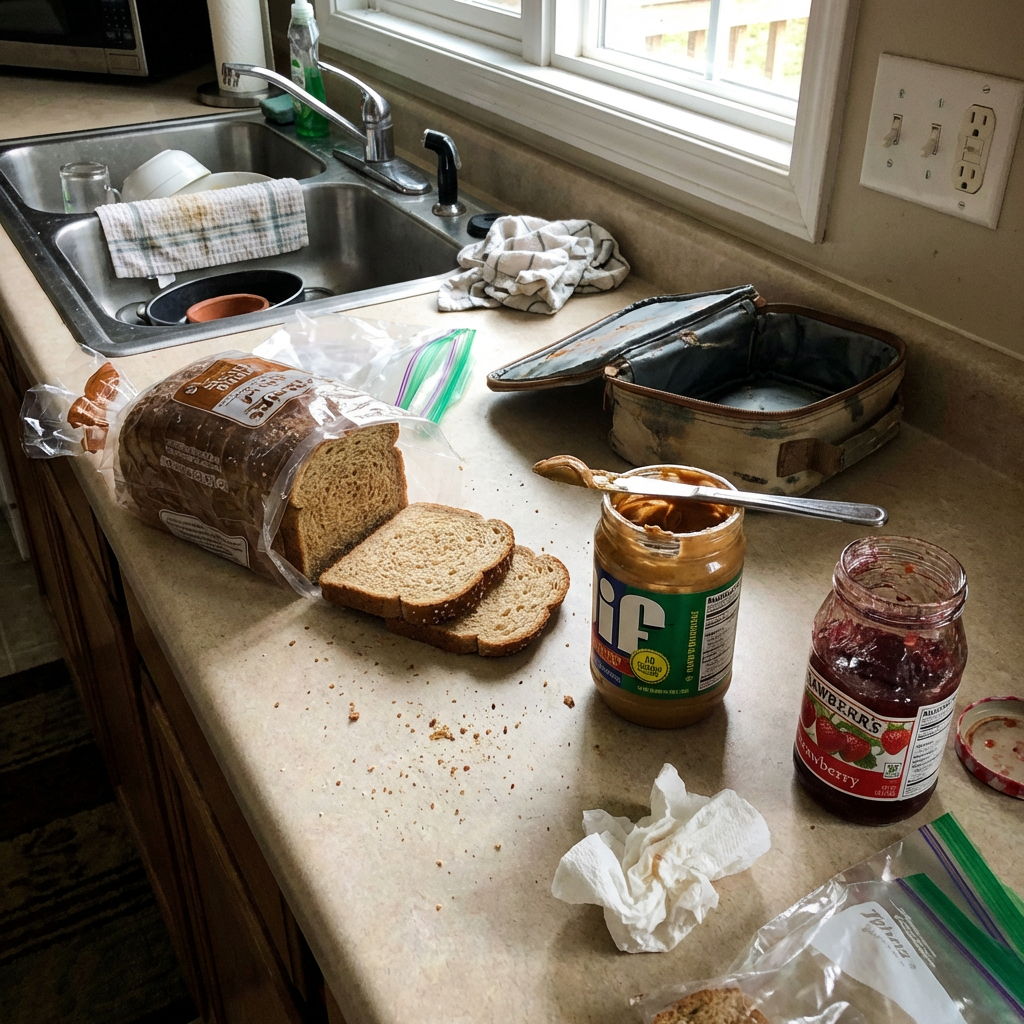
My grandmother kept bread fresh for a week during the Depression, and when I finally learned how, I realized the plastic wrap I'd been using was doing the exact opposite. I need to back up. Last March, I was standing in my kitchen at 6:45 in the morning, running late for work, and I pulled a loaf of sourdough out of the bread drawer. I'd bought it on Saturday from the farmers market. Paid $8 for it. It was Wednesday. It was Wednesday. The crust was so hard I could barely get the knife through it. And when I did, the inside was dense and dry. Not moldy. Just dead. I made the sandwich anyway. Choked it down in the car. Told myself it was fine. But it wasn't fine. It was the third loaf that month I'd watched turn into a brick before I could finish it. I don't know why that particular week was the one that finally made me stop and think. Maybe because I'd just cleaned out the refrigerator and found the heel of another loaf I'd forgotten about. Maybe because my sister had mentioned the price of groceries and I'd been thinking about waste. But that night, I sat down and did something I'd never done before. I started doing the math. And I wish I hadn't. I buy bread roughly every week. Sometimes nice bread from the bakery, sometimes just a decent loaf from the store. Average cost, maybe $5 or $6. And no matter what I do—no matter how carefully I store it—I throw away at least a third of every loaf. Sometimes half. That's $2 to $3 a week going directly into the trash. Over a year? That's somewhere between $100 and $150. Just in bread. Just in a single household item that I cannot seem to figure out how to store properly. I mentioned it to my husband that night at dinner. He shrugged the way he always does. "Bread goes stale," he said. "That's just what happens now. They don't make it like they used to." And I nodded. Because I've believed that for forty years. But here's the thing that kept me up that night. My mother raised five children. She stretched every dollar until it screamed. And I remember, when I was young, she would buy a loaf of bread on Saturday and it would last until the following Friday. Not because we ate it faster. Because it stayed fresh. Same bread. Same kitchen. Different result. How? I never asked her. It never occurred to me to ask. It was just how things were in her kitchen. And now she's gone, and I can't ask her anything. But I have a sister. So I called her. "Do you remember how Mama stored bread?" I asked. "It always lasted longer at her house than mine does." My sister was quiet for a moment. Then she said something that stopped me cold. "She had that thing. That waxy cloth. She wrapped the bread in it. Don't you remember?" I didn't remember. Or maybe I did, somewhere far back, but I'd dismissed it as old-fashioned. Something from another time that didn't apply anymore. I started looking into it. And what I found made me realize I'd been making the same mistake for forty years. Three mistakes, actually. And I'm willing to bet you're making at least one of them right now. The first thing I learned made me feel like a fool. Bread doesn't go stale because it simply "dries out." There's a chemical process—something called starch retrogradation. After bread is baked, the starch molecules start to crystallize. They push the moisture out and harden. Here's what stunned me. This process happens fastest at refrigerator temperature. Between 35 and 40 degrees. The exact temperature I keep my refrigerator. I have been putting bread in the refrigerator for forty years, thinking I was preserving it. I was actually making it go stale six times faster than if I'd just left it on the counter. Forty years of doing the exact wrong thing, thinking I was doing it right. But wait. It gets worse. Leaving bread out in a paper bag or a cloth towel—which I've also done, thinking I was doing the "natural" thing—that's almost as bad. Too much air. The moisture leaves too fast. The bread turns to stone overnight. So what about plastic? That's what I use most of the time. The bag it comes in from the store, or a Ziploc if I'm being careful. Plastic, it turns out, is the opposite problem. It seals everything in. The moisture that naturally leaves the bread has nowhere to go, so it collects on the surface. The crust goes soft and leathery. And all that trapped humidity? Perfect conditions for mold. I sat there reading this and realized something that made my stomach turn. I've spent my entire adult life cycling between two failures. Hard and stale, or soft and moldy. Back and forth, week after week, for forty years. And I thought that was just how bread worked now. It's not. There's a third way. And the moment I read about it, I understood why my mother's bread lasted a week and mine never made it past Wednesday. She wasn't using plastic. She wasn't using the refrigerator. She wasn't using a paper bag. She was using something that's been around for centuries—something French farmwives used between baking days, something German hausfraus swore by, something European bakers still use today. And somehow, here in America, we forgot it completely. We switched to plastic and never looked back. The method is simple. You wrap bread in cloth that's been treated with beeswax. Now, I know what you might be thinking. I thought the same thing. Beeswax? That sounds like some old-timey craft project. How could that possibly work better than modern storage? Here's why. Beeswax is what they call "semi-permeable." It lets moisture pass through slowly—so the bread can breathe—but it doesn't let it escape too fast. The crust stays crisp. The inside stays soft. And beeswax is naturally antibacterial. It's what bees use to protect their honey. It's one of the most effective natural preservatives there is. This is what my mother was doing. And her mother before her. And I had dismissed it as "old-fashioned" without ever understanding why it worked. I ordered one that night. Found a beeswax bread bag on Amazon for $18. Good reviews. Nice pictures. It arrived on Tuesday. I put a fresh loaf in it, excited to finally have this solved. By Thursday, the bread was spotted with mold. I can't tell you how frustrated I was. I thought maybe my mother's method only worked "back then." Maybe modern kitchens are different. Maybe I'd remembered wrong. But something didn't feel right. The bag felt flimsy. Like regular cloth with a light coating. And after I rinsed it once, the coating was mostly gone. I looked more carefully at the listing. The bag was a "beeswax blend." I had to look up what that meant. And when I found out, I understood why so many people think this method doesn't work. "Beeswax blend" can legally mean as little as 20% actual beeswax. The rest is plastic. It's designed to look good and hit a low price point. The reviews are often fake or paid for. And it fails because it's not really beeswax at all—it's just a plastic bag with better marketing. The market is flooded with these imitations. No wonder Americans think the old methods don't work. They've never actually tried the real thing. I almost stopped there. I almost gave up and accepted that bread would just keep going to waste in my kitchen like it has for decades. But something my sister said kept echoing in my head. "Don't you remember?" My mother knew something. I was sure of it now. And I wasn't going to let a fake Amazon product convince me otherwise. So I kept looking. And I found a small company. Not on Amazon—they only sell direct. Run by a baker whose family has been baking bread in France for four generations. He moved here and was shocked that Americans had forgotten how to store bread properly. He saw all the fake bags flooding the market and understood why everyone thought the method was broken. His bags were different. More expensive. But when the package arrived, I knew immediately. The cloth was thick and stiff. You could smell the faint honey scent of real beeswax. It wasn't decorative. It was functional. I put a fresh loaf in it on Saturday. Folded the top over. Left it on the counter. Monday, I sliced into it for my husband's lunch. The crust crackled under the knife. The inside was soft. Wednesday. Still perfect. Friday. Nearly a week old. And it tasted like I'd just bought it. I stood in my kitchen, holding this piece of bread, and I thought about my mother. About all the times I'd watched her wrap a loaf in that waxy cloth and put it in the bread box. About how I'd thought it was just something old people did. She knew something I didn't. She knew it my whole life. And I never asked. I'm not going to oversell this. Bread doesn't last forever. But the difference between two days and six days is enormous. It's the difference between eating what I buy and throwing half of it away. I did the math again. If I'm wasting even a third less bread than before, that's $80 to $100 a year I'm not putting in the garbage. The bag cost me $38. It will last for years. But honestly? The money isn't even the part that matters most to me. It's the waste. I was raised not to waste food. My mother drilled it into me. Her mother drilled it into her. And here I've been, for decades, throwing away perfectly good bread and telling myself there was nothing I could do about it. There was something I could do. I just didn't know. I have three of these bags now. One for bread. One for pastries and rolls. One I keep for when company comes and I want to have fresh bread on the table without worrying if it's gone hard. My husband has stopped saying "bread just goes stale." My daughter borrowed one and called me two weeks later asking where to buy her own. And I've stopped doing that thing I've done my whole life—eating the stale heel of the loaf just because I can't bear to throw it away. I don't know if anyone else has spent years feeling quietly guilty about wasting bread. Maybe it's just me. But if you're like me—if you've accepted that bread goes bad in two or three days and that's just how it is now—I want you to know that it doesn't have to be that way. The solution existed all along. Our mothers knew. Our grandmothers knew. We just forgot. I wish I'd asked my mother about it while I could. But at least now I know. And I haven't thrown away a loaf of bread in six months. If you want to see the one I use, I put the link below. Just make sure it's real beeswax—thick, stiff, with that faint honey smell. If it feels like regular cloth, it won't work. The cheap ones are why people think this doesn't work anymore. The real ones are why our grandmothers never had this problem.
Where the ad sends people
tryvelor.com
read if you love bread!
Velor
Learn more: tryvelor.com(opens in a new tab)