
Inactive· since May 7, 2026
- 3
- days it ran
- 0
- relaunches
Ad copy
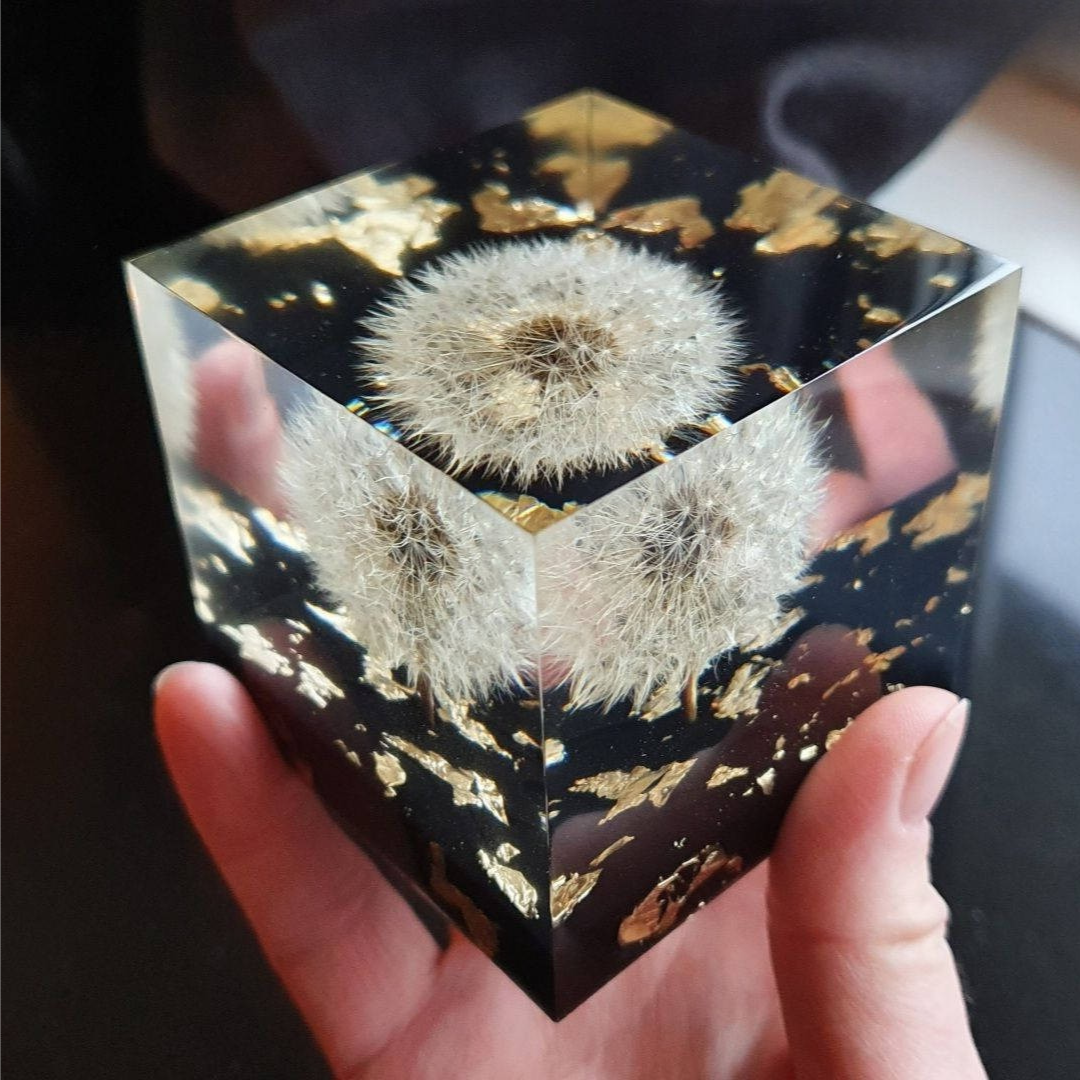
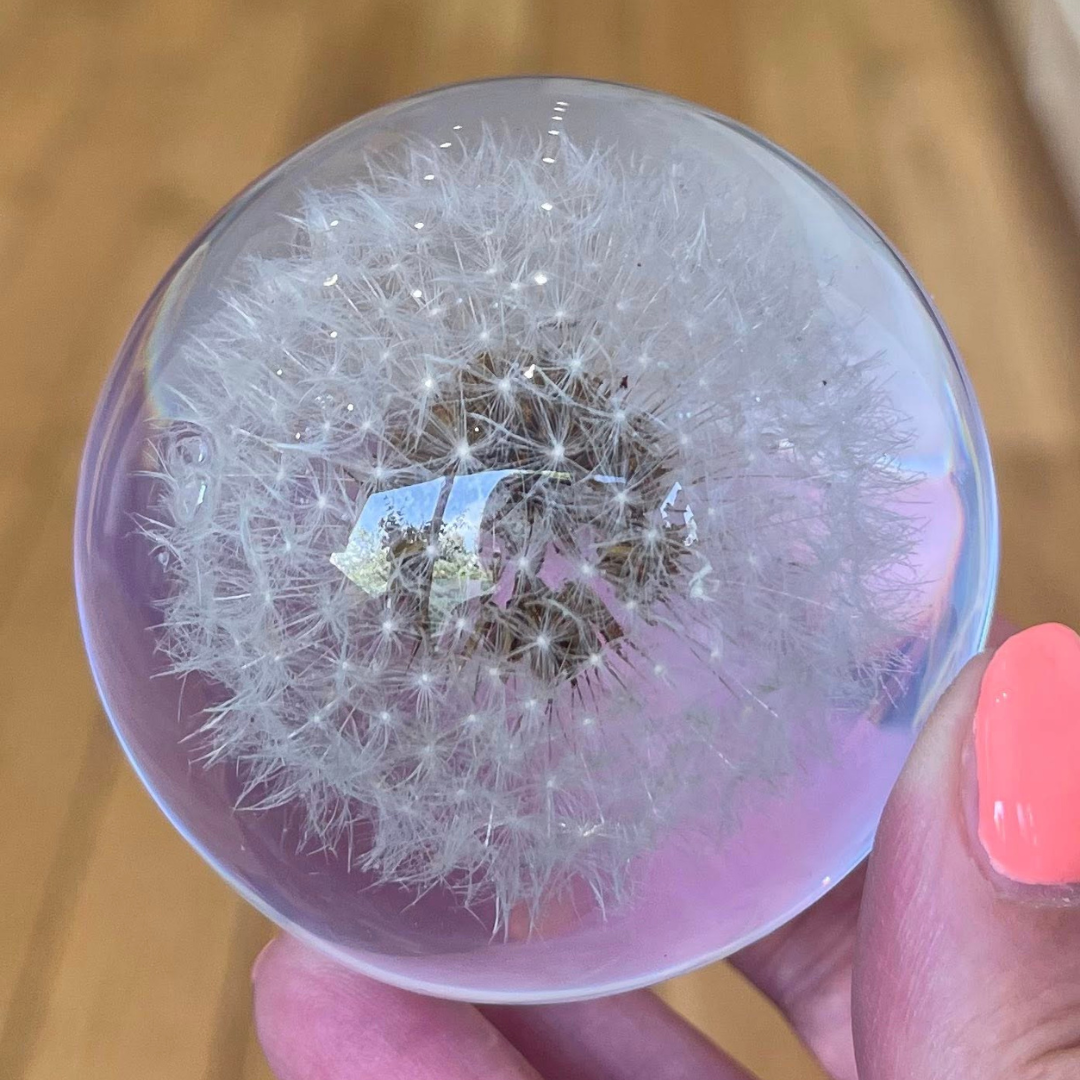
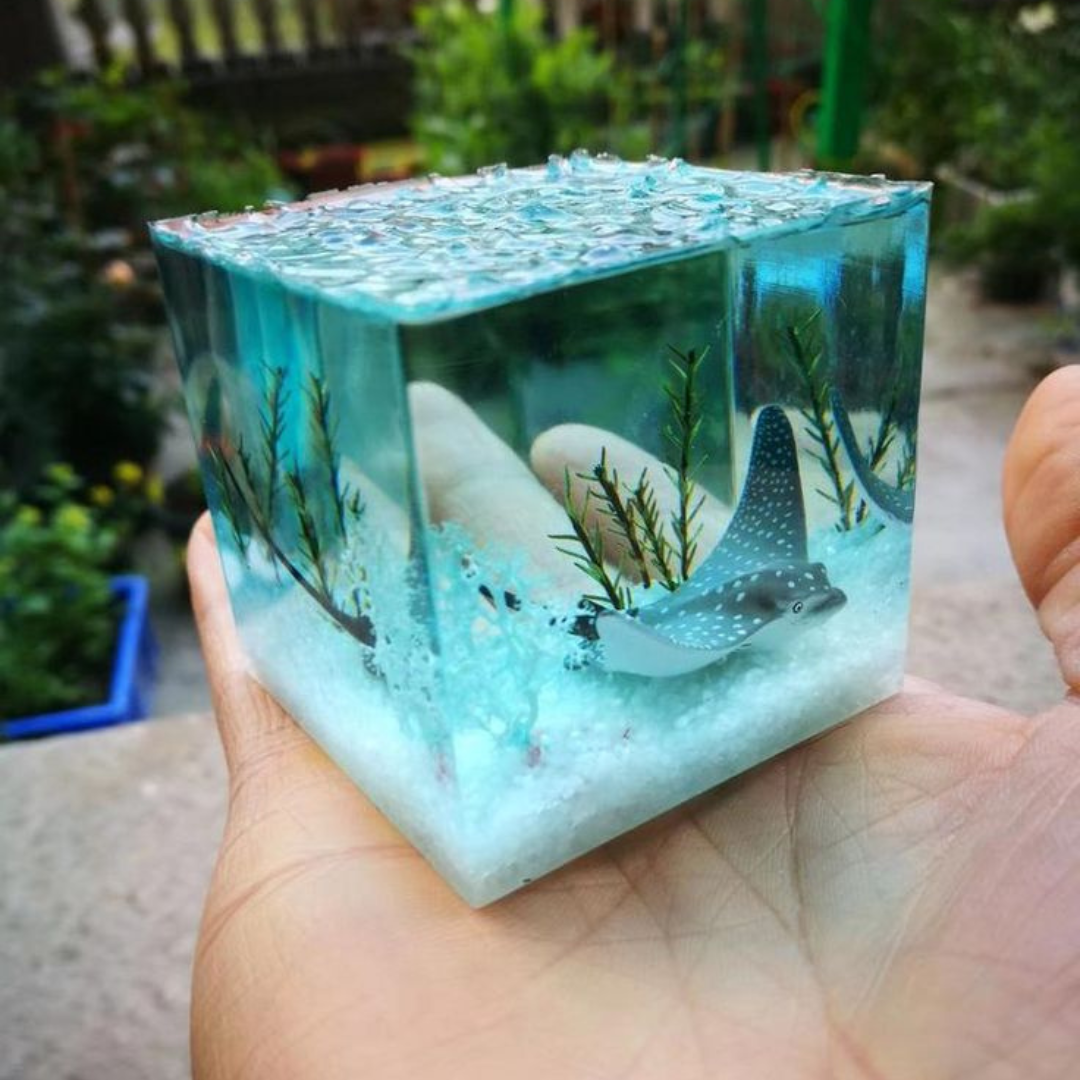
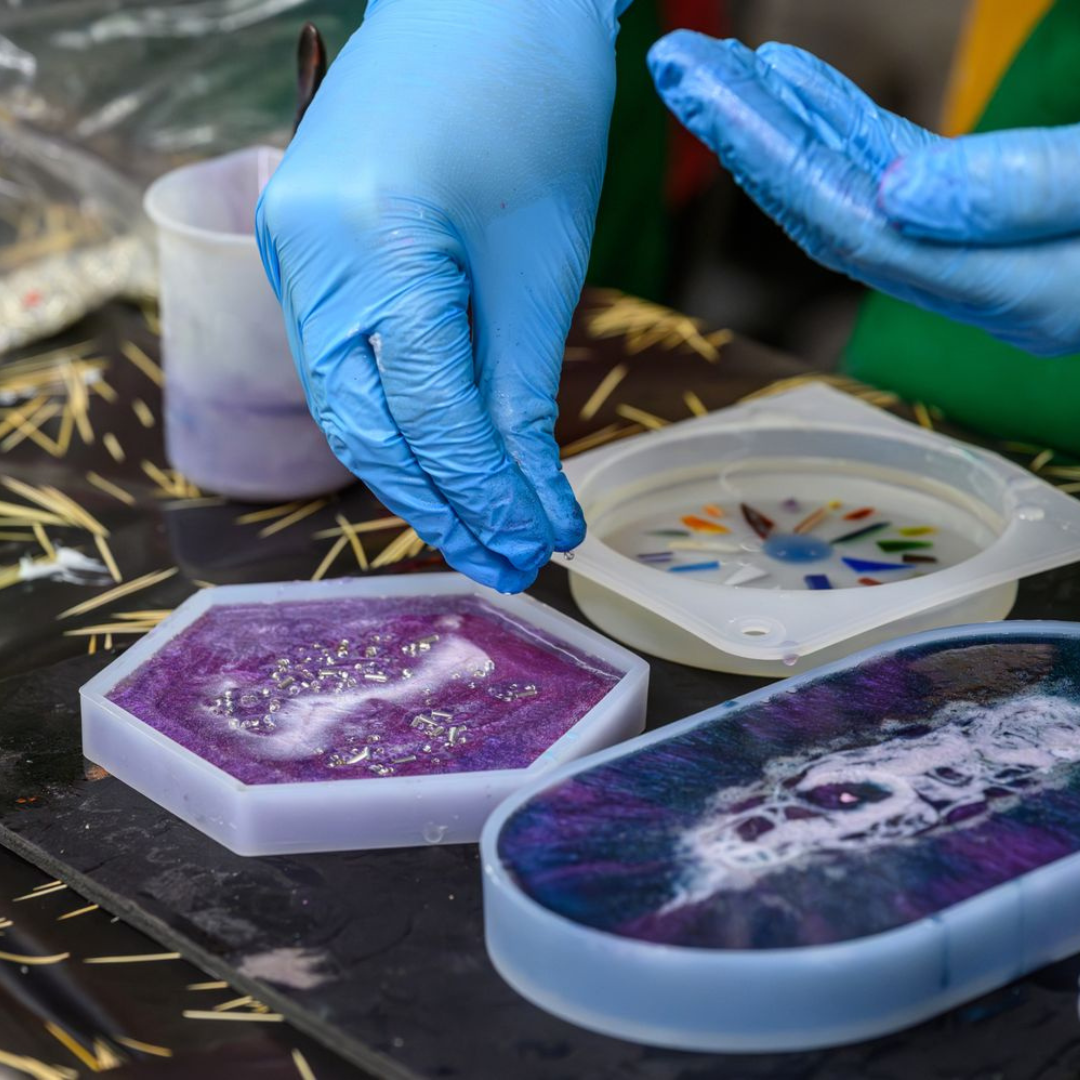
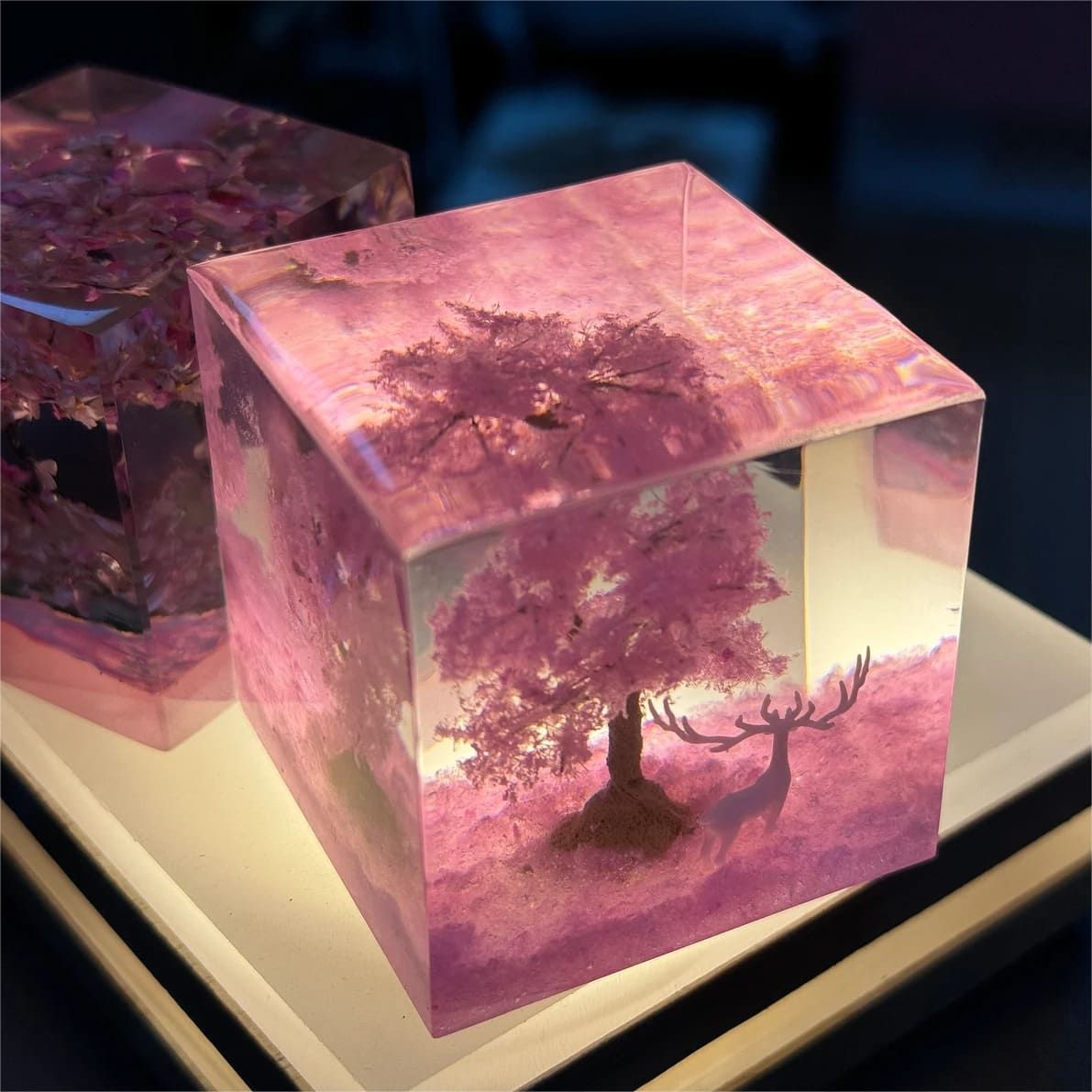
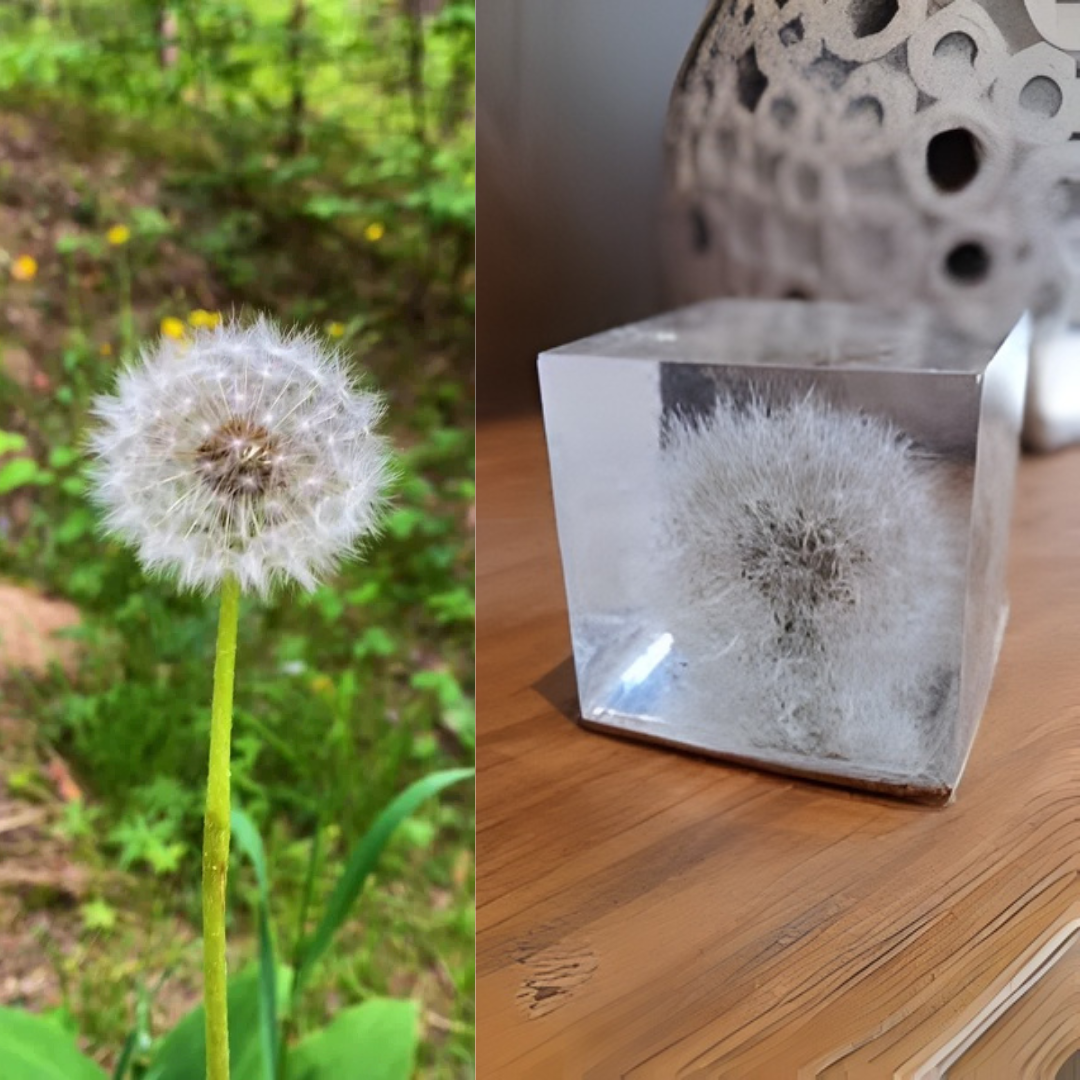
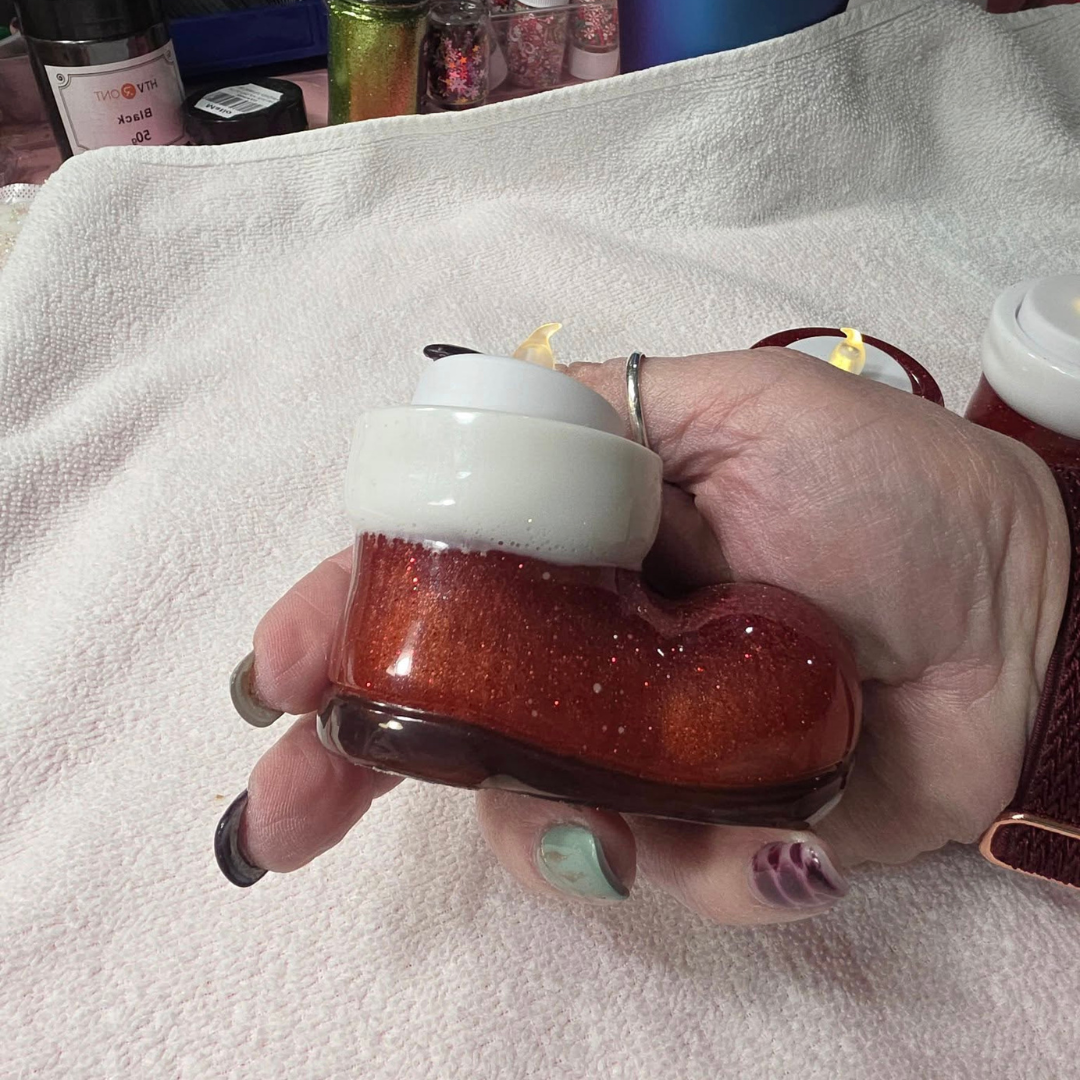
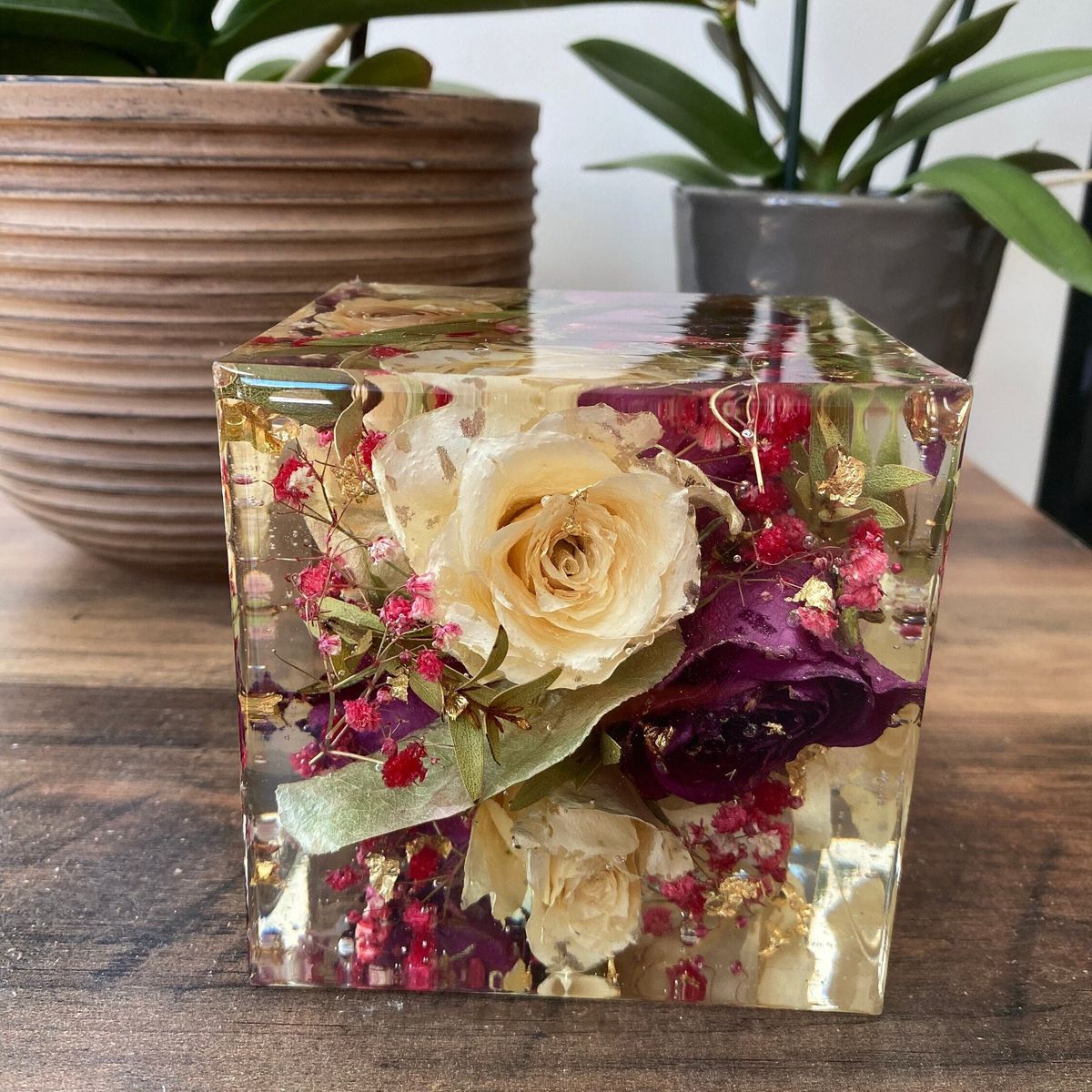
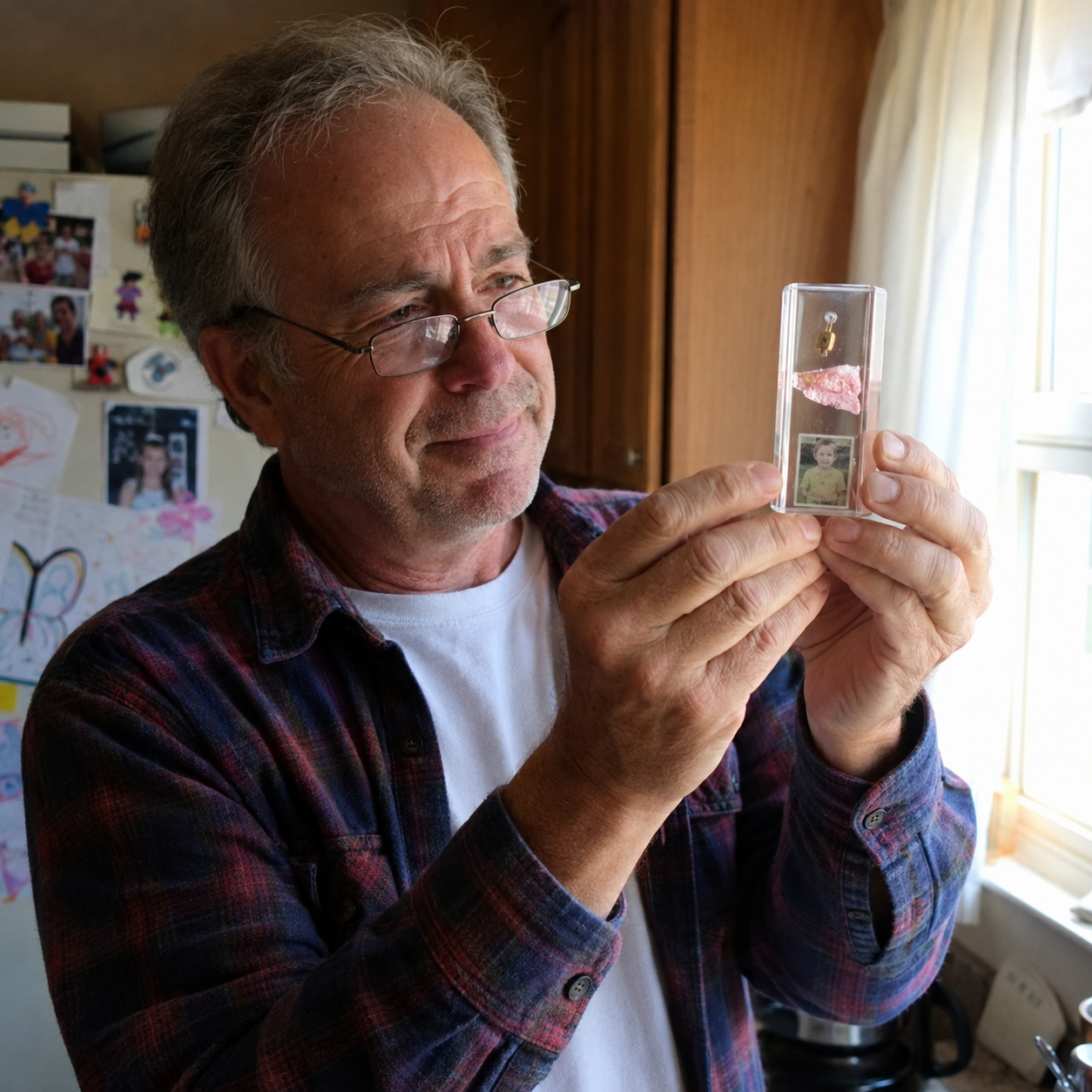
38 years at a desk. 2 grandchildren. 0 things of mine they'll remember when I'm gone. I'm Frank. Mortgage paid off three years ago. Pension secure. Two grandchildren. Eva, 4. Caleb, 7. Both healthy. By every metric that shows up on a financial statement, I've succeeded. By the only metric that matters at 61 — being someone your grandkids will REMEMBER — I'm losing. Tom is my daughter's father-in-law. Retired from the postal service ten years before I retired. Started woodworking the week he stopped working. Now he makes things. Birdhouses for Caleb. Music boxes for Eva. A handmade chess set for my son-in-law's 40th. A jewelry box for my daughter that sits on her dresser. When my grandkids talk about Grandpa Tom, their voices change. When they talk about me? "We went to Grandpa Frank's pool." That's it. I'm the pool. I'm the swim toys. The hot dogs. The Saturday-afternoon-place-to-go. I'm a venue. Tom is a person who MAKES things for them. Last August I sat on my back porch watching Eva carry that music box around my pool deck like it was something sacred. And I realized: When she's 30, she will still have that music box. She will tell her own kids: "Your great-grandpa Tom made this." What will she have from me? A 529 statement. That was the moment. That was when I knew I had to start MAKING things. I tried woodworking first. Tom offered to teach me. I lasted three weekends. Table saws scared me. His shop — band saws, planers, joinery jigs — was a $40,000 setup he'd built over a decade. I came home that third weekend with a Band-Aid on my thumb. Put my safety glasses on a shelf in the garage. Three weeks later I was scrolling on my phone in bed. 11:34 PM. A video came up. Man, maybe my age, pouring blue resin into a wooden mold. The wood looked like ocean cliffs. The resin looked like sea. When it cured, he had a tray that looked like the Pacific had been frozen in time. His granddaughter was holding it in the next clip. I watched it twice. Resin. No saws. No shops. A $200 starter kit and a corner of the garage. And — this was the thing — you could embed objects in it. Coins. Photographs. A child's drawing. A first lost tooth. A handwritten note. Things that would otherwise sit in a drawer until somebody threw them out after I died. I ordered $290 worth of supplies the next morning. A week later I cleared one side of my garage and started. The first piece I tried was a memory block for Eva. I had a small scrap of fabric from the blanket she'd had as a baby. I had a photo of her at age two on my lap. I had her first lost tooth in a tiny envelope my daughter had mailed me as a joke. I planned a clear block, 4 inches tall. Like amber holding fossils. I poured the resin. The next morning the surface was rippled — like a lake on a windy day. The fabric had floated to the surface. The photo had ink-bled into the resin around it, leaving a brown halo. The tooth had sunk to the bottom and stuck to the mold. When I tried to demold it, the whole bottom corner cracked. I threw it out. Tried again. This time the resin generated so much heat as it cured that it yellowed across the whole interior. A long crack ran diagonally through the block. That was attempt two. By attempt four I'd burned through $290 in materials. And I was running out of the keepsakes I wanted to embed. I didn't have unlimited photos of Eva at age two. I didn't have a backup of the blanket scrap. If I kept failing, I'd run out of the things I was trying to preserve. That's when it really hit me. This isn't woodworking. You can't throw out the bad cut and grab another board. This is the only fabric scrap. The only original photo. The only baby tooth. If I screw this up, I screw it up FOREVER. I went on YouTube and watched twenty videos. Half said use UV resin. Half said never use UV resin. One said pour thick. One said never pour over half-an-inch. One said use a heat gun. One said heat guns destroy organic material. I closed YouTube and sat at my kitchen table at 11 PM with the broken pieces of attempt three in front of me. My wife walked through. "How's it going out there?" I didn't answer. She put her hand on my shoulder for a minute. Went up to bed. The next morning I started Googling more carefully. "Why does thick resin crack." "How to embed photos in resin without bleeding." "How to preserve fabric in resin." Most results were forum posts and contradictory blog comments. But one result was a guide series. Ten guides. $47. Reviews from people doing exactly what I was trying to do. Memory pieces. Embedded photos. Thick blocks for heirlooms. I almost didn't buy it. $47 felt like throwing more money at the problem. But four ruined keepsakes was worse. I bought it that morning. What I learned in the first hour changed everything. The reason my pieces were cracking wasn't bad resin. It was a process called exothermic runaway. Standard epoxy generates heat as it cures. The thicker you pour it, the more heat it generates. That heat accelerates the curing. Which generates MORE heat. In a thick pour, the inside of the resin can reach 200°F. That heat: Yellows organic material. Bleeds ink out of photographs. Cracks the piece as it cools. YouTubers don't talk about this because YouTubers make coasters. Coasters are quarter-inch pours. They never run into this. The fix is what the guides called the Stratified Cure Method. Three principles: Pour in thin layers — never more than 3/4 of an inch at a time. Embed objects on the surface of an already-cured layer, not floating in fresh resin. Use deep-pour resin, different chemistry, for base layers, top-coat resin for the final layer. Three principles. Twenty pages of detail. I read all ten guides over two days. Then I ordered the right products and waited a week for them to arrive. I started Eva's memory block on a Saturday morning. Layer one: a thin clear base. Cured 24 hours. Layer two: fabric scrap placed on the cured surface. Another thin layer poured. Cured. Layer three: photograph face-up, sealed with thin coat first to prevent ink bleed. Poured. Cured. Layer four: tooth in its tiny brass holder. Poured. Cured. Layer five: final clear layer plus top coat for full optical clarity. Six days from start to finish. When I demolded it, I held it up to the kitchen window. Crystal clear. The fabric suspended like it was floating. The photo facing forward. Sharp. No halo. The tooth in its holder — preserved, suspended, almost reverent. I gave it to Eva at Christmas. She was five by then. She held it in both hands. Looked through it like a window. Said: "That's MY tooth." She walked it over to my daughter. "Mom, look — Grandpa put my tooth in a SKY." A sky. That's what she called it. She has it on the shelf next to the music box now. I asked my daughter recently — when Eva talks about it, what does she say? "She tells her friends, 'My grandpa makes magic.'" I made one for Caleb next. Inside: a baseball card from his first game with my son. A piece of the ticket stub. A photo of the two of them at the stadium. I made one for my daughter. Her engagement-day boutonniere flower. The small church program from her wedding. A photo of her grandfather, my father, holding her as a baby. She cried when I gave it to her. The real cry. Not the polite one. I'm working on one for my wife now. Pieces of every Christmas card we've sent each other for 38 years. I haven't told her. I'm 14 months in. I make a piece every two or three weeks. Some go to family. Some I sell at the church craft fair my wife volunteers at. The money covers materials and a little extra for the grandkids' birthdays. But that's not why I do it. I do it because two weeks ago Eva drew a picture of our family at preschool. The teacher sent a photo home. She drew her parents. Her brother. Grandpa Tom holding a music box. And — for the first time — Me. Holding what looks like a small clear cube with sparkles inside. I'm not the pool anymore. I'm the grandpa who makes the magic. If you're 55, 60, 65 — and you have grandkids who will outlive you by 70 years — The question isn't whether you've been a good grandparent. The question is whether they'll have anything from you to HOLD when you're gone. A check disappears the day it's cashed. A college fund goes into a tuition statement they'll never see your name on. But a small clear cube holding their first tooth — or their baby blanket scrap — or a photo from a day you spent together — That stays on a shelf for the rest of their life. And eventually, on their child's shelf. And their grandchild's. You don't need a $40,000 woodshop. You don't need to be an artist. I'm an accountant. I retired from a desk job. The most creative thing I'd ever done was a complicated tax return. What you need is the technique that nobody on YouTube explains — Because YouTube is full of people making coasters. Not heirlooms. The Stratified Cure Method made the difference for me. So did the other nine guides. $47. I'd already wasted six times that on bad attempts. If I'd had the guides on day one, I'd have saved the materials, the time, and — more importantly — the irreplaceable keepsakes I almost destroyed. If you have keepsakes sitting in drawers right now — A baby tooth. A blanket scrap. A photograph nobody but you knows about. A pressed flower from a moment that mattered. They were saved by you for a reason. The reason is so that someone, someday, can hold them. You can be the person who makes that possible. https://epoxyresinmasterpieces.com/us
Read If You've Wasted Money on Resin ☝️
Leverage our 27 years of expertise to create stunning, cost-effective, and professional-quality resin crafts in less than 15 days.
LEARN MORELike this ad? Make it yours.
Crush rebuilds this exact creative around your product — your brand, your colors, your offer — in about a minute.