
Inactive· since Jan 21, 2026
- 51
- days it ran
- 1
- relaunches
Ad copy
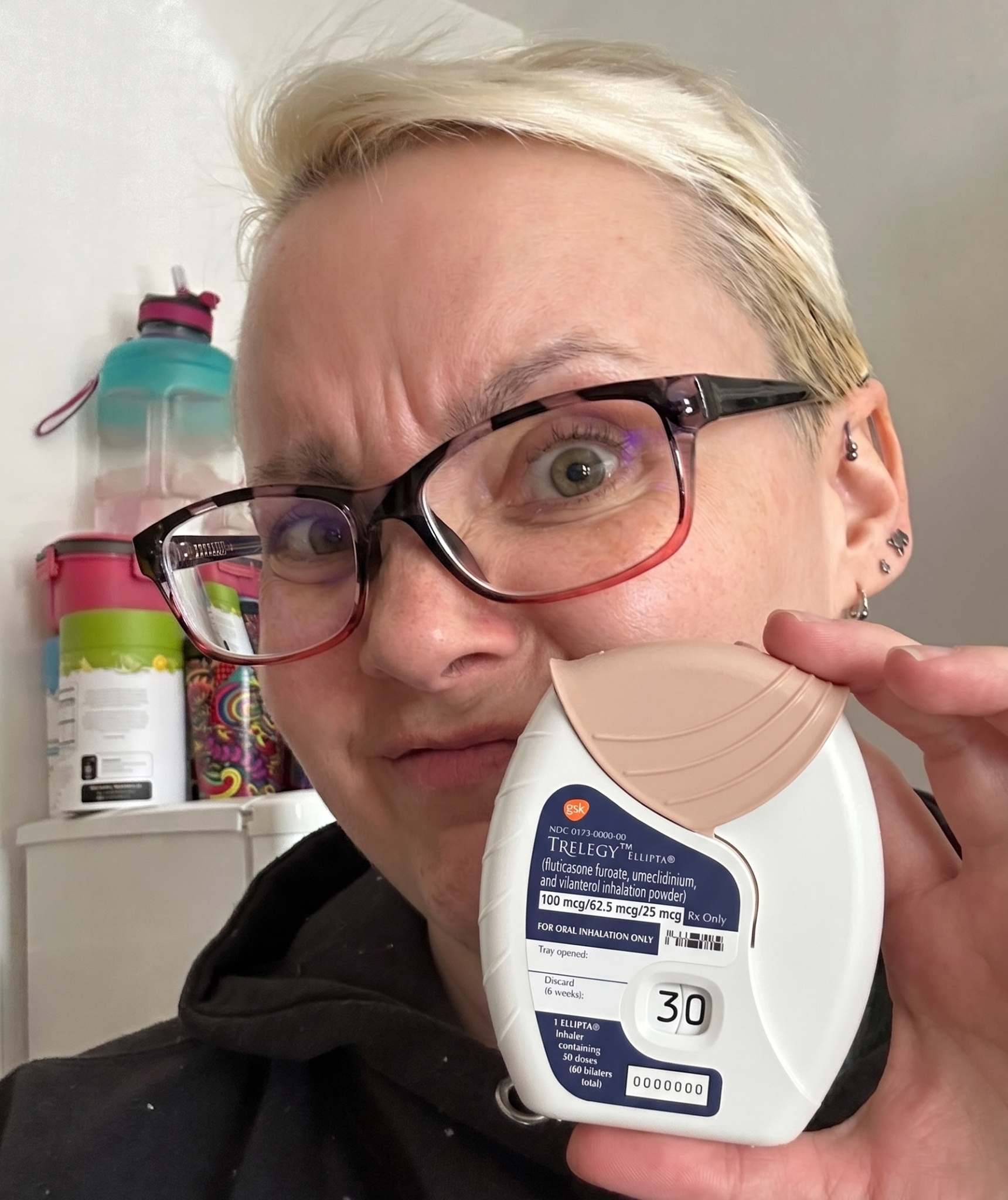
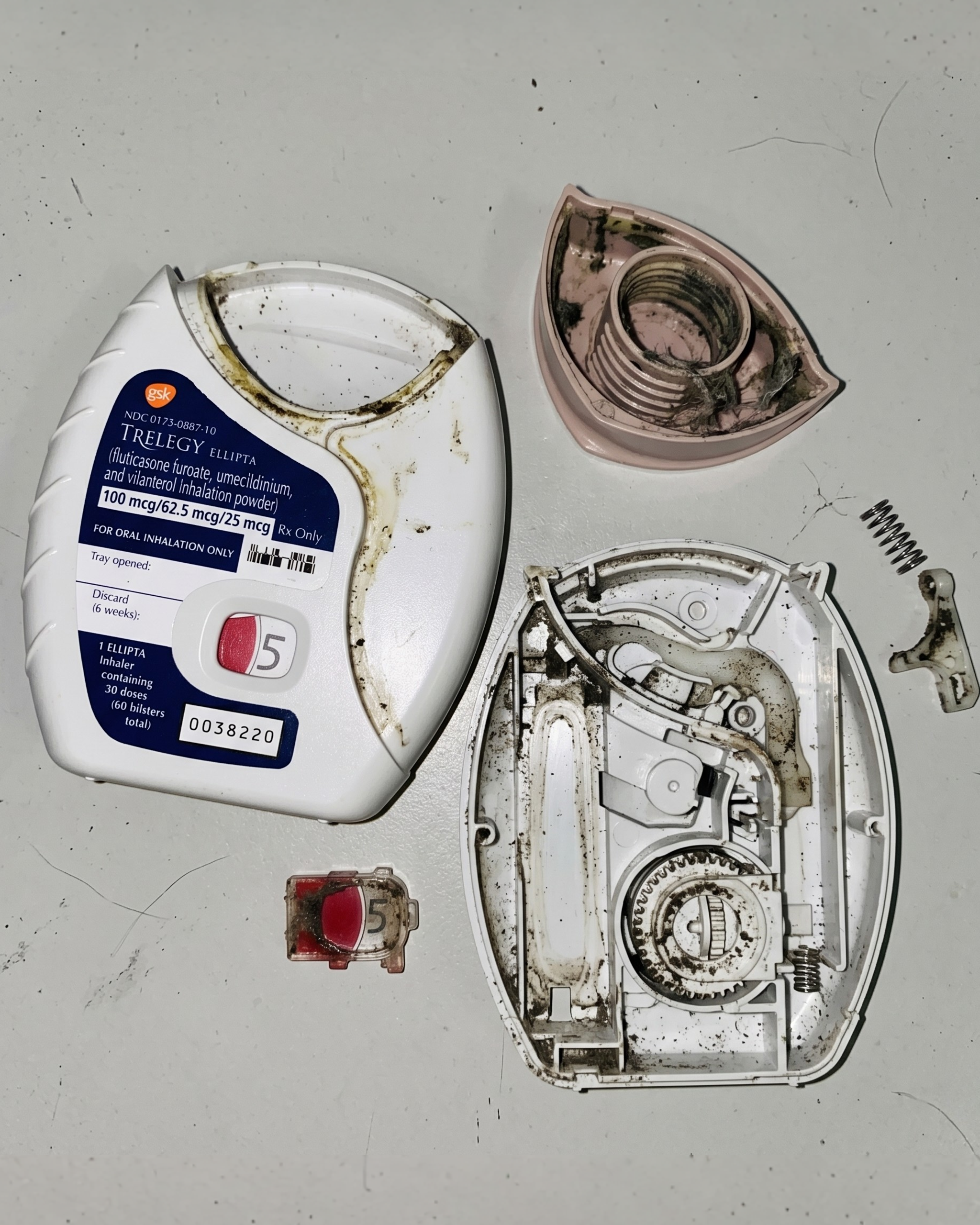
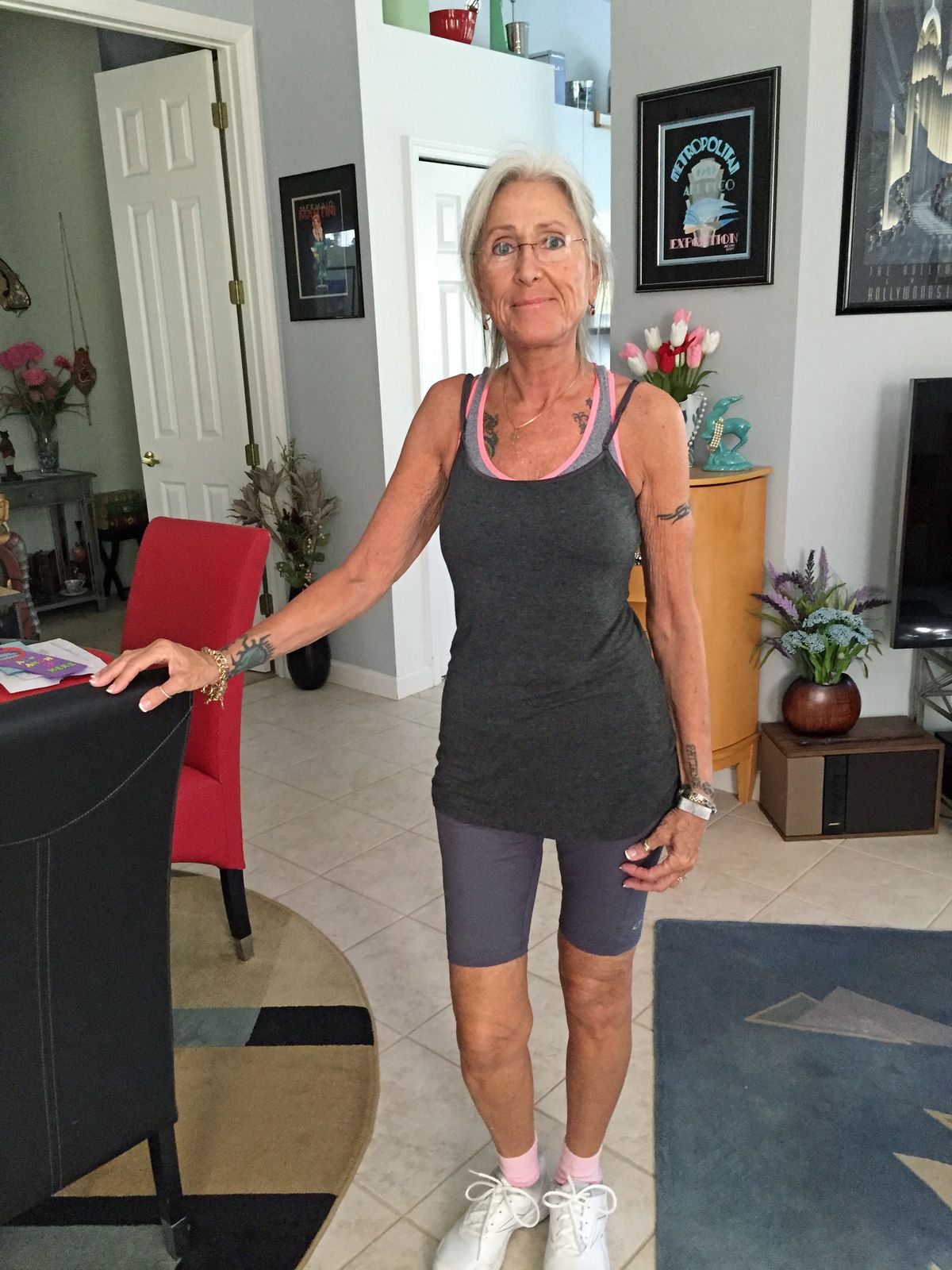
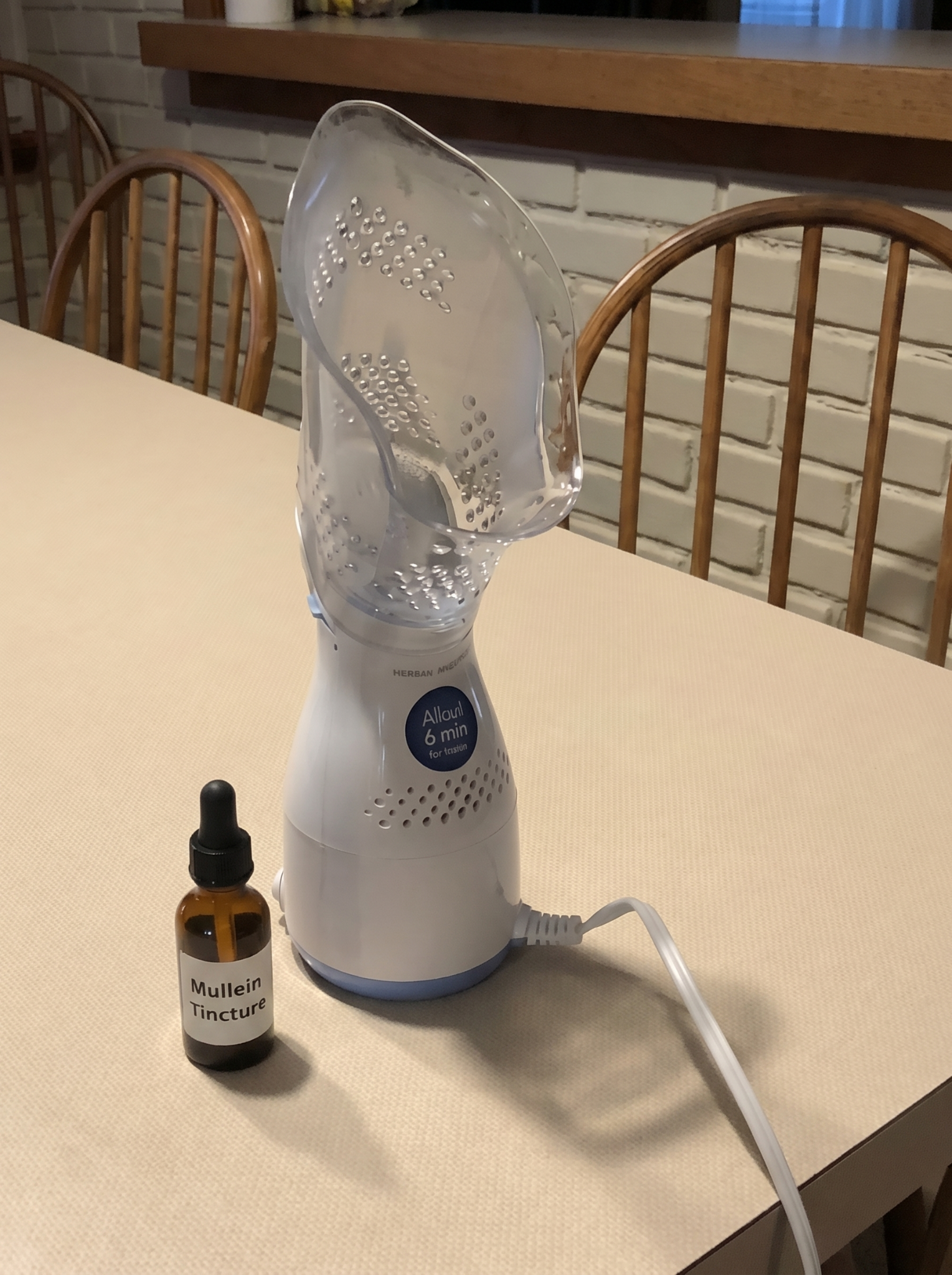
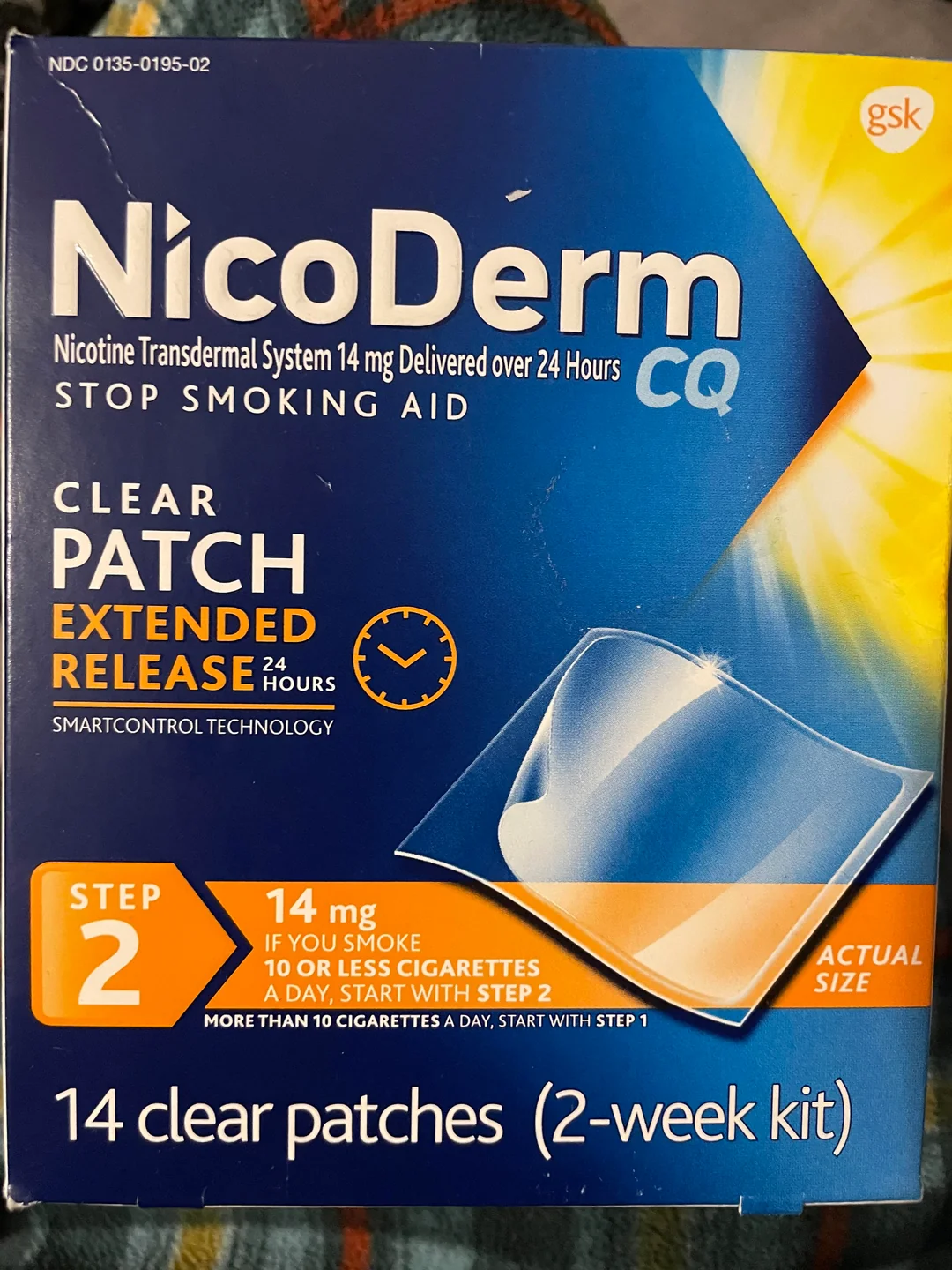
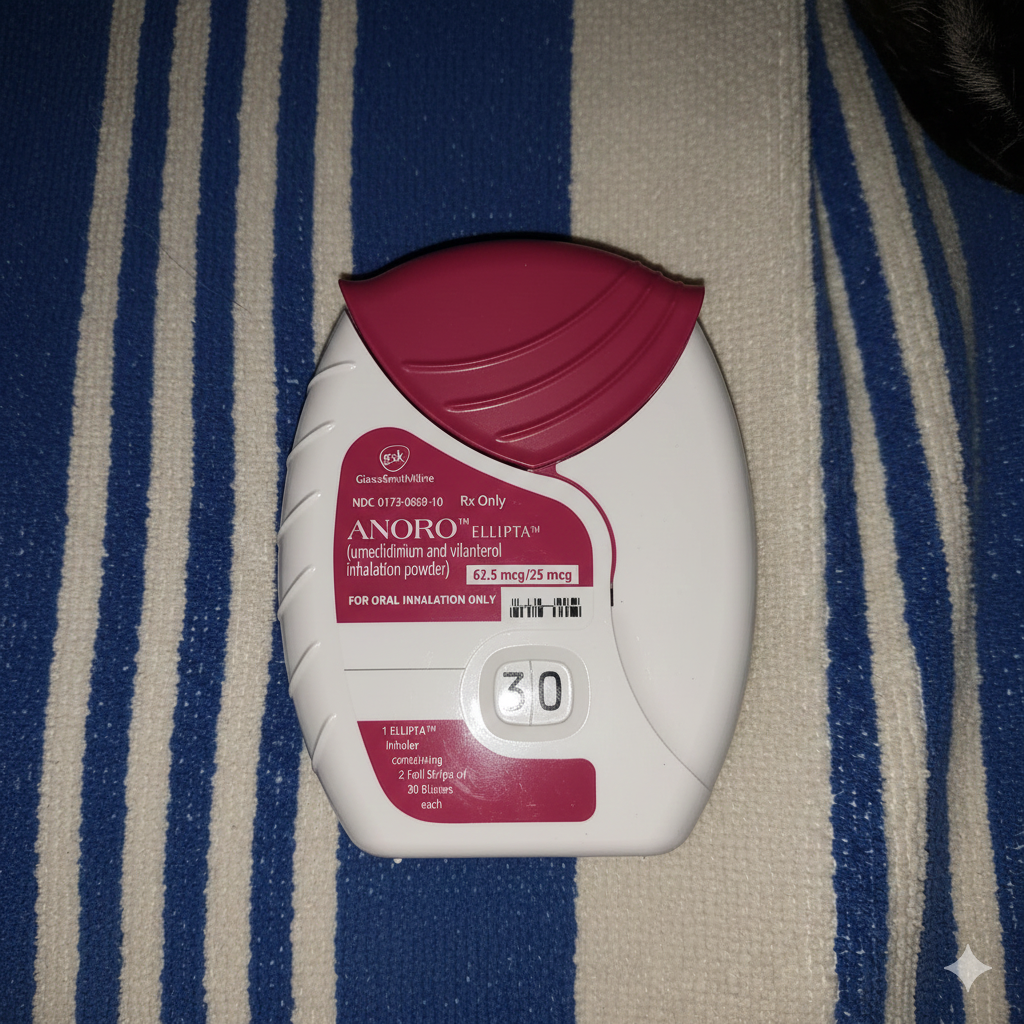
I'm a pulmonologist with 19 years of experience. Here's the one thing I wish I'd told my COPD patients sooner. My name is Dr. Susan Moore, and I need to tell you something that might make a lot of my colleagues very, very angry. I'm a board-certified pulmonologist who's spent the last 15 years treating patients just like you. For nearly two decades, I followed every protocol, prescribed every treatment, and believed I was helping people. But here's the truth that keeps me awake at night: I was part of the problem... For 19 years, I treated COPD the way I was taught in medical school: Inhalers. Steroids. Bronchodilators. Oxygen therapy. Pulmonary rehab. And I watched—week after week, year after year—as my patients came back with the same desperate look in their eyes. "Dr. Moore, nothing's helping. I'm only getting worse." And then...four years ago, my father—a vibrant 71-year-old retired firefighter who'd quit smoking 15 years earlier—called me in a panic. "Suz, I can barely make it up the stairs. It feels like I have a slab of concrete on my chest. This can't be my life." I did everything by the book. Albuterol inhaler: $45/month. Helped for maybe an hour, then back to wheezing. Prednisone: $200/month. Reduced some inflammation but didn't touch the deep congestion. Trelegy: $600/month. Made him cough, but nothing productive came up. Pulmonary rehab: Breathing exercises that left him exhausted. By month fourteen, he looked at me with tears in his eyes: "You're a lung doctor. Why can't you help me breathe?" Hearing this shattered me. Here I was—a pulmonologist with nearly two decades of experience—and I couldn't help my own father. That night, I couldn't sleep. I kept replaying every failed treatment, every patient who got worse despite 'doing everything right.' And that's when it hit me: What if we weren't treating the real problem? What if everything I'd learned in medical school was addressing the symptoms... but ignoring the root cause? So that night I locked myself in my office with lung scans, research papers, and bronchoscopy footage... I reviewed hundreds of images: healthy lungs, smoker's lungs, COPD lungs. And then I saw it. The pattern everyone was missing. When you have COPD, your lungs are dealing with three critical obstructions: Obstruction #1: The hardened mucus layer Years of exposure create a cement-like coating deep in your airways—like dried tar that standard treatments can't penetrate. Obstruction #2: Buried cilia Your lung's natural cleaning system (tiny hair-like structures) gets buried under this hardened layer, unable to sweep anything out. Obstruction #3: The oxygen-exchange blockage When this cement layer coats your air sacs, oxygen can't pass through—no matter how wide your airways are stretched. But here's what nobody is telling you... When all three obstructions exist simultaneously—which happens in 91% of chronic COPD cases—inhalers, prednisone, and trelegy might give temporary relief... but they're not designed to address the root cause. Because you're opening the airway while ignoring the cement layer blocking it. That's why you're stuck in a cycle. Inhalers open your airways… but don't dissolve the mucus trapped inside them. Prednisone reduces flare-ups… but doesn't unbury your cilia. Trelegy calms inflammation… but your cilia are still buried, your mucus is still stuck, and your lungs still can't clean themselves. Every treatment attacks the inflammation... but ignores the mucus that's triggering it in the first place. Here's the research that they don't want you to see... A 2018 study in the European Respiratory Journal found that breaking down mucus improved lung function by 68%. A 2020 clinical trial showed that natural mucus-dissolving ingredients helped 73% of patients cough up hardened mucus. A 2022 review found that targeting mucus directly worked better than inhalers for long-term relief. But these studies barely get mentioned at pulmonology conferences. Because the findings threaten a multi-billion-dollar treatment industry. Inhaler prescriptions: $1,200-2,400 per year. Trelegy: $450-600 per month. Pulmonary rehab: $200-400 per session. If millions discovered they could fix the problem at its root instead of managing symptoms forever… It would cost the pharmaceutical industry billions. After my revelation, I stopped treating his COPD symptoms. Instead, I went after the root cause: removing the obstruction entirely I explained to him what needed to happen: "Dad, we're not trying to open your airways anymore. We're going to dissolve what's blocking them." I gave him a specific protocol: ✓ Natural compounds that dissolve hardened mucus ✓ Deep-penetrating ingredients, not just surface moisture ✓ Ingredients that help restore your lung's ability to clean itself "This is going to look different," I warned him. "You're going to start coughing up dark, rubbery chunks. That's the old cement coming out. That's how we'll know it's working." Two weeks later, he called me—not crying this time—laughing. "Suz... you were right. I've been coughing up these disgusting black chunks. But this morning I took a full breath for the first time in years." For the first time in four years, he could feel air reaching the bottom of his lungs. No wheezing. No gasping. No drowning sensation. His body was finally healing because the obstruction was finally being removed. I started recommending this approach to my patients. And within four months, my follow-up appointments for "medication adjustments" dropped by 67%. Not because patients were dissatisfied—because they didn't need constant dose increases anymore. The pattern was undeniable. Patients who addressed the root cause got their lung function back. Patients who kept dilating airways stayed trapped in the cycle. I'm telling you exactly what works—even though I make zero money from it. And even though this might end my career. Every patient who clears their obstruction instead of coming back for monthly inhaler refills and dose adjustments costs my practice $3,000-6,000 in potential revenue per year. But I didn't become a pulmonologist to profit from people's suffering. And after treating over 2,000 patients and four years of research, I can tell you with certainty: If a treatment doesn't dissolve the hardened mucus, it will not fix your chronic COPD symptoms. You need: Element #1: Natural compounds that dissolve hardened mucus Element #2: Deep-penetrating ingredients, not just surface moisture Element #3: Ingredients that help restore your lung's ability to clean itself Most treatments have surface-level expectorants, maybe some anti-inflammatories. You need all three. Working together. To trigger the purge. In my research and patient outcomes, I've only found one formula that properly executes all three obstruction-removal elements. It's called "SaffraLabs." When I analyzed the formulation in my clinic, it checked every box: ✓ Calendula extract (dissolves hardened mucus) ✓ Licorice root (penetrates deep into your airways) ✓ Eucalyptus oil (uncovers your lung's natural cleaning system) My father uses it. My successful patients use it. And at $40 for a month's supply, it costs 95% less than a month of prescription treatments that don't work. After my patients spent thousands on inhalers, nebulizers, and oxygen that only managed symptoms, a $40 solution that fixes the problem at its root seems almost insultingly cheap But that's the point. The answer isn't more expensive. It's just targeting the actual problem. Traditional treatments give you temporary airway opening, then you're back to gasping. Attacking the root cause gives you progressive clearance, allowing your lungs to actually heal. First week: You'll start the purge. Dark mucus, rubbery chunks, tar-like substance. This is the cement dissolving. This is proof it's working. Week two: Your cough becomes productive instead of just irritating. You're clearing decades of buildup with every cough. Week four: You'll notice you're breathing deeper—not just wider airways, but actual oxygen reaching your air sacs. You'll sleep flatter. You'll walk farther. Three months: Your cilia will be uncovered and functioning. Your lungs will be clearing naturally. Your oxygen levels will stabilize without the constant medication adjustments. You're at a decision point right now. Path #1: Keep doing what you've been doing. More inhalers. More dose increases. More appointments. Same cycle of temporary relief and declining function. Path #2: Remove the actual obstruction. Once. Completely. Most people take Path #1 because it's what pulmonologists prescribe and insurance covers. But Path #1 keeps you trapped in the treatment cycle. Path #2 sets your lungs free. Plus, SaffraLabs offers a 60-day money-back guarantee. So you can try it risk-free. You know why they can offer that? Because when you trigger the purge and see those dark chunks coming up, you know it's working. After 19 years of watching patients slowly suffocate on endless prescriptions, I'm finally recommending something that actually clears the obstruction. The pharmaceutical industry won't like this. But you deserve to breathe again.
Like this ad? Make it yours.
Crush rebuilds this exact creative around your product — your brand, your colors, your offer — in about a minute.