
Inactive· since May 25, 2026
- 10
- days it ran
- 1
- relaunches
Ad copy
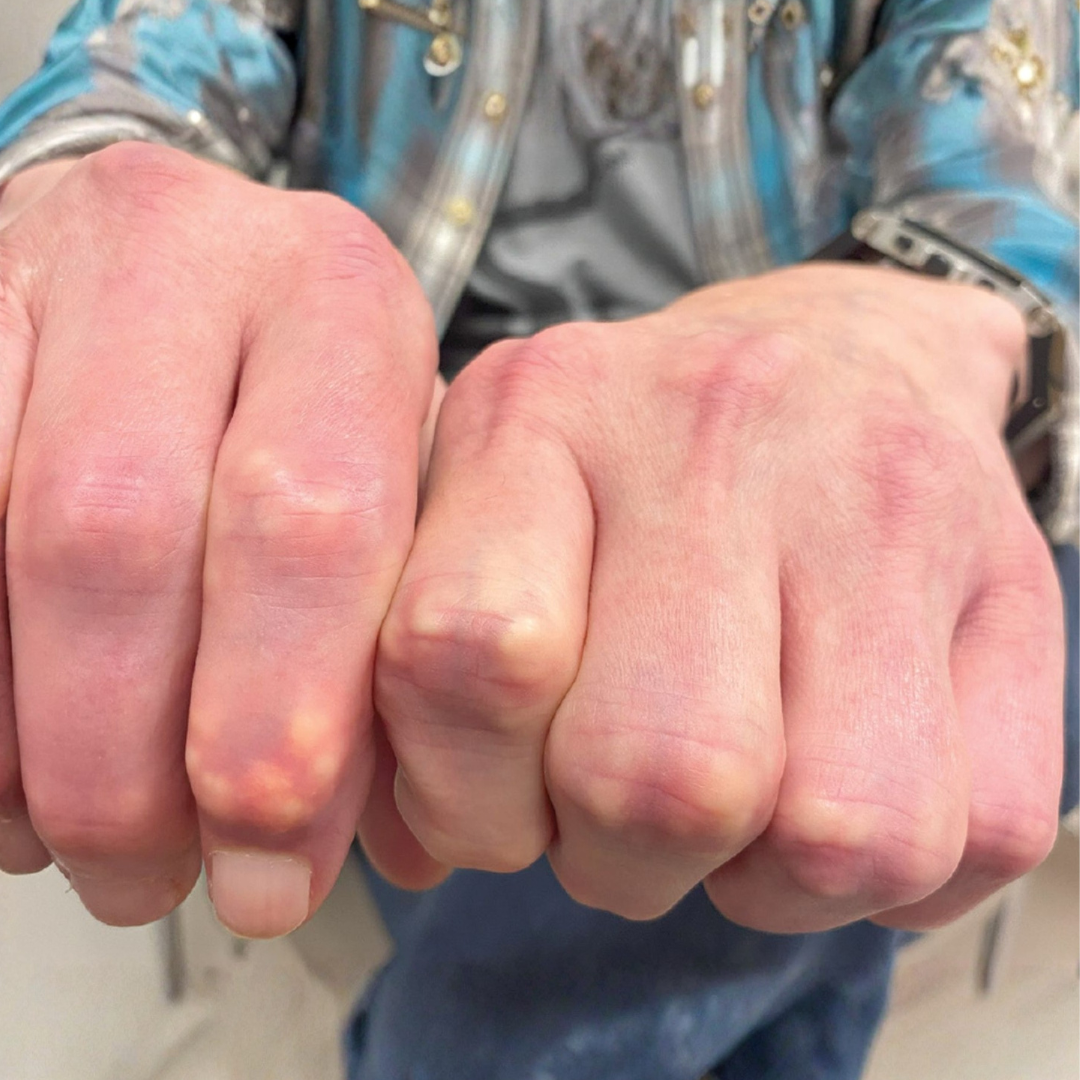
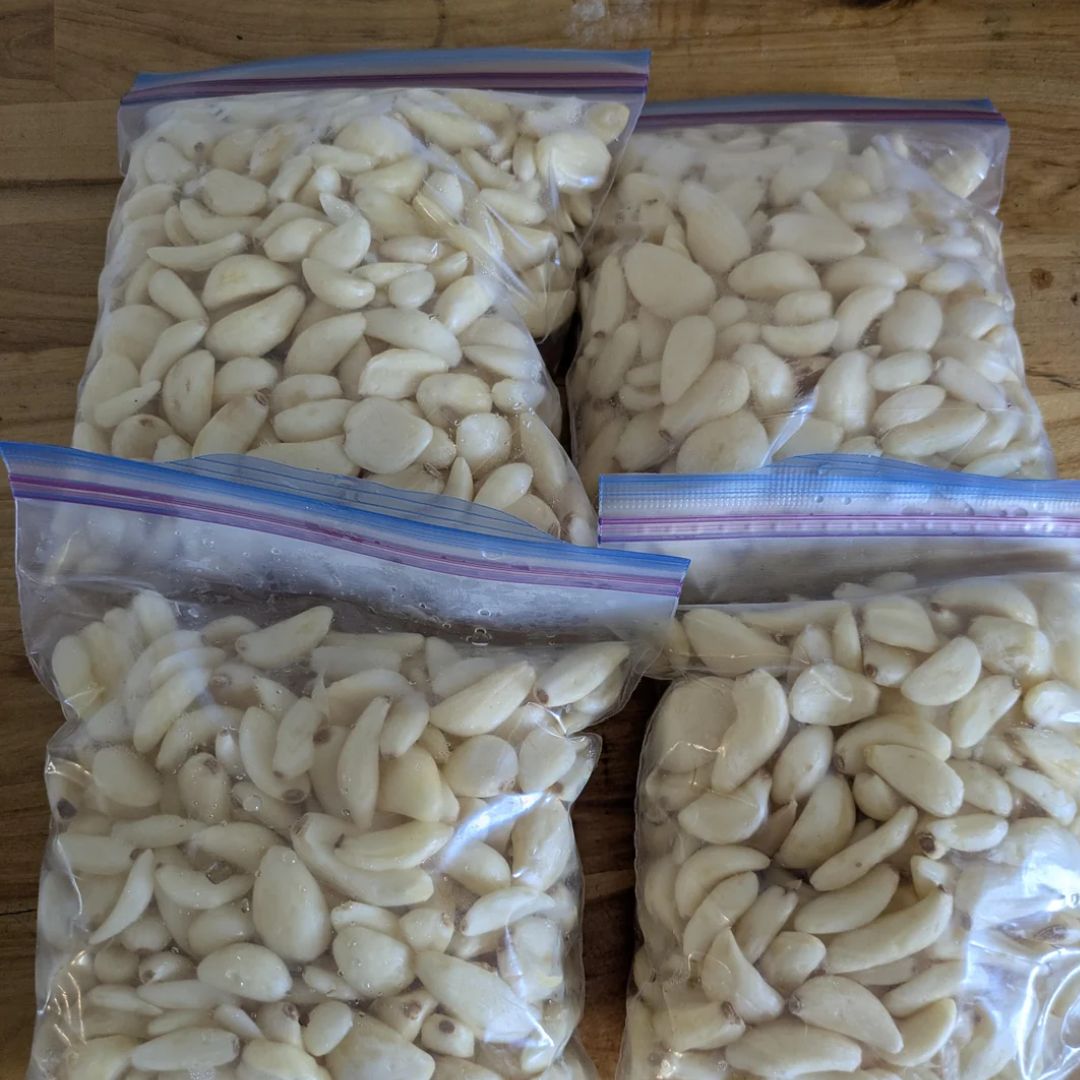
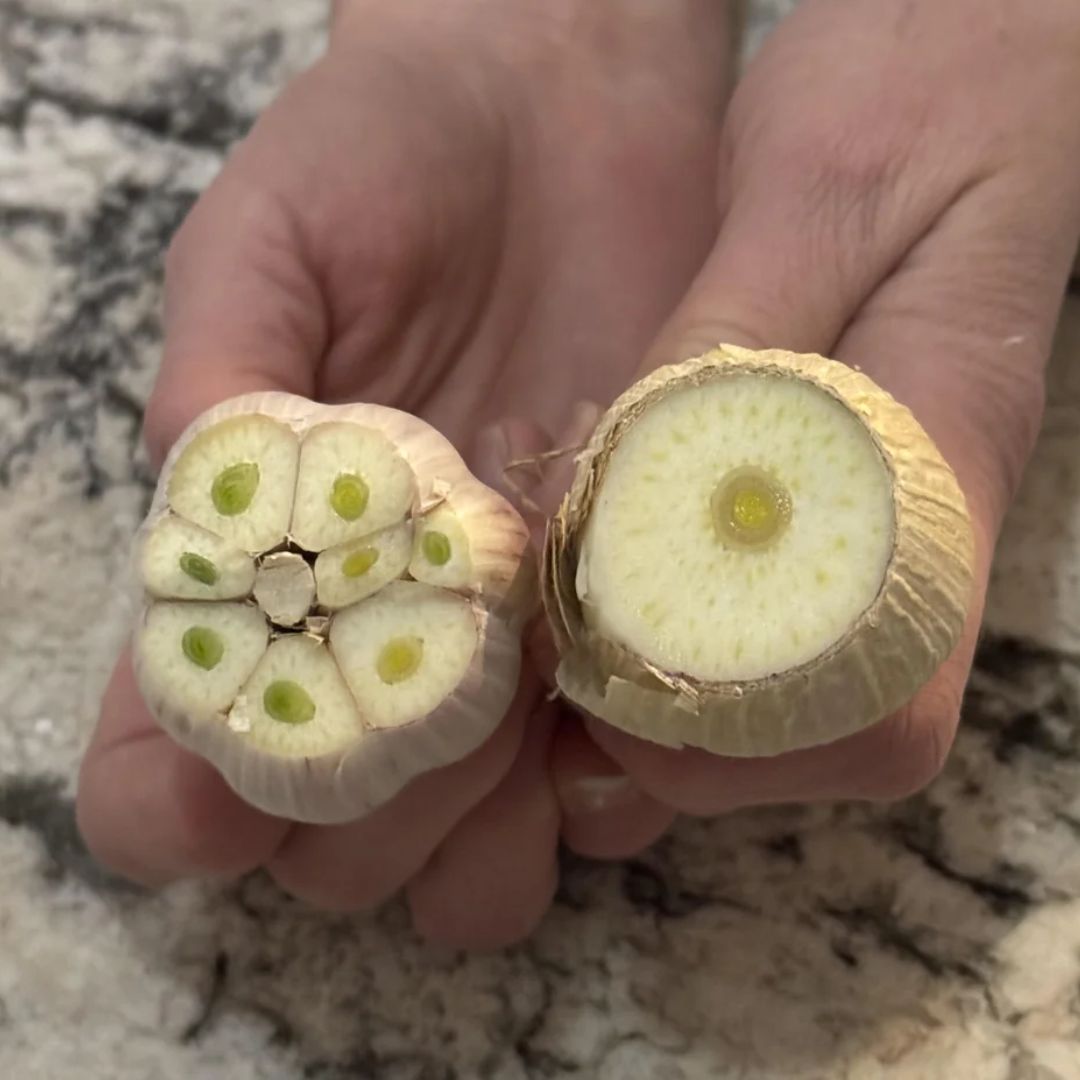
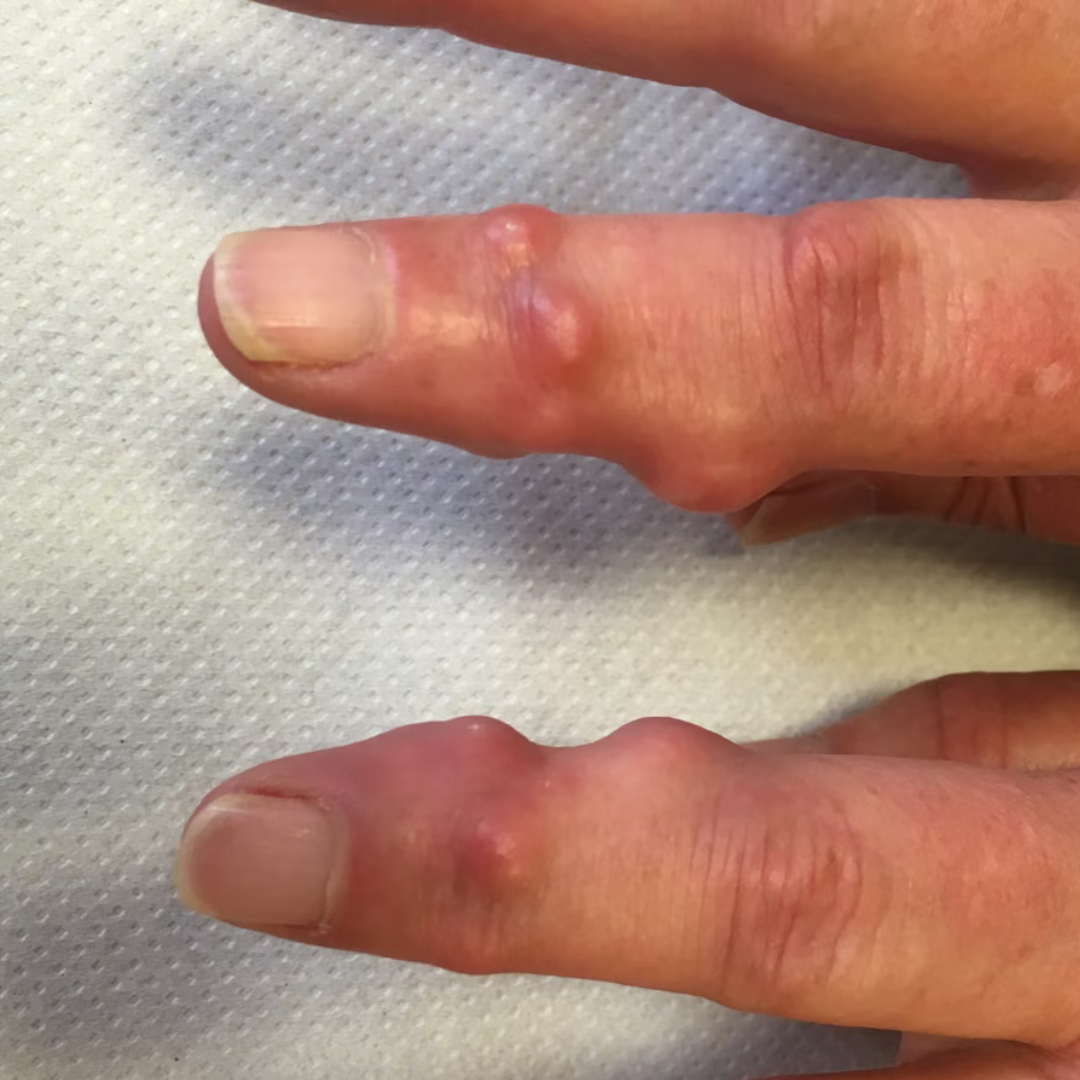
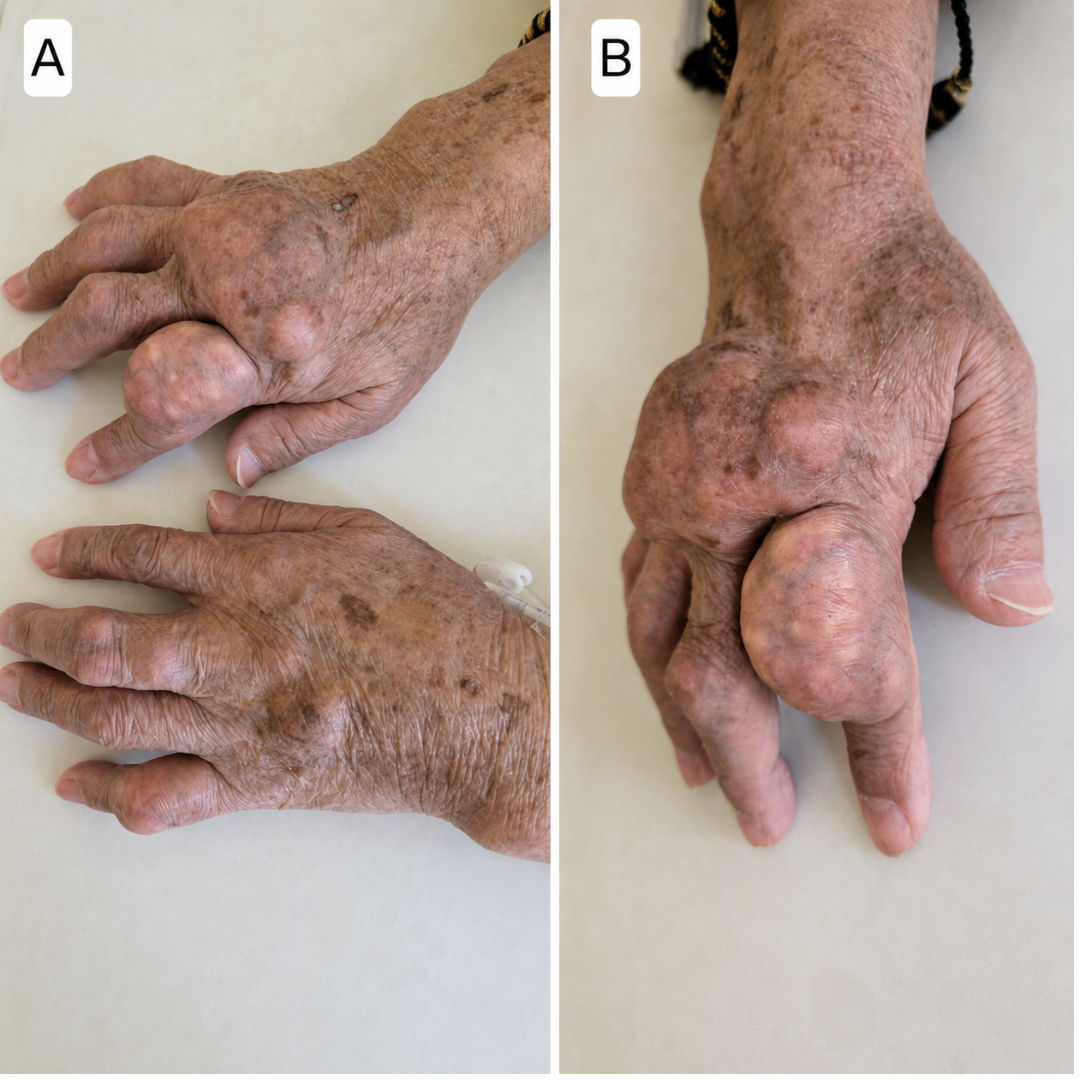
I saw a statistic that made me sick. People with gout are 3.4 times more likely to die from kidney failure before 70 than a normal person the same age. Not twice as likely. Not 2 times. 3.4. I didn't believe it when I read it. I'd had gout for nine years and not one doctor had ever mentioned my kidneys. But here's the truth. Your GP runs uric acid tests. Your nephrologist runs kidney tests. The damage sits between them… and nobody is paid to look there. That's why most of us never heard this. That's why my father never heard it either. My father was part of that statistic. Eleven years on Allopurinol. Kidney failure killed him at 67. I'm 54. Last month my doctor told me to start Allopurinol and add a blood pressure pill. I refused. And what I found instead… in a Reddit thread at 2 AM… took me from a uric acid of 9.1 and crawling to the bathroom on my hands and knees during flares… to 5.8 and walking the dog two miles a day pain-free. No Allopurinol. No BP pill. But before I tell you what it was, I need to tell you what I learned that night at the laptop. Because once you understand it, everything you've been told about gout — and every supplement and pill you've ever tried for it — starts to make a different kind of sense. You'll see why diet alone never worked. Why cherries took the edge off but never ended the flare. Why Allopurinol "works" on the number but quietly damages everything else. And why my father died on a dialysis table even though his uric acid was "perfect" for eleven straight years. To understand all of that, you have to start with what I watched that medication do to him. For ELEVEN YEARS… over a decade… my father was trapped on Allopurinol. Started at 100mg. His rheumatologist called it "the gold standard." Said he'd be on it for life, but that was fine because his uric acid would stay normal. His uric acid did stay normal. Everything else fell apart. Within the first two years tophi started forming on his fingers. Chalky little lumps the size of pearls. Doctor said it was just "residual crystals working their way out." By year five his ankles were so deformed he couldn't tie his own shoes. We bought him slip-ons for his birthday and he cried at the kitchen table. His energy? Gone. This was a man who ran a roofing business for 35 years, up on ladders at 6 AM. By year seven he was asleep in his recliner before the news. His ankles swelled. His face got puffy. His blood pressure climbed. They added Lisinopril. Then a second blood pressure pill. Then a third. And every time we brought up the kidneys, the rheumatologist said the same thing. "His uric acid is in the normal range, Daniel. The kidney decline is just age. The blood pressure is just genetics." He was 60. Not 90. My mother said it was like watching him disappear one lab number at a time. Eleven years of his eGFR slipping a point a year. Eleven years of his doctor telling him his uric acid was perfect. Eleven years of appointments where they'd add another pill… but never once… not ONE TIME… did anyone explain to him what was actually happening inside his body. And then stage 4 kidney failure took him anyway. 67 years old. Sixty-seven. Died on a Tuesday after his second dialysis session of the week. At the funeral my mother grabbed my hand and said something I'll never forget. "For eleven years they told him the pill was protecting his kidneys, Daniel. They were wrong the whole time." So fast forward to three months ago. I'm 54. Diagnosed with gout at 45. I've been a good patient. Cut out red meat. No beer. No shellfish. Walk 8,000 steps. Apple cider vinegar in the morning. Tart cherry juice at night. Celery seed extract from the health food store. Baking soda water on bad weeks. A gallon of water a day for three years. My uric acid was still 9.1. Two flares in six months. Bedridden. Crawling. Sheets propped up like a tent because cotton on my big toe felt like a knife. I go to my annual physical. Nurse does the bloodwork. Uric acid 9.1. BP 138/89. Creatinine creeping up. Doctor pulls up my chart. Looks at me. "Daniel, your uric acid is way too high. Your kidneys are at risk right now from the crystals. We need to start you on Allopurinol. And I'd like to add a low-dose BP pill." My chest tightened. Allopurinol. Eleven years of watching my father shuffle around in slippers because his ankles wouldn't fit in his work boots. Eleven years of his ring sitting in a dish because his fingers were too lumpy to wear it. And then dialysis killed him anyway. "No," I said. She blinked. "Excuse me?" "I'm not doing it. My father was on Allopurinol for eleven years. I watched what it did to his body. And I watched the kidney failure kill him anyway." She gave me that look. "Daniel, we need to lower your uric acid. The crystals are damaging your kidneys right now…" "What's the point of adding the same pill that didn't save him?" She didn't have an answer. I told her to give me three months. She wasn't happy. Wrote something in my chart. I didn't care. That night I couldn't sleep. I kept thinking about my father. Same uric acid number. Same flares. Same doctor pulling out the same pad three decades earlier. At 2 AM I gave up. Went downstairs. Opened my laptop. And that's where everything I thought I knew about gout fell apart. I'd had this disease for nine years. Nine years of cutting foods. Nine years of supplements. Nine years of doctors handing me prescriptions and lectures about beer and steak. And not one of them had ever drawn me a picture of what's actually happening inside my body when I get a flare. I'm going to draw it for you now. The way the retired food scientist in that Reddit thread drew it for me. Because once you see it, you'll understand why everything you've ever tried hasn't worked. Inside your liver, there's a tiny little factory. That factory has one job — to take normal substances from the food you eat (called purines) and convert them into a waste product called uric acid. Then your kidneys filter that uric acid out through your urine. That's the system. Food in. Waste out. It runs in everyone, all the time. The machine inside that factory has a name. It's called xanthine oxidase. In a healthy person, this machine runs at a normal speed. Maybe 3-4 mg/dL worth of uric acid per day. The kidneys keep up. No problem. In a gout sufferer, this machine is stuck in overdrive. It's genetic. It's not your fault. It's not the beer. It's not the steak. It's the machine running too fast. It pumps out so much uric acid that your blood becomes saturated with it — like sweet tea with too much sugar dissolved in it. And just like that sugar, when the blood can't hold any more uric acid, it falls out of the liquid and crystallizes. Those crystals are sharp. Microscopic shards of glass. They settle into the coldest, slowest joints in your body — the big toe first, then the ankle, the knee, the elbow. They sit there. Quiet. For weeks. For months. For years. Until one night your blood chemistry shifts just slightly, your foot drops one degree in temperature under the sheet, and a thousand of those needles light up at once. That's the 2 AM flare. That's what my father had. That's what I have. Now here's where it gets interesting. Because once you understand that picture, you finally understand why nothing you've tried has worked. Take tart cherry juice. The #1 recommended natural remedy for gout. Every forum says it. Every health blog says it. I drank gallons of it. Here's what cherries actually do. They're anti-inflammatory. When your foot is on fire from a flare, the cherry compounds calm the redness and swelling around the crystals. They take the edge off the pain. But they don't touch the machine. They don't slow the factory. They don't dissolve a single crystal that's already sitting in your joint. They put out the small fires. They never shut off the gas line. That's why you can drink cherry juice religiously for a year and your uric acid still tests at 8.0. Because cherries were never working on the actual problem. And then there's diet. This is the one that broke me for years. I cut beer. I cut shellfish. I cut red meat. I cut organ meat. I cut high-fructose corn syrup. I ate like a monk for three years straight. My uric acid barely moved. Here's why. Diet only changes what goes INTO the factory. It doesn't change how fast the machine runs. If your xanthine oxidase machine is genetically stuck on overdrive, it will turn even small amounts of perfectly healthy food — chicken, fish, lentils, mushrooms — into too much uric acid. That's why your doctor blames you. That's why your wife sighs when you say it flared anyway. That's why you feel insane. You're not insane. You're cutting inputs into a factory that's making waste from anything you give it. Which brings me to Allopurinol. And the part that finally made sense of my father's eleven years. Allopurinol actually works on the machine. It walks in and slows the assembly line down. That's why uric acid numbers drop on it. That's why doctors love it. But here's what nobody tells you. Allopurinol is a synthetic chemical. It's not food. It's not something your body has ever seen before in 200,000 years of human history. So while it shuts down the uric acid machine, your liver has to process the drug itself. Your kidneys have to filter the drug itself. Every day. For the rest of your life. That's why 1 in 1,000 patients develops a rash so severe it has a 25% mortality rate. That's why they monitor your liver enzymes. That's why they monitor your kidney function. That's why my father's eGFR slipped a point a year for eleven straight years. The pill was fixing one part of the problem — the uric acid number — while quietly grinding down the very organ (his kidneys) that was supposed to be filtering it out. And here's the part that should make you furious. Allopurinol does nothing for the crystals that are already in your joints. It just stops new ones from forming. The pearls on my father's fingers? They grew for eleven years on the drug. The tophi never shrank. The kidney load from those existing crystals never lifted. He died with normal uric acid and full joints of crystals. That's the trade Allopurinol asks you to make. I sat there at 2 AM with all of this finally clicking. And I kept asking myself the same question. If the machine is the problem, and the chemical key (Allopurinol) is too rough on the lock — was there a natural key? Something the body recognized. Something that fit the same lock. Something that turned the machine down without poisoning the rest of the system. That's what I was searching for at 4 AM. And that's what I found. Buried fifty replies deep in an r/gout thread — title: "Why doesn't black garlic work for anyone anymore?" — was a 2,000 word post from a retired food scientist. Three hundred upvotes. Comment after comment underneath. Bloodwork screenshots. Photos of men in their 60s with normal eGFR and clean joints. He explained something I'd never read anywhere else. There's a food — eaten in Korea, China, and Japan for over a thousand years — that contains a natural compound shown in lab studies to bind to the exact same keyhole on the xanthine oxidase machine that Allopurinol binds to. The food is fermented black garlic. Now stay with me. Because I'd seen "black garlic" capsules on Amazon for years. I'd tried four of them. They did absolutely nothing. There's a reason for that. I'll get to it in a minute. But first — here's what fermented black garlic actually is and why it matters. You start with a normal head of garlic. The kind you cook with. Raw garlic contains a harsh, unstable compound called allicin. Allicin is what gives garlic its bite, its smell, and its stomach burn. Allicin can't help your gout — it's too unstable. The second it hits your stomach acid, it breaks apart. But something almost magical happens when you take that same garlic and ferment it. Slowly. Under controlled heat and humidity. For 60 days or longer. The bulb turns jet black. The harsh smell disappears. The unstable allicin breaks down — and in its place, a completely new, completely stable compound forms. That compound is called S-Allyl Cysteine. SAC for short. SAC is water-soluble. It survives stomach acid. It absorbs into the bloodstream intact. And here's the part that made me sit up at 4 AM and re-read the paragraph three times. In laboratory studies, SAC has been shown to bind to the active site on the xanthine oxidase enzyme — the exact same active site Allopurinol binds to — with very high affinity. In some published binding studies, the affinity is even stronger than Allopurinol's. In plain English: it fits the lock. The same lock the drug fits. But it's food. Not chemistry. And because it's food, your liver doesn't have to detoxify it. Your kidneys don't have to filter a drug. There's no rash list on the bottle. There's no liver-enzyme monitoring. There's no "we'll add a BP pill when your numbers climb." Your body recognizes it. Slows the machine. And carries on. That's the key. That's the lock. That's the missing piece. But there was a catch. And this is the part that explains the four bottles in my bathroom cabinet that did nothing. Real fermentation takes 60 days minimum. That's slow. That's expensive. Storage space, controlled humidity, energy bills, labor. So almost every "black garlic" supplement on Amazon rushes the process. 14 days. 21 days at the most. The bulbs barely darken. The SAC barely starts to form. Then they pulverize the half-developed garlic at high heat — because heat is fast and cheap. But heat finishes off whatever fragile SAC was starting to develop. By the time it's packed into the capsule you're swallowing, there's almost nothing active left in the bottle. The food scientist called it "dead powder." Every cheap garlic capsule on Amazon. The "clinical strength" one. The 1500mg one. Every five-star bottle I'd ever bought. Dead before it shipped. That's why my uric acid never moved. Not because black garlic doesn't work. Because I'd never actually been taking real fermented black garlic. By 4 AM I'd ordered a bottle of what he recommended — a brand that ferments their garlic for the full 60 days at the source, cold-extracts the SAC so heat doesn't destroy it, and standardizes the concentration so you actually know what's in each capsule. Three days later it arrived. I took two capsules with breakfast. About 30 minutes in I felt something subtle. The dull background ache in my big toe — the one I'd been quietly nursing every morning for months — went quiet. Not gone. Quieter. I went into the bathroom and looked at my big toe. Less red. Too early to call anything. Week one. Morning stiffness softer. I walked to the mailbox without limping for the first time since spring. Week three. Bloodwork. Uric acid down to 7.6. From 9.1. The lab tech ran it twice because she didn't believe the previous number. Week five. I had a normal portion of brisket at my son's birthday. Half a beer. Waited three days for the flare. Nothing came. Week seven. Bloodwork again. 5.8. Normal range. For the first time in nine years. I checked it three days in a row because I didn't believe it. 5.8. 5.9. 5.7. A 3.3 point drop in seven weeks. Without Allopurinol. Without another diet change. Without another pill. My follow-up was at the end of month two. The nurse drew the blood. Wrapped the cuff. Did it. Frowned. Did it again. "BP 118 over 76. Pulse 64." Doctor walked in. Pulled up my chart. Stopped. Scrolled. Looked at me. "Daniel. What did you change?" I told her everything. The Reddit thread. The food scientist. The 60-day fermentation. The S-Allyl Cysteine. The xanthine oxidase binding studies. She typed. Nodded slowly. "Let's run your kidney panel again in four weeks. If your eGFR holds… no Allopurinol. No BP pill." Four weeks later my eGFR was 94. Same as a healthy 30-year-old. No Allopurinol. No BP pill. That was four months ago. My uric acid this morning? 5.6. Five months without a flare. Without another prescription. Without giving up another food. My blood pressure stays in the 118 to 122 range. My resting heart rate is 64. My ankles are flat. I sleep with a normal blanket on my foot for the first time since 2017. Last Saturday I went hiking with my son. Three miles. Climbed a small ridge. My foot didn't twinge once. I didn't tell him I was holding back tears the whole way down. I drove out to my dad's grave that night. Sat there for an hour. Told him I wasn't going to make the same trade he made. If you're reading this, you probably see yourself in my story. Your uric acid is high. Your doctor has mentioned Allopurinol — or you're already on it. Your flares are getting closer together. You've tried cherry juice. You've tried apple cider vinegar. You've cut beer. You've cut red meat. Nothing has touched your numbers. Now you know why. The cherries fight the fire. They never reach the machine. The diet changes the inputs. It never slows the assembly line. The Allopurinol slows the assembly line. But it poisons your kidneys to do it. And it does nothing for the crystals already sitting in your joints. There has only ever been one thing that fits the lock without poisoning the system — and 99% of the bottles labeled with its name don't actually contain it. Estella is different. Single-bulb Korean garlic, slow-fermented at the source for the full 60 days under strict heat and humidity. The harsh raw allicin breaks down completely. The SAC develops to peak concentration. No rushed batches. No filler. Cold-extracted at low temperature so the SAC stays stable and active all the way into the bottle. High-concentration standardized SAC per serving. Third-party tested. Rheumatologist-formulated. No sugar. No GI distress. No garlic breath. Two capsules a day. It does the same thing Allopurinol does — slows the machine — but it does it the way nature intended. With food. Through a key your body has recognized for 200,000 years. Without the rash list. Without the kidney burden. Without the slow eleven-year slide my father lived through. Try Estella for 60 days. Re-check your uric acid at day 45. Notice your morning stiffness when you put weight on your foot. Ask your doctor for an eGFR and creatinine recheck at day 60. If the number isn't moving, if your flares haven't slowed, if your markers haven't improved… full refund. No questions. You're at a crossroads. One path. Start the Allopurinol. Watch your eGFR slip a point a year. Add the BP pill when your pressure climbs. Add the second BP pill when it climbs again. Watch the tophi grow anyway. Spend the next 15 years stacking pills while the real damage to your kidneys keeps happening quietly in the background. End up where my father did. Another path. Try what I tried. Take a real fermented black garlic extract — one that's been slow-fermented the full 60 days so the SAC actually exists in the capsule you're swallowing. Let that natural key slide into the same lock the drug fits, and slow the same machine. Let your kidneys do their job without a chemical load. Track your numbers. See what changes in 60 days. I chose the second path. It gave me my body back. And I believe it gave my kidneys a real chance. The medical system isn't coming to save you. Your GP isn't looking at your kidneys until they're already broken. Your nephrologist won't see you until your eGFR is in the 30s. Nobody is looking at your kidneys. Every year you wait — on dead powder, on cherries that never reach the machine, on a drug that quietly damages the very organ it's meant to protect — is another year closer to becoming the statistic I refuse to be. My father didn't have this information. You do. — Daniel → Get Estella here: https://tryestella.com/products/fermented-black-garlic-extract P.S. I felt the first subtle shift in week one. Uric acid moved 9.1 → 7.6 → 5.8 over seven weeks. Zero flares in five months. Avoided the Allopurinol and the BP pill. Your timeline might be different. But you won't know until you give it the 60 days. P.P.S. My older brother Mike started Estella six weeks after I did. He's 58, four years on Allopurinol already. He's talking to his rheumatologist about tapering. He called me last week. "I'm not going to end up like Dad." Neither am I. Neither should you.
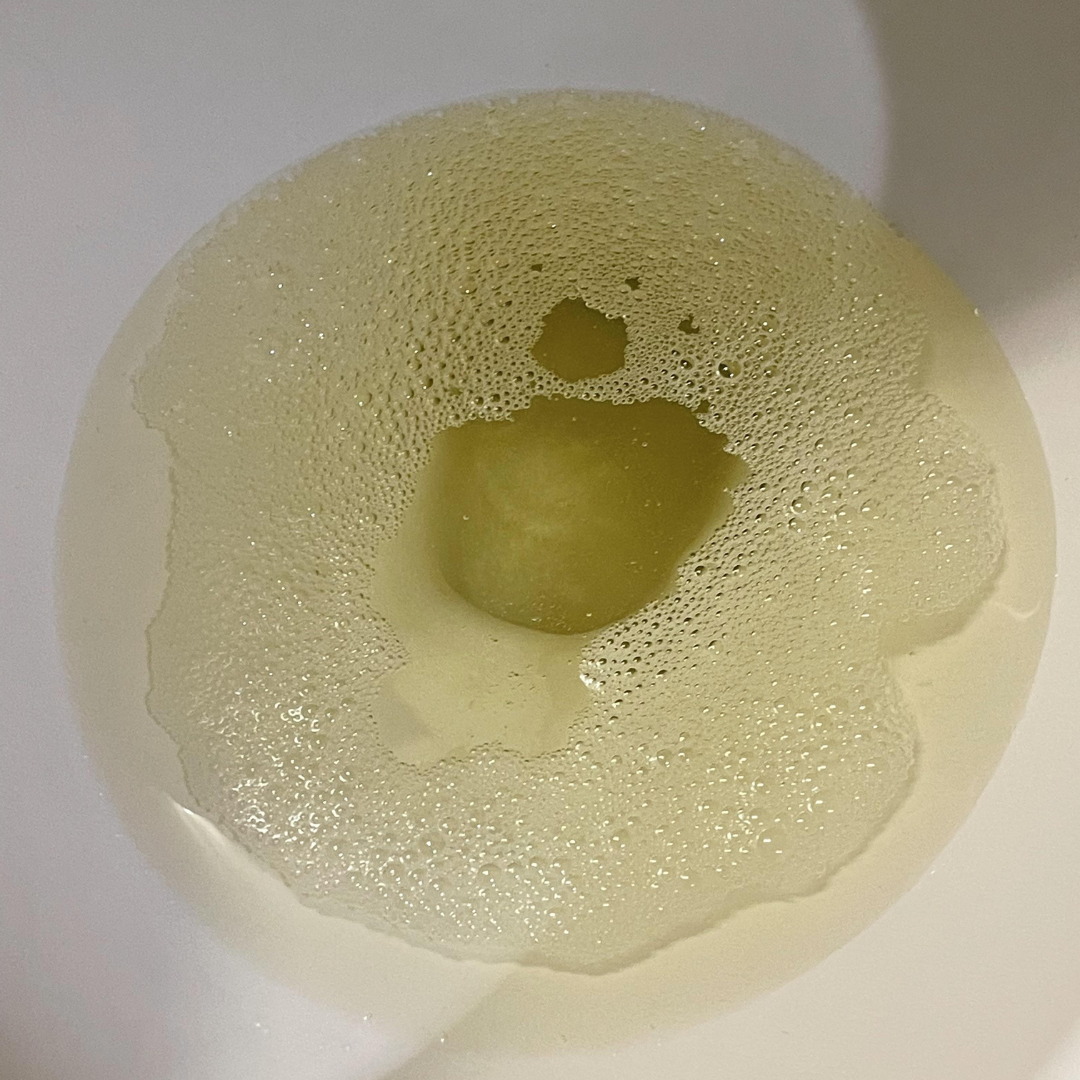
People With Gout Are 3.4x More Likely To Die From Kidney Failure Before 70😢
Not 2x. 3.4x. My father was part of that statistic. 11 years on allopurinol, dead at 67. My doctor wanted me on the same pill. I refused—and a Reddit thread at 2am changed everything.
LEARN MORELike this ad? Make it yours.
Crush rebuilds this exact creative around your product — your brand, your colors, your offer — in about a minute.