
Inactive· since Apr 23, 2026
- 3
- days it ran
- 0
- relaunches
Ad copy
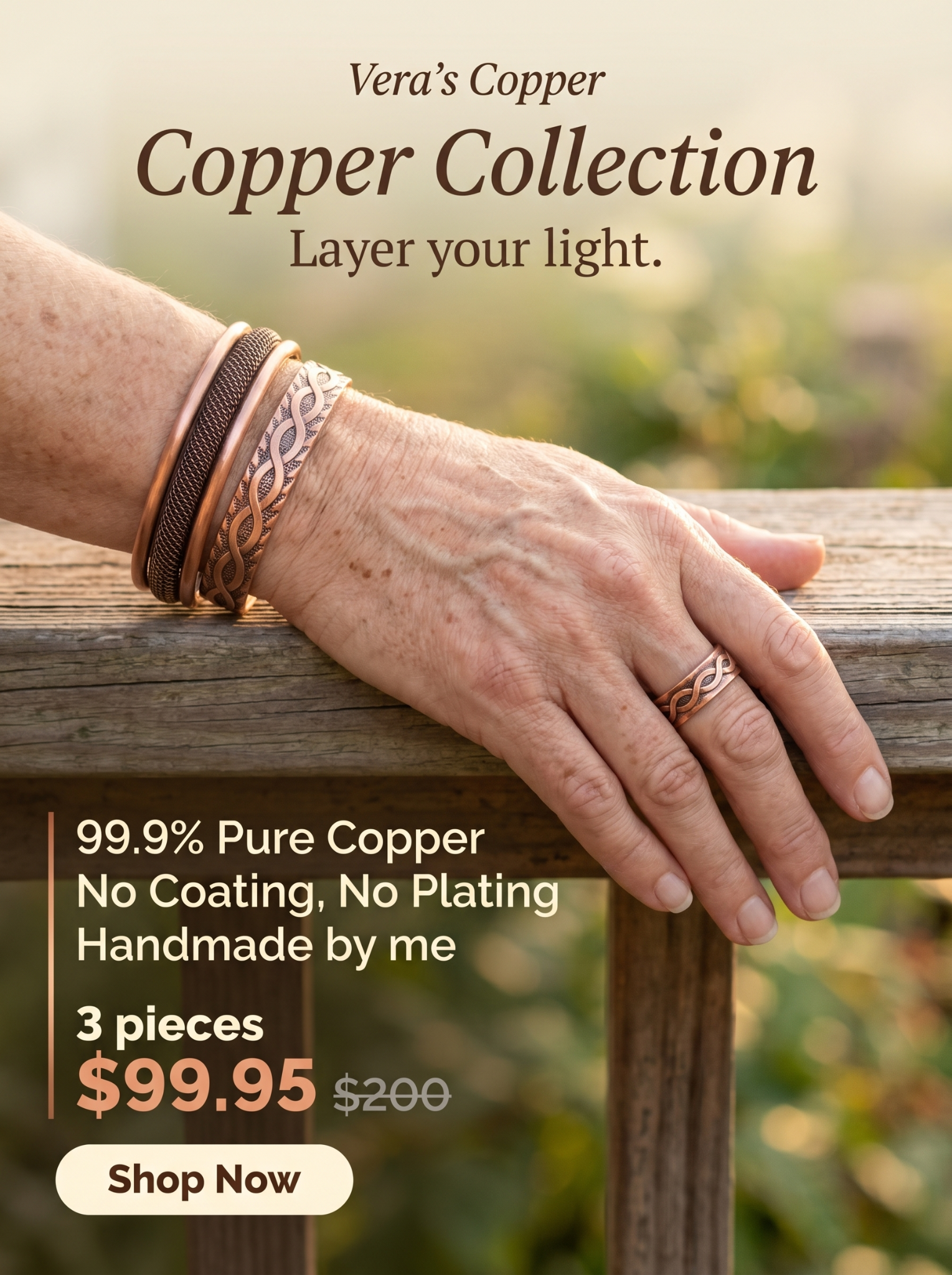
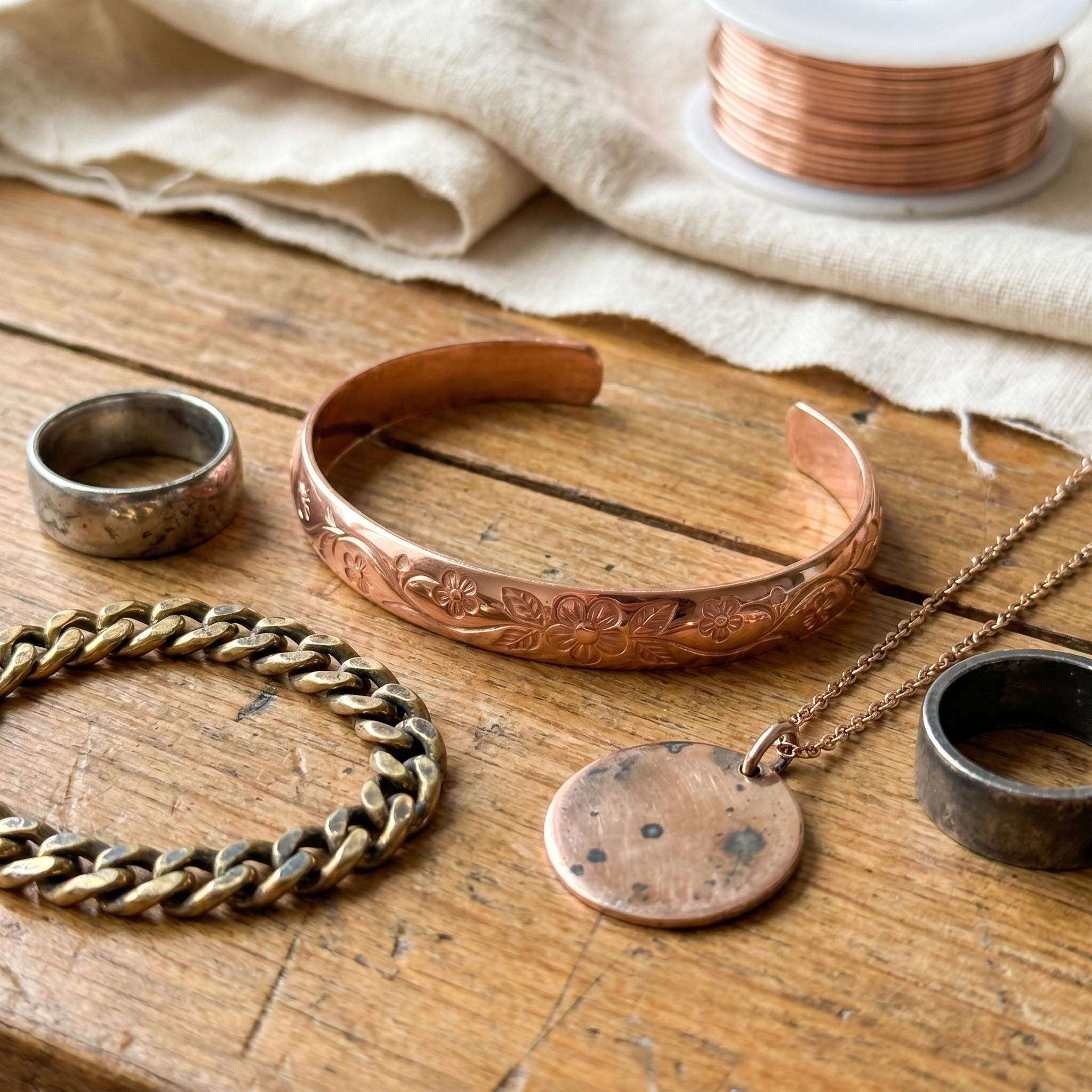
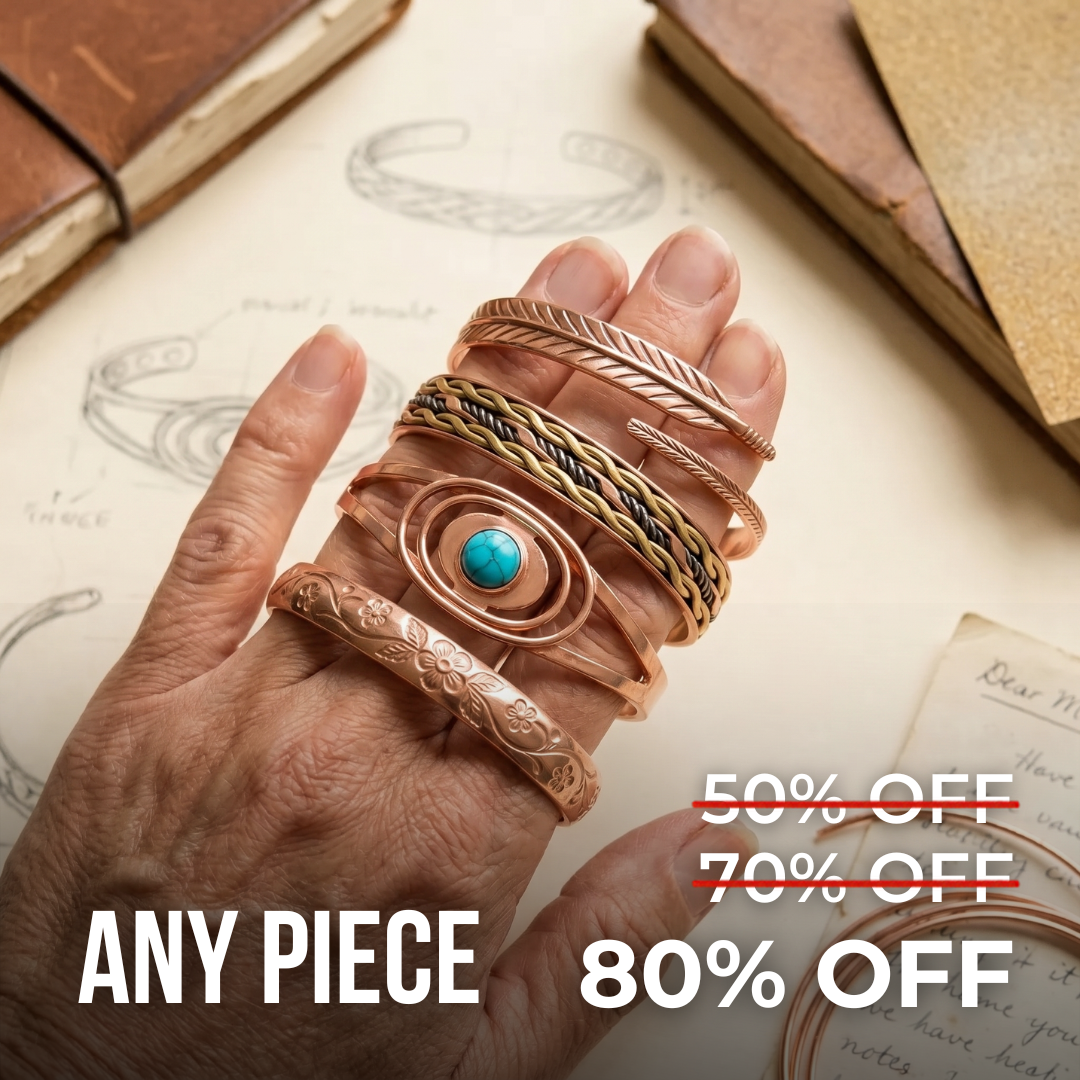
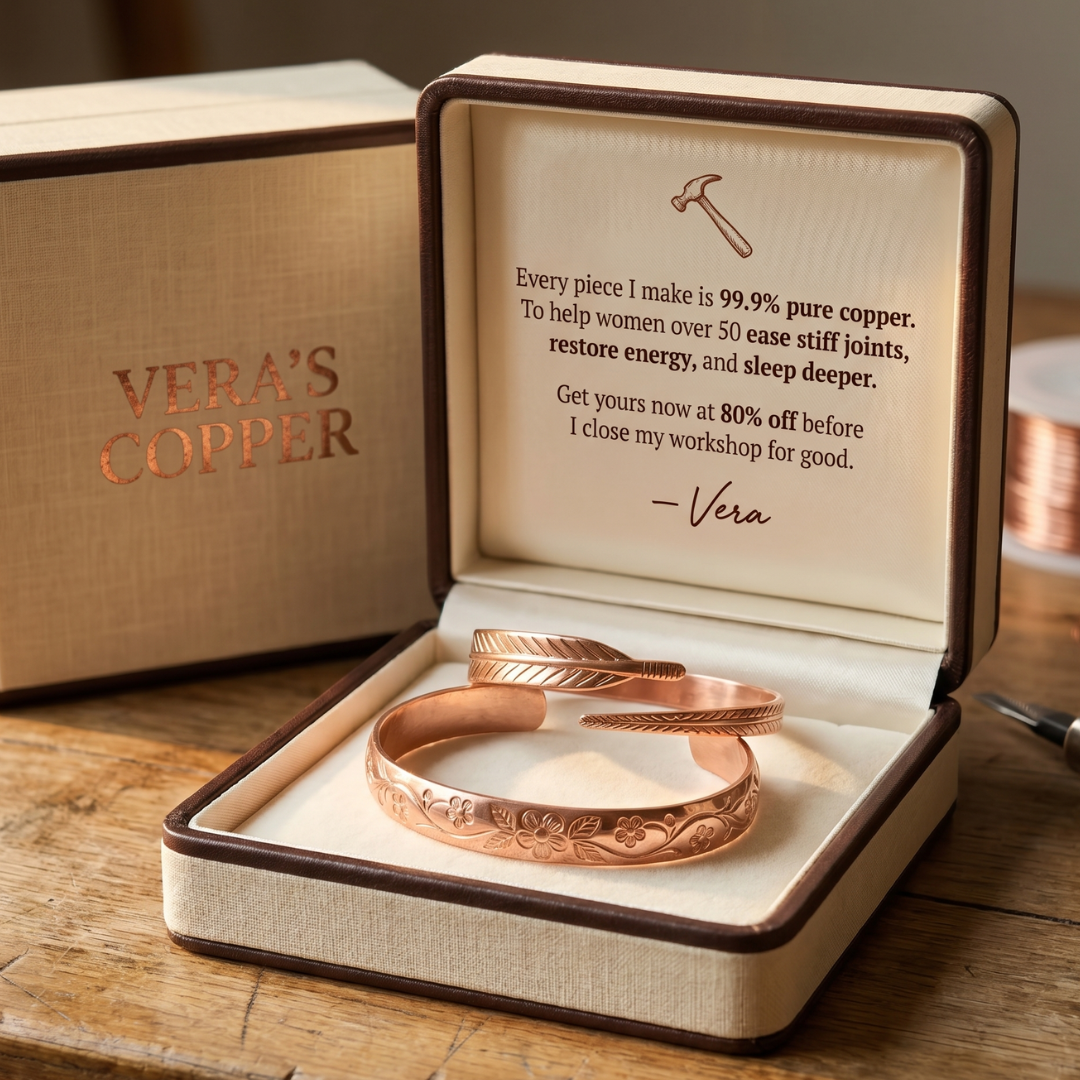
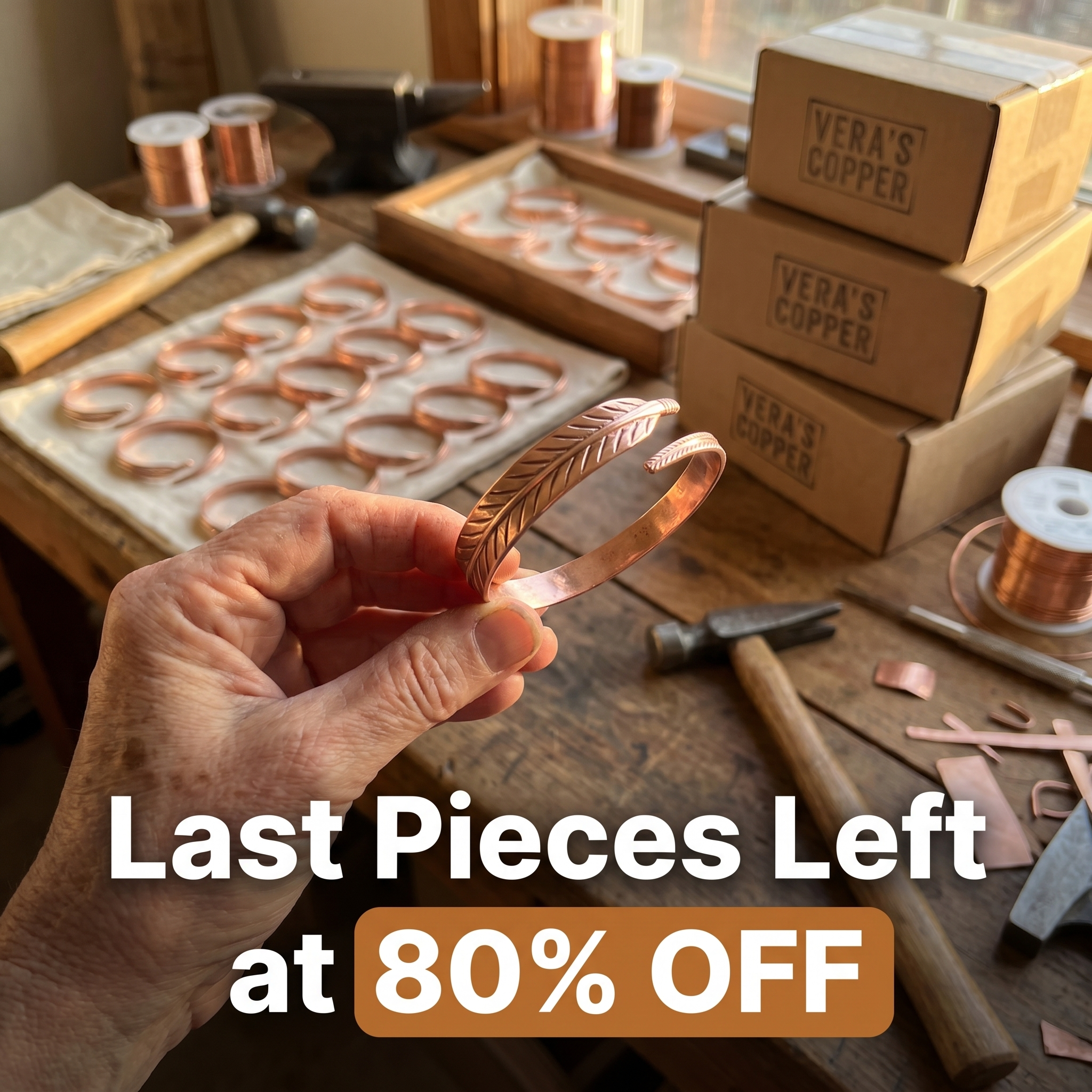
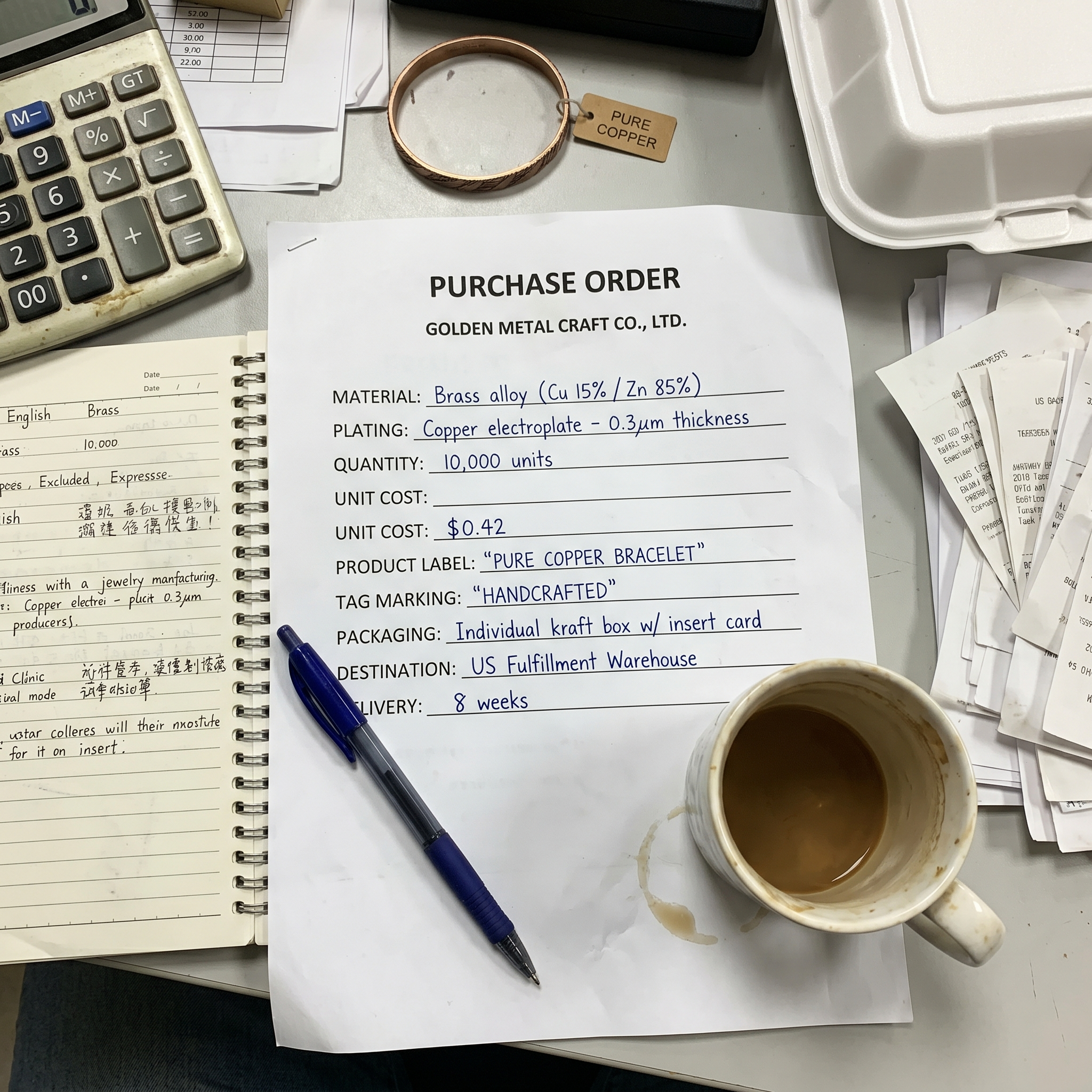
I handcraft copper jewelry. My whole family wears them. But I'd never buy most of the pieces I make. That sounds crazy, I know. But let me explain. I've been doing this for 40 years. Forty years. I've made copper jewelry for brands you've probably seen — the ones with the glossy ads, the nice websites, the hundreds of reviews on Amazon. I'm the woman they called when they wanted something that looked handmade. I was the one at the bench, hammering pieces that would end up under someone else's brand name. And I need to get something off my chest because I can't keep quiet about this any longer. So here's what happens. And I'm not exaggerating. This is every single call. A brand reaches out. They want to launch a "copper wellness" line. Fine. I ask what they want. And then it starts. "Can we use less copper?" And I explain — I always explain — that copper is the whole point. It's what your skin touches. It's what makes any of this matter. Less copper means you're not really wearing copper anymore. That's not my opinion. That's just what the metal is. And they go, "Right, right, but what's the cheapest way we can still call it copper?" The cheapest. That's always the question. Not "what's best." Not "what's actually going to help people." Just — what can we get away with. So I tell them. And that's what they order. Then we talk about the metal itself. And I explain — again, I explain this every time — there are two ways to do it. You can use solid copper all the way through. 99.9% pure. Costs more. Never wears out. Your skin touches real copper every moment you wear it. Or you can use brass — cheap yellow metal, mostly zinc — and dip it in a thin copper coating so it looks the part. Costs almost nothing. But the coating wears off. A few months of wear, some sweat, some hand washing, and it's gone. You're wearing a brass bracelet at that point. Your skin never touches copper at all. "Let's do the brass." I'm not making this up. Every time. Every single call. And then we talk about the finishing. I tell them, look, a hand-hammered bracelet has to actually be hammered by a hand. Otherwise it's just stamped by a machine and textured with a tool that mimics the marks. "Can we just do the fake hammering? Nobody can tell the difference in a photo." Nobody can tell the difference in a photo. That's what they said to me. And I had one brand — and I'll never forget this — look at me and say, "Just make it look like yours." Those exact words. Make it look like mine. Not be like mine. Not work like mine. Just look like it. I remember standing at my bench that day thinking... is this what I've spent my life doing? Helping people make pretty fakes? And the answer was yes. For years, that's what I'd been doing. And you want to know the part that really bothers me? Somebody buys that bracelet. Somebody with stiff hands, or sore joints, or a grandmother who swore copper helped her. They see the ad. They read the reviews. They spend their money. They put it on their wrist. They wear it for a week, two weeks, a month. And nothing happens. Because the copper was barely there. Because the plating wore off by the second month. Because what's against their skin is cheap yellow brass with a costume on. So they think copper doesn't work. They think the whole idea is nonsense. They tell their friends, they tell their daughters, "Don't waste your money on that." But copper does work. When it's real. That BRACELET was the problem. And I made it. I made plenty of them over the years. Because that's what the brand ordered and that's what paid the bills. I've carried that for a long time. Knowing people out there think copper is a scam because of something I hammered at my own bench. Something I knew wouldn't do anything for them before it even left my workshop. That wears on you. It really does. So let me tell you what actually matters. What I look for in a copper piece. And I've been doing this for forty years, so I'd like to think I know. Purity: Real copper. 99.9% pure. Solid through and through. That's the whole thing. Without real copper, with nothing but a coating over brass, you don't have a copper bracelet. You have a piece of brass with marketing on top. Most of what's sold online is brass. Yellow alloy. They'll say "copper plated" or "copper finish" — which technically isn't lying. There's copper in there. Just not enough to matter, and not for long. Solid versus plated: Plated is cheap because it IS cheap. A thin spray of copper over yellow metal. And it wears away. I've watched customers come to my workshop wearing "copper" bracelets they bought online, and I can see the brass showing through before they even take it off. Three, four months of wear and the coating is half gone. Solid copper is the whole piece. All the way through. You can scratch it, bend it, let it tarnish, polish it back — it's still copper. The pieces I've made for my own family are twenty, thirty years old and still the same copper they were the day I hammered them out. Handmade versus stamped: This one matters more than most people think. Not because handmade looks prettier — although it does. Because nobody hand-hammers brass. The labor costs too much. If someone is sitting at a bench shaping each piece one at a time, the material is almost always real copper. Stamping a million bracelets an hour from cheap alloy is how you make money in this industry. Hand-hammering solid copper is how you make something that lasts. The feel on the wrist: Those factory pieces feel cheap because they are. Sharp edges. Thin walls. Too light. If a bracelet is uncomfortable, you take it off. And if you take it off, it doesn't matter what it's made of. A piece made by hand, shaped properly, with the right weight — you put it on and forget about it. That's when it starts doing anything. So why did I keep taking those orders? If I knew what I was making, why didn't I just stop? I asked myself that for a long time. I told myself it wasn't my problem. I just made what they asked for. What they sold was their business. And then, a few years back, something changed. I'd been wearing my own copper for decades — ever since my neighbor Margaret pressed a thin bracelet into my hand in 1984 and told me to wear it for a month. I wore it. Then I asked her to teach me how to make them. Margaret lived into her nineties. She wore copper every day of her life and moved around like a woman twenty years younger. I always remembered that. But it wasn't until my mother started having trouble with her hands — she's 88 now, spent her whole life working in a garden — that I really sat down and thought about what I'd been making for other people all these years. I made her a piece. Solid copper. Hand-hammered. The kind I wear myself. The kind Margaret had given me. Didn't tell her anything special about it. Just said, "Try this, Mom." First couple weeks she said it was pretty but she wasn't sure about anything else. Then about three weeks in, she called me. She'd been pulling weeds that morning and stopped to look at her hands. She said, "Vera, I don't want to jinx it. But something feels different." I didn't say anything. I just waited. Another month went by. She was gardening again. Really gardening. The way she used to. She said to me on the phone one afternoon, "Whatever this bracelet is, don't you dare ask for it back." And I stood in my workshop and thought... this is what I've been helping other people pretend to sell. This thing that actually does something. And the reason people don't believe it works is because what they bought wasn't really copper. I couldn't keep taking those orders. I just couldn't. So I started saying no. Brand wants plated brass? No. Fake hammering? No. My name on something I didn't make with my own hands? Absolutely not. I lost a lot of income. This industry runs on cheap. Nobody wants to pay for real copper when brass looks close enough in a photograph. But I stopped caring. I just kept making my own. The real thing. The way Margaret taught me. I made one for my sister. She's 64, worked as a hairdresser for forty years, her wrists had been bothering her for as long as I can remember. Three weeks in she called me, "Vera, what did you put in this thing." I told her the same thing I'm telling you. Copper. Real copper. Nothing else. I made one for my son. He's a carpenter, hands like leather, the kind of man who rolls his eyes at anything that sounds like wellness talk. I didn't ask him if he wanted it. I just gave it to him at Christmas. He wore it to humor me. A month later he came over for dinner and told me, quietly, that his grip had been better than it had been in years. Then he asked me to make one for his wife. I made one for my neighbor down the road. She's 76, a retired schoolteacher, lives alone, and she'd been having the worst time with her knees and her fingers. I brought one over with a pie. Two months later she walked the half mile to my house to tell me about it in person because she wanted to see my face when she said thank you. I've made them for my granddaughters, both of them. The older one is six and she wears hers to school because she says it makes her feel like me. I don't know what to do with that except keep making them. Every one of them still wears hers. Every single one. And look. I know how this might sound. A woman spends forty years making copper for other people, then all of a sudden she's telling you to buy from her instead. It sounds like a sales pitch. But here's what I'd say to that. I'm not trying to convince you of anything. I'm telling you what I've seen from forty years at the same bench. I'm telling you what my mother said when she could garden again. I'm telling you what my son said when his grip came back. I'm telling you what Margaret gave me in 1984 that I've been trying to give other people ever since. Every piece in my shop is made by me. By hand. 99.9% pure copper. Hammered, shaped, and finished one at a time at the same bench where I've worked for four decades. I've had two large wellness brands offer to buy my designs and mass-produce them for a lot of money. I said no to both. I'm not putting my name on something I didn't touch. That's the only way I know how to make them. It's the only way I ever wanted to. The shop's linked below. Just make sure you're on my actual site and not one of the knockoffs that have started popping up. I know exactly what's inside those. Don't waste your money. Come have a look. — Vera
Like this ad? Make it yours.
Crush rebuilds this exact creative around your product — your brand, your colors, your offer — in about a minute.