
Inactive· since Mar 24, 2026
- 8
- days it ran
- 0
- relaunches
Ad copy
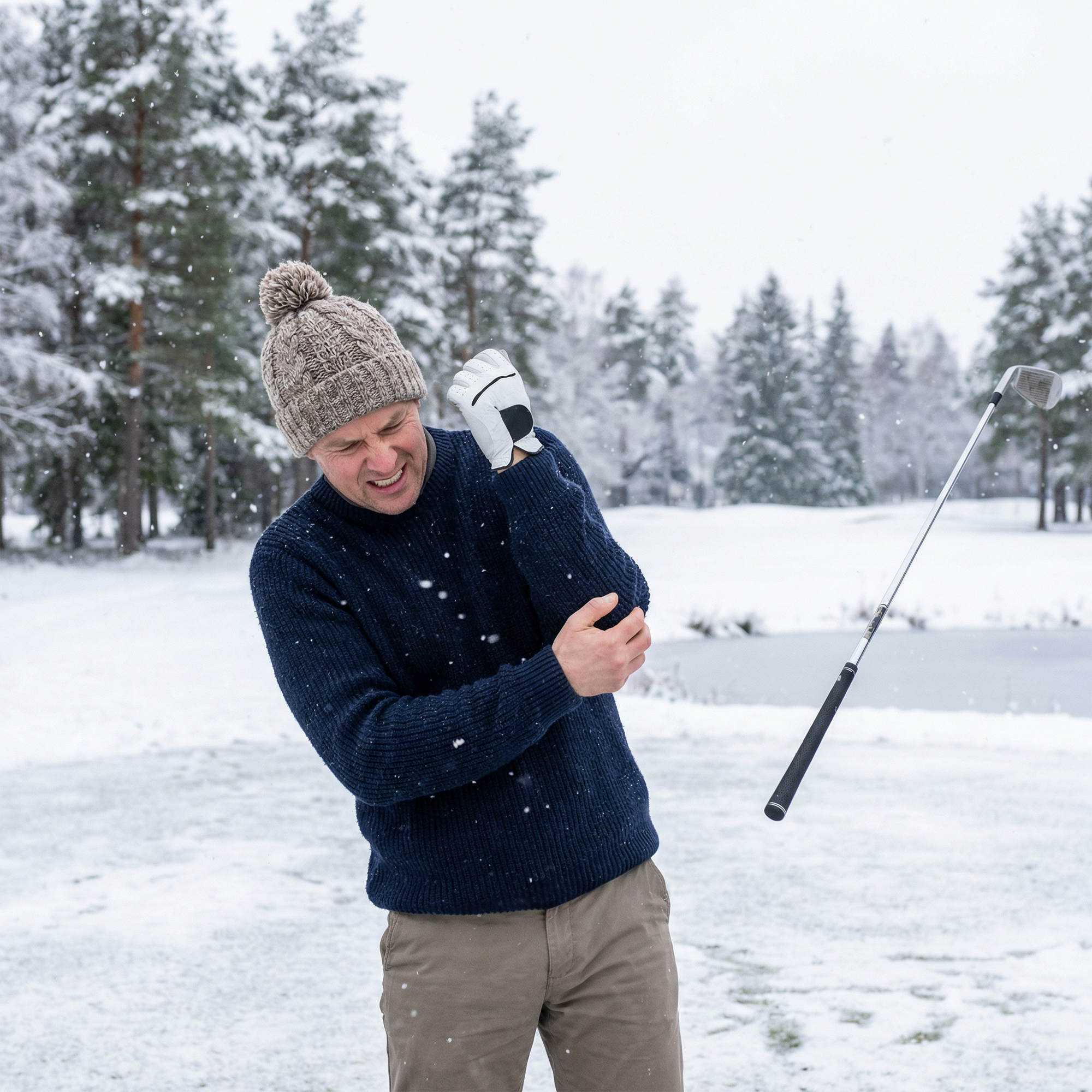
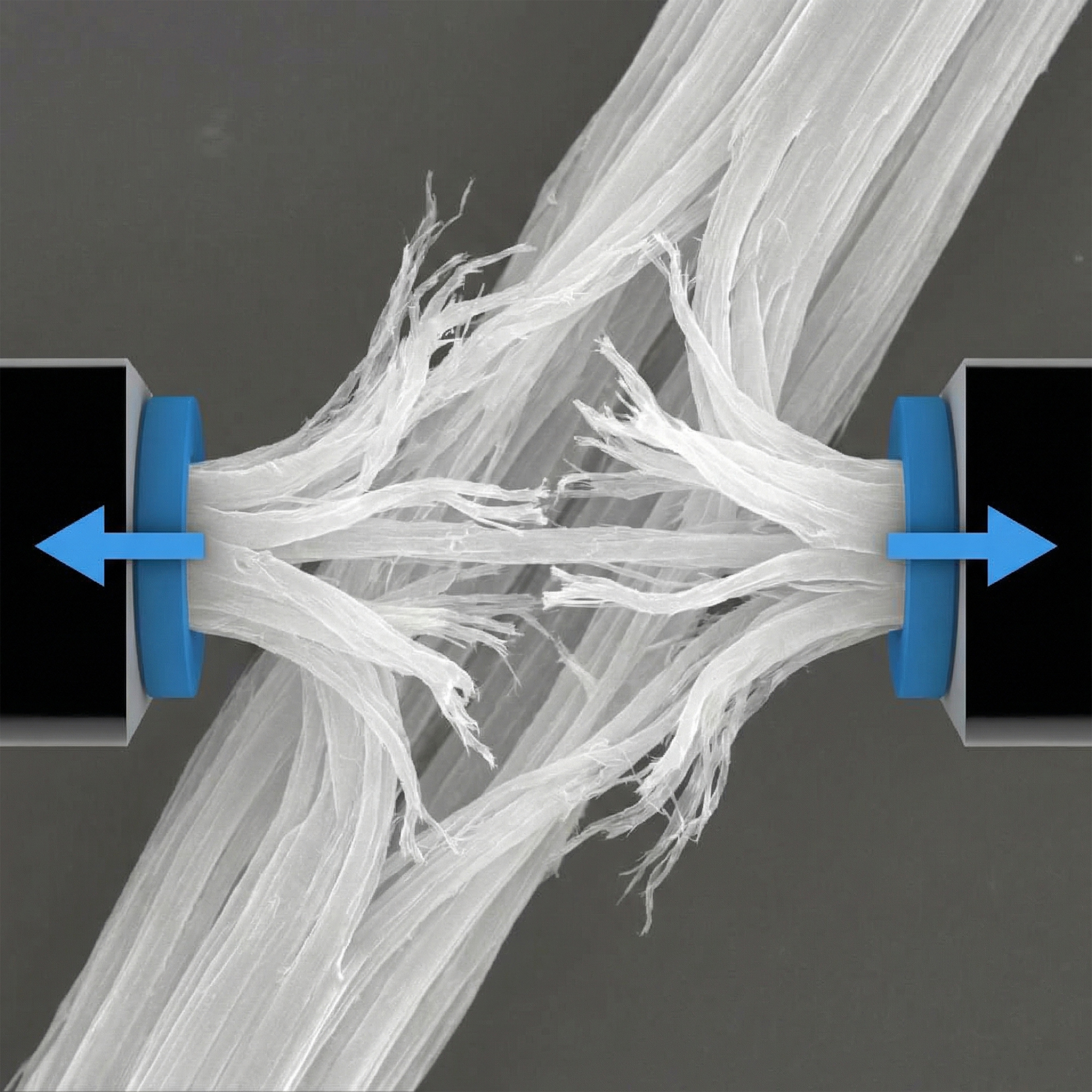
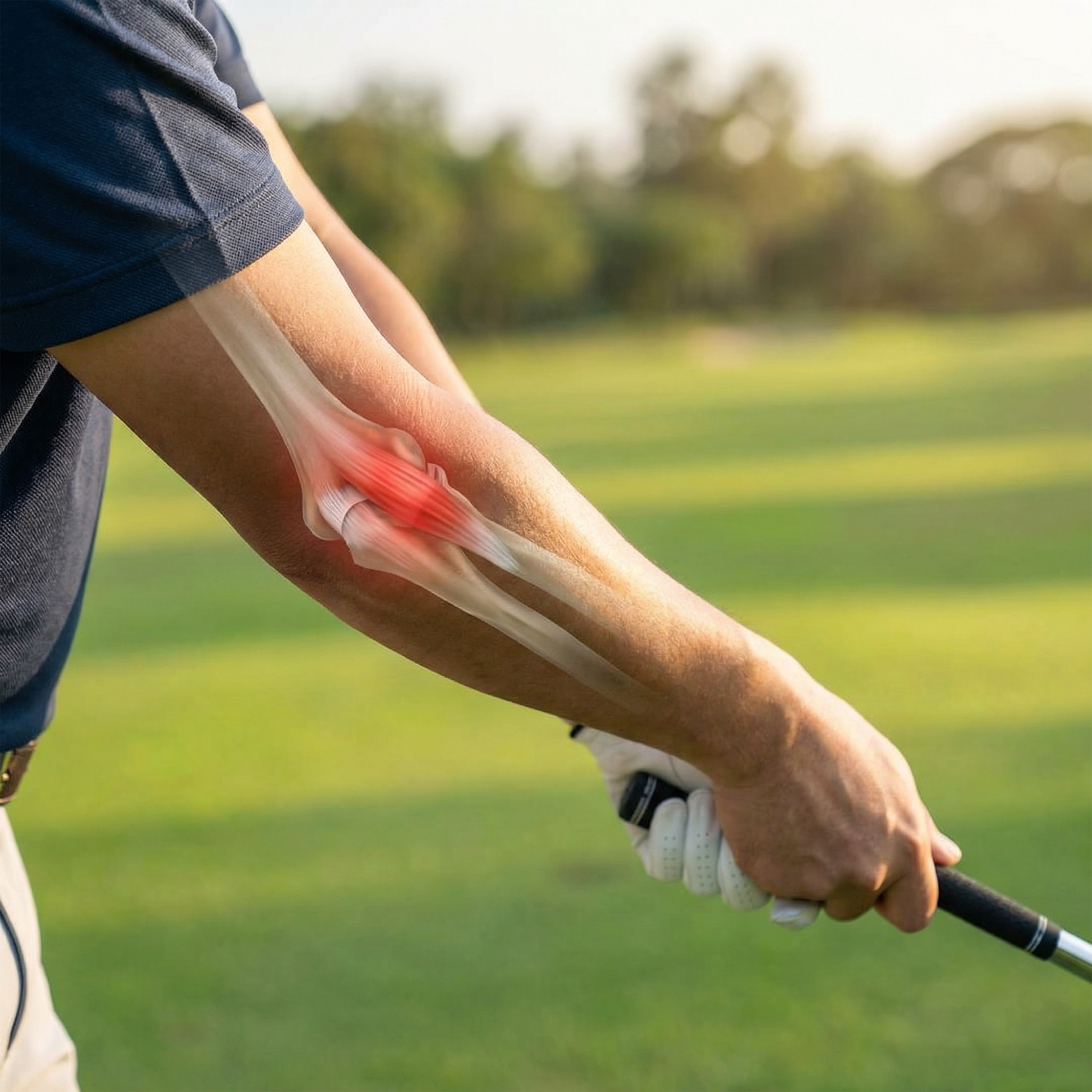
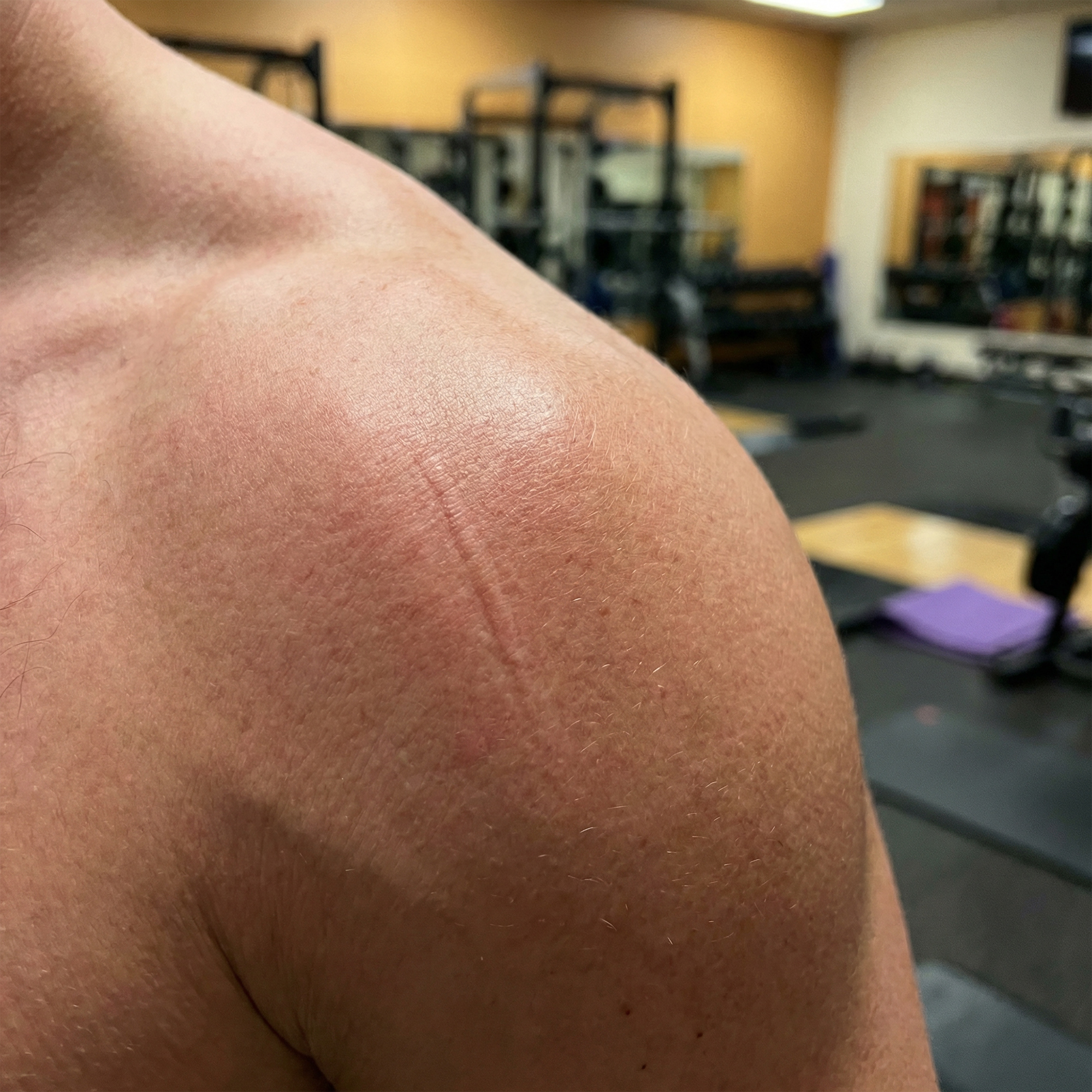
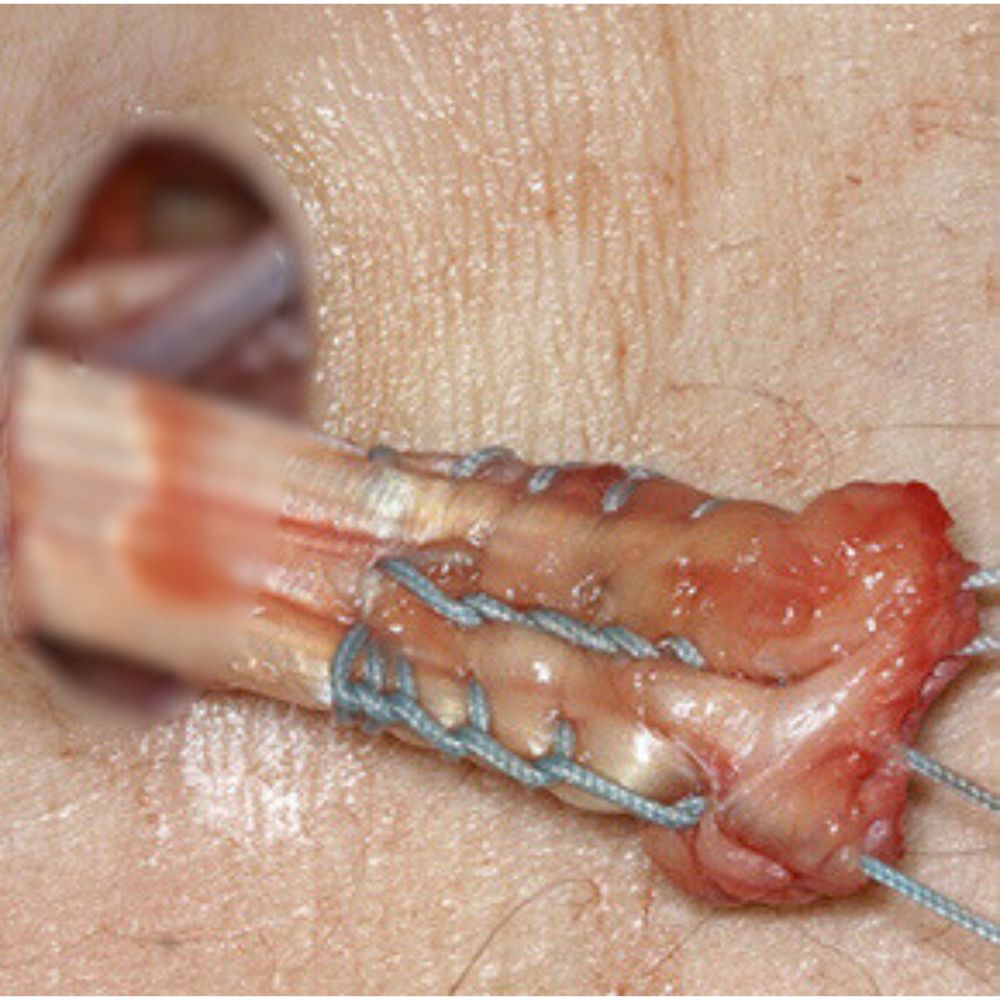
3 things people with tennis/golfer's elbow NEED to know about BPC-157 I need to tell you about the conversation that changed everything. It was month four of physical therapy. Wrist extensions every morning. Eccentric exercises with resistance bands. Ice after every session. $200 per appointment, twice a week. And I was sitting across from my buddy Jake at the gym, watching him load 45s onto the barbell for bench press without his face twisting in pain. Eight months ago, Jake couldn't grip a doorknob without his elbow screaming. Now? He was back to pressing 275. Pain-free. "The PT finally worked?" I asked. "Nah," he said. "I stopped PT after two months. Wasn't doing anything." I stared at him. "Then what fixed it?" "BPC-157," he said. I'd never heard of it. "What's that?" That's when Jake explained something my physical therapist had never mentioned. Something my orthopedic doctor had never brought up. Something that seems so obvious now that I can't believe nobody in the medical system told me about it. "My PT didn't tell me either," Jake said. "I had to find all this out myself after wasting $3,200 on sessions that did nothing." Here's what Jake taught me that day: Thing #1: Your Tendon Isn't Inflamed. It's Degenerating. "Everyone treats elbow pain like it's inflammation," Jake said. "That's why they give you ice, NSAIDs, cortisone shots, rest." "Yeah," I said. "That's what my PT has me doing." "Right. But here's what they're missing." He pulled out his phone and showed me a study. Chronic tennis elbow and golfer's elbow aren't inflammatory conditions. They're degenerative tendon conditions. Your tendon tissue is literally breaking down faster than your body can repair it. The cells are dying. The collagen structure is fraying. The blood supply to the damaged area is basically zero. "It's called tendinosis, not tendinitis," Jake explained. "When they actually biopsy chronic tennis elbow, there's no inflammation. Just dead, degenerating tissue." "So all the anti-inflammatory stuff - the ice, the ibuprofen, the cortisone - they're treating a problem that doesn't exist," he said. "Meanwhile, the actual problem - tissue degeneration - just keeps getting worse." I'd spent four months doing exercises to reduce inflammation in tissue that wasn't even inflamed. No wonder I was stuck at 40% better. Thing #2: After Age 30, Your Body Stops Healing Tendons Efficiently "Okay," I said. "So it's degeneration, not inflammation. But shouldn't my body just... heal it?" Jake shook his head. "That's the second thing nobody tells you." After age 30, your body's natural ability to repair tendon damage declines dramatically. Collagen synthesis slows down. Angiogenesis - the formation of new blood vessels - decreases. The fibroblasts responsible for rebuilding tissue just stop functioning efficiently. "By age 40, you have about 50% reduction in cellular repair capacity," Jake said. "The mechanisms that kept your tendons healthy in your twenties just slowly fail." "That's why rest doesn't work. You're waiting for a repair process that's basically shut down." I thought about my own pattern. Injury Monday. Can't straighten my arm by Wednesday. Can't grip coffee by Friday. Rest two weeks. Slight improvement. Back to the gym. Pain worse than ever. Over a year of that cycle. "So what's BPC-157?" I asked. "It's a peptide," Jake said. "Basically a chain of amino acids that triggers the cellular repair mechanisms your body stopped using after age 30." He showed me the research on his phone. BPC-157 triggers angiogenesis - it literally grows new blood vessels to damaged tendons. It ramps up Type 1 collagen production. It activates fibroblasts. "It makes your tendon heal like it did when you were 25," Jake said. Thing #3: Most BPC-157 Products Are Completely Worthless "Alright," I said. "I'm ordering this tonight. What brand do you use?" "Hold on," Jake said. "This is the third thing you need to know. And it's the most important." He told me about a guy at his old gym who bought BPC-157 off Amazon and took it for six months. Zero improvement. Convinced BPC-157 was complete BS. "The problem wasn't BPC-157," Jake explained. "The problem was formulation." He pulled out his phone again and showed me a biochemistry paper. BPC-157 is a peptide. A chain of 15 amino acids. That specific sequence is what makes it work. But here's what nobody selling BPC-157 on Amazon tells you: Standard BPC-157 formulations use something called acetate salt. And acetate salt gets completely destroyed by stomach acid. "The peptide breaks down before it even reaches your small intestine," Jake said. "By the time it could potentially absorb into your bloodstream, it's degraded into inactive fragments." "Oral bioavailability of acetate formulations is less than 10%," Jake said. "You're literally flushing money down the toilet while your tendon continues degenerating." "Purity doesn't matter if the formulation prevents absorption," Jake explained. "Supplement companies know this. They know acetate doesn't survive stomach acid. But they sell it anyway because it's cheaper to manufacture." He showed me his bottle. Healthletic BPC-157. Arginine salt formulation. "Arginine salt protects the peptide from stomach acid degradation," Jake said. "The molecular structure stays stable through your digestive system. It gets absorbed intact into your bloodstream." "What's the bioavailability?" "99.9%," Jake said. "How did you figure this out?" "I didn't," Jake said. "I wasted $240 on four different Amazon brands over five months. Zero results with any of them. I was ready to conclude oral BPC-157 was complete BS. Then I found a Reddit thread where someone explained the acetate versus arginine salt thing. Switched to Healthletic. Week two, I noticed real improvement. Week eight, I was pain-free." I ordered Healthletic that night. Arginine salt formulation. Manufactured in FDA-registered, cGMP-certified facilities. Third-party tested by ARL Bio Pharma with a certificate of analysis. Week one, the constant background ache in my elbow decreased. Not gone. But noticeably better for the first time in over a year. Week two, my grip strength started coming back. I could shake hands without wincing. Week four, I did light rows for the first time in months. My elbow held. Week six, the pain was down 70%. I could carry groceries. Open jars. Pick up my kid without that stabbing sensation. Week eight, I benched 225 for the first time since the injury. Zero pain. Week twelve, I deadlifted 405 pounds. Full grip strength. No elbow pain at all. Month four, I was back to benching 275. Pull-ups. Rows. Overhead press. Training completely pain-free. If you're doing physical therapy for tennis or golfer's elbow and you've been stuck at "sort of better" for months... it's not because you're not working hard enough. It's because physical therapy can't fix tissue degeneration. It can't trigger the cellular repair mechanisms that stopped working after age 30. And it definitely can't grow new blood vessels to avascular tendon tissue. That requires actual tissue regeneration. Which requires bioavailable peptides that reach damaged areas. The product Jake showed me - the one that fixed both our elbows - is Healthletic BPC-157. Arginine salt formulation with verified 99.9% oral bioavailability. Protected from stomach acid degradation so the peptide actually reaches your bloodstream intact. Your tendon is degenerating, not inflamed. Your body's natural repair mechanisms declined after age 30. And you need bioavailable BPC-157 to actually heal. Not symptom management. Actual tissue regeneration. https://healthletic.io/products/body-protection-compound-bpc-157
Why Tennis Elbow Keeps Coming Back
Healthletic BPC-157 is 99.9% orally bioavailable, 3rd party tested, and science-backed. Support gut health, joints, ligaments, and faster muscle recovery.
LEARN MORELike this ad? Make it yours.
Crush rebuilds this exact creative around your product — your brand, your colors, your offer — in about a minute.