
Inactive· since Feb 23, 2026
- 4
- days it ran
- 1
- relaunches
Ad copy
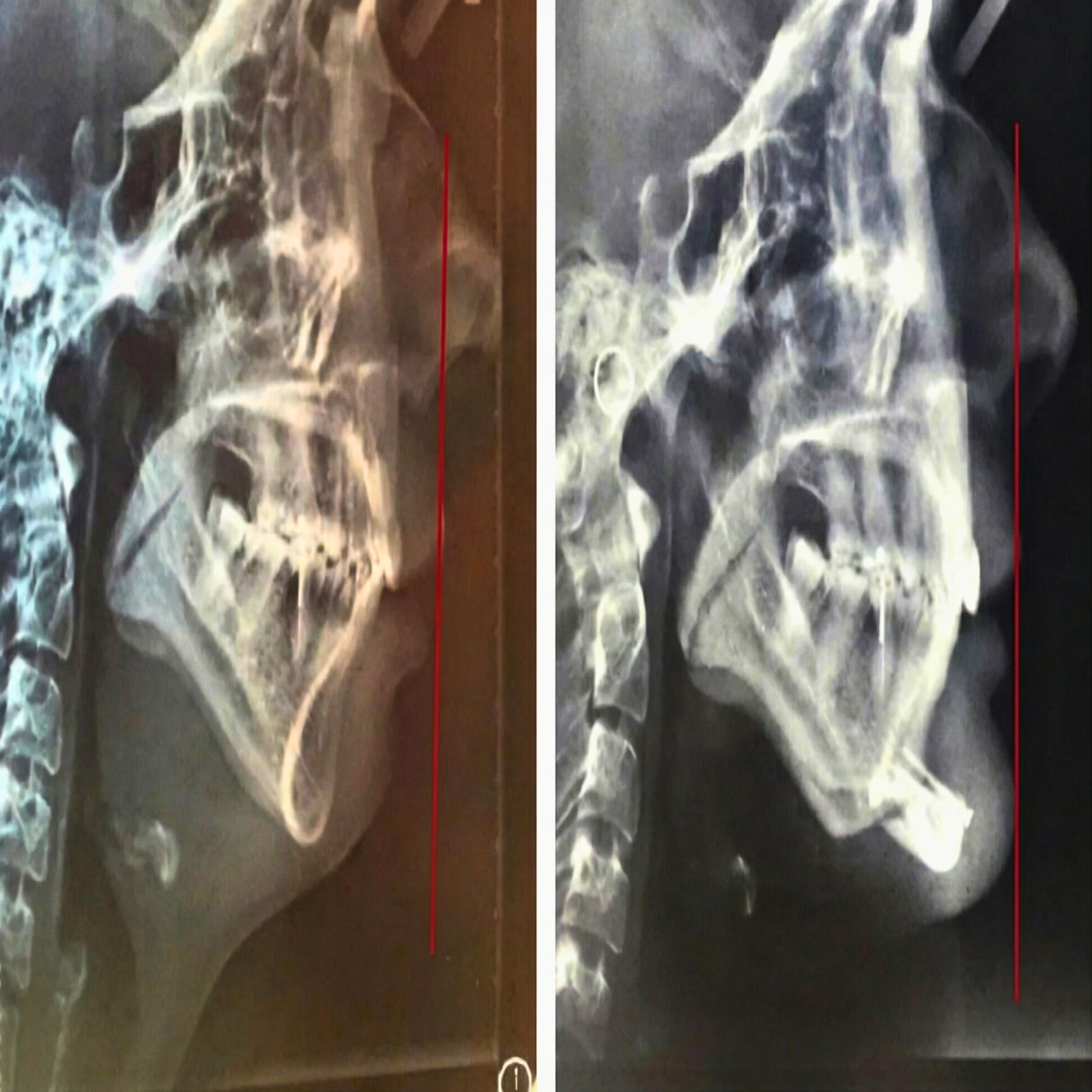
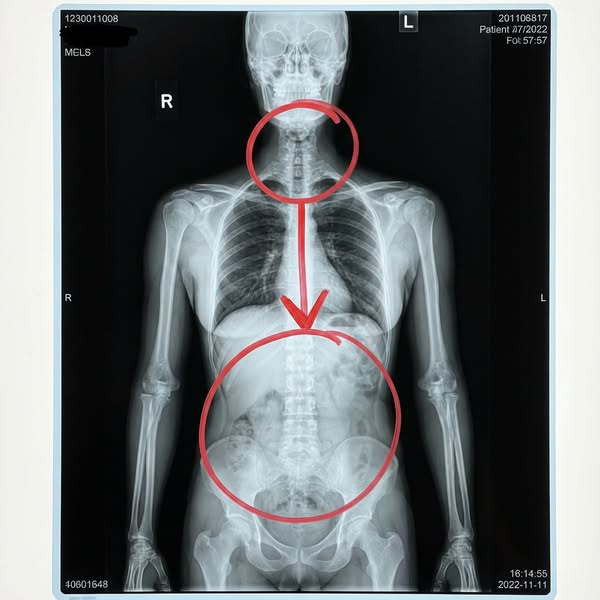
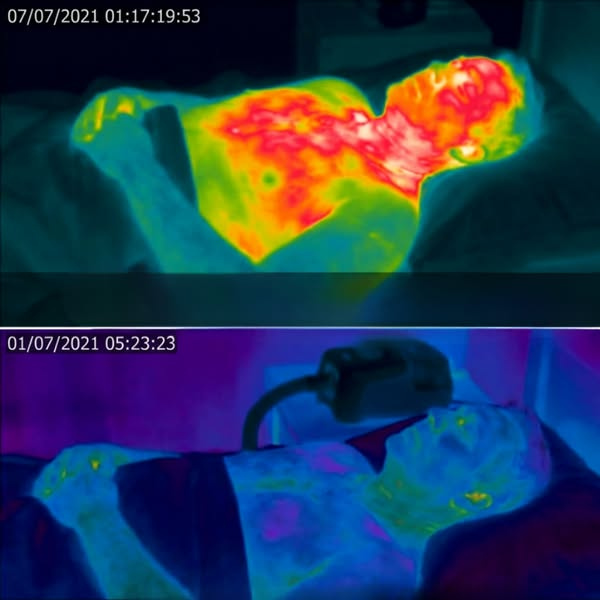
Surgery is permanent. CPAP is every night forever. Why is everyone choosing these before trying the reversible option that opens your throat? I know why because I was 48 hours away from making the same choice. Eight months ago, I was sitting in an ENT specialist's office, looking at images of my throat on a screen I didn't understand. My wife had driven me there after watching me stop breathing for the fourth time in two hours that night. She'd been counting. She was terrified. Every night she went to sleep wondering if I'd wake up. I was more terrified. The doctor spent maybe 12 minutes with me. Looked at my sleep study results, pointed to the screen, and said: "Your airway collapses during sleep. Moderate apnea, low oxygen saturation. CPAP will force it open." He was already typing the prescription before I could process what he'd said. My stomach dropped. Forever? Every single night for the rest of my life? I asked about other options—surgery to fix whatever was wrong, anything that would let me just breathe normally. He shook his head. "Surgery is too invasive for your numbers. The nasal products you tried don't address throat collapse. CPAP is the gold standard. Most patients adjust within a few months." A few months of what? He didn't say. I left there with a prescription, my chest tight with anxiety, and a mask fitting appointment scheduled for the following week — and a $2,600 bill my insurance would partially cover. That night, I did what I should have done weeks ago—went deep into forums and medical sites to understand why I couldn't breathe. Reddit threads. YouTube videos. ENT forums. Sleep apnea communities. And what I found made my anxiety spike into full panic... "I've been on CPAP for 9 months and still wake up gasping if the mask shifts even slightly." "The pressure makes me feel like I'm drowning. I rip the mask off in my sleep without even realizing it." "My oxygen levels improved but I only sleep 4 hours a night now. The machine wakes me up constantly." "I quit after 8 nights. Now I have a $2,600 machine in my closet and I still can't breathe." Thousands of people. The same nightmare over and over—fighting the mask, air pressure that triggered claustrophobia, waking up gasping because the seal broke, dry mouth so bad their tongue cracked. The success stories? They all started the same way: "It took 8-12 months to tolerate it, and I still wake up sometimes feeling like I'm suffocating..." Eight to twelve months of nightly panic before it MAYBE felt manageable. Then I found a study buried in the forums: 83% of people abandon CPAP in the first year. Not because they're weak. Not because they gave up too soon. Because sleeping with pressurized air being forced into your throat while wearing a mask strapped to your face... isn't how humans were designed to breathe. Your nervous system will always interpret it as suffocation. And some bodies just can't override that survival instinct. I sat there at 2 AM, unable to sleep because I was afraid I'd stop breathing again, staring at this prescription, and thought: There has to be another way to open my airway... I went down the research rabbit hole and looked at everything I could find for breathing problems during sleep. The same things kept appearing... Nasal strips that I'd already tried for months—they helped my nose but not my throat... Propping myself up on four pillows that destroyed my neck and back. Breathe Right strips, Mute nasal dilators, even those nasal cones that made my nostrils hurt by morning. Mouth tape that made me wake up in a panic because I couldn't breathe through my congested nose. Allergy medications, sinus rinses, humidifiers running all night. Over $400 in products that addressed my nose but never fixed why my throat was closing. Every morning I woke up more desperate and more defeated. Because the problem wasn't in my nose... It was my throat collapsing backwards when my jaw relaxed during sleep. No nasal product could fix that. I spent four hours that night researching everything about airway obstruction during sleep. Until around 3 AM, buried in a Reddit thread on r/sleepapnea, I found a 2018 clinical study on "oral appliances and continuous positive airway pressure as treatment options for obstructive sleep apnea" Here's what I learned that night that my ENT never explained: CPAP works. But the dirty secret of the sleep medicine industry is that about 83% of people abandon it in the first year because their body never stops fighting it. Not because they're weak. Not because they gave up too soon. Because sleeping with pressurized air being forced into your throat while wearing a mask strapped to your face... isn't how humans were designed to breathe. Your nervous system will always interpret it as suffocation. And some bodies just can't override that survival instinct. And here's the part that made me angry: There's another option that opens your airway mechanically, no forced air needed, but ENT clinics barely mention it. Why? Because insurance doesn't reimburse them for the consultation. Mandibular advancement devices. It's a mouth device that holds your lower jaw forward while you sleep. That's it. When your jaw moves forward, it pulls your tongue and throat tissues forward with it. Your airway opens. Oxygen flows. Imagine pulling your jaw forward right now. Feel how your throat opens? That's all this does while you sleep. The same result as CPAP... but it's mechanical positioning, not pneumatic pressure. No mask. No hose. No machine fighting your body's instincts. I found out later that sleep dentists have been prescribing custom versions of these for $1,800-3,200 for decades. The success rate for obstructive breathing issues? 75-85% in most clinical trials. And 90% of people who start actually keep using it. Compare that to CPAP's 30-40% long-term compliance. But my ENT never mentioned it. And I was about to close my laptop and accept my CPAP fate when I saw a comment thread on this study. "I wasted seven months trying to tolerate CPAP. My oxygen levels were better but I never slept more than 5 hours. My brother told me he fixed his breathing with a mouth device from a brand called Zenouv. I thought he was crazy—I have a deviated septum, how would a mouthpiece fix that? I tried it anyway because I was desperate. I've been breathing normally for 18 months now. Returned my CPAP after the first week." I was ready to commit to a $2,600 machine, years of supply replacements, monthly insurance claims, and nightly psychological warfare with a mask. And there was a reversible mechanical option I could test for less than what I'd already wasted on nasal strips. If it worked... I'd avoided CPAP torture and possible surgery. If it didn't work... I'd lost sixty bucks and would know I needed the next step. Why wasn't this the FIRST thing we tried? I researched this Zenouv company, and what I found surprised me about their approach... Their device uses a custom thermal molding system that forms directly to your teeth, creating a fit specific to your mouth structure. It's made from medical-grade BPA-free material (I looked this up—it means no chemical leaching), and the design is thin profile—not those bulky athletic mouthguards. But the critical feature is the adjustable graduated advancement system. Instead of a fixed position that might force your jaw too far forward and cause TMJ pain, you can make micro-adjustments until you find the exact position that opens your airway without discomfort. And it has ventilation holes built in for mouth breathers. This was huge for me—I couldn't breathe through my nose most nights because of congestion. Every other mouthpiece design would have suffocated me. I stared at the product page for probably forty minutes... Part of me thought it was too good to be true. I'd been burned by $400 in useless products. But this had actual science behind it. Real studies. A mechanical explanation that made sense. I read through the 60-night guarantee three times. So, if my throat still collapsed, if I still woke up gasping, I could return it and get my money back. I ordered it that night. It arrived three days later. I'll be honest, I was skeptical. The instructions were simple: heat it, bite down to mold it to your teeth, then adjust the advancement setting and sleep. That's it... Seemed too simple to fix something doctors said required machines or surgery. My wife was skeptical too. She'd watched me try nasal strips, sprays, sleeping elevated, mouth tape, allergy medications. Nothing stopped the gasping. Why would this work? My hands were shaking slightly as I molded it that night. This was my last hope before committing to CPAP. I molded it that night. Put it in my mouth. The sensation was strange. Not painful, just... different. Like my jaw was being held in a position it wasn't used to. I kept touching it with my tongue. "If you rip it out at 3 AM like you did with the mouth tape, I won't be surprised," she said from the doorway. She'd started sleeping on the couch so she wouldn't hear me gasping. I fell asleep around midnight. I woke up at 7:20 AM. And something felt wrong. I always woke up gasping, throat closed, heart pounding, sometimes three or four times a night. This time I'd slept straight through. No gasping. No waking up choking. The mouth device was still in. I'd slept more than seven hours without a single breathing episode, without pulling it out, without even being conscious of it in my mouth. I went to the living room. My wife was already up, making coffee. "Did you hear me last night?" I asked. She turned around. She looked at me like she was afraid to hope. "No," she said carefully. "I didn't hear anything. Not once." I pulled up the app on my phone—I'd been using a pulse oximeter app to track my oxygen levels every night since the sleep study. My doctor told me to monitor for drops. Average oxygen saturation over the last 60 nights: 89% (concerning, according to my doctor). Last night's average: 95%. Went from "concerning" to "normal" in one night. I stared at the numbers. "One night doesn't prove anything," she said. But her voice had softened. By the fourth night, my oxygen saturation was averaging 96%. And I noticed she'd brought her pillow back to the bedroom. That's when, for the first time in eight months, she slept next to me again without fear. That moment broke something in me, I won't lie. Eight months of watching my marriage strain under the weight of my breathing. And it was fixed in four nights. No mask. No machine. No forced air. No panic at 3 AM. No watching my wife count how long I stopped breathing. Just a small mouth device I'd molded to my teeth in ninety seconds. The thing that shocked me most? How quickly my throat adapted. After a week, I forgot I was wearing it. My jaw position felt normal. My jaw didn't hurt. No TMJ pain like I'd feared. It just... felt normal. I wasn't thinking about breathing anymore. I got my oxygen back, my sleep back, and my wife's peace of mind... Three weeks later, I canceled my CPAP follow-up appointment. I'm sharing this because six months ago, I was desperate, searching forums just like many people might be right now. If you're reading this and you're where I was eight months ago—facing CPAP, considering surgery, waking up gasping—here's what I need you to understand: You don't have to choose the invasive options. And I'm not a doctor, or any kind of respiratory specialist... I'm just someone who almost resigned himself to CPAP because he didn't know a simple mechanical solution existed... You haven't heard about this because ENT offices don't get reimbursed for recommending oral appliances. The mouth device I'm using is called Zenouv. It's the only company I found that combines custom thermal molding with micro-adjustable advancement and ventilation holes for mouth breathers like me. I couldn't not share this after what it did for my breathing. The best part is they offer a 60-night guarantee. They know that most companies give you 30 days because they know you'll give up before it actually works. (which gave me confidence after so many failed products.) So you can actually test it, adjust it, let your throat adapt to the new position, and if it doesn't work, you get a full refund. No questions asked, no hassle. And from what I saw on their site, they're running a 50% discount promotion for new customers right now — I paid full price, wish I'd waited. I left the link below to check if they still have stock and get yours. If it gives you even half the relief it gave me, and my wife, it'll be worth it. You deserve to breathe normally through the night. You deserve to wake up without your heart racing in panic.
If you tried everything to stop snoring, read this ☝️
Discover why thousands are abandoning their CPAP machines and choosing the COMFORTABLE ALTERNATIVE their sleep doctors never told them about. Every week, exhausted snorers are leaving behind their masks, hoses, and nightly struggles for a solution that actually gets used, not avoided.
SHOP NOWLike this ad? Make it yours.
Crush rebuilds this exact creative around your product — your brand, your colors, your offer — in about a minute.