Sophie's DaiIy BIog Post
Sophie's DaiIy BIog Post Facebook ad: “Read this if your dog has Arthritis”
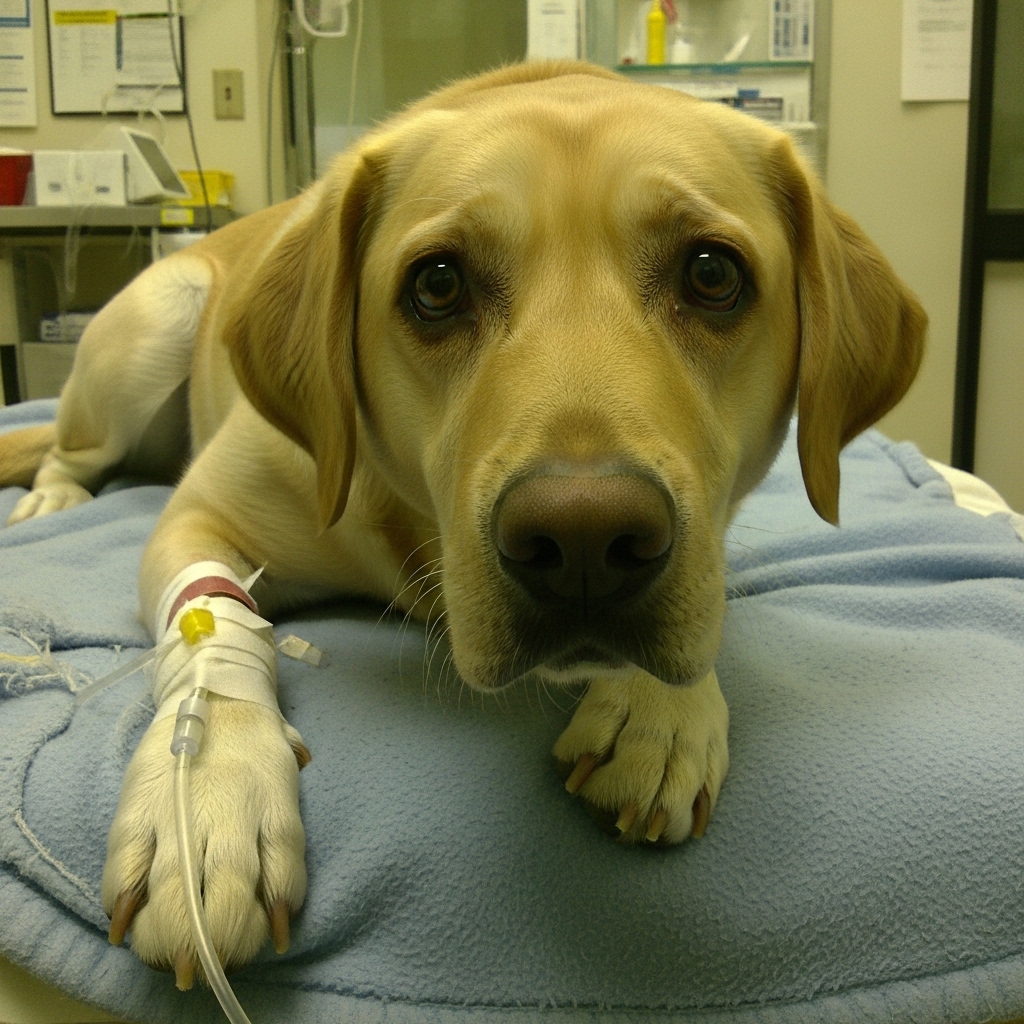
Ran for 4 days, from March 12 to March 15, 2026, the last day Crush saw it.
Run by Sophie's DaiIy BIog Post on Facebook. Crush is not the advertiser and does not verify its claims. See this ad in Meta's Ad Library(opens in a new tab)
Want an ad like this for your product?
Crush makes new ad images for your product from this ad: your logo, your product photo, your offer.
Trials from $19.95 USD, then $79.95 USD a month. Cancel anytime.
About this ad
- Meta Ad Library ID
- 1239620157829413
- Platforms
- Facebook, Instagram, Audience Network, Messenger and Threads
- Relaunches
- 2
- Niche
- Pets
Ad text
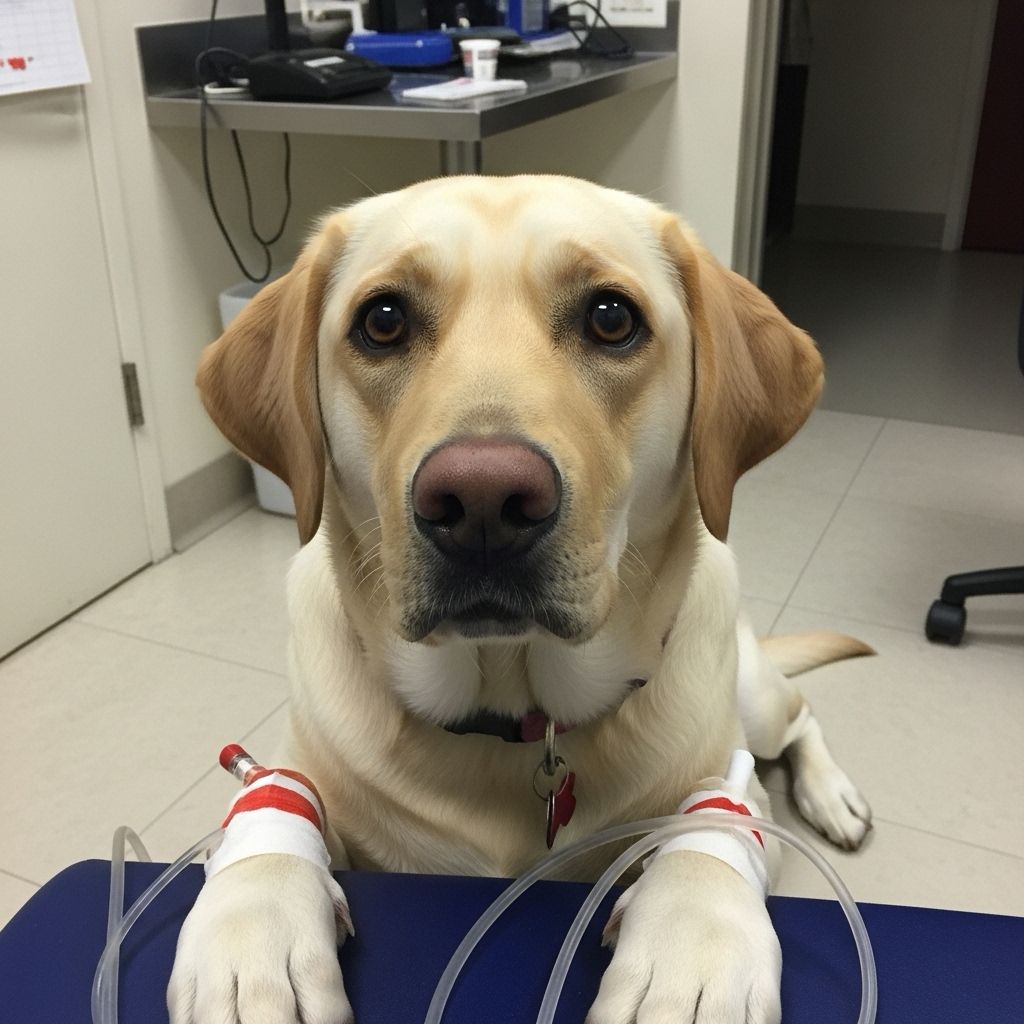
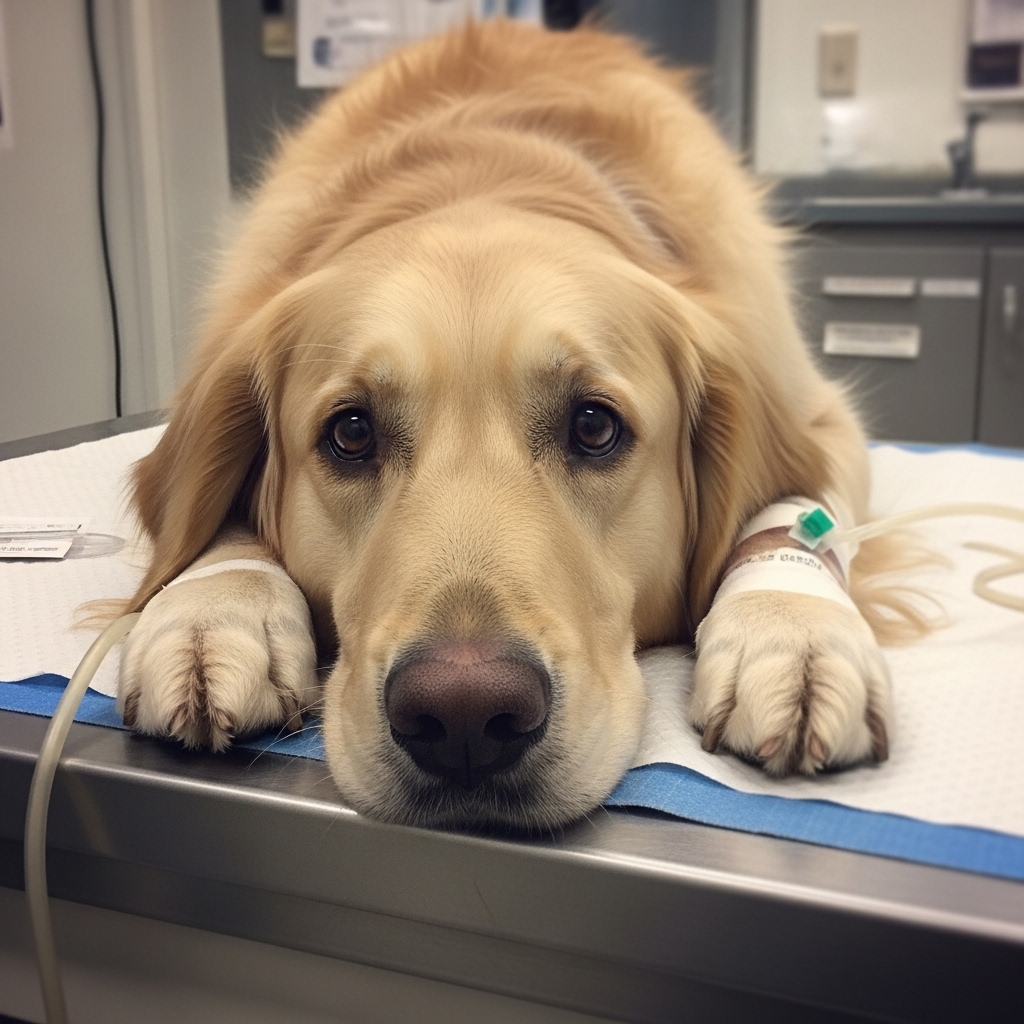
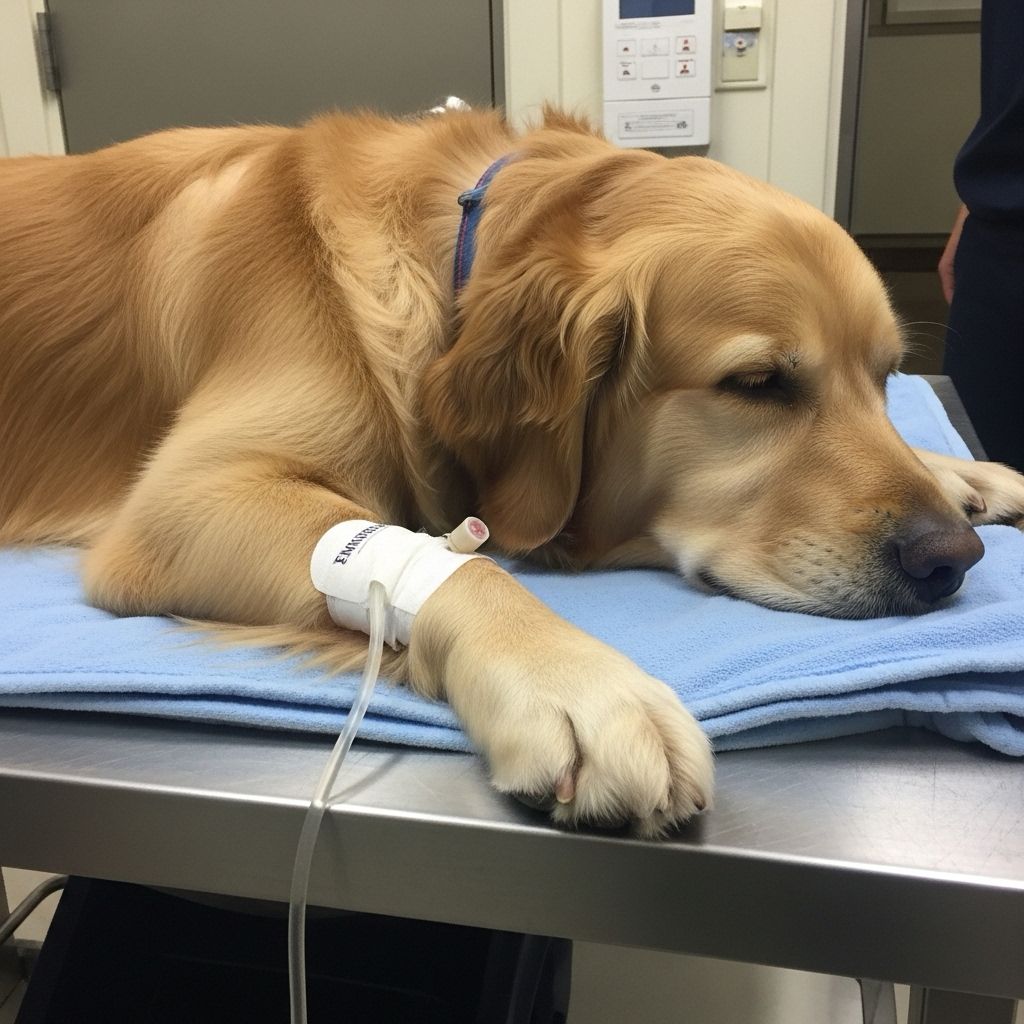
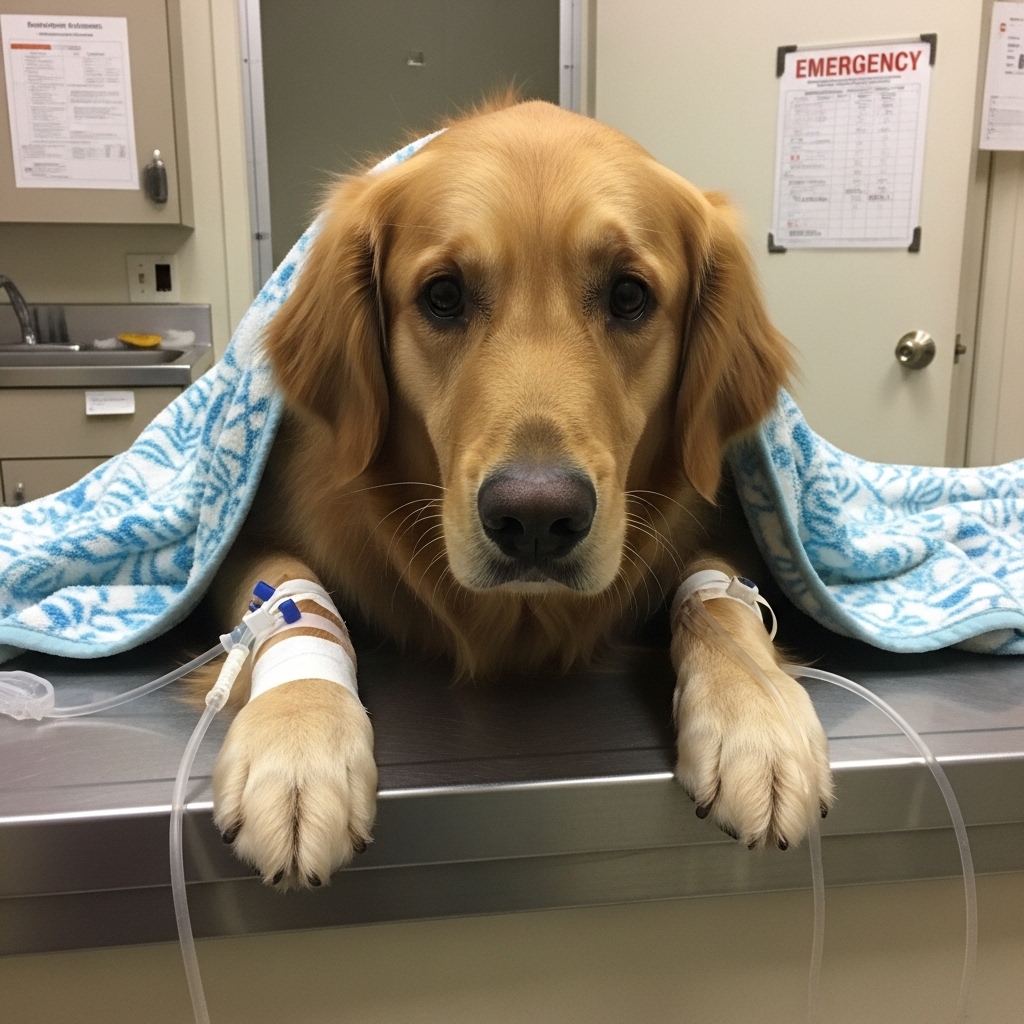
My neighbor Carol managed her dog's arthritis perfectly for two years. Last March, her vet said four words that cost her $6,000. "His ligament is torn." What the surgeon explained afterward, most dog owners on arthritis medication have absolutely no idea this is even happening. Eight years together. Her dog Biscuit, a big old Lab who slept at the foot of her bed every single night and greeted her at the door like she'd been gone a year even when she just walked to the mailbox. When Biscuit started slowing down, Carol didn't wait. She called the vet right away. Got him on Rimadyl. Showed up to every single appointment. Did the bloodwork every six months like clockwork. Bought the glucosamine, the fish oil, the orthopedic bed. Spent close to $600 trying different supplements before she found ones he'd even eat. She did everything right. And for a while, it seemed to be working. About six months in, she called me on a Sunday afternoon. Biscuit had walked down to the end of the driveway and back without limping. First time in months. She was almost giddy. "I think we turned a corner," she told me. "He seems so much more like himself." I remember being happy for her. Relieved. She'd been so worried, and now it seemed like she finally had it under control. That was fourteen months before the Tuesday morning she called me crying. Biscuit had been walking to his water bowl. Normal morning. Nothing different. And his back leg just... gave out. Not a dramatic fall. Not a yelp. Just one step, and then his leg slid sideways and he went down on the kitchen floor. She got him to the vet within the hour. The vet said four words Carol still can't say out loud without tearing up. "His ligament is torn." TPLO surgery. One of the most common surgeries in dogs with arthritis. They cut into the leg bone, rotate part of it, and bolt it in place with a metal plate and screws. Six thousand dollars. Eight weeks of strict crate rest. And her dog was eight years old going under general anesthesia. I sat with her in that waiting room. I watched her stare at the floor for three hours. She kept saying the same thing over and over. "I did everything right. How did this happen." Not a question. Just a statement she couldn't stop repeating. After the surgery, the vet pulled up his X-ray. Pointed to the ligament. "This didn't tear overnight," he said. "This has been getting damaged for two years. Every single day he was on the medication." Two years. Biscuit never showed it. Never cried. Never stopped wagging his tail when Carol came in the door. The pain medication made sure of that. That's the part that still haunts me. There was nothing in his bloodwork to warn her. Nothing in his behavior. The medication was managing the pain so well that the joint breaking down underneath it was completely invisible. She had spent two years doing everything right. And the whole time, something was happening that nobody had told her about. I was scared about my own dog so I went looking for answers. I went into every Facebook group for senior dog owners I could find. Every Lab owner community. Every arthritis thread on Reddit. I was not prepared for what I found. It wasn't just Biscuit. It wasn't even close to just Biscuit. "His cruciate went at ten. Had been on Rimadyl for eighteen months. Vet said it just happens." "Same thing. My golden. Two years on Galliprant. Ligament tore in March. $7,200." "She seemed totally fine. Right up until she wasn't." "I feel like I did everything I was supposed to do. I don't understand how this happened." Post after post after post. Different breeds. Different medications. Different vets. Same story. Dogs being carefully managed. Owners doing everything right. And then a fall, a vet visit, a surgery bill, and no real explanation for why. I sat there reading for a long time. Then I started trying to understand the actual root cause. Why was this happening. What was the medication not doing. What I found made my stomach drop. The Rimadyl was doing exactly what it was supposed to do. It was blocking the pain. Keeping Biscuit comfortable. Making him seem okay. But there's a whole other side of arthritis that pain medication was never built to touch. Deep inside Biscuit's joint, there are tiny cells whose only job is to repair and maintain the cartilage and the ligaments. Think of them like little construction workers. Those workers need energy to do their job. That energy comes from tiny power plants inside each cell. Mitochondria. Think of them like little batteries. When arthritis strikes, a chemical called nitric oxide floods the joint. It wraps itself around those batteries and won't let go. It's like someone put tape over the charging port. The batteries can't charge. The construction workers run out of energy. They can't build new cartilage. Can't fix damage. They just stop working. The Rimadyl blocked the pain. Biscuit felt comfortable. Started moving around like normal. But here's what was happening underneath. Those batteries were still dead. The construction workers were still exhausted. The joint was still breaking down. The medication never touched that. It was never designed to. So for two years, while Carol felt relieved that Biscuit was comfortable and moving around okay; while she called me on a Sunday afternoon to say she thought they'd turned a corner, his ligament was getting weaker every single month. The cells that should have been catching that damage and fixing it had no power to work with. He didn't feel it getting worse. So Carol didn't know. And her vet didn't know to tell her because his bloodwork looked fine and his pain was managed and everything looked fine. Until that Tuesday morning. Now here's the part that scared me even more than the surgery bill. The same thing was already happening in Biscuit's other hip. Carol could see it in how he was moving during recovery. Shifting his weight. Favoring one side. The way he hesitated before he stood up from the crate. She thought about writing another check for $6,000. Another surgery. Another eight weeks watching him drag himself around confused and hurting. He was already eight. She didn't know if he could handle going under again. But if she did nothing, she knew what was coming. There was no good option. Keep him on the medication that had never been touching the joint, and hope the other hip held. Or take him off it and watch him suffer without any pain relief at all. She didn't know what to do. I couldn't stop thinking about my own dog. About whether the same thing was quietly happening while I felt relieved that her medication was working. About what it would mean to do everything right for two more years and end up in that same waiting room. So I started looking. Really looking. What could actually reach those cells. What could get past the nitric oxide blockage and give the repair workers their power back. I tried switching her supplements first. Added a higher dose of glucosamine and chondroitin. Gave it with every meal for a month. Nothing changed. Tried CBD oil. A brand with good reviews, $80. Gave it twice a day for three weeks. Nothing changed. Looked into laser therapy at the vet. $75 a session, twice a week. $600 a month, indefinitely. And the vet said we'd need it forever. On my fixed income, that just wasn't possible. Each thing I tried that didn't work made me feel more desperate. More guilty. Then I read something that changed how I understood the whole problem. It was a study from a veterinary university. I wasn't looking for it specifically, just reading everything I could find about canine joint repair. "Why Dog Arthritis Cells Can't Fix Themselves." I had to read that part twice before it actually clicked. The nitric oxide blockage, it said, isn't just a symptom of arthritis. It's the reason arthritis keeps getting worse no matter what medication you give.The pain signals are gone. But the joint is still breaking down every single day because the repair cells have no power. Pills can't fix it. They work in the bloodstream, not inside the cells. Shots can't fix it. They add cushioning but don't reach the cells. Supplements can't fix it. The cells can't even use them when they can't function. Then it said this. There was one type of treatment that could actually break the nitric oxide blockage and give the repair cells their power back. Red light therapy. I didn't believe it either. I almost kept scrolling. But it explained exactly how. Specific wavelengths of light that penetrate deep enough to reach those locked mitochondria directly. When they hit the cells, the nitric oxide releases. The batteries start charging. The construction workers wake up. 660nm red light for the surface tissue. 850nm infrared for the deep stuff — all the way through fur, skin, fat, down to the joint itself. Not masking the pain. Turning the power back on. I went straight to Amazon. Typed "red light therapy for dogs." Almost ordered one that night. Handheld device. Hundreds of five-star reviews. But something made me stop. I looked closer at the specs. The wavelengths were wrong. Only red light, no infrared. The power output was too low to penetrate deep enough to reach the joint. I checked another one. Said "veterinary grade" right on the listing. Same problem. Wrong wavelengths. Too weak. I went through every single device I could find. Every one was either the wrong wavelengths, or too weak, or both. I felt that sinking feeling again. Then a few days later a friend mentioned she'd been going through something similar with her own dog. I told her what I'd been reading about. She said her daughter had found something that actually worked. She sent me the link that afternoon. The company was called Lucavel. I had never heard of them. Small startup. The founder's own dog had started deteriorating and he couldn't find anything that actually worked on the joint itself, not just the pain. So he spent three years building a device that could deliver medical-grade red and infrared light directly to the cells. Safely. At home. It's called the TheraBelt. A flexible belt with true 660nm and 850nm wavelengths. Medical-grade LEDs. High enough power output to actually penetrate deep into joint tissue. Designed to wrap right around the hip, the shoulder, wherever your dog needs it most. Not a cheap Amazon device claiming to work. A real solution built by someone who lived this exact problem. I ordered it that same week. The first session I wrapped it around my girl's hips. Turned it on. Fifteen minutes. She just settled right into it. The warmth relaxed her. She put her head down on her paws and let out a long slow sigh. I didn't expect a miracle. I just needed to try. Week two, I noticed she was getting up smoother on that side. Not dramatically. Just easier. Less hesitation before she committed her weight to standing. Week three, she was walking without that little hitch in her step when she rose from lying down. I had gotten so used to watching for it that I almost didn't believe it was gone. Week four, she was bearing weight on both sides evenly. Something she hadn't done in months. Week six, I was sitting on the couch reading and felt something bump my knee. I looked down. She was standing there with her tennis ball. Tail going. She wanted to play. I hadn't seen that in almost a year. Week eight, her vet felt her hips at the follow-up. Extended both legs. Watched her walk down the hallway and back. "The mobility on this side is better than I expected," she said. "What did you change?" I told her about the belt. She nodded slowly. Said she had been seeing more vets incorporate light therapy into their clinics and didn't realize the at-home devices had gotten this effective. That was seven months ago. No surgery. No thud on the kitchen floor. No check for six thousand dollars. She is asleep at my feet right now as I type this. I use the belt every other day. Fifteen minutes on her hips. It is part of our routine now, like her morning walk or her evening spot on the couch next to me. I think about Carol a lot. Biscuit made it through the surgery. He is doing okay. But he has never been quite the same. And Carol spent $6,200 she didn't plan on spending, and watched her eight-year-old boy go under anesthesia, and spent two months carrying him outside to go to the bathroom because he wasn't allowed to use the stairs. She did everything right. She was so relieved that Sunday afternoon when she thought they'd turned a corner. She just didn't know that the medication doing its job and the joint quietly falling apart were happening at exactly the same time. And there was nothing in his bloodwork to tell her. Nothing in his behavior. The vet had no explanation. Sometimes this happens, he said. It doesn't just happen. There's a reason. And if you're reading this with a dog on arthritis medication right now, that reason is happening inside your dog's joint whether you can see it or not. The medication is doing its job. Its job just was never to stop what's quietly happening underneath. I don't know what stage your dog is at. Maybe she seems okay. Moving around, eating well, bloodwork coming back fine. Maybe you feel that quiet relief that at least the medication is working, at least she's not in pain. Carol felt that too. For two years she felt that. If there is any part of you that has wondered whether the medication is enough, whether doing everything right is actually enough, please don't wait for a thud to find out. I left the link below. https://lucavel.com/products/therabelt Carol wishes she'd found this eight months earlier. I think about that every single time I wrap it around my girl's hips.
Where the ad sends people
lucavel.com
Read this if your dog has Arthritis ☝️
.
Learn more: lucavel.com(opens in a new tab)