
Active· since Feb 17, 2026
- 212
- days running
- 0
- relaunches
Ad copy
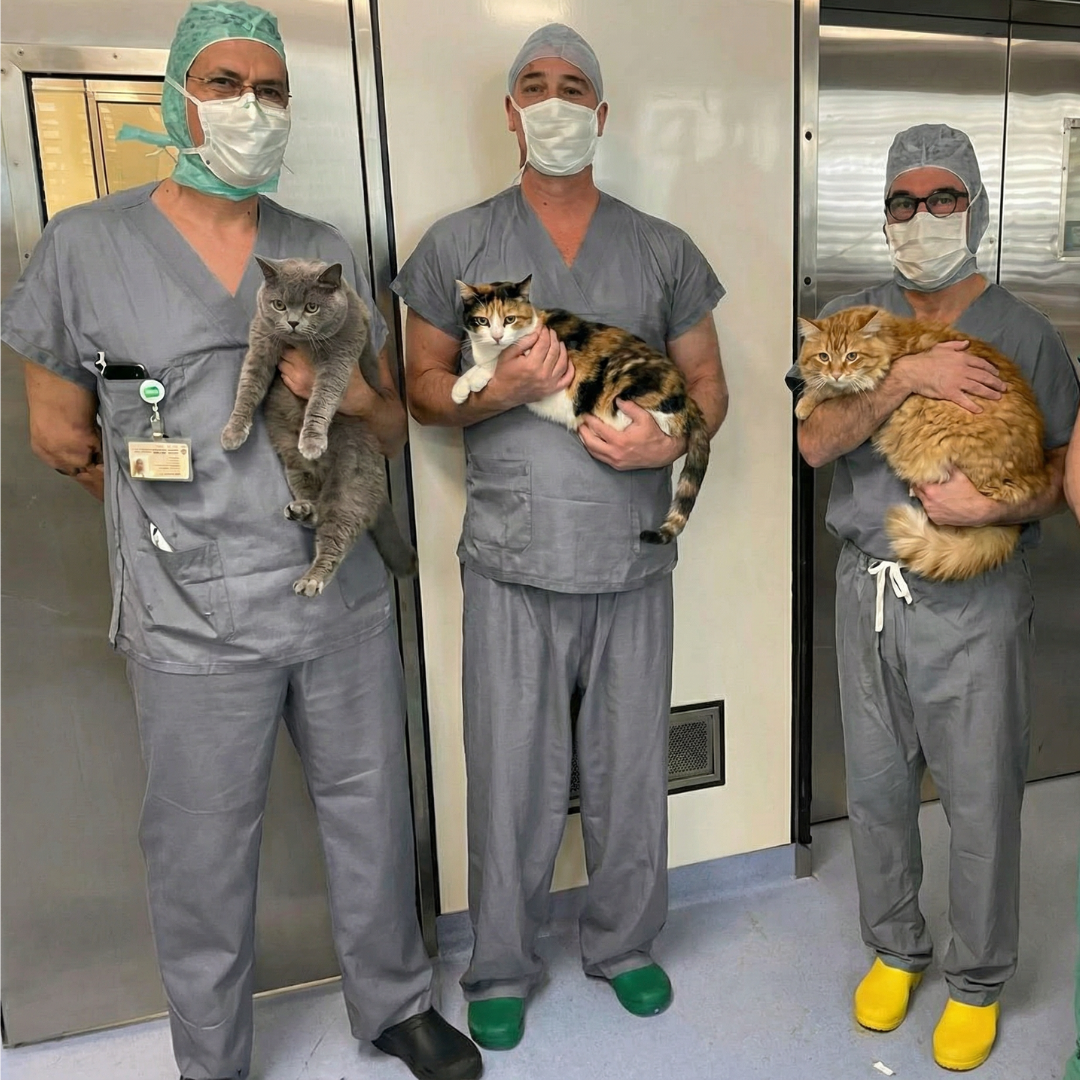
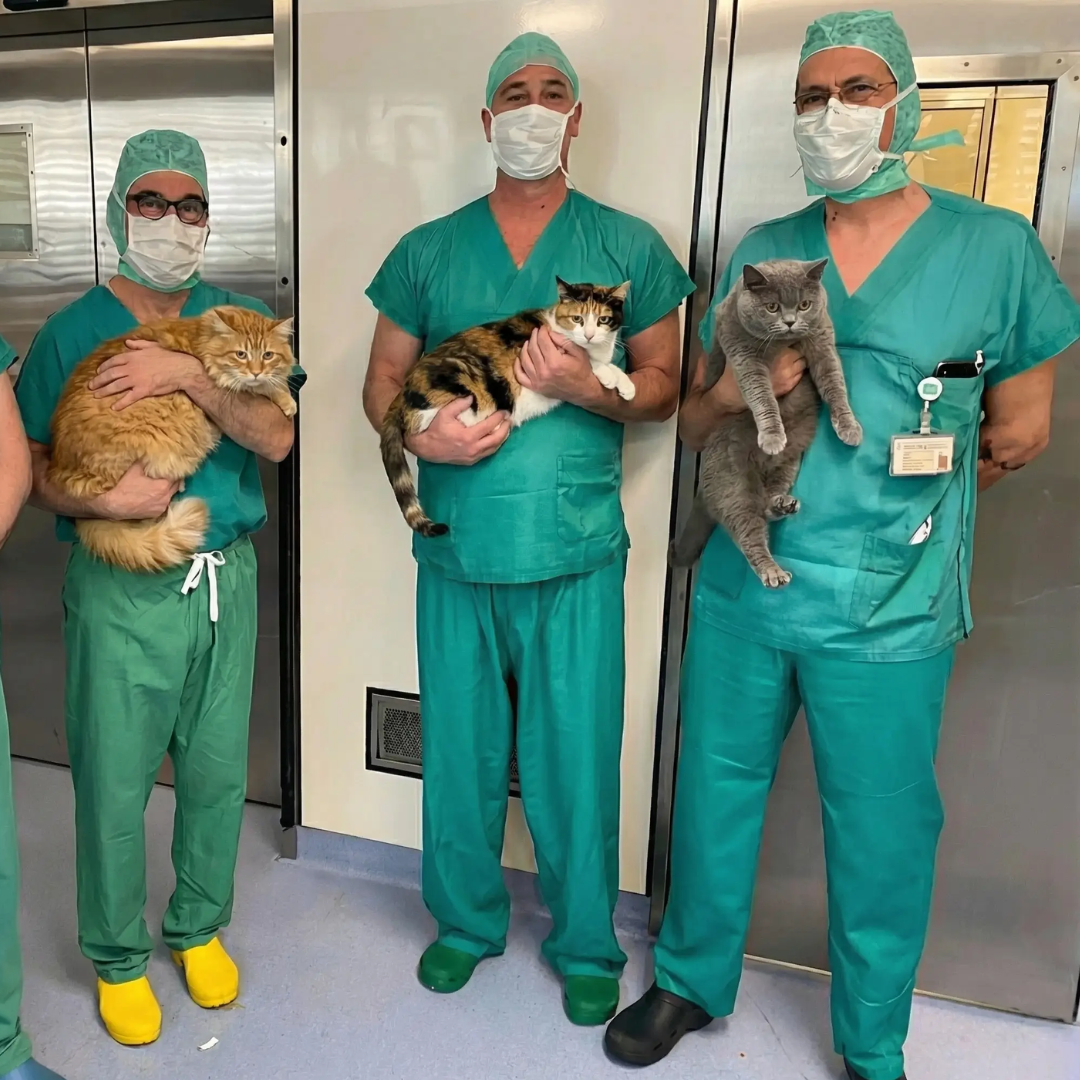
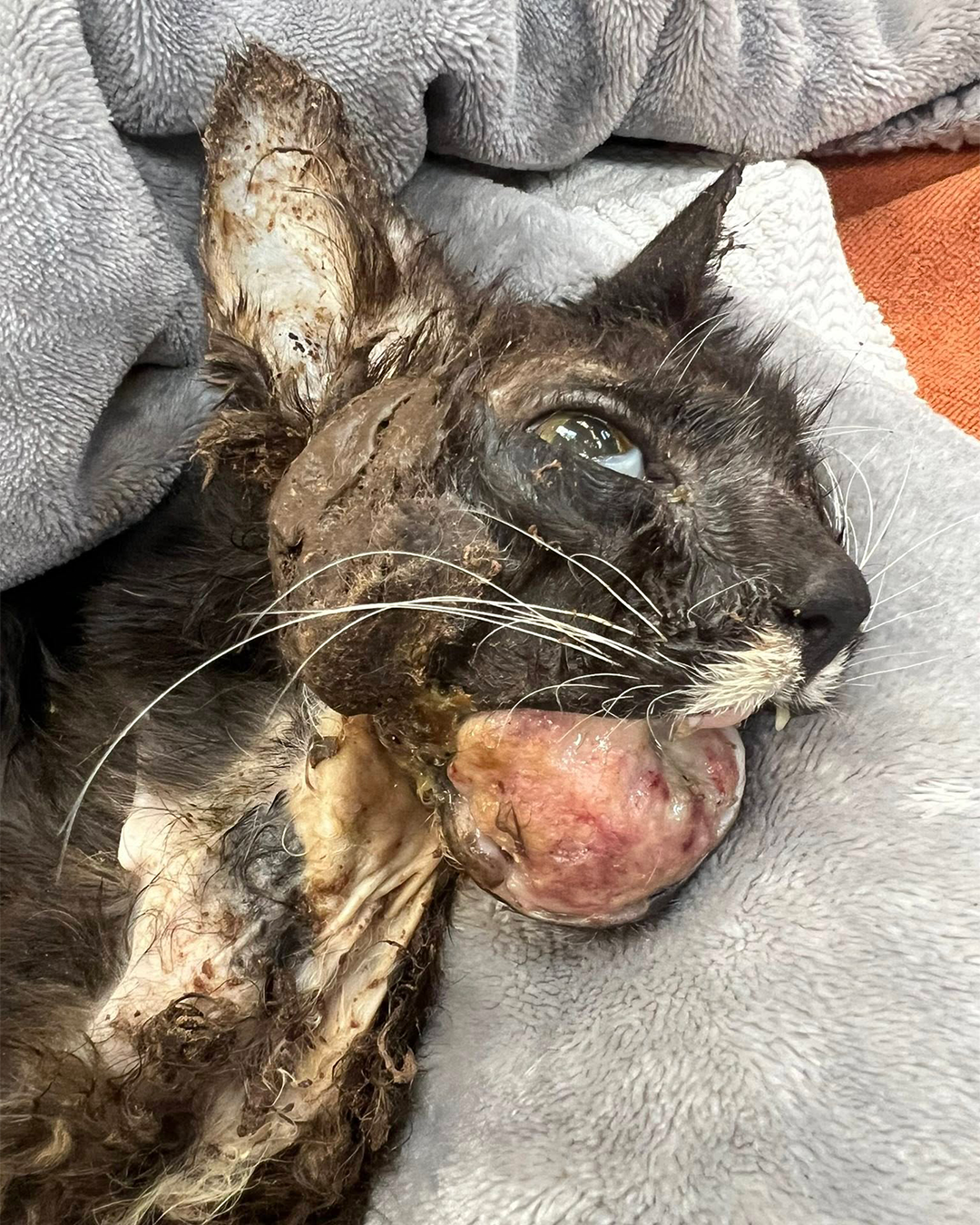
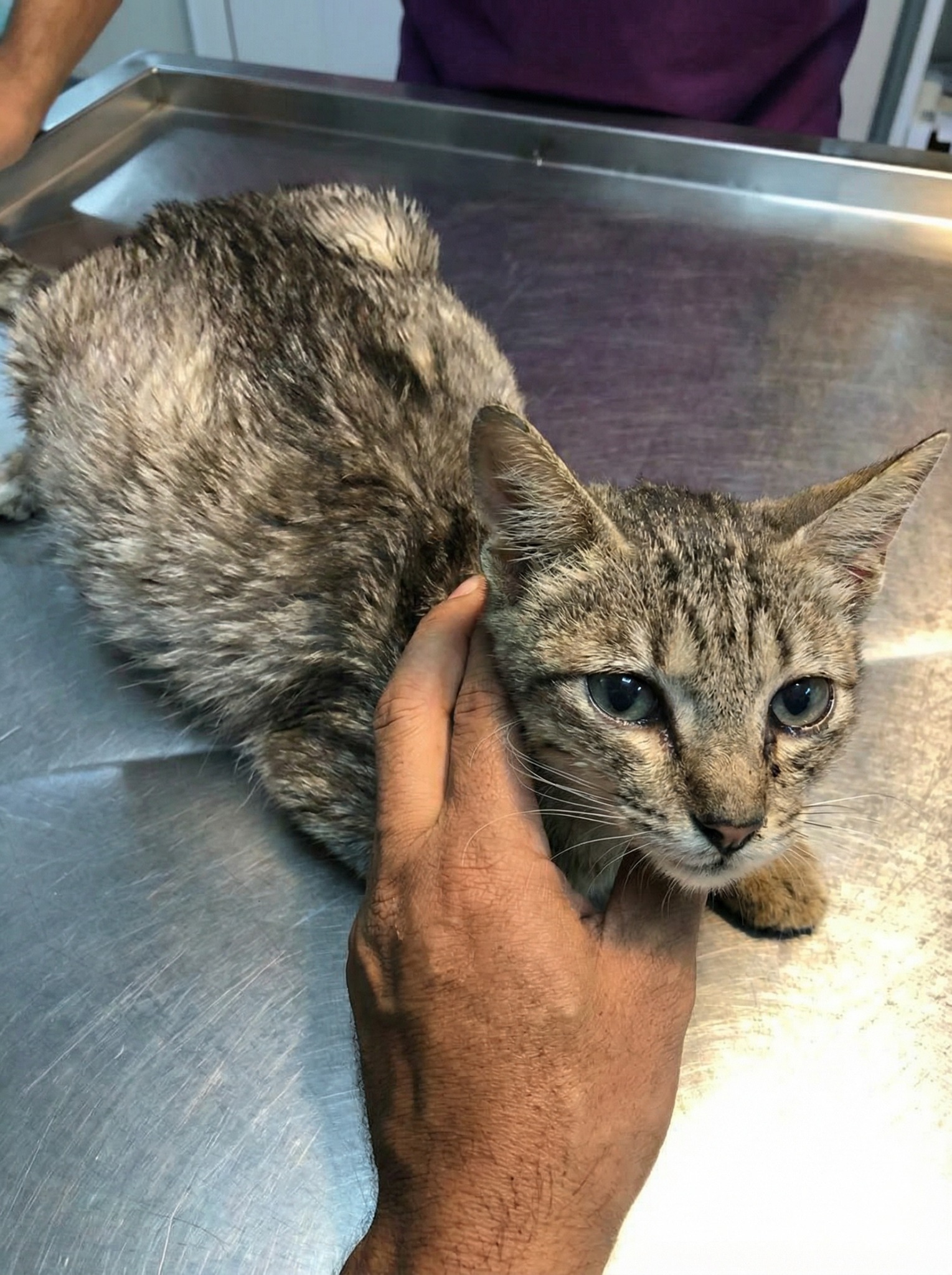
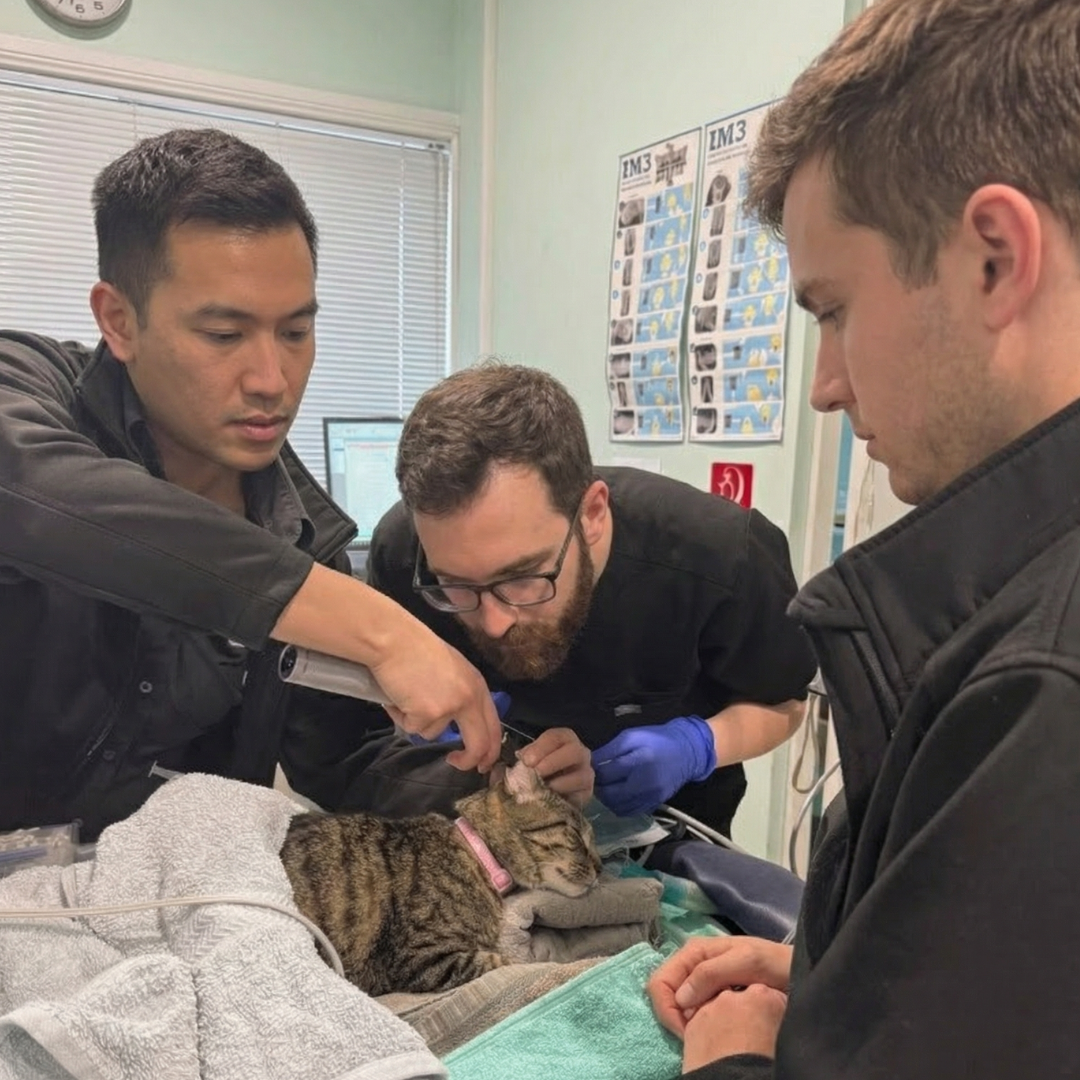
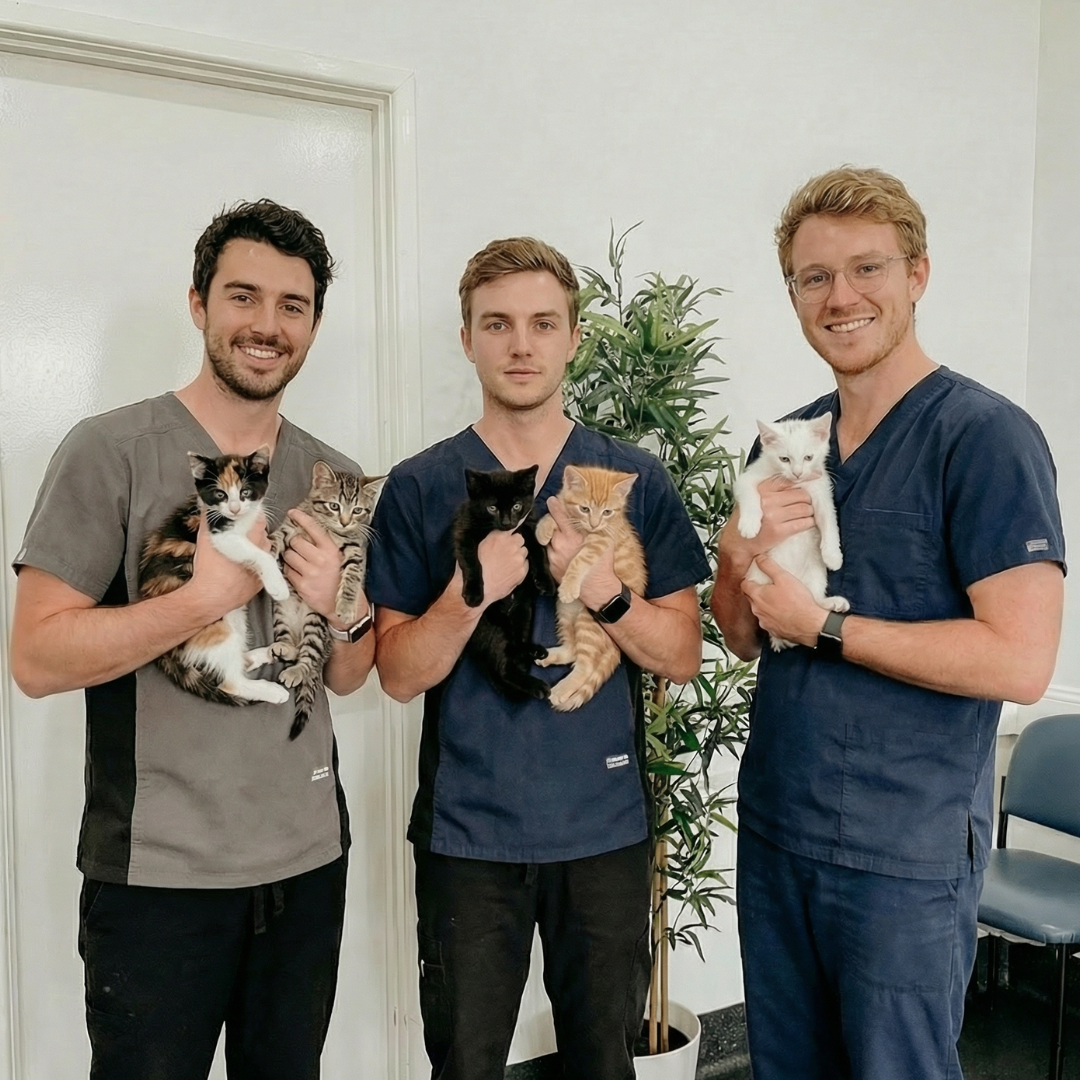
I'm going to lose my goddamn mind if I have to tell one more FIP owner "the virus responded perfectly to treatment, but his organs couldn't handle it" while handing them a $4,200 euthanasia bill. You did everything right. You caught it early. You spent $4,500 on GS-441524. The injections burned. Your cat screamed. You gave every dose for 47 days straight. The virus died. The PCR confirmed it. Treatment worked. But 40% of FIP cats die anyway. Not from the virus. From their liver collapsing under medication stress while eating "complete nutrition" food that was missing the one thing that would have kept them alive. From the desk of Dr. Marcus Smith, DVM Animal Care Veterinary Clinic Case File: The FIP Protocol It started on a Thursday afternoon in April. I was in the treatment room with Dr. Marcus Chen and Dr. James Park, watching a 9-month-old tabby named Oliver receive his 47th injection of GS-441524. Oliver screamed. He always screamed. The medication burns like acid going in. His owner, Jennifer, was crying. She'd been crying for 47 days straight. "Dr. Smith, he's not eating again. He was doing so well last week. The fever's gone. He's playing. But now he won't touch his food." I examined Oliver. His gums were pale. His third eyelid was showing. His abdomen was tender. I ran bloodwork. The results came back 20 minutes later. ALT: 487. Normal is under 100. AST: 392. Normal is under 50. Bilirubin: 3.2. Normal is under 0.3. Oliver's liver was failing. Not from FIP. The virus was gone. His PCR test had come back negative two weeks ago. His liver was failing from the GS-441524 injections that had saved him from the virus. Dr. Chen looked at the bloodwork. "We need to stop treatment or we're going to lose him to liver failure." Jennifer's face crumpled. "But he still has 37 days left. If we stop now, the virus could come back." I didn't know what to tell her. We'd saved Oliver from FIP. But the treatment was killing him anyway. We stopped the injections. Put Oliver on liver support medications. Hoped his liver would recover enough to finish the protocol. It didn't. Oliver died six days later. Not from FIP. From liver failure caused by the treatment that was supposed to save him. Jennifer handed me a check for $4,200. For a dead cat. She left my clinic carrying Oliver's body in a cardboard box, and I sat in the treatment room asking myself a question I should have asked 47 days earlier: "Why do some FIP cats survive treatment while others die from the side effects?" That night, I called Dr. Chen and Dr. Park to my office. "We need to talk about FIP treatment. We need to figure out what we're missing." Dr. Park pulled up our records. "We've treated 34 FIP cases in the past 18 months using GS-441524. 21 survived. 13 died." "62% survival rate. That matches what the FIP groups report." Dr. Chen was reading through files. "But here's what's interesting: of the 13 who died, only 4 died from FIP progression despite treatment. The other 9 died from treatment complications." He pulled up the causes of death: - 3 cats: Liver failure (like Oliver) - 2 cats: Severe anemia requiring transfusion that failed - 2 cats: Kidney failure mid-protocol - 1 cat: Heart failure at day 68 - 1 cat: Injection site infection turned septic Dr. Park leaned forward. "So 69% of our FIP deaths weren't from the virus. They were from the cats' bodies not being strong enough to handle 84 days of medication." I felt sick. "We're saving them from FIP just to kill them with the cure." I looked at both of them. "We're going through every single file. Every blood panel. Every test result. Every detail. We're going to find the pattern." We started at 7:14 PM. Dr. Park pulled every FIP file from our database. Printed every blood panel, every PCR result, every weekly monitoring report. Dr. Chen organized them into two groups: Survivors (21 cats) and Non-Survivors (13 cats). I started comparing bloodwork values side by side. We went through everything: - Pre-treatment bloodwork: Complete blood count, chemistry panel, inflammatory markers - Weekly monitoring during treatment: Liver enzymes, kidney values, red blood cell counts - Post-treatment outcomes for survivors Hour 1: We compared liver enzyme patterns. No clear difference in starting values. Hour 2: We analyzed kidney function progression. Some correlation, but not consistent. Hour 3: We looked at inflammatory markers, albumin levels, globulin ratios. Nothing definitive. Hour 4: We started looking at micronutrient panels that we'd run on some cats but not all. That's when Dr. Chen stopped. "Wait. Look at this." He pulled up a file. A 7-month-old kitten named Luna. Died at day 63 from liver failure. Pre-treatment comprehensive metabolic panel included a taurine level. Taurine: 18 nmol/mL. Severely deficient. Normal starts at 50. Dr. Park started pulling other files. "How many cats did we run taurine panels on?" We searched through all 34 files. Only 11 cats had taurine levels tested pre-treatment. The rest didn't because we never thought to check it. Hour 5: We compiled the 11 results: Non-Survivors (5 cats with taurine data): - Average taurine: 21 nmol/mL - Range: 16-28 nmol/mL - All severely deficient Survivors (6 cats with taurine data): - Average taurine: 64 nmol/mL - Range: 52-78 nmol/mL - All normal or high-normal Dr. Chen's hands were shaking. "Every single cat that died had low taurine. Every cat that survived had normal taurine." But we only had data on 11 cats. We needed to know about the other 23. Hour 6: We started calling owners. It was 1:30 AM. We didn't care. At 1:41 AM, we finished our 27th minute of the sixth hour. Dr. Park had reached 14 owners of the 21 surviving cats. I'd reached 7 owners of the 13 non-survivors. And we had our answer. Dr. Park asked every survivor's owner the same question: "What did you feed your cat during treatment? Can you walk me through exactly what you did?" Owner 1: "I fed him Royal Canin Recovery. But I always mixed taurine powder into it first. Someone in the FIP Facebook group said it helped." Owner 2: "Fancy Feast, but I supplemented with taurine from day one. A friend whose cat survived told me to do it." Owner 3: "Hill's a/d prescription food. Plus taurine. My vet didn't mention it, but I'd read about it online." Owner after owner. Same answer. 14 out of 14 surviving cat owners had supplemented with taurine. Not because their vet told them to. Because other FIP owners had told them to. Because Facebook groups had told them to. Because they'd researched obsessively and found it mentioned in forums. They'd all added pharmaceutical-grade taurine to their cat's food before every meal. We sat in silence for a moment. Then Dr. Chen said what we were all thinking: "But... isn't taurine present in every pet food brand? Why would they need to supplement extra taurine when the commercial food is supposed to have enough of it?" Dr. Park pulled up the ingredient labels we'd collected from the owner interviews. Every food listed taurine: - Royal Canin Recovery: "Supplemented with taurine" - Hill's a/d: "Adequate taurine" - Fancy Feast: "Contains taurine" - Purina Pro Plan: "Fortified with essential taurine" Dr. Chen stared at the labels. "So the food has taurine. But the cats who only ate the food were taurine deficient. And the cats who survived were the ones supplementing EXTRA taurine on top of the food." Then I started calling the owners whose cats had died. Owner 1 (cat died day 71, liver failure): "I fed her Purina Pro Plan. That's what my vet recommended. High quality, complete nutrition." Owner 2 (cat died day 58, kidney failure): "Blue Buffalo Wilderness. Premium grain-free. I wanted the best for him." Owner 3 (cat died day 63, liver failure): "Royal Canin. My vet sells it at the clinic. Said it was perfect for sick cats." Owner 4 (cat died day 52, severe anemia): "Hill's prescription diet. It cost $90 per bag, but the vet said it was worth it for FIP treatment." Every owner: Premium food. Vet-recommended brands. Food that listed taurine on the ingredient label. None of them had supplemented extra taurine because they assumed the food had enough. And their cats had died. I hung up the last call at 2:47 AM. The three of us sat in my office in complete silence. Finally, Dr. Park said: "We killed them." Dr. Chen looked up. "What?" "We killed them. All of them. Every cat that died from treatment complications—they died because we never checked their taurine levels." I felt like I'd been punched in the stomach. "We assumed the food had adequate taurine." Dr. Chen's voice was barely a whisper. "Every vet school in the country teaches that commercial cat food has adequate taurine. That's why taurine deficiency is 'rare' now. That's why we don't test for it routinely." Dr. Park pulled up the AAFCO standards on his laptop. "Cat food only needs to have 0.1% taurine by dry weight to be labeled 'complete and balanced.' Manufacturers add synthetic taurine after cooking to meet that minimum standard. But it doesn't account for: - Heat degradation during processing - Anti-nutrients in grain-free formulas that block absorption - Degradation after the bag is opened - Increased taurine demands during severe illness like FIP" Dr. Chen looked sick. "So these foods meet AAFCO standards. They list taurine on the label. Vets recommend them. But cats eating them are still taurine deficient—especially sick cats who need MORE taurine, not less." I put my head in my hands. "And we never checked. We never ran taurine panels. We just assumed." Dr. Park's voice was hard. "We trusted the pet food industry. We trusted our training. We trusted that 'complete and balanced' meant cats couldn't be deficient." "And cats died because of it." I couldn't sleep for days. Every time I closed my eyes, I saw Jennifer carrying Oliver's body out of my clinic in a cardboard box. Oliver had died from liver failure at day 71. I'd checked his file. No taurine panel. Ever. He'd been eating Hill's a/d prescription diet. $90 per bag. "Nutritionally complete for recovery." His liver had failed anyway. Because the food didn't have enough bioavailable taurine to protect his organs during 84 days of GS-441524 injections. And I'd never checked. I'd assumed the $90-per-bag prescription food was adequate. I'd been wrong. Dr. Chen called me on day 5. "I went through every FIP case I've ever treated. Not just our clinic. My previous clinic too. 11 years of cases." "How many?" "47 total FIP cats. I found taurine data on 8 of them. All 8 who died had taurine levels under 25. All survivors I could track down had supplemented taurine themselves—none because I told them to." His voice broke. "Marcus, I've been a vet for 11 years. And I've been unknowingly killing FIP cats the entire time because I never checked something I should have checked." We made a decision. We were going to prove this. Document it. Make sure no other vet made the same mistake we did. We identified 12 cats currently in treatment for FIP at our clinic and three other partnering clinics. We called every owner: "We'd like to run a comprehensive metabolic panel including taurine levels. We're investigating whether taurine status affects treatment outcomes. There's no charge—this is research." All 12 agreed. Results came back over the next week. Every single cat: Taurine deficient. Average level: 24 nmol/mL. Range: 18-32 nmol/mL. All severely deficient despite eating premium commercial food. We asked owners what they were feeding: - 4 cats: Royal Canin Recovery - 3 cats: Hill's a/d - 2 cats: Purina Pro Plan - 2 cats: Blue Buffalo Wilderness - 1 cat: Fancy Feast Every food listed taurine on the label. Every cat was severely deficient anyway. We started putting every FIP cat on pharmaceutical-grade taurine supplementation from day one of treatment: 500mg daily, mixed into their regular food. We told owners: "Don't change their food. Don't change anything else. Just add this taurine supplement daily." Over the next six months, we treated 28 FIP cases using this protocol. 24 survived. 4 died. 86% survival rate. Of the 4 who died: - 3 had advanced neurological FIP with continuous seizures at diagnosis - 1 had severe wet FIP with respiratory failure None died from liver failure. None from kidney failure. None from treatment complications that had killed Oliver and so many others. The cats who survived completed the full 84-day protocol with minimal side effects. Their bodies could handle the medication because their cells had the antioxidant support they needed. But then we hit a problem. Three months into recommending taurine to every FIP owner, we started getting calls: "Dr. Smith, we've been giving the taurine like you said. But our cat's liver enzymes are still climbing." "The taurine isn't working. He's still vomiting constantly." I asked them to bring in the supplements they'd been using. Five different brands. All from Amazon or Chewy. Good reviews. Reasonable prices. We sent samples to an independent lab for testing. Results came back two weeks later. Dr. Park read the report in the conference room: "All five failed verification: - TauriPaws: 340mg actual taurine. Label claimed 500mg. 32% under-dosed. - PurrVitality: Contaminated with 38% rice flour. Blocks absorption. - FelineHealth Support: Heavy metal contamination (lead 2.9x safe limits) - VetEssentials Taurine: Degraded to 47% potency - CatAmino Plus: Inconsistent dosing: 290-465mg per scoop" These FIP owners were spending $4,000 on GS-441524 and losing their cats because the $30 taurine supplement they bought was worthless. Dr. Park tested 7 different taurine supplements total. Only 1 passed independent lab verification: KittySupps. "502mg pure taurine per scoop. Label claims 500mg—over-delivered. Zero contamination. No fillers. 99.8% pharmaceutical-grade purity. Proper storage: amber glass, oxygen absorbers, moisture barriers." We called KittySupps. Verified sourcing, manufacturing, batch testing protocols. Everything checked out. We switched every FIP cat to KittySupps exclusively. Here's what you need to understand if you're reading this and your cat has just been diagnosed with FIP: Your cat's premium food supplements everything. Vitamins. Minerals. Amino acids. That's true. But there's one thing it lacks. One thing that will kill your cat during GS-441524 treatment if it's deficient. Taurine. I won't sugar coat our findings. If your cat has FIP and is going through treatment, I will say only this: Give them pharmaceutical-grade taurine right now. It's not optional. Our findings suggest it's mandatory—something that's being eyed away by vets and big food brands who benefit from cats staying deficient. Here's what else you need to know: You cannot oversupplement taurine. It's water-soluble. Your cat will simply urinate whatever they don't use. There is no toxicity risk. No danger of "too much." Taurine is essential. Cats cannot produce it on their own. They must get it from food or supplements. And during FIP treatment, when their organs are under attack from 84 days of medication, they need 400-500mg of bioavailable taurine daily—not the 60-90mg they're getting from premium food after heat degradation and anti-nutrient blocking. Every cat that died from treatment complications in our study had taurine levels under 25. Every cat that survived either had normal taurine levels or was supplemented by their owner. The GS-441524 will kill the virus. That part works. But your cat's taurine levels are almost certainly deficient right now—even if they're eating $90-per-bag prescription food. FIP depletes taurine rapidly through systemic inflammation. The commercial food doesn't have enough bioavailable taurine to replenish it. And 84 days of GS-441524 creates massive oxidative stress that requires even MORE taurine to neutralize. Without adequate taurine, your cat's organs will fail under the medication load. With adequate taurine, they have an 86% chance of survival. We tested 7 taurine supplements. Only KittySupps passed independent verification. Don't spend $4,000 on GS-441524 just to lose your cat because the $30 taurine supplement was contaminated garbage. Get the same pharmaceutical-grade taurine we use at Animal Care Veterinary Clinic for every FIP case—the only brand that passed verification when 6 others failed: https://kittysupps.com/products/taurine P.S. Every FIP cat that died had taurine levels under 25. Every survivor either had normal levels or was supplemented by their owner. Start taurine TODAY—before the first GS injection. It's not optional. P.P.S. We assumed commercial food had adequate taurine for years. We were wrong. Cats died because of it. Don't let your cat become another statistic.
Veterinarian Speaks The Truth About FIP..
Three vets discovered why 40% of FIP cats die during GS-441524 treatment—severe taurine deficiency causes organ failure. Supplementation increased survival from 62% to 86%.
SHOP NOWLike this ad? Make it yours.
Crush rebuilds this exact creative around your product — your brand, your colors, your offer — in about a minute.