
Active· since Feb 1, 2026
- 225
- days running
- 5
- relaunches
- 2,108
- EU reach
Ad copy
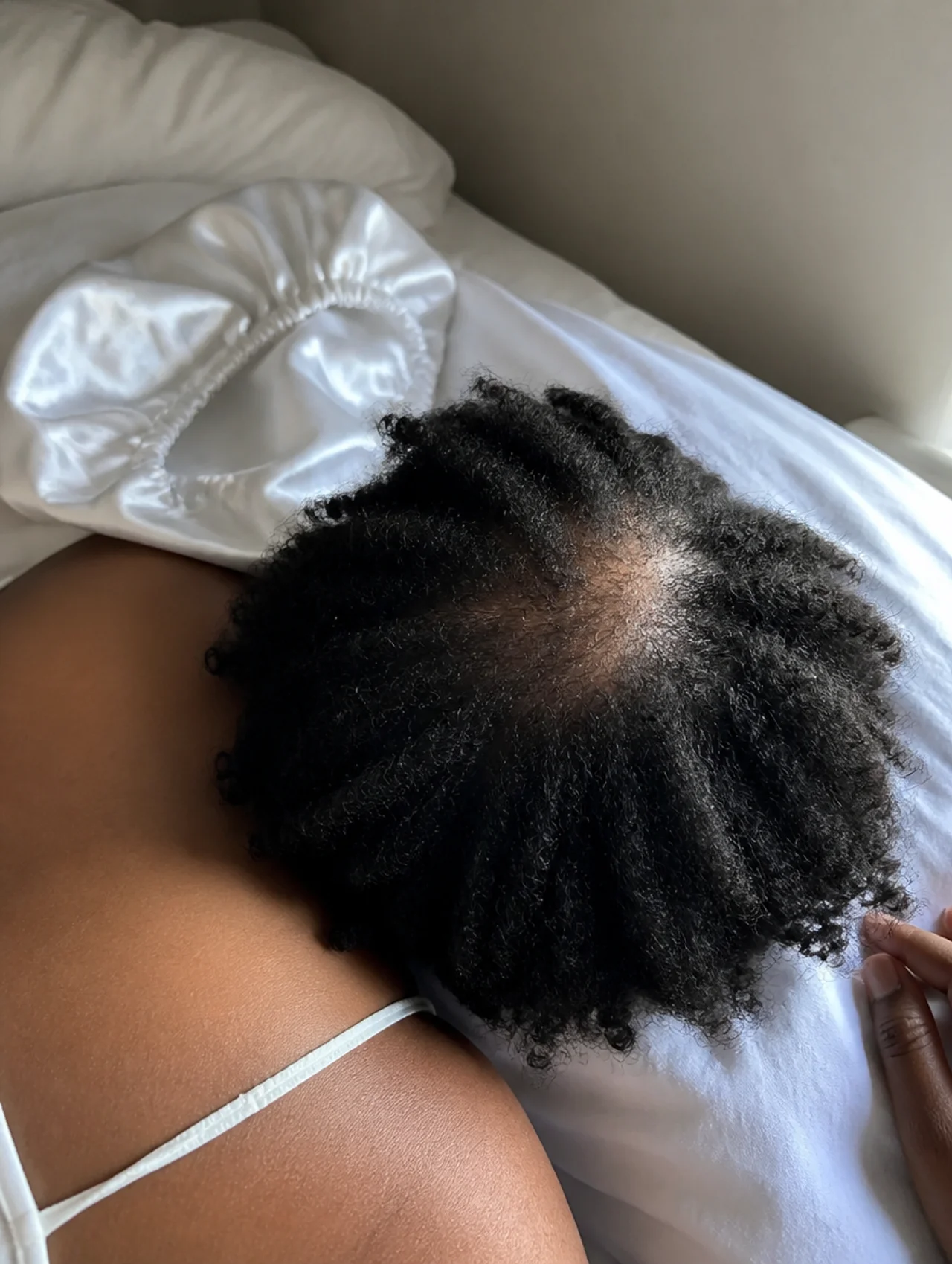
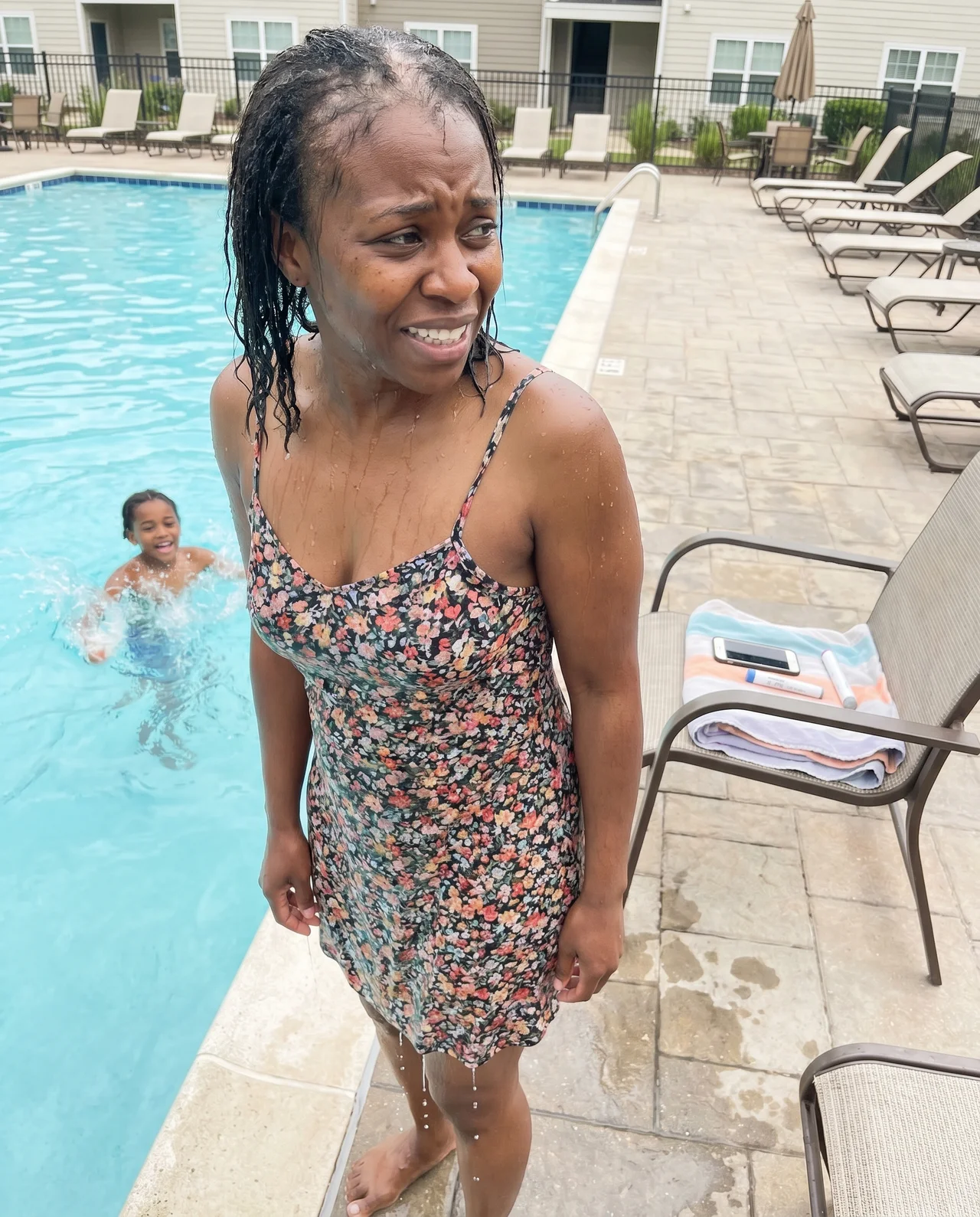
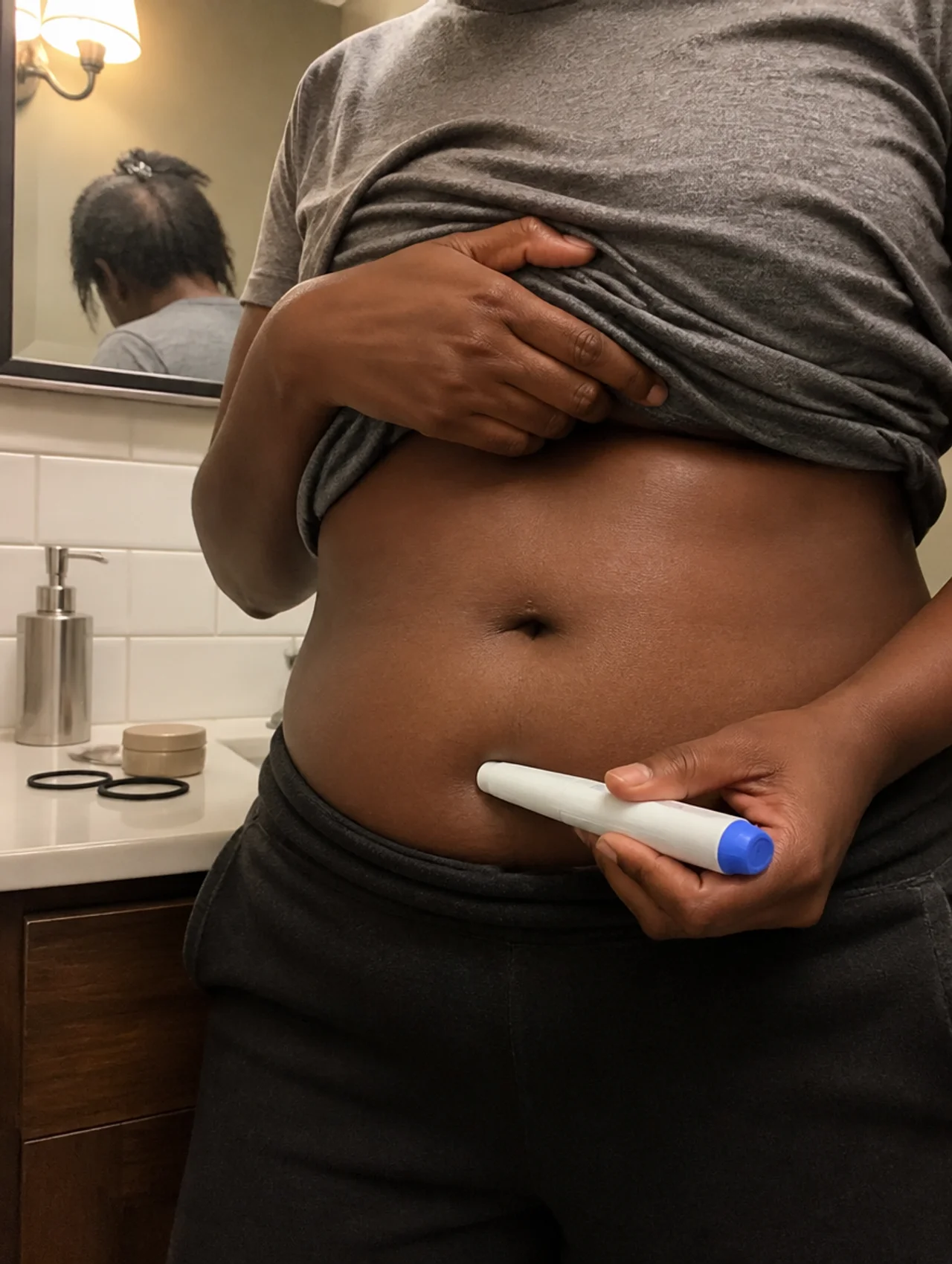
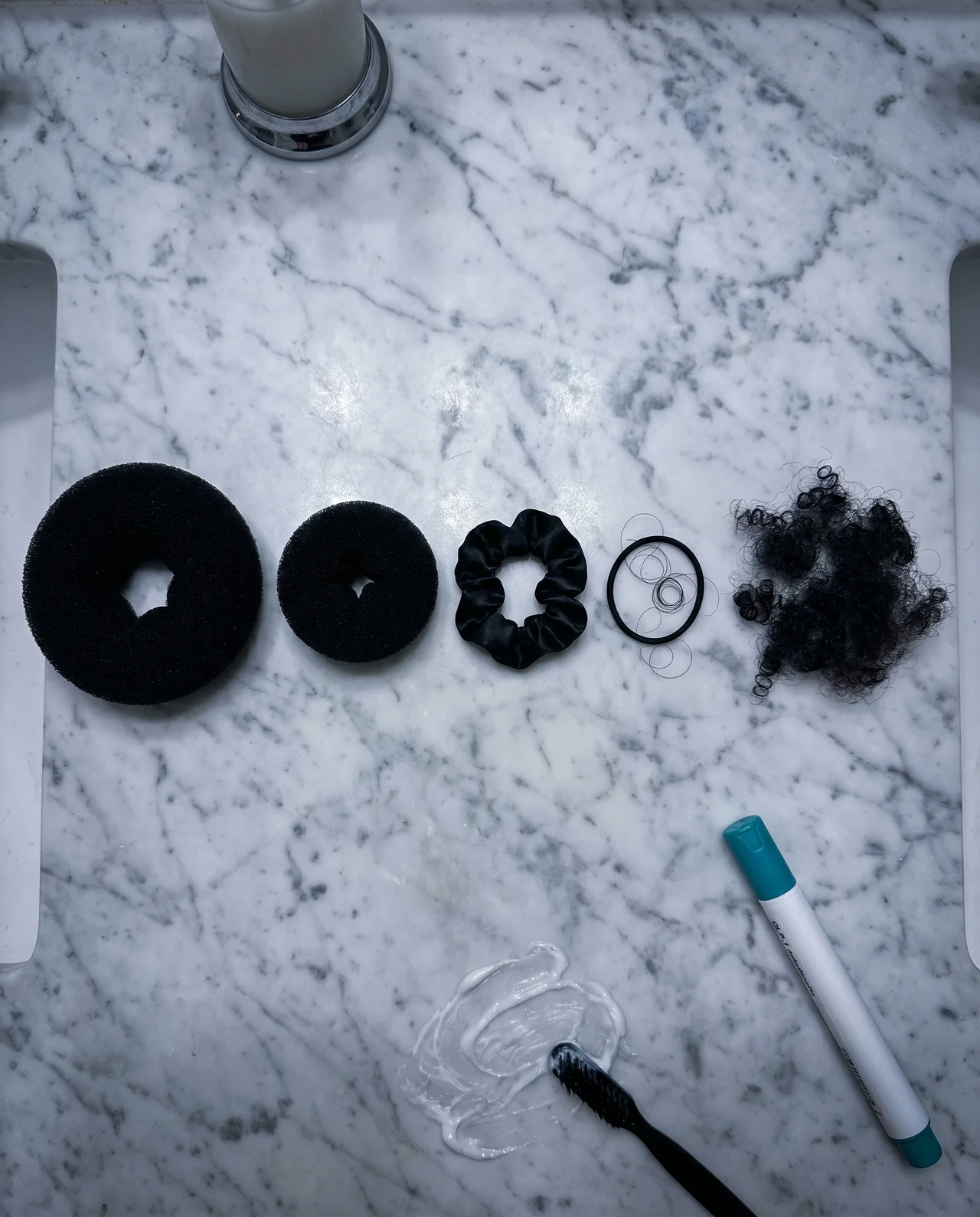
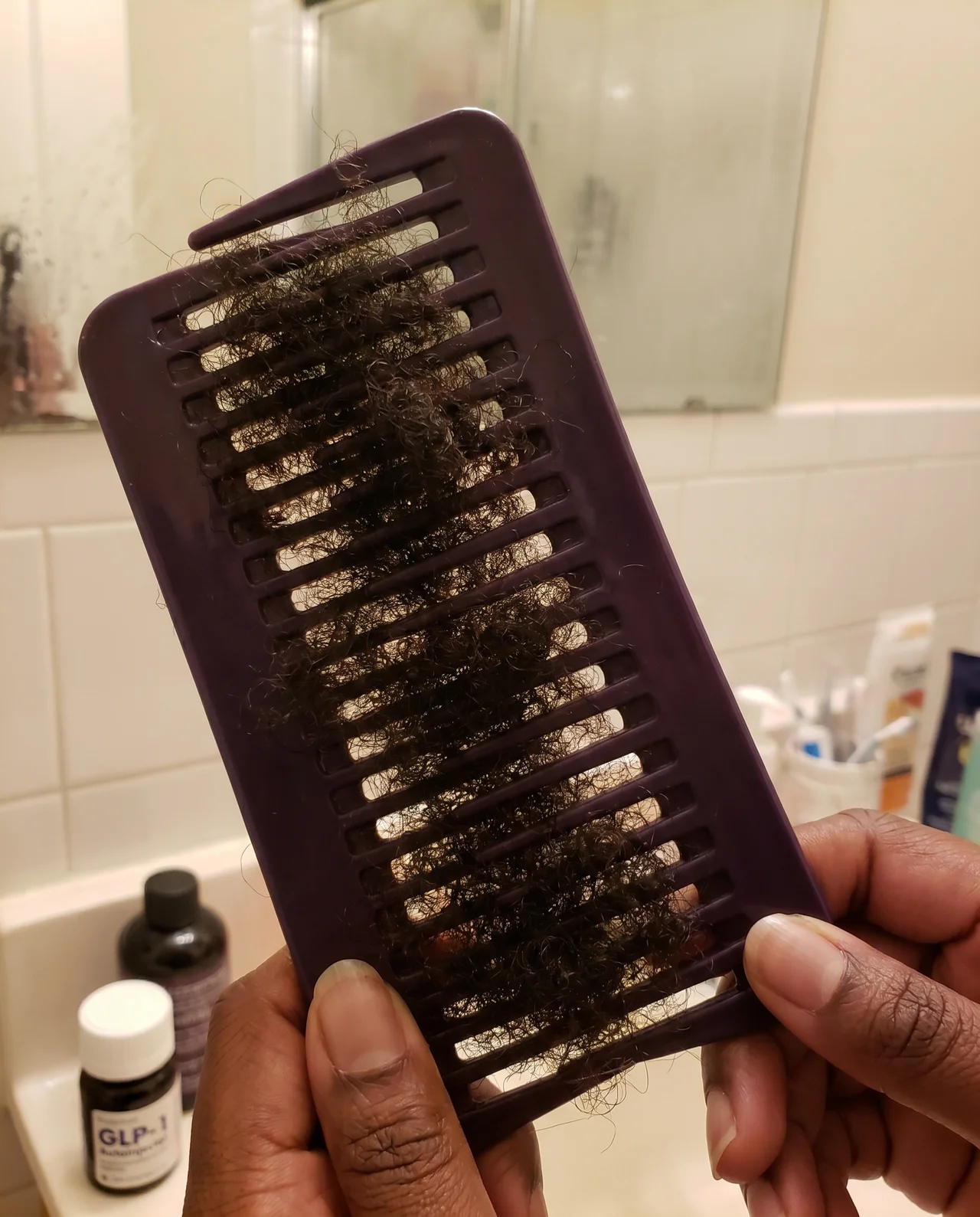
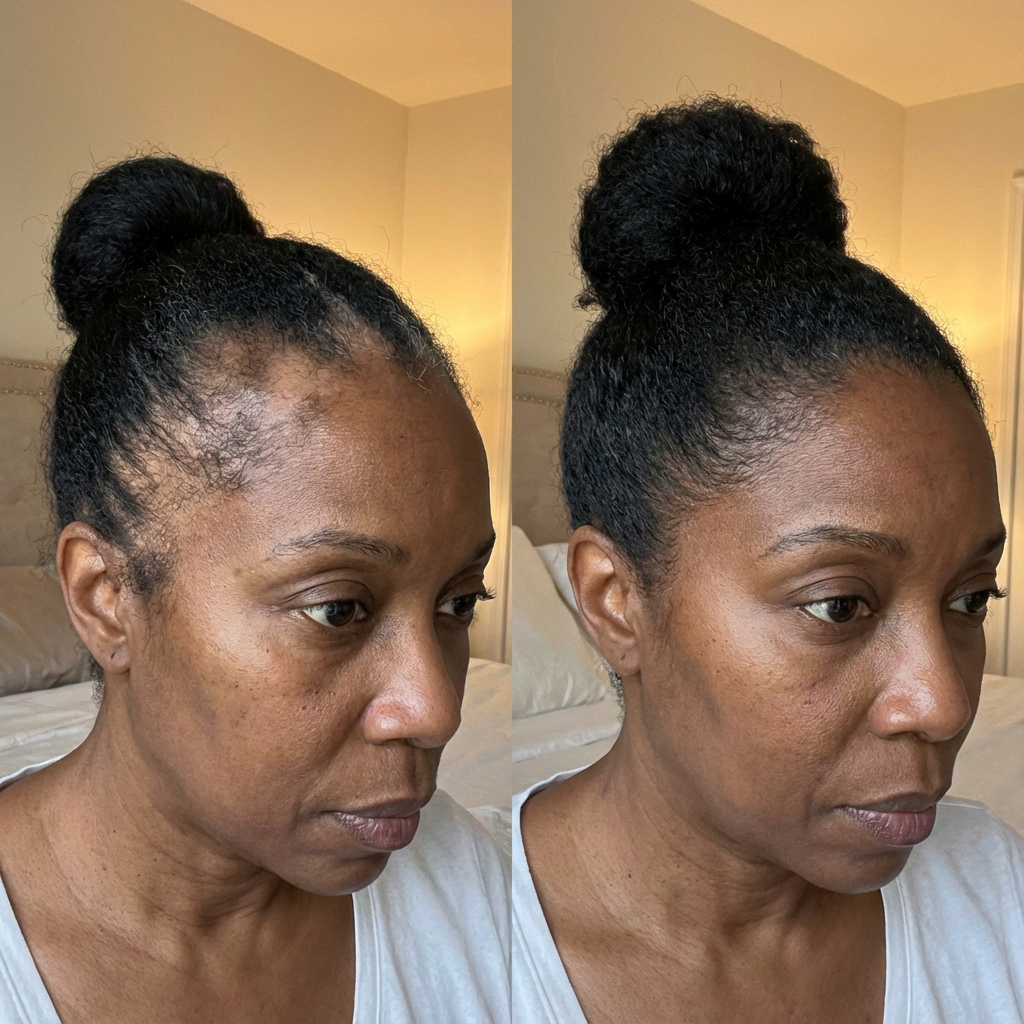
3 years. That's how long I haven't had my braids done. 3 years of "giving my edges a break." 3 years of rice water rinses, rosemary oil massages, and praying over my hairline every night. And my edges never grew back. My dermatologist told me it was traction alopecia. My sister in the hair salon told me the same. Said I pulled my braids too tight. Said if I just stopped wearing them, the hair would return. She was wrong. And what I later found out made me so angry I couldn't sleep for a week. Let me take you back to where this started. I used to have edges. Real edges. I would slick down with a little gel and a toothbrush every now and then. I wore braids my whole life. Box braids, knotless, cornrows—whatever style was trending, I was in that salon chair getting it done. Then one day, I noticed my hairline looked different. It was subtle at first. A little more forehead showing. The baby hairs getting thinner. The kitchen at my nape looking see-through. I blamed the braids. Everyone blamed the braids. "You're pulling them too tight." "You need to give your edges a rest." "That's traction alopecia, girl." So I stopped. No more braids. No more weaves. No more tight ponytails. I committed to "protective styling" by not styling at all. I wore my hair out. I did twist-outs. I babied my hairline like it was made of glass. Months passed. Nothing. A year passed. Still nothing. The hair around my edges and my nape stayed thin. Stayed sparse. Stayed embarrassing. I couldn't even pull my hair into a simple bun without exposing how much hairline I'd lost. I want you to understand how this felt. Every morning, I'd stand in the mirror and tilt my head, trying to find an angle where my edges didn't look so bad. They ALWAYS looked bad. So I didn't have my edges and I couldn't wear braids which no sister wants. I started using edge control to fake fullness. Then I switched to a dark brown edge spray I got in Sephora. It looked painted on. Like I drew my hairline with a marker. At work, I'd catch myself checking my reflection in every window, every bathroom mirror. Adjusting my hair. Pulling pieces forward to cover the gaps. I stopped going to pool parties. Beaches. Anywhere my hair might get wet and reveal what was underneath. My man would reach for my hair during intimate moments and I'd flinch. "Don't touch my edges." He stopped reaching. I started wearing my bonnet 24/7 at home. Even in the summer when it was hot. Because I couldn't let anyone see my real hairline—not even him. The worst part? I was still shedding. Every wash day, I'd watch clumps of hair circle the drain. Thick clumps. More than seemed normal. More than should be falling out from a woman who doesn't even style her hair anymore. I thought something was seriously wrong with me. I went back to the dermatologist. "It's just traction alopecia," she said again. "These things take time. Keep doing what you're doing." She didn't examine my scalp closely. Didn't order blood tests. Didn't ask about my periods or my hormones or my family history. She just told me to be patient. Three years of patience. Three years of watching my hairline recede further and further. Three years of nothing changing except my confidence disappearing along with my edges. That night I lay awake. The ceiling fan rotated. Over. And over. And over. Red numbers glowed on the clock: 11:52 PM. Rolled over. 12:41 AM. Again. 1:38 AM. At 2:23 AM I gave up. Went downstairs. The stairs creaked under my feet. The house was dark except for the stove light in the kitchen, casting a yellow glow across the tile floor. Sat at the kitchen table. The wood was cold against my arms. Opened my laptop. The screen's blue glow hurt my eyes. I typed: edges won't grow back after stopping braids The search results loaded. My chest tightened. I'd already read everything the medical websites had to say. Mayo Clinic. WebMD. Healthline. The American Academy of Dermatology. They all said the same thing. "Traction alopecia is caused by repeated tension on hair follicles." "Treatment involves avoiding tight hairstyles." "With early intervention, hair may regrow within a few months." A few months. I was at three years. I'd read every study. Every dermatology article. Every "expert recommendation." All of them said the same thing: stop the braids, give it time. I'd done that. For three years. Nothing. This time, I didn't click on the medical sites. This time, I scrolled past them. I needed to hear from women like me. Women who'd actually lived this. Not doctors who'd only studied it. I found a forum thread titled: "Stopped braids 2 years ago, edges still gone. Anyone else?" The timestamp said it was posted six months ago. 847 comments. I clicked. The first comment made my heart stop. TishaMarie_ATL: "Girl, I could have written this post. I went to the dermatologist three years ago. She told me traction alopecia. Told me to stop the braids and give my edges a break. I did EVERYTHING she said. No braids, no weaves, no tight ponytails. I babied my hairline for three years. Silk pillowcases. Castor oil, rice water every night. Satin bonnets. My edges NEVER came back." 27 likes. 14 replies. I kept scrolling. NaturalNia_Houston: "I just started Minoxidil last month. My dermatologist said it's the only thing that will actually regrow hair. Praying it works because I'm tired of wearing wigs to hide my hairline." The reply underneath made my stomach drop. CrownedAndCurly: "@NaturalNia_Houston I tried Minoxidil for six months. Nothing happened. Actually, my edges got THINNER. And it reverted my silk press every time I applied it. That product was made for white women. It doesn't work for us. I wish someone had told me before I wasted six months and $200." That's literally me when I was using minoxidil. I kept scrolling. MelaninMagicHair: "Has anyone tried biotin? I heard it helps with hair growth. Thinking about starting it." SisterSage_BK: "@MelaninMagicHair I took biotin for an entire year. 10,000mcg every day. My nails got stronger but my edges stayed the same. Biotin helps with hair that's ALREADY growing, and that's only if you're deficient in it. Don't waste your money sis." I rubbed my eyes. The clock on the stove read 3:17 AM. I should have gone to bed. But I couldn't stop scrolling. Then I found a comment that changed everything. FollicleFactsRN: "I'm going to say something that most dermatologists won't tell you because they don't specialize in Black hair: If your edges haven't grown back after YEARS of no tension, it's probably not traction alopecia. It's probably DHT—the hair loss hormone in Black women. Here's what happens: DHT cuts off blood supply to the follicle. The follicle shrinks. The hair it produces gets thinner and weaker. Eventually, the follicle stops producing hair altogether. The edges and the nape are more sensitive to DHT than the rest of your scalp. So when you add tension—braids, ponytails, weaves—you're not CAUSING the damage. You're just pulling out hair that was already dying." I read that comment four times. My heart was pounding. The replies underneath were just as eye-opening. DrTanyaWilliams_Trichologist: "@FollicleFactsRN Trichologist specializing in textured hair here. This is exactly what I see in my practice every week. Here's what nobody is telling Black women: Estrogen is what protects your hair follicles from DHT. It's like a shield. After 30, estrogen starts dropping. After 40 and 50, it falls off a cliff. When that shield disappears, DHT has nothing stopping it. It attacks your follicles freely. And Black women already have higher rates of PCOS and fibroids—both of which raise DHT even further. So you're losing your protection AND producing more of the thing that's killing your hair. At the same time. That's why your dermatologist's advice doesn't work. Stopping braids doesn't rebuild your estrogen shield. Castor oil doesn't rebuild it. Biotin doesn't rebuild it. You need to block DHT directly. Two ways: stop the production AND stop the binding. One without the other won't work. The most effective natural combination: pumpkin seed oil (blocks production) + saw palmetto (blocks binding). Taken internally. Not topically. This is not something most doctors learn. It requires specialized training in hormonal hair loss of Black women—which is why so many of us spend years getting the wrong diagnosis." 94 likes. The most-liked comment in the thread. I sat back in my chair. The laptop screen had dimmed from inactivity. I touched the trackpad to wake it up. Pumpkin seed oil. Saw palmetto. I'd never even heard of these for hair loss. I wrote them down on a napkin. My handwriting was shaky from exhaustion. The clock read 4:08 AM. I finally went to bed. But I couldn't sleep. My mind kept racing. DHT. Blood supply. Suffocated follicles. Internal blocking. It all made sense. It explained why nothing had worked. It explained why my edges never came back. It wasn't the braids. It was never the braids. The next day was Saturday. I drove to the health food store across town. The kind with wooden shelves and essential oils by the register. I walked in and headed straight to the supplement aisle. The shelves were packed. Vitamins, minerals, adaptogens, things I'd never heard of. I found pumpkin seed oil on the bottom shelf. A small bottle. $8.99. I picked it up. Turned it over. Read the label. 500mg per capsule. I had no idea if this was the right form. The right dose. The right anything. I stood there, staring at the bottle, feeling lost. "That's not going to do what you need it to do." The voice came from behind me. Calm. Direct. Not rude—but certain. I turned around. A woman in her 50s. Beautiful TWA, silver at the temples. She was wearing a lanyard with a name badge: Dr. Monique Harris, Clinical Herbalist. She must have seen me reading the label. "I'm sorry," I said. "I was just—" "Looking for something to help with hair loss?" She smiled gently. "I see that look at least three times a week in this aisle." I nodded. "I just found out about DHT. I read that pumpkin seed oil can block it." She took the bottle from my hand. Looked at the label. Shook her head. "Pumpkin seed oil alone isn't going to block DHT," she said. "You need pumpkin seed oil AND saw palmetto. They work on two different pathways. We have this one here as a nutritional supplement, but you need a different one for DHT." She set the bottle back on the shelf. "Pumpkin seed oil inhibits DHT production—it slows down how much your body makes. Saw palmetto blocks DHT from binding to your follicles—so even the DHT that gets produced can't attach and do damage. You need both." "And this one doesn't have saw palmetto?" I asked. "No. And there's another problem." She tapped the label. "This is heat-processed. Most cheap pumpkin seed oil supplements use high heat because it's faster and cheaper. But heat destroys the phytosterols—those are the specific compounds that block DHT. If the phytosterols are damaged, you're taking an multivitamin. Not a DHT blocker." My heart sank. "So what am I supposed to take?" She pulled out her phone and showed me a website. "Bloom & Bond. It's the only supplement I recommend to my clients for hormonal hair loss. 2000mg of pumpkin seed oil plus 200mg of saw palmetto. Cold-pressed, so the phytosterols are intact. And it's third-party tested." She turned the phone so I could see the website clearly. "Two capsules before bed. That's it. No topicals, no greasy scalp, no ruining your styles. It works from the inside, which is where your problem actually is." "Does it actually work?" I asked. She laughed softly. "I've been a clinical herbalist for fourteen years. I've tried recommending dozens of supplements. This is the one I keep coming back to because my clients keep coming back to tell me it worked. I wouldn't recommend it if they didn't." "They even offer a 90-day guarantee, which no supplement brand does. So if it doesn't work, you get every single penny back." I pulled out my phone right there in the store. Went to the website. Ordered two bottles. Standing in the supplement aisle with my heart pounding. Week one. I took two capsules every night before bed. Just like she said. I didn't notice anything different. I reminded myself this wasn't going to be overnight. Week two. Wash day came. I stepped into the shower expecting the usual clumps circling the drain. There were less. I told myself it might be nothing. Maybe I was imagining it. Week three. Less shedding again. I wasn't imagining it this time. I stood in front of my bathroom mirror, leaning close, examining my hairline under the bright vanity lights. I saw something at my temples. Tiny. Short. Fine. Baby hairs. My throat tightened. Week four. More baby hairs. Not just at my temples now—along my entire hairline. Little wisps that caught the light when I tilted my head. I took a photo. Compared it to one from a month ago. The difference was real. Week six. The shedding during wash day had slowed dramatically. I used to dread touching my hair in the shower because I knew what would come out in my hands. Now I could actually detangle without watching half my hair go down the drain. My kitchen—felt different when I touched it. Thicker. Fuller. Week eight. I went to the salon for the first time in months. Not for braids. Just a trim and a silk press. My stylist paused when she sectioned my hair. "What have you been doing? Your edges look different." I almost cried right there in the chair. Week twelve. I pulled my hair back into a ponytail. No edge control. No spray. No strategically arranging pieces to hide the gaps. Just my hair. My real hairline. I stood in the bathroom, turning my head left and right, examining every angle. My edges weren't perfect. They weren't as full as they were ten years ago. But they were THERE. Real hair. New growth. Filling in the spaces that had been empty for three years. I called my sister and cried on the phone for twenty minutes. It's been five months now. My hairline looks like my hairline again. I can wear a high bun without feeling self-conscious. I can let my man touch my hair. I can go to the beach without panicking about getting my hair wet. I'm saying this because I spent three years suffering because nobody told me the truth. And I don't want the same for any of my sisters. I spent three years using products that were never designed for my body. I spent three years being told to "be patient" while my follicles were being suffocated from the inside. If you're reading this and your story sounds like mine—if you stopped the braids and your edges still won't grow back—I want you to know something: It's not your fault. It's not because you haven't waited long enough. It's not because you're not using enough castor oil or rosemary oil or rice water. It's because the thing killing your hair is happening inside your body. And until you address that, nothing on the outside is going to fix it. Bloom & Bond has a 90-day money-back guarantee. That's three full months to see if it works for you. If it doesn't—if your shedding doesn't slow down, if you don't see those baby hairs starting to fill in—you get your money back. That guarantee is the only reason I tried it in the first place. I'd wasted so much money on products that didn't work. I couldn't afford another disappointment. But with 90 days to test it, I figured I had nothing to lose. And I gained back my edges. Check it out here: https://thebloomandbond.com/pumpkin-bw — Jasmine P.S. — I wish someone had told me about DHT three years ago. I wish someone had explained that my edges weren't dying because of braids—they were dying because of what was happening inside my body. If your story sounds like mine, don't wait another three years, you might lose those follicles forever. Try Bloom & Bond. The 90-day guarantee means you have nothing to lose—except the hair that's still falling out.
Like this ad? Make it yours.
Crush rebuilds this exact creative around your product — your brand, your colors, your offer — in about a minute.