
Inactive· since Feb 17, 2026
- 4
- days it ran
- 29
- relaunches
- 6,416
- EU reach
Ad copy
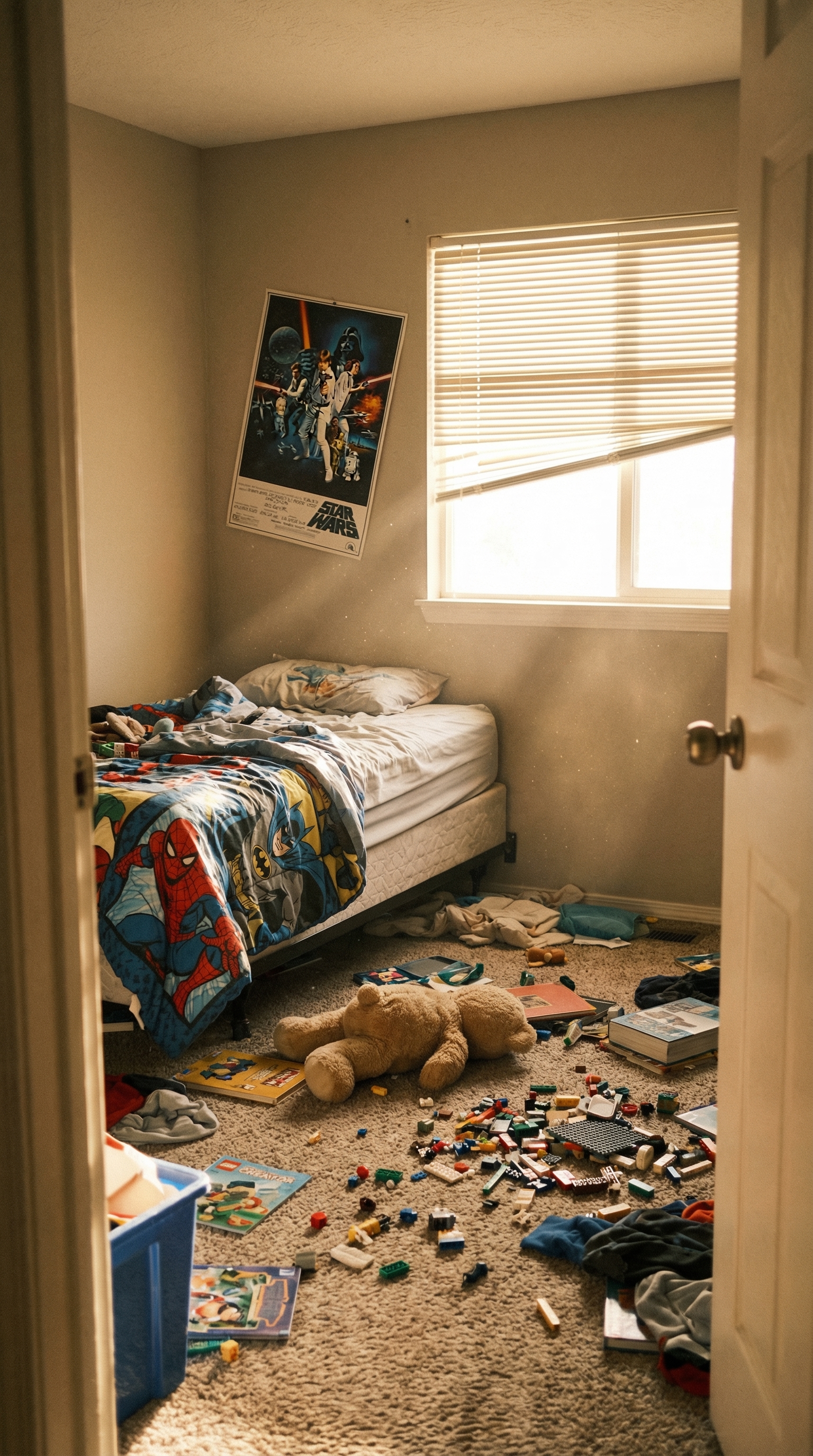
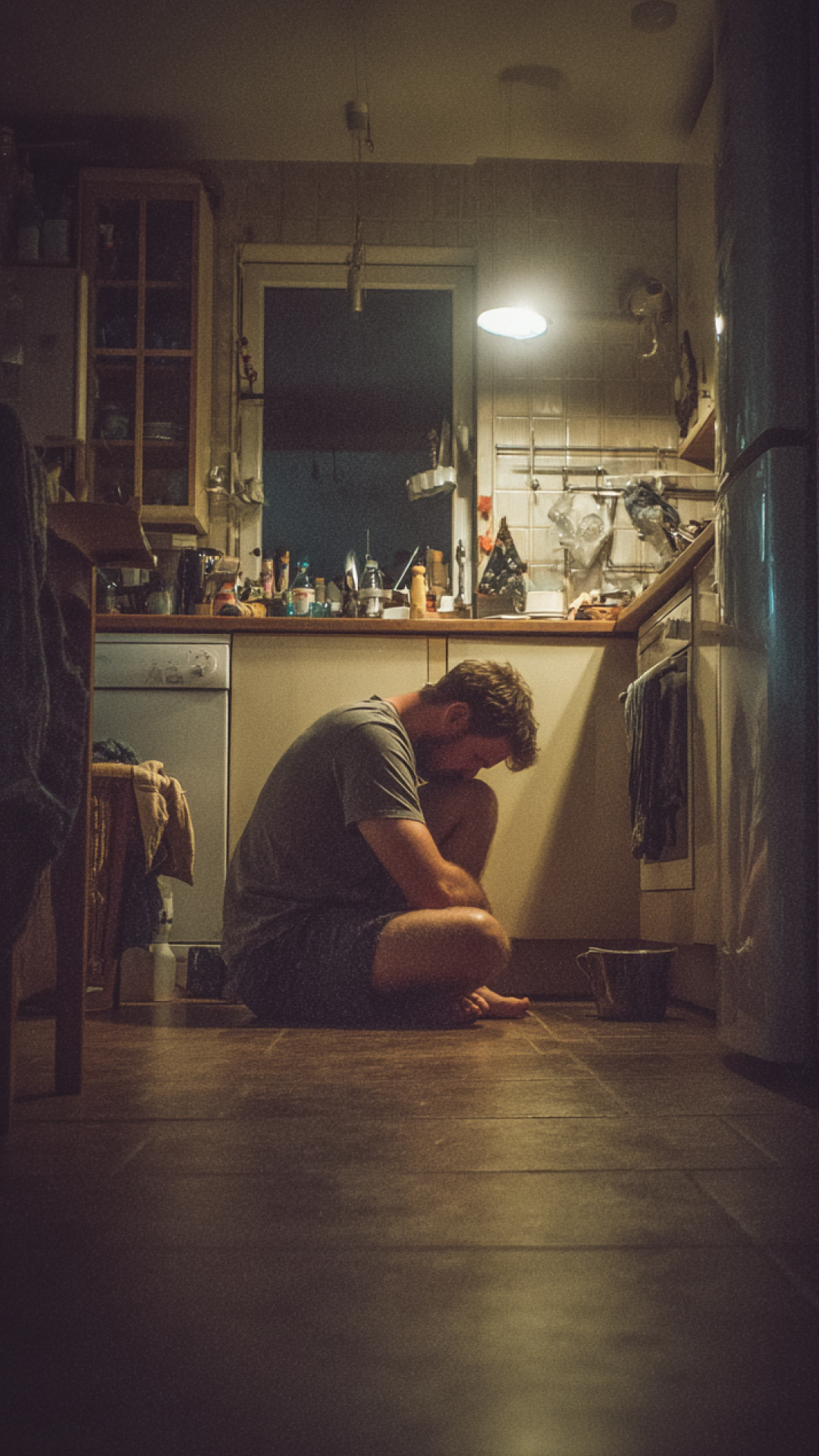
It started at 33. The exhaustion that sleep couldn't fix. The fog that swallowed every thought before I could finish it. The night I screamed at my four-year-old over a glass of spilled juice and saw actual fear in his eyes. I spent 3 years convinced I was just stressed. Turns out I was right — just not in the way I thought. At 33, you don't think "burnout." You think: I'm just tired. Work is crazy. The kids are young. Everyone feels like this. So I pushed through. Like we do. Coffee before sunrise, emails after midnight, and a lot of "I'm good" in between. But I wasn't good. The exhaustion got worse. Not "I need a vacation" tired. "I could quit everything and sleep for a year and still wake up empty" tired. Then came the fog. Not forgetfulness. A total whiteout. I'd stand in the middle of a sentence in a meeting and forget what I was saying. I'd drive to the grocery store and sit in the parking lot because I couldn't remember what we needed. My wife would ask me a simple question and I'd stare at her like she was speaking another language. And then — the thing that scared me most. I stopped feeling anything. Not sad. Not angry. Not happy. Just... flat. Like someone pulled the plug on whatever makes a person a person. My kids would run to me screaming "DADDY!" and I'd hug them and feel nothing. I'd go through the motions — smile, ruffle their hair, say "hey buddy" — but inside it was like watching a movie of someone else's life. At 33. Married to a woman I loved. Father to kids I'd die for. And suddenly feeling nothing for any of it. 34 was the year of excuses. Maybe I need more sleep? Bought a better mattress. Tried melatonin. Still woke up at 3 AM staring at the ceiling, running through tomorrow's problems on repeat. Maybe it's the job? Took a week off. Felt the same. Maybe worse, because now I didn't even have work to distract me from the emptiness. Maybe I just need to try harder? Forced myself to go out, to be social, to pick up old hobbies. Sat through all of it feeling like a tourist in my own life. My wife was patient. More than patient. She'd reach for me at night and I'd roll away. She'd suggest a date night and I'd say "maybe next week." She'd ask what was wrong and I'd give her the only honest answer I had: "I don't know." She'd nod. But I could see it — the worry turning into distance. The love still there but bruised. The slow, quiet wondering if this was permanent. How long can someone love a ghost? 35 was when my body started keeping score. The headaches came first. Not sharp. Just a constant, dull pressure behind my eyes, like my skull was one size too small. Then the jaw pain. Turns out I'd been clenching my teeth so hard in my sleep that I cracked a molar. My dentist asked if I was "under a lot of stress." I almost laughed in his face. My back locked up for three days. Couldn't turn my head. My muscles were holding so much tension they'd basically turned to concrete. And the anger. God, the anger. Not at work. Never at work. At work I was still the reliable one. The calm one. The guy everyone leaned on. At home? I was a bomb. Short fuse. No warning. My son spilled that juice. And something in me detonated. The volume. The venom. Over a glass of apple juice on a couch we were going to replace anyway. He froze. Eyes huge. Bottom lip trembling. My wife stepped between us. "What is WRONG with you?" I looked at my son's face — terrified of his own father — and something broke inside me that I didn't know how to fix. I went to the garage. Sat in my car. Stared at the steering wheel for an hour. That's the thing about burnout. It doesn't just take you down. It takes down everyone stupid enough to love you. 36 was the year I gave up trying. Not dramatically. Not with a declaration. I just... stopped. Stopped pretending hobbies would help. The guitar collected dust. The basketball sat flat in the garage. The running shoes lived in the closet like a monument to someone I used to be. Stopped pretending weekends were different from weekdays. Saturday was just Monday without the commute. Stopped pretending I was okay. But also stopped talking about not being okay. Because what was there to say? "I feel nothing and I don't know why" isn't really a conversation. It's a wall. My wife and I became roommates. Efficient, affectionate roommates who co-managed children and bills and the logistics of a life that looked perfect from the outside and felt hollow from within. She stopped asking what was wrong. I should've been relieved. I was. And that relief made me hate myself. I started scrolling. Hours of it. Lying in bed at midnight, thumb moving through content I wouldn't remember in the morning. Not looking for anything. Not enjoying anything. Just avoiding the silence that came when I stopped. Because in the silence, the thoughts would come. Is this it? Is this just what life is? Working until I die at something that means nothing, feeling nothing, performing "fine" until they put me in the ground? The thing that changed everything came from the most random place. A guy at work. Not even a friend. Just a coworker I ate lunch with sometimes. He mentioned, casually, that he'd been dealing with burnout. "It wasn't just stress, though," he said. "My whole system was fried. Like, biologically. My nervous system was stuck in survival mode." Nervous system. Survival mode. I nodded. Changed the subject. But that night, at 2 AM — because that's when burned-out people go looking for answers — I looked it up. Here's what I found: When you spend years in chronic stress — performing, grinding, pushing, never stopping — your nervous system adapts. It gets stuck in a stress response. Permanently. Not because there's real danger. Because your body can't tell the difference between "something is actually wrong" and "47 unread Slack messages from your boss." And when your nervous system is stuck in that mode, it starts shutting down anything it considers "non-essential." Joy. Patience. Connection. Creativity. Desire. Sleep. The things that make you feel alive. It's not laziness. It's not weakness. It's not "just being a dad." It's your body running a stress program that was never meant to last years. And the more you push through — more coffee, more grinding, more "I'm fine" — the deeper you dig. That's what I'd been doing. For three years. In a forum about this, someone mentioned an app. Liven. Something about retraining your nervous system using a method that worked in short daily cycles. Designed for people who have zero bandwidth left. I was skeptical. I'd tried everything. But it was five minutes a day. And I had nothing left to lose. Week 1: Felt pointless. Did the exercises like I was checking a box. Thought "this is stupid" at least twice per session. Almost quit. Week 2: My wife said I seemed "less tense." I didn't know what she meant. But I noticed I'd stopped clenching my jaw during the day. And I slept past 3 AM for the first time in months. Week 3: My son asked me to build Legos. I said yes. Not "in a minute." Not "after this email." Just yes. We sat on the floor for an hour making a spaceship that looked nothing like a spaceship. And I was there. Actually there. I felt it. Week 4: Came home from work and my wife was in the kitchen. I walked up behind her and hugged her. No agenda. No reason. Just because I wanted to. She turned around and her eyes were wet. "There you are," she whispered. "I've been waiting for you." Week 6: I picked up the guitar. Played badly. Didn't care. My daughter sat on the floor and listened like it was a concert. Something in my chest unlocked. Warmth. Actual warmth. Week 8: My son spilled his drink at dinner. Milk everywhere. All over the table, the floor, his shirt. He looked at me, bracing. I grabbed a towel and said, "Nice one, buddy. Very artistic." He laughed. My wife laughed. I laughed. And it was real. It's been three months. I still have hard days. Days where the fog tries to creep back. Days where I feel the old pull toward numbness. But the nothing is gone. The flat, terrifying nothing that made me think I'd never feel alive again. My wife said something last week that almost broke me in the best way: "I didn't lose you. You just went somewhere I couldn't reach. But you came back." Three years. I spent three years convinced that exhaustion was just the price of being a responsible adult. That feeling nothing was just what happens when you grow up. That the angry, hollow, disconnected version of me was the real me. It wasn't me. It was my nervous system stuck in a stress response, shutting down everything that made me who I am. If you wake up exhausted no matter how much you sleep... If you love your family but can't feel it... If you've become someone who goes through the motions — smiling when you should, saying "I'm fine" fifty times a day... If you snap at the people you love most and hate yourself for it after... If you feel guilty for struggling because "other people have it worse"... It's not a character flaw. It's not weakness. It's not just stress. It might be a nervous system that's been running on overdrive for so long it forgot how to do anything else. Liven has a quiz that shows you what's actually going on — and what it takes to start feeling like yourself again. I wish I'd found it at 33 instead of 36. But I found it. And I'm coming back to life. The link is below. 💙
My family deserves better.
LEARN MORELike this ad? Make it yours.
Crush rebuilds this exact creative around your product — your brand, your colors, your offer — in about a minute.