
Inactive· since Jan 6, 2026
- 112
- days it ran
- 0
- relaunches
Ad copy
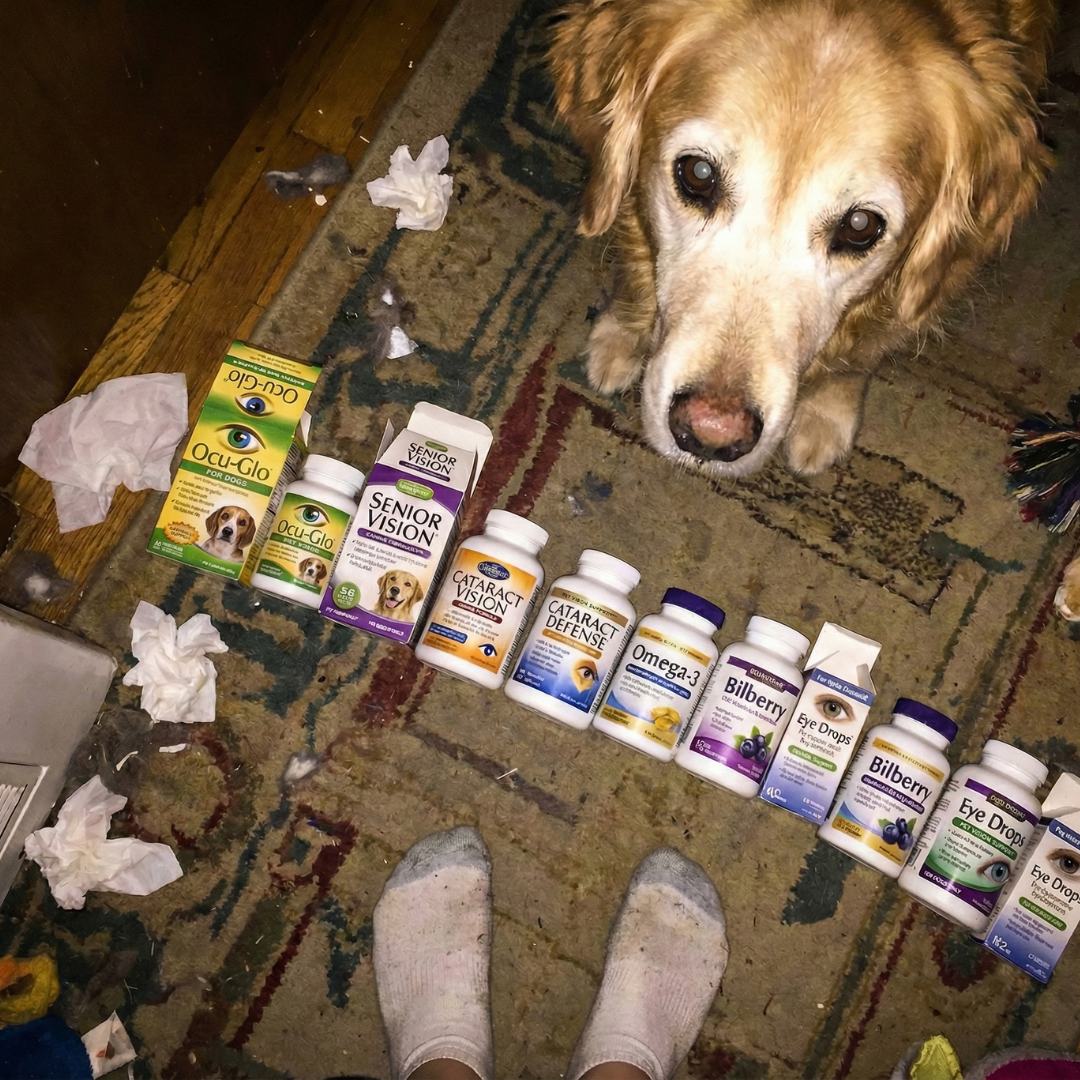
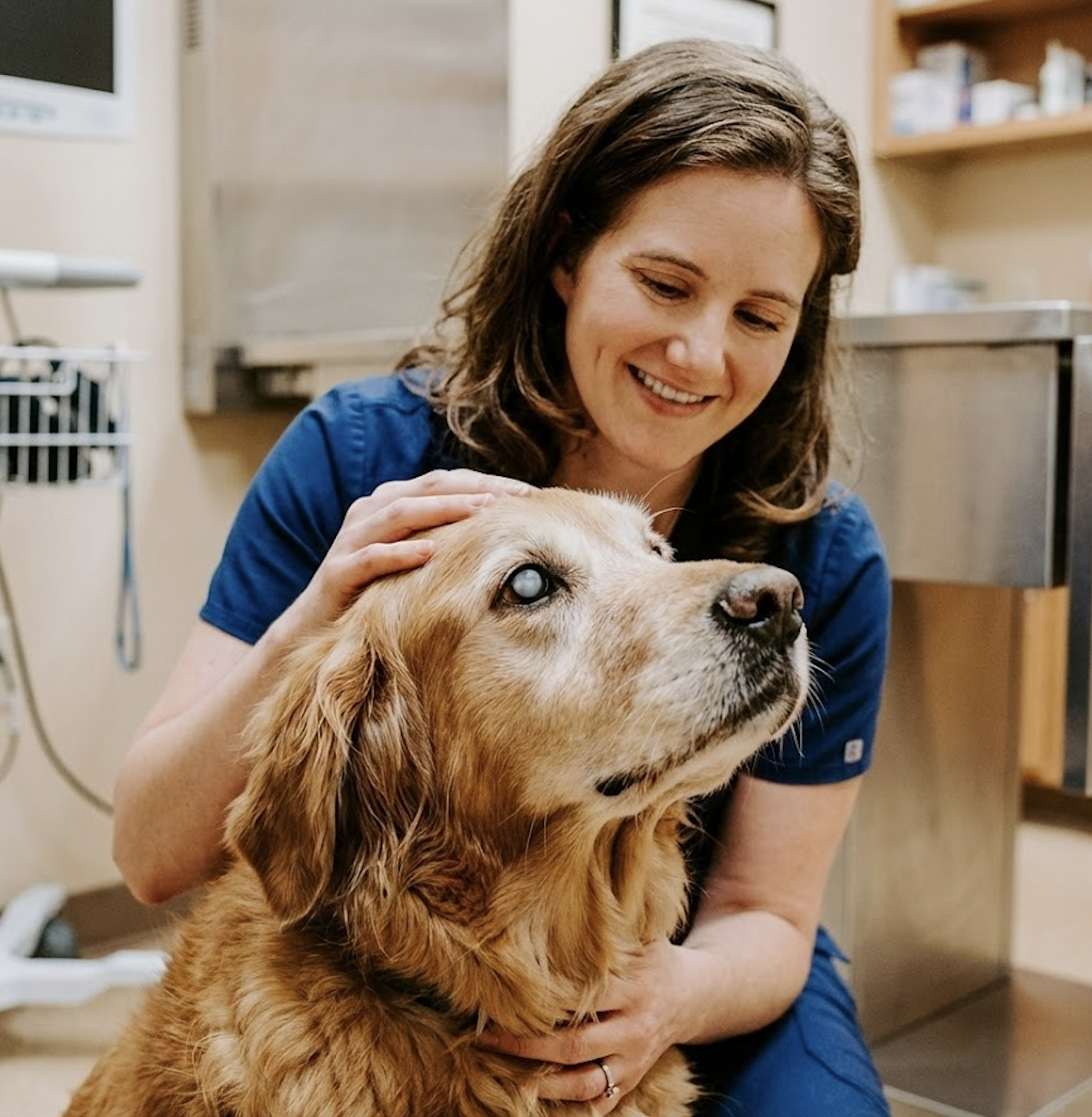
There's a question I should have asked every pet owner who walked into my clinic over the past decade. It wasn't about the pet's breed, age, or weight. It's something that isn't typically covered in veterinary school, but it's critical. Until I discovered that a significant number of dogs I examined had one thing in common a preventable yet overlooked issue that could devastate their vision. My name is Dr. Christina King I'm a veterinary ophthalmologist based in western canada veterinary eye specialists. Feel free to verify my credentials. This is genuine. And if your vet hasn't considered this, your dog could be losing their sight as we speak. The turning point came when Mrs. Patterson brought her dog, Bailey, into my office, visibly distressed. Bailey was a vibrant 8-year-old Golden Retriever, in great shape, with no history of disease, and fed a top-rated premium dog food. But there was clearly something very wrong. Bailey's eyes were cloudy. He was bumping into furniture. Hesitating at stairs. And constantly scratching at his face. Mrs. Patterson had already spent over $2,000 on various tests. Bloodwork. Eye exams. Allergy panels. All of which came back "within normal range." But Bailey's condition was deteriorating before our eyes. I decided to try something unconventional. I looked deeper into his eye cells. What I found was shocking. Bailey's eyes were overrun with accumulated cellular debris. Years of microscopic particles blocking light from reaching his retina properly. Suddenly, it all made sense. If you're reading this and sensing a pang of worry because your dog's eyes are getting cloudy... Stop. None of this is your fault. You were doing exactly what you thought was best. Following your vet's advice. Giving them quality food. Taking them for regular checkups. You were trying to be the best pet parent you could be. The issue isn't with your intentions. The issue is nobody told you about an insidious process happening inside your dog's eyes. Here's what unfolds: As dogs age, their eyes naturally accumulate cellular debris. Dead cells. Oxidized proteins. Microscopic particles. This debris settles between the retina and vitreous gel. Quietly. Slowly. Over months, even years. The dog may appear healthy, play well, follow usual routines. While internally, this debris builds up. Blocking more and more light from reaching their retina. So when you notice that slight cloudiness forming... When they start hesitating at doorways... When they seem "off" in dim lighting... It's not "just aging." It's accumulated cellular debris stealing their vision. And here's the part that made me question everything I learned in vet school: Traditional eye drops? They sit on the surface. They never reach the debris. Pills and supplements? 80% of the nutrients get destroyed in digestion before they ever reach the eyes. Surgery? $4,500 per eye. Risky for senior dogs. And it doesn't address the root cause. None of these address what's actually happening inside. I started evaluating every dog with cloudy eyes, constant scratching, or unexplained hesitancy. In a span of six months: over 200 dogs were checked. More than 85% had significant cellular debris accumulation. These weren't neglected dogs. These were beloved family pets on premium diets with regular vet visits. The common factor wasn't the breed. Wasn't the diet. Wasn't the lifestyle. It was the debris that nobody was addressing. So I began questioning why this wasn't part of our normal diagnostic procedure. Why wasn't this eliminated as a cause before recommending expensive surgeries? The answer isn't a conspiracy. It's more upsetting in its simplicity. Addressing cellular debris naturally isn't profitable. Surgeries are. Repeat prescriptions are. Ongoing treatments are. The system is not incentivized to ask the right questions. And dogs end up paying the price. What startled me most was how many owners noted the same symptoms, dismissing them as normal aging. The hesitation at stairs. Owners believed it was arthritis it's often failing vision. Eyes that water constantly. Owners consider it allergies it's often irritation from debris. Fur around the eyes that's always stained. Owners think it's just tear marks that's inflammation. A once confident dog that seems scared of the dark. Owners chalk it up to aging it's early vision loss. Owners recounted these concerns separately, unaware they were linked. But they absolutely were. Each one was the dog's way of signaling internal distress. The cloudiness and hesitation aren't the illness. They're symptoms of a deeper issue. Here's what many pet owners need to understand: Even if your dog appears healthy, if they're over 5 years old and showing any signs of cloudiness... This debris may already be accumulating. Not critical now. Not immediately blinding. But significant enough that your dog's vision is declining day by day. And one day, perhaps a year from now or two, you'll notice they just can't see anymore. At that stage, reversing the damage is much harder. After analyzing the scope of this problem, I was determined to find a fix. I dived into research. Evaluated studies. Tested available solutions. Nothing seemed to substantively work. I was close to conceding defeat. Then a colleague recommended something I'd never heard of. A formula using nanotechnology to deliver eye-supporting nutrients directly to the bloodstream. Bypassing digestion entirely. Getting the antioxidants exactly where they needed to go the eye cells themselves. It was 3 AM when I finished reading the research. And a revelation emerged. This explained what I had witnessed in my patients. Something unstated in traditional veterinary training. Rarely heard at industry-sponsored seminars. And I was overwhelmed with clarity and frustration. Clarity, because I finally had answers. Frustration, because countless dogs could have been helped sooner had I known. Bailey was put on this protocol immediately. Week 1: Less scratching at his eyes. Seemed slightly more confident. Week 2: The cloudiness wasn't getting worse. First time in months. Week 3: Mrs. Patterson called me, voice shaking. "He found his ball under the couch. He actually SAW it." Week 4: Noticeably clearer eyes. Walking without hesitation. By week eight, Mrs. Patterson sent me a video. Bailey was running through the backyard. Chasing a frisbee. Something he hadn't done in over a year. Her message read: "I forgot what this looked like. His favorite game. He's back." When dogs recover, the little things are the first signs. Returning to their favorite spots. Greeting you at the door again. Finding toys they couldn't see before. That's when you know the healing has truly begun. Follow-up examinations months later showed significantly reduced cellular debris. Consistent energy. Clear, bright eyes. The only change? His eye cells were finally getting the nutrition they needed to clear the debris naturally. I began recommending this to every pet owner facing cloudy eyes, constant scratching, or unexplained vision decline. Six months later: over 400 dogs treated. 90% showed significant improvement within 60-90 days. Helen's Rover, aged 10: "The vet mentioned possible surgery. But two months after starting this, his cloudiness was nearly gone. He's like a puppy again." Grace's Bella, 7 years old: "Bella was hesitant to go outside at night. Within weeks, she was running in the dark without fear." Mark's Duke, 8 years old: "After trying everything, this simple approach gave Duke his confidence back. He's happier than he's been in years." This is what happens when you understand what's challenging your pet's vision and take action. I could have stayed silent. I could have continued recommending expensive surgeries and collecting referral fees. But my aim as a vet is to help animals. Not to perpetuate a system that lets them suffer while their owners bear excessive costs. If you're reading this, you either suspect something is wrong with your dog's eyes or you're cautious about preventing problems. Your instincts are valid. The answer isn't expensive surgery. It's not "wait and see." It's not another round of costly scans. It's understanding what's accumulating inside your dog's eyes and intervening before it gets worse. One of my clients, Elizabeth, opted to postpone. "I'll look at this again later," she said. "I think Max is fine for now." Three months passed. Max walked into a glass door. Then he fell down the stairs. The emergency treatment: $2,800. Max survived. But he lost significant vision in one eye. Elizabeth called from her car, voice shaking: "I thought I had more time." That's the problem with cellular debris. It's silent until it's not. Your dog seems fine until suddenly they're not. And suddenly you're faced with a dog who can't see the family they love. If your dog is showing any signs of cloudiness, hesitation, or constant scratching... This is not a wait-and-see situation. The formula I now recommend is called AuraPets. It uses nanotechnology to deliver 18+ eye-supporting ingredients directly to the bloodstream. Up to 98% absorption. No digestion. No waste. Straight to the eye cells. It comes with a 90-day money-back guarantee. If your dog's eyes don't become clearer, you get your money back. I've shared the link below. I trust it will help your dog as significantly as it has helped hundreds of others. Please, share this information to help more dogs in silent distress. https://getaurapets.com/products/aurapets-nano-drops-subs-2
The Question Your Vet Never Asked
AuraPets™ Eye Wellness Drops - Natural Eye Care for Pets AuraPets™ Eye Wellness Drops support your pet’s vision and overall eye health with a blend of 18+ naturally sourced ingredients. Formulated to address common eye concerns such as dryness, redness, and cloudiness, it promotes long-term ey...
LEARN MORELike this ad? Make it yours.
Crush rebuilds this exact creative around your product — your brand, your colors, your offer — in about a minute.