Inactive· since Aug 13, 2026
- 32
- days it ran
- 0
- relaunches
Ad copy
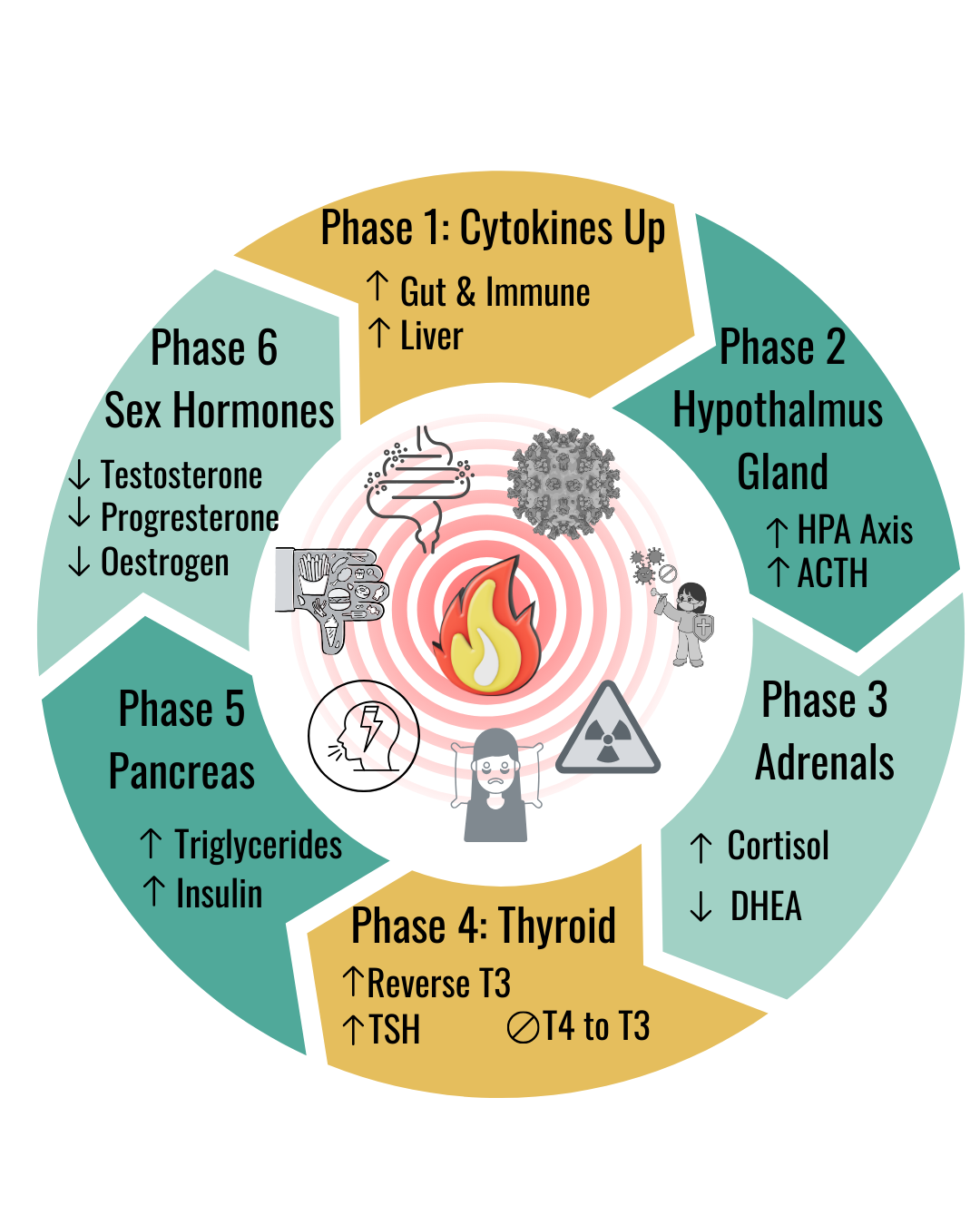
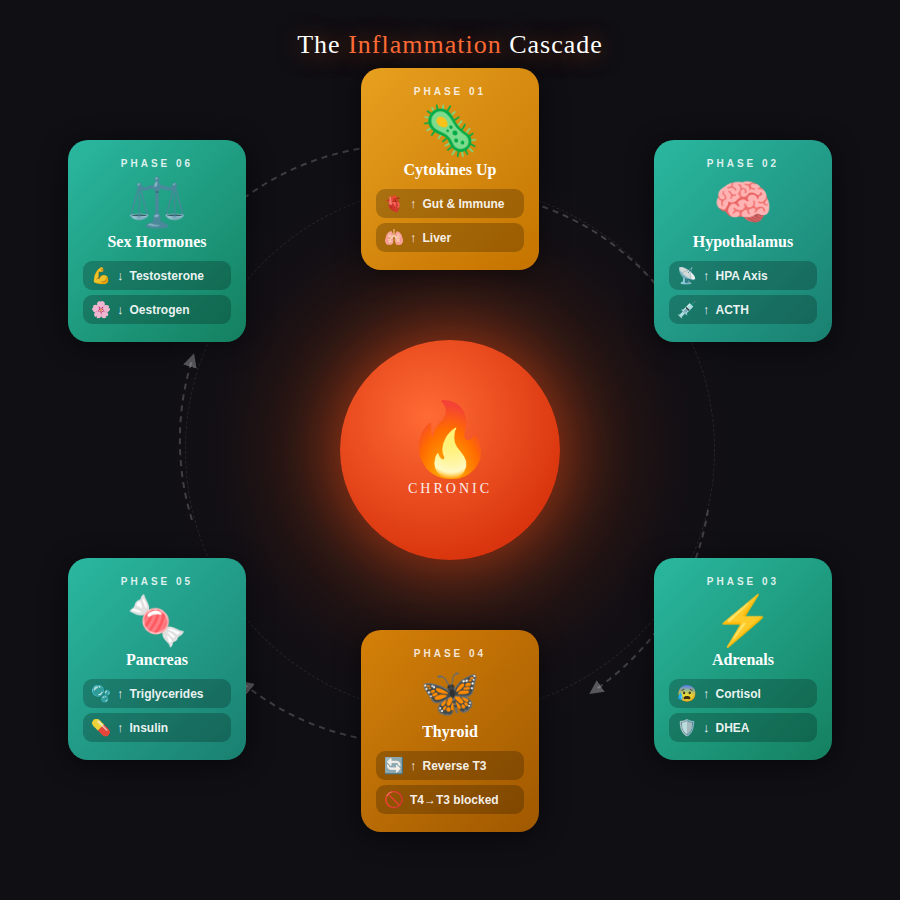
High histamine drives many of the symptoms women experience during perimenopause and menopause. Few women realise how closely histamine is connected to their hormones. As progesterone begins to decline during perimenopause, the HPA Axis becomes more active. The HPA Axis is the communication pathway between the brain and the adrenal glands. Adrenal glands produce cortisol. Cortisol plays an important role in helping regulate your body’s histamine response. At the same time (as progesterone is declining), women naturally become more susceptible to inflammation. Inflammation activates specialised immune cells, Mast Cells. When activated, they release histamine. This rise in histamine may contribute to symptoms including: Hot flushes or night sweats, Itchy skin, Bloating, Acid reflux, Brain fog, Anxiety, Poor sleep, Migraines, Sinus congestion, Joint pain, Palpitations, Fluid retention, and Even bladder discomfort. But the story doesn’t stop there. Histamine can also interfere with normal oestrogen metabolism. Higher oestrogen can stimulate even more histamine release (which happens in Stage 3 of The Body ReCalibration). At that same time (during cycles of elevated mast cells), lower cortisol can make histamine responses even stronger. This creates a cycle that can keep inflammation and symptoms going long after menopause has begun. To learn more, watch the full “The Body ReCalibration: The Four Stages that explain what happens to women between 35 and 70”. Register here: https://naturalhormonebalance.co/free-training-body-recalibration/
[Free Webcast] The Body ReCalibration unpacking Low Progesterone, Histamine, Low (and High) Oestrogen, and Inflammation
LEARN MORELike this ad? Make it yours.
Crush rebuilds this exact creative around your product — your brand, your colors, your offer — in about a minute.