Smile Reset
Smile Reset Facebook ad: “Why Every Whitening Strip Is Making Your Smoker's Teeth…”
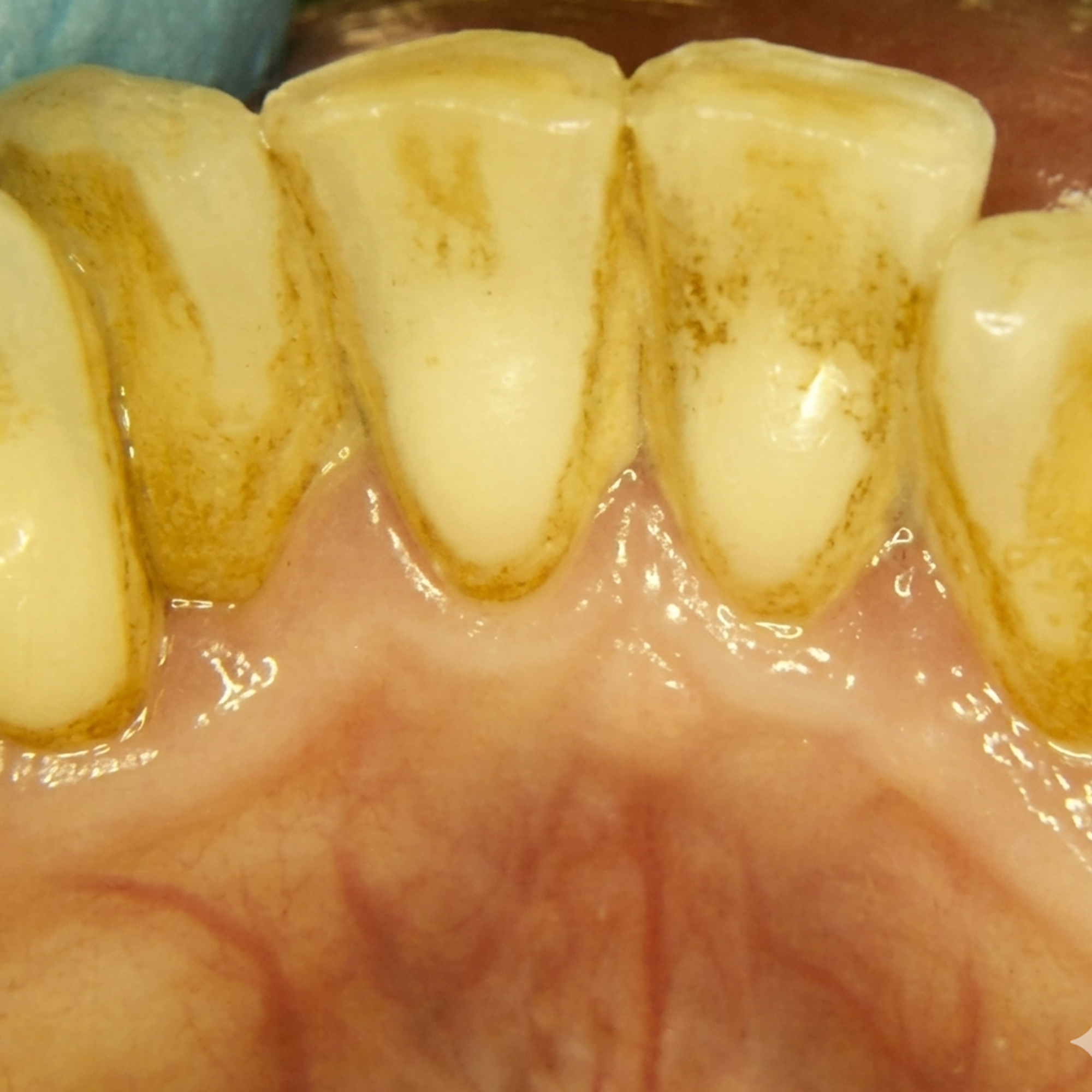
Ran for 11 days, from May 3 to May 14, 2026, the last day Crush saw it.
Run by Smile Reset on Facebook. Crush is not the advertiser and does not verify its claims. See this ad in Meta's Ad Library(opens in a new tab)
Want an ad like this for your product?
Crush makes new ad images for your product from this ad: your logo, your product photo, your offer.
Trials from $19.95 USD, then $79.95 USD a month. Cancel anytime.
About this ad
- Meta Ad Library ID
- 1260207702947109
- Platforms
- Facebook, Instagram, Audience Network, Messenger and Threads
- Relaunches
- 1
- Niche
- Skincare & Beauty
Ad text
If you've smoked for years and your teeth keep getting darker no matter what you try — if the whitening strips you buy every month make zero visible difference, your dentist keeps telling you to "just quit" as if that's helpful, and the staining is now IN your teeth rather than on them — I'm about to tell you exactly what's happening and why the dental industry will never explain it to you. And by the end of this, you're going to be furious. Because there are three things happening right now: One. Every time you whiten, you're opening your enamel pores wider — so the next cigarette burns tar and nicotine deeper into your teeth than the one before. Two. The dental industry is telling you the problem is the smoking, selling you whitening products that actively compound the damage, and calling it treatment. Three. There's an $11-billion whitening industry that profits every single month you stay trapped in a cycle that makes your staining progressively worse, not better. And I know this because I was in it for eight years. I started smoking at 19. Socially, I always told myself. A few cigarettes a week. Nothing serious. By my late 20s the staining had started. Surface yellowing at first. The kind you could still convince yourself was just coffee. By 32 it was brown at the gumline, the front teeth a deep dull yellow that no toothpaste touched. I wasn't oblivious. I hated it. I knew exactly what was causing it. But I smoked. So I did what every smoker does when they're not ready to quit. I managed it. Smoker's whitening toothpaste, every morning. Whitening strips, twice a month. A tube of whitening gel from Shoppers. When I could afford it, an in-chair session. $500 every few months for teeth that looked better for about three weeks and then went straight back. "I know I need to quit," I'd tell people. "But at least the strips help." They didn't help. I found that out after eight years of spending money every month on products that weren't slowing anything down. My teeth were worse at 33 than at 28. Worse at 35 than at 33. I was doing everything the dental industry told me. I was getting worse. The last time I asked my hygienist why the results weren't holding, she smiled professionally. "You really need to avoid staining foods for longer after treatment. Are you smoking within 48 hours of your strips?" I had avoided smoking for three full days. I had followed every instruction on the pamphlet. I had spent $500 watching my teeth return to darker than they started within three weeks. "We do have aftercare guidance that covers this..." That was the moment. The institution, caught in the moment of causing harm, retreated to a pamphlet. Not "let me explain what's happening to your enamel." The aftercare pamphlet. I drove home. Sat in the parking lot for a while. Looked in the rear-view mirror at teeth that were — after eight years and hundreds of dollars — darker and more sensitive than when I'd started. That's when I stopped accepting "just quit" as an answer and started asking questions nobody in the dental industry wants you to ask. Why do whitening products make less and less difference the longer a smoker uses them? Why is the staining now IN my teeth rather than on them — permanent-looking, impossible to shift — when it used to be surface-level? Why does every dentist blame the smoking while happily selling whitening appointments to patients who aren't going to quit? So I went down a rabbit hole. And I mean a deep one. Dental journals. Research on tar and nicotine chemistry. Studies on enamel structure and staining penetration. Everything I could find on why smoker's staining behaves differently over time. And that's when I found research from a dental materials scientist who studied what actually happens to smoker's enamel over years of combined smoking and peroxide whitening. And what she documented completely changed everything I thought I knew about why my teeth kept getting darker. The whitening strips weren't helping. They were accelerating the damage. Here's what nobody ever explains about what happens when a smoker whitens: Tar and nicotine staining works differently to coffee or tea staining. Tar molecules are large, sticky, and chemically aggressive. They don't just sit on the enamel surface. From the very first cigarette, they begin working their way into the microscopic pores of the enamel crystal structure — binding to the protein matrix between the hydroxyapatite crystals. Your enamel in healthy condition is dense enough that this penetration is limited. The surface pores are small. Tar sits mostly on top, where brushing and whitening can reach it. But here's what nobody tells smokers. Peroxide whitening — the kind in strips, in gels, in in-chair treatments — works by oxidation. That oxidation clears the chromogen molecules in the stain temporarily. But the same oxidation also attacks the mineral bonds in the enamel crystal structure itself. It opens the pores. Not just the natural micropores. Additional pores. Wider pores. Enamel that had limited entry points for tar and nicotine now has more, and wider, entry points. Researchers call this the smoker's stain penetration cycle. You've probably never heard it explained this way. Because there's no profit in explaining it. Here's what that cycle looks like: You smoke. Tar deposits on the enamel surface and begins penetrating the natural micropores. You whiten with peroxide. The surface tar is temporarily cleared. The whitening looks like it worked. But the peroxide also demineralized the enamel. Opened additional pores. Made the surface more porous than before the strip. You smoke again. Now the tar has more pores to enter. Goes deeper. Bonds to demineralized zones further inside the crystal structure. You whiten again. Clears the surface stain again. Opens more pores again. You smoke again. Deeper again. More permanent again. After eight years of this cycle, the staining isn't just sitting on your enamel. It's embedded inside it. In zones that surface whitening physically cannot reach. The strips clear what's on top. The embedded stain underneath stays exactly where it is. The color fades briefly then returns — because what was cleared was just the fresh surface layer. The deep stain never moved. And here's where it gets worse. Because the pore damage accumulates: The staining gets darker every year because the tar is penetrating deeper into demineralized zones rather than sitting on the surface. Surface tar looks dull. Deep tar looks brown-black. That's why the color has shifted. The staining comes back faster every cycle because the enamel is now more porous after every whitening session. More entry points. Faster penetration. Shorter time between whitening and full restaining. The whitening stops working because the staining is now intrinsic — inside the enamel structure — rather than extrinsic, sitting on top. Surface whitening cannot reach intrinsic staining. It was never designed to. The discoloration at the gumline gets progressively darker because gumline enamel is thinner. Peroxide damage accumulates faster there. Tar penetrates deepest there. These aren't separate problems. They're all the same cycle. Repeated whitening opening the enamel. Repeated smoking filling those openings with tar that bonds deeper every time. You know what's insane? Dentists treat each symptom separately. Dark staining? "We recommend our whitening package." Results not lasting? "You need to stop smoking between sessions." Staining getting worse overall? "Unfortunately as long as you smoke the results will always be limited." But they never connect the whitening to the accelerating damage. Never explain that the very thing they're selling is widening the pores that make the next cigarette's staining permanent. And here's what should make you furious: Whitening toothpaste uses abrasive silica particles to physically polish the surface. Every morning, more enamel microporosity. More entry points for tar. Whitening strips are sustained peroxide contact. Maximum oxidative enamel damage. Maximum new pore formation. Every strip is a bigger welcome mat for the next cigarette. In-chair whitening delivers the highest peroxide concentration available. The fastest whitening result. The fastest enamel damage. After a $500 session, the next cigarette you smoke stains deeper than any previous cigarette could have. At-home whitening trays give extended contact time. Sustained demineralization. Tar penetrates at levels impossible in earlier, healthier enamel. Every single whitening method opens your enamel. Makes the next cigarette's tar go deeper. Makes the staining more intrinsic. More permanent. Harder to shift. So you can whiten every month for the rest of your life. But if you're not: 1. Lifting the surface staining without adding new enamel porosity 2. Actively closing the pores that years of combined smoking and peroxide whitening have opened 3. Dissolving the tar matrix already bound inside the demineralized zones The cycle just keeps deepening. So you get trapped: Staining that goes deeper and darker every year Results that last shorter with every whitening cycle A gumline that gets progressively darker regardless of effort Money spent every month on products that compound the damage And every strip widens the pores. Every cigarette fills them deeper. Every strip widens them more. Every cigarette fills them more permanently. And here's the part that made my blood boil: The dental industry KNOWS about oxidative enamel damage from peroxide. The research on peroxide-induced microporosity is published and peer-reviewed. They know repeated whitening increases enamel porosity. They know that for smokers, increased enamel porosity means deeper tar penetration with every subsequent cigarette. But they don't tell patients. Because there's no money in explaining that the whitening appointments they're selling are making the smoking damage worse. There IS money in selling you a whitening package that lasts three weeks, watching you restain, selling you another one, and blaming the cigarettes when the results don't hold — for the REST OF YOUR LIFE while your enamel quietly becomes a better and better tar trap. See how that works? So I kept researching. And I found out there's a method that actually breaks the cycle. It involves three specific things working together: Step One: Lift the staining without opening the enamel further. Here's the problem with every peroxide product. The oxidation that clears the stain also demineralizes the enamel mineral bonds. Opens pores. Makes the next cigarette worse than the last. PAP — phthalimidoperoxycaproic acid — is a whitening active that breaks the chemical bond of stain molecules without the oxidative enamel damage. It lifts the surface tar and nicotine staining. It doesn't open new pores. No new entry points for tar. No accelerating the penetration cycle. No making the next cigarette's damage more permanent than the last. Without this step, any restoration you do gets immediately undone by the next cigarette hitting freshly opened enamel. Step Two: Close the pores that years of combined smoking and whitening have opened. This is where almost every remineralizing product fails completely. Most products use 2% micro-hydroxyapatite. Particles too large to enter the enamel crystal structure. They coat the surface and rinse away. The pores underneath stay open. The tar keeps penetrating. You need 10% nano-hydroxyapatite. Rod-shaped nano particles — small enough to physically integrate into the enamel crystal structure. Filling the pores. Restoring mineral density. Making the enamel a denser barrier against tar penetration than it's been in years. Below 10%, there's not enough active material to meaningfully close pores that have been widening for years. Most products are nowhere near this concentration. Most use the wrong particle form entirely. Without proper enamel closure, the tar penetration continues regardless of what else you do. Step Three: Dissolve the tar and nicotine matrix already embedded in the demineralized zones. This is what nothing on any shelf addresses. Peroxide bleaches the color of embedded tar and nicotine temporarily. It doesn't dissolve them from the enamel structure. The chromogens re-darken as the bleaching effect fades. The tar is still bonded to the demineralized zones. It never actually left. Proteolytic enzymes — papain from papaya, bromelain from pineapple — dissolve the organic protein matrix that binds tar and nicotine compounds to the interior of demineralized enamel. The stain breaks down at its attachment point. Clears from the inside out. Permanently. Without enzymes, you're bleaching the same embedded tar lighter and watching it re-darken. Indefinitely. Together, these three steps don't just whiten teeth. They break the smoker's stain penetration cycle. PAP lifts the surface staining without opening more pores. 10% nano-hydroxyapatite closes the pores that years of smoking and peroxide whitening opened — making enamel denser and more resistant to tar penetration. Enzymes dissolve the intrinsic tar matrix that surface whitening was only ever temporarily bleaching. The result isn't just a brighter result that lasts two weeks. It's enamel that's actually more resistant to the next cigarette than it was before. Because the pores are closed instead of widened. I found peer-reviewed research. Clinical studies. Showing that nano-hydroxyapatite at 10% concentration measurably restores enamel mineral density. That PAP achieves whitening without oxidative enamel damage. That proteolytic enzymes dissolve the organic stain matrix bonded inside demineralized enamel. But you'll never hear a hygienist mention this. Because if smokers understood they could close their enamel pores and stop the penetration cycle, the whitening industry's most reliable repeat-purchase customer would disappear. So I finally find a biological dentist who actually explains what's been happening. She examines my enamel under magnification. Looks up. Says: "Your enamel has been progressively demineralizing from years of peroxide whitening. That's WHY the smoking staining keeps getting deeper. Every strip you use opens the enamel wider for the next cigarette. We need to stop the oxidative damage, close the pores, and dissolve the tar matrix that's already embedded. Or the deepening just continues." For the first time in eight years, someone actually explained WHY nothing was working. But here's the problem. I needed a product with all three — PAP at clinical concentration, 10% rod-shaped nano-hydroxyapatite, and an enzyme complex formulated for deep embedded staining. Not a whitening toothpaste. Not a strip. A system capable of addressing intrinsic staining that's been penetrating for years. Nearly impossible to find. Every smoker's whitening product I tried was repackaged peroxide. All opening my enamel. All making the cycle worse. Then I found EcoBrightSmile. I was skeptical. After eight years and hundreds of dollars, I was done being hopeful. But after two weeks? My teeth felt different. Smoother when I ran my tongue across them. After a month? The staining was lifting in a way that felt different from strips. Not bleached-brighter. Actually lighter. And holding. After six weeks? I smoked — I hadn't quit, I'll be honest — and the staining that usually came back visibly within days was slower. Lighter when it came back. After two months? The gumline darkening I'd had for three years had visibly reduced. The brown-black that had looked permanent was fading. After three months? The staining hadn't deepened. For the first time in years, the direction had reversed. I'm still smoking. This isn't a quit-smoking story. But my enamel is denser. The pores are closing. The tar has less to penetrate into. The cycle that had been deepening for eight years has stopped deepening. Now here's what you need to understand: Enamel porosity accumulates. Every month the cycle continues — every strip opening pores, every cigarette filling them deeper — the staining becomes more intrinsic. More permanent. Harder to address. And that's when people spend hundreds on in-chair whitening that opens the enamel even wider for the next cigarette. The dental industry isn't coming to explain what they've been doing to your enamel. They profit too much from the cycle. Your enamel isn't destroyed. It's been progressively opened by every whitening treatment you trusted to help. The moment you stop adding damage and start closing what's been opened, it fights back. Even if you're not going to quit. Even if you've tried everything. Try this for 30 days. See if your enamel responds the way mine did. https://ecobrightsmile.com/products/eco-bright-smile-gentle-whitening-powder
Where the ad sends people
ecobrightsmile.com
Why Every Whitening Strip Is Making Your Smoker's Teeth Worse
Why Every Whitening Strip Is Making Your Smoker's Teeth Worse
Learn more: ecobrightsmile.com(opens in a new tab)