
Inactive· since Apr 20, 2026
- 18
- days it ran
- 0
- relaunches
Ad copy
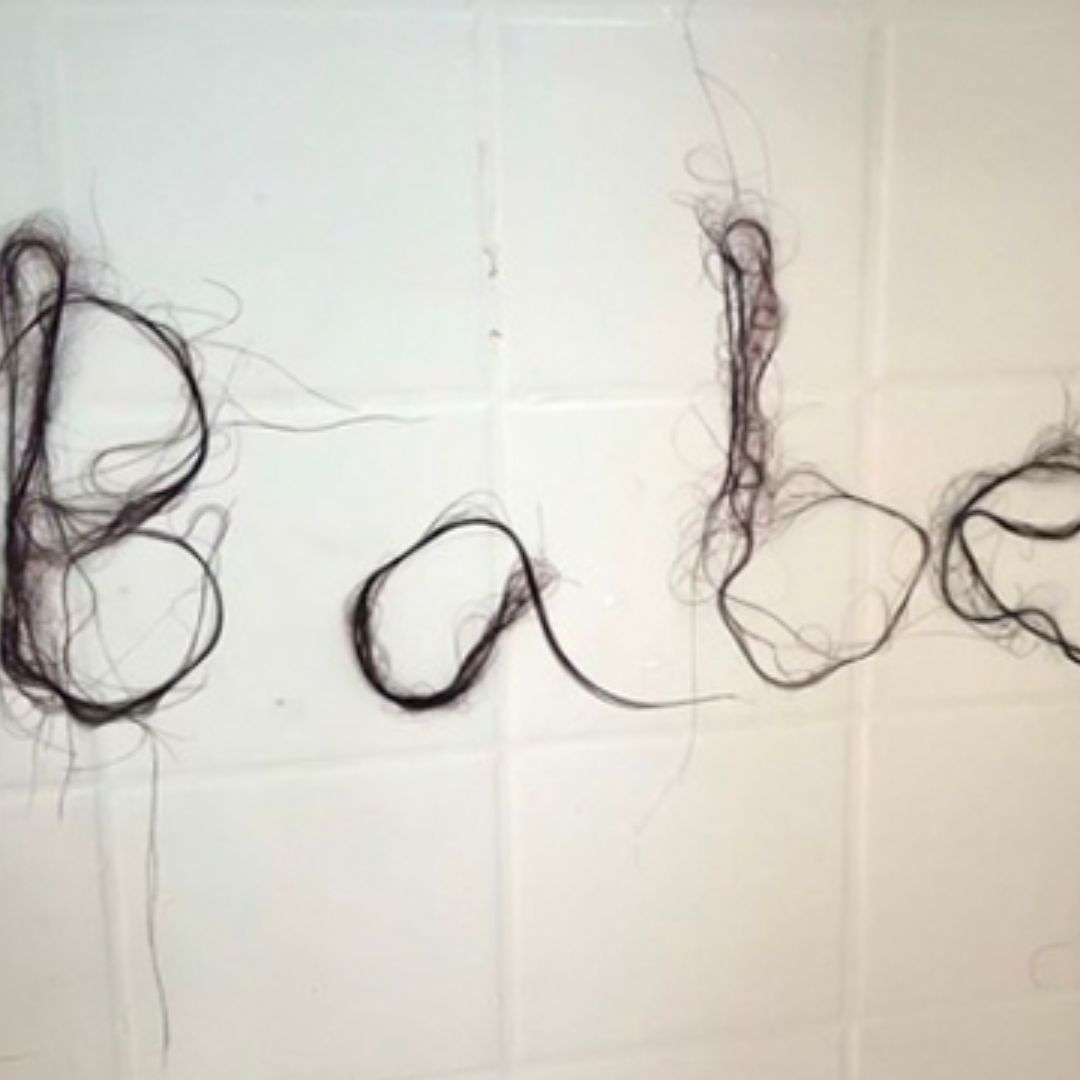
First your hair starts falling out. Then your doctor tells you: "TSH is within normal range". Then you can't get through a shower without sitting down. Then you cancel plans again. Then the brain fog hits so hard you forget words mid-sentence. It's not four separate problems. It's one inflammation crisis your body has been battling for years. "By the time a woman with Hashimoto's comes to me exhausted and dismissed, the underlying inflammation has usually been building for a long time. This is the most under-treated problem I see in my clinic every single week." — Dr. Lisa Hensley, Autoimmune Health Physician I'm about to share the research finding that rewrote everything I thought I knew about treating thyroid patients. But first, I need to tell you why your doctor keeps adjusting your medication and calling it a day. And it has nothing to do with them not caring. For years, I did the exact same thing. Every time a woman came in exhausted, foggy, gaining weight despite barely eating, I ran her labs. TSH looked okay. T4 looked okay. I'd smile and say: "Your levels are in range. Let's give it a few more months." I watched the relief wash over their faces. Updated the chart. Moved to the next patient. I thought I was doing good medicine. Until Claire… My own patient of three years. Smart woman. Mid-50s. Former marathon runner. I did everything right. Ran the panel. Prescribed medication. Monitored her levels. They stabilized. And she still felt like she was dying. "I sleep ten hours and wake up exhausted. I can't take a hot shower without my blood pressure spiking. I cried trying to get out of bed this morning." Her labs said normal. Her body said otherwise. She gained twelve pounds in two months on less than 1,200 calories a day. Her hair started coming out in the shower. "My brain fog was so bad I'd forget words mid-sentence. I started to think maybe I was just lazy. Maybe this was just getting older." At her next appointment, she didn't come back. Her husband called to let me know. Claire had been diagnosed with a serious autoimmune flare. Her thyroid levels had been "in range" the entire time. If her levels were fine, what was still making her sick? I pulled every file I had on women who stayed symptomatic on medication. Built a spreadsheet. Symptom severity. Lab values. Time on medication. Outcomes. The pattern was impossible to ignore. Almost all of them had one thing in common. Their gut lining was destroyed. Not just "a little off." Destroyed. They all suffered from severe leaky gut. And here is what I had never fully connected before. Hashimoto's doesn't just attack the thyroid. The chronic inflammation it creates spreads through the body and directly attacks the gut lining. Once that lining breaks down, the gut can no longer absorb the nutrients the thyroid desperately needs. B12. Selenium. Minerals. All of it passing through without absorbing. Without those nutrients, the thyroid falls further behind. Which drives more inflammation. Which destroys the gut lining further. It's a vicious cycle that feeds itself. And medication doesn't touch it, because medication targets the thyroid, not the inflammation driving the whole thing. I kept pulling research. Glutathione, the master antioxidant, had a direct relationship with Hashimoto's inflammation markers. Women with the lowest levels showed the highest symptom burden, regardless of TSH. Glutathione is what the body uses to fight and clear chronic inflammation. But in women with Hashimoto's, the gut is too damaged to absorb it. So the inflammation never gets cleared. And the cycle continues. I kept seeing Glutathione supplements and mouth drops, but none of them would work since they had to pass through that same broken gut. Then I found something called anti-inflammatory IV therapy. Wealthy women with Hashimoto's were already spending $300-$500, multiple times a week, to deliver ingredients directly into the bloodstream, going around the gut entirely. At this price point I knew most of my patients were never going to find real relief. So I called Dr. Mara Okafor, a colleague from my residency. "Mara, are you actually seeing results with Glutathione in thyroid patients?" Long pause. "Lisa. Yes. But not orally. Never orally." "Yes, I know. But how are you able to afford a $500 IV therapy session??" "We've been delivering it transdermally for about six years. Through the skin, into the bloodstream. Even my patients who can afford IV prefer the patch since it's simpler and practical." I was absolutely stunned… TRANSDERMAL DELIVERY! Of course, it makes so much sense. "Why isn't this standard?" "Because you can't patent a delivery patch the way you can a drug. No pharmaceutical margin. So it never gets pushed in medical school." Six years. This had existed while Claire's body was falling apart. While I was telling her to "give it more time." I could not undo what happened to Claire. But I could help the women in my practice right now. I don't say this because I make money recommending it. I say it because it was the first thing in years I felt genuinely confident about. The only company I found with third-party tested ingredients and high-quality patches is a US-based company called YouthRite. Most thyroid supplements fail because they go through the digestive system, the same system that's already compromised in women with Hashimoto's. YouthRite delivers its active ingredients directly through the skin, into the bloodstream, bypassing the gut entirely. The main compound is Glutathione, the body's master antioxidant and the gold standard for clearing chronic inflammation. It's supported by selenium, vitamin C, and vitamin E, which work together to reduce oxidative stress, protect the thyroid, and help the body actually use what it's receiving. Same delivery as functional medicine IV clinics. Without the needles, the $500-per-session cost, or leaving your house. You place it on your upper arm in the morning. I started with my most desperate cases. Women whose labs kept coming back "normal." Women who had tried everything and were starting to disappear from their own lives. The first was a patient I'll call Sara, 54 years old, Hashimoto's for 8 years. "I'd tried AIP for six months. Spent $300 a month on supplements. I was still falling asleep at 2pm. I'd wake up every morning already calculating when I could fit in a nap." Week two: "I didn't crash at 2pm today. I almost didn't notice until my husband pointed it out." Week four: "I went for a walk three days in a row. That hasn't happened in two years." Week eight: Her hair loss slowed. The brain fog lifted enough that she went back to a project she'd abandoned. She said: "I feel like myself again. I forgot what that felt like." Then the second patient responded. Then the 5th. Then the 16th. The pattern was consistent: the exhaustion started breaking first. The "I'm too tired to be a person" kind. Then the hair. The cognition. The ability to move without crashing for days after. But here's what wouldn't leave me alone. This wasn't experimental. The research was published. The gut-permeability, Glutathione, Hashimoto's connection was documented. It just never made it into standard practice. Because standard practice follows funding. And funding follows patents. A patch that delivers ingredients your body already recognizes cannot be patented. So it sits quietly in integrative clinics. While women are told to "give it more time." Last month a new patient came in. I'll call her Donna. 57. Hashimoto's for 12 years. Before I could say anything, she said: "I started life as a smart, ambitious person. Now my brain doesn't work and I have no energy. I feel stupid. Social life? Forget it. I'm too tired to survive, let alone live." I recognized every word. I explained the gut-inflammation connection. Why her medication wasn't giving her her life back. What happens when chronic inflammation goes uncleared for years, how it starves the thyroid of everything it needs, and why nothing she swallowed was ever going to fix that. She started crying. "My sister has Hashimoto's too. Seven years on medication. Still feels awful. You're telling me there's been something that could have actually helped?" Yes. There was. Donna is on week five. She texted me: "I went out past 9pm for the first time in two years. I felt like a person." She hasn't canceled a single plan since starting. But here's what keeps me up at night. How many women are being told right now that their labs are fine, while their bodies continue to break down? How many have started believing they really are just lazy? Just dramatic? Just getting older? You are not crazy. Your symptoms are real. Normal labs don't mean you're okay if the inflammation at the root has never been addressed. Claire's body was telling me something every single appointment. And I kept updating the chart and moving on. I was trained to look at numbers, not at the woman sitting in front of me… I was trained wrong. If your labs say normal but you still feel like you're disappearing, ask your doctor about the inflammation cycle that Hashimoto's creates, and why nothing taken orally can break it. The research is there. The solution is there. It just hasn't made it into standard care yet. Claire never got the chance to try this. But you do. And if your doctor hasn't connected these dots yet, show them this letter. Because every woman searching Reddit at 3am for someone who understands deserves better than "your levels look fine." Click below for the YouthRite patch I recommend: 👉 https://www.thelongevityjournal.org/sp-thy-rework
Hashimoto’s? Read this 👆
LEARN MORELike this ad? Make it yours.
Crush rebuilds this exact creative around your product — your brand, your colors, your offer — in about a minute.