
Inactive· since Mar 30, 2026
- 5
- days it ran
- 0
- relaunches
Ad copy
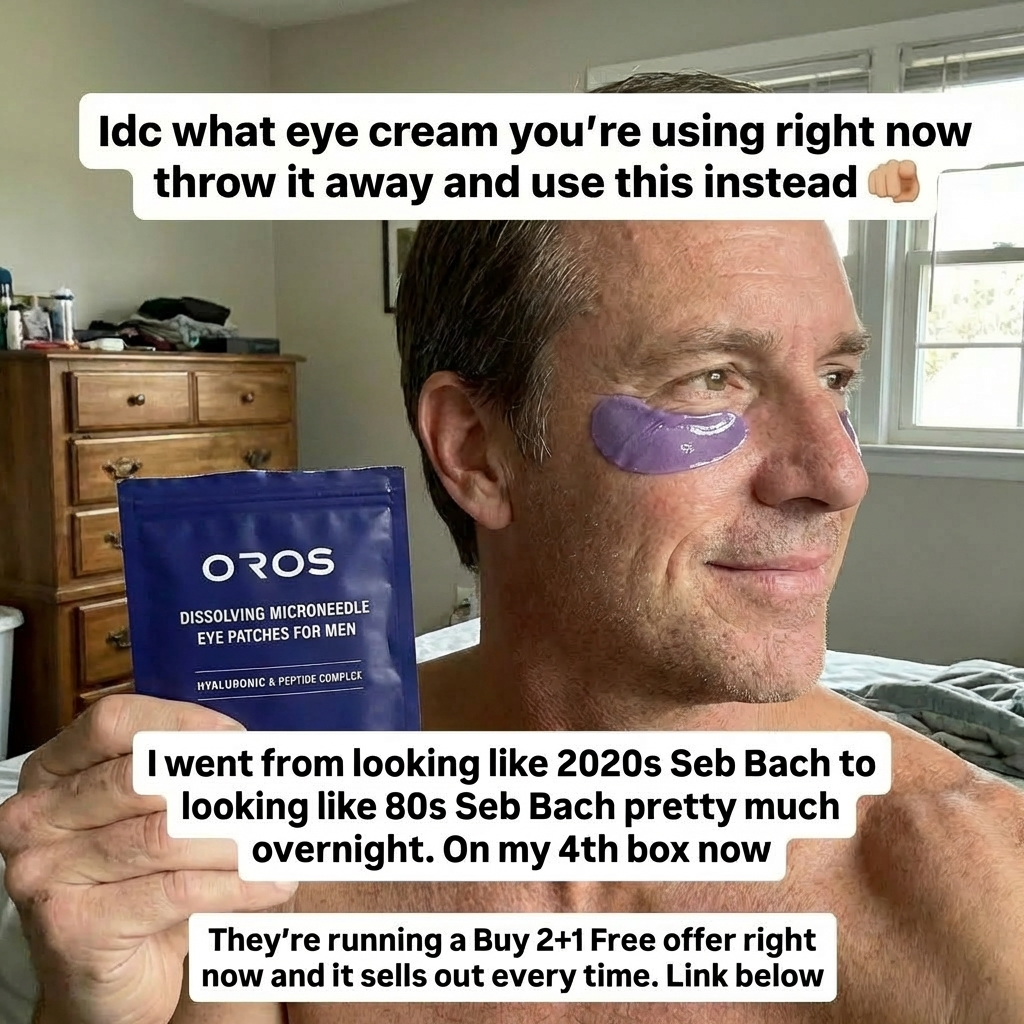
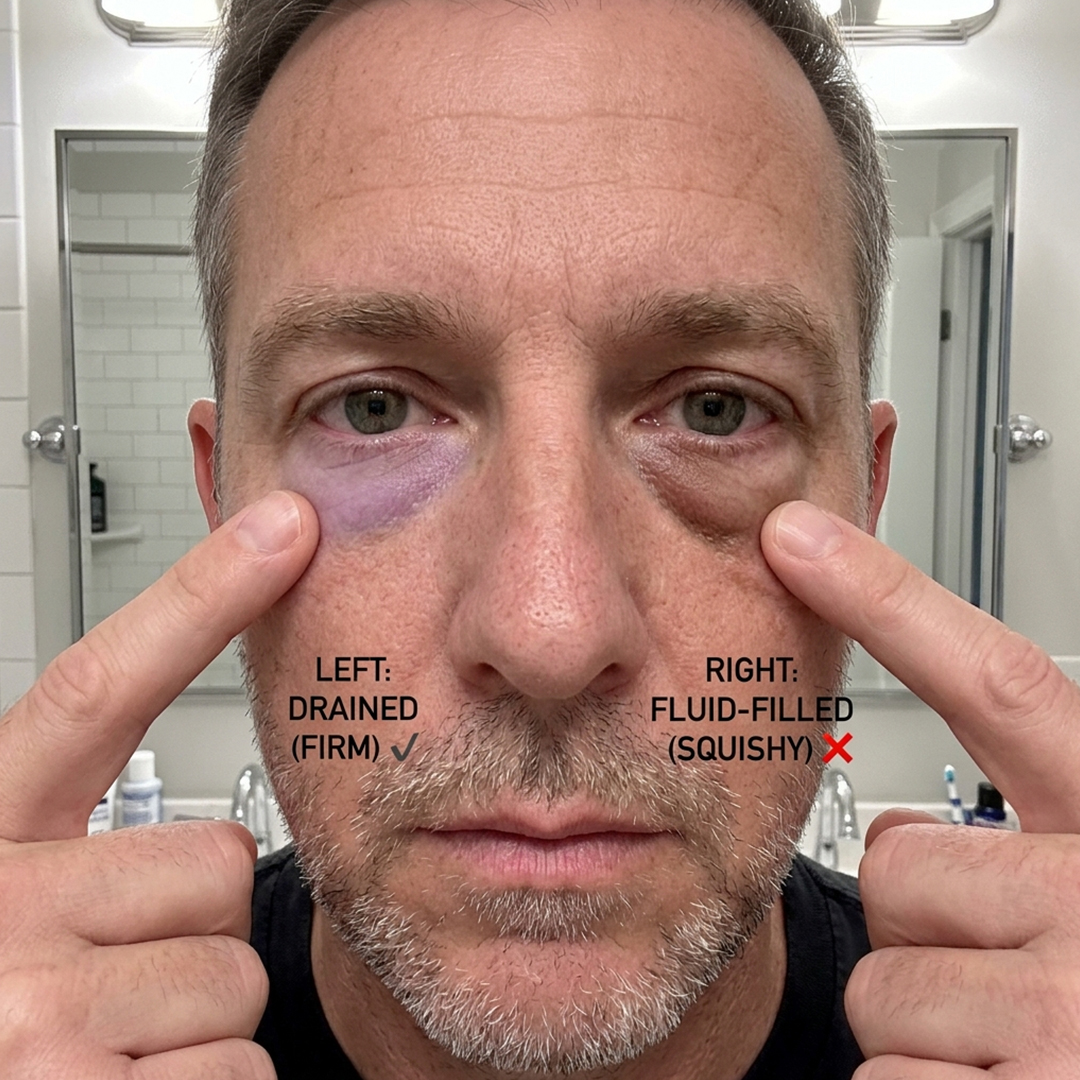
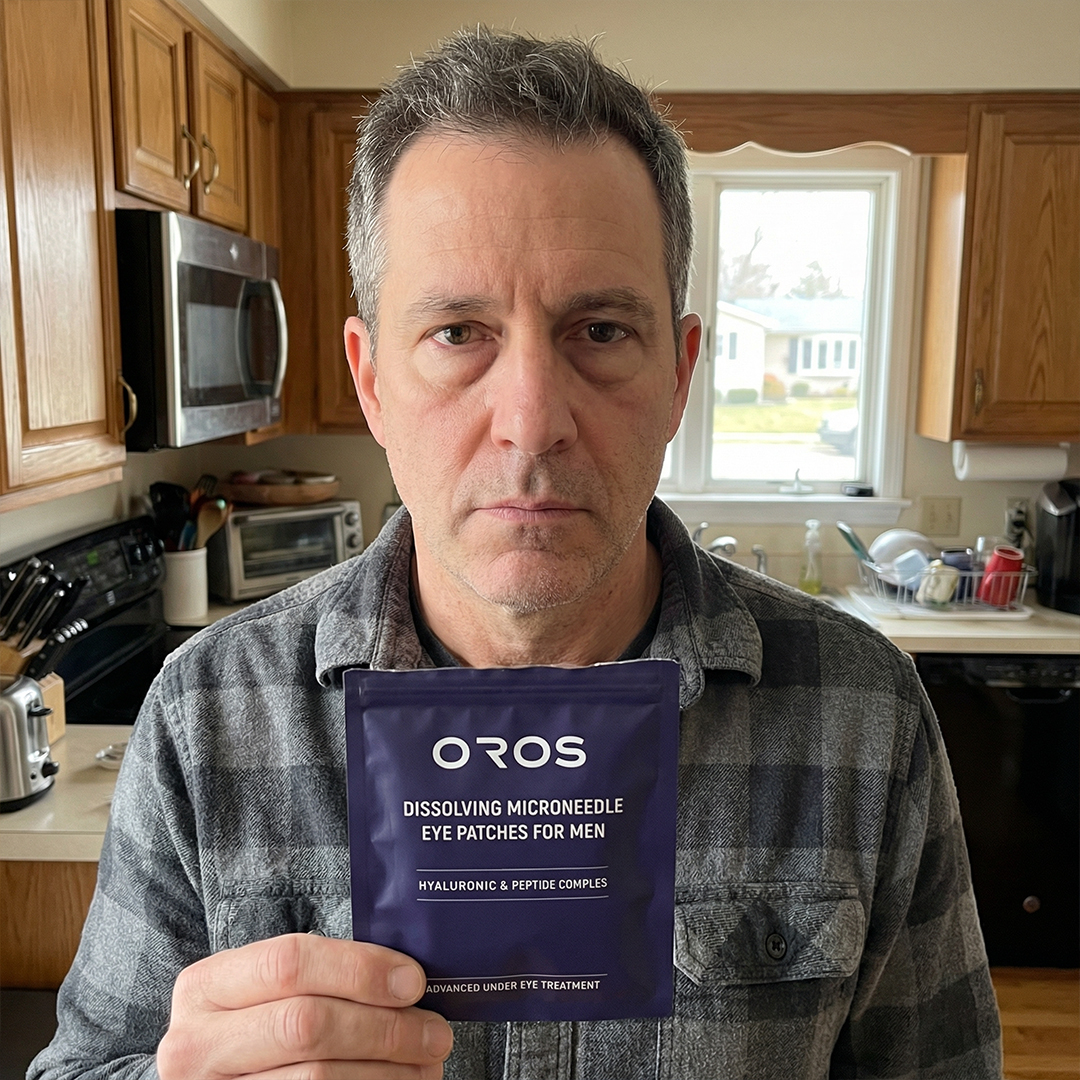
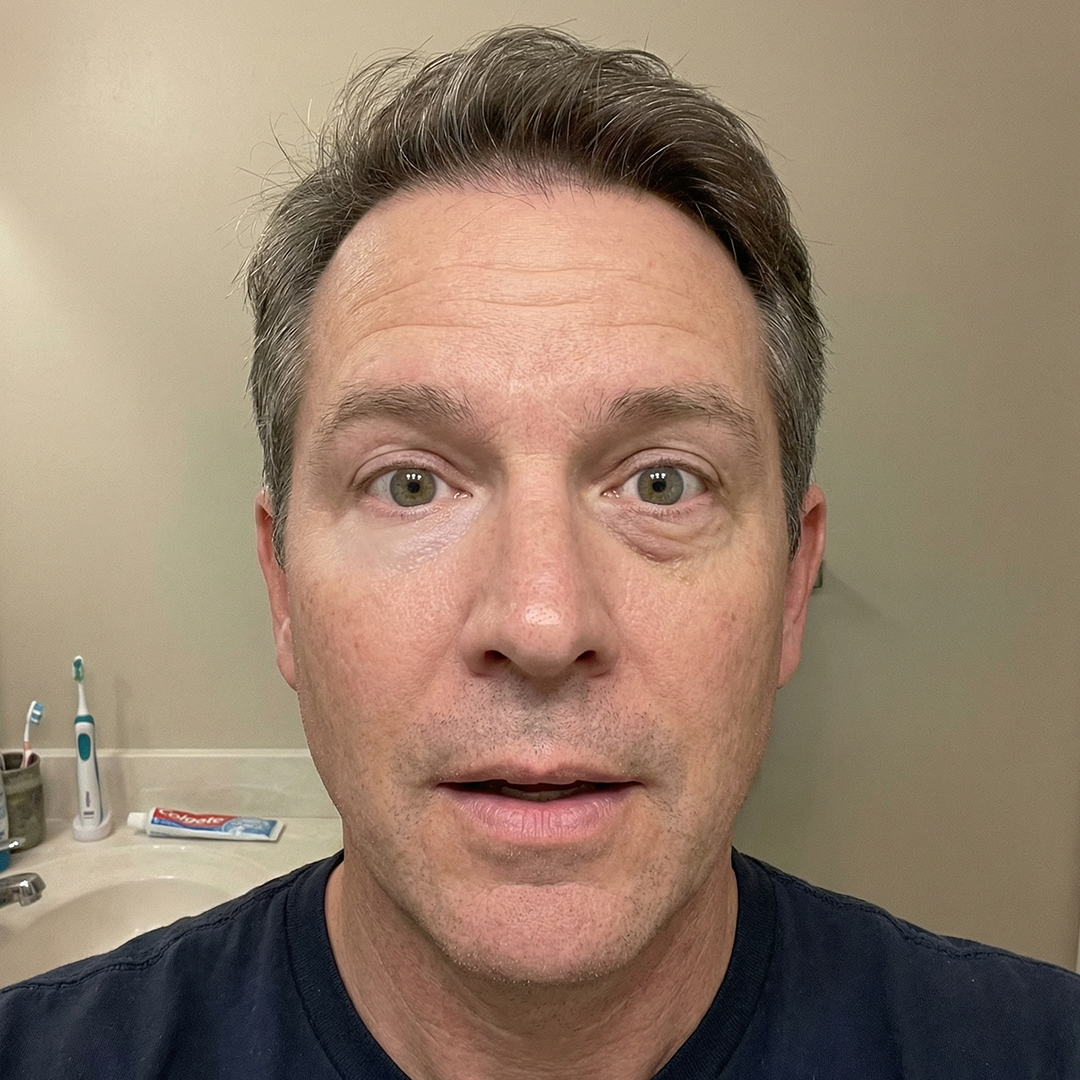
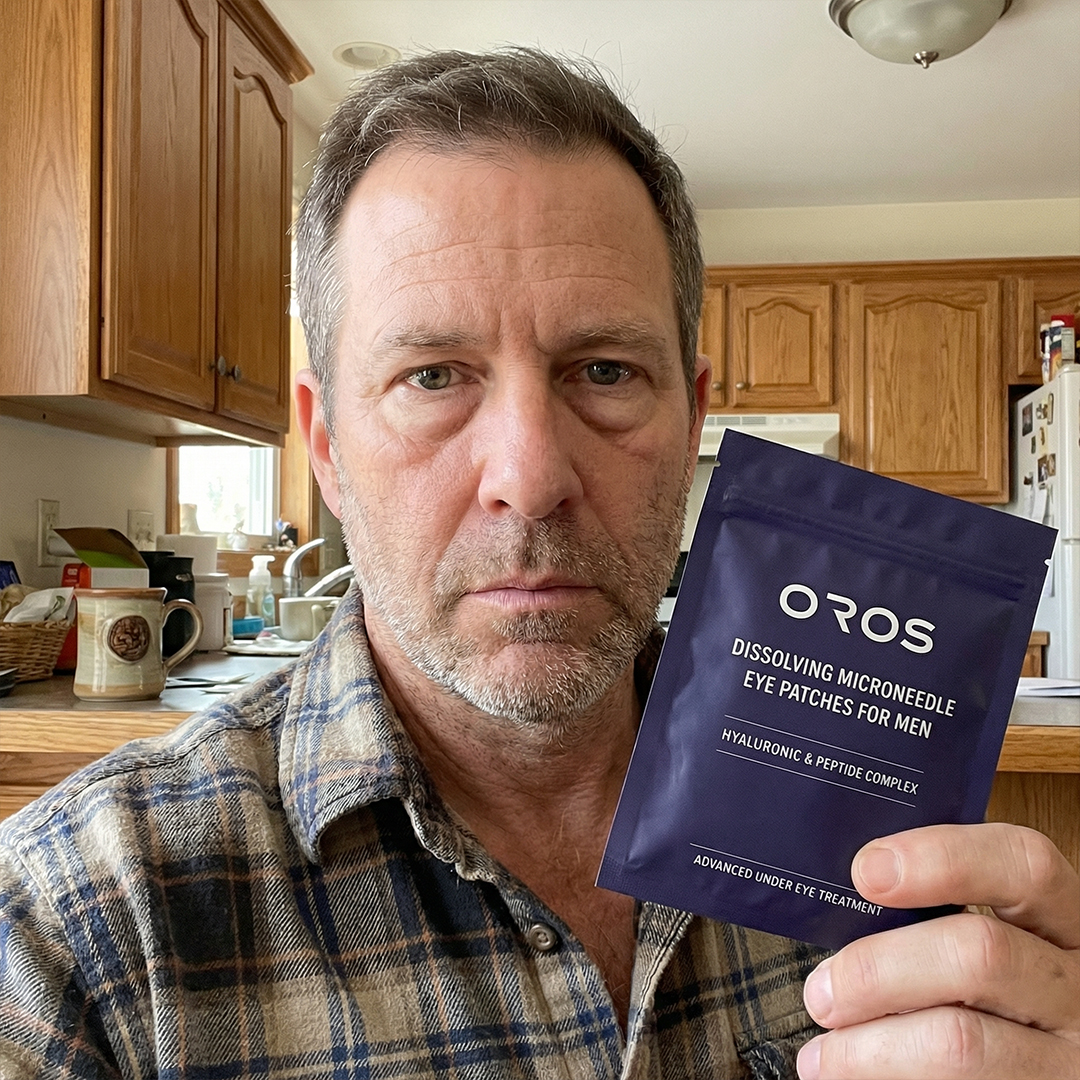
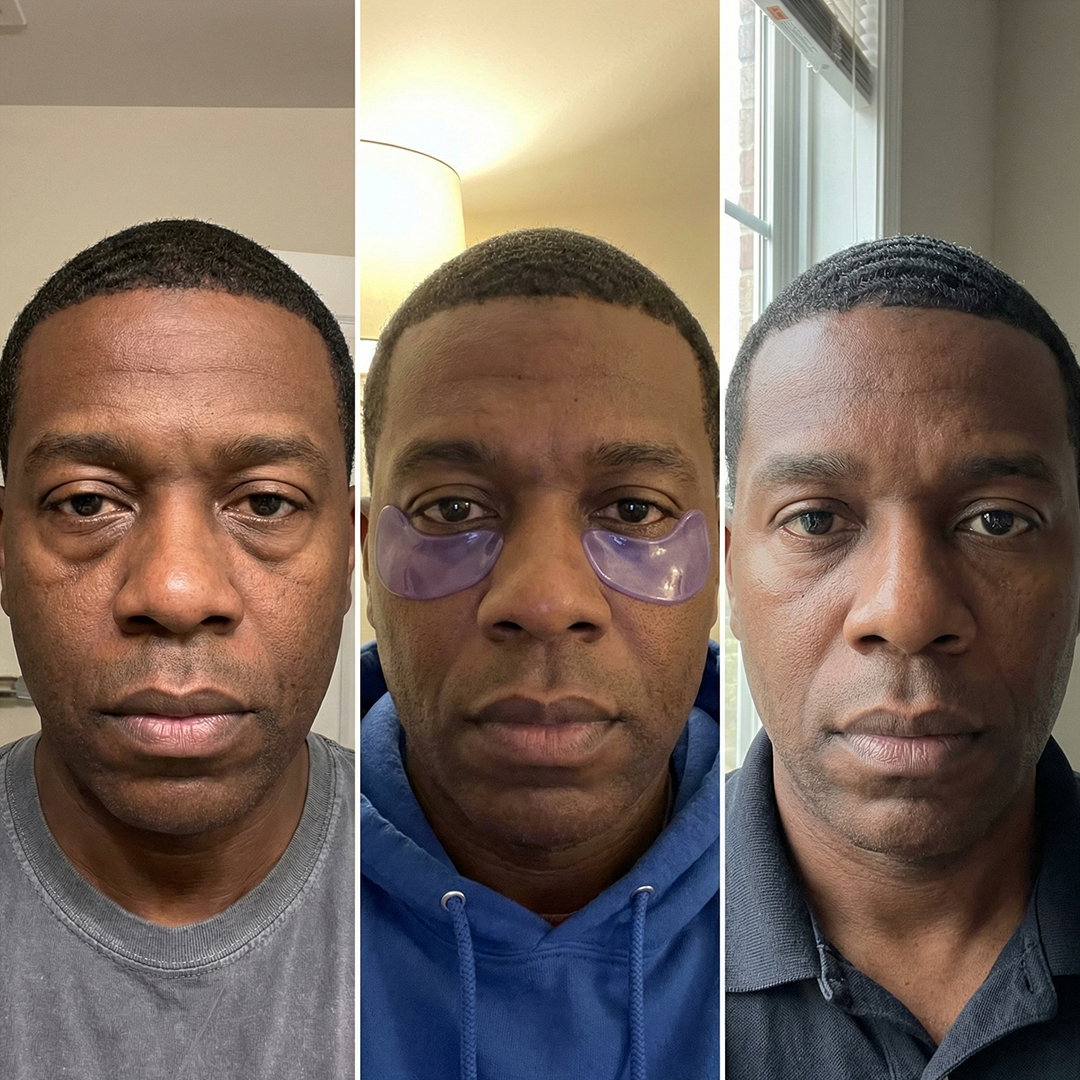
Three dermatology industry groups filed formal complaints last month demanding regulators "immediately investigate and restrict" a transdermal eye patch that is making their most profitable procedure obsolete. Not because the patch is dangerous. Not because a single patient has been harmed. Not because there is any medical basis for the complaint whatsoever. Because it works. And it works so well, so fast, and so visibly that men who use it are cancelling filler appointments and walking away from $7,000 blepharoplasty consultations — taking with them the single highest-margin revenue stream in American aesthetic medicine. Here's what the industry doesn't want you to know. For decades, men with structural under-eye bags have been told they have two options. Option A: eye creams. $80 to $200 a jar. Apply nightly. Wait. Hope. Watch the bags look exactly the same every morning. Option B: when the creams inevitably fail, visit a dermatologist who will offer you filler injections at $1,200 per session, every six to nine months, for the rest of your life. Or surgery at $4,500 to $12,000, with a scalpel near your eyes, three weeks of recovery, and a significant chance the bags come back because the operation removes tissue without fixing the drainage problem underneath. That's it. Those were your choices. Creams that can't work. Or procedures that cost thousands. The reason the creams can't work has been known in pharmacology for years. It's called the 500-Dalton Rule. It's the molecular weight threshold that determines whether an active ingredient can cross the skin barrier. Male skin is 20-25% thicker than female skin. Testosterone fortifies the outer barrier — the stratum corneum — into a dense, layered concrete wall. The retinol, the vitamin C, the caffeine, the hyaluronic acid in every eye cream you've ever bought — they degrade and dissipate before reaching 0.3mm deep, where the pooled blood, stagnant lymphatic fluid, and collapsed collagen that create your eye bags actually live. Every cream you've ever used was paint splashed on a sealed wall. The ingredients sat on the surface and evaporated. They never reached the foundation where the damage is. The dermatology industry has known this. They've published the studies. They understand that topical application on male skin cannot deliver effective doses at depth. And they've kept selling you those creams anyway — because a man who buys a cream that doesn't work is the most profitable customer alive. He comes back. He tries another brand. And eventually, he gets desperate enough to book the $1,200 appointment. The creams aren't a treatment. They're a waiting room. Now — here's what's causing the panic. A transdermal microneedle patch has entered the market that doesn't fight the wall. It goes through it. 1,500 dissolving microneedles — each one thinner than a human hair, each one crystallized solid — that physically puncture the stratum corneum and deposit 600-Dalton peptides and 39% hyaluronic acid directly into the tissue at exactly 0.3mm depth. The blood vessels where dark circle discoloration originates. The lymphatic drainage system where fluid retention creates puffiness. The collagen network where structural integrity determines whether your under-eye area stays firm or collapses. Not on the barrier. Through it. Deposited exactly where the damage lives. The needles dissolve over hours. You feel a brief prickle when you press the patch on — that's the fortress being breached. Then the compounds are below the wall, doing structural work that no cream can do because no cream can get there. One man — a 53-year-old executive from Pennsylvania — tested it on one eye only. Left the other untreated. A controlled test, suggested by an engineer friend who designs transdermal delivery systems for pharmaceutical companies. The next morning, the treated eye was visibly, structurally deflated. The heavy, water-logged pouch that had been hanging there for years was flat. The skin was tighter. The color was lighter and healthier. The untreated eye looked like a luggage set. Swollen. Dark. Heavy. Exactly the same face he'd been staring at for a decade. Same mirror. Same lighting. Same morning. One eye looked like a different man. By week three, his colleagues thought he'd been on vacation. His VP stopped mid-sentence in a meeting: "You look incredible. What happened?" His assistant ordered a box for her husband before lunch. The junior associate who used to whisper "are you okay?" didn't say a word. He didn't need to. Now multiply that by thousands of men. Thousands of cancelled filler appointments. Thousands of surgical consultations that never got booked. Thousands of $1,200 payments that will never be made again. The U.S. aesthetic medicine industry generates $18 billion annually. Dermatologists make $1,200 per filler appointment. Fillers dissolve in nine months — that's $2,400 per year, per client, recurring. Blepharoplasty: $4,500 to $12,000 per procedure. If a transdermal patch goes mainstream, aesthetic clinics don't lose a product line. They lose their highest-margin revenue stream overnight. That's not a theory. That's why they're filing complaints. A biotech analyst named Simon Vance just published the full investigation — the science behind the 500-Dalton barrier, the mechanism of transdermal delivery, the one-eye test, the industry financials, and why dermatology groups are in full panic mode trying to suppress the one thing that makes their most expensive procedures obsolete. They don't want you to read it. That's exactly why you should. [Read the full investigation →]
Like this ad? Make it yours.
Crush rebuilds this exact creative around your product — your brand, your colors, your offer — in about a minute.