
Active· since Jan 19, 2026
- 238
- days running
- 0
- relaunches
Ad copy
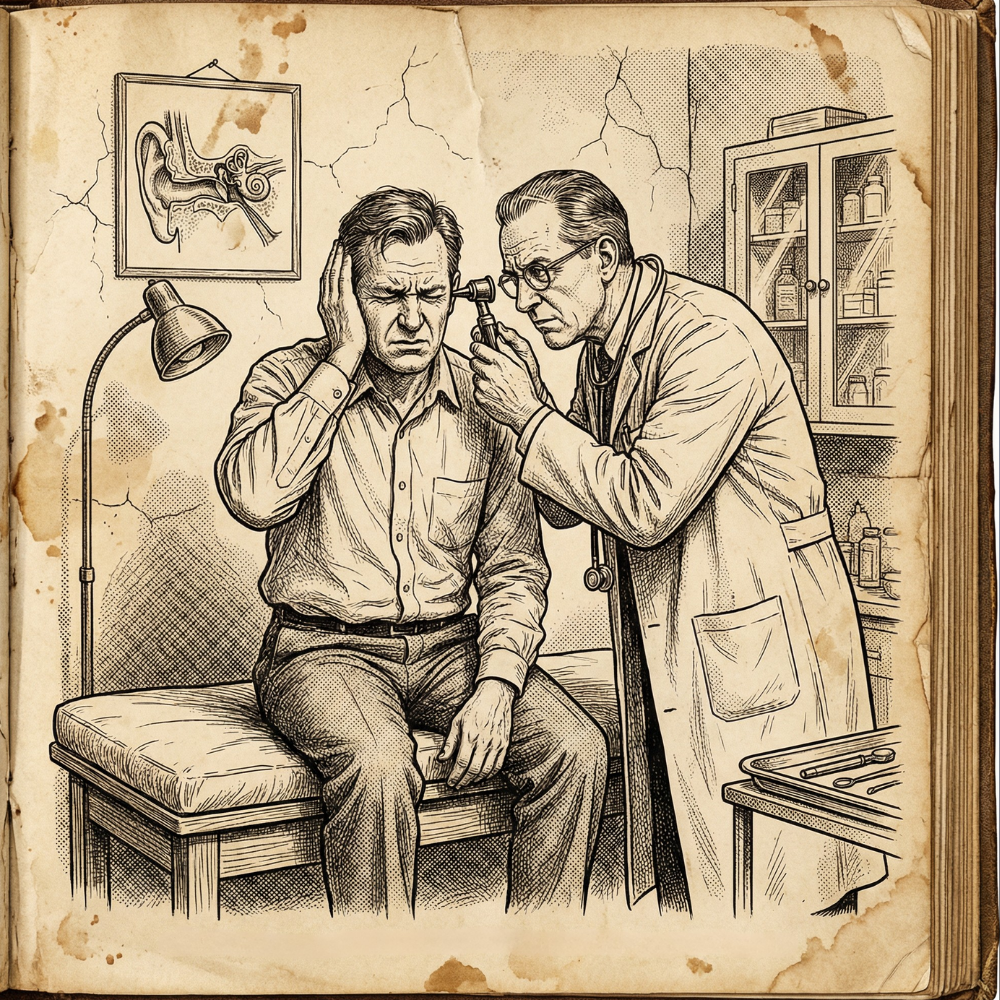
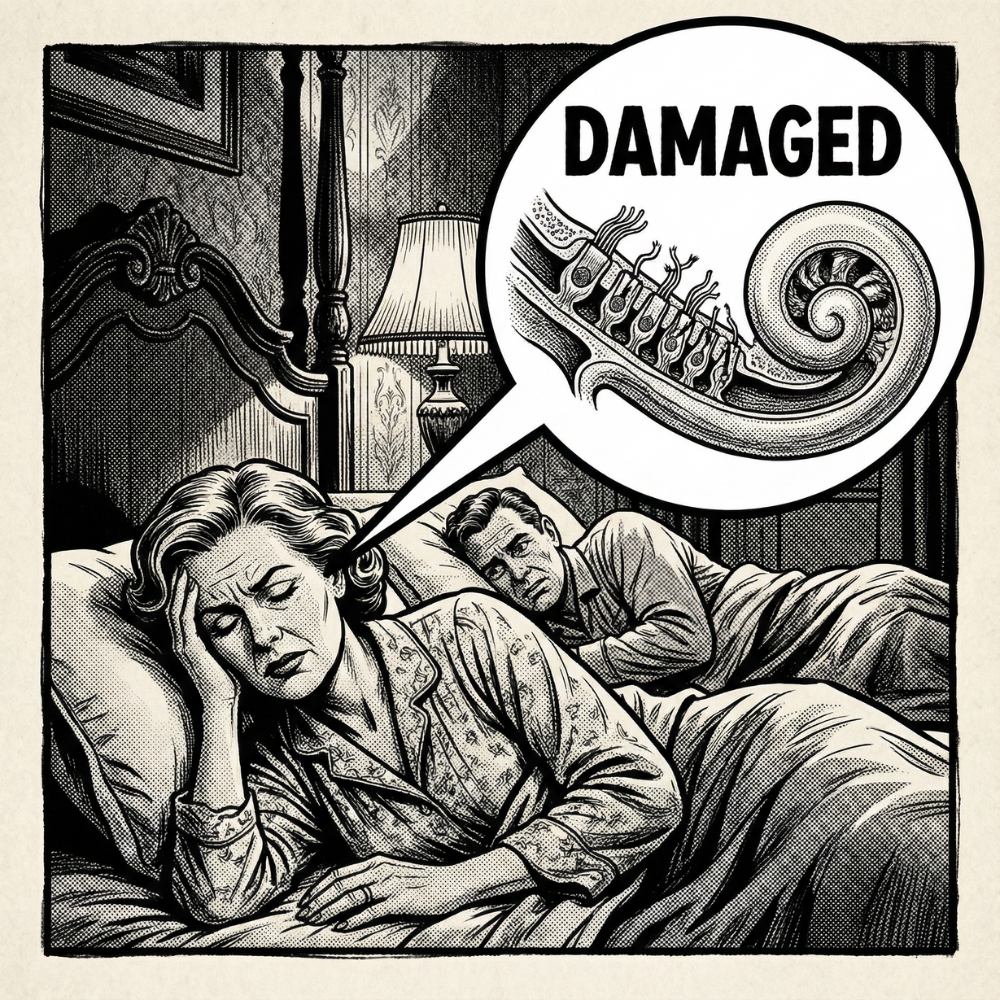
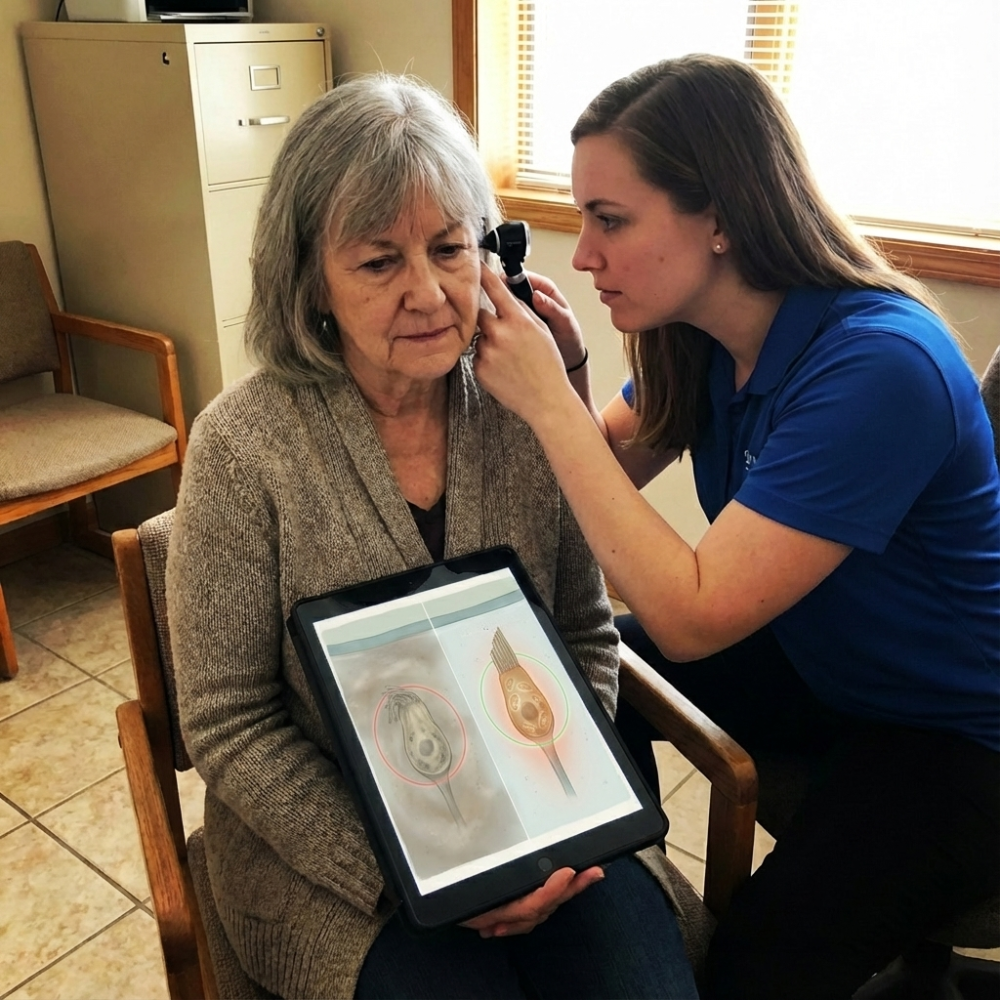
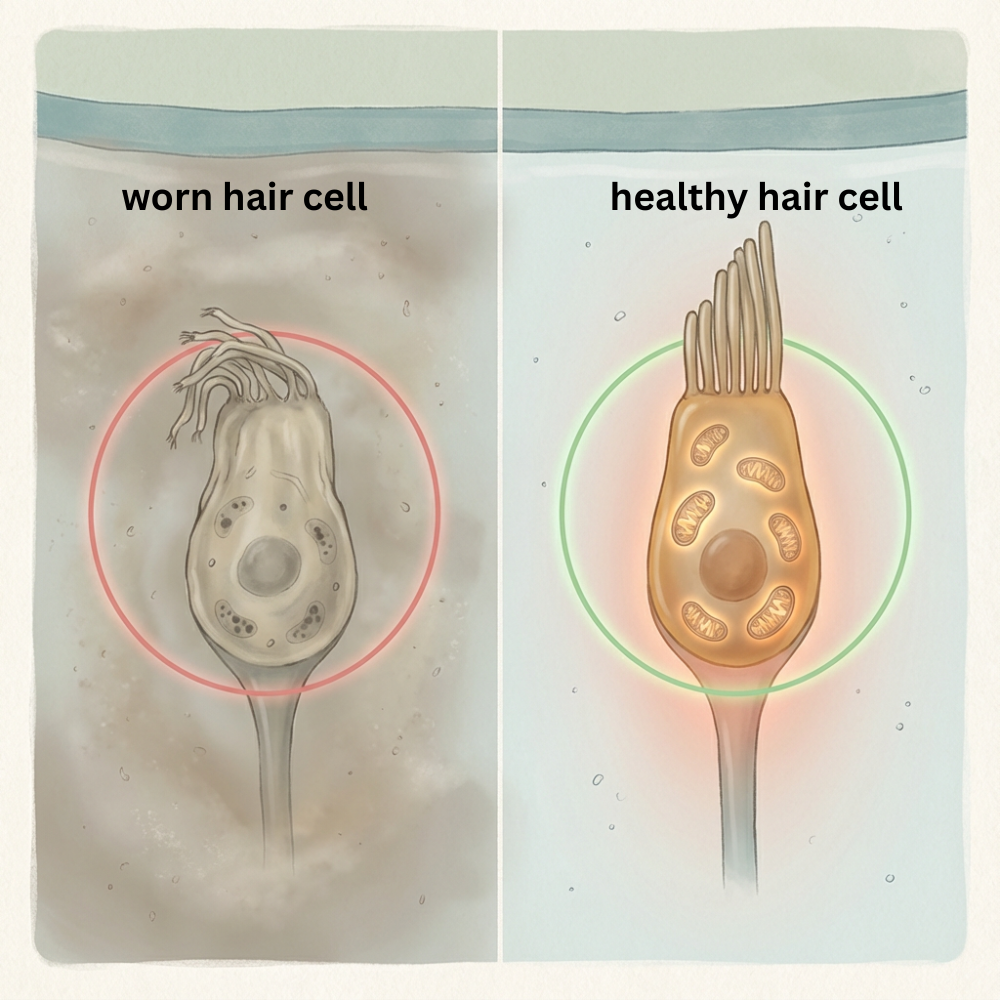
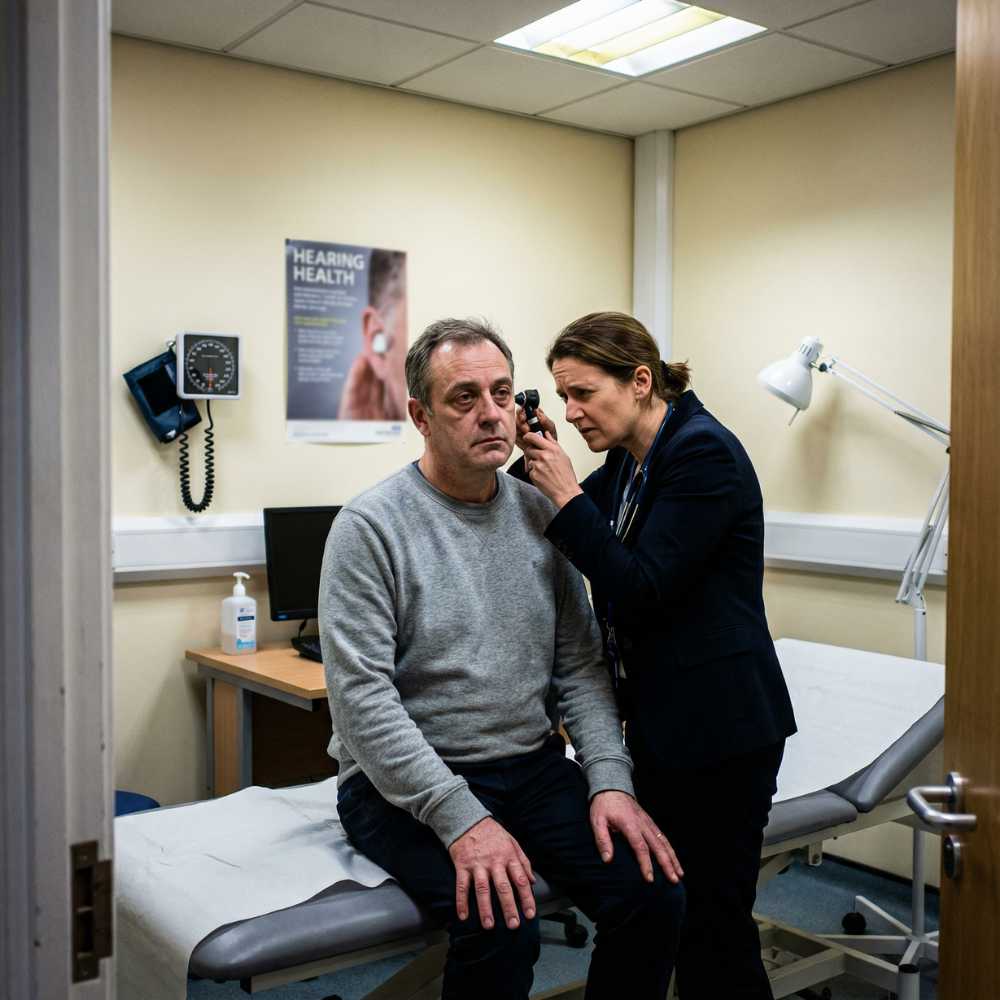
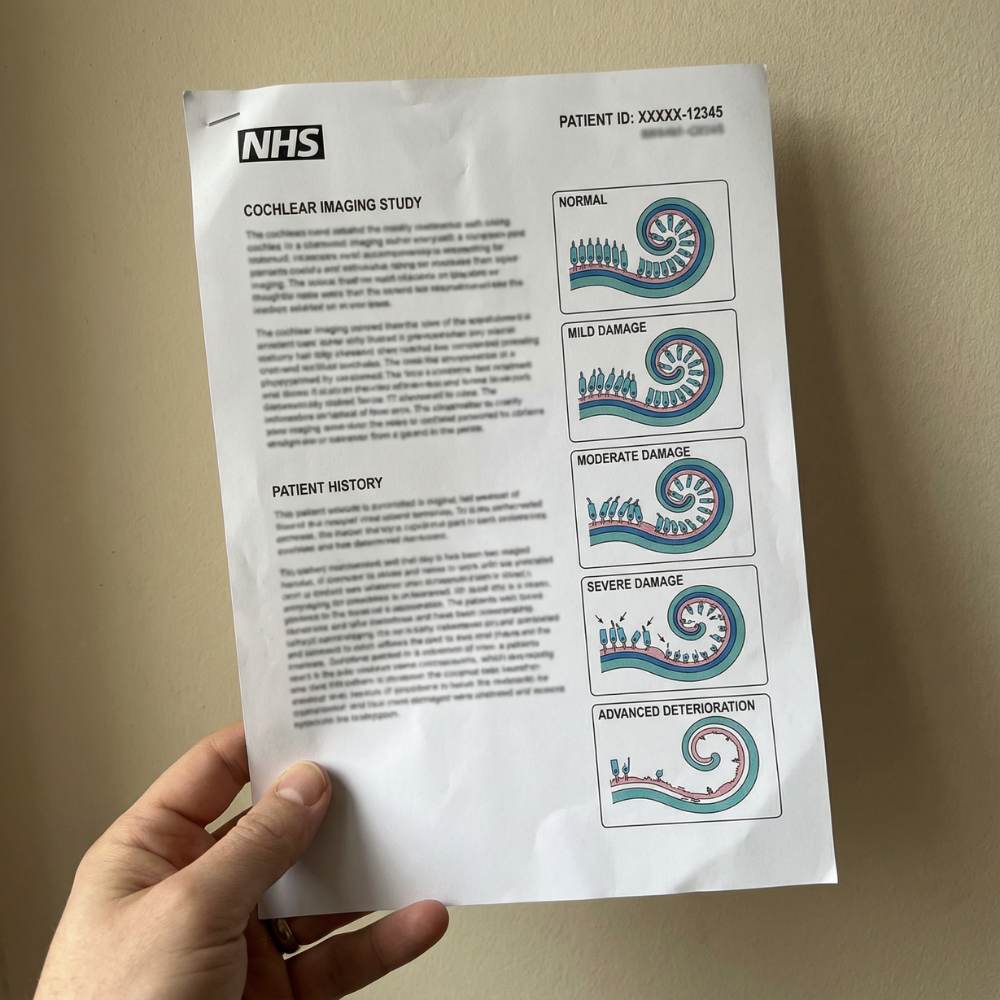
I haven't slept a full night in 2 years—My GP told me the sleep deprivation was making my tinnitus worse, but what she DIDN'T tell me nearly destroyed my sanity. It's 3:47 AM and I'm sitting in my kitchen again. The same spot I've occupied nearly every night for the past two years. Staring at the clock. Watching the minutes crawl by whilst the ringing tears through my head. I've been awake since 1:30. My wife stopped asking if I'm alright months ago. She knows I'm not. This is just what my life has become. By November, I'd reached my breaking point. I hadn't slept more than three hours straight in weeks. I was making mistakes at work. Snapping at my family. Walking around in a fog of tinnitus-induced exhaustion so thick I could barely think. I sat across from my GP, hands shaking, trying to explain what was wrong with me. "The tinnitus won't let me sleep," I said. "And when I don't sleep, the ringing gets even worse the next day. I just can't keep going like this." She nodded. Pulled up something on her screen. "It's a difficult cycle," she said. "Not sleeping makes tinnitus more noticeable. You need to improve your sleep habits." She printed out a leaflet. Tips for better sleep. Avoid caffeine. Keep regular bedtime routines. Make your bedroom dark and quiet. I sat there holding that piece of paper, feeling something inside me break. Does she think I haven't tried this? Does she think I'm just not trying hard enough to sleep? I wanted to scream at her: I'm BARELY SURVIVING. I'm lying awake for hours every single night whilst this screaming in my head gets louder and louder. And you're giving me a leaflet about caffeine? But I didn't say that. I just took the paper and left. But she was right about one thing. The less I slept, the worse my tinnitus became. It was a trap I couldn't escape. Bad night → louder ringing → worse next night → even louder ringing. Round and round and round. By December, I was getting maybe four hours of broken sleep per night. I'd fall asleep around midnight, completely exhausted. Wake at 2 AM to the dreaded ringing. Lie there until 4 or 5 AM, trying everything. White noise apps. Breathing exercises. Counting backwards from 1000. Nothing worked. The ringing would just cut through it all. I'd finally drift off around 5 AM, only to wake at 6:30 for work, feeling like I'd been hit by a lorry. And the ringing? Absolutely screaming by midday. I followed every single thing on that leaflet. No caffeine after noon. Blackout curtains. Regular bedtime. Meditation apps before sleep. It made no bloody difference. I tried melatonin supplements. Herbal sleep remedies from Holland & Barrett. Even prescription sleeping tablets from my GP. The pills knocked me out for a few hours, but I'd still wake at 3 AM with the ringing raging between my ears. And the next day, the tinnitus was somehow even worse. Louder. More aggressive. Like my ears were punishing me for trying to cope. By February, I'd stopped making plans with anyone. Someone would invite me for lunch and I'd think: Will I have slept the night before? Will I be able to focus on conversation or will the exhaustion and ringing make me completely useless? It was easier to just decline. I started making mistakes at work. Forgetting things my manager had told me the day before. Struggling to concentrate in meetings. My manager pulled me aside one afternoon. "Are you alright?" he asked. "You seem not yourself lately." How do you explain this to someone who doesn't have tinnitus? Who sleeps normally? That every single night is a battle. That I'm running on three or four hours of broken sleep. That the ringing in my head gets louder with every sleepless hour, and I'm barely holding it together. "Just some personal issues," I said. "I'm managing." But I wasn't managing. I was drowning. The breaking point came on a Tuesday morning in March. I'd slept maybe two hours total. The ringing had been absolutely relentless all night. This high-pitched screech that wouldn't let up for even a moment. I stood in the shower, so exhausted I could barely stand, and I just broke. I pressed my hands against the tiles and cried. Not because of the ringing itself. But because I couldn't escape it, no matter what I tried. No sleep meant worse tinnitus. Worse tinnitus meant no sleep. I was trapped in this cycle with no way out and it was eating me alive. That night, at 2 AM, sitting in my kitchen for what felt like the hundredth time, I stumbled across something that would change everything. An interview with Dr. Michael Thornton. A biological scientist who'd spent years studying the inner ear at the University of California. He was explaining tinnitus to someone who'd been suffering for years, and what he said stopped me cold. "The first thing you need to understand," Dr. Thornton said, "is that tinnitus isn't a disease. It's a symptom." "A symptom of what's happening to the tiny hair cells inside your cochlea. That's the part of your inner ear responsible for hearing. Though hearing loss isn't necessarily related." He showed microscopic images of these cells. Healthy ones looked like tiny, delicate hairs standing upright. Strong. Alive. "These cells bend when sound waves hit them," he explained. "When they bend, they send electrical signals to your brain. That's how you hear." "But here's what most people don't know." He showed another image. The cells looked broken. Some were bent over. Others looked damaged. "When these cells get worn down—from noise, age, stress, even certain medicines—they start to break down." My heart started racing. "They can't send signals properly anymore. So instead of responding to actual sound, they start sending random, continuous signals to your brain." "Your brain tries to make sense of these faulty signals. That's the ringing. The buzzing. The hissing." "It's not in your head like it's imaginary. It's very real. But it's not coming from outside your ear." "It's coming from damaged cells inside your cochlea. They're misfiring. And your brain is trying to interpret those signals." "So, technically, tinnitus comes from both the ear and the brain." I sat there staring at my screen. This was the first time anyone had explained what was actually creating the noise. Not some vague "nerve damage" or "brain problem." Specific cells. Misfiring. "Now here's the part that creates the cycle you're experiencing," Dr. Thornton continued. "When you're sleep-deprived, your body goes into stress mode. Stress hormones go up. Your nervous system becomes extra sensitive." "And those already-damaged cells? They become even more unstable." "They misfire more often. More intensely." "That's why your tinnitus sounds louder when you're exhausted." Everything finally made sense. The worse I slept, the more unstable my damaged hair cells became. The more they misfired, the louder the ringing. The louder the ringing, the worse I slept. But then Dr. Thornton said something that made my stomach drop. "Here's what most people don't understand about this cycle: you can't sleep or cope your way out of it." He paused. "Sleep helps you cope better. It reduces the stress. But it can't repair the damaged cells." "Those cells—the ones misfiring and creating the phantom sound—they stay damaged." "The sleeping tablets your GP gives you? They may knock you out. But being knocked out doesn't fix broken cells." "The melatonin supplements? They might help you fall asleep. But they don't help your hair cells." "Even CBT—meditation, breathing exercises—they help you manage your reaction. But the damaged cells keep misfiring." I felt like I'd been punched in the chest. My GP had told me to improve my sleep. But she hadn't told me this. I'd spent four months trying to sleep better, thinking that would break the cycle. But the whole time, the real problem—those damaged, misfiring cells—had gone completely ignored. "So is there anything to be done?" the interviewer asked. "They need energy," Dr. Thornton said simply. "Let me explain. Inside each of those hair cells are tiny structures called mitochondria. Think of them as power stations for the cell." He showed another microscopic image. "In healthy cells, the mitochondria are strong. They're producing ATP—that's cellular energy. It keeps the cell working properly." He showed another image. The difference was shocking. "In damaged cells, the mitochondria are worn out. Struggling. They can't make enough energy." "Without enough energy, the cells can't work correctly. They misfire. They send those chaotic signals to your brain." "Now, your body tries to deliver energy through your bloodstream. The vitamins and nutrients you eat get broken down and sent around your body." "But here's the problem: your inner ear has very limited blood flow. It's one of the most isolated parts of your body." "So even when you take supplements—ginkgo, magnesium, B vitamins—very little actually reaches those struggling cells." "The cells just continue to misfire." I'd taken supplements for months. Spent a fortune on them. And they'd never even reached the cells that actually needed them. "So is it possible to get energy to these cells then?" the interviewer asked. That's when Dr. Thornton explained something I'd never heard before. "There's a technology that's been used in medicine for muscle and skin repair," he said. "It's called photobiomodulation. Specific types of light—particularly red and infrared light—can penetrate deep into tissue." "And when these light waves reach cells, something remarkable happens." "They're absorbed by the mitochondria—those cellular power stations we talked about." "And the mitochondria respond by making more ATP. More cellular energy." "This has been used for wound healing, muscle recovery, all sorts of things." "But recently, researchers discovered that a specific wavelength—650 nanometers—can go deep enough to reach the inner ear." "Deep enough to reach the cochlea." "Deep enough to reach those worn-out hair cells." My hands were shaking. "When that light reaches the struggling mitochondria inside the hair cells," Dr. Thornton continued, "it helps them make ATP." "The cells get the energy they need to work properly again." "They stop misfiring so much." "And when the cells stabilize, the phantom signals reduce." "Often, ringing quiets as a result. And in some cases, I've seen up to a 60% reduction in subjective volume." He showed before-and-after images of hair cell mitochondria. The before looked worn out. Barely visible. The after—after targeted light therapy—looked restored. Working. "This isn't about masking the sound," Dr. Thornton said. "It's not about learning to cope with it." "It's about fixing what's actually happening at the cellular level." "Giving those damaged cells the direct energy support they need to stabilize." For the first time in years, something made sense. Not managing the symptom. Not learning to live with it. But actually fixing the cause. I spent the next three days reading everything I could find about photobiomodulation for tinnitus. Studies. Research papers. Patient outcomes. Real testimonials. The science was there. Published. Peer-reviewed. That's when I found Hearix. A clinically-proven device designed to deliver the exact wavelength—650nm—directly into the ear canal. Targeted. Consistent. Fifteen minutes daily. I didn't tell my wife. I'd raised her hopes too many times. The first week, nothing changed. Still waking at 2 AM. Still lying there for hours. But on day eleven, something shifted. I woke at 3 AM as usual—but the ringing felt… softer? Less intense. Like someone had turned down the volume a half notch. I fell back asleep. Woke at 6 AM, naturally. Five hours straight. First time in god knows how long. By week three, I was sleeping five to six hours most nights. The ringing had softened enough that I could drift back off after waking. Week six, I slept seven hours. Woke once briefly, then fell straight back asleep. I stopped getting those awful headaches as well. My wife noticed at breakfast. "You seem different," she said. "I slept," I told her. "Actually slept." By week eight, the cycle had broken. Not because I'd mastered sleep habits. Not because I'd found stronger sleeping tablets. Not because I learned to live with it. But because the damaged cells had finally received the energy support they needed. Week ten, I slept through the night for the first time in two years. Woke at 7 AM feeling rested. I sat on the edge of the bed with tears running down my face. Relief. Looking back, what breaks my heart isn't the two years of sleepless nights. It's the time I wasted trying to cope my way out of cellular damage. Nobody had explained what was actually creating the ringing. Nobody had told me those cells needed direct energy support. Nobody had mentioned that sleep alone could never repair them. If you're reading this at 3 AM, exhausted and trapped like I was, you need to understand something: Your GP is right that there's no cure. But no cure doesn't mean improvement isn't possible. Your hair cells need direct energy support—delivered right to the inner ear. That's what Hearix was designed to deliver. I can't guarantee that Hearix will work just as well for you, but it did wonders for me. They have a 90-day money-back guarantee, so you can return it if your tinnitus doesn't improve I got my life back. Not because I finally mastered sleep habits or "learned to live with it." But because I fixed what was happening at the cellular level. Why continue to cope when you can address the root cause?
Like this ad? Make it yours.
Crush rebuilds this exact creative around your product — your brand, your colors, your offer — in about a minute.