Uproot Clean
Uproot Clean Facebook ad: “Why Your Vacuum Leaves Pet Hair Behind”
Ran for 7 days, from April 24 to May 1, 2026, the last day Crush saw it.
Run by Uproot Clean on Facebook. Crush is not the advertiser and does not verify its claims. See this ad in Meta's Ad Library(opens in a new tab)
Want an ad like this for your product?
Crush makes new ad images for your product from this ad: your logo, your product photo, your offer.
Trials from $19.95 USD, then $79.95 USD a month. Cancel anytime.
About this ad
- Meta Ad Library ID
- 1267333378904921
- Platforms
- Facebook, Instagram, Messenger and Threads
- Relaunches
- 1
- Niche
- Pets
Ad text
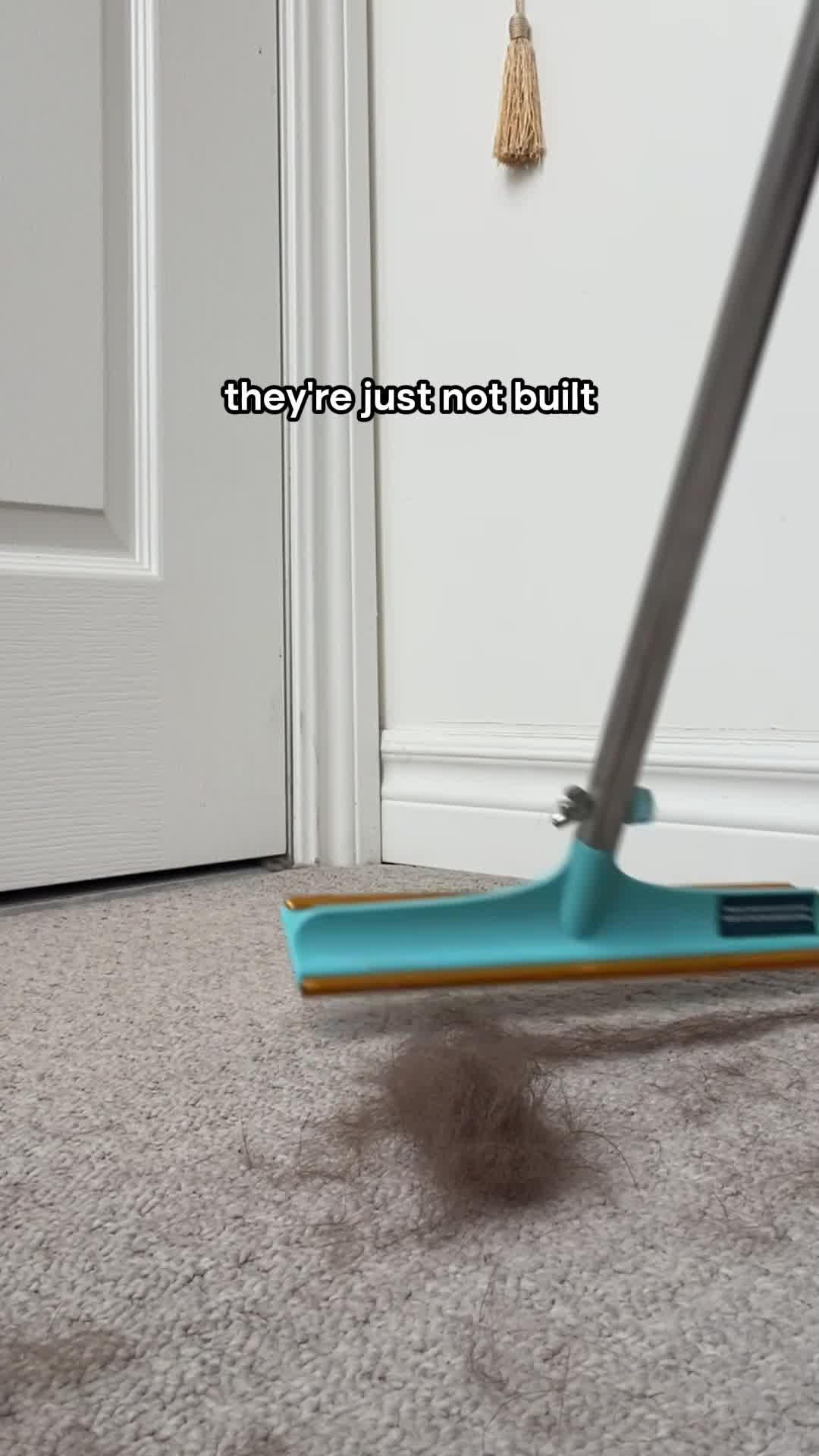
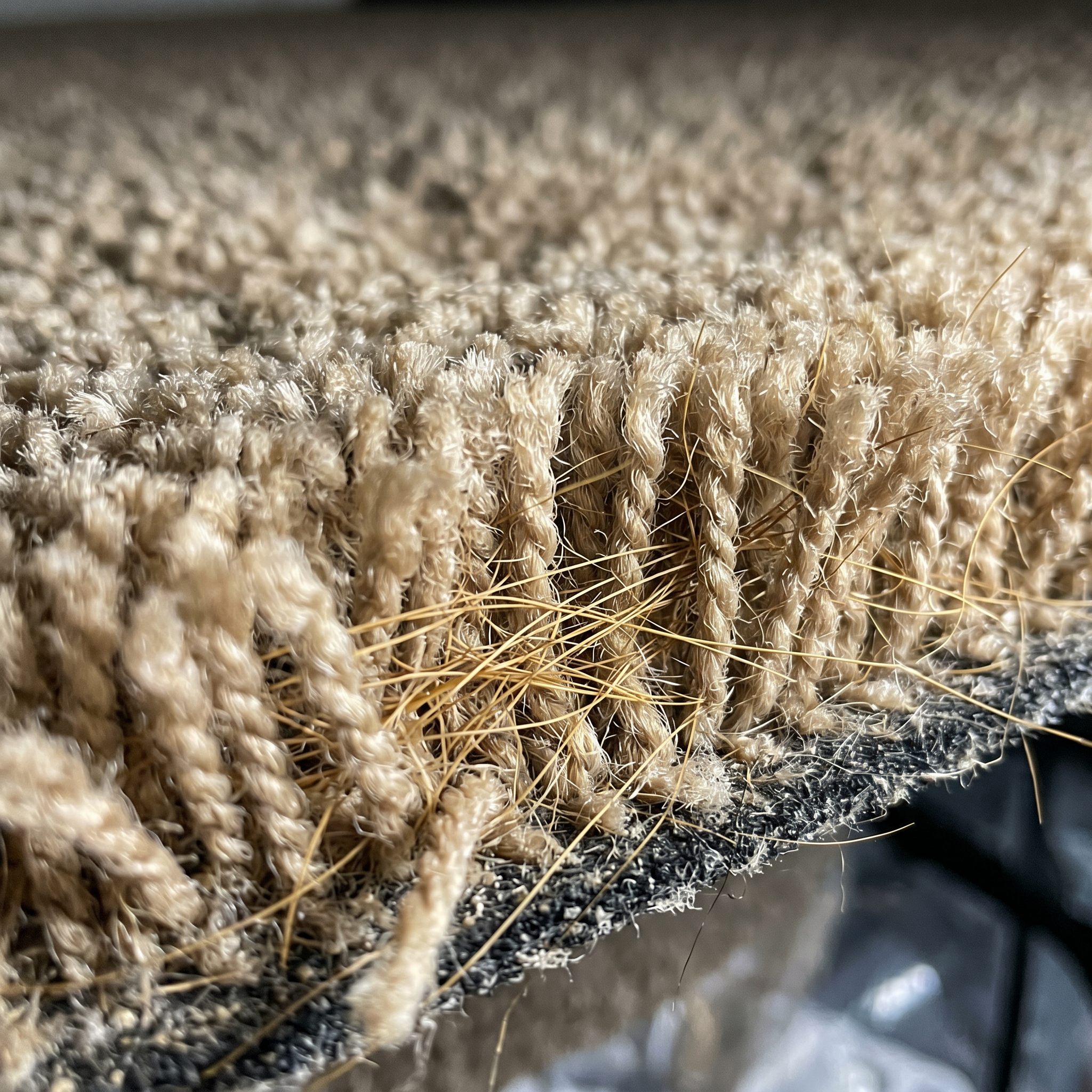
After 12 years of cleaning homes with pets, I have to say something I probably should've said years ago. The vacuum industry has been selling you a lie. And I've watched it make good women blame themselves every single week. My name is Linda, and I run a small residential cleaning business. I've been doing this for over a decade now, mostly homes with dogs and cats, which in my area is basically every home. I'm not a scientist, and I'm not selling vacuums. I'm telling you this because after years of watching the same thing happen in house after house, I finally understand why, and I think you deserve to know too. Here's what my workday looks like. I walk into a home, and the client has already vacuumed, sometimes that same morning. The carpet looks fine to the naked eye - but before I do anything else, I kneel down and run my hand slowly across a section of carpet near the couch or wherever their dog usually lies. Every single time, I can feel it. This roughness under my palm, almost like very fine sandpaper. That's not dirt. That's not dust. That's a layer of pet hair that's worked its way down into the carpet fibers and locked itself in place. I used to think it meant the client wasn't vacuuming thoroughly enough, or maybe they needed a better vacuum. So for years, I would just clean it up and move on without saying much. But it kept happening… In homes with Dyson Animals, in homes with Shark Pets, in homes with $400 Bissell machines that were specifically marketed for pet owners. Every single one of them still had this embedded layer that the vacuum never touched. And the clients all had the same look on their face when I arrived. This sort of apologetic, slightly embarrassed expression, like they'd already failed before I even started. One woman I've cleaned for going on 3 years now, she has two Golden Retrievers, and she vacuums every single morning before work. Every Thursday when I show up, she says some version of "I'm sorry, I just vacuumed, I don't know why it still looks like this." For three years, this woman has been apologizing to me in her own home for a problem that was never her fault. That's the part that finally got to me. Not the hair itself, but watching good, hardworking women blame themselves week after week for something their vacuum was physically incapable of doing. And I started asking myself a question I probably should have asked years earlier, which is: “Why can't these vacuums remove embedded pet hair?” They cost $200, $300, sometimes $400 or more. They say "pet" right there on the label. So why is there still a full layer of hair locked in the carpet every single time I show up? I started looking into it, and what I found made me genuinely angry. Vacuum suction pulls air upward. That's how it works. It creates a vertical pull that lifts loose debris off the surface. And for surface-level stuff like dust, crumbs, loose hair sitting on top of the carpet, that vertical suction works fine. But pet hair doesn't just sit on top. When your dog lies on the carpet, or when you walk across the area after they've shed, that hair gets pushed down into the carpet pile. And once it's down there, the individual strands of hair have these tiny microscopic scales along the shaft, almost like fish scales, that grip the carpet fibers horizontally. The hair is literally hooked into your carpet sideways, and the vacuum is pulling straight up. More suction doesn't fix a direction problem. A $300 vacuum and a $50 vacuum perform almost identically on embedded pet hair because the limiting factor was never suction power. It was the suction direction. On top of that, I found out that when Dyson first launched their "Animal" line, the one that basically created the entire "pet vacuum" category, it was the exact same machine as their regular DC07. Identical engineering, identical suction design. The only differences were cosmetic. They painted it purple because their market research showed that 80% of premium vacuum buyers were women, and they figured purple would be more appealing. They included a brush attachment for the hose, and they called it the Dyson Animal. No changes to the suction mechanics whatsoever. It was a marketing decision, not an engineering breakthrough. And that approach has spread across the entire industry since then. Different colors, different names, same machines, higher prices - all targeting pet owners who are desperate for something that actually works. Meanwhile, the European Patent Office has published vacuum accessory patents that openly state, in the technical background section, that pet hair "becomes embedded and trapped within the fibers of the fabric, thereby preventing effective and complete removal by vacuum cleaner suction alone." The industry has known this limitation in writing, in patent filings, for years - and they kept marketing "pet vacuums" built on suction as if it were the answer. When I learned all of this, I thought about my client with the two Goldens. Three years of apologizing for her carpet. Hundreds of dollars spent on premium vacuums that were never going to solve the actual problem. And she thought it was her fault the entire time. So here's what I started doing differently. Before electric vacuums even existed, people cleaned carpet using friction, not suction. Carpet beaters, rubber brooms, carpet sweepers with rotating bristles. These tools used horizontal force, physical contact that worked in the same direction the debris was lodged. They weren't replaced because they failed. They were replaced because electric vacuums felt more modern in the 1920s and 30s, and the culture shifted. But the physics never changed. I started using a handheld friction tool before I vacuum in every home I clean now. It's called the Uproot Clean Pet Hair Remover, and it works on the same principle those old carpet tools used, but it's small, portable, and designed specifically for this one job. You press the edge against the carpet and pull it across the surface, and the friction breaks the grip those tiny hair scales have on the carpet fiber. The hair comes up in clumps you can see and pick up by hand. The first time I used it at my client Karen's house, on carpet she had vacuumed that morning with her Dyson Animal, I pulled out a clump of hair from a two-foot section that was roughly the size of my fist. She just stared at it. She said, "That was on my carpet? I vacuumed two hours ago." Then she knelt down and ran her hand across the section I'd done, and then across a section I hadn't touched yet. The difference was obvious, even just by feel. One side was soft. The other side, the "clean" side, felt rough and gritty under her hand. She'd been walking on that texture for years without realizing carpet could feel any different. She didn't say anything for a long moment. Then she told me, "I've been blaming myself for this for years, Linda. I thought I was doing something wrong." And I told her what I now tell every client: “You weren't doing anything wrong. Your vacuum was never built to do this. No vacuum is.” I've now recommended this tool to well over a hundred clients. About half of them call me less often after that, which honestly costs me bookings. But I'd rather someone trust me than need me, and I'd rather every woman with a dog stop blaming herself for a problem the vacuum industry created and then sold her a premium-priced non-solution for. My client with the two Golden Retrievers, the one who apologized to me every Thursday for three years, she had her book club at her house last month for the first time in over a year. She told me she used the tool before they came over, spent maybe ten minutes on the living room carpet, and didn't panic-clean for three hours beforehand like she used to. Her husband came home and asked if she'd had the carpets professionally cleaned. She said, "No. Ten minutes with a tool that costs less than one of your golf balls." Look, I know what it looks like. It looks like a simple little handheld tool, and you're wondering how something that basic could outperform your $300 vacuum. I had the same reaction the first time someone showed it to me. But a carpet sweeper from 1876 didn't need electricity either, and it cleaned homes for fifty years. Friction doesn't need a motor. It just needs the right edge at the right angle, pressed against the carpet in the direction the hair is actually gripping. If you want to see how it works, I'll leave the link below if you want to check it out for yourself. I'm not selling it. I don't work for the company. I just got tired of watching women spend hundreds on vacuums that were engineered to fail at this one job and then blame themselves when the carpet still felt rough. There's a money-back guarantee, so if you try it on a carpet you've already vacuumed and it doesn't pull up hair your vacuum missed, send it back. But I've used it in well over a hundred homes now, and I've never once had a carpet where it didn't pull something up. Not once. If you have a pets and your carpet feels like fine sandpaper under your palm, that's not dirt. That's the layer your vacuum has been skating over for months. Maybe years. That's what this removes. https://order.uprootclean.com/phr008-l-vacuum-industry
Where the ad sends people
order.uprootclean.com
Why Your Vacuum Leaves Pet Hair Behind
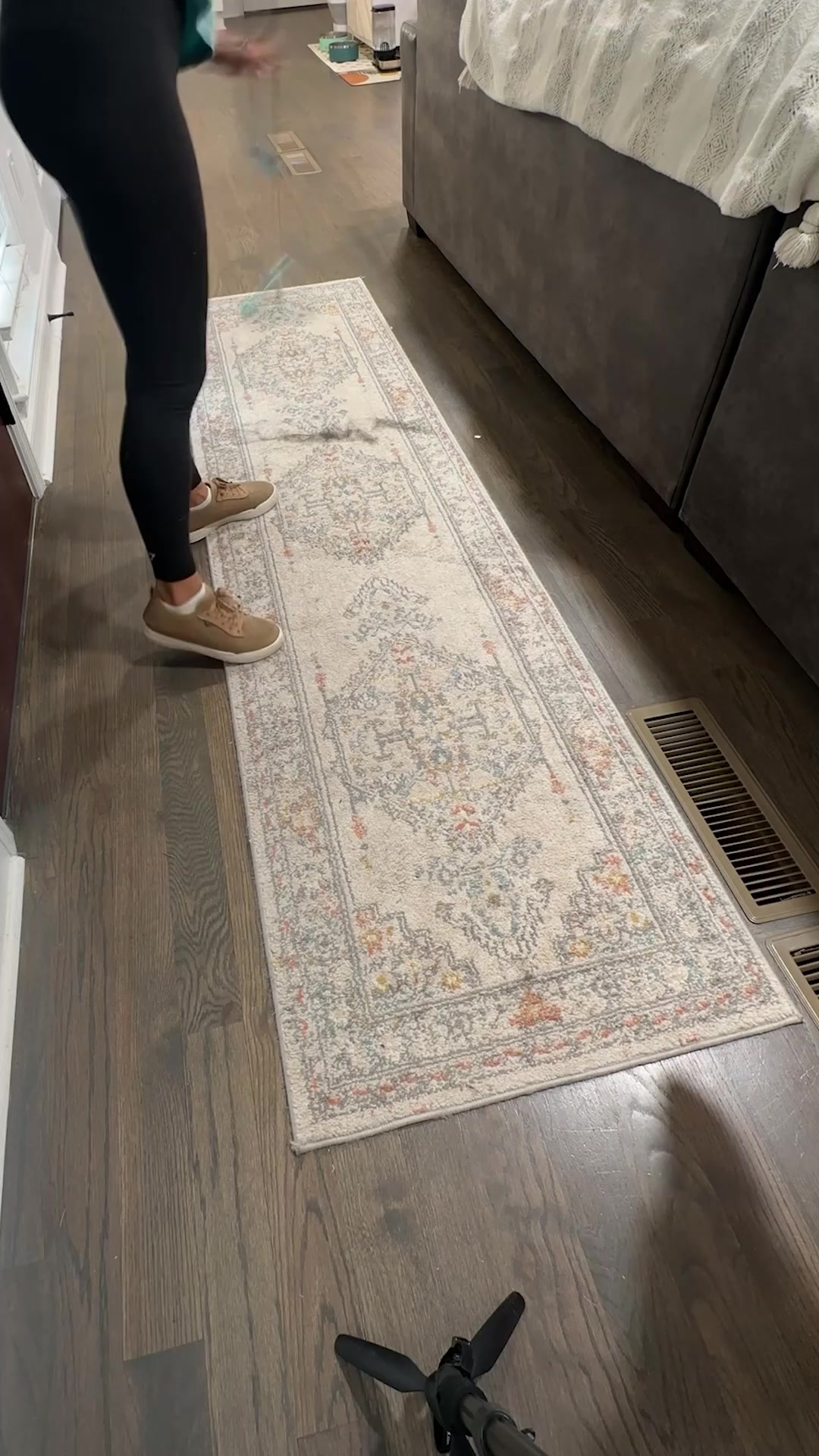
On hard floors like tile or hardwood, the vacuum nozzle creates a tight seal against the surface. Air can't escape through the floor, so it has to pull debris UP into the vacuum.
Shop now: order.uprootclean.com(opens in a new tab)